プライベートブランドの子供用サングラス:FDA登録のための製造業者または輸入業者?
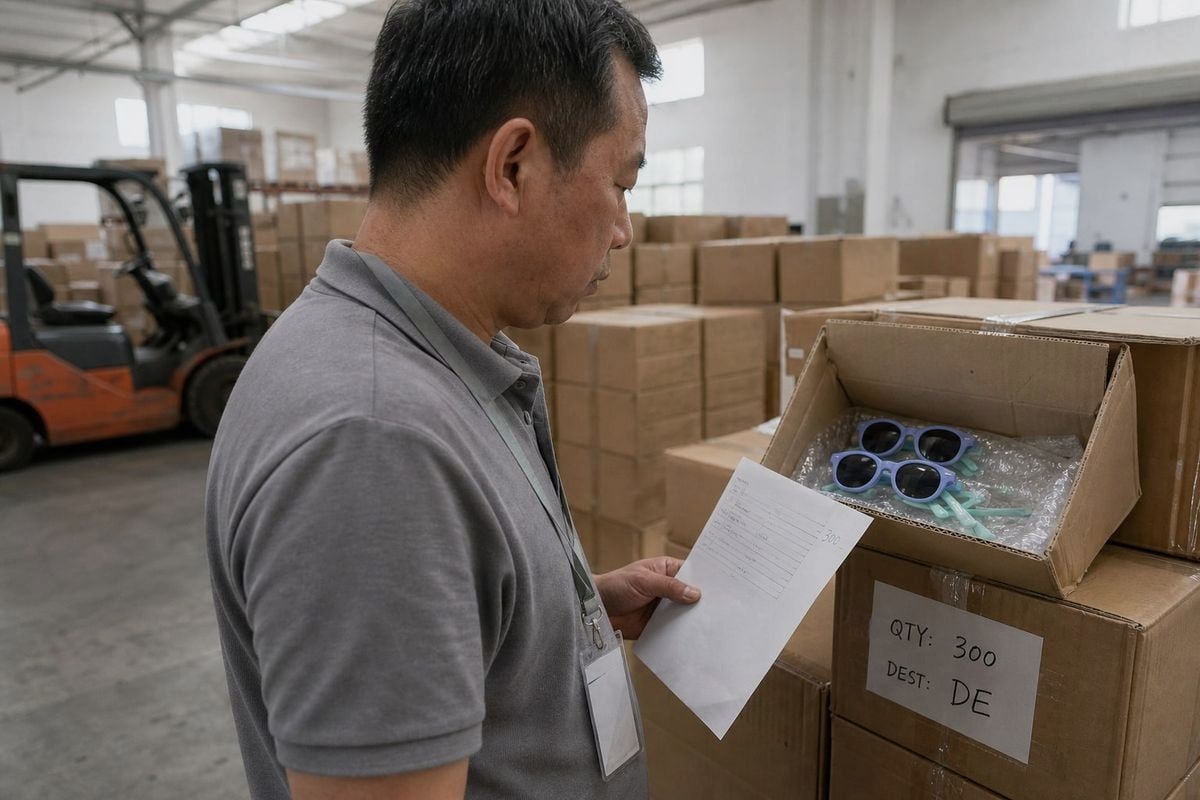
プライベートブランドの子供用サングラスは、FDA登録が出てくるまでは単純に見えます。バイヤーがその質問でフリーズするのを見てきました。間違った答えは、米国港で出荷が滞ることを意味すると心配しています。台州で15年間子供用眼鏡工場を経営してきた経験から、答えは見た目よりも明確だと言えます。.
プライベートブランドの子供用サングラスの場合、責任はブランド所有ではなく、役割によって異なります。外国の製造業者は、FDAの施設登録を完了し、米国代理人を任命し、デバイスをリストする必要があります。最初の米国輸入業者も、独自の施設を登録する必要があります。単に再販するだけのブランドは、通常登録しません。.
その短い答えには、多くの実用的な詳細が隠されています。各役割がどのように機能するか、どのような書類が必要か、そしてコンプライアンスを簡単にできる工場をどのように選ぶかをご案内します。.
メーカーまたは輸入業者のどちらが、私のプライベートブランドの注文に対するFDA登録の責任者であるかをどのように判断しますか?
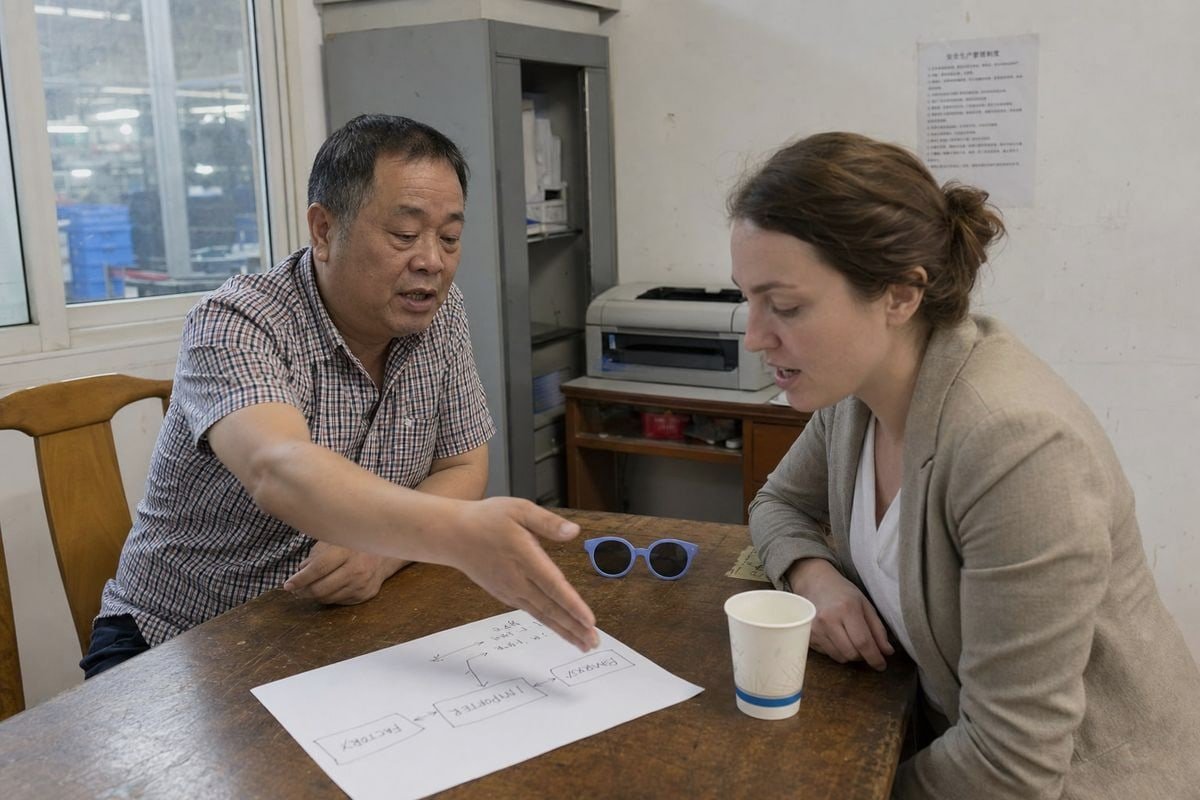
数年前、米国のバイヤーの一人が「プライベートブランド」とは、FDAの質問は私たち工場に完全に属するものだと想定していました。私たちは一緒に座って、サプライチェーンで実際に誰が何をしているのかをマッピングする必要がありました。そのマッピング演習こそが、答えを見つける方法です。.
各規制活動の実施者を特定します。外国製造業者は、その施設を登録し、米国代理人を指名し、医療機器の登録を行います。最初の輸入業者として機能する会社は別途登録する必要があります。あなたのブランドが米国に初めてサングラスを輸入する事業体である場合、あなたは最初の輸入業者であり、登録する必要があります。.
FDAは、子供用スタイルを含むすべての処方箋なしサングラスを次のように分類しています。 医療機器クラスI 1 CFRタイトル21の下の製品。これらは 510(k)市販前通知 2. から免除されます。しかし、「免除」は「規制なし」を意味するものではありません。その短縮形は多くの新規バイヤーを誤解させます。登録、リスト、品質要件、および耐衝撃性試験はすべて引き続き適用されます。.
まず自分の役割をマッピングする
問題は「テンプルアームにどのブランドがついているか?」ではありません。問題は「誰が何をするか?」です。典型的なプライベートブランド契約における役割の内訳は次のとおりです。
| 担当 | 通常は誰か | FDAの義務 |
|---|---|---|
| 外国製造業者 | 工場(台州の工場など) | 施設登録、米国代理人、医療機器登録 |
| 初回輸入業者 | 商品の最初の米国企業 | 施設登録(年次) |
| 仕様開発者 | デバイスを設計および管理するブランド | 自身の名義での登録とリスト |
| 再販業者/小売業者 | 米国の販売業者から購入する店舗 | 一般的に登録なし |
プライベートブランドのニュアンスに注意してください。既存のデザインにブランドを付け、米国の販売業者が輸入する場合、登録義務は全くないかもしれません。しかし、あなたの会社が私たちから直接輸入する場合、あなたは初回輸入業者となり、あなたの施設を登録し、年間の医療機器ユーザー料金を支払う必要があります。一部のブランドは、「仕様開発者」として登録することを選択して、工場の身元を公開データベースで機密に保ちながら、医療機器登録を管理します。これは正当な戦略ですが、義務が増えるため、慎重に決定してください。.
リスト自体は製造業者が行います。当社のサングラスは、処方箋なしサングラスのFDA製品コードHQYの下にリストされています。輸入業者は登録しますが、通常は配布のみを行う医療機器をリストしません。.
経験豊富な工場と協力することで、子供用サングラスブランドのFDAコンプライアンスは容易になりますか?
私はほとんどすべての新規バイヤーと話し合うトレードオフがあります。米国に出荷したことのない工場からのわずかに安い見積もりと、すでに有効な施設登録を持っているパートナーとの比較です。20カ国以上に輸出してきた経験から、安い見積もりは通常、税関でより多くかかります。.
はい。経験豊富な工場は、FDAの施設登録、米国代理人、および製品コードHQYの下での正しいデバイスリストをすでに維持しています。ドロップボールテスト証明書、CPSIAテストレポート、および一貫したラベリングを提供しており、税関での差し押さえを防ぎ、ブランドのコンプライアンス作業のほとんどをなくします。.
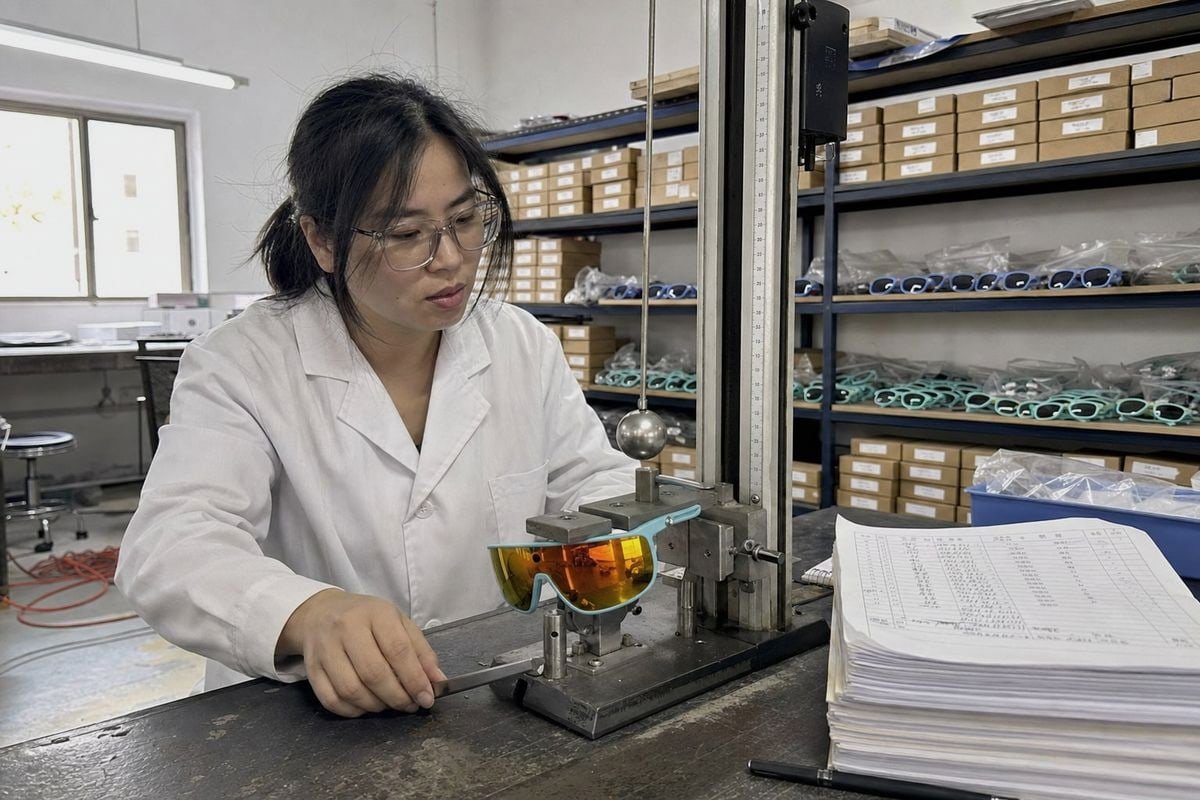
数年前に施設登録を行ったとき、そのプロセスは私たちに重要なことを教えてくれました。コンプライアンスは一度きりのイベントではありません。登録は毎年更新されます。リストは正確に保つ必要があります。耐衝撃性試験はロットごとに文書化する必要があります。これらのタスクを日常的なタスクとして扱う工場は、供給するすべてのブランドを保護します。.
経験豊富なパートナーがあなたのために処理してくれること
工場の側がすでに整っている場合にバイヤーが得られるものは次のとおりです。
- 有効な登録と米国代理人。. デポジットを支払う前に、FDAデータベースで当社のステータスを確認できます。推測はありません。.
- 正しい医療機器登録。. 当社のサングラスは製造業者の名義でリストされているため、プライベートブランドの出荷はきれいに参照されます。.
- 耐衝撃性試験。. 当社が出荷するすべてのレンズタイプ、 UV400 4 着色レンズから偏光オプションまで、21 CFR 801.410の下で認定されています。.
- 子供向けのCPSIAコンプライアンス。. 子供用サングラスは、米国の法律の下では子供向け製品でもあります。これは、鉛含有量、, フタル酸エステル 5, 、および小さな部品の危険性に関する第三者試験を意味します。当社のTPEEおよびTR90素材は、これらの試験に確実に合格するため、一部選択されています。.
- 材料安全性の文書。. より多くのバイヤーがリサイクルまたはバイオベースのプラスチックを求めるにつれて、生体適合性の質問が出てきます。新しいフレーム素材が予期せぬ皮膚接触の問題にならないように、材料データを手元に置いています。.
プライベートブランドに特有の実用的な利点もあります。既存のスタイルが約800種類あるため、新しいブランドは金型を開けずに立ち上げることができます。それらの各スタイルは、当社の内部QCおよび安全文書フローを通過しています。あなたは、証明されていないデザインをFDAおよびCPSIA要件に対してテストしているわけではありません。あなたは、既存のコンプライアンス履歴を持つ製品にラベルを貼っているのです。.
一つの注意点:経験豊富な工場はあなたの仕事量を減らしますが、あなたの施設を登録することはできません。あなたが初回輸入業者である場合、その登録はあなたの法的義務のままです。良いパートナーは、港で発見させるのではなく、それに気づかせてくれるでしょう。.
FDA登録および通関をサポートするために、製造業者からどのような書類を要求すべきですか?
A procurement manager from Australia once emailed me a one-line question: "What paperwork do I actually need for the US?" I replied with a checklist we now attach to every US-bound order, because the answer surprised her by how specific it was.
工場のFDA設立登録番号、米国代理人の詳細、製品コードHQYの下での医療機器登録の確認、21 CFR 801.410に基づく落下衝撃耐性証明、CPSIAの第三者試験報告書、UV400保護試験データ、およびブランド名と原産国を示すラベルファイルをご請求ください。.
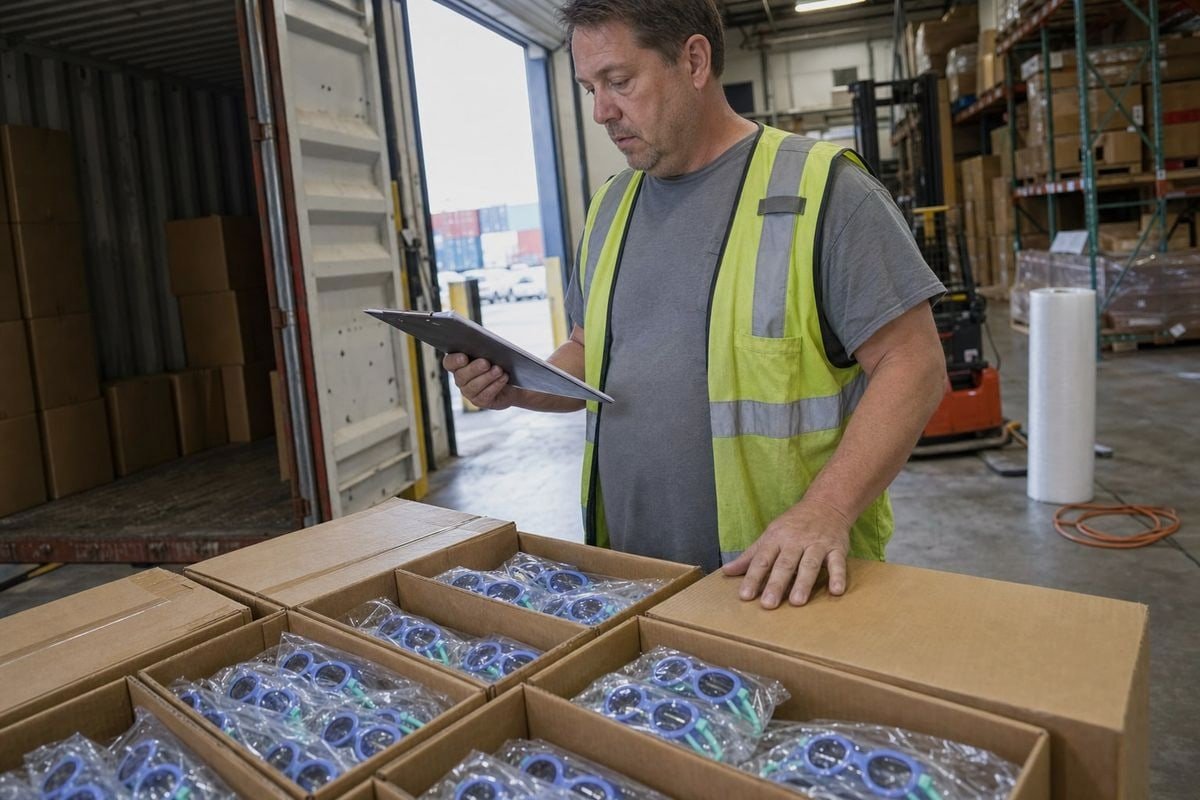
Documents are where good factories separate themselves from cheap ones. Anyone can quote a low price. Not everyone can produce a clean, verifiable paper trail on request. Here is the full set I recommend collecting before your first shipment leaves the port.
The pre-import document checklist
| 文書 | Why customs and FDA care | Who provides it |
|---|---|---|
| Establishment Registration number | Proves the foreign factory is registered with FDA | Manufacturer |
| U.S. Agent confirmation | Required for all foreign manufacturers | Manufacturer |
| Device Listing (HQY code) | Links the product to a listed Class I device | Manufacturer |
| Drop ball test certificate | Confirms impact resistance testing per 21 CFR 801.410 | Manufacturer / lab |
| CPSIA test reports 6 | Lead, phthalates, small parts safety for children's products | Third-party lab |
| UV protection test data | Supports UV400 or ANSI Z80.3 7 performance claims | Manufacturer / lab |
| Labeling artwork files | Verifies product labeling requirements are met | 両当事者 |
| Commercial invoice and packing list | Standard customs entry documents | Manufacturer |
A few notes from our side of the table. First, the impact resistance certification matters on every shipment, not just the first one. US Customs can ask for it at entry, and missing paperwork is a common cause of detention. Second, CPSIA testing must come from a CPSC-accepted third-party lab. Factory self-testing is not enough for children's products. Third, if your marketing mentions specific optical performance, keep ANSI Z80.3 test data on file so your claims match your evidence.
Some of our buyers now go further and add QR codes on packaging that link to a digital record of test reports and registration details. This kind of digital product passport approach makes verification instant for customs brokers and retail partners alike. We support it on request during packaging development.
安全基準とFDAの要件の両方を理解しているプライベートブランドのパートナーをどのように選べばよいですか?
The hardest lesson we learned early on was that buyers cannot see quality from a quotation sheet. Two factories can quote the same wraparound sports style, one in glossy black with a mirrored gradient lens, and only one of them can hand you a complete compliance file the same day you ask.
検証可能なFDA施設登録、文書化された耐衝撃性およびCPSIAテスト、TPEEやTR90などの子供に安全な柔軟な素材、実際の工場監査証跡、および準拠したラベリングとパッケージングのためのOEM/ODMサポートを備えたパートナーを選択してください。注文する前に、FDAデータベースですべての請求を確認してください。.
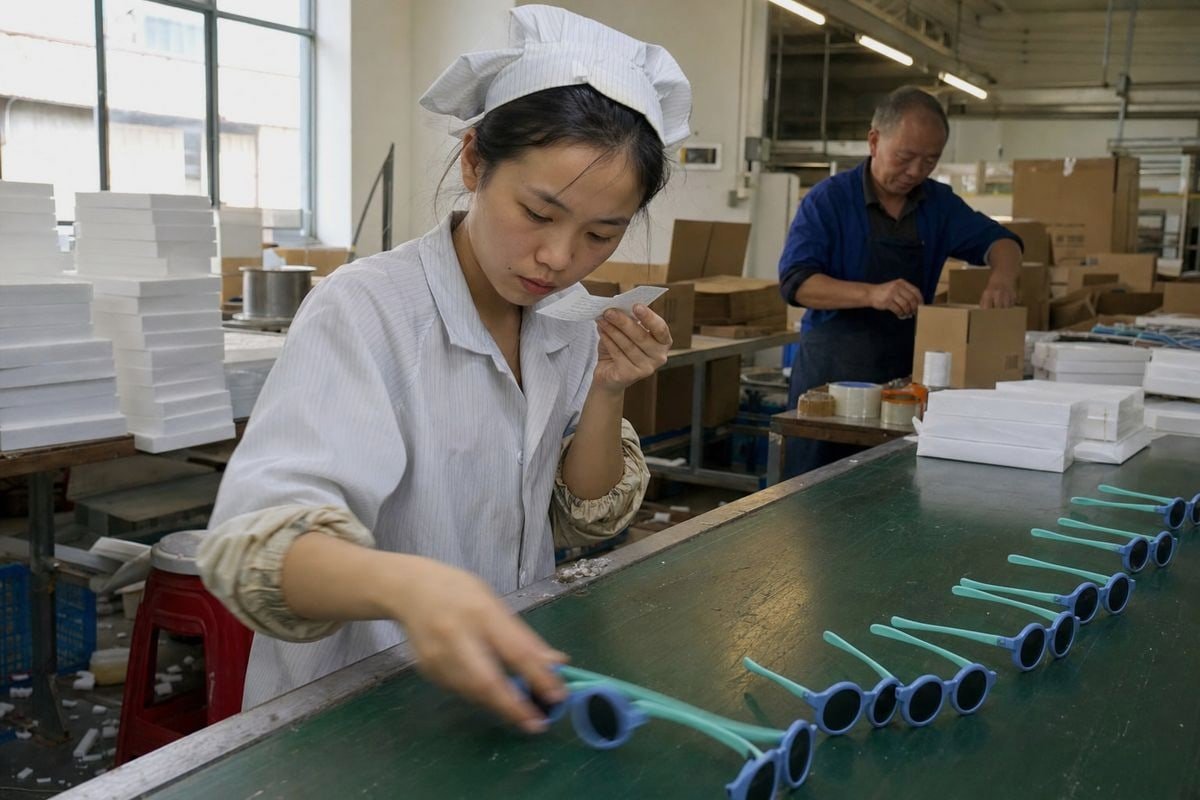
Safety standards and regulatory knowledge are two different skills, and a kids eyewear partner needs both. A factory can build a durable frame yet know nothing about Device Listing. Another can file paperwork perfectly yet use rigid plastics that snap into sharp edges on a playground. You want the overlap.
Questions that reveal the overlap
Ask these before you commit, and listen for specific answers rather than reassurance:
- Can I see your FDA registration number today? A real registrant answers in minutes. You can verify it yourself in the public database.
- Who is your U.S. Agent? Hesitation here is a red flag for any foreign factory.
- How do you test lenses? The answer should mention drop ball impact testing and UV400 protection verification, not just "good quality lenses."
- What materials do you use for children? Our own answer is TPEE and TR90, chosen for flexibility and safe failure behavior. Flexible temples bend instead of breaking when a toddler sits on them. That design philosophy matters as much as any certificate.
- How do you handle labeling? Product labeling requirements cover brand name, country of origin, and accurate claims. A partner offering full OEM/ODM support should manage artwork checks as part of packaging development.
- What claims are safe to make? This one matters more than buyers expect. If you market kids sunglasses with therapeutic promises like myopia control 8, the FDA may treat the product very differently, potentially pushing it out of the simple Class I pathway. A knowledgeable partner will steer you away from risky claims.
Also weigh structural signals. A factory with its own workshop, a stable workforce, and organized production management can maintain document consistency across repeat orders. In our 5S-managed workshop, test reports, lot records, and artwork approvals follow a fixed flow, so the file we hand a buyer in year three matches the one from year one. Traders reselling from multiple unknown workshops usually cannot promise that continuity, and continuity is what keeps every future shipment clearing smoothly.
結論
FDA duties follow roles, not brands. The factory registers, lists, and tests; the initial importer registers too. Pick a partner who proves all of it on paper, and your private label kids sunglasses clear customs without drama.
脚注
1. Official FDA classification reference for Class I medical devices like sunglasses. ↩︎
2. FDA source explaining the 510(k) exemption referenced for sunglasses. ↩︎
3. Official regulation text for impact resistance testing of sunglass lenses. ↩︎
4. Background on UV protection standards referenced for sunglasses lenses. ↩︎
5. CD
 English
  Español de México
  Deutsch
  Français
  日本語
日本語  العربية
  Português do Brasil