子供用サングラス小売業者の保証と交換ポリシーの設計方法
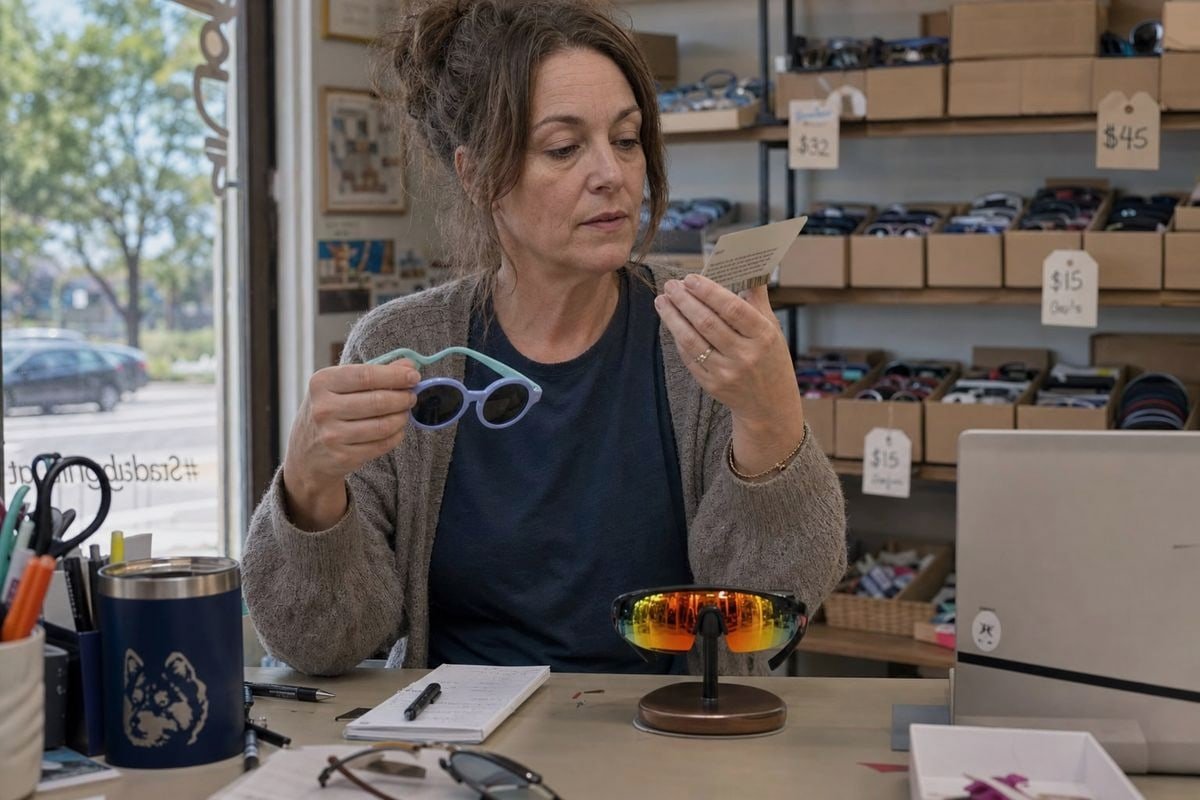
子供用サングラス小売業者の保証および交換ポリシーは、リピート注文を成功させるか失敗させる可能性があります。台州の生産ラインでは、その理由がわかります。子供は物を壊し、曖昧なポリシーは信頼を壊します。.
子供用サングラス小売業者の強力な保証および交換ポリシーは、12か月の製造上の欠陥保証と、オプションの1回限りの偶発的な損害交換、傷や紛失に対する明確な除外、購入証明の要件、および保護者が数分で完了できる簡単な写真ベースの請求プロセスを組み合わせています。.
以下に、各設計上の決定について段階的に説明します。補償範囲、公正な請求処理、返品削減、および工場とのプログラム構築方法について説明します。.
子供用サングラスの保証に含めるべきことは何ですか?小売業者の信頼を築くために
数年前、ヨーロッパのブランドクライアントの1人が私に率直な質問をしました。なぜ親は一部の子供用サングラスの保証を信頼し、他のものを無視するのでしょうか?私たちの答えは、今日バイヤーにアドバイスする方法を形作りました。.
フレーム、ヒンジ、レンズコーティングの製造上の欠陥を対象とする12〜24か月の保証、および、1回限りの偶発的損害オプション、品質保証としてのUV400保護基準、明確な除外事項、写真ベースの請求チャネルを含みます。シンプルさと具体性が、小売業者の信頼を築きます。.

信頼は明確さから始まります。親は法律の細字を読みません。彼らはポリシーをスキャンして3つの答えを探します。 何がカバーされているか, 、どのくらいの期間、そしてどのように請求するか。あなたのポリシーは、読むのに1分未満ですべての3つに答える必要があります。.
コアカバレッジ:製造上の欠陥
基本保証は、実際の 製造上の欠陥 1. をカバーする必要があります。これは、ヒンジの故障、フレームの層間剥離、レンズコーティングの自然な剥がれ、通常の摩耗下でのレンズの飛び出しを意味します。子供用アイウェアを15年間製造してきた中で、これらは実際に発生する欠陥カテゴリであり、適切なQCがあれば、それらはまれに発生します。これらをカバーすることが安価で強力である理由はまさにここにあります。 12-to-24-month window は、市場全体で標準です。たとえば、Wiley Xは、若者用アイウェアを最大2年間、欠陥に対してカバーしています。.
オプションのカバレッジ:事故と紛失
子供用サングラスは、大人用アイウェアよりも偶発的な損害率がはるかに高くなります。座ってしまったフレーム、遊び場からの落下、バックパックでの圧迫は欠陥ではありませんが、親は助けを求めています。そのため、最良のプログラムは、標準の欠陥保証と偶発的な損害補償プランを分離しています。Jonas Paul Eyewearは、1年以内の1回限りの交換を伴う有料ケアプランを提供しています。一部の小売業者はさらに進んで、チェックアウト時に紛失保護プランまたはプレミアムアドオンを販売しており、これも平均注文額を引き上げます。.
以下は、B2Bバイヤーに推奨する簡単な構造です。
| カバレッジティア | それがカバーするもの | 通常の長さ | 顧客へのコスト |
|---|---|---|---|
| 標準保証 | 製造上の欠陥のみ | 12–24 months | 無料、含まれています |
| 事故プラン | 破損に対する1回限りの交換 | 12 months | 少額の有料アドオン |
| 紛失保護 | 紛失した場合の50%交換クレジット | 12 months | プレミアムアドオン |
保証を裏付ける品質の約束
保証は、それを支える製品と同じくらい良いものです。子供向けブランドのスタイルを開発する際には、 TPEEとTR90 2, 、衝撃に強いレンズ、および UV400保護基準 3. を使用して、柔軟なフレーム耐久性を構築します。これらをポリシーに記載してください。また、米国の市場に関連する場合は、 CPSIA安全コンプライアンス 4 も参照してください。これらの約束は、あなたの保証が自信であり、マーケティングではないことを小売業者に伝えます。.
子供用サングラスが壊れたり紛失したりした場合の交換請求を公平に処理するにはどうすればよいですか?
あるバイヤーとのやり取りが心に残っています。あるオーストラリアの販売代理店が、犬に噛まれたことが明らかなサングラスの写真に、欠陥請求書を添付して転送してきました。公正な請求処理には、まさにこれらの瞬間のためのルールが必要です。.
購入証明書の提示を義務付け、返品の代わりに写真の提出を受け付け、偶発的な破損に対しては一度限りの交換を提供し、紛失した品物は無料補償から除外し、次善策(割引価格での交換や少額の処理手数料など)とともに、すべての却下理由を説明することにより、請求を公正に処理します。.
公平性には2つの側面があります。親は、迅速で手間のかからないプロセスを受ける権利があります。小売業者は、乱用から保護される権利があります。優れたポリシー設計は、これら両方に同時に役立ちます。.
簡単な4段階の請求プロセス
- 提出。. 保護者は、注文番号とともに写真またはWebフォームをメールで送信します。購入証明の要件は、事前に記載しておく必要があります。レシートまたは注文確認で十分です。.
- トリアージ。. あなたのチームは、損害を製造上の欠陥、偶発的な破損、または摩耗と損耗に分類します。一部の大規模小売業者は現在、AI駆動の写真診断ツールを使用して簡単な請求を自動承認しています。.
- Resolve. Defects get a free replacement. Accidental breaks get the one-time replacement, sometimes with a small flat replacement processing fee to cover shipping and handling.
- Close. Send the replacement with tracking and a clear note on what coverage remains.
Broken vs. lost: draw the line clearly
Broken sunglasses can be verified by photo. Lost sunglasses cannot. So most policies exclude loss from free coverage. But you do not need to say a flat no. A "lost-and-found" tier — a one-time 50% replacement credit for registered products — keeps the family in your ecosystem without absorbing full cost.
| Claim type | 検証 | Fair remedy |
|---|---|---|
| Manufacturer defect | Photo of hinge/frame/coating failure | Free replacement, no fee |
| Accidental breakage | Photo of damage | One-time replacement, optional small fee |
| Deep scratches / wear | Photo review | Denied, offer discount on new pair |
| Lost or stolen | Registration record only | 50% credit if registered, else discount offer |
Why one-time replacement works
Unlimited replacements sound generous, but they are financially unpredictable. A one-time cap — used by Optiplex and Perspective Optometry, among others — delivers real value on the first accident, which is when parents need it most, while keeping your replacement volume forecastable. Shady Rays covers damage "for any reason" within 2 years but still reserves the right to confirm the damage type. Even the most generous programs verify.
強力な保証ポリシーは、小売パートナーからの返品を減らすのに役立ちますか?
There is a trade-off we weigh with every OEM client: a policy generous enough to win shelf space, but tight enough to keep the returns pipeline manageable. The good news is that these goals align more often than buyers expect.
はい。明確な保証ポリシーは、店舗での返金を直接交換請求に切り替えることで小売返品を削減し、定義された除外項目を通じて欠陥のない返品を除外し、30日間の欠陥期間を通じて品質の問題を早期に発見し、小売スタッフに推測ではなくスクリプトを提供することで、小売返品を削減します。.
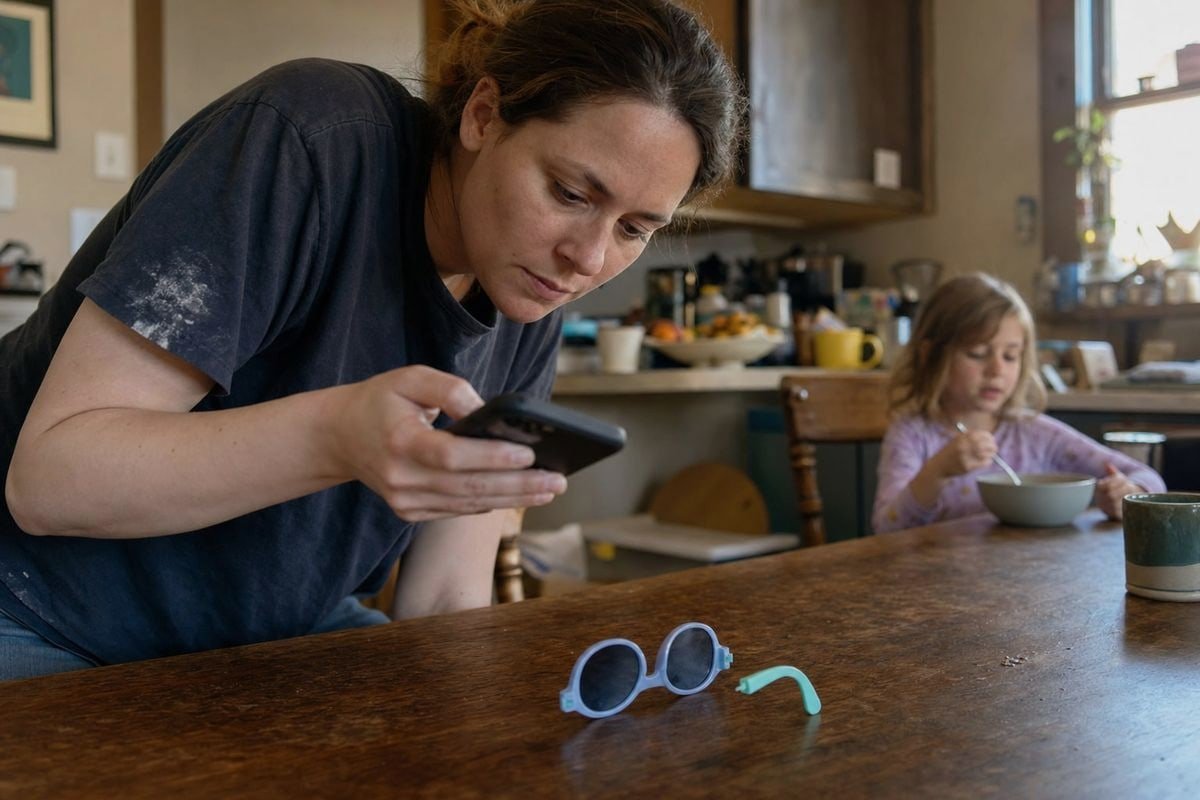
Returns are expensive for everyone. The retailer loses margin. You lose product. The parent loses time. A well-designed policy redirects most of that friction before it becomes a return.
How a warranty intercepts returns
When a parent walks into a store with broken kids' sunglasses and no policy exists, the retailer's only tool is a refund. That refund becomes your chargeback or credit note. But when a clear warranty exists, the retail staff can point the parent to your claims channel instead. The product issue is resolved directly, and the sale stays booked. In our experience exporting to buyers in 20+ countries, brands with printed policy cards inside their packaging see noticeably calmer relationships with their retail partners than brands who leave stores to improvise.
Exclusions do quiet work
Exclusions are not stinginess. They are return filters. When your policy states that normal wear-and-tear scratches, unauthorized repairs, and cosmetic issues are excluded — and explains that a 傷防止コーティング 5 resists scratches but is not scratch-proof — retailers stop accepting those items back. Sunglass Hut takes exactly this line, excluding lens scratches as normal wear unless the defect existed at delivery.
Turn the policy into loyalty
A warranty can also feed customer loyalty programs. A "growth-stage exchange" that trades outgrown frames for a larger size at 40–50% off keeps families buying from the same brand as the child grows. A circular loyalty credit for returning broken frames for material upcycling does the same while supporting sustainability messaging 6 — something our environmentally friendly TPEE and TR90 materials pair with naturally. Product registration within 30 days validates extended coverage and gives your client a marketing list at the same time.
A hassle-free return window for unworn product, sitting alongside the warranty, completes the picture: returns handle buyer's remorse, and the warranty handles product performance. Keeping the two separate keeps both cheap.
信頼できる保証プログラムをサポートするために、製造業者とどのように連携しますか?
The hardest lesson we learned early on was this: a brand's warranty is really a bet on its factory's consistency. When we tightened hinge-torque checks and lens-fit inspection in our 5S管理ワークショップ 7, our clients' defect claims dropped — and their warranties suddenly cost almost nothing to honor.
生産前にQC基準と欠陥の定義について合意し、注文ごとにスペアパーツと交換在庫の割り当てを交渉し、UV400および耐衝撃性の文書を要求し、請求データを共有することで、メーカーと協力し、返品カウンターではなく工場で繰り返し発生する問題を修正します。.
Your warranty economics are set long before the first claim arrives. They are set at the factory. Here is how to structure that partnership.
Agree on defect definitions up front
"Defect" must mean the same thing to you, your retailers, and your factory. Before an order ships, agree in writing on what counts: hinge failure within normal use, coating peel, frame cracking without impact marks. At our Taizhou facility, we walk OEM clients through these definitions during sampling, so the eventual policy language matches what the product can actually deliver. Flexible frame durability in TPEE and TR90 changes the math here — flexible materials survive bending that snaps rigid acetate, so brands using them can afford slightly bolder accidental coverage.
Build replacement stock into your orders
Replacements only feel fast to parents if stock exists. Negotiate a small replacement allowance — a few percent of order volume in the top-selling colors — held either at your warehouse or produced as overage. Because we keep around 800 existing styles in our catalog, our clients can also re-order matching replacement units quickly without new mold investment, which keeps a one-time replacement promise realistic even for smaller brands.
Share claim data both ways
Every claim photo is free QC data. Send your manufacturer a monthly summary of claim types. A pattern of loose hinges or coating issues points to a process fix, and a good factory partner will want to make it.
| What to agree with your factory | Why it protects your warranty |
|---|---|
| Written defect definitions and tolerances | Prevents disputes over what is covered |
| UV400 and impact-resistant lens documentation | Backs your safety and quality claims |
| CPSIA safety compliance paperwork for the US | Keeps the program legally solid |
| Replacement stock allowance per order | Enables fast one-time replacements |
| Monthly claim data feedback loop | Fixes root causes, cuts future claims |
| Retail-ready packaging with policy card | Puts the policy in the parent's hands |
Packaging is part of the warranty
フル OEM/ODMサポート 8 should include the warranty touchpoints themselves: a printed policy card, a QR code to the claims form, and a registration prompt inside the case. We produce custom packaging and accessories for exactly this reason — the policy that gets read is the one that ships inside the box.
結論
A warranty and replacement policy for kids' sunglasses retailers works best when it is short, explicit, and parent-friendly: a clear defect warranty, a one-time accidental plan, and a factory partner behind it.
脚注
1. Authoritative Wikipedia entry for ISO 9001 quality management standards. ↩︎
2. Background on thermoplastic elastomer materials used for flexible children’s eyewear frames. ↩︎
3. EPA explains UV exposure risks and protective standards relevant to sunglasses lens claims. ↩︎
4. CPSIA is the actual US federal statute governing children’s product safety requirements. ↩︎
5. Corrected Wikipedia URL for anti-scratch and protective lens coatings. ↩︎
6. Official United Nations portal for global sustainability and environmental goals. ↩︎
7. 5S is the lean manufacturing system referenced for improving factory quality control. ↩︎
8. Alibaba is a leading B2B platform for sourcing OEM/ODM manufacturing partnerships. ↩︎



 English
  Español de México
  Deutsch
  Français
  日本語
日本語  العربية
  Português do Brasil