BPAフリーおよび子供の安全に関する情報を子供用メガネフレームで提示する方法
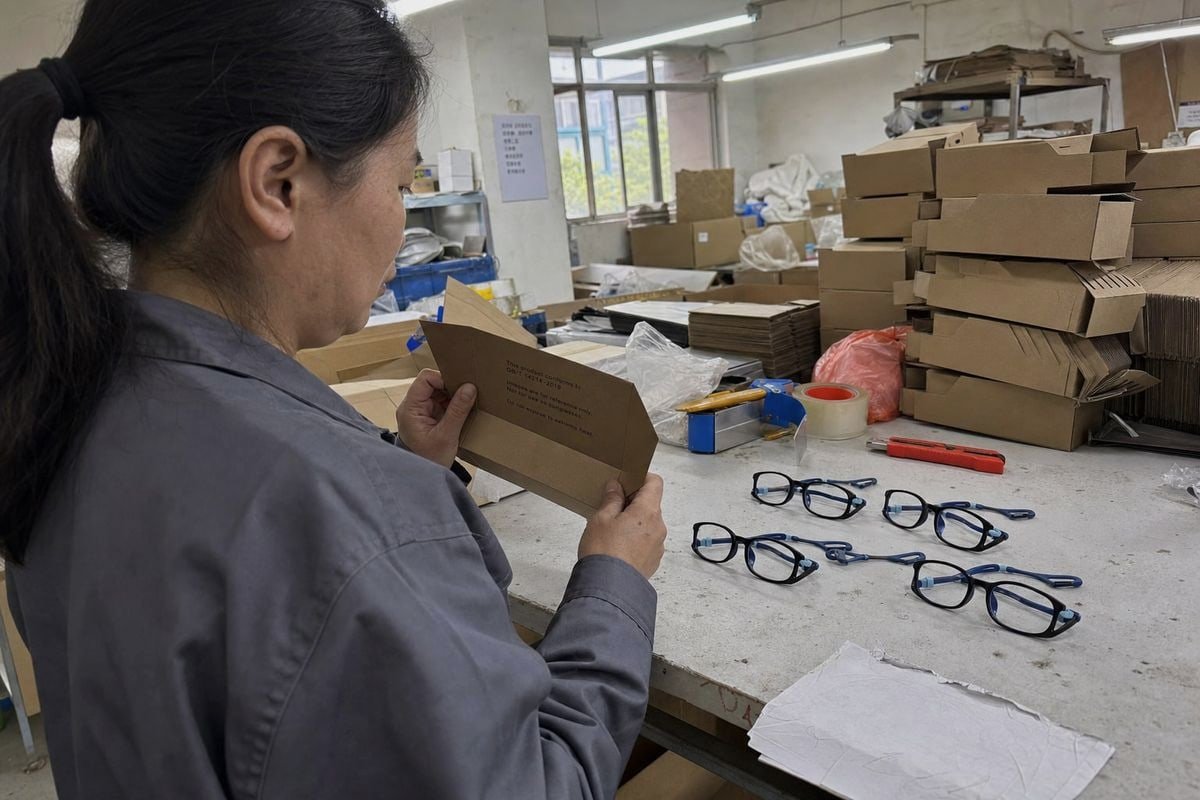
提示 BPAフリー 1 および子供の安全に関する情報は、当社の台州工場がほぼすべてのパッケージプロジェクトでバイヤーが正しく取得できるよう支援しているものです。.
BPAフリーおよび子供の安全に関する情報を、特定の素材に関する主張(BPAフリー、フタル酸エステルフリー、低アレルギー性)を記載し、各主張にデザイン上の特徴を組み合わせ、認識されている安全認証を表示し、保護者や規制当局が検証できる製造元のテストレポートですべてを裏付けることで、子供用光学フレームについて提示します。.
問題はここにあります。親は曖昧な「子供に安全」というラベルに懐疑的です。 ANSI Z87.1スタイルの落下球テスト 2. パッケージが単にバズワードを繰り返すだけなら、彼らはスクロールしてしまいます。さらに悪いことに、主張が裏付けられない場合、市場で規制上の問題が発生するリスクがあります。良いニュースは、適切な構造があれば、安全に関するメッセージがあなたの最も強力なセールスポイントになるということです。セクションごとに、ブランドがこれを行うのをどのように支援しているかを説明します。.
子供用アイウェアのパッケージで、「BPAフリー」や「無毒素材」といった表示を明確に伝えるにはどうすればよいですか?
オーストラリアのバイヤーがかつて、パッケージの表紙に「安全」という一言だけ印刷されたドラフトを送ってきました。私たちはそれを一緒に書き直すのに1週間費やし、コピーが最終的に説明したため、彼女の売れ行きは改善しました。 なぜ.
BPAフリーであることを正確な素材名(TR90、TPEE)で伝え、何からフリーか(BPA、フタル酸エステル、ラテックス)を明記し、それぞれの主張を、噛んでも安全、肌に優しい、折れずに柔軟といった実際のメリットに結びつけます。.

私たちがOEMクライアントに教えるコアルールはシンプルです。主張を単独で放置しないでください。「BPAフリー」だけではラベルです。「BPAフリーのTPEEテンプルで、幼児が噛んでも安全」は、親がすぐに理解できるストーリーです。幼い子供たちはメガネを乱暴に扱います。彼らはそれを曲げたり、座ったり、口に入れたりします。あなたのコピーは、それらの瞬間に直接語りかけるべきです。.
具体的な、階層化された素材の言語を使用する
パッケージと製品ページで3層構造をお勧めします。
- 素材の名前。. 「"追加のカラーラウンド 3 プラスチック」だけでなく、「TPEEテンプル付き」と言います。名前の付いた素材は透明性を示します。.
- フリーリスト。. BPAフリー、, フタル酸エステルフリーのアイウェア 4, 、ラテックスフリー、低アレルギー性のフレーム。それらを明確にリストアップしますが、テストレポートが実際にサポートしているものだけです。.
- 親向けのメリット。. 子供はフレームを噛むので、無毒の素材は重要です。子供は一日中敏感な肌にメガネを10時間着用するため、低アレルギー性は重要です。.
過剰な約束を避ける
バイヤーが時々反論するニュアンスが1つあります。彼らは「100%安全」または「完全に無毒保証」と印刷したいと考えています。私たちはそれに反対します。ヒンジが弱い、またはエッジが鋭いBPAフリーフレームは安全なフレームではありません。過度に絶対的な言語は、EUやオーストラリアのような市場で法的リスクも生み出します。違いをどのように表現するかは次のとおりです。
| 弱い主張 | 強い主張 |
|---|---|
| "「安全な素材」" | "「BPAフリー、フタル酸エステルフリーのTPEE — テスト済みおよび文書化済み」" |
| "「無毒」" | "「無毒素材、子供がテンプルを噛んでも安全」" |
| "「子供向け」" | "「低アレルギー性フレーム、一日中敏感な肌に優しい」" |
| "「壊れない」" | "「曲がって元の形状に戻る柔軟なフレーム」" |
具体的な言語は信頼を築きます。曖昧な言語は疑いを招きます。それがパッケージでのゲーム全体です。.
子供用メガネの光学フレームについて、保護者に安心してもらうために、どのような安全認証を強調すべきですか?
私たちのワークショップから輸出出荷を準備する際、書類フォルダはサンプルボックスよりも厚くなることがよくあります。15年間で20カ国以上に輸出してきた経験から、認証はバイヤーと親の両方が信頼する言語であることがわかりました。.
市場に合った認証を強調表示します:米国のCPSIA鉛およびフタル酸エステルコンプライアンス、ヨーロッパのCEおよびEN規格、ANSI Z87.1スタイルの落下ボールテストなどの耐衝撃性試験、レンズのUV400検証。パッケージや製品ページに目立つように表示してください。.
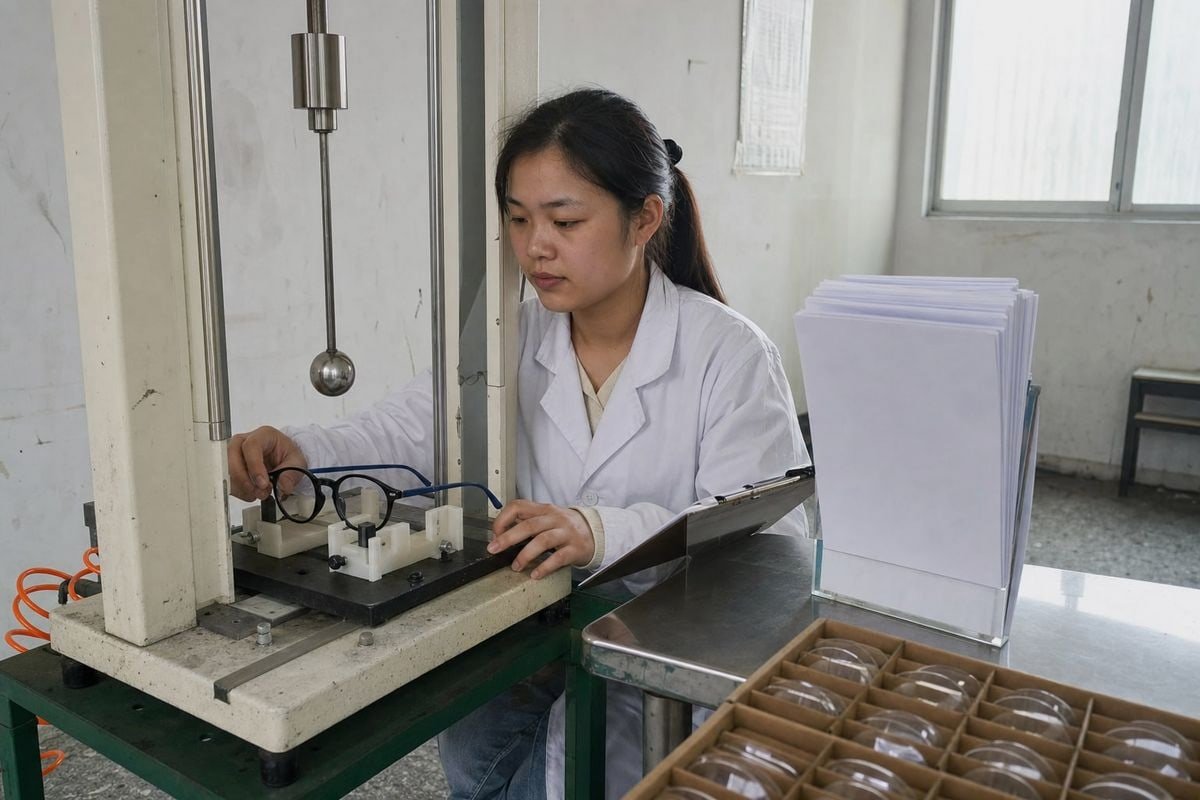
認証は同時に2つの役割を果たします。それらは規制当局を満足させ、素材を自分で評価できない親を安心させます。しかし、すべての証明書がすべての市場で重要であるわけではなく、小児用アイウェアの安全基準は成人用アイウェアの規則とは異なります。米国、ヨーロッパ、日本、オーストラリアへの輸出経験から、認証ストーリーを目的地市場に合わせるバイヤーは、税関や小売バイヤー会議をはるかに速く通過します。.
認証をターゲット市場に合わせる
| 市場 | 強調すべき主な要件 | それがカバーするもの |
|---|---|---|
| アメリカ合衆国 | CPSIAコンプライアンス | 子供向け製品の鉛およびフタル酸エステル制限 |
| アメリカ合衆国 | FDA落下球衝撃試験 | メガネのレンズ衝撃抵抗 |
| 欧州連合 | CEマーキング 5, 、EN ISO規格 | 一般的な製品および光学安全 |
| サングラス(グローバル) | UV400 / 100% UVA + UVB | UV保護アイウェア性能 |
| オプション | ANSI Z87.1-style testing | Higher-level impact protection claims |
Translate certificates into parent language
A certificate code alone means little to a shopper. Pair it with a plain-English line. For example: "CPSIA tested — verified free of lead and phthalates" or "Polycarbonate lenses passed impact testing — built for active play." Impact-resistant lenses in polycarbonate or Trivex are worth calling out by name, because eye doctors recommend them, and parents increasingly recognize the terms.
One caution: do not display marks you have not earned. Retail buyers check. When our clients request certification support, we run the actual tests through third-party labs first, then design the packaging around real results. That order matters.
子供の安全機能に関する信頼を構築するために、製品のラベル表示やマーケティング資料をどのように活用できますか?
There is a trade-off we discuss with nearly every new brand: how much safety information fits on a small hang tag before it becomes noise. Our answer is layering — short claims on the tag, depth one scan away.
証拠となる機能と結びつけることで信頼を築きましょう。QRコードを使用して、インパクトテスト動画や取り付けガイドにリンクさせ、実際のシナリオでの保護者からの証言を追加し、断定的ではなく事実に基づいたトーンを維持しましょう。フレームがなぜより安全なのかを説明するのであって、単に安全であると主張するだけではありません。.
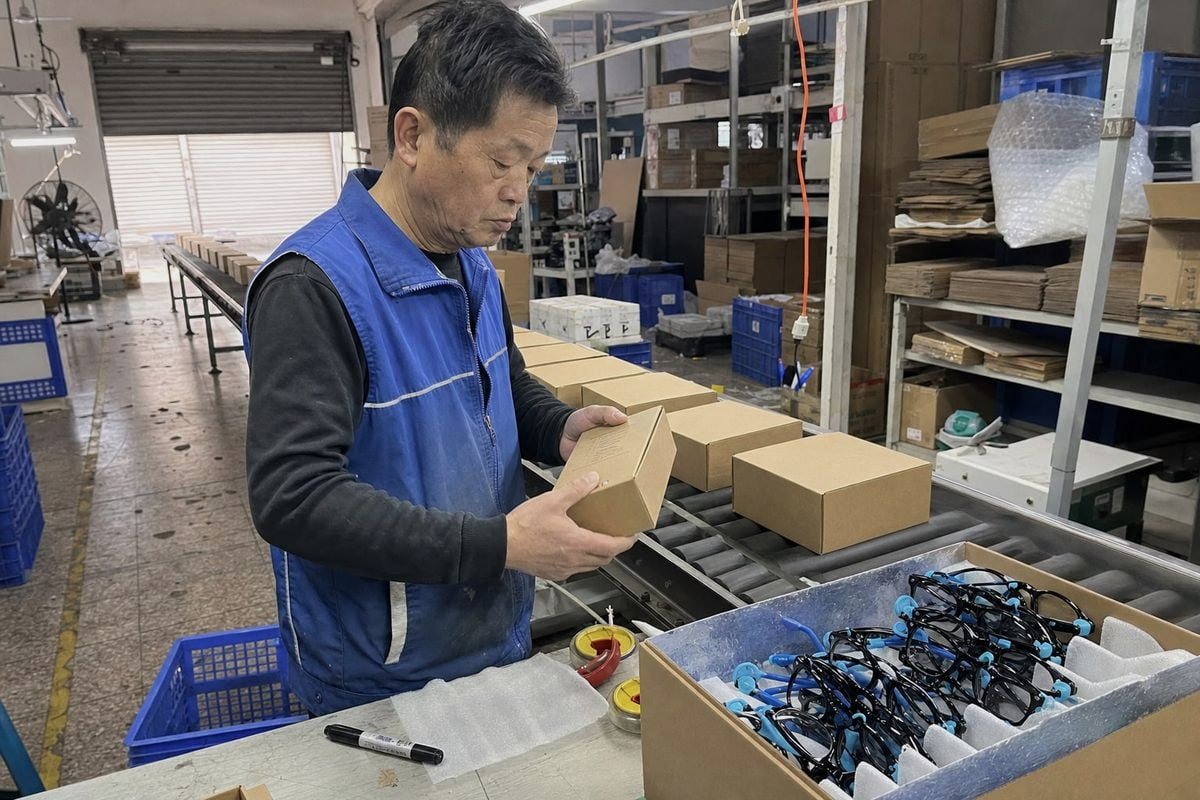
Trust is built when marketing shows the mechanism behind the promise. Parents want proof that frames are safe to wear, safe to bend, and safe if a child puts them in their mouth. So your materials should demonstrate, not declare.
Layer your safety story across touchpoints
- Hang tag or box front: the three strongest claims — BPA-free, flexible frames, impact-resistant lenses.
- Box back or insert card: short explanations of each feature and the child-friendly design behind it. No small detachable parts. Soft silicone temple tips. Secure fit for kids with cable-style ear hooks.
- QR code: link to a short video showing a frame being twisted and returning to shape, or a lens impact demonstration. Seeing durable children's glasses survive abuse is worth a thousand printed words.
- Product page: parent-to-parent testimonials describing real moments — a frame that survived a playground fall, temples a teething toddler chewed without damage.
Show design safety, not just material safety
The most persuasive product narratives combine material and functional safety. Take a typical style from our line: a glossy TR90 front with two-tone flexible TPEE temples, silicone hinge connectors, and cable-style ear hooks. Every element maps to a claim. Flexible temples mean fewer breaks. No metal hinges near the face means fewer pinch points and small parts. Ear hooks mean the glasses stay put during sports. Label each feature and its benefit together, and your packaging becomes a mini safety briefing rather than a slogan.
Some buyers worry this level of detail feels clinical. In our experience, the opposite happens — parents reward brands that respect their intelligence.
BPAフリーおよび安全コンプライアンスの主張を検証するために、製造業者からどのような書類を要求すべきですか?
Early in my career at our factory, a European importer nearly lost a retail contract because his previous supplier could not produce a single test report. That memory shapes how we prepare document packs today.
BPA、フタル酸エステル、鉛を対象とした第三者材料試験報告書、米国向け児童製品証明書、欧州向けCE文書、レンズ衝撃およびUV400試験結果、およびバッチレベルのトレーサビリティ記録を、パッケージに請求を印刷する前に要求してください。.
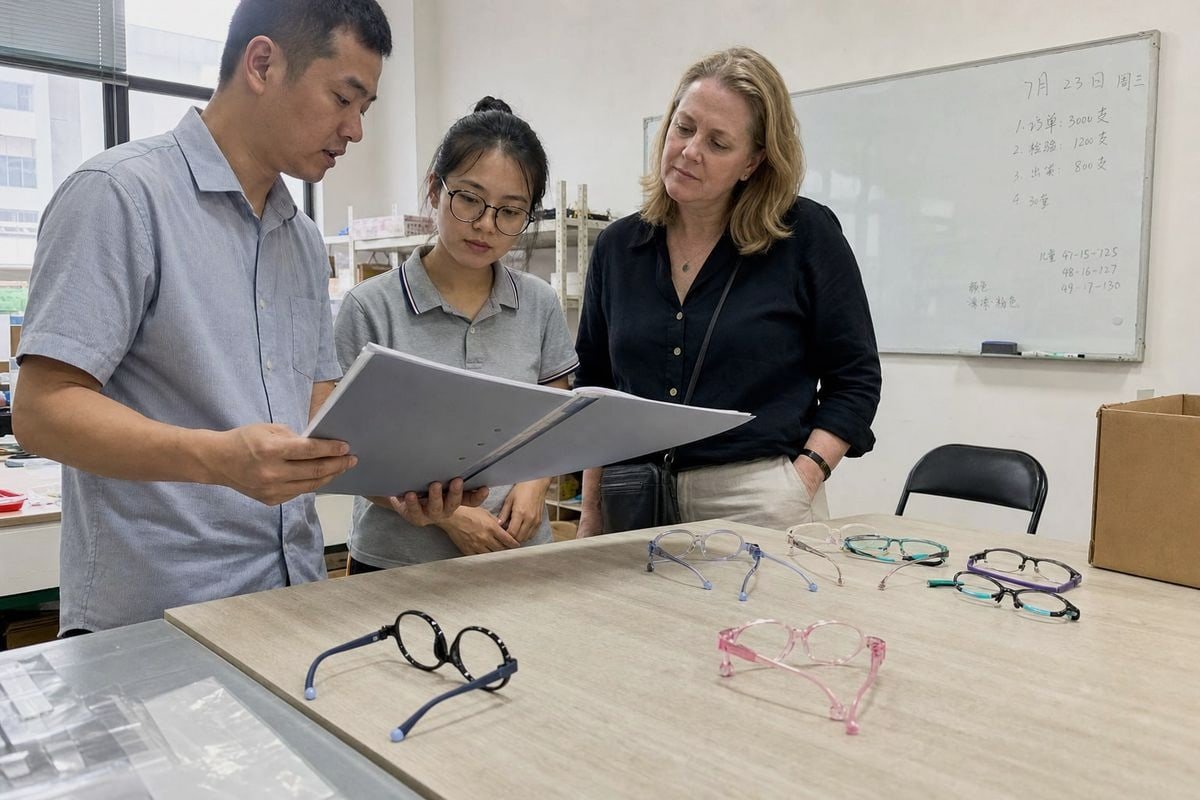
Your packaging claims are only as strong as the paper behind them. If a distributor, retailer, or regulator asks for proof, you need documents on hand within hours, not weeks. A professional factory should provide these without hesitation. If a supplier stalls or offers only a generic "material data sheet" with no lab name or date, treat that as a red flag.
The document checklist we prepare for buyers
| 文書 | 登録番号 | When to request |
|---|---|---|
| Third-party lab report (BPA, phthalates, lead) | Material claims are real, not marketing | Before final PO |
| 、またはCPCは、中心となる文書です。米国法では、輸入者または国内製造者が発行する必要がありますが、CPSC認定検査機関からの合格テスト結果に基づいている必要があります。サプライヤーの自己申告に基づいて有効なCPCを発行することはできません。 6 (CPC) | US CPSIA compliance | Before US shipment |
| CE / EN documentation | EU market conformity | Before EU shipment |
| Drop-ball / impact test results | Polycarbonate lenses meet impact rules | Per lens order |
| UV400 spectral test | UV protection performance for sunglasses | Per lens batch |
| バッチトレーサビリティ記録 | 生産ロット間の一貫性 | 継続的 |
Verify, do not just collect
Three practical checks matter. First, confirm the lab is accredited and independent — the report should carry the lab's name, method, and date. Second, check that the tested sample matches your actual product, including color masterbatch, because pigments can change chemical results. Third, ask how often testing is repeated. Materials compliance is not a one-time event; resin suppliers change, and a report from three years ago proves little about this year's batch.
At our 5S-managed workshop, we keep material certificates tied to production lots, so a buyer in Japan or Germany can trace any shipment back to its tested raw material. That traceability is what turns a packaging claim into a defensible statement.
結論
Vague safety labels lose parents and invite risk. Pair every BPA-free claim with a feature, a certification, and a document — and your kids optical frames earn lasting trust.
脚注
1. Provides FDA’s official stance and information on BPA safety in food contact applications. ↩︎
2. Details the ANSI Z87.1 standard for occupational eye protection, including impact resistance testing. ↩︎
3. Details the properties and benefits of TR90 as a durable, lightweight, and flexible material for eyewear. ↩︎
4. Reference 2. ↩︎
5. Explains the mandatory CE marking for products sold in the European Economic Area, ensuring health and safety. ↩︎
6. Provides official CPSC guidance on the requirements and elements of a Children’s Product Certificate. ↩︎

 English
  Español de México
  Deutsch
  Français
  日本語
日本語  العربية
  Português do Brasil