子供用サングラスの一般的な苦情と調達時の回避策は?
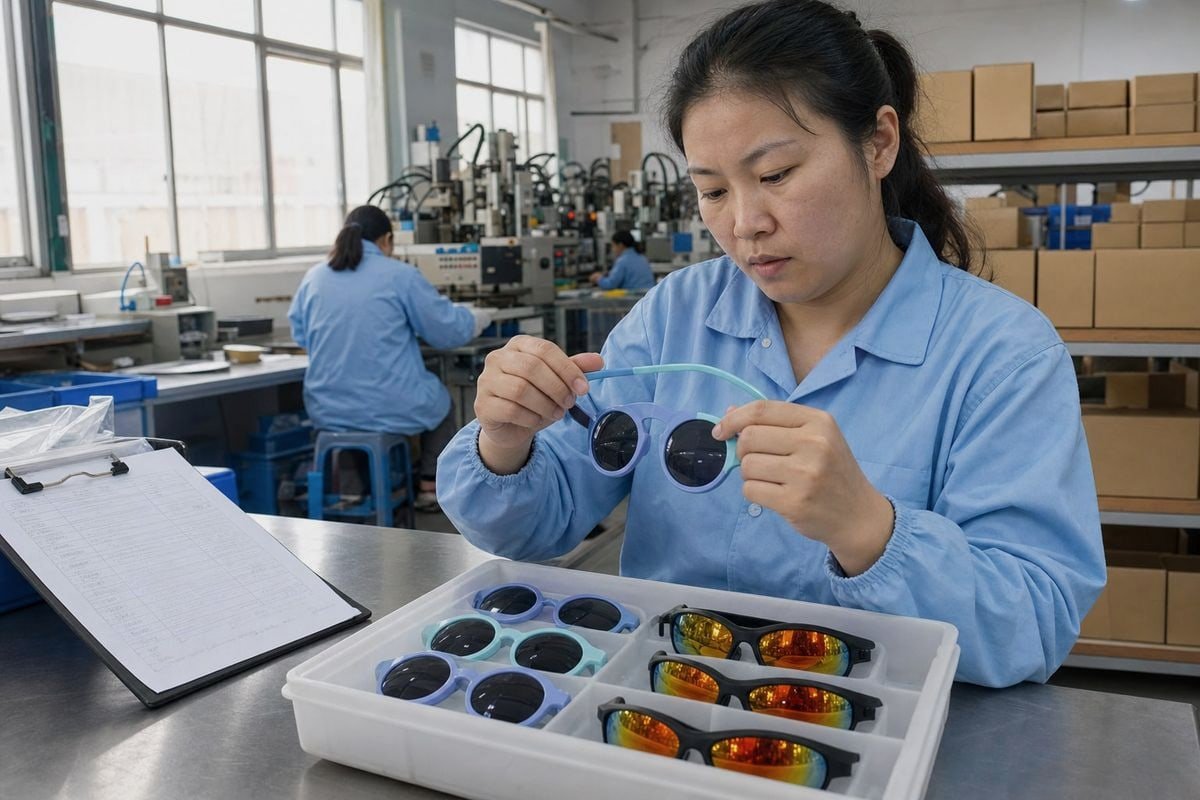
子供用サングラスの苦情は、ほぼ毎週バイヤーから私の机に届きます。台州の生産ラインでは、一度悪いロットが出るとブランドの評判が一晩で沈む可能性があることを目の当たりにしてきました。.
子供用サングラスの一般的な不満には、フィット感が悪い、フレームが壊れる、レンズが暗すぎる、安価な偏光フィルムによる頭痛、偽のUV表示などが含まれます。購入者は、柔軟なTPEEまたはTR90フレームを調達し、UV400保護基準を確認し、バッチレベルの品質管理検査を要求することで、それらを避けます。.
各苦情カテゴリを順を追って説明します。その後、大量注文を出す前に確認すべきことを示します。.
子供用サングラスが壊れたり、子供を傷つけたりすることについて、親が最もよく抱く不満は何ですか?
オーストラリアのバイヤーが、かつて競合製品の顧客レビューを20件私に転送してきました。工場でそれらを読んで、同じ3つの単語が繰り返されていることに気づきました。「挟む」「壊れる」「拒否する」。.
親が最もよく不満を言うのは、子供用サングラスが鼻に食い込んだり、耳の後ろでこすれたり、蝶番でパキッと折れたり、遊んでいる間に落ちたり、暗すぎて見えなかったりすることです。結果はどのケースでも同じです。子供は単にそれを着ることを拒否します。.
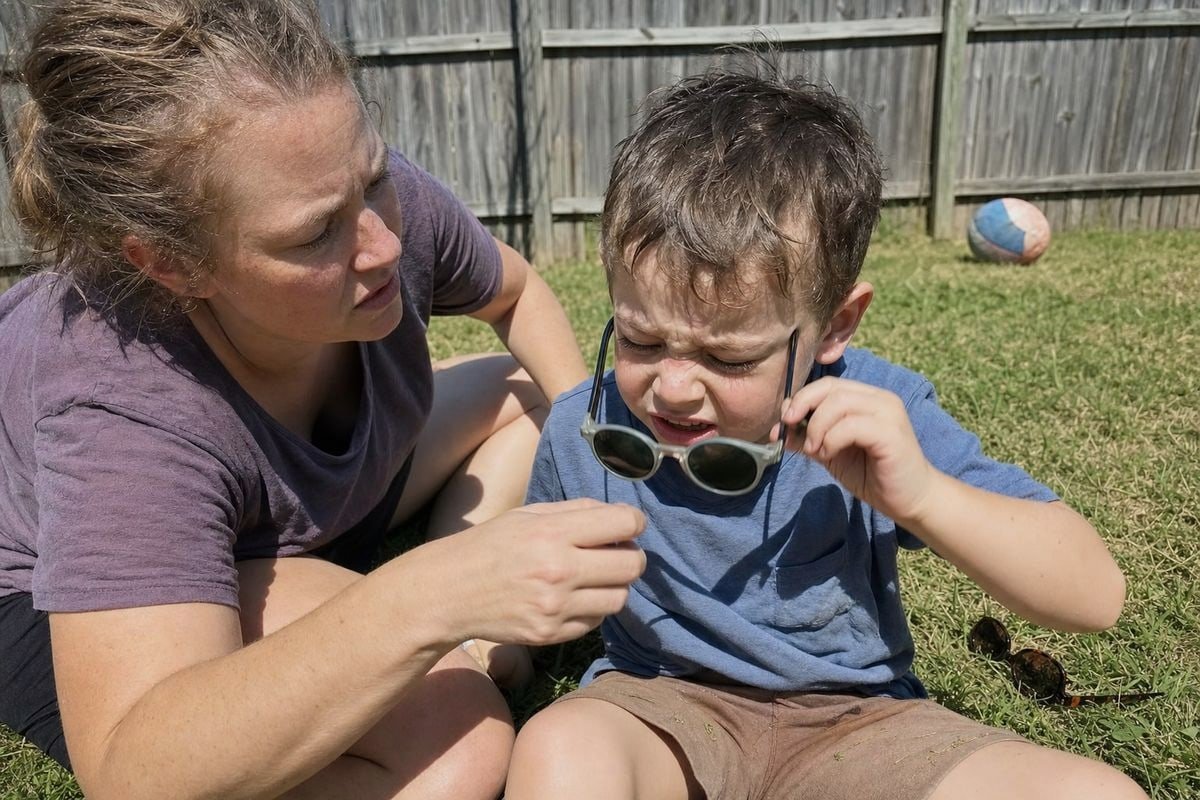
最も多い苦情は、着用できないことです。不快感を感じた子供は、数分以内にサングラスを外します。明るい光が気になっても、子供は痛いフレームを我慢しません。それは、親がお金を無駄にし、レビューセクションであなたのブランドが非難されることを意味します。.
私たちが最もよく見る苦情カテゴリ
子供用アイウェアを15年間製造してきた経験から、ほぼすべての苦情を6つのバケットに分類できます。
| 苦情 | 根本原因 | 親の声 |
|---|---|---|
| 挟む、または圧迫する | 大人のフレーム形状を縮小したもの | "「息子は5分で外してしまう」" |
| フレームが壊れる | 硬いプラスチック、弱いヒンジ | "「最初の週で壊れた」" |
| 常に落ちる | 小さな鼻に合わない人間工学に基づいたブリッジフィット | "「1ヶ月で2組なくした」" |
| 室内で暗すぎる | レンズカテゴリの間違い、または均一でない色合い | "「彼女は何も見えず、物に躓く」" |
| 頭痛やめまい | 低品質の偏光TACフィルムが歪む | "「彼は目が痛いと訴える」" |
| UV表示への不信感 | マーキングがない、テストレポートがない | "「これは本当に保護されているのか?」" |
フィットに関する苦情が支配的な理由
子供の顔はミニチュアの大人顔ではありません。子供は鼻梁が平らで、頬が丸く、耳が低い位置にあります。大人の型を縮小して設計されたフレームは、滑ったり、挟んだり、曲がったりしてフィットします。当社の TPEE製フレキシブルフレーム 1, を開発したとき、私たちは縮小された大人の型からではなく、小児顔のスキャンから始めました。その単一の決定により、製品が出荷される前にほとんどのフィットに関する苦情が解消されます。.
破損は2番目に大きいバケットです。子供たちはフレームを曲げたり、座ったり、バックパックに投げ込んだりします。ネジ付きヒンジを備えた標準的な硬質アセテートは、そのような扱いには耐えられません。柔軟な素材とネジなしまたは180度のヒンジ設計が可能です。.
サプライヤーの素材が、実際の過酷な日常使用に耐えられるかどうかを、どのように判断できますか?
素材の主張は安価です。検証された素材の性能はそうではありません。多くの卸売アイウェアサプライヤーは、仕様シートに「フレキシブルフレーム」と記載しながら、脆いリサイクル樹脂ブレンドを出荷しています。購入注文に署名する前に、この2つを分離するためのシンプルで再現可能な方法が必要です。.
材料証明書を要求し、次にサンプルを物理的にテストします。テンプルを180度ひねり、レンズを落下させてテストし、BPAフリー素材の文書を確認します。本物のTPEEおよびTR90フレームは、ひび割れることなく曲がります。安価な石油系プラスチックは、応力点で白くなるか、完全に壊れます。.
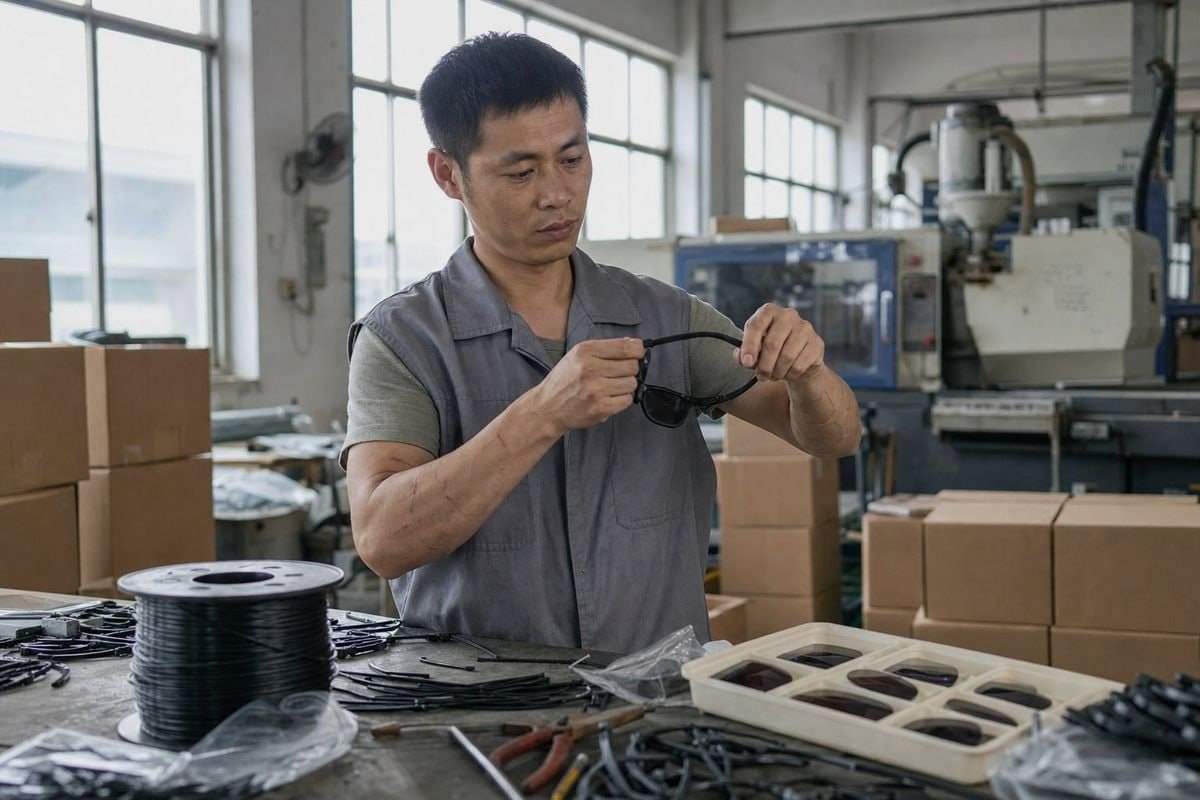
自分でできる実践的なサンプルテスト.
ねじりテスト。
- 両方のテンプルを持ってねじります。本物のTR90とTPEEは元の形状に戻ります。安価なプラスチックは白い応力線を示したり、ひび割れたりします。. テンプル曲げテスト。.
- テンプルアームを完全に後ろに曲げます。高品質のフレキシブルヒンジまたはネジなし設計は持ちこたえます。標準的なヒンジは緩んだり、壊れたりします。. レンズたたきテスト。.
- 耐衝撃性のポリカーボネートレンズは、金属製の物体で強く叩いても耐えます。薄いアクリルレンズはすぐに欠けたり傷がついたりします。. コーティングチェック。 3 金属製の物で軽く叩いても、たわみません。薄いアクリルレンズはすぐに欠けたり傷がついたりします。.
- コーティングのチェック。. Rub the lens with a microfiber cloth and light pressure. A proper scratch-resistant coating shows no marks; uncoated lenses haze quickly.
- The chew factor. Small children mouth their frames. Demand documentation for BPAフリー素材 4 and lead-free paint certification on any colored coating.
Material comparison for children's frames
| 素材 | 柔軟性 | 衝撃強度 | 安全プロファイル | Typical Complaint Risk |
|---|---|---|---|---|
| TPEE | Excellent — bends fully | 非常に高い | Food-grade options, BPA-free | 非常に低い |
| TR90 | 高い | 高い | 軽量、低アレルギー性 | 低 |
| 標準的なPCフレーム | 中程度 | 中程度 | Depends on grade | 中程度 |
| Cheap recycled resin | 悪い | 低 | しばしば検証されていない | 高い |
At our workshop, we run frames through repeated flex cycles before approving any new mold. One lesson we learned early: a frame that passes one bend can still fail after two hundred. Durability testing must simulate months of rough handling, not a single showroom demonstration. Ask your supplier what their cycle count is. If they cannot answer, that tells you everything.
製品が市場に出た後に安全性や品質に関する苦情につながる調達の間違いとは何ですか?
A European importer once came to us after a painful recall. He had sourced a container of kids sunglasses from a marketplace seller, and the lenses failed UV testing at customs. The entire shipment was destroyed.
最もコストのかかるソーシングの誤りは、検証されていないUVに関する主張を信頼すること、CEまたはCPSIAの文書のようなコンプライアンスマーキングを省略すること、ゴールデンサンプルのみを承認すること、価格だけで購入すること、そして偏光ラベルを目の安全性の証明とみなすことです。それぞれが、発売後のクレームや法的責任につながります。.
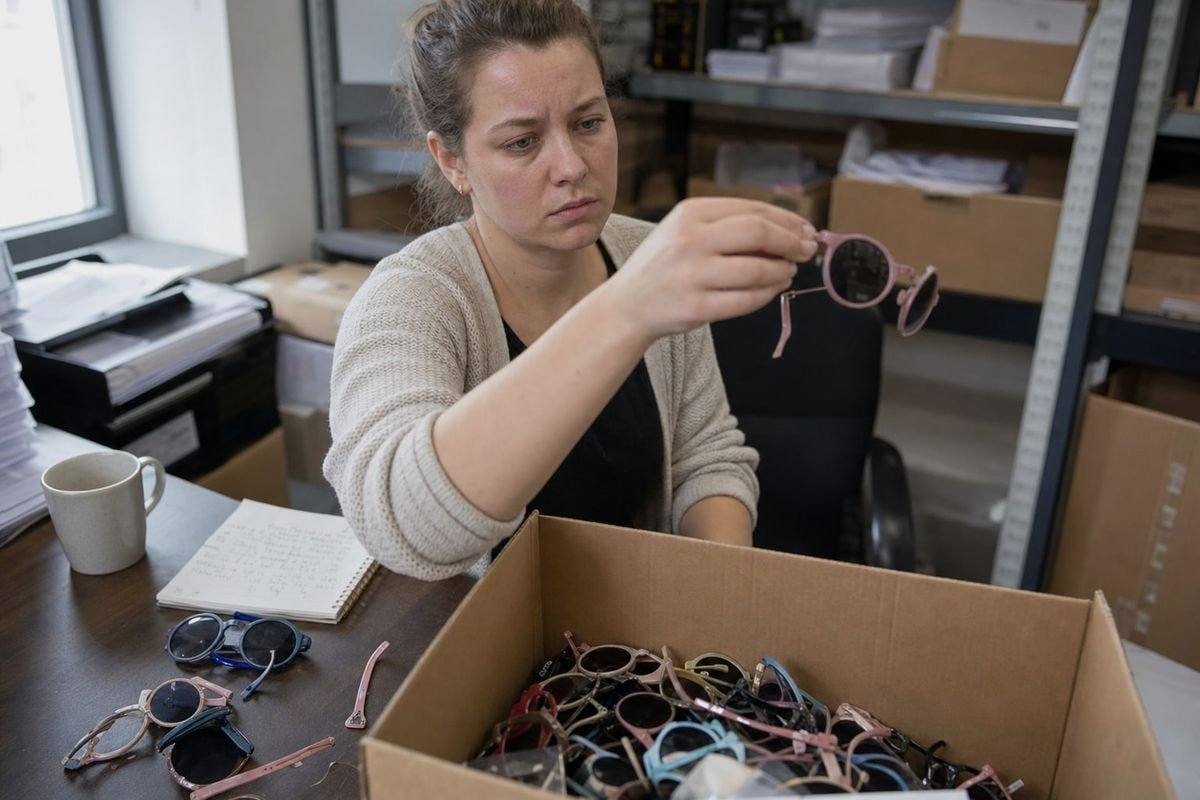
Independent testing has repeatedly found that a large share of cheap children's sunglasses bought from online marketplaces fail to deliver adequate UV protection. Many also lack the CE or UKCA markings legally required in their destination market. That is not a cosmetic problem. Sunglasses without real UV filtration are worse than no sunglasses at all, because a dark tint dilates a child's pupils and lets more harmful radiation in.
The five mistakes we see buyers make
Mistake 1: Accepting UV400 claims without lab reports. A printed sticker costs nothing. Demand a batch-specific spectrophotometer test report, not a generic certificate from three years ago.
Mistake 2: Ignoring destination-market compliance. US buyers need CPSIAコンプライアンス 5 covering lead and phthalate limits. EU buyers need CEマーキング 6 under PPE regulations. Australian buyers have their own sunglasses standard. One product, different rules.
Mistake 3: The golden sample trap. Some factories send a perfect sample, then cut corners in mass production. Without an AQL-based quality control inspection before shipment, you will not know until customers do.
Mistake 4: Buying "polarized" as a safety feature. Polarized lens quality varies enormously. Cheap warped TAC film causes eye strain and headache complaints. Polarization also has nothing to do with UV filtration — they are separate functions.
Mistake 5: Chasing the lowest unit price. Suspiciously cheap quotes usually mean unverified resins, no lead-free paint certification, and zero recourse when complaints arrive.
Compliance checklist by market
| 市場 | 主な要件 | 要求事項 |
|---|---|---|
| アメリカ | CPSIA compliance, FDA impact resistance | Third-party lab report, drop-ball test |
| EU/UK | CE / UKCA marking, EN ISO standards | Declaration of Conformity, technical file |
| オーストラリア/ニュージーランド | AS/NZS sunglasses standard | Lens category certification |
| 日本 | Voluntary but strict retail expectations | Full material and UV documentation |
注文する前に、これらの苦情を回避するのに役立つメーカーをどのように選びますか?
When new buyers contact us, the best ones never ask about price first. They ask about our testing process, our material sourcing, and how we handle defects. That question order predicts a successful partnership almost every time.
実績のある子供用眼鏡専門知識、金型リスクを軽減するための既存のスタイルライブラリ、文書化された素材認証、社内での柔軟性とUVテスト、AQL検査、および完全なOEM/ODMサポートを備えた工場を選択してください。真のパートナーは、出荷後ではなく、開発中にクレームを防ぎます。.
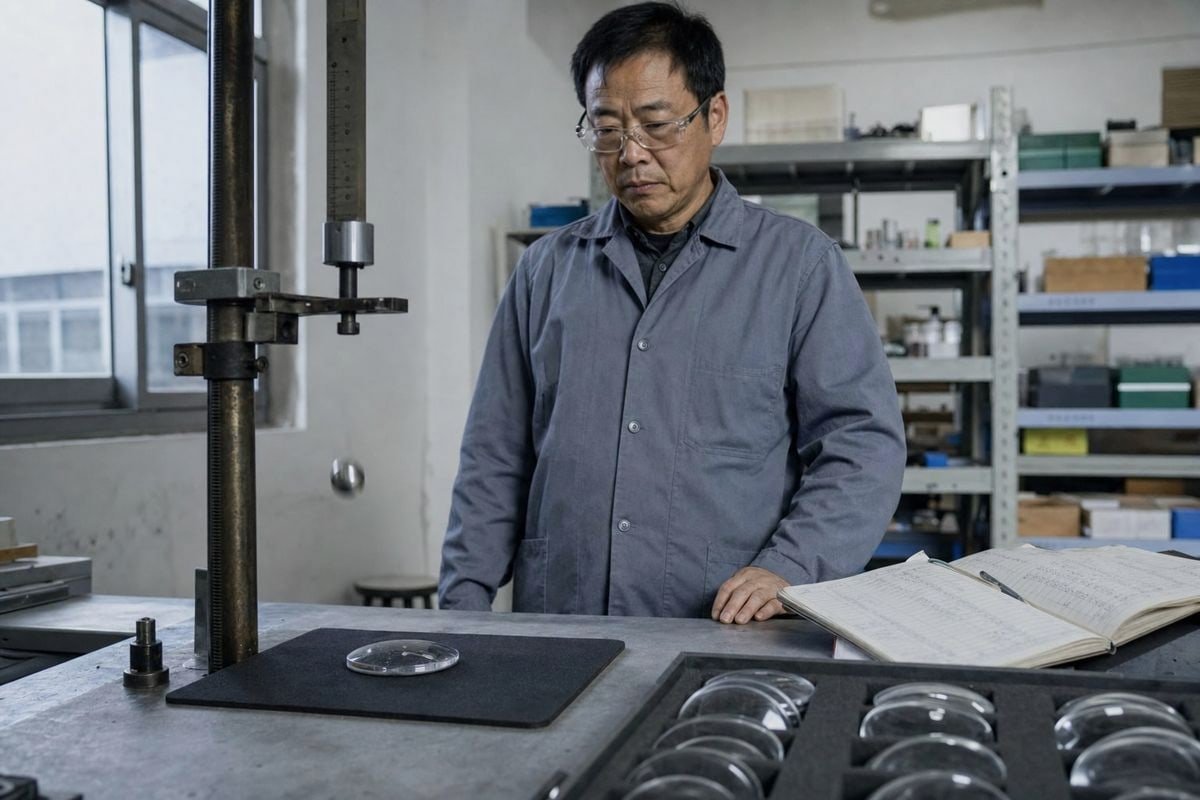
A trader forwards your complaint to someone else. A factory fixes the root cause. That distinction matters more in children's products than anywhere else, because the stakes are a child's eyes and your brand's survival.
What separates a partner from a vendor
Start with specialization. General eyewear factories treat kids' frames as shrunken adult products. A children's specialist designs around pediatric anatomy 7: flatter bridges, an ergonomic bridge fit, shorter temple lengths, and softer contact points. At our Taizhou facility, roughly 120 workers focus mainly on children's frames, and that focus shows up in the details — like adjustable strap design options that hold frames on active toddlers without creating pressure points behind the head.
Next, look at development risk. New brands often cannot afford custom molds for an unproven product line. We maintain around 800 existing styles precisely so importers and kids' brands can test the market with custom colors, logos, lenses, and retail-ready packaging instead of heavy tooling investment. That lowers your risk and shortens your launch timeline.
Questions to ask before signing a purchase order
- Can you provide UV400 and material test reports for my specific batch, not a generic sample?
- What is your frame flex-cycle testing standard?
- Do you offer impact-resistant polycarbonate lenses as standard for children's styles?
- How do you run pre-shipment quality control inspection, and can my third-party inspector access the factory?
- Can you support CPSIA compliance documentation and lead-free paint certification for my market?
- What happens if a defect rate exceeds the agreed AQL?
A manufacturer that answers these questions quickly and in writing is a manufacturer that has heard them before. Hesitation, vagueness, or "trust us" answers are your signal to walk away. Complaints are avoided in these conversations — months before any child puts your sunglasses on.
結論
Kids sunglasses complaints trace back to sourcing decisions: fit, materials, verified UV400 protection, and factory quality control. Choose a specialized partner early, and the complaints never happen.
脚注
1. Background on thermoplastic elastomers explains why TPEE resists cracking under repeated stress. ↩︎
2. EPA guidance explains UV radiation risks and why proper UV filtration protects children’s eyes. ↩︎
3. Reference on polycarbonate’s impact resistance supports why it outperforms acrylic in lenses. ↩︎
4. FDA overview of BPA safety concerns supports why buyers should demand BPA-free certification. ↩︎
5. Official CPSC page detailing the US law governing lead and phthalate limits in children’s products. ↩︎
6. Explains the EU conformity marking required for personal protective equipment like sunglasses. ↩︎
7. NIH resource on children’s eye health supports the case for designing frames around pediatric anatomy. ↩︎
 English
  Español de México
  Deutsch
  Français
  日本語
日本語  العربية
  Português do Brasil