子供用サングラスのピークシーズン前の逆算タイムラインの計画方法
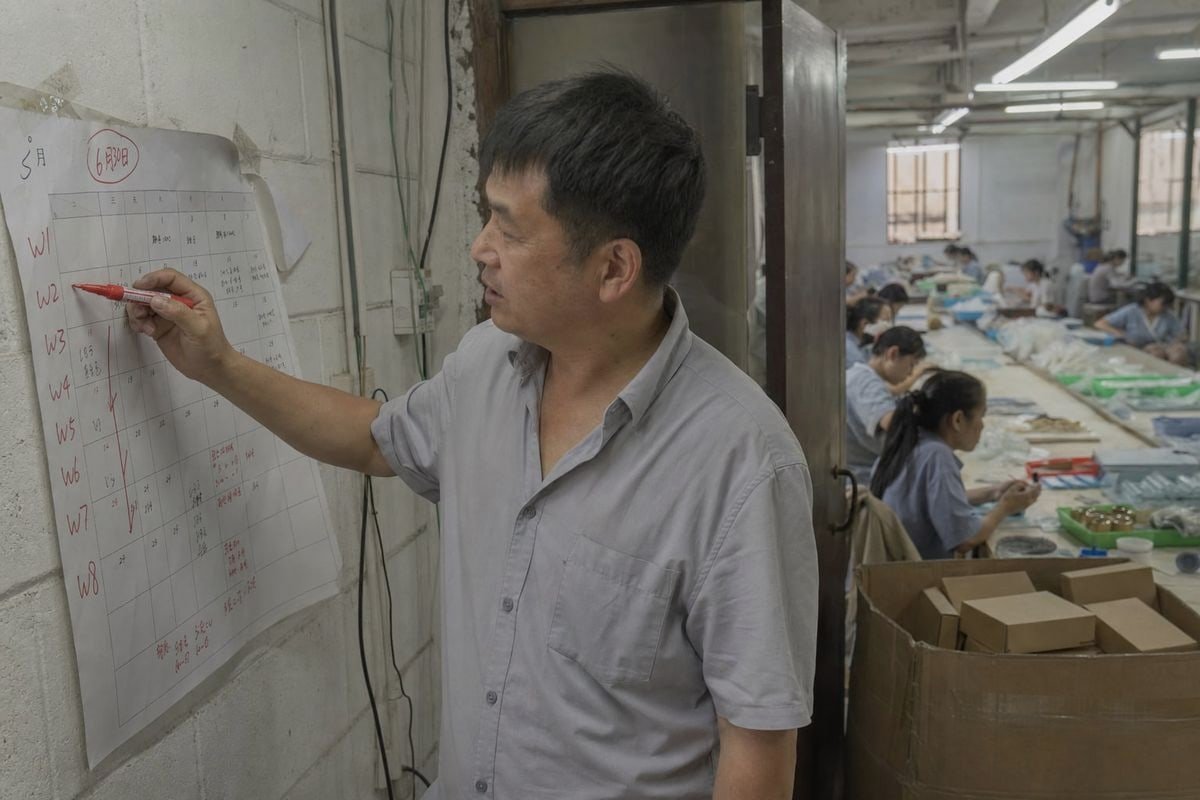
毎年春になると、私たちの台州生産ラインには同じようなパニックメールが届きます。バイヤーは子供用サングラスの調達の逆算タイムラインを必要としていますが、夏はすでに6週間後に迫っています。その時点では、サンプリング、ツーリング、貨物の計算は間に合いません。ピークシーズンを逃すことは、棚の空き、収益の損失、そして丸1年の待ち時間を意味します。その解決策は、注文書からではなく、小売棚の日付から逆算して計画することです。.
子供用サングラスの調達の逆算タイムラインを計画するには、小売棚の日付から逆算して開始します。貨物に4〜6週間、生産とQCに4〜6週間、サンプリングと承認に2〜4週間、ブリーフィングに2週間を割り当てます。合計で約12〜16週間かかります。カスタムツーリングの場合はさらに長くなります。.
それは簡単な答えです。以下では、各段階を詳しく説明し、ピークシーズンのプレッシャーの中でも実際に機能するスケジュールを作成できるようにします。.
子供用サングラスの注文をピークシーズン前にどれくらい前から計画し始めるべきですか?
オーストラリアのバイヤーは、かつて4月の注文が11月のクリスマス商戦の前に届かなかった理由を尋ねました。カレンダーを一緒にマッピングするまで、彼女は生産時間が全体のタイムラインであると思っていました。.
在您的上架日期前 12-16 周开始规划库存或自有品牌儿童太阳镜,对于全新模具的完全定制项目,则需要提前 24-26 周。旺季会压缩工厂产能和货运空间,因此提前开始可以同时保护您的质量和上市窗口。.
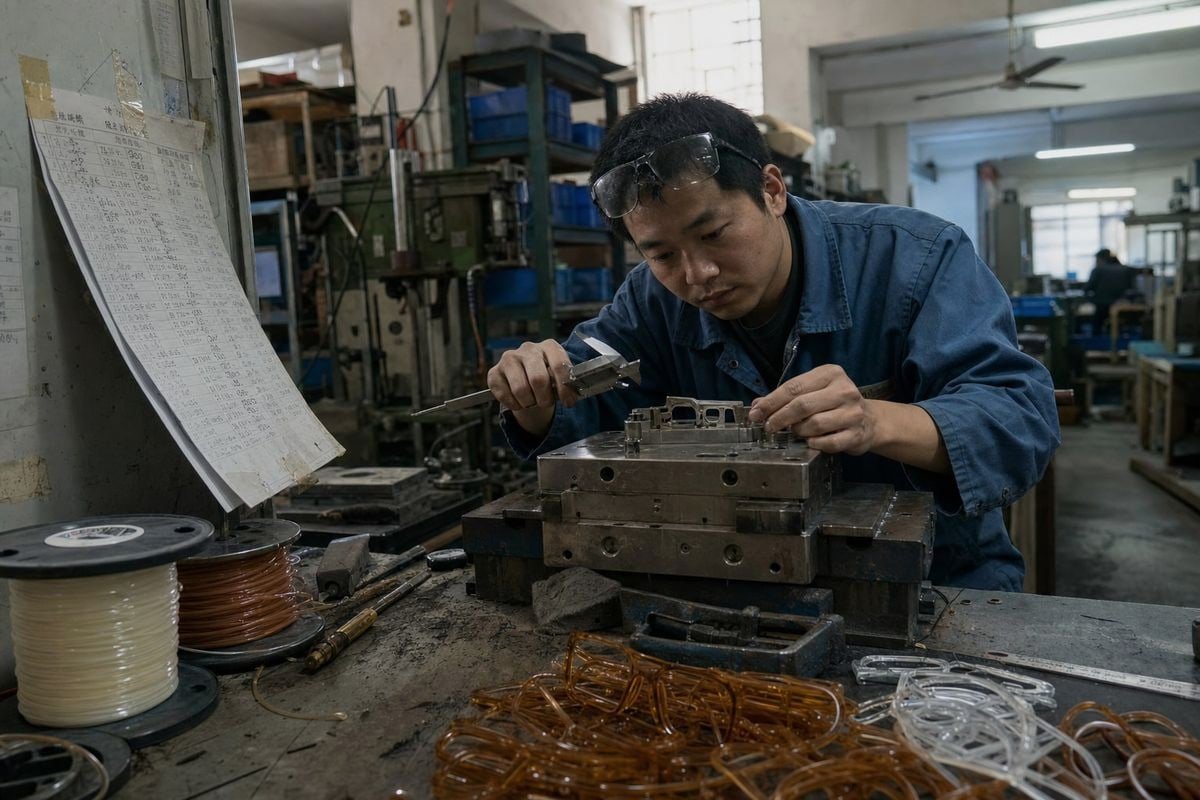
正直な答えは、何を注文しているかによります。. リードタイム管理 注文の種類を知ることから始まります。在庫ありと完全カスタム開発の間には大きな隔たりがあるからです。.
注文タイプ別のリードタイム
| 注文タイプ | 通常の総リードタイム | タイムラインを推進するもの |
|---|---|---|
| 在庫あり | 出荷まで3〜7営業日 | ピックアップ、梱包、貨物のみ |
| プライベートラベル(ロゴ+パッケージ) | 7–30 days plus freight | ロゴ印刷、カスタムパッケージ、アートワーク承認 |
| 既存の金型からのOEM/ODM | 25–45 days plus freight | カスタムカラー、レンズ、サンプル生産サイクル |
| 完全カスタム(新規ツーリング) | 45–90 days plus freight | デザイン、金型開発、プロトタイプ、改訂 |
次に、サプライヤーがほとんど見積もらない部分を追加します。サンプリング、改訂、コンプライアンスチェック、配送です。長期バイヤーの中には、特に新規ツーリングが関わる場合、発売の最大9ヶ月前に話し合いを開始する人もいます。それは極端に聞こえるかもしれませんが、 新しい金型作成 TR90またはTPEEの柔軟なフレームだけでも30〜45日かかる場合があります。.
隠れたカレンダートラップもあります。生産期間が重なる場合 旧正月 1, 、中国全土の工場は、準備期間と再稼働期間を含めて、合計3〜4週間閉鎖されます。北半球の夏の発売を目指すバイヤーには、常に「最も安全なブリーフは12月前に私の机に届く」と言っています。.
私たちの工場で提供している実用的な近道の1つは、約800の既存スタイルのライブラリです。既存のフレームを選択すると、ツーリングが完全にタイムラインから除外され、1〜2ヶ月節約できます。最初のシーズンのテストとしては、通常、より賢明な方法です。.
発売日から逆算して計画すべき重要なマイルストーンは何ですか?
新しい子供向けブランドをオンボーディングする際には、私の最初のステップは見積もりではなく、共有されたマイルストーンカレンダーです。明確なブリーフは、ラッシュ料金よりも多くの遅延を防ぐからです。.
発売から7つのマイルストーンを逆算します:棚入れ日、倉庫到着、貨物出発、QC付き生産完了、量産前サンプル承認、サンプル評価と修正、サプライヤーへの仕様確定。それぞれに確定したカレンダー日付を割り当て、各段階の間にバッファーを設けます。.

逆算して作業することは規律を強制します。各マイルストーンは、あなたが反応するサプライズではなく、あなたが制御する締め切りになります。ここでは、調達マネージャーと共有するフレームワークを、16週間のランウェイを例として示します。.
逆マイルストーンマップ
| 棚の日付までの週数 | マイルストーン | 主なアクション |
|---|---|---|
| 16 | 仕様ロックとブリーフ | スタイル、目標価格、対象年齢層、コンプライアンス要件を確定し、詳細なブリーフを送信します。 |
| 14 | サンプルリクエスト | サンプル生産サイクルを確認し、フィット感とカラーサンプルのリクエストを行います。 |
| 12 | サンプル評価 | フィット感、ヒンジの耐久性、レンズの品質をテストし、承認または改訂します。 |
| 10 | 生産前承認 | ゴールデンサンプル、パッケージ、ラベル、カートンマーク、バーコードに署名します。 |
| 8 | 生産開始 | Confirm bulk manufacturing schedule and booked production slot |
| 5 | QC and packing | Final inspection, testing reports, packing to channel requirements |
| 4 | Freight departure | Book vessel or flights; prepare customs documents |
| 0–1 | Warehouse arrival | Inbound receiving, quality spot check, distribution to retail |
Two milestones deserve extra attention. First, spec lock. In our experience exporting to 20-plus countries, the projects that slip are almost always the ones where the buyer changes lens color or packaging after sampling has started. Every change restarts part of the clock.
Second, packaging and labeling approval. Retail-ready presentation — hang tags, display boxes, barcodes, carton markings — must be confirmed before mass production begins, not after. We schedule artwork approval alongside the pre-production sample so both lock at the same time. Tie your inventory forecasting to these dates too: if your forecast changes after the production slot is booked, quantities become very hard to adjust during peak season.
サンプリング、製造、品質チェックのために、どれくらいのリードタイムを確保すべきですか?
Sampling is where I have watched the most schedules quietly die. A first sample that misses the brief costs two to three weeks per revision round — and peak season does not wait for round three.
サンプルラウンドごとに7〜15日、修正ラウンドに1回、数量とカスタマイズに応じて量産に25〜45日、最終品質検査に3〜7日を見込んでください。合計で、サンプルリクエストから出荷準備完了まで6〜10週間を見積もってください。.
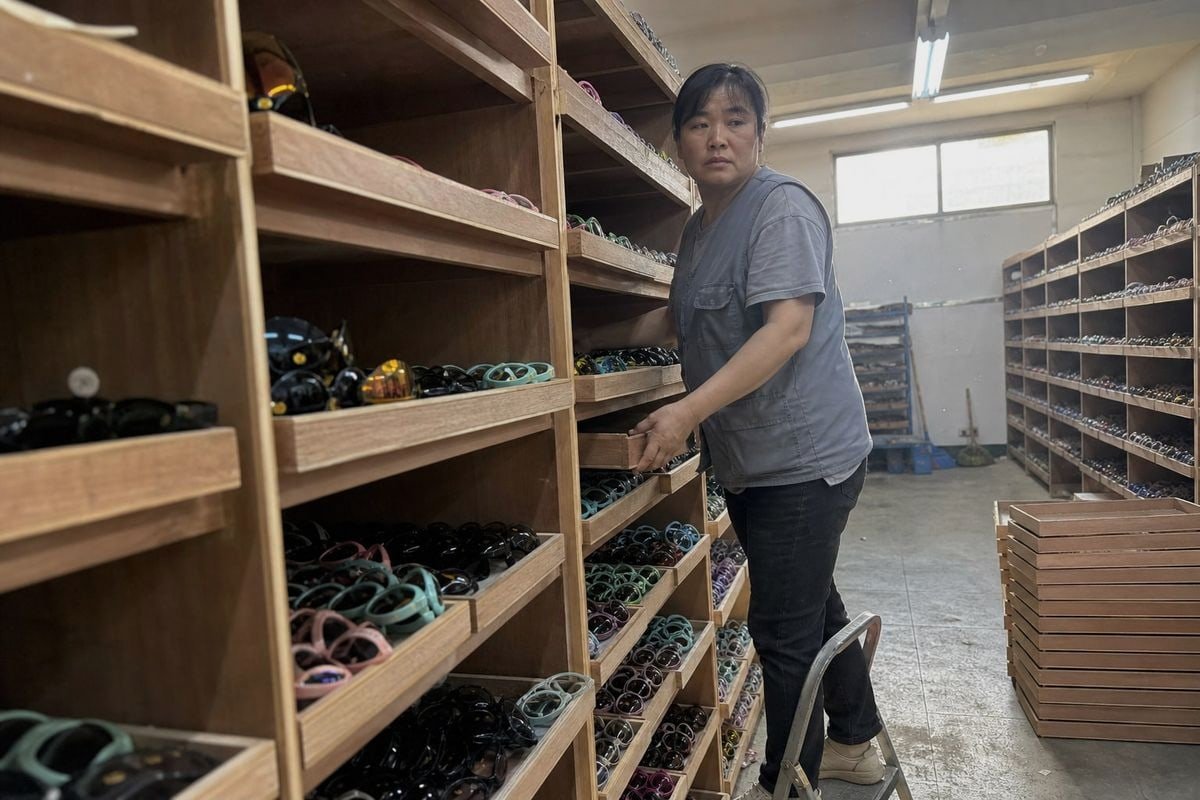
Let me break down each phase, because they behave very differently under pressure.
Sampling: the highest-risk phase
A standard sample from an existing mold takes us 7–15 days. A sample requiring new tooling takes 30–45 days before you even see the first physical piece. Plan for at least one revision round. Even experienced brands adjust temple length, nose bridge fit, or lens tint after handling the first sample. For children's eyewear, fit testing across age groups matters — a frame that suits a seven-year-old may pinch a four-year-old. Our TPEE flexible frames help here, because the material flexes rather than snaps, but sizing still needs physical verification.
Production: quantity and customization set the pace
For a typical minimum order quantity in kids’ sunglasses, mass production runs 25–35 days. Add time for complex work: multi-color frames, mirrored or 偏光レンズ 2, and custom-printed packaging each extend the bulk manufacturing schedule. Ask your factory for a stage-by-stage plan, not a single end date.
Quality checks: schedule them, don't squeeze them
Build QC into the timeline as fixed events, not afterthoughts:
- Incoming material inspection before assembly starts.
- A top-of-production check on the first finished units, so defects are caught before the full run.
- In-line checks during assembly at our 5S管理ワークショップ 3.
- Final random inspection against your approved golden sample.
Compliance verification belongs early, not late. Confirm UV400保護基準 4 について尋ねてください。ここではゆっくりまたは曖昧に答える工場は、後でもゆっくりと答えます。 CPSIA compliance certification 5 requirements before production begins. If lab testing is needed for your market, samples must go to the lab weeks ahead. Factory quality control audits by third parties also need advance booking — inspection agencies get busy in peak season too.
ピークシーズンの機会を逃さないために、配送遅延に対してどのくらいのバッファーを追加すべきですか?
The trade-off I weigh most often with buyers is speed versus cost on freight — and every peak season, someone learns the hard way that the cheapest vessel is also the least forgiving.
ピークシーズン中の海上輸送には6〜8週間のロジスティクスバッファーを追加し、輸送、港湾の混雑、通関、国内配送をカバーします。重要なローンチについては、在庫の15〜20%を航空便で出荷し、早期シーズンの在庫を確保し、残りは海上輸送で追跡します。.
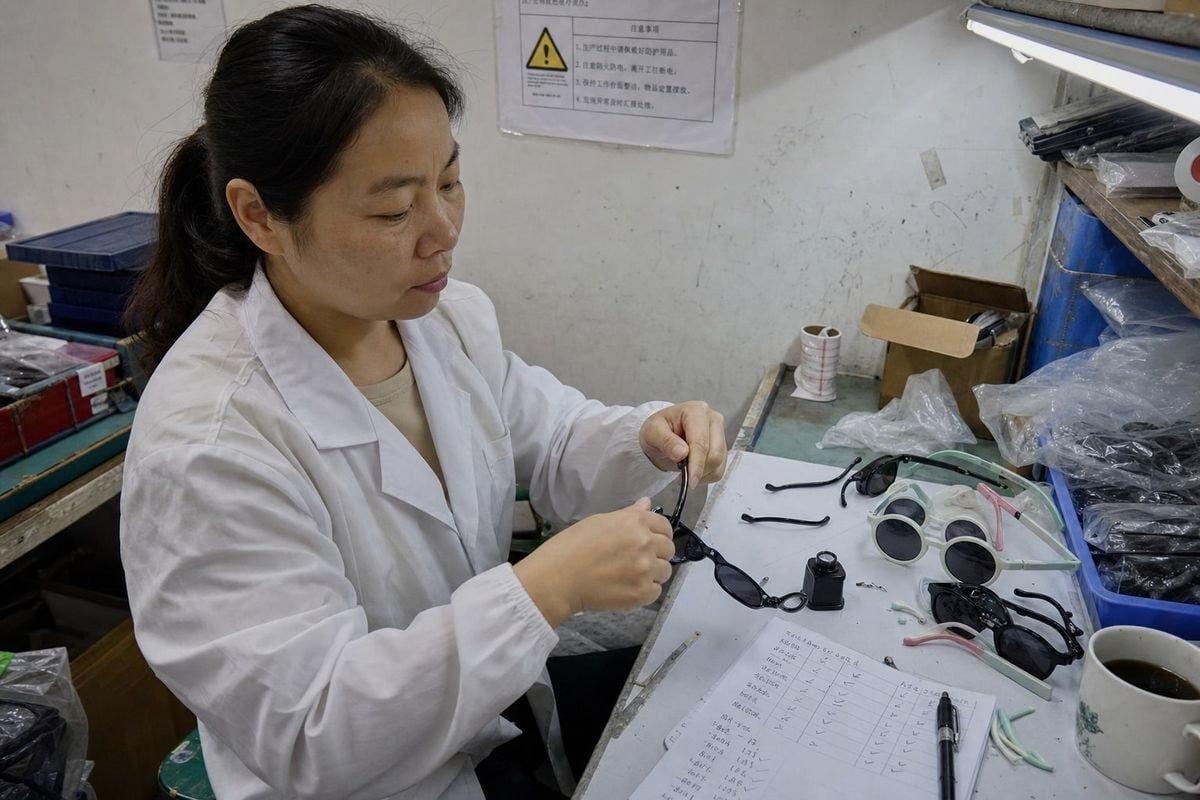
Freight and logistics planning is where good timelines survive or collapse, because it is the stage you control least. Production delays can sometimes be recovered with overtime. A missed vessel cannot.
Transit realities by mode
| Freight mode | Typical door-to-door time | Peak season risk | Best use |
|---|---|---|---|
| Sea freight (FCL/LCL) | 4–6 weeks to Europe/Australia; 3–5 to US West Coast | Rolled bookings, port congestion, +1–3 weeks | Bulk inventory, planned launches |
| 航空貨物 | 5–10 days | Rate spikes, capacity squeeze | Urgent top-ups, early-season display stock |
| Rail (China–Europe) | 3–4 weeks | Border delays | Mid-cost balance for EU buyers |
| Hybrid (air + sea) | Split arrival | 中程度 | Launch stock by air, replenishment by sea |
The hybrid model deserves a closer look. Several of our brand customers air-freight a small share of high-margin styles to hit early-season demand, then let the sea container land two to five weeks later for replenishment. It costs more per unit on the air portion, but it protects the launch date — and the launch date is what drives full-price sell-through.
Customs: prepare the paperwork early
Customs clearance 6 is a silent buffer-eater. Have your documentation ready before the goods sail: commercial invoice, packing list, test reports for children's products, and any eco-material certifications 7 if your brand claims recycled or environmentally friendly content. Missing paperwork can hold a container at port for days or weeks during peak congestion.
My working rule: whatever transit time your forwarder quotes in the off-season, add two weeks during peak season. If the goods arrive early, you gain a relaxed warehouse inbound. If they arrive on the buffer, you still make your shelf date. Either outcome beats an empty display in July.
結論
Build your reverse timeline from the shelf date backward: brief early, lock specs, protect sampling time, schedule QC, and buffer freight. Start 12–16 weeks out — or partner with us even earlier — and peak season becomes an opportunity, not a scramble.
脚注
1. Background on the holiday causing the factory shutdown that disrupts sourcing timelines. ↩︎
2. Background on polarization technology referenced as a production customization option. ↩︎
3. Explains the workplace organization methodology mentioned for in-line quality checks during assembly. ↩︎
4. ISO standard for sunglasses UV protection, the technical benchmark buyers must verify before manufacturing. ↩︎
5. Official US regulation governing children’s product safety testing referenced in the compliance discussion. ↩︎
6. WTO resource on customs procedures, directly relevant to the documentation and clearance risks discussed. ↩︎
7. ISO environmental management standard relevant to recycled or eco-friendly material claims mentioned. ↩︎


 English
  Español de México
  Deutsch
  Français
  日本語
日本語  العربية
  Português do Brasil