子供用メガネフレーム製造における約束通りの原材料の使用をサプライヤーが確認する方法は?
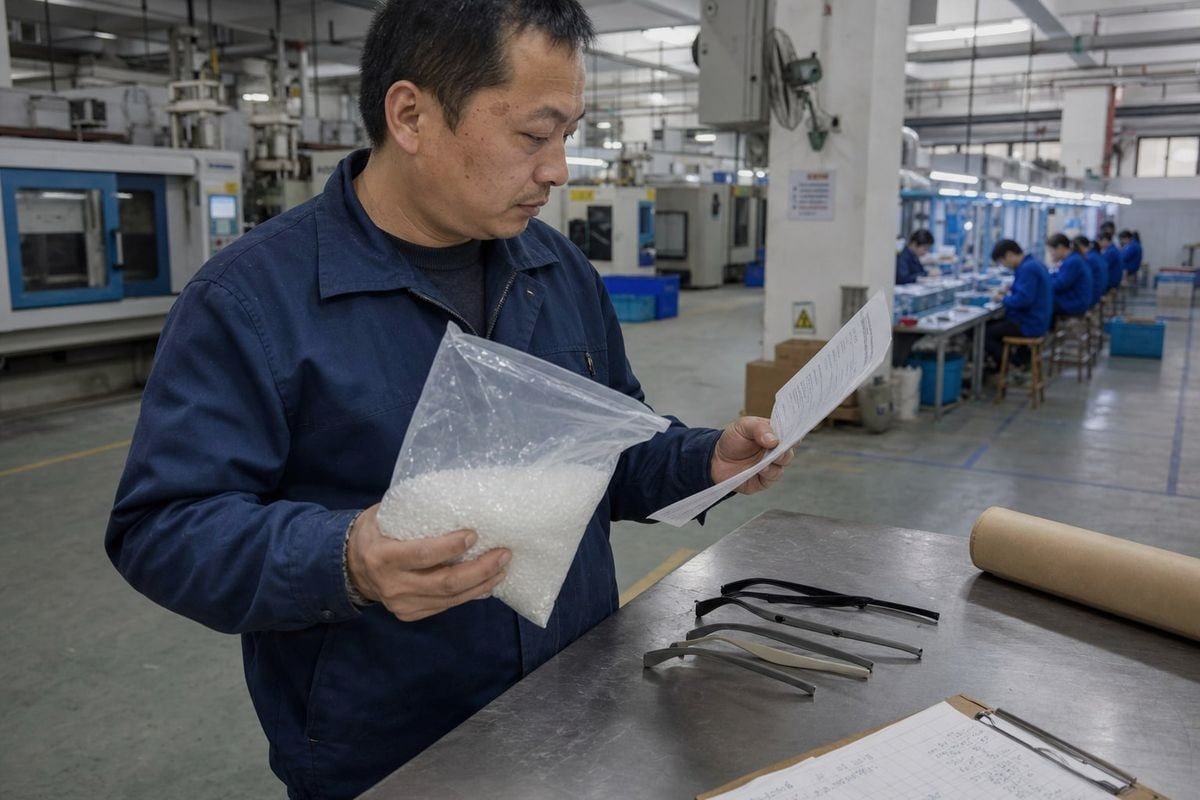
子供用メガネフレーム製造において、サプライヤーが約束通りの原材料を使用しているかを確認することは、バイヤーにとって現実的な懸念事項です。当社の生産ラインでは、その理由を見てきました。交換は、フレームが故障するまで見えません。.
子供用光学フレームに約束された原材料を使用しているサプライヤーを確認するには、文書証拠、第三者機関の検査、オンサイト工場監査、およびバッチトレーサビリティを組み合わせてください。材料証明書を要求し、発行機関とテストレポートを検証し、サンプルを独立してテストし、樹脂の受け取りから梱包まで1つの生産ロットを追跡します。.
単一のチェックだけでは十分ではありません。証拠の連鎖が必要です。以下に、その連鎖の各リンクを段階的に説明します。.
TR90およびTPEE素材の真正性を確認するために、どのような書類を要求すべきですか?
オーストラリアのバイヤーから、ある時、率直な質問をされました。「あなたのTR90は本当にTR90だとどうやってわかるのですか?」私はその質問が好きでした。当社の台州工場では、言葉で答える前に、書類でそれに答えました。.
樹脂サプライヤーに対し、該当バッチのマテリアル分析証明書、技術データシート、購入請求書、第三者機関の試験報告書、MSDS書類、および該当する場合は児童製品証明書を要求してください。その後、SGSやIntertekなどの発行機関に直接報告書番号を照合し、偽造の可能性を排除してください。.
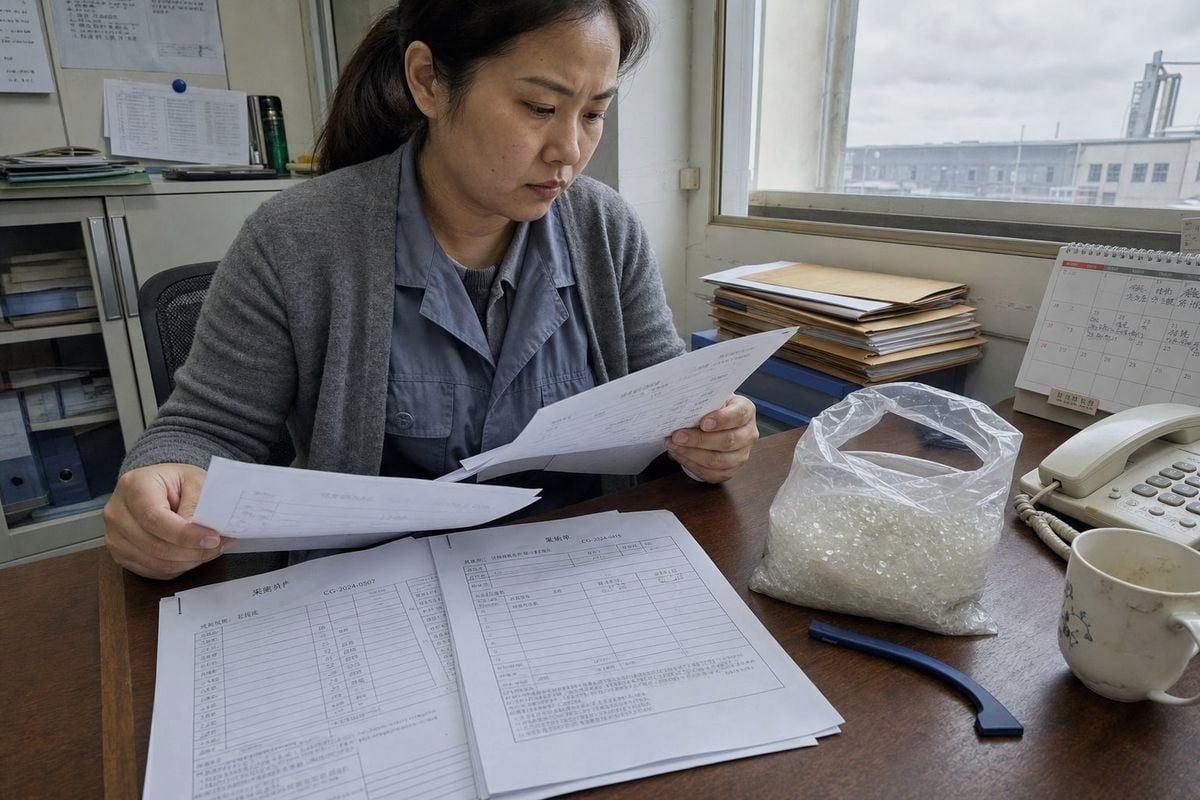
書類は最初のフィルターです。最終的な証明ではありませんが、サプライヤーが管理されたオペレーションを実行しているのか、それとも即興で対応しているのかを迅速に教えてくれます。当社は15年間、柔軟な子供用アイウェアを製造してきましたが、実際の 材料管理 1 ができる工場は、1〜2日でこれらの書類を作成できることを学びました。数週間もためらう工場は、通常何かを隠しています。.
コア文書セット
Ask for documents at three levels:原材料自体、完成したフレームの規制遵守、そしてその間のつながりです。TR90射出成形およびTPEEテンプル用の完全なパッケージは次のようになります。
| 文書 | それが証明するもの | 一般的な弱点 |
|---|---|---|
| 分析証明書(CoA) | レジンバッチが約束されたグレードと一致する | 古いバッチからリサイクル可能 |
| 技術データシート(TDS) | グレードの密度、柔軟性、溶融特性 | ジェネリック; バッチ固有ではない |
| レジン購入請求書 | 工場が最近その材料を購入した | サプライヤーは共有をためらう場合があります。その抵抗自体がシグナルです |
| 第三者ラボテストレポート | 組成、フタル酸エステルフリーコンポーネント、鉛制限 | レポートは偽造される可能性があります — レポート番号は常に検証してください |
| 、またはCPCは、中心となる文書です。米国法では、輸入者または国内製造者が発行する必要がありますが、CPSC認定検査機関からの合格テスト結果に基づいている必要があります。サプライヤーの自己申告に基づいて有効なCPCを発行することはできません。 | 米国市場向けのCPSIAコンプライアンス | 「類似」フレームではなく、正確なSKUにマッピングする必要があります |
| REACH / ENテストレポート | 何をチェックするか 2 EU市場向け | スコープがフレームとコーティングを対象としていることを確認し、レンズのみではないことを確認してください |
書類の追跡可能性の検証
PDFを受け取るだけで満足しないでください。. レポート番号と製品SKUを照合してください の公式データベースに対して 認定ラボ 3 SGS、TUV、Intertekなど。偽造されたテストレポートは、低コストのアイウェアソーシングで広く流通しています。2分間の検証コールでほとんどを捕捉できます。また、CoAに記載されているレジングレードがTDSおよび請求書のグレードと一致していることを確認してください。文書間で名前がずれている場合、「TR90」という主張は、より安価なナイロンブレンドを包んだマーケティングラベルである可能性があります。CPSIAコンプライアンスまたはREACH規制の下で販売される子供用フレームの場合、そのギャップは工場の責任ではなく、あなたの法的責任となります。.
原材料の品質を検証するために、サプライヤーにどのような検査を依頼できますか?
新しいクライアントごとに検討するトレードオフがあります。テストには費用と時間がかかりますが、スキップするとさらに費用がかかります。TPEEテンプル付きのTR90フレームを開発する場合、テスト計画をそれ自体ではなく、見積もりに組み込みます。.
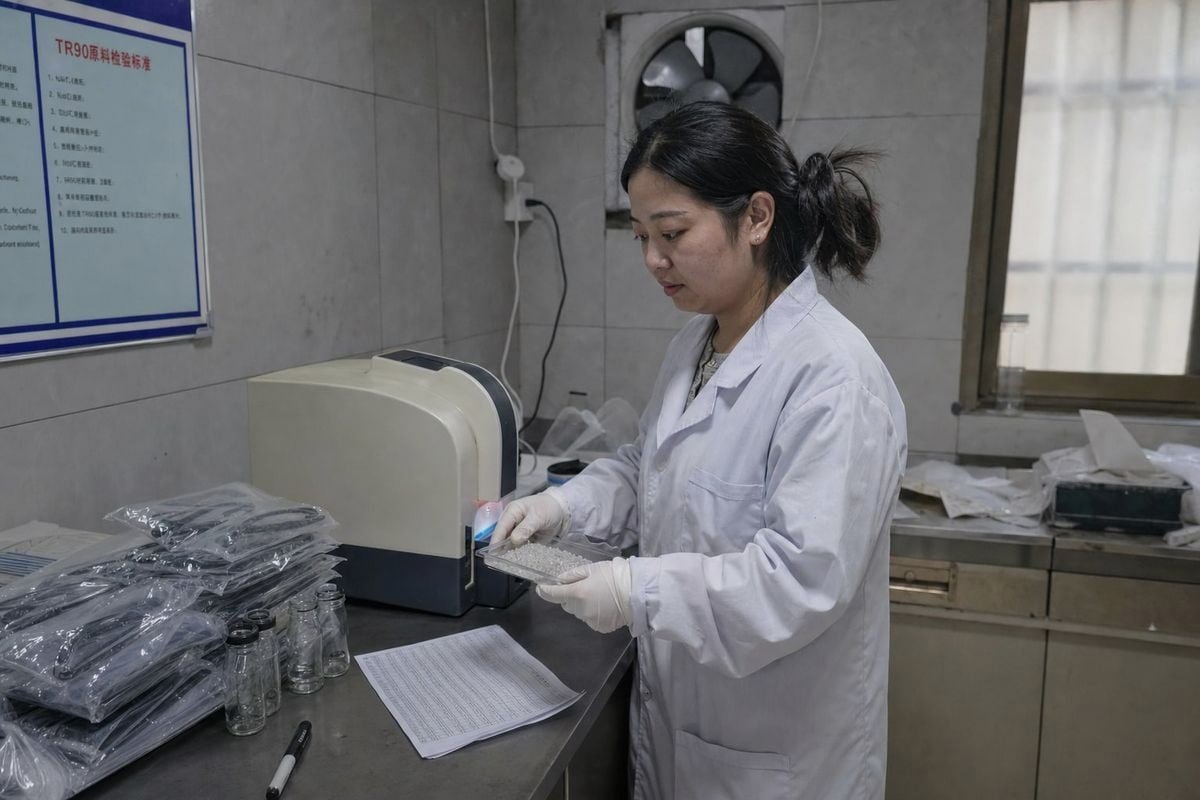
総鉛、フタル酸エステル、ニッケル遊離を対象とした第三者化学試験、ブリッジ変形、テンプル引き抜き、耐衝撃性試験を含む機械的試験、およびNIR分光法またはFTIRによる材料同定を依頼してください。手で選んだゴールデンサンプルではなく、量産サンプルで試験を実施し、認定されたラボを使用することを要求してください。.
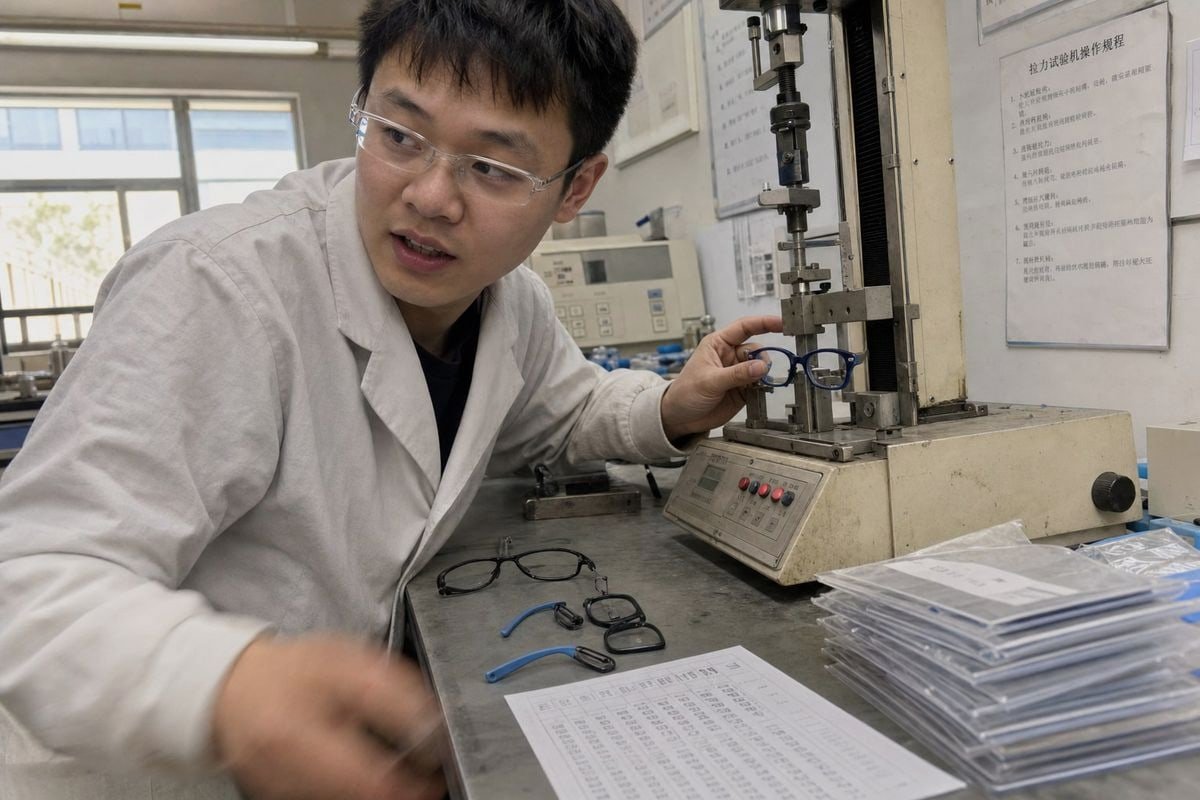
テストは、化学的安全性と物理的性能の2つのファミリーに分かれます。子供用フレームには両方が必要です。フレームは化学的にクリーンでも、ブリッジで壊れる可能性があります。また、すべての落下テストに耐えることができますが、制限された物質を子供の肌に浸出させる可能性があります。あなたのテスト計画は両方のドアを閉じるべきです。.
子供用アイウェアの化学安全性テスト
子供はテンプルを噛んだり、鼻パッドに汗をかいたり、フレームを肌に何時間も着用したりします。そのため、義務付けてください 第三者機関の試験 子供特有の危険に対して。必須項目:
| テスト | 対象 | 子供にとってなぜ重要か |
|---|---|---|
| 総鉛含有量 | フレーム、コーティング、装飾品 | 米国の子供向け製品に対するCPSIAコンプライアンス要件 |
| フタル酸エステル(6P/7P) | 柔らかいプラスチック、TPEE部品、シリコンフック | 口に触れるリスクのある部品のフタル酸エステルフリーコンポーネントを確認します |
| Nickel release | Hinges, screws, metal cores | Prevents skin allergy on the nose and ears |
| Cadmium and heavy metals | Colorants and coatings | Required under REACH regulation for EU markets |
Physical and Material Identification Tests
Beyond chemistry, verify the material behaves like the grade you paid for. ISO 12870規格 4 give you a shared reference frame for bridge deformation, temple endurance, and dimensional stability. Add temple pull-out force and a drop-ball style impact check for lenses. For material identity, handheld NIR spectroscopy 5 is a powerful tool. It identifies polymers non-destructively in seconds, so an inspector can distinguish genuine TR90 or TPEE from a lower-cost substitute right on the factory floor. Some buyers also ask about molecular tagging — microscopic tracers embedded in resin pellets that remain detectable in finished frames. It is still rare in eyewear, but it shows where high-assurance sourcing is heading. Also insist that tested samples come from a real production run. We pull ours at random during batch inspections, because a golden sample proves nothing about lot number three thousand.
工場を視察して、約束通りの材料を使用しているか確認するにはどうすればよいですか?
One lesson from our 5S-managed workshop shaped how I advise buyers: a factory's material honesty is visible in its storage room before it is visible in its frames. Messy, unlabeled resin bags predict messy answers.
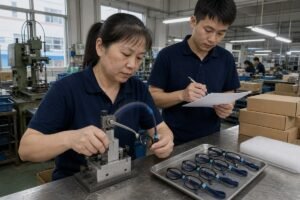
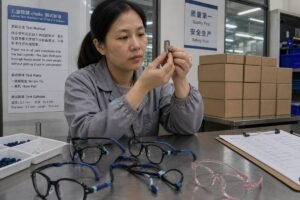
原材料の保管とラベリングを検査し、樹脂バッチの受け入れ品質管理記録を確認し、不正な再生材がないか射出成形ラインを監視し、承認されたマスターサンプルが製造を指導するQCステーションに物理的に存在することを確認することにより、1フレームを逆にたどって工場を監査します。.
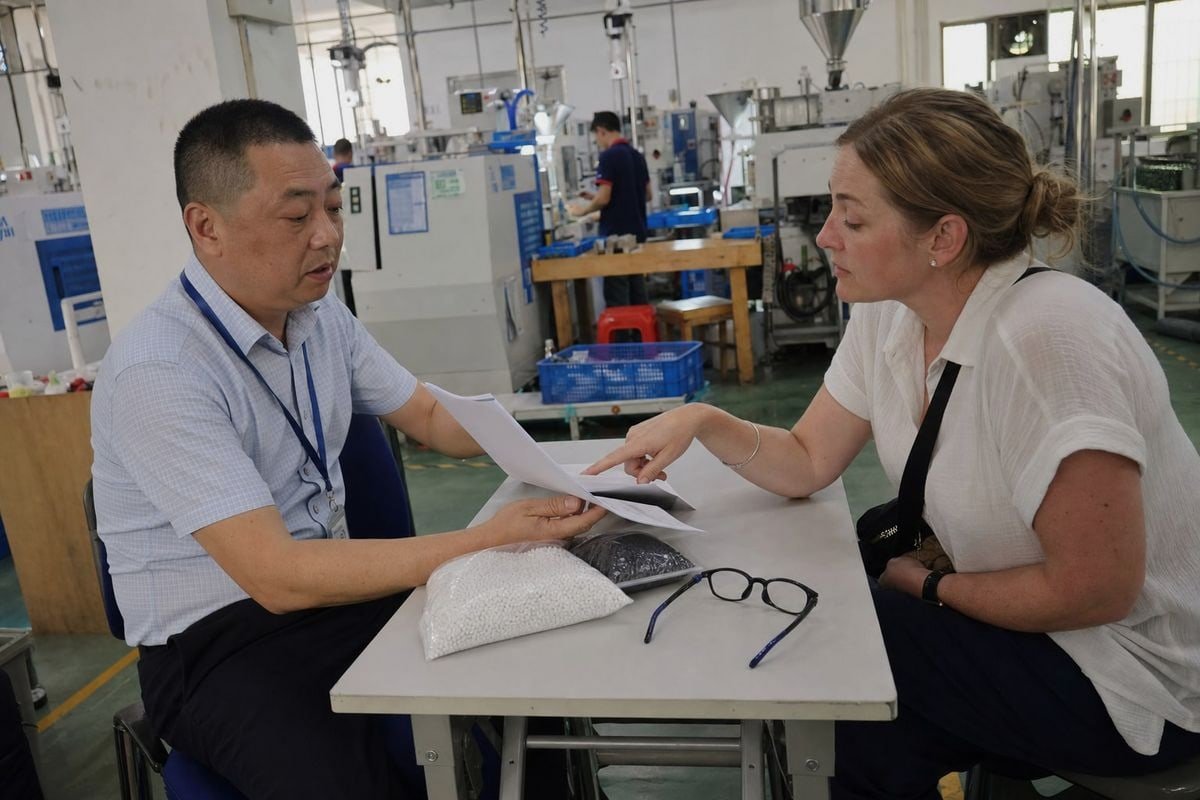
An audit works best when you follow one product through the building instead of taking a general tour. Tours show you what the factory wants you to see. Traceability exercises show you how the factory actually operates. Here is the walk-through we recommend, and the one we invite our own clients to perform.
The One-Frame Traceability Walk
- Start at the warehouse. Check that TR90 and TPEE pellets are stored in sealed, labeled bags with batch numbers and moisture control. Ask which resin sub-suppliers are approved and whether cellulose acetate sheets, if used, come from named sources.
- Review Incoming Quality Control logs. A serious factory checks specific gravity 6, moisture content, and purity of incoming resin before releasing it to production. Ask to see the last three IQC records and match them to purchase invoices.
- Watch the injection molding stage. In-process quality control should confirm no unauthorized regrind or scrap material is blended into virgin resin. Ask what the regrind policy is; a vague answer is a warning.
- Check machine parameters. Melt temperature and pressure settings should align with the technical data sheet of the promised grade. TR90 and cheaper substitutes do not process identically, so telemetry that contradicts the TDS is evidence of substitution.
- Find the master sample. The frame you approved should sit at the QC station as the physical reference for color, dimensions, and finish.
- Test traceability backward. Pick a finished frame from packing and ask the team to identify its production date, line, operator, and resin batch. Strong supply chain traceability means they can answer in minutes.
Use a written supplier audit checklist so every visit covers the same points and results stay comparable over time. Scale the depth to your risk: a pilot order may justify a remote video audit, while a long-term program deserves an on-site visit or a third-party inspection firm. Some advanced supply chains now pilot blockchain-based material passports that log each resin batch from chemical maker to finished frame — useful for brands that need airtight audit trails.
サプライヤーがより安価な素材を代替している可能性を示唆する赤信号とは?
Early in our export history, a distributor showed me frames from another vendor that turned brittle within a season. The quote had promised TR90. The invoice said "TR material." That one dropped word told the whole story.
Watch for vague "equivalent material" language, prices far below the resin cost floor, refusal to share batch records or invoices, inconsistent sample quality between orders, test reports that fail lab verification, and recycled catalog photos. Any two of these together justify independent testing before payment.
Substitution rarely announces itself. It hides in small wording changes, quiet cost pressures, and gaps in paperwork. Some suppliers will argue that certificates and a long relationship should be enough. In our experience exporting to buyers in more than twenty countries, that argument fails exactly when margins tighten — which is precisely when substitution risk peaks. Trust the pattern of evidence, not the length of the relationship alone.
Red Flags Ranked by Severity
| 赤信号 | 重大度 | 通常の意味 |
|---|---|---|
| Test report fails verification with the issuing lab | 重大な | Forged documentation; stop and re-test independently |
| Refusal to show IQC logs or resin invoices | 高い | No traceability, or something to hide |
| "Equivalent" or "TR-type" wording in quotes | 高い | A cheaper nylon blend sold under the TR90 name |
| Price well below the raw material cost floor | 高い | The math only works with regrind or substitutes |
| Sample quality drifts between the pilot and bulk run | 中程度 | Weak process control or a mid-run material switch |
| No kids-specific styles or child-fit expertise on display | 中程度 | A generic eyewear plant relabeling adult capability |
| Recycled or stolen catalog photos, mismatched company details | 中程度 | The "factory" may be a trader with no material control |
Turning Red Flags into Contract Protection
Spotting a red flag is only half the job. Write your defenses into the purchase contract. Name the exact resin grade and sub-supplier, reference ISO 12870 standards and your chemical test scope, and define 出荷前検査 7 as a payment milestone. Add a clear remedy clause: if independent testing finds substituted material, the supplier replaces the goods and covers the testing cost. Then confirm everything with a small trial order before scaling. Speed pressure is real, but a fast approval that skips verification is how substituted frames end up on children's faces. Our approach with new brand clients is simple: we would rather lose a week to testing than lose a partner to a recall.
結論
Material substitution in kids' eyewear is preventable. Combine documents, independent tests, factory traceability, and contract safeguards into one repeatable system, and demand proof from resin bag to finished frame.
脚注
1. Explains the importance of systematic material management in manufacturing environments. ↩︎
2. Provides a global perspective on chemical safety standards and risk management. ↩︎
3. Information on the global network for laboratory accreditation and verification standards. ↩︎
4. Reference to the international standard for spectacle frames, ensuring mechanical and physical quality. ↩︎
5. Technical overview of near-infrared spectroscopy used for non-destructive material identification. ↩︎
6. Authoritative Wikipedia entry for specific gravity (relative density) providing a stable, accessible definition. ↩︎
7. Explains the process

 English
  Español de México
  Deutsch
  Français
  日本語
日本語  العربية
  Português do Brasil