子供用サングラススタイルのサプライヤー廃盤への対応方法
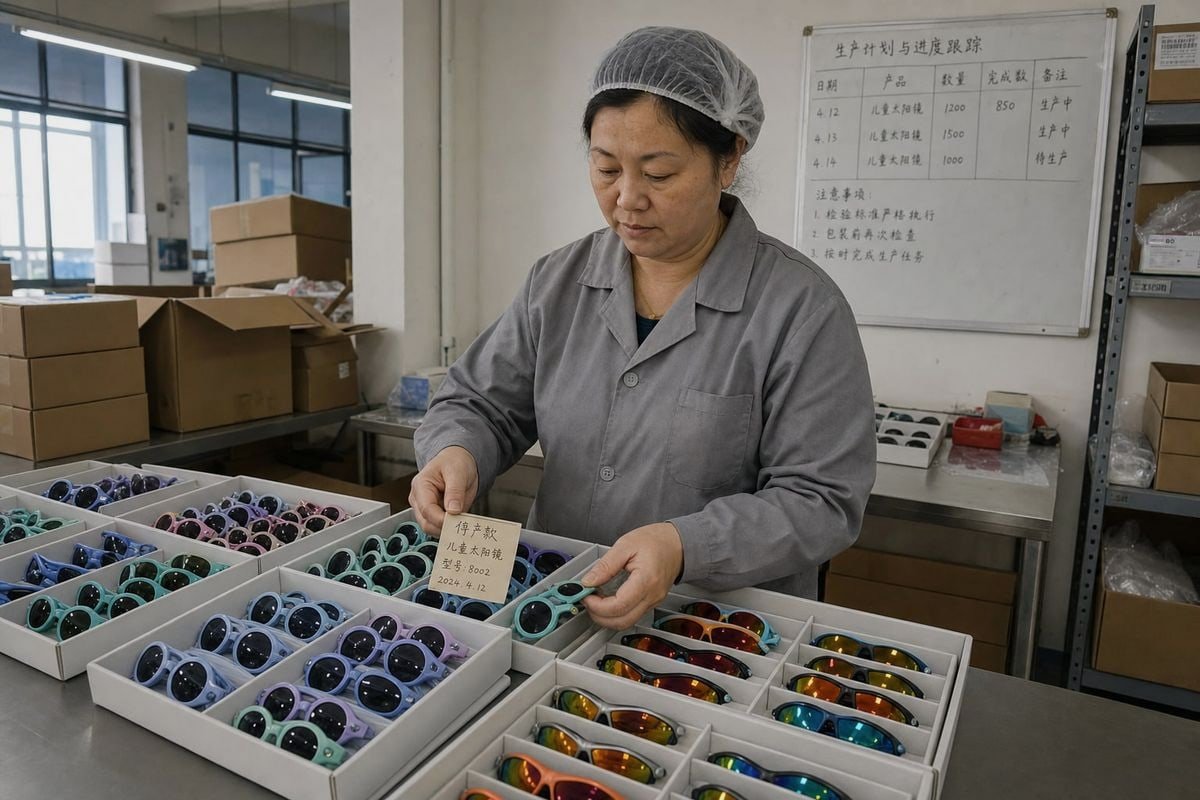
子供用サングラスのスタイルをサプライヤーが廃盤にすると、シーズンを台無しにする可能性があります。台州の生産ラインでは、ベストセラーが突然カタログから消えたときにバイヤーが慌てるのを見てきました。.
サプライヤーが子供用サングラスのスタイルを廃盤にする場合は、廃盤が確実であることを確認し、残りの在庫のランウェイを計算し、最終購入または後継スタイルを交渉し、代替品を調達してサンプリングし、すべての販売チャネルを更新し、小売バイヤーに明確な最終注文日を伝えます。.
それは短いバージョンです。以下では、子供用アイウェアブランドにとって実際に効果のあることに基づいて、各ステップを詳細に説明します。.
サプライヤーからスタイルが廃盤になったと告げられたら、まず何をすべきですか?
オーストラリアのバイヤーから、パニック状態のメールが届いたことがあります。彼女の以前の工場は、2週間前に彼女のトップセラーの丸型フレームを廃盤にしたのです。私たちの最初の助言は、反応する前に落ち着いて確認することです。.
まず、そのスタイルが単に在庫切れではなく、本当に廃盤になっていることを確認してください。次に、手持ちの在庫を監査し、販売可能な週数を計算し、最終的な生産数、最終出荷日、後継スタイルについてサプライヤーに問い合わせてから、あらゆる決定を下してください。.
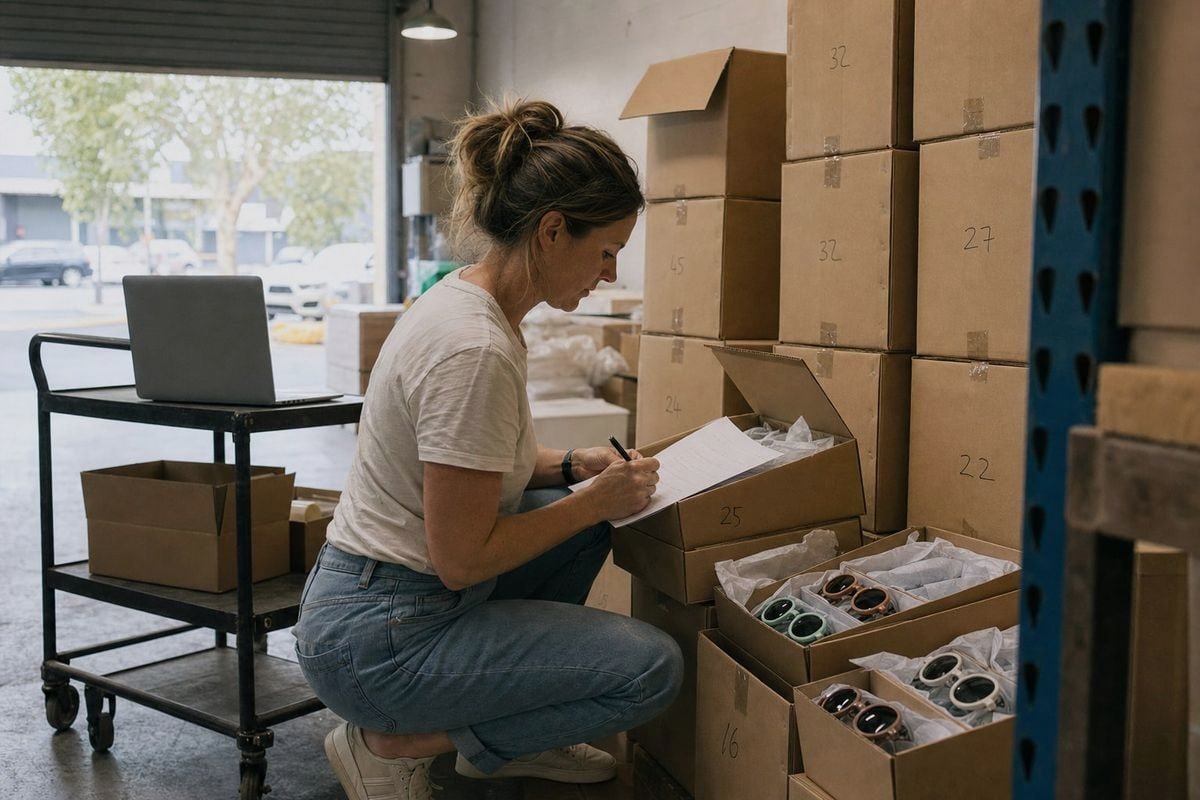
「廃盤」という言葉は、この業界では緩やかに使われます。時には、金型が永久に引退することを意味します。時には、TPEEやTR90のような原材料の供給が不足しているために、工場が生産を一時停止したことを意味します。時には、スタイルはまだ存在しますが、元の工場が製造を続けている一方で、ある商社によってドロップされただけです。これらは非常に異なる状況であり、あなたの対応もそれに応じて変更する必要があります。スタイルが本当になくなったと受け入れる前に、1〜2週間の積極的な確認時間を確保してください。.
反応する前に確認する
メーカーの他のリストや他の 卸売アイウェア販売業者 1. を確認してください。金型は引退したのか、それとも一時的な品切れなのか、直接尋ねてください。トレーダーを通じて購入した場合、実際の工場はまだそのスタイルを製造している可能性があります。これは、私たちが常にバイヤーに、ツーリングを実際に所有しているのは誰かを知るように言っている理由の1つです。.
在庫計算を実行する
次に、簡単な売れ行き計算を行います。これにより、行動できる時間がわかります。.
| 入力 | 例 | 使用方法 |
|---|---|---|
| 手持ちのユニット | 2,400個 | 全倉庫の総販売可能在庫 |
| 週平均販売数 | 200個 | 過去8〜12週間のデータを使用する |
| ランウェイ | 12週間 | 手持ちのユニット ÷ 週販売数 |
| シーズン性要因 | 夏のピークが近づいている | ピークシーズンが近づいている場合は、ランウェイの見積もりを短縮する |
| アクションの締め切り | 約6週間 | 調達とサンプリングはランウェイが終了する前に完了する必要がある |
また、サプライヤーに書面で的を絞った質問をしてください。なぜスタイルが終了するのか、最終生産日はいつか、最終購入は可能か、後継スタイルは存在するのか?彼らの答えがすべてを形作ります。最後に、SKUをPOS、ウェブサイト、在庫システムにすぐにフラグを立てて、チームが交換できない在庫を過剰販売しないようにします。. 良好なバックオーダー管理 は、顧客が不平を言う後ではなく、ここから始まります。.
顧客を失望させずに、同等の代替品を見つけるにはどうすればよいですか?
フィットは、廃盤の子供用スタイルの代替品をブランドに提供する際に、私たちが最も慎重に検討するトレードオフです。写真では同じように見えるフレームでも、ジオメトリが数ミリずれていると、子供のこめかみを圧迫することがあります。.
元のスタイルのフィット感、素材、レンズ保護、安全基準を、見た目だけでなく、寸法で一致させて交換品を見つけてください。2つか3つの候補からサンプルを注文し、元のものと並べて比較し、新しいSKUを決定する前に快適さと耐久性をテストしてください。.

パニックスイッチングは、私が最もよく見る間違いです。バイヤーはマーケットプレイスから最初の似たようなフレームを掴み、小売パートナーに発送し、そして返品が始まります。真のUV400ではないレンズ、壊れるヒンジ、小さな鼻から滑り落ちるフレーム。子供用アイウェアでは、製品の代替は化粧品ではありません。それは信頼の決定です。なぜなら、支払うのは親であり、彼らは二度許さないからです。.
ここに私たちが推奨するプロセスがあり、約800の既存モデルの私たちのカタログにスタイルを移行するブランドと一緒に実行するプロセスがあります。
- 元のものがうまくいった理由を定義する。. それは柔軟なTPEEテンプルでしたか?レンズの形?ツートンカラーの配色?一部のブランドは、子供たちがどのようなフィットパラメータに反応したかを特定するために、バーチャル試着データさえレビューします。.
- まず、ハード基準で候補をフィルタリングします。. あなたの市場向けの安全認証 2 、, UV400レンズ定格 3, 、許容範囲内のフレーム寸法、および素材の柔軟性は、色と価格よりも優先されます。.
- 複数のソースからサンプルを注文する。. Comparing three options against the original exposes weaknesses a single sample hides.
- マーチャンダイザーではなく、親のようにテストする。. Twist the temples. Drop the frame. Check hinge screws. Weigh it. Kids' frames take far more abuse than adult fashion accessories.
A Practical Comparison Checklist
| Criterion | What to Check | Deal-Breaker If… |
|---|---|---|
| Fit | Lens width, bridge, temple length vs. original | Off by more than 1–2 mm on the bridge |
| 素材 | TR90 or TPEE flexibility, weight | Rigid plastic that can crack on impact |
| レンズ | UV400 or polarized, optical clarity | No verifiable UV protection report |
| Durability | Hinge quality, twist and flex recovery | Frame whitens or snaps under flex |
| パッケージング | Retail-ready presentation, branding options | Packaging quality drops below your current standard |
If no genuine equivalent exists, do not force a poor substitute. It is better to retire the style honestly and redirect demand toward your stronger SKUs than to attach your brand name to a downgrade.
このような将来的な廃止から私のブランドをどのように保護しますか?
One lesson our export team learned over 15 years: discontinuation pain is almost always a systems problem, not a single-SKU problem. Brands that suffer most had no early warning and no fallback plan.
サプライヤー契約にライフサイクル終了通知条項を追加し、コアスタイルの安全在庫を確保し、需要を吸収できるバックアップSKUを維持し、金型またはCADドキュメントの権利を要求し、廃止計画を通常のSKU合理化レビューの一部として扱うことにより、ブランドを保護します。.
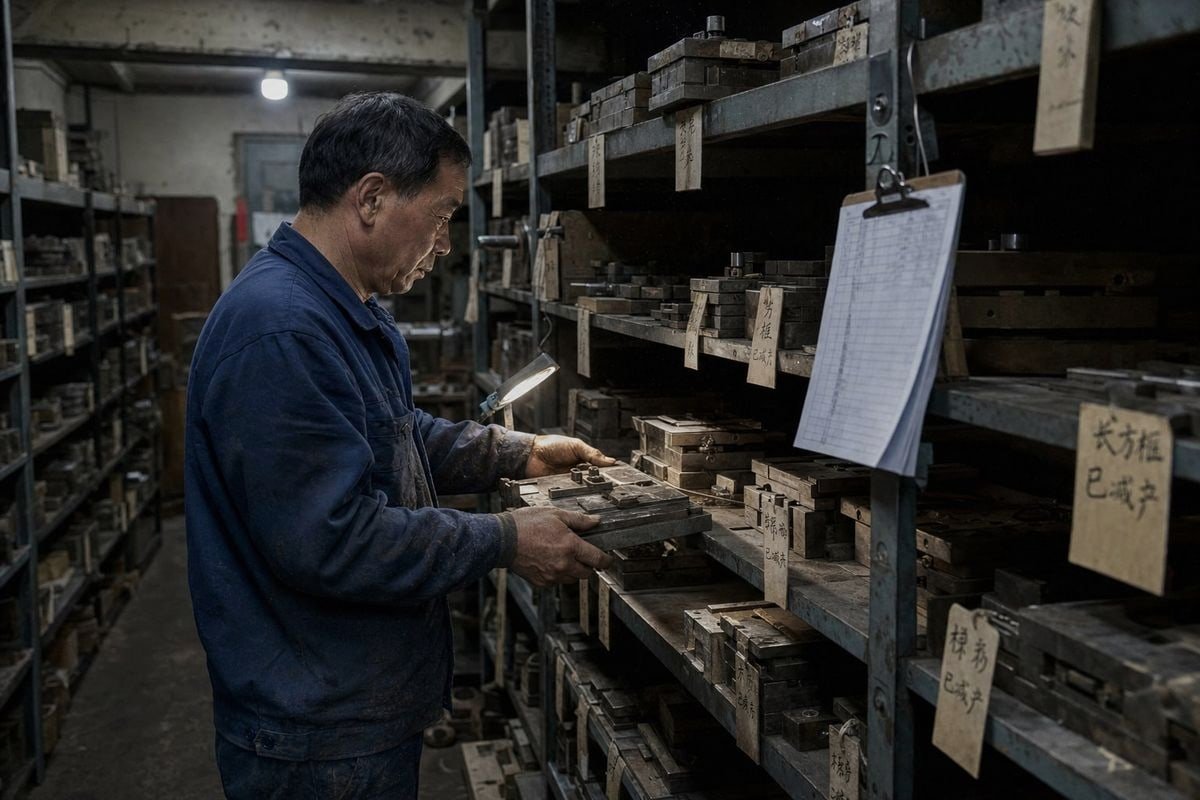
The strongest protection is contractual. Audit your supplier agreements for end-of-life clauses. A fair agreement should require advance notice — 90 to 180 days is reasonable for children's eyewear — plus the right to a final production run so you can secure a controlled last-time buy. Very few small brands negotiate this upfront, and it costs almost nothing to ask. At our factory, we commit to advance notice on style retirements precisely because we know a surprise discontinuation damages the buyer's retail relationships, not just ours.
Operational Safeguards That Actually Work
Beyond the contract, several practical habits reduce your exposure:
- Set safety stock levels on hero SKUs. Your top three to five styles deserve deeper buffers than the long tail. Tie the buffer to lead time plus one selling peak.
- Keep a warranty reserve. Hold back a small percentage of final stock from any closeout inventory push, so you can service loyal customers who need replacements for broken or lost frames.
- Request tooling documentation. Ask for 3D CADファイル 4 or mold specifications when you commission custom styles. If you ever must move production, you avoid redesign costs and fit drift.
- Watch raw material signals. Shortages in eyewear polymers like TPEEとTR90 5 often precede discontinuations. If your supplier struggles to source material, styles will get cut. Asking about material supply twice a year is a cheap early-warning system.
- Run structured last-chance selling. When a style does end, use a tiered liquidation plan: loyalty-member early access first, then public clearance. Update the discontinued product page with a clear status and links to the successor style so you preserve SEO value instead of deleting the page. Give frontline staff scripts that pivot from the loss of the old style to the benefits of the new one.
Handled this way, a discontinuation becomes a managed transition — sometimes even an upgrade story you can market — rather than a silent hole in your catalog.
このリスクを再び回避するために、より多くのスタイルライブラリを持つメーカーに切り替えるべきですか?
A procurement manager from Japan once told me she chose us over a cheaper quote for one reason: when her old supplier dropped two styles, she had nowhere to pivot. Catalog depth was the insurance she had been missing.
はい、ほとんどの場合そうです。既存のスタイルライブラリが豊富なメーカーは、スタイルが終了した際に即座に代替品を提供し、金型投資のリスクを軽減し、交換リードタイムを短縮します。これをサプライチェーンの多様化と組み合わせることで、単一の工場の故障でブランドが停滞することはありません。.
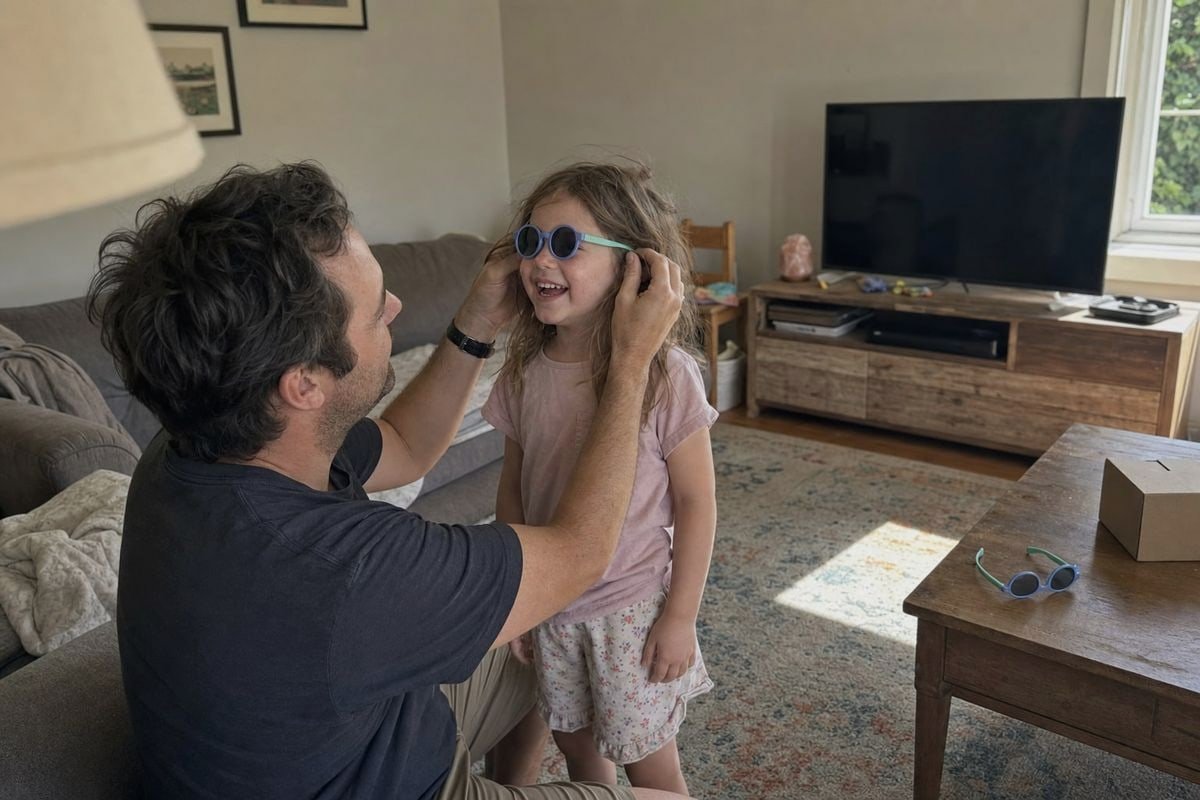
Let me be balanced here, because I obviously have a position. A big library alone does not guarantee safety. What matters is the combination of depth, material expertise, and OEM/ODM flexibility. Our factory maintains around 800 existing styles precisely so brands can test the market or replace a discontinued SKU without paying for new tooling. When a style retires, buyers can usually move to a close successor in the same TR90 or TPEE construction, keep their custom colors and logos, and stay retail-ready. That is a very different experience from starting a sourcing search from zero.
Comparing Your Sourcing Options
| Option | Speed to Replace | リスクレベル | 最適 |
|---|---|---|---|
| Stay with small-catalog supplier | Slow — few substitutes | 高い | Only if the relationship is otherwise excellent |
| Marketplace spot-buying | Fast but unverified | 高い | Emergency gap-filling, never long-term |
| Large-library OEM/ODM factory | Fast, sampled, consistent | Low–Medium | Brands wanting continuity without mold costs |
| Dual-source across two factories | 中程度 | Lowest | Established brands with volume to split |
There is a fair objection: does switching factories mean repeating all your compliance and quality work? Partly, yes. That is why the switch should be a deliberate white label manufacturing 6 or ODM partnership decision, not a panic move. Verify the factory directly — worker count, workshop management, material sourcing — and confirm they are a true factory rather than a trader reselling someone else's molds. Then build alternative sourcing strategies around that anchor: a primary partner with catalog depth, plus at least one qualified backup for genuine リスク 7. Depth reduces the frequency of discontinuation crises. Redundancy reduces their severity. You want both.
結論
A discontinued kids' sunglasses style is disruptive, but manageable. Verify first, run the inventory math, sample replacements carefully, communicate honestly, and build supplier depth so it never blindsides you again.
脚注
1. Authoritative industry overview covering global eyewear distribution and market segments. ↩︎
2. ISO establishes global product safety certification standards referenced in sourcing decisions. ↩︎
3. CDC guidance on UV protection standards relevant to lens safety for children. ↩︎
4. Explains CAD documentation used for mold and tooling specifications in manufacturing. ↩︎
5. Background on the polym

 English
  Español de México
  Deutsch
  Français
  日本語
日本語  العربية
  Português do Brasil