子供用眼鏡レンズの傷は視力にどう影響し、交換が必要になるのか?
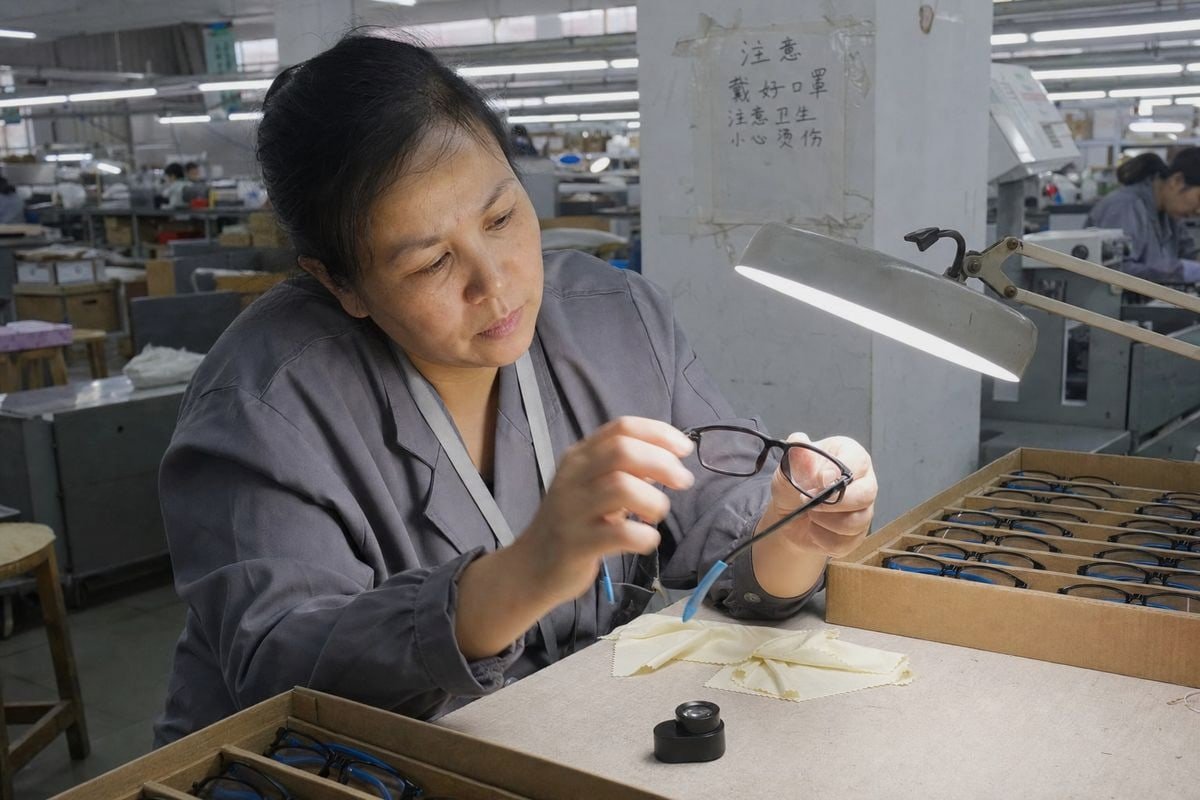
子供用眼鏡レンズの傷は、毎週私の検査台に持ち込まれます。 UV400保護 1. 親はそれを気にせず、子供は眼鏡をかけなくなり、ブランドは静かにリピート顧客を失います。.
子供用眼鏡レンズの傷は子供の目にダメージを与えるわけではありませんが、光を散乱させ、ぼやけ、まぶしさ、眼精疲労を引き起こします。傷が光学中心の近くにある場合、頭痛や眇めを引き起こす場合、または読書や学校の勉強に支障をきたす場合は、レンズを交換してください。.
その短い答えには、実際のニュアンスが隠されています。以下では、傷が実際に問題となる場合、どの素材が傷に強いか、そして交換が修理よりも優れている場合について詳しく説明します。.
傷のあるレンズは本当に子供の視力を損なっているのか、どうすればわかりますか?
オーストラリアのバイヤーがかつて、傷のあるデモレンズがテスターの子供の目に「害を与えた」と心配してサンプルを返品してきました。 視力 2. 。しかし、子供の訴えは依然として現実でした。.
レンズの傷は、子供の目に永続的な害を与えたり、処方を変更したりすることはありません。しかし、深い傷や中央の傷は光を散乱させ、視力やコントラストを低下させます。目を細める、頭を傾ける、頭痛、目をこする、または子供が眼鏡をかけるのを嫌がるなどの兆候に注意してください。これらは、意味のある損傷を示しています。.
まずメカニズムを明確にしましょう。そうすれば、親のパニックの多くが解消されます。傷はレンズ全体の屈折力を変えるわけではありません。代わりに、小さなプリズムのように機能します。入射光を不規則な方向に曲げ、散乱させます。その光の散乱は、まぶしさ、ハロー、光の周りの「星形」効果、コントラストの低下を引き起こします。目自体は健康なままです。画質が低下します。.
したがって、本当の問題は「これは危険ですか?」ではありません。それは「これは鮮明な視界を妨げていますか?」ということです。子供にとって、その閾値はほとんどの大人が想定するよりも低いです。.
子供が大人よりも傷を強く感じる理由
子供はめったに「レンズが傷ついた」とは言いません。彼らの視覚システムは静かに過剰に補償します。視覚的なノイズをフィルタリングするための追加の労力は、認知負荷を増加させ、読書や画面時間の間に精神的な疲労を早めます。学校の一日の間に、それは実際の眼精疲労と頭痛につながります。.
子供たちには 弱視、斜視 3, 、または強い処方箋を持つ子供は最も影響を受けます。彼らの視覚発達は、鮮明で矯正された画像に依存しています。傷ついたレンズからの劣化信号は、処方された視力矯正療法さえも損なう可能性があります。そして、片方のレンズだけがひどく傷ついている場合、両眼間の画像の不一致は発達中の 奥行き知覚 4.
どの傷が最も重要か
すべての傷が同じ反応に値するわけではありません。深さ、密度、場所がすべてを決定します。.
| 傷の種類 | 視力への典型的な影響 | 必要な処置 |
|---|---|---|
| 軽度で孤立した、端に近い傷 | ほとんど気づかない | 監視する。定期的に清掃する。 |
| 複数の細かい表面傷 | 明るい光の下でのかすみ、コントラストの低下 | 行動の変化に注意する |
| 光学中心を横切る傷 | 直接視線内のぼやけ、まぶしさ、歪み | すぐにレンズを交換する |
| コーティングまたはレンズの深い傷 | 絶え間ないぼやけ、可能性のある異物混入 | 速やかに交換する |
バイヤーに共有する実用的なテストの1つは、レンズを徹底的に清掃することです。適切な清掃後もぼやけが続く場合は、原因は傷(汚れではなく)であり、 小児眼科医 5 に診てもらうか、レンズ交換を注文する時期です。.
子供用メガネの傷つきを軽減するのに役立つレンズ素材とコーティングは?
子供用レンズの仕様ごとに、私たちは常にトレードオフを検討しています。最も安全で最も耐衝撃性の高い素材は、最も柔らかく傷つきやすいことがよくあります。両方を実現するには、意図的なエンジニアリングが必要です。.
ポリカーボネートレンズは、工場で硬質コーティングが施されており、お子様に最適なバランスを提供します。高い耐衝撃性と傷防止加工が施されています。反射防止コーティングとUV400保護を追加することで、さらに透明度を維持し、高品質のハードコートは、柔らかいレンズの耐傷性を何倍にも高めることができます。.
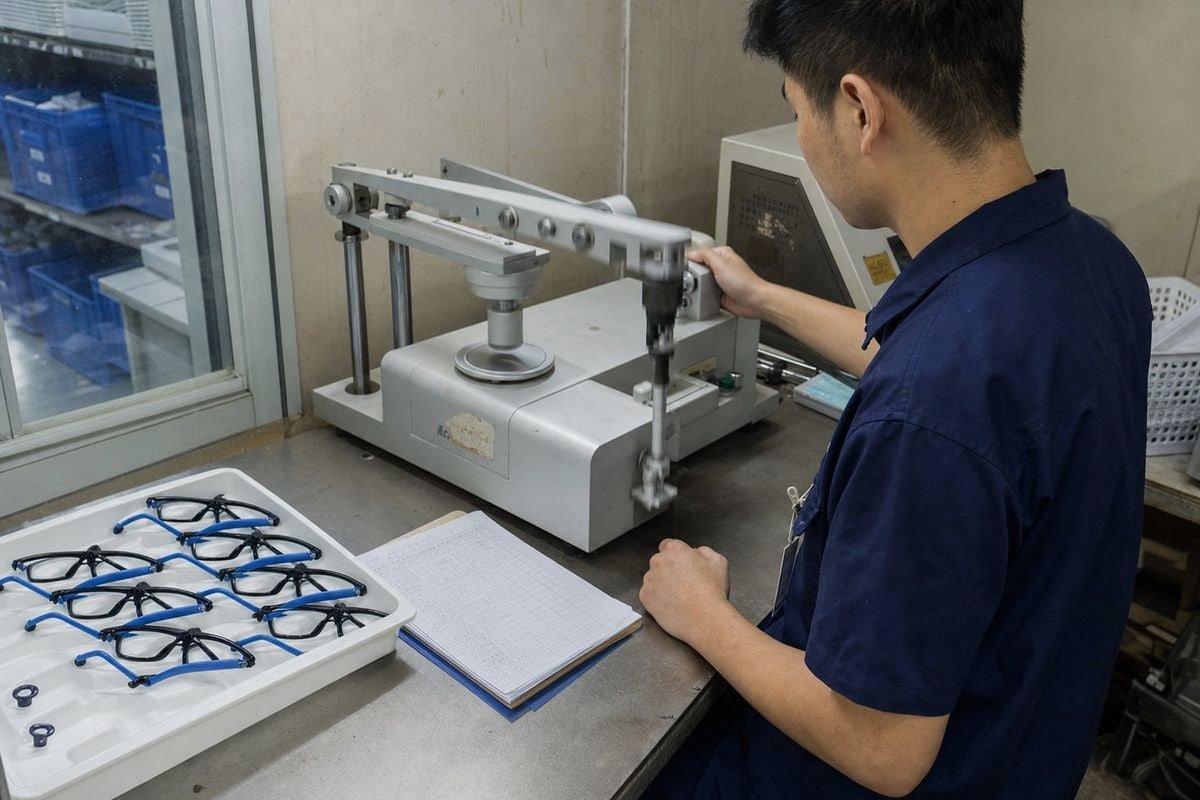
ここに、すべての子供用眼鏡バイヤーが理解すべきパラドックスがあります。. ポリカーボネートレンズ 6 は、耐衝撃性のため子供用の業界標準です。ボールが顔に当たっても割れません。しかし、裸のポリカーボネートは本質的に柔らかいです。処理なしでは、ガラスやCR-39よりも速く傷がつきます。そのため、子供用レンズにハードコーティングはオプションではありません。それは不可欠です。.
一般的なオプションの比較
| レンズ素材 | 衝撃強度 | 元の傷耐性 | 子供向け適合性 |
|---|---|---|---|
| ポリカーボネート | 素晴らしい | 低い(ハードコートが必要) | 最もバランスの取れた選択肢 |
| トライブレックス | 素晴らしい | Moderate (still needs coating) | Excellent, higher cost |
| すべての子供用スポーツ。デフォルトの選択肢 | 中程度 | 中程度 | Acceptable, heavier and less safe |
| ガラス | CR-39プラスチック | 高い | Not recommended for children |
Coatings That Protect Clarity
On our production line in Taizhou, we treat coatings as a system, not a menu. A hard scratch-resistant treatment forms the durability base. An 反射防止コーティング 7 on top cuts reflections and digital glare, which matters for kids on screens. UV400 lenses protect developing eyes outdoors — a standard spec across our sunglass range.
One point brands often miss: scratches damage coatings before they damage the lens. A scratch through an anti-reflective or UV-protective layer compromises that layer's function across the damaged zone. So a "cosmetic" scratch can quietly reduce UV protection or increase glare. When we help brands spec lenses for their markets, we always pair flexible TR90 or TPEE frames with properly hard-coated polycarbonate, because a frame that survives a drop is pointless if the lens fogs with micro-scratches in three months.
傷がついたレンズは、修理を試みるのではなく、いつ交換すべきか?
A lesson I learned early in fifteen years of eyewear work: nobody truly "repairs" a scratched lens. I have watched well-meaning fixes turn a mild annoyance into a ruined optic.
レンズに傷がついた場合は、傷がお子様の視界に入り、かすみ目、まぶしさ、頭痛、学校での困難を引き起こす場合、またはお子様がメガネをかけるのを避ける場合は、いつでも交換してください。歯磨き粉で磨くなどの修理はコーティングを剥がし、処方を歪めるため、意味のある傷は常にレンズ交換が必要です。.
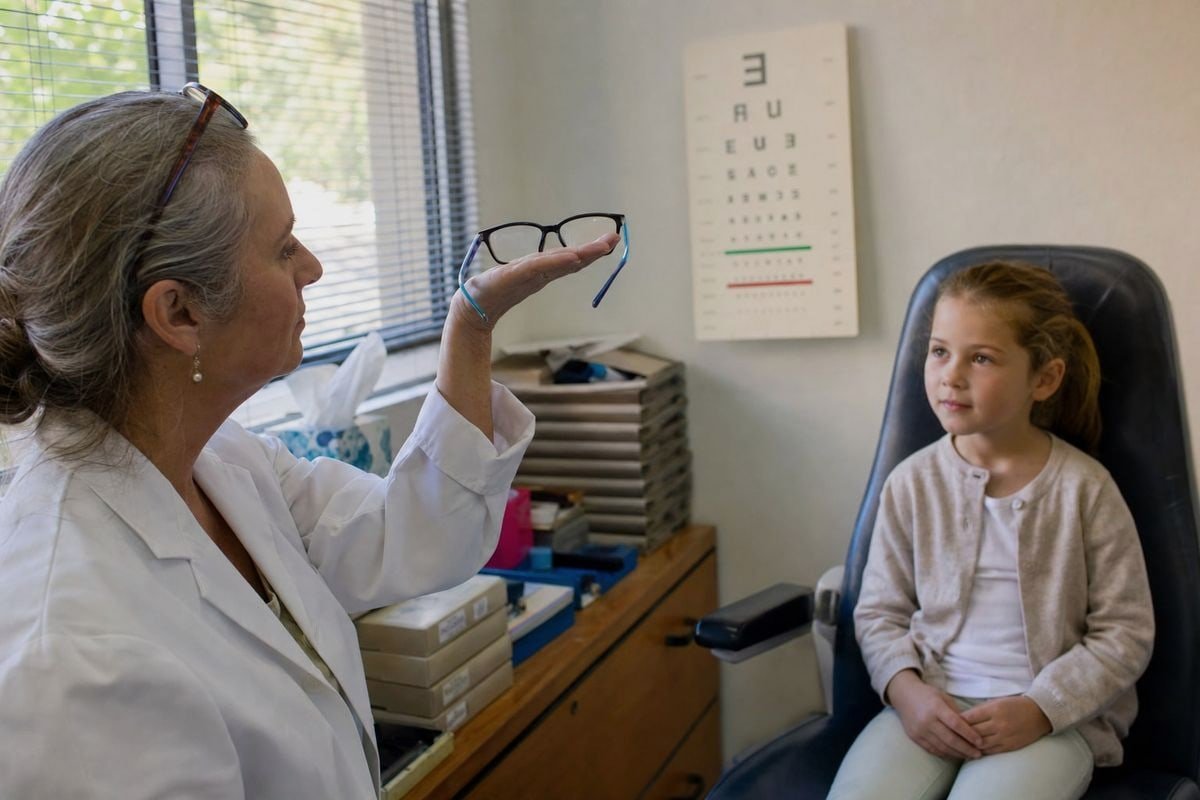
Some sources argue minor scratches are harmless, and honestly, they are often right. If a child sees clearly, reports no discomfort, and the scratch sits at the lens edge, replacement is not urgent. But I push back on treating that as a blanket rule for children. "Not dangerous" is not the same as "good enough" for a seven-year-old spending six hours a day on reading and classroom boards. Persistent visual distortion creates what I call perceptual friction — the child starts associating near work with discomfort and avoids it.
A Simple Decision Path
- Clean the lenses properly with lens cleaner and a microfiber cloth.
- Test vision: if clarity returns, the problem was grime, not scratches.
- Check location: hold the glasses up to light; central scratches matter most.
- Watch behavior for one week: squinting, sitting closer to screens, head tilting, removing glasses.
- If any symptom appears, replace the lenses; the frame usually does not need replacing.
Why DIY Repairs Backfire
Household abrasives like toothpaste or baking soda remove material unevenly. They permanently distort the optical surface and strip the anti-reflective and UV coatings entirely. Professional polishing faces the same physics: removing a scratch means removing lens material, which changes the prescription. There is one more issue few parents consider — deep gouges in polycarbonate can trap microscopic debris and bacteria, occasionally causing skin or eye irritation. Replacement is not the expensive option. It is the only real option once a scratch matters.
一貫して傷つきにくい子供用レンズを提供する製造パートナーをどのように選べますか?
During a factory audit last year, a European buyer asked our QC team one sharp question: "How do you verify coating adhesion batch to batch?" That question separates serious suppliers from traders.
実績のある柔軟な素材とレンズの専門知識、コーティングと接着の検査記録、社内品質管理、OEM/ODMの柔軟性を備えた工場パートナーを選択してください。ロットごとに耐傷性テストを実施し、UV400および偏光オプションを提供し、量産前にサンプルで仕様をサポートしていることを確認してください。.
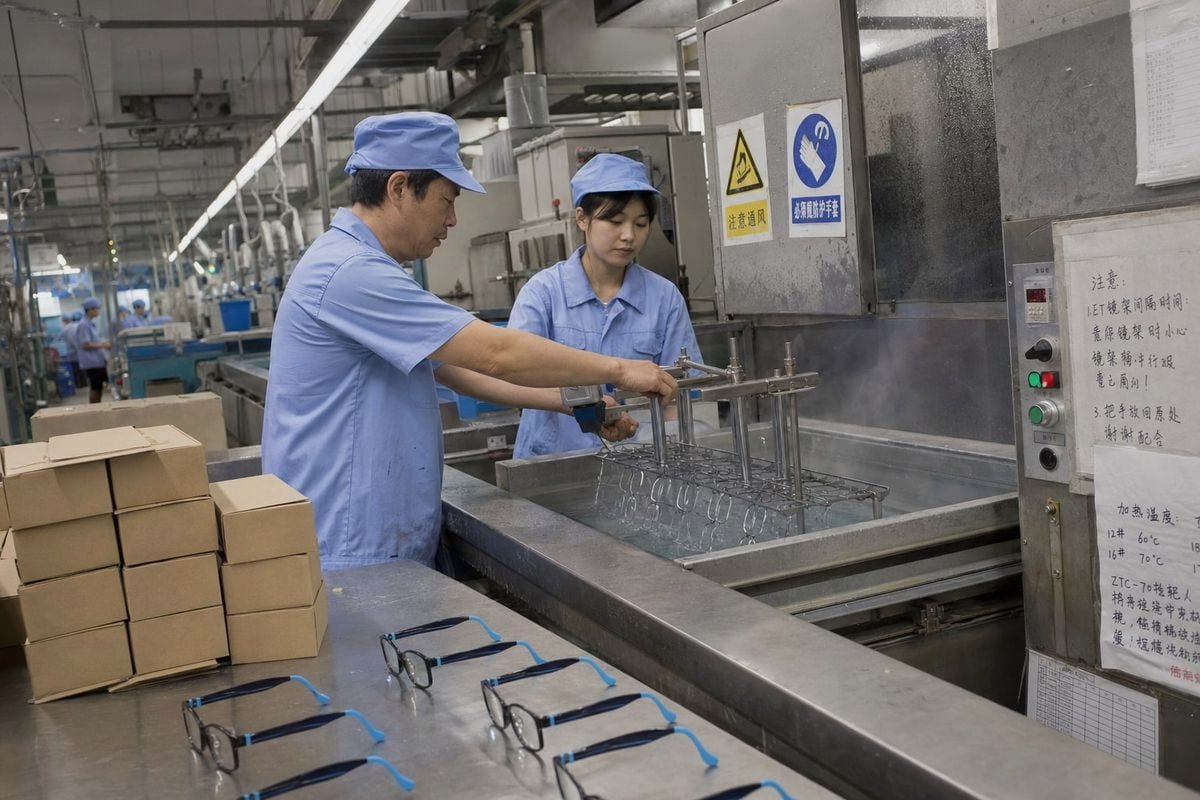
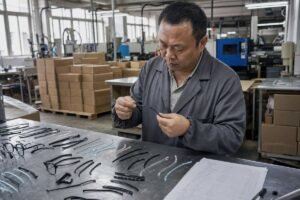
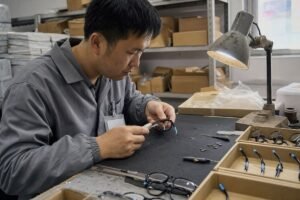
Scratch resistance is not a spec sheet claim. It is a process outcome. At our 5S-managed workshop in Taizhou, with around 120 workers and fifteen years of eyewear experience, we have seen how small process drifts — coating thickness, curing time, handling between stations — quietly degrade lens durability. A partner who cannot explain their coating process cannot guarantee your lenses survive a playground.
What to Verify Before You Commit
| チェックポイント | 良い状態 | Why It Matters for Scratches |
|---|---|---|
| Lens sourcing and coating | Consistent hard-coated polycarbonate or specified equivalent | Coating quality drives real-world scratch life |
| Batch QC | Documented inspection of coating adhesion and surface defects | Catches weak batches before shipment |
| 素材の専門知識 | Genuine TR90 / TPEE frame capability | Flexible frames absorb drops that would gouge lenses |
| サンプリングプロセス | Pre-production samples you can abuse-test | Lets you validate durability, not just looks |
| パッケージング | Retail-ready cases and cloths included | Protects lenses from transit and first-owner scratches |
Why Existing Styles Lower Your Risk
For new brands, mold investment is the hidden trap. We keep roughly 800 existing styles precisely so buyers can test a market without tooling costs, then customize colors, logos, lenses, and packaging once a style proves itself. That same catalog depth means our lens and coating suppliers are already validated across thousands of production runs — you inherit that consistency instead of gambling on it. When a promotional products company or a kids' outdoor brand in one of the 20-plus countries we serve asks for polarized or UV400 lens options, the scratch-resistant treatment is already part of the standard spec, not an upsell. Ask any prospective partner the audit question above. Their answer will tell you everything.
結論
Scratched lenses will not harm a child's eyes, but blur, glare, and eye strain harm their days. Replace meaningful scratches promptly, spec coated polycarbonate, and partner with a factory that proves its consistency. We are happy to help — reach Alan Kong at sales@okayeyewear.com.
脚注
1. Official FDA consumer guide explaining UV400 ratings and how to choose protective sunglasses. ↩︎
2. Authoritative NIH/MedlinePlus resource defining visual acuity and how it is measured. ↩︎
3. Background on visual development conditions affected by degraded lens clarity in children. ↩︎
4. Wikipedia background on binocular vision development disrupted by image disparity between eyes. ↩︎
5. Authoritative guidance on when children should see an eye care professional. ↩︎
6. Wikipedia explains the polymer properties behind impact resistance and scratch susceptibility. ↩︎
7. Wikipedia explains the optical coating technology reducing glare on children’s lenses. ↩︎
 English
  Español de México
  Deutsch
  Français
  日本語
日本語  العربية
  Português do Brasil