子供用サングラスは傷のあるレンズでも使えますか?
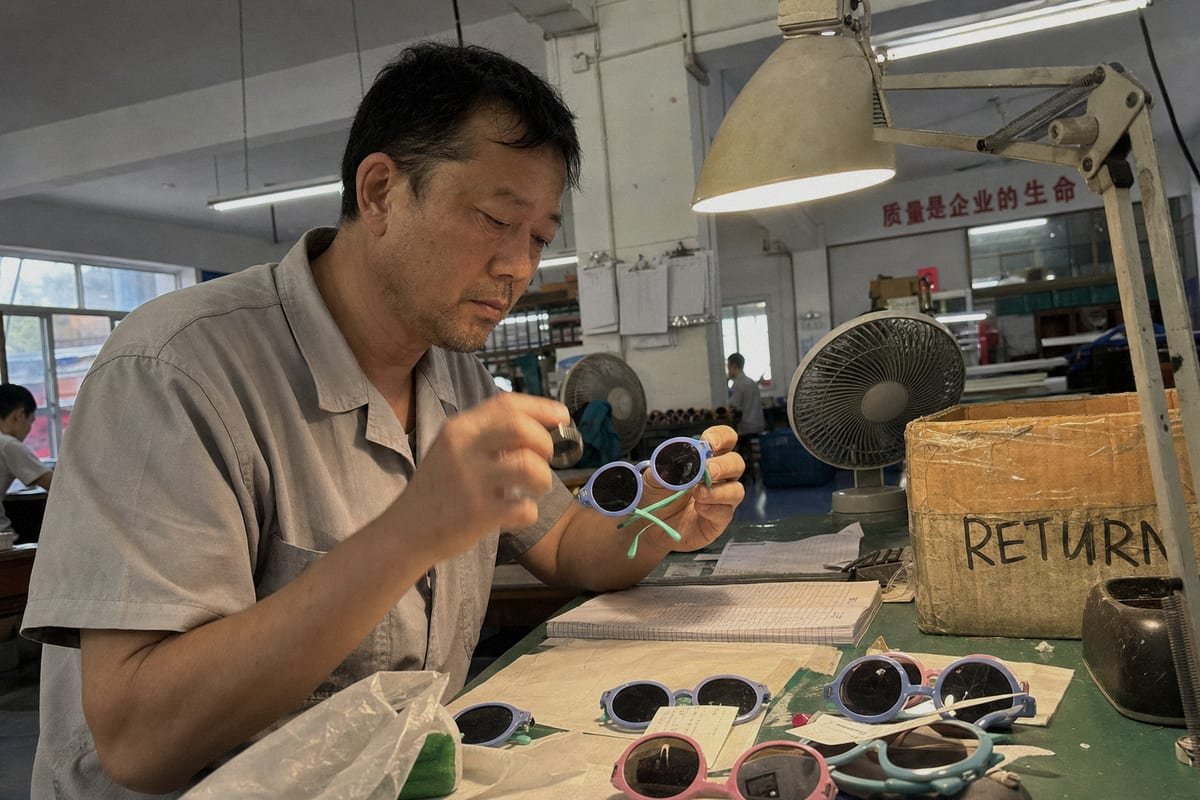
傷のある子供用サングラスは毎週私のQCベンチに届きます。購入者は、これらはまだ安全なのかと尋ねて返品してきます。 ポリカーボネートと柔軟なフレーム 1?その心配は親やブランドを悩ませるので、ここで解決しましょう。.
傷のあるレンズの子供用サングラスは、傷が軽微で、視線から外れており、まぶしさや視覚的な歪みを引き起こさない場合は使用できます。傷が深い、中央にある、ひび割れている、またはコーティングが剥がれている場合は交換してください。なぜなら、損傷したレンズは子供の成長中の目に負担をかけるからです。.
それが短い答えです。しかし、詳細は重要です。なぜなら、すべての傷が同じではなく、すべてのレンズが同じように作られているわけではないからです。子供用アイウェアを15年間製造してきた経験から学んだことをお話しします。.
傷がついたレンズが子供の紫外線カット効果を実際に損なっているかどうか、どうすればわかりますか?
昨年の春のレンズ監査中に、私たちのチームは傷のあるサンプルと新品のUV400レンズを透過率計で比較しました。その結果は、長年の輸入業者でさえ驚かせました。そして、傷の評価方法が変わります。.
表面の傷がUV400保護を低下させることはめったにありません。なぜなら、現代のポリカーボネートレンズは、表面だけでなく、レンズ素材自体の中で紫外線をブロックするからです。本当の例外は、スプレーでUVコーティングされた安価なおもちゃのサングラスで、深い傷が保護層を完全に剥ぎ取ってしまう可能性があります。.
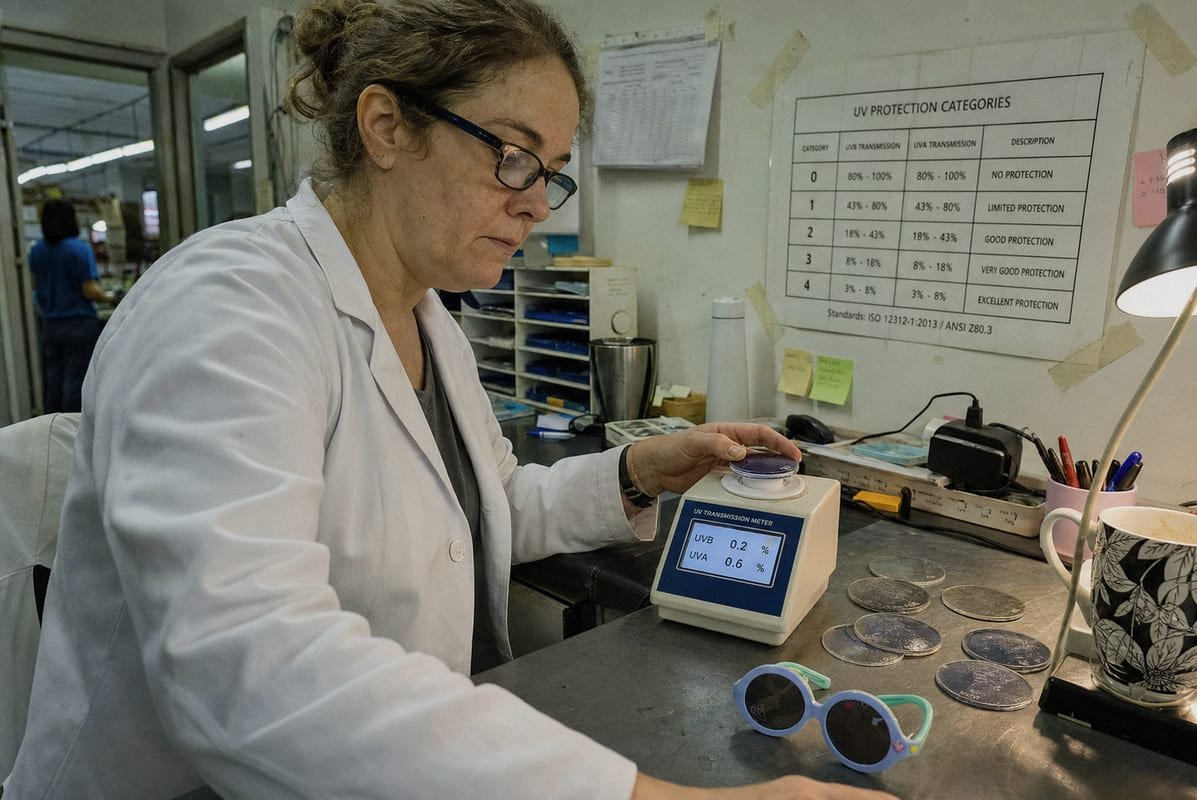
ほとんどの親、さらには一部のバイヤーが見落としている重要な違いはここにあります。高品質のレンズでは、紫外線カットは素材に組み込まれています。表面を研磨しても、レンズはUVA線とUVB線を阻止します。. ポリカーボネートレンズ 2 は最も明確な例です。ポリマー自体が紫外線を吸収します。したがって、髪の毛のような傷は、UVが忍び込む「穴」を開けません。.
危険は 安価なノベルティサングラス. にあります。一部の安価なレンズは、表面に塗布された薄いUVコーティングに依存しています。そのコーティングをこすり落とすと、暗い色合いは子供の瞳孔を散大させ、UV線が直接入り込みます。それはサングラスを全くかけないよりも悪いことです。私たちのワークショップでは、UV吸収剤がレンズ素材に練り込まれていることを証明できないレンズサプライヤーは拒否しています。.
子供のレンズを判断する簡単な方法
| レンズの種類 | 紫外線保護が組み込まれている場所 | 傷はそれを損ないますか? |
|---|---|---|
| ポリカーボネート(高品質の子供用アイウェア) | レンズ素材の内側 | いいえ—保護はそのままです |
| TAC / PC(UV400添加剤付き) | 素材に練り込まれている | いいえ—傷があっても安全 |
| スプレーコーティングされた安価なおもちゃのレンズ | 薄い表面層のみ | はい—深い傷は保護を剥がします |
| ひび割れたレンズ(あらゆる種類) | 構造的に破損 | はい—すぐに交換してください |
だから正直な結論:傷は紫外線問題よりも視覚問題であることがはるかに多いです。実際に快適さを損なうのは光の散乱です。傷は太陽光を回折させ、 まぶしさ、ハロー、ぼやけ 3 を引き起こし、若い目の筋肉に過度の負担をかけさせます。子供は目の疲れを訴えることはめったにありません。ただ目を細めたり、頭を傾けたり、静かにサングラスをかけなくなったりします。これらの行動に注意してください。それらは傷そのものよりも重要です。.
子供のサングラスのレンズが傷ついた場合、修理すべきか交換すべきか?
オーストラリアの販売業者が、輸送中の擦り傷のある返品分を研磨キットで修復できるかどうか尋ねてきたことがあります。私たちは一緒にテストし、正直に効果があることを願っていました。その結果は、私たち両方に永続的な教訓を与えました。.
子供用サングラスの傷ついたレンズは、修理を試みるのではなく交換してください。DIYの方法では光学的な透明度を安全に回復させることはできず、歯磨き粉や重曹のような研磨剤を使った修理は、反射防止コーティングやミラーコーティングを剥がしてしまい、視覚的な歪みを悪化させます。レンズ交換または新しいサングラスを購入することが、目立つ傷に対する唯一の信頼できる解決策です。.
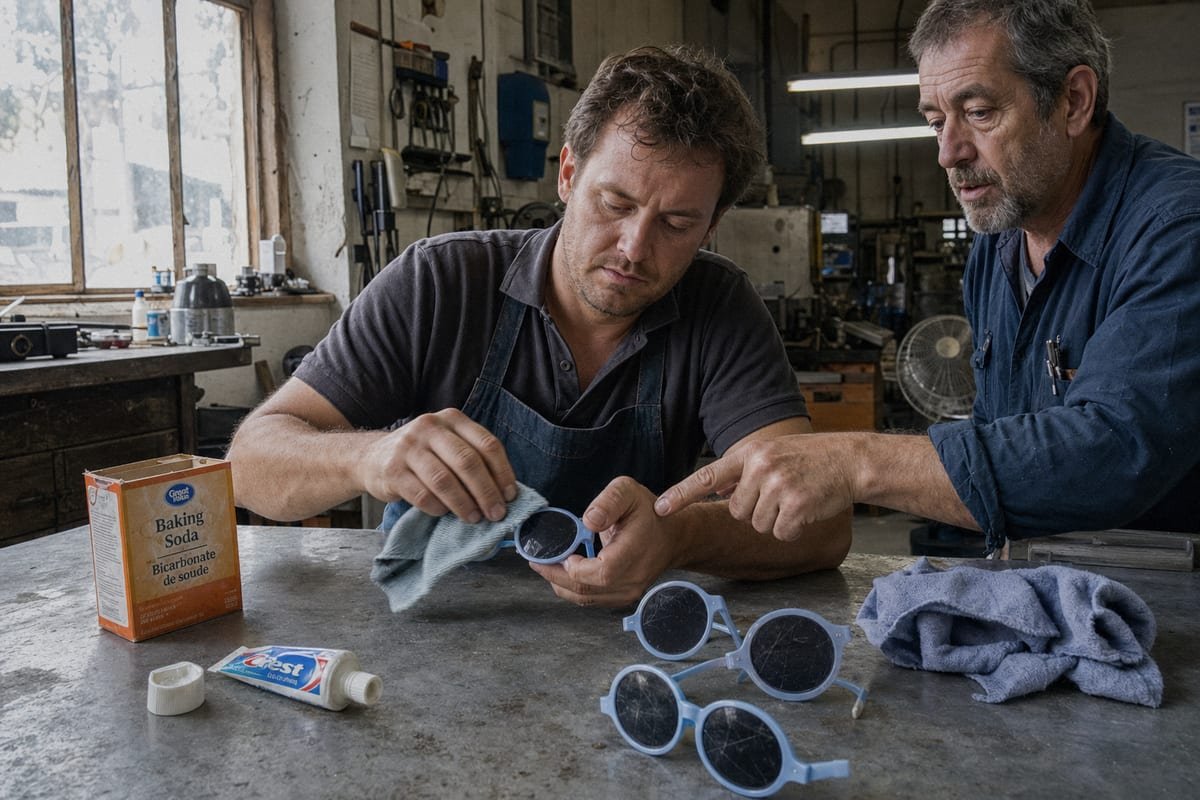
修理したいという気持ちは理解できます。サングラス1組を1つの傷で捨てるのはもったいないと感じるでしょう。しかし、物理法則はあなたに不利に働きます。レンズは精密な光学表面です。どんな修理も、傷を屈折率の異なる素材で埋めるか、傷に合わせるために周囲の表面を削り落とすかのどちらかです。どちらのアプローチも、新しい歪み領域を作成します。多くの場合、元の傷よりも大きく、ぼやけています。.
一般的な「修正」が実際に行うこと
| DIY方法 | 実際に行われること | 子供用レンズに安全ですか? |
|---|---|---|
| 歯磨き粉または重曹 | 研磨ペーストは、傷防止コーティングとミラー仕上げを剥がし、かすんだパッチを残します | いいえ |
| ワックスまたは充填剤製品 | 一時的に溝を埋めますが、その後洗い流され、汚れが trapped されます | いいえ |
| 市販の研磨キット | プラスチックの浅い擦り傷を時々柔らかくしますが、結果は予測不可能で、コーティングが損なわれます | めったに価値がない |
| Professional lens replacement | Restores full optical clarity and coating performance | はい |
There is a second issue specific to children. Deep gouges weaken the structural integrity of the lens. Impact resistance is the whole reason we specify ポリカーボネートと柔軟なフレーム 4 for kids in the first place. A compromised lens can crack or pop out of the frame during a fall on the playground — exactly the moment protection matters most.
My practical rule for parents and for the brands we supply: if the scratch is peripheral and cosmetic, keep using the pair and monitor it. If it sits in the central viewing zone, causes complaints, or shows any peeling coating or crazing — that web of heat-induced micro-cracks — retire the pair. For B2B buyers, this is also why we always recommend ordering a small percentage of overage stock, so warranty swaps never delay a customer.
アクティブなお子様には、どのレンズ素材が最も傷に強いですか?
The trade-off we weigh on every new project is the same: hardness versus safety. Glass resists scratches beautifully, yet we would never put glass on a toddler's face. Here is how we think it through.
工場でハードコーティングが施されたポリカーボネートレンズは、優れた耐衝撃性、UV400保護機能、そして良好な耐傷性を備え、アクティブな子供たちに最適なバランスを提供します。コーティングされていないポリカーボネートは傷つきやすいため、子供用アイウェアには、傷つきにくい高品質なコーティングが必須であり、オプションではありません。.
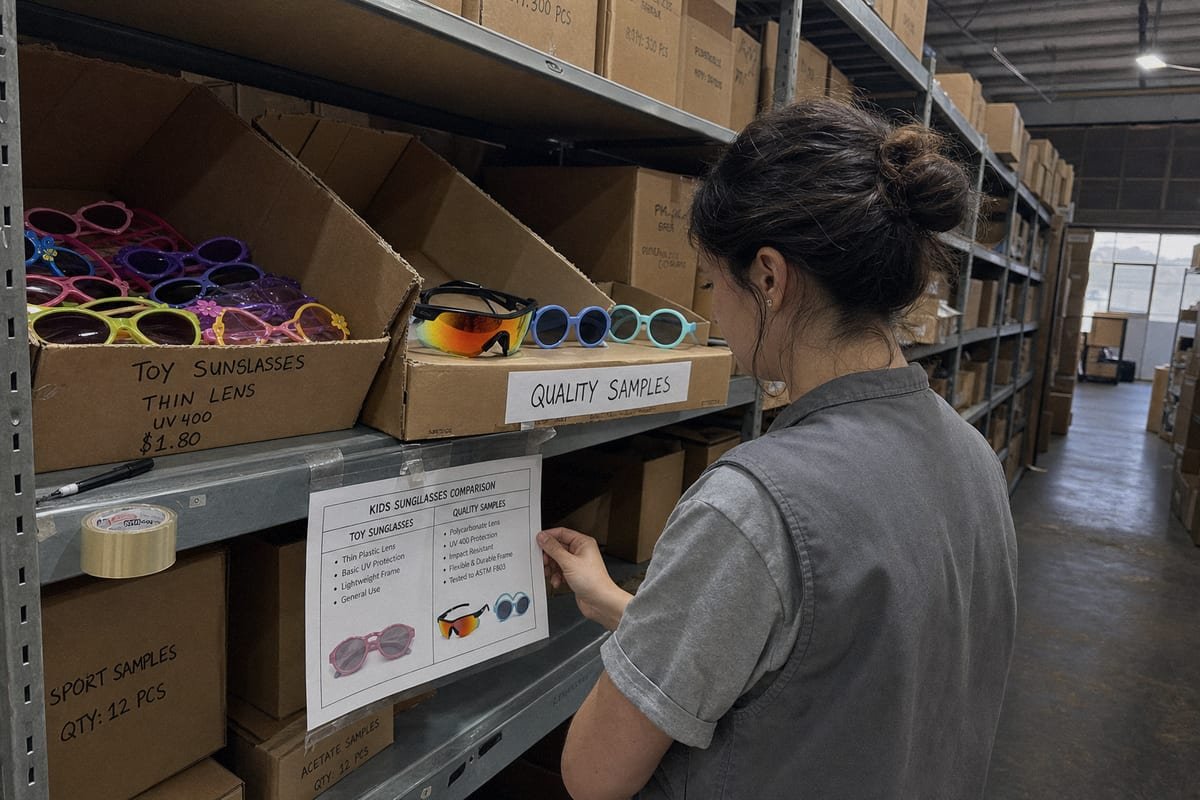
Let me be transparent about something the industry does not always explain. Polycarbonate — the gold standard for pediatric eye health and safety — is actually a soft material in its raw state. It bends instead of shattering, which is exactly why it protects children. But that same softness means bare polycarbonate scuffs quickly. The solution is the hard coating applied at the factory. The quality of that coating separates a lens that survives a season of sandbox abuse from one that hazes over in three weeks.
How the main options compare
| レンズ素材 | 衝撃強度 | コーティングされていないポリカーボネート | UV Protection | 子供向け適合性 |
|---|---|---|---|---|
| Polycarbonate + hard coat | 素晴らしい | 接触点に集中 | 素材に組み込まれている | Best all-around choice |
| TAC (polarized film laminate) | 接触点に集中 | 中程度 | Built in, with glare reduction | Good for beach and water use |
| CR-39 resin | 中程度 | 中程度 | Requires additive | Acceptable, heavier |
| Acrylic (toy grade) | 悪い | 悪い | Often coating only | Avoid |
| ガラス | CR-39プラスチック | 素晴らしい | 接触点に集中 | Never for children |
Coatings deserve their own mention. A scratch-resistant coating hardens the surface. An anti-reflective coating reduces internal reflections that cause eye strain, especially useful on optical frames. Mirror coatings on sport shields — like the gradient orange-to-teal lenses we produce for wraparound styles — look striking but sit on the outer surface, so they need a robust hard coat beneath them or they mark easily.
について 偏光オプション, TAC lenses cut reflected glare off water and snow, which protects contrast sensitivity 6 — a child's ability to judge depth and spot obstacles in bright environments. When our clients build a premium line, we usually pair polarized TAC or coated polycarbonate lenses with flexible TR90 and TPEE frames, so both the lens and the frame survive real childhood.
どのようにすれば、傷がつきにくいレンズを提供してくれるサプライヤーを選ぶことができますか?
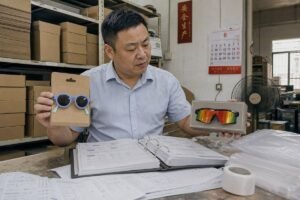
A procurement manager from Japan once opened our meeting by dragging a steel wool pad across two lens samples — one ours, one from her previous supplier. Blunt, but effective. That test shaped how I advise buyers today.
ブランド化されたハードコーティングされたポリカーボネートまたはTACレンズを指定し、耐摩耗性および密着性試験を実施し、UV400準拠を文書化し、社内または監査済みのパートナーを通じてコーティング品質を管理するサプライヤーを選択してください。生産注文を行う前に、コーティング試験レポートと物理的なサンプルを要求してください。.

Scratch resistance is decided long before a child ever wears the sunglasses. It is decided at the coating line 7, in the packing room, and in the supplier's quality culture. After fifteen years running our factory in Taizhou with a 5S-managed workshop, I can tell you the difference between suppliers is rarely the raw lens — it is everything wrapped around it.
どのサプライヤーにも尋ねる価値のある質問
- What hard coating do you use, and can you show abrasion test results? A serious factory tests coating durability and adhesion as routine QC, not as a special favor.
- Is UV400 protection compounded into the lens material? Insist on material-based protection, never a surface spray. Ask for transmission test documentation.
- How are lenses protected in transit? Individual poly bags, protective film on mirror lenses, and cases or pouches prevent the scuffs that trigger retail returns. We treat retail-ready packaging as part of the product, not an afterthought.
- Can I test real samples first? With around 800 existing styles in our catalog, we encourage buyers to order samples, abuse them, and compare — before investing in molds or large orders. Launching from proven tooling lowers your risk and your timeline.
- What happens when a batch has a problem? Clear communication and a documented QC process matter more than any promise. Ask how defects are recorded, sorted, and prevented next run.
One more honest note: no coating makes a lens scratch-proof. A supplier who claims otherwise is overselling. What a good partner does is push scratch resistance as high as the material allows, then protect it with careful handling, inspection, and packaging — so the pair that reaches a child's face performs the way the brand promised.
結論
Minor scratches rarely end a pair's life; deep or central damage does. Judge the vision, not just the mark — and build on lenses engineered to resist scratches from day one.
脚注
1. FDA regulatory standards for the impact resistance and safety of sunglass lenses. ↩︎
2. Technical overview of polycarbonate material properties in high-performance eyewear. ↩︎
3. Professional ophthalmology guide explaining how light scattering causes glare and visual discomfort. ↩︎
4. Background reference explains why polycarbonate is chosen for impact-resistant children’s eyewear. ↩︎
5. Technical explanation of how anti-reflective coatings improve visual clarity and reduce strain. ↩︎
6. Clinical resource explaining the importance of contrast sensitivity in visual perception and safety. ↩︎
7. Overview of optical coating processes used to enhance lens durability and performance. ↩︎


 English
  Español de México
  Deutsch
  Français
  日本語
日本語  العربية
  Português do Brasil