How to Tier Kids Optical Frames Distribution by Store Customer Base Size?

Tiering kids optical frames distribution by store customer base size sounds simple, until dead stock piles up. At our Taizhou factory, we watch buyers overbuy, freeze cash, and stall their brand growth.
Tier kids optical frames distribution by classifying stores into micro, small, medium, large, and mega bands based on annual customer traffic, then calibrate assortment depth using pediatric share of visits, sell-through rate, and a target inventory turnover of roughly 3–4 turns per year.
That is the short answer. Now let me break it into a working system. We will cover style matching, order quantities, exclusive versus core allocation, and how the plan scales over time.
How can I match frame styles to my store's customer volume without overstocking?
One of our long-term distributors in Australia once ordered the same twelve styles for every location. His two smallest shops sat on unsold stock for eighteen months. We rebuilt his assortment planning together, and I will share the logic here.
Match frame styles to customer volume by starting each store with a small core of proven bestsellers, then adding style breadth only when pediatric traffic and sell-through data justify it. Keep kids frames near 5% of total inventory in general practices, expanding only for family-heavy locations.
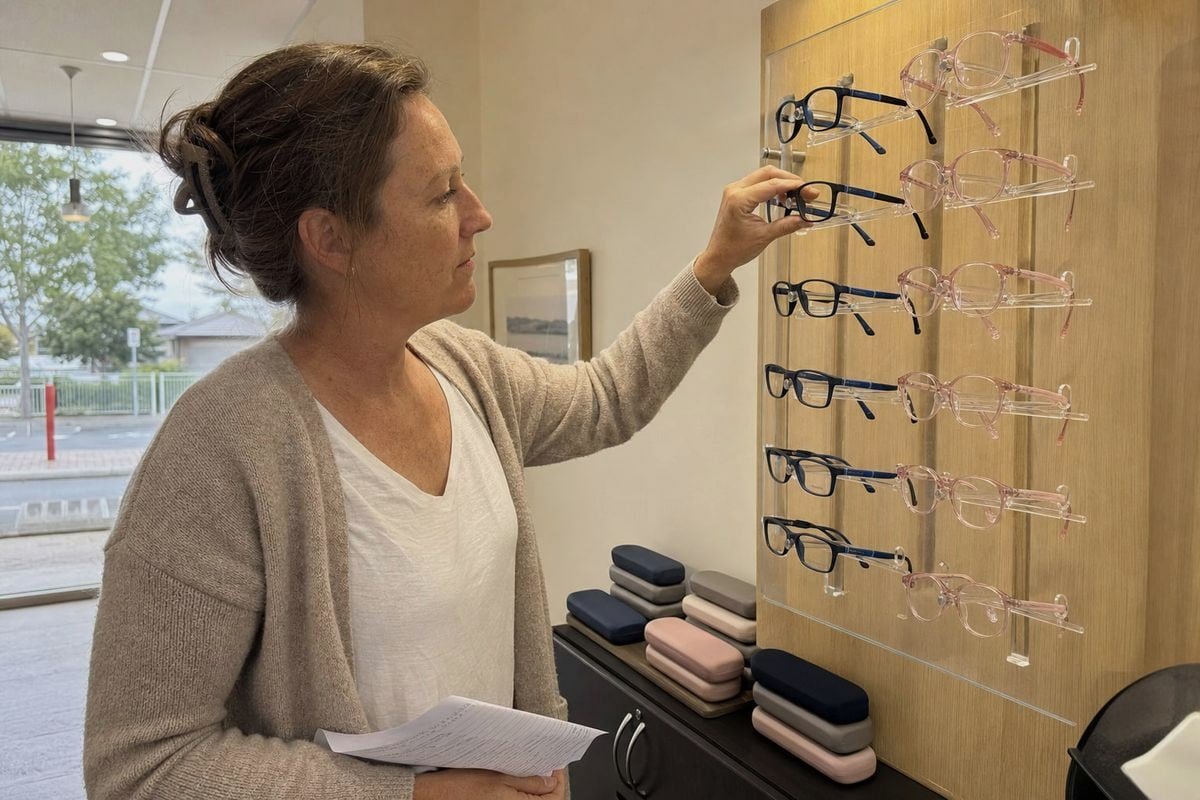
The biggest mistake I see is treating store size as the only signal. A large store with mostly adult customers still needs a compact kids section. A small shop next to a primary school may need double the depth. So customer base size is your starting proxy for demand, not the final answer.
Start with demographic segmentation, not intuition
Pull data before you order. Your practice management system or POS tells you the percentage of pediatric exams and sales at each location. That number should drive the share of kids frames on the board. If children represent 8% of transactions, a 20% kids assortment is dead capital waiting to happen. This kind of demographic segmentation is the foundation of every sound optical merchandising strategy.
Match style edits to the audience
Styles should also follow shopper psychology, not just headcount. In our export experience, suburban family stores lean toward durability-first frames — flexible TR90 1 fronts with TPEE temples that survive playground abuse. Urban, fashion-driven locations sell more translucent pastel acetate 2s and vintage-round edits. We produce both types across our 800 existing styles precisely because buyers need different edits per store tier.
| Store signal | Style priority | Assortment depth |
|---|---|---|
| Low pediatric traffic | Core durable basics, neutral colors | 8–15 SKU 3s |
| School-adjacent, family mix | Durable sporty + entry fashion | 20–35 SKUs |
| High-income urban | Fashion edits, translucent acetates | 30–50 SKUs |
| Pediatric-focused | Full age range, specialty fits | 50+ SKUs |
Review sell-through analysis monthly. Any style below target after one season gets replaced, not reordered.
What ordering quantities make sense for my small versus large retail locations?
There is a trade-off we weigh constantly when advising importers: order too little and you lose sales to stockouts; order too much and slow movers eat your margin. Our low minimums on existing styles exist because we saw new brands crushed by this exact problem.
Calculate order quantity per store by multiplying average monthly kids frame dispenses by twelve, then dividing by a target inventory turnover rate of 3–4. A micro store may need only 10–15 units; a mega family location may justify 150 or more.

The formula is simple, but the discipline behind it is not. Most buyers guess. The formula forces you to anchor orders to actual demand. If a store dispenses five kids frames per month, that is sixty per year. Divided by a turn rate of 3, the store should hold about twenty units at any time. Anything beyond that is stagnant capital.
A working quantity table by tier
| Store tier | Annual kids dispenses | On-hand units (3x turn) | Reorder trigger |
|---|---|---|---|
| Micro | Under 30 | 8–12 | Monthly review |
| Small | 30–75 | 12–25 | Bi-weekly review |
| Medium | 75–150 | 25–50 | Weekly review |
| Large | 150–300 | 50–100 | Weekly + seasonal flex |
| Mega / pediatric | 300+ | 100–150+ | Continuous replenishment |
Layer in price architecture
Quantity alone is not enough. Split every order across three price bands: roughly 20% value, 50% core, and 30% premium. This gives parents a clear good-better-best journey and protects your average selling price. When we develop OEM programs for kids brands, we build this three-tier pricing into the line plan from day one, because it also simplifies SKU optimization at reorder time.
Flex for back-to-school
Plan a 15–20% quantity lift into the Q3 back-to-school 4 window. We schedule production for our European and Australian clients months ahead of this peak, because containers booked late miss the season entirely. Draw the extra stock from a central warehouse rather than loading every store board year-round.
How do I decide which stores get exclusive styles versus core bestsellers?
A Japanese buyer once asked us to develop a custom pastel colorway exclusively for her flagship city stores, while her regional shops kept our proven core styles. The split worked beautifully, and it taught me a rule I now recommend to every multi-store operator.
Give every store the core bestsellers that cover essential fits and price points. Reserve exclusive, fashion-forward, or specialty styles for large and mega stores where pediatric traffic, higher spend, and stronger frame board management can support slower-turning differentiated SKUs.

Core styles are your safety net. They are proven sellers with predictable inventory turnover, so they belong everywhere. Exclusives behave differently. They turn slower, carry higher risk, and need traffic density to pay off. That is why they belong only where the catchment area analysis supports them.
Use a simple allocation ladder
- Micro and small stores: core bestsellers only. Focus on durable, flexible frames in the most common eyesizes 6. No experiments.
- Medium stores: core plus two or three seasonal fashion edits to test local response.
- Large stores: core plus exclusive colorways, premium acetates, and trend-led shapes reflecting current pediatric eyewear trends.
- Mega and pediatric-heavy stores: everything above, plus specialty medical fits such as cable temples and high-bridge frames — especially if a pediatric ophthalmology 7 clinic sits within a five-mile radius.
Skew sizes by local catchment
Local school data sharpens the split further. Stores near primary schools should over-index on 42–46mm eyesizes. Stores near secondary schools should weight 48–52mm. From our production side, this is why we tool each style in multiple sizes; a good exclusive program fails if the size curve ignores the local age mix.
Protect the exclusives
Exclusivity only creates value if it stays exclusive. Limit each exclusive style to your top tier for at least one full season before cascading it downward. If it proves itself, it graduates into next year's core — which is exactly how healthy assortments evolve.
Can I build a tiered distribution plan that scales as my customer base grows?
After fifteen years supplying kids eyewear brands in more than twenty countries, I have learned that the best distribution plans are living documents. The buyers who scale smoothly review their tiers on a schedule; the ones who struggle set tiers once and forget them.
Yes. Build a scalable plan by scoring each store annually on customer volume, pediatric share, and sell-through, then promoting or demoting stores between tiers. Standardized tier templates for SKUs, quantities, and board space let new locations plug in immediately.
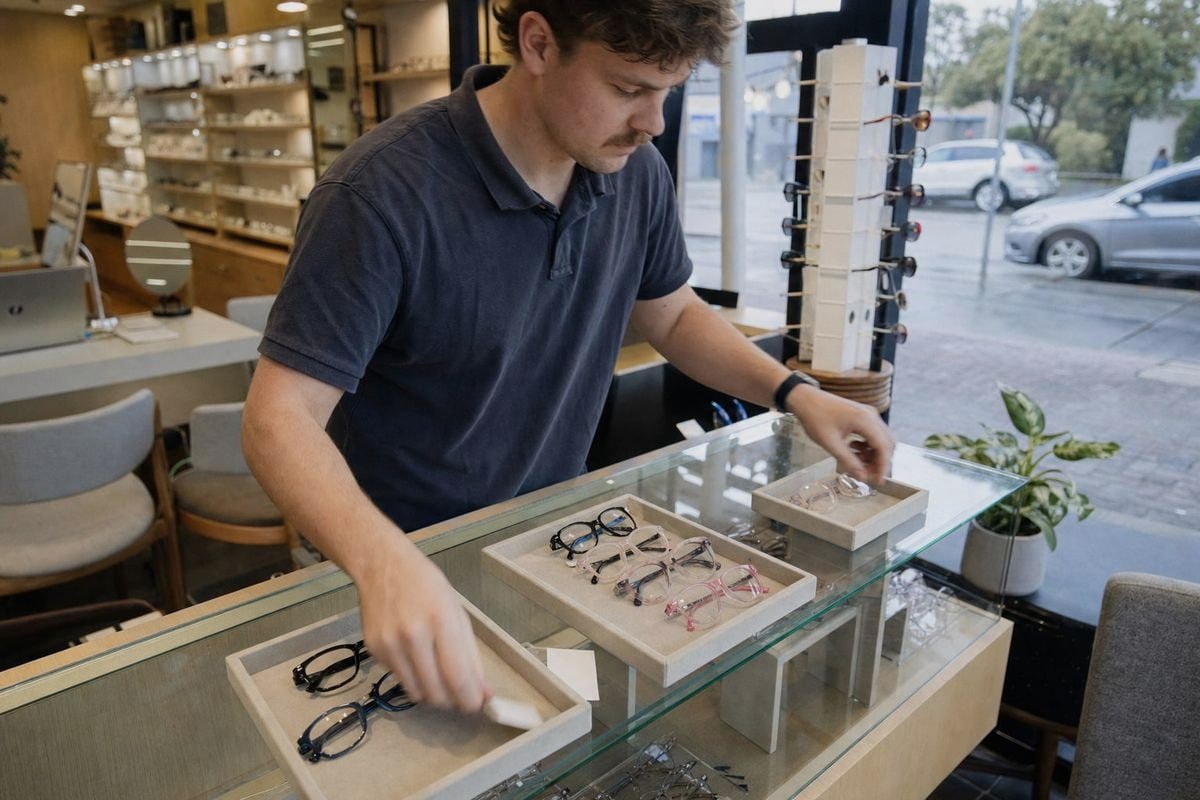
The key idea is that tiers are dynamic. A small store near a new housing development can become a medium store in eighteen months. Your plan must catch that shift before shelves run empty or, worse, before you keep starving a growing location.
Build tier templates once, apply them everywhere
Define a standard package per tier: SKU count, age-band coverage, price mix, and board space. Age bands matter enormously in children's eyewear — cover 0–2, 3–5, 6–9, 10–12, and 13–16 in proportion to your local demand, because fit needs change drastically with facial development. When we run ODM projects, we help brands map their line plan against these bands so no growth stage is orphaned.
| Review metric | Promote store when | Demote store when |
|---|---|---|
| Inventory turnover rate | Above 4 turns | Below 2 turns |
| Kids share of sales | Rising two quarters straight | Falling two quarters straight |
| Sell-through by style | Over 70% in season | Under 40% in season |
| Board space productivity | Kids outperform adjacent categories | Kids underperform for a full year |
Use lean boards plus digital depth for small stores
Your smallest locations do not need deep physical stock to offer deep choice. A lean board of top-sellers combined with virtual try-on or a sample-based ordering flow gives micro stores near tier-one selection without tier-one carrying costs. As those stores grow, physical depth follows the data. This hybrid approach also keeps your retail footprint expansion affordable, since new store openings start on a lean template rather than a full buy.
Schedule a formal tier review every twelve months, with a lightweight quarterly check on turnover and sell-through. Growth then becomes a planned promotion, not a scramble.
Conclusion
Guesswork buries capital in unsold frames. A tiered plan — sized by traffic, calibrated by pediatric share and turnover — keeps every store stocked right. We build kids eyewear programs around exactly that logic.
Footnotes
1. Explains the durable nylon-based polymer material referenced for kids frames. ↩︎
2. Wikipedia entry for cellulose acetate, the primary material used in high-quality optical frames. ↩︎
3. Clarifies the inventory management unit central to assortment planning discussion. ↩︎
4. Corrected Wikipedia URL for the back-to-school marketing period, replacing the 404 link. ↩︎
5. Defines core financial metric used throughout the article’s tiering formulas. ↩︎
6. Background reference on eyewear sizing and fit terminology used in the article. ↩︎
7. Authoritative health source on pediatric eye care relevant to specialty frame fits. ↩︎
More Articles You Might Like

August 5, 2026
Bio-Based vs Regular Cellulose Acetate: What's the Difference for Kids' Frames?

August 5, 2026
How Recyclable Are Kids' Optical Frame Materials, and What Eco-Friendly Alternatives Exist?

August 5, 2026
Do Kids Optical Frames Whiten or Age in Storage, and How to Control Warehouse Conditions?
Looking for a Reliable Kids Eyewear Partner?
Explore 800+ ready styles and full OEM/ODM support tailored to your brand.
Get in Touch English
  Español de México
  Deutsch
  Français
  日本語
日本語  العربية
  Português do Brasil