How to A/B Test Kids Sunglasses Styles With Minimal Inventory?
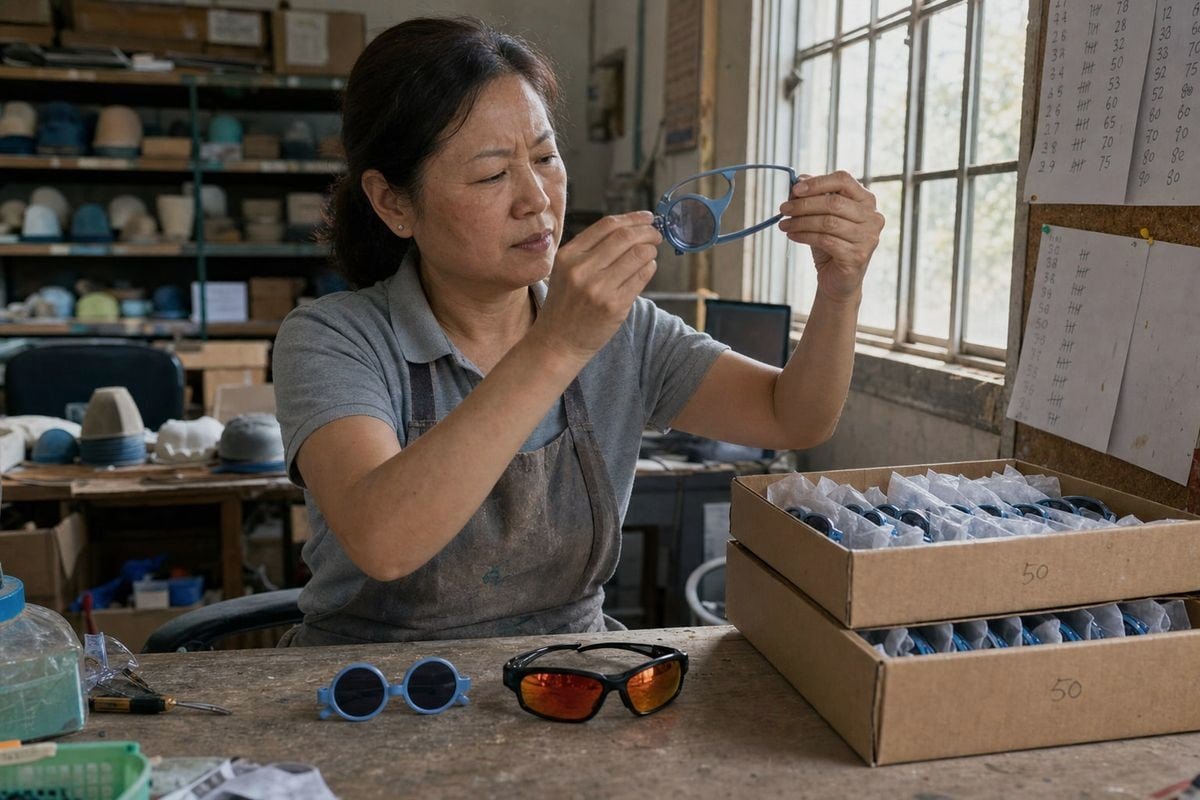
Buyers ask me weekly how to A/B test kids sunglasses styles without overbuying UV400 lens protection 1. On our production line, I have watched brands guess wrong and sit on dead stock for years.
To A/B test kids sunglasses styles with minimal inventory, test one style variable at a time using digital mockups, pre-order campaigns, or small trial batches of 50–100 units from existing stock molds. Measure add-to-cart and conversion rates, then reorder only the proven winner in depth.
That is the short answer. The rest of this article breaks it into practical steps you can run this season.
How can I test multiple sunglasses styles without investing in expensive molds?
A new mold can cost thousands of dollars before a single frame ships. In our Taizhou workshop, we always tell first-time brands: validate the style before you pay for tooling.
You can test multiple sunglasses styles without new molds by using supplier stock molds with custom branding, AI-generated or photographed mockups, AR try-on filters, pre-order campaigns, and paid ad split testing. These methods separate style validation from inventory commitment, so you only invest in tooling after real demand appears.
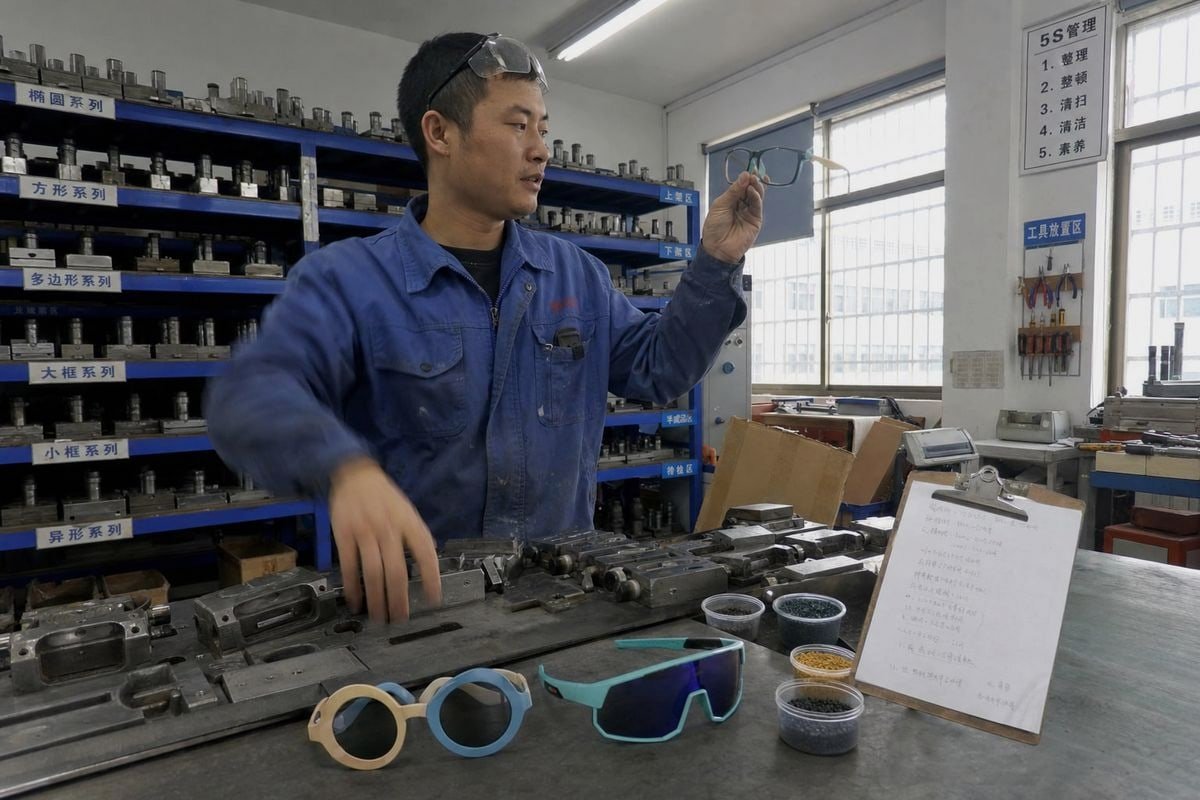
The core idea is simple. Style validation and inventory commitment are two different decisions. Most small brands mix them together, and that is where the money leaks. You do not need to own a mold to learn whether parents prefer a round pastel frame or a sporty wraparound shield. You only need a controlled experiment and a clear hypothesis.
Low-cost validation methods, ranked by risk
Here is how I rank the common options, from lowest cost to highest confidence:
| Method | Upfront Cost | What It Proves | Best For |
|---|---|---|---|
| AI or studio mockup images in ads | Very low | Aesthetic appeal, click-through rate | Comparing silhouettes and colorways |
| AR try-on filters 2 | Low | Child engagement with a style | Playful, character-led designs |
| "Notify Me" waitlist pages | Low | Passive demand per colorway | Gauging interest before any order |
| Pre-order campaigns | Low–medium | Real purchase intent with payment | Confirming demand before bulk production |
| Stock-mold trial batch (50–100 units) | Medium | Fit, comfort, sell-through, returns | Final validation before scaling |
| Custom mold production | High | Nothing new — you already committed | Only after a style wins |
Some merchants argue that formal split testing is overkill, and that rapid "launch and learn" drops work fine. I understand the appeal. But in children's eyewear, a wrong drop means seasonal stock that expires with the trend. A structured test with one variable — frame shape, or lens tint, or lifestyle imagery versus studio shots — gives you attribution. Bundle three changes together and you will never know which one drove the result.
This is also why our catalog of roughly 800 existing styles matters for buyers. Every one of those frames already has a paid-off mold. A brand can pick two candidates, add its logo, order shallow, and run a genuine market validation test at a fraction of the traditional cost.
Which of OKAY EYEWEAR's ~800 existing styles should I choose for my first A/B test?
A procurement manager from Australia once sent me a shortlist of twelve frames for one test. We talked her down to two. More variants split your traffic and weaken every result.
For a first A/B test, choose two styles that differ on one high-impact variable: for example, a playful round two-tone frame versus a sporty wraparound shield with a mirrored gradient lens. Keep size, price, and imagery style constant so the frame design alone drives the result.
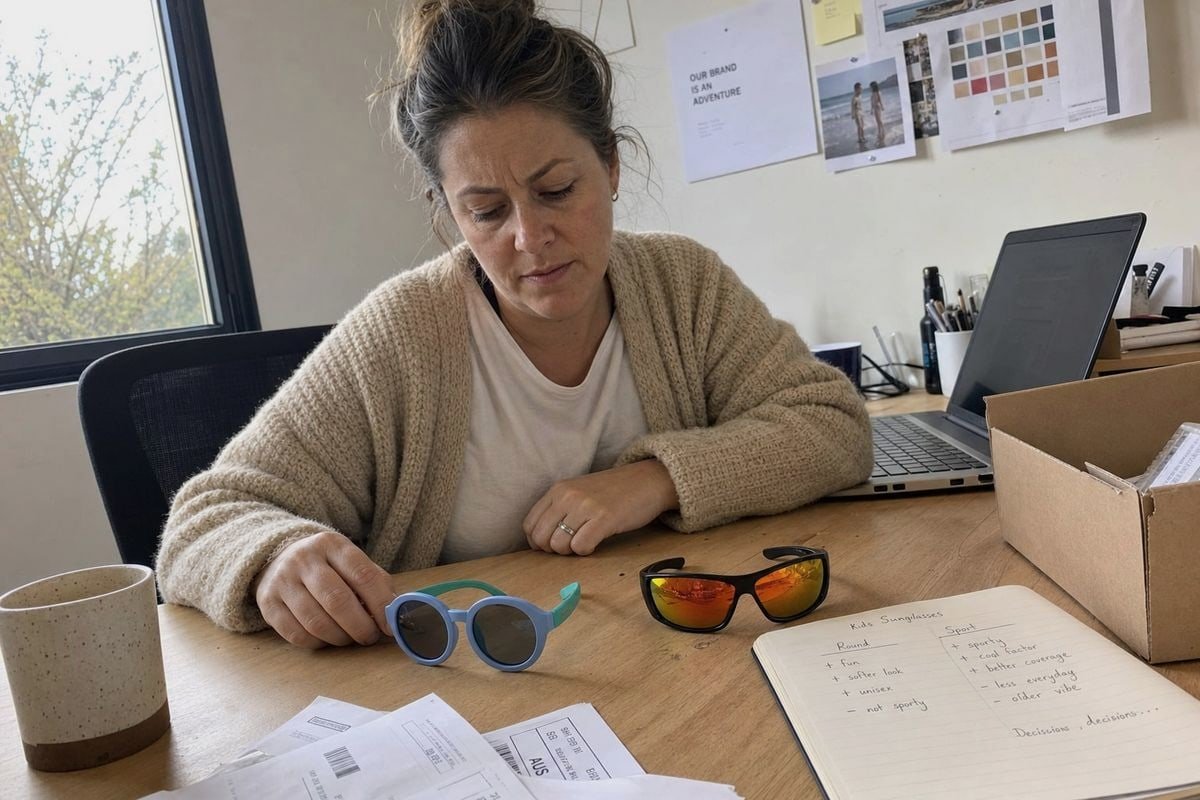
From our own catalog, I would frame the classic first test as "playful versus performance." One arm of the test is a soft, rounded children's frame — think a periwinkle-blue front with mint-teal temples and dark UV400 lenses. It signals gentle, safe, and summer-ready. The other arm is a sport wraparound with a single-shield mirrored lens in an orange-to-yellow gradient, available in glossy black or matte white. It signals active, protective, and "big kid" cool.
Why this pairing? Because it isolates the biggest strategic question in kids eyewear: does your audience buy the cute look the child points at, or the protective sporty look the parent trusts for the playground? Answering that question shapes your whole future range.
What to test first, and what to postpone
Test high-variance, low-cost variables before anything that touches tooling or packaging:
- Frame silhouette — round and playful versus wraparound and sporty.
- Frame color — pastel two-tone versus bold solid black or white.
- Lens style — plain dark gray versus mirrored gradient.
- Positioning imagery — active outdoor kids versus clean studio shots.
- Gender-neutral versus themed styling.
Postpone tests on custom patterns, character licensing, and new packaging until a base silhouette wins. Also keep both variants at the same price point. If traffic is low, run the test on Facebook Ads testing 3 first: two ad sets, identical copy, different hero frames, and compare click-through rate before you touch product pages. Paid traffic gives you controlled volume, and the losing style never enters your warehouse.
How do I know if a style is comfortable and safe enough for kids before scaling production?
Fifteen years of building children's frames taught us one hard lesson: a style that photographs beautifully can still pinch a four-year-old's temples. Digital tests never catch that.
Confirm comfort and safety before scaling by checking flexible materials like TPEE and TR90, verified UV400 lens protection, and real wear trials with children. Distribute physical prototypes to parent focus groups or niche influencers, then track fit complaints and return rates from your trial batch.
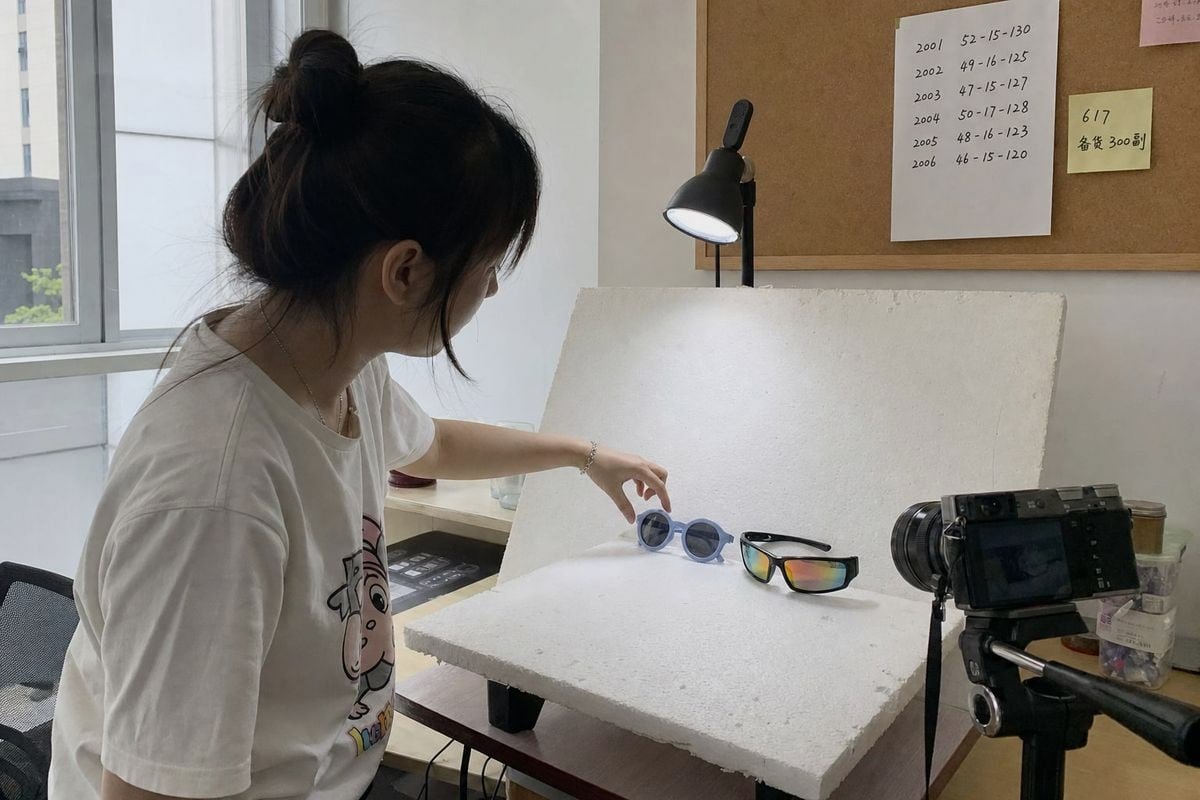
Style tests measure appeal. They do not measure whether a frame survives being sat on, twisted, or thrown in a school bag. That is why I always recommend a two-layer validation: digital first, physical second. Once your imagery test picks a directional winner, order a handful of physical samples and put them on real children before committing to a batch.
The physical checklist we apply on our own line
Our engineers work mainly in TPEE and TR90 4 because rigid plastics and kids do not mix. When you evaluate samples, check these points in order:
| Check | What to Look For | Why It Matters |
|---|---|---|
| Frame flexibility | Temples bend outward and return without stress marks | Active kids twist frames constantly |
| Material safety | Environmentally friendly TPEE/TR90, smooth edges, no sharp hinge points | Skin contact all day, real fall risk |
| Lens protection | Genuine UV400 rating, not just dark tint | Dark lenses without UV blocking dilate pupils and increase exposure |
| Fit and pressure | No red marks behind ears or on the nose after 30 minutes of wear | Comfort drives whether kids actually keep them on |
| Hinge durability | Screws stay tight after repeated opening | Loose hardware is the top early return driver |
Meeting recognized UV protection standards is non-negotiable; parents in Australia, Japan, and Europe check for this before anything else. A fashion-forward frame that looks flimsy will lose parent trust even if children love it.
Wearability trials do not need to be expensive. Send a few prototypes to niche parenting influencers for qualitative feedback. Some brands even 3D print early shapes for local fit sessions. Then watch your trial batch's return and exchange rate — it is the most honest comfort metric you will ever get.
What's the smartest way to order small trial batches without losing quality consistency?
A distributor in Japan once asked me a fair question: if I order only 100 units now, will batch two match batch one? It is a valid worry, and it deserves a direct answer.
Order small trial batches from a factory using existing molds, documented color standards, and consistent QC processes, so a 50–100 unit run matches later bulk orders. Buy one style deep and challengers shallow, then use a winner-take-more replenishment model backed by locked specifications.
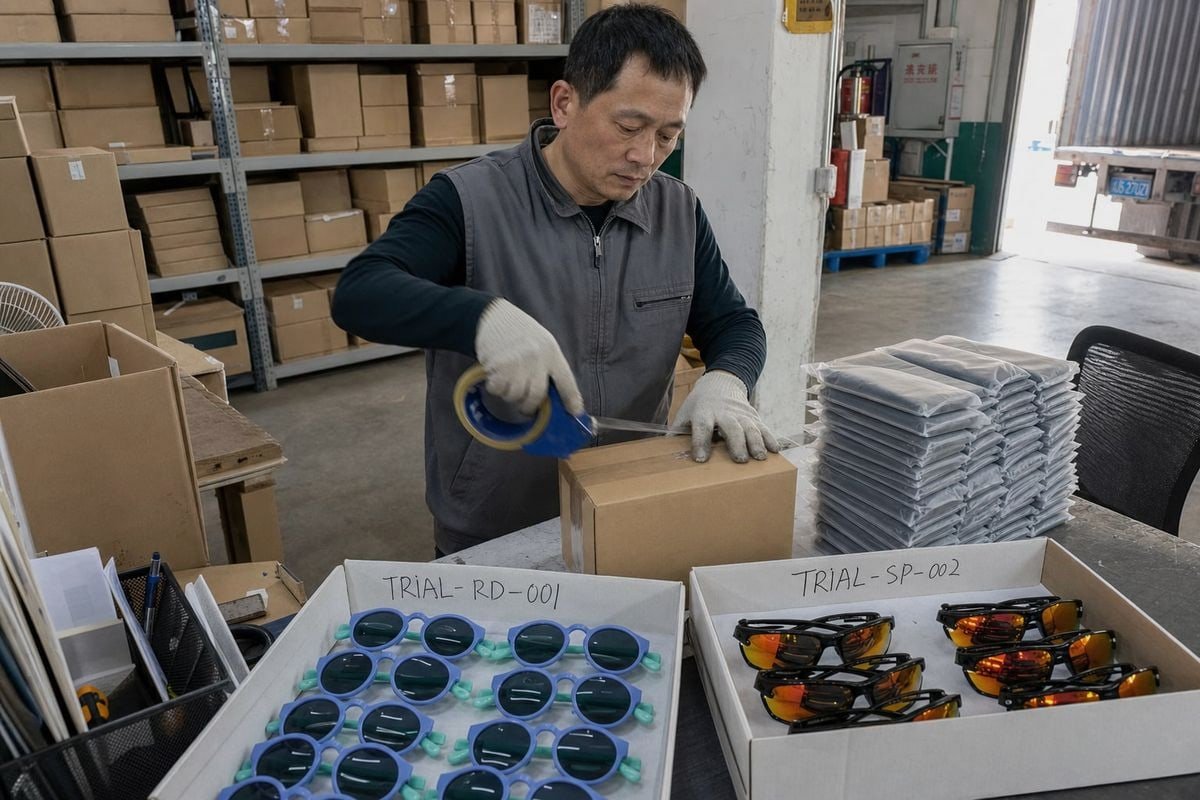
Quality drift usually comes from switching suppliers between the trial and the scale-up, or from vague specifications. Both are avoidable. When the same mold, the same material lot standard, and the same QC checklist govern every run, a small batch is simply a small slice of the same process. On our 5S-managed floor 5, a 100-unit branded run passes through the same inspection stations as a 10,000-unit container order.
A step-by-step low-inventory ordering framework
- Lock your specification sheet first: frame style number, Pantone colors, lens type, logo position, packaging. This document is your consistency anchor.
- Split your budget unevenly. Put roughly 60–70% into your control style and spread the rest shallow across one or two challengers. This is inventory risk management, not indecision.
- Run the split test for at least two full weeks, covering weekday and weekend behavior, with one primary metric such as conversion rate 6 or revenue per visitor. Ending early on a short spike is the classic false-winner trap.
- Segment results by device and traffic source. Mobile parents and desktop parents often behave differently, and a winner can be segment-specific.
- Reorder the winner in a modest replenishment batch — not a season's worth. Let sell-through rate earn each bigger buy.
| Stage | Order Size | Goal | Primary Metric |
|---|---|---|---|
| Sample | 3–10 units | Fit, comfort, photo assets | Qualitative feedback |
| Trial batch | 50–100 units | Live A/B test, sell-through | Add-to-cart and conversion rate |
| Replenishment | 300–500 units | Confirm repeatability, margin | Revenue per visitor, return rate |
| Scale | 1,000+ units | Product-market fit achieved | Sell-through and reorder rate |
One caution: some brands try dropshipping fulfillment 7 for trial runs to avoid holding stock at all. It can work for a pure demand test, but you sacrifice control over packaging and inspection — the exact things a children's brand is judged on. For kids products, I would rather see a small, well-inspected batch than an untouched drop-shipped one. Conversion rate optimization on your product pages will only compound results if the physical product matches the promise.
Conclusion
Guessing on kids sunglasses styles creates dead stock. Testing one variable at a time — with mockups, pre-orders, and small branded trial batches — lets you scale proven winners, not warehouse mistakes.
Footnotes
1. Background on UV protection standards relevant to sunglasses lens safety claims. ↩︎
2. Explains underlying technology behind AR try-on used for style validation. ↩︎
3. Official platform reference for paid ad split testing method described in article. ↩︎
4. TR90 is a thermoplastic material; background link clarifies material science context. ↩︎
5. 5S is a recognized manufacturing methodology referenced for quality consistency. ↩︎
6. Defines conversion rate concept central to the article’s testing methodology. ↩︎
7. Clarifies the dropshipping fulfillment model mentioned as a trial-run alternative. ↩︎
More Articles You Might Like
August 1, 2026
Should Factory Handle Kids Sunglasses Packaging & Labeling, or Use a Designated Supplier?
August 1, 2026
Own Warehouse vs Supplier Direct Fulfillment: Which Cuts Return Costs for Kids Sunglasses Brands?
August 1, 2026
Direct-to-Port Warehouse or Overseas Staging: Which Saves More on Kids Sunglasses Shipping?
Looking for a Reliable Kids Eyewear Partner?
Explore 800+ ready styles and full OEM/ODM support tailored to your brand.
Get in Touch English
  Español de México
  Deutsch
  Français
  日本語
日本語  العربية
  Português do Brasil