How to Set Share Allocation Between Primary and Backup Suppliers for Kids’ Optical Frames?

Setting share allocation between primary and backup suppliers for kids’ optical frames confuses many buyers I meet. One stockout of a bestselling TR90 frame 1 can cost a season. Our factory has watched it happen — and helped brands fix it.
Allocate 70–80% of kids’ optical frame orders to your primary supplier and 20–30% to your backup. This split keeps the backup commercially viable and production-ready while preserving your primary’s price leverage. Adjust toward 60/40 only after the backup proves equal quality, compliance, and lead time reliability.
That is the short answer. But the right ratio for your brand depends on risk, capacity, MOQ 2, and how fast you could shift volume in a crisis. Let me walk you through how we advise buyers to decide.
How should I decide what percentage of orders to give my backup supplier?
A procurement manager from Australia once told me her backup supplier existed "on paper only" — zero orders in two years. When her primary factory flooded, that backup could not deliver a single frame. That conversation shaped how our team at OKAY EYEWEAR talks about allocation.
Give your backup supplier 20–30% of total order volume — enough to keep tooling active, QC teams familiar with your specs, and packaging standards current. Anything below roughly 15% risks a backup that exists in name only and fails exactly when you need it most.
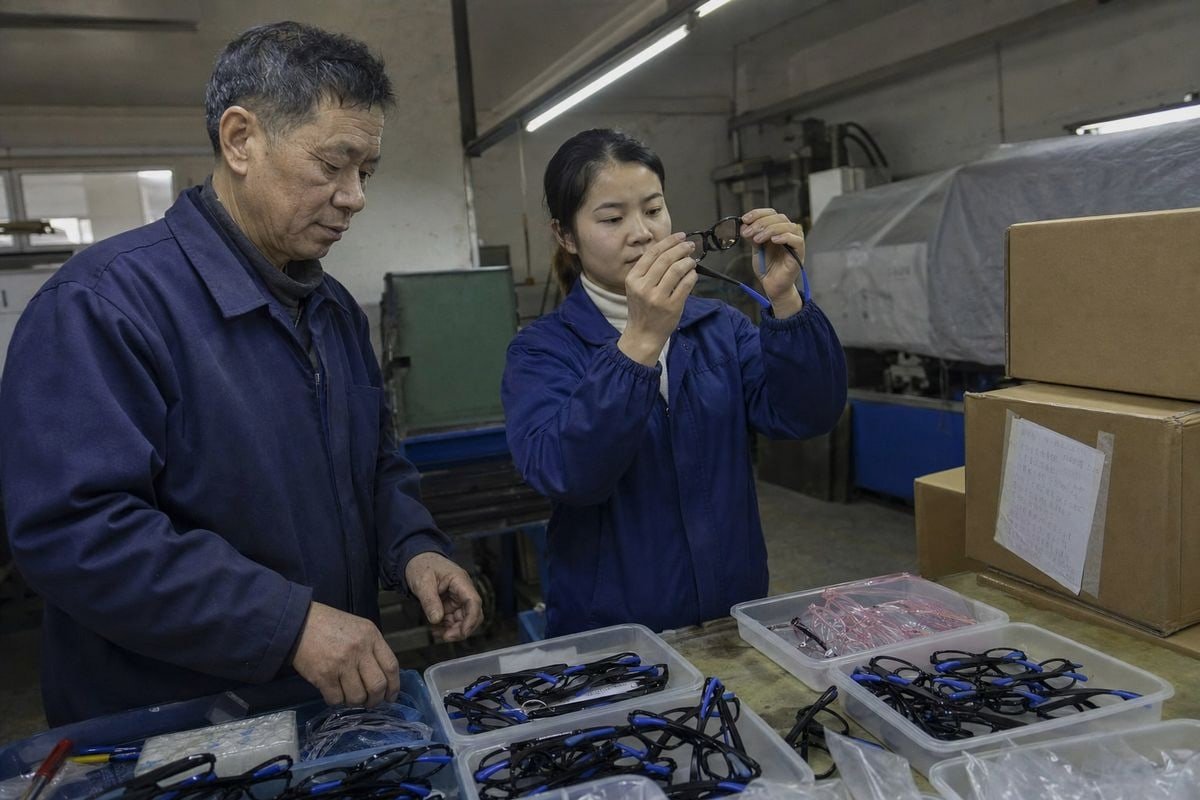
The core logic is simple. A backup supplier is insurance, and insurance you never pay for does not pay out. In a dual sourcing strategy 3, the secondary factory must stay warm. That means recurring orders, not a signed agreement sitting in a drawer.
Start from risk, not from price
Many buyers start by asking which factory is cheaper. That is the wrong first question. Start by asking: if my primary supplier stopped shipping tomorrow, how many weeks of sales would I lose? For kids' optical frames, the penalty is high. Prescription eyeglasses are the largest segment of the kids' eyewear market 4, and children break or lose glasses far more often than adults. Parents cannot wait two months for a replacement frame. A stockout does not just lose one sale — it can lose the optician or retailer who trusted your brand.
Common allocation models compared
| Allocation model | Best when | Main risk |
|---|---|---|
| 80/20 | Primary clearly wins on quality, price, and service; backup is mainly protection | Backup may struggle to stay efficient at low volume |
| 70/30 | Category is volatile or fast-growing; backup needs operational readiness | Slightly weaker price leverage with primary |
| 50/50 | Both suppliers are equally strong; maximum supply chain resilience | Splits volume leverage; complicates forecasting |
| Contingency-only | Very tight budgets, stable demand | Backup is untested and often fails under pressure |
The kids' eyewear market was valued at roughly USD 12.3 billion in 2024 and is projected to exceed USD 20 billion by 2032, growing at about 6.5% annually. Growth like that argues for the 70/30 side of the range, because demand spikes are as dangerous as disruptions. A backup that already runs your SKUs can absorb a spike; a cold one cannot.
Adjust the ratio with a simple scoring pass
Score both suppliers on quality consistency, lead time reliability, MOQ flexibility, compliance documentation, and disruption risk. If the primary wins clearly on most criteria, hold at 80/20. If the backup matches on quality and offers geographic diversification, move toward 70/30 or 60/40 for your critical SKUs. Also factor in the extra cost of dual sourcing. Treat it as an insurance premium for business continuity, not as waste.
What factors determine if a manufacturer qualifies as my primary supplier?
Fifteen years of running eyewear production lines in Taizhou has taught our team one thing: a primary supplier is defined by consistency across bulk runs, not by a beautiful sample. Anyone can send one perfect frame. Few can ship the ten-thousandth frame to the same standard.
A primary supplier must prove consistent bulk quality, documented compliance with children's eyewear safety standards, stable production capacity, reliable lead times, financial health, and full OEM/ODM support. If a factory only wins on price, it qualifies as a quote — not as your primary supplier.

Qualifying a primary is an eyewear procurement strategy question, not a sourcing formality. For children's frames, the bar is higher than for adult fashion accessories, because fit failures become returns and safety failures become recalls.
The qualification criteria that actually matter
| Criterion | What to verify | Why it matters for kids' frames |
|---|---|---|
| Quality consistency | Compare golden sample vs. three bulk batches | Kids' hinges and temples fail fast if tolerances drift |
| Safety compliance | Test reports, market approvals (CE, FDA where relevant), QC system docs | Regulatory compliance eyewear requirements differ by market |
| Materials expertise | Real experience with TR90, TPEE, acetate, silicone | Flexible optical frame materials must survive active children |
| Capacity | Workforce size, machine count, peak-season output | Production capacity planning prevents seasonal stockouts |
| Lead time | On-time delivery history over 6–12 months | Opticians reorder on tight replenishment cycles |
| Development support | Custom colors, logos, lenses, packaging | Full OEM/ODM support turns a factory into a partner |
Why children's frames raise the bar
Kids' frames need age-specific sizing, flexible hinges, soft nose pads, and hypoallergenic materials 5. A toddler frame and a teen frame may need different molds, measurements, and material blends. When we develop TR90 frames with TPEE temples at our workshop, the flexibility target is deliberate: the temple must bend without snapping when a six-year-old sleeps in the glasses. A factory that mostly makes adult acetate frames may not understand these tolerances. Ask any candidate primary supplier to show you their existing children's range. A deep existing catalog — ours runs to around 800 styles — signals real category expertise and lets you test the market without heavy mold investment.
Do not skip the ethics audit
Children's brands face extra scrutiny. Verify ethical sourcing practices 6 and labor audit protocols for every supplier. Your retail buyers will ask, and you need documented answers.
One trade-off we weigh constantly with buyers is speed versus stability when rebalancing. Shift volume too fast, and the receiving factory scrambles while the losing factory deprioritizes you. Shift too slowly, and the problem you are escaping keeps hurting you. Our sales team has guided several importers through this transition.
Shift order share gradually over two to three order cycles, moving 10–15% of volume per cycle. Standardize spec sheets and golden samples across both suppliers first, communicate the plan openly to each factory, and confirm quality parity on a pilot run before scaling the new ratio.
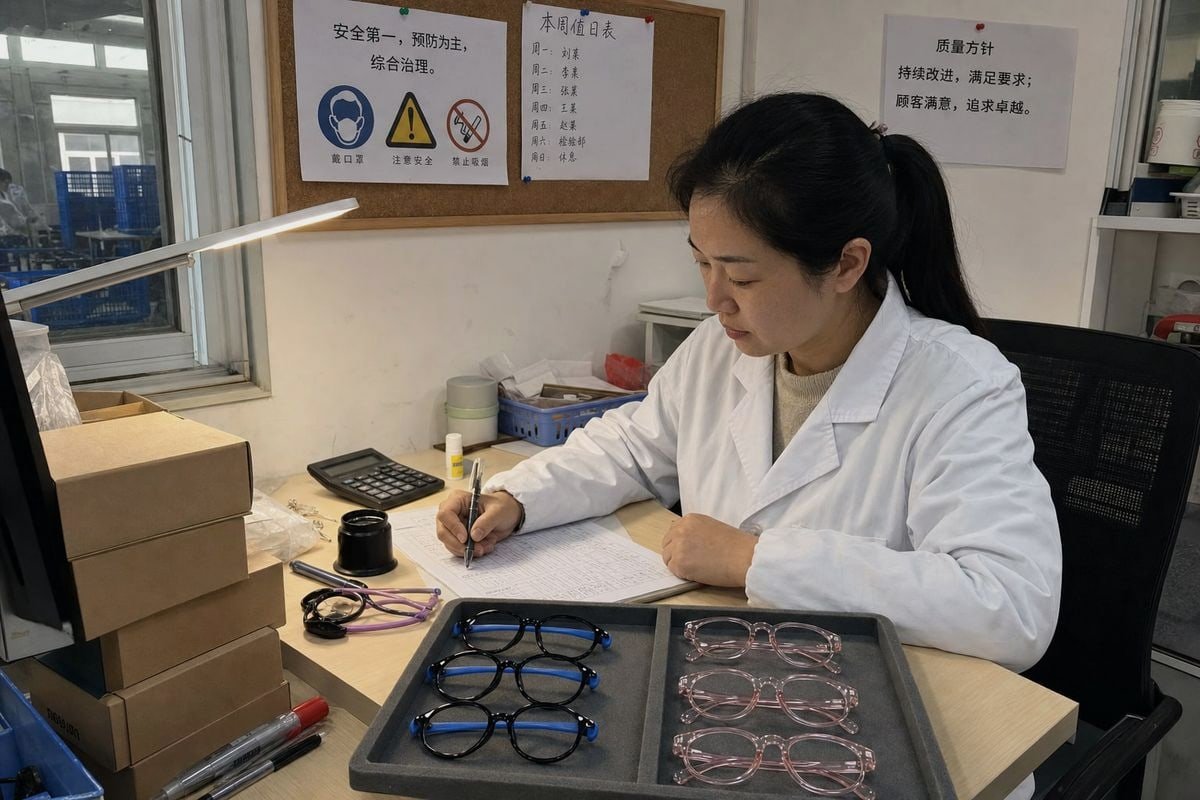
Rebalancing works best as a planned process, not an emergency reaction. Here is the sequence we recommend to buyers moving volume in either direction.
A five-step transition process
- Standardize documentation first. Both suppliers should work from identical spec sheets, tolerance charts, color standards, and packaging guides. This is what lets volume move without requalification friction.
- Approve matching golden samples. Each factory signs off against the same physical reference standard, not against each other's output.
- Run a pilot order at the new ratio. Before committing a full season, place one mid-sized order under the new split and inspect both shipments side by side.
- Share your sales forecast with both factories. Sales forecast sharing lets each side plan raw materials and line capacity. Surprise volume swings damage vendor relationship management more than the swing itself.
- Monitor and lock in. Track defect rates, fill rates, and on-time delivery for two cycles at the new ratio before treating it as your baseline.
Keep both relationships healthy during the shift
Be honest with the factory losing share. In our experience exporting to buyers in 20-plus countries, factories respect a clear explanation far more than silent volume drift. A supplier that understands your dual sourcing logic will often improve to win share back — which is exactly the competitive tension you want. Also protect inventory during the transition. Hold four to six extra weeks of safety stock 7 on core SKUs, because inventory management in optical retail punishes gaps in bestselling kids' sizes harder than in slow movers.
Common transition mistakes
Avoid moving custom tooling mid-season, changing specs and suppliers at the same time, and splitting volume so thinly that neither factory hits efficient batch sizes. Each mistake multiplies your quality risk right when you can least absorb it.
What risks should I plan for when relying on a single primary supplier for kids' optical frames?
A lesson our factory learned early: buyers rarely regret dual sourcing, but they often regret single sourcing after the first disruption. Some of our longest-standing clients came to us precisely because their previous sole supplier failed during a peak season.
Single-sourcing kids' optical frames exposes you to production stoppages, quality drift, capacity ceilings during demand spikes, regulatory failures, shipping and geopolitical disruptions, and sudden price increases. Because children need prescription frames replaced quickly, any of these risks converts directly into lost sales and lost retail accounts.
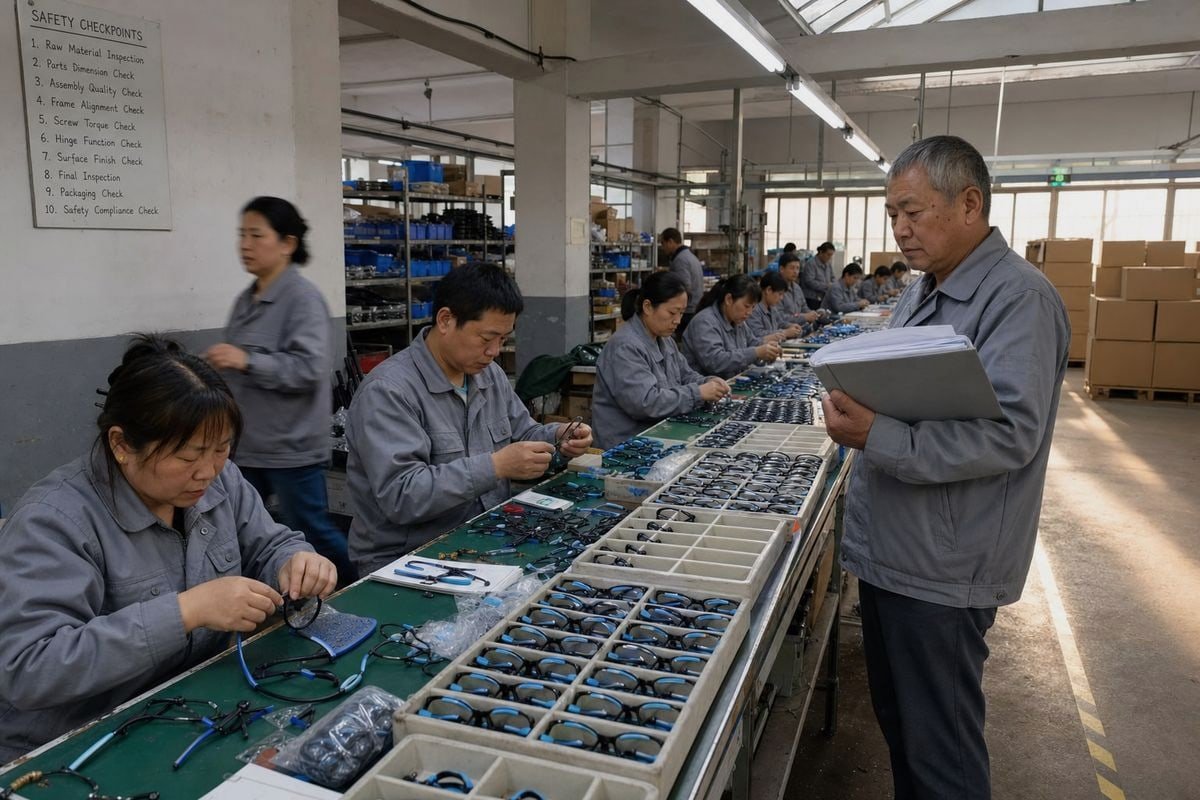
Let me address the strongest objection first, because I hear it often. Some operators argue that concentrating all volume with one supplier maximizes price breaks and simplifies management. That logic holds for commoditized products with stable demand and painful switching costs. Kids' optical frames do not fit that profile. The product is mission-critical for children who need vision correction, demand is growing fast on the back of rising pediatric myopia 8, and children break or lose frames constantly — which makes replenishment speed a competitive weapon. A slightly higher blended unit cost is a fair price for continuity. In other words, the single-supplier discount is real, but so is the bill when it fails.
The risk map
| Risk | Trigger | Impact on a kids' frame line | Mitigation |
|---|---|---|---|
| Production stoppage | Fire, flood, power cuts, labor shortage | Weeks of zero supply on core SKUs | Warm backup at 20–30% share |
| Quality drift | Staff turnover, material substitution | Returns, non-wearing children, retailer complaints | Batch traceability and regular audits |
| Capacity ceiling | Demand spike, viral SKU, big retail win | Backorders during your best season | Production capacity planning with both factories |
| Compliance failure | Missed test renewal, changed regulation | Blocked customs, recalls | Duplicate compliance files at both suppliers |
| Logistics disruption | Port congestion, geopolitical events | Missed retail delivery windows | Geographic diversification where feasible |
| Price shock | Raw material spikes, currency moves | Margin compression with no alternative | Competitive tension between two qualified factories |
What to monitor so risks surface early
Track supplier performance metrics monthly: defect rate per batch, on-time delivery percentage, fill rate, and quote stability. Review them quarterly against your allocation ratio. If your primary's numbers slip for two consecutive quarters, that is your trigger to shift 10% of share — before a small problem becomes a season-ending one. Supply chain resilience is not a document. It is a habit of measuring, comparing, and rebalancing.
Conclusion
Start at 70/30 or 80/20, keep your backup warm with real orders, qualify both factories against the same children's eyewear safety standard, and rebalance on data. If you want a proven kids' frame partner, our team is ready to talk.
Footnotes
1. Explains the properties and manufacturing of TR90 material for eyewear. ↩︎
2. Discusses supply chain risk management, including capacity constraints and demand risk. ↩︎
3. Defines dual sourcing and its benefits for supply chain resilience. ↩︎
4. Provides market size, trends, and growth projections for the kids’ eyewear sector. ↩︎
5. Details various hypoallergenic materials used in glasses frames and their safety. ↩︎
6. Explains ethical sourcing, its importance, and how to apply it in procurement. ↩︎
7. Authoritative Wikipedia definition of safety stock. ↩︎
8. Offers information on myopia (nearsightedness) in children and teens from a medical perspective. ↩︎
More Articles You Might Like

August 5, 2026
Bio-Based vs Regular Cellulose Acetate: What's the Difference for Kids' Frames?

August 5, 2026
How Recyclable Are Kids' Optical Frame Materials, and What Eco-Friendly Alternatives Exist?

August 5, 2026
Do Kids Optical Frames Whiten or Age in Storage, and How to Control Warehouse Conditions?
Looking for a Reliable Kids Eyewear Partner?
Explore 800+ ready styles and full OEM/ODM support tailored to your brand.
Get in Touch English
  Español de México
  Deutsch
  Français
  日本語
日本語  العربية
  Português do Brasil