How to Respond When Image Search Finds Kids Optical Frames Cheaper Elsewhere?
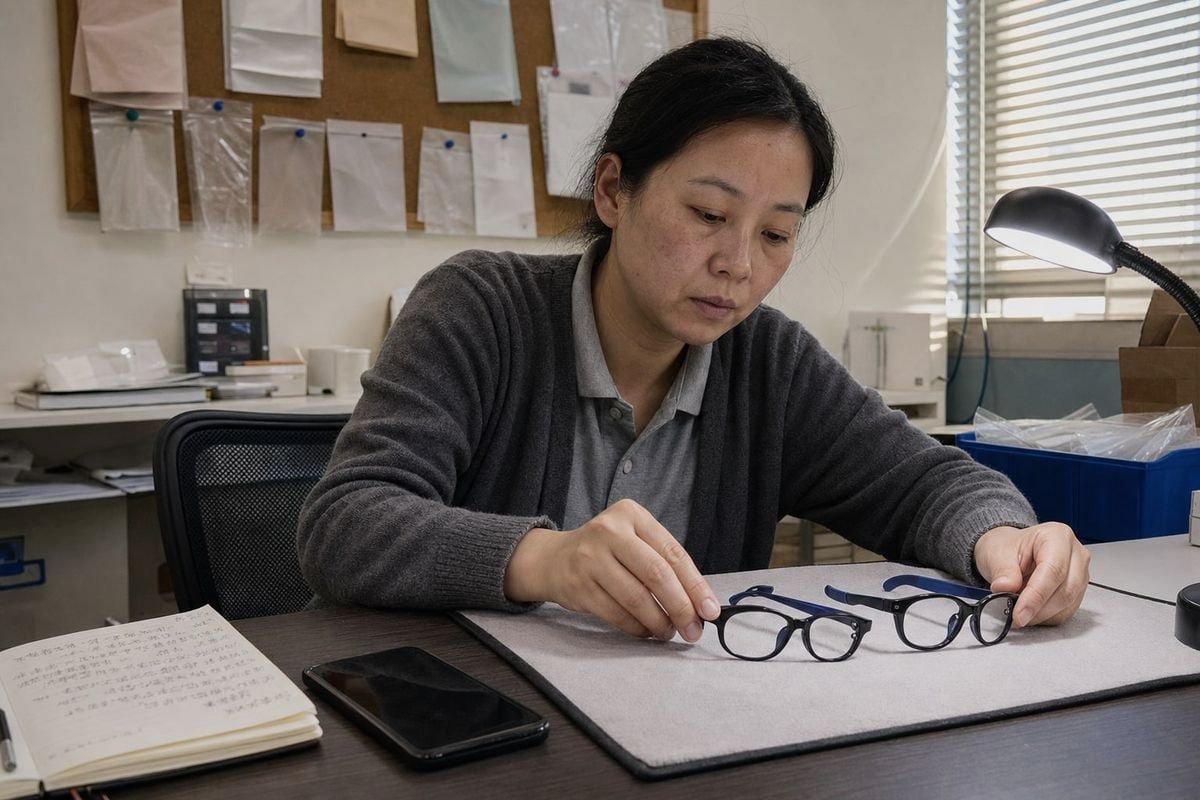
Kids optical frames get price-checked constantly now safety compliance 1. On our production line, we hear it weekly from buyers: a customer snapped a photo, ran an image search, and found something “identical” for less.
When image search finds kids optical frames cheaper elsewhere, respond politely, verify the match is truly identical in material, size, and service, then explain your value: fit, safety, durability, and after-sale support. Price-match only genuine like-for-like listings, or offer a lower-cost alternative instead.
That is the short answer. But the details matter, especially with children’s eyewear design patents 2. Below, I break down how to verify quality, talk to suppliers, protect designs, and weigh the real cost of cheap lookalikes.
How do I know if a cheaper image-search match is really the same quality as my supplier's frames?
A buyer from Australia once sent me a screenshot of a frame that looked exactly like one of our TR90 styles 3. Same shape, same colors. It was thirty percent cheaper.
You verify quality by comparing what a photo cannot show: material grade, hinge construction, temple flexibility, weight, safety compliance, and finishing. Request a physical sample, check certifications, and test flexibility and surface finish. Visual matches often hide different plastics, weaker hinges, and skipped safety testing.
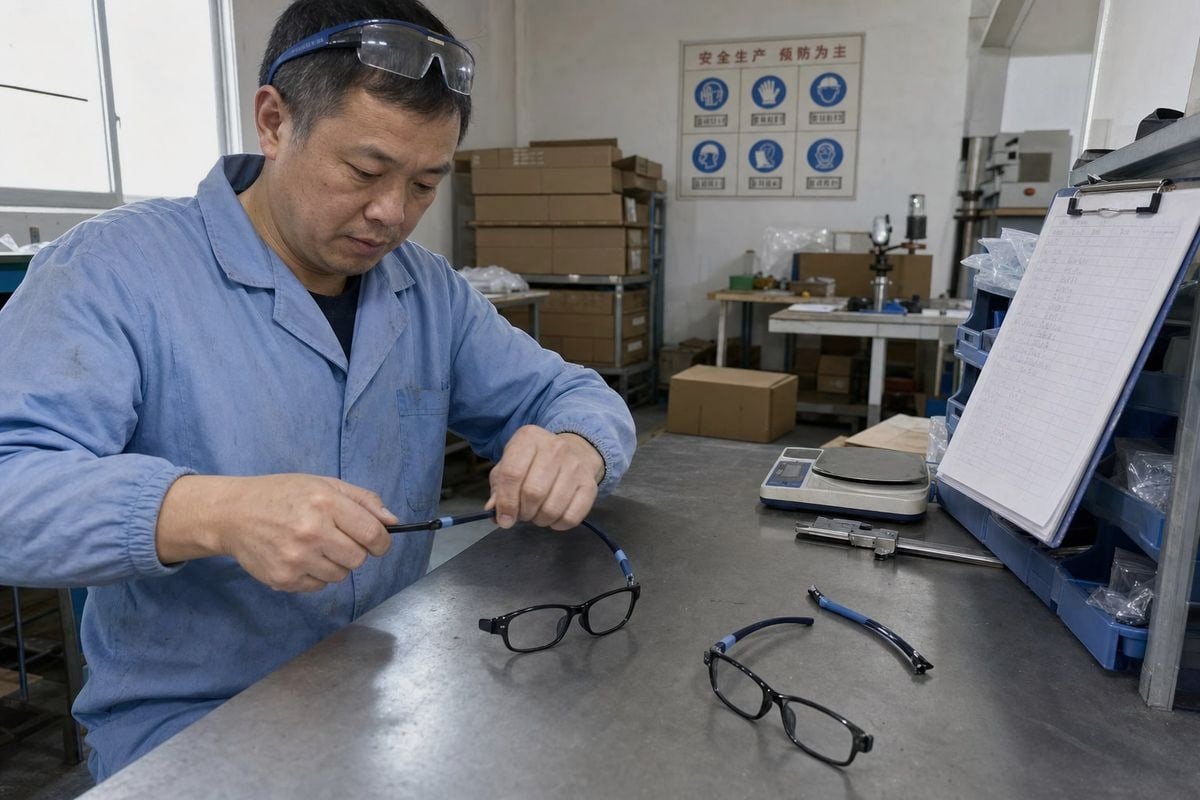
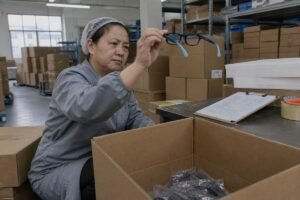
Image search compares pixels, not polymers. When that Australian buyer sent us the screenshot, we asked her to order a sample from the cheaper source. It arrived. The front looked similar, but the temples were rigid PC plastic painted to look like our navy-and-black flexible rubber design. It snapped during a simple twist test. Our version uses genuine TPEE temples 4 that bend past ninety degrees and return to shape. A parent cannot see that difference in a thumbnail. Neither can an algorithm.
What a photo hides
Frame quality lives in the details that only handling reveals. Here is the comparison checklist we give our B2B customers when they face a lookalike listing:
| Checkpoint | What to test | Why photos mislead |
|---|---|---|
| Material | Twist and flex the temples | Painted PC can mimic TPEE or TR90 visually |
| Weight | Weigh the frame in grams | Cheaper resins are often heavier on a child's nose |
| Hinges | Open and close 50+ times | Low-grade hinges loosen fast but look identical new |
| Finish | Check edges and nose pads | Rough molding edges do not show at 600 pixels |
| Safety | Ask for test reports | Compliance paperwork never appears in a listing image |
| Sizing | Measure lens width and bridge | "Kids" listings sometimes use downscaled adult molds |
The sample rule
Our rule after fifteen years in eyewear: never judge a competitor listing without a physical sample. It costs a little money and a week of time. It saves you from either panicking over a fake threat or ignoring a real one. If the sample truly matches your frame quality, you have a pricing conversation to hold. If it does not, you have a marketing story to tell.
What should I say to my supplier when a customer sends me a lower price found through image search?
In our experience exporting to twenty-plus countries, the buyers who handle this best treat it as a fact-finding call, not a confrontation. The worst outcomes come from opening with an ultimatum.
Share the exact listing with your supplier, ask them to confirm whether it is their product or a copy, and request a written breakdown of material, testing, and service differences. A good supplier will help you build a value comparison rather than just defending their price.

There is a trade-off I weigh every time this call comes in. If I simply drop the price to match, I signal that our quote had padding in it, and I quietly cut the corners that made the frame safe. If I refuse to engage, I look defensive. So we do neither. We investigate together with the buyer, and I recommend you push your supplier toward the same process.
A four-step script for the supplier conversation
- Send the evidence. Forward the URL, screenshots, and price. Vague descriptions lead to vague answers.
- Ask the origin question. "Is this your frame sold through another channel, or a copy?" These are very different problems. Channel leakage needs distribution control. A copy needs a quality comparison.
- Request a differentiation sheet. Ask for a one-page document covering material grade, safety testing, hinge type, and QC process. We prepare these for our customers so their retail staff can answer the "found it cheaper online" objection with facts, not feelings.
- Discuss the commercial response. Options include a small volume-based adjustment, an exclusive colorway, upgraded packaging, or bundled accessories that make direct comparison impossible.
Notice what is missing: "match this price or we walk." A supplier squeezed to a copycat's price becomes a copycat on materials. Your customer experience, warranty claims 5, and profit margins all depend on your supplier keeping their standards. Protect that. When one of our European distributors faced showrooming pressure last year, we co-developed an exclusive temple pattern and branded case for them instead of cutting the unit price. Their sell-through improved because the product stopped being comparable.
Can I protect my designs so competitors can't undercut me with copied kids optical frames?
Protecting original work is personal for us. When we were developing our translucent pink acetate style, we saw a rough imitation surface online within a season. It stung.
Yes, partially. Register design patents in your key markets, trademark your brand and logo placement, use exclusive molds or colorways with your supplier, and file takedowns against copied listings. Full prevention is impossible, but layered protection makes copying slower, riskier, and less profitable.
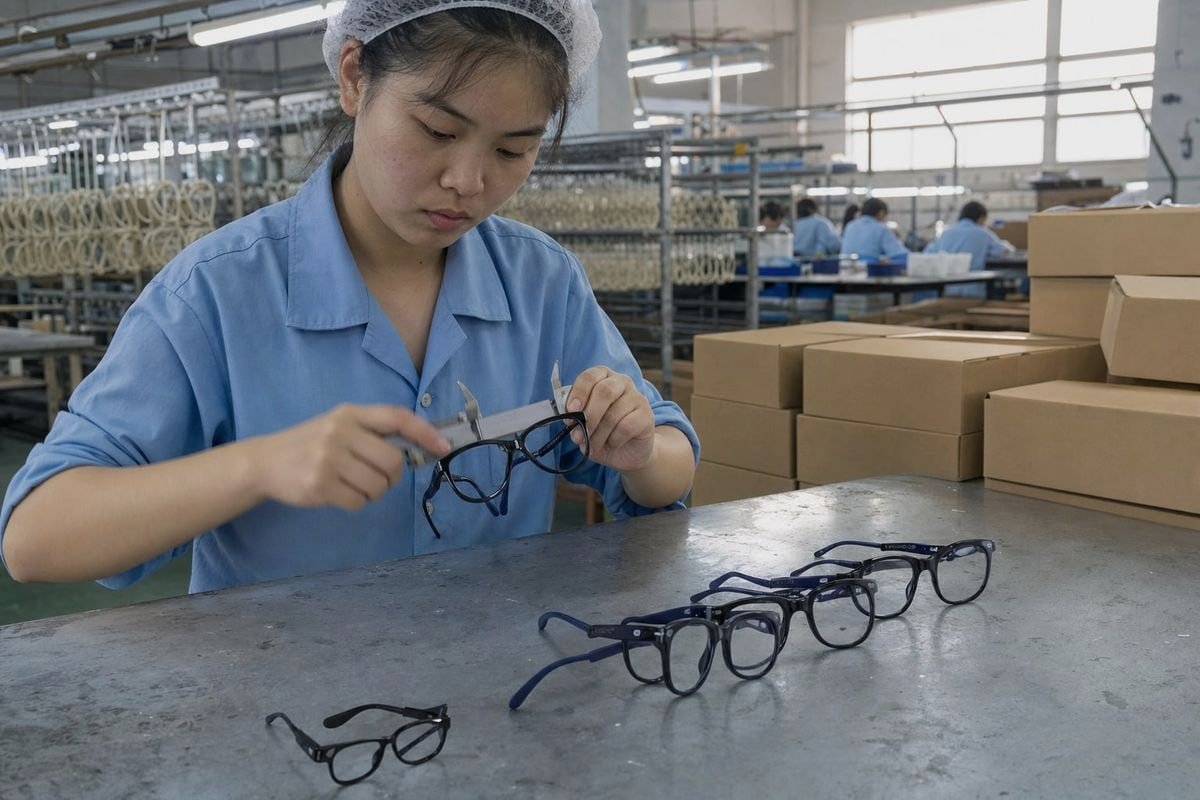
Design protection in children's eyewear is a layered game, not a single lock. No single measure stops a determined copier. But each layer raises their cost and lowers their reward. Here is how we advise the brands we work with to stack their defenses:
| Protection layer | What it covers | Practical strength |
|---|---|---|
| Design patent / registered design | The frame's ornamental shape | Strong in registered markets, needs enforcement budget |
| Trademark | Brand name, logo, temple engraving | Strong and relatively cheap; enables platform takedowns |
| Exclusive mold agreement | Your unique tooling at the factory | Strong if your supplier honors it contractually |
| Custom colorways and patterns | Distinct visual identity | Moderate; makes copies obviously "off" to shoppers |
| Speed and iteration | Refreshing styles regularly | Copiers always run a season behind you |
Where a factory partner fits in
This is where choosing the right supplier matters more than any legal filing. A factory that sells your custom design to whoever asks will undo every patent you hold. We keep customer-funded molds exclusive to that customer, and we route new buyers toward our roughly 800 open-catalog styles instead. That open catalog is itself a protection strategy for new brands: you launch on proven, shared designs with low risk, then invest in exclusive tooling only once a style earns it. That sequencing keeps your capital safe while your brand builds the recognition that makes copies look like what they are — copies.
Enforcement made practical
Do not aim to sue everyone. Aim to make the top platforms hostile to your copiers. Registered trademarks let you file marketplace takedown requests quickly, and most large online retailers process them within days. That alone removes the listings your customers find through image search.
Why might paying less for a similar-looking frame end up costing my brand more later?
A lesson we learned early: the cheapest frame we ever quoted against taught us the most. A prospect chose a lower bidder, then returned to us eight months later with a warehouse of warranty returns.
A cheaper lookalike frame often costs more through higher breakage returns, warranty claims, negative reviews, child safety risks, and lost repeat customers. For children's eyewear, poor fit and fragile hinges destroy wear compliance, which parents blame on your brand, not the factory.

The list price is the smallest number in the equation. When that prospect came back to us, we sat down and calculated what the "savings" had actually cost. The math is worth showing, because it applies to almost every kids' eyewear brand weighing a cheap alternative:
| Cost category | Cheap lookalike frame | Quality-verified frame |
|---|---|---|
| Unit cost | Lower upfront | Higher upfront |
| Return and breakage rate | High — rigid temples snap on active kids | Low — flexible materials absorb abuse |
| Warranty and replacement handling | Ongoing staff time and shipping | Occasional |
| Review impact | One-star "broke in a week" reviews | Reviews that mention durability |
| Optician relationships | Optical dispensary partners lose trust | Repeat wholesale orders |
| Child compliance | Uncomfortable frames stay in drawers | Comfortable frames get worn daily |
The compliance problem is unique to kids
An adult tolerates a slightly heavy or pinching frame. A child simply stops wearing it. When prescription lenses sit in a drawer, the parent's money is wasted and the child's vision correction fails. Parents remember which brand that happened with. Pediatric dispensing exper
Footnotes
1. Replaced with an authoritative source (American Academy of Ophthalmology) on children’s eye safety and protective eyewear. ↩︎
2. Provides a comprehensive overview of design patents, their purpose, and what they protect. ↩︎
3. Explains TR90 material properties, benefits, and comparison with other frame materials. ↩︎
4. Found a working URL from the same domain discussing TPEE vs TR90 for kids’ sunglasses. ↩︎
5. Replaced with a working URL from the original domain explaining warranty management software. ↩︎
More Articles You Might Like
August 5, 2026
Bio-Based vs Regular Cellulose Acetate: What's the Difference for Kids' Frames?

August 5, 2026
How Recyclable Are Kids' Optical Frame Materials, and What Eco-Friendly Alternatives Exist?
August 5, 2026
Do Kids Optical Frames Whiten or Age in Storage, and How to Control Warehouse Conditions?
Looking for a Reliable Kids Eyewear Partner?
Explore 800+ ready styles and full OEM/ODM support tailored to your brand.
Get in Touch English
  Español de México
  Deutsch
  Français
  日本語
日本語  العربية
  Português do Brasil