How Does Increasing Order Volume Affect Pricing and Payment Terms for Kids’ Sunglasses?
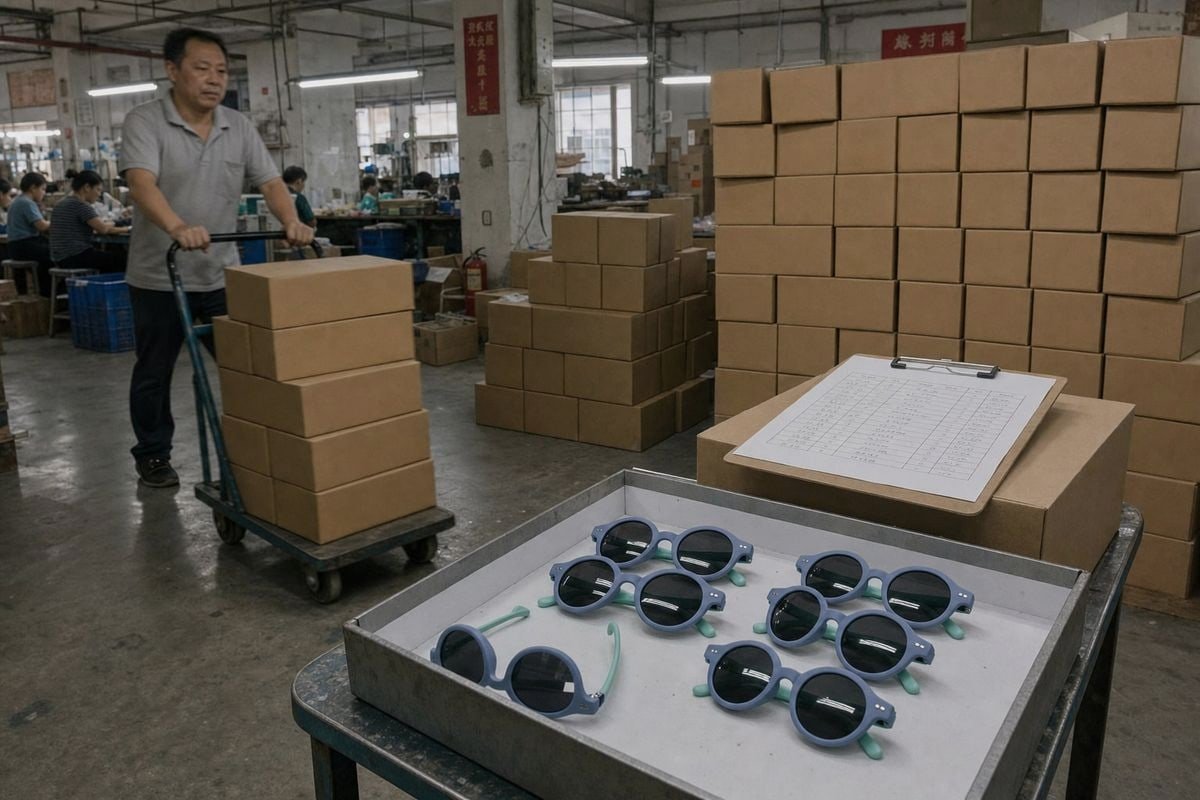
Order volume shapes pricing and payment terms for kids’ sunglasses more than most buyers realize OEM/ODM branding 1. On our production line in Taizhou, I see this play out with every quotation we send.
Increasing order volume lowers per-unit pricing for kids’ sunglasses through tiered pricing structures, spreads fixed costs like molds and compliance across more units, and unlocks better payment terms — such as smaller deposits or Net 30 arrangements — for proven, repeat buyers.
Many buyers only compare unit prices. That is a mistake. Volume changes the whole deal: cost, terms, customization, and risk. Let me walk you through each part.
How Much Can I Save on Kids' Sunglasses by Increasing My Order Volume?
Last spring, a buyer from Australia asked me why 600 pairs cost so much less per unit than 150. The answer sits inside our cost sheet, and I will open it up here.
Buyers typically save 10–30% per unit by moving up one or two volume tiers on kids' sunglasses. Savings come from stepped quotations, lower freight cost per unit, and amortized setup costs. Basic styles show smaller breaks; customized private-label orders show the largest unit cost reduction.
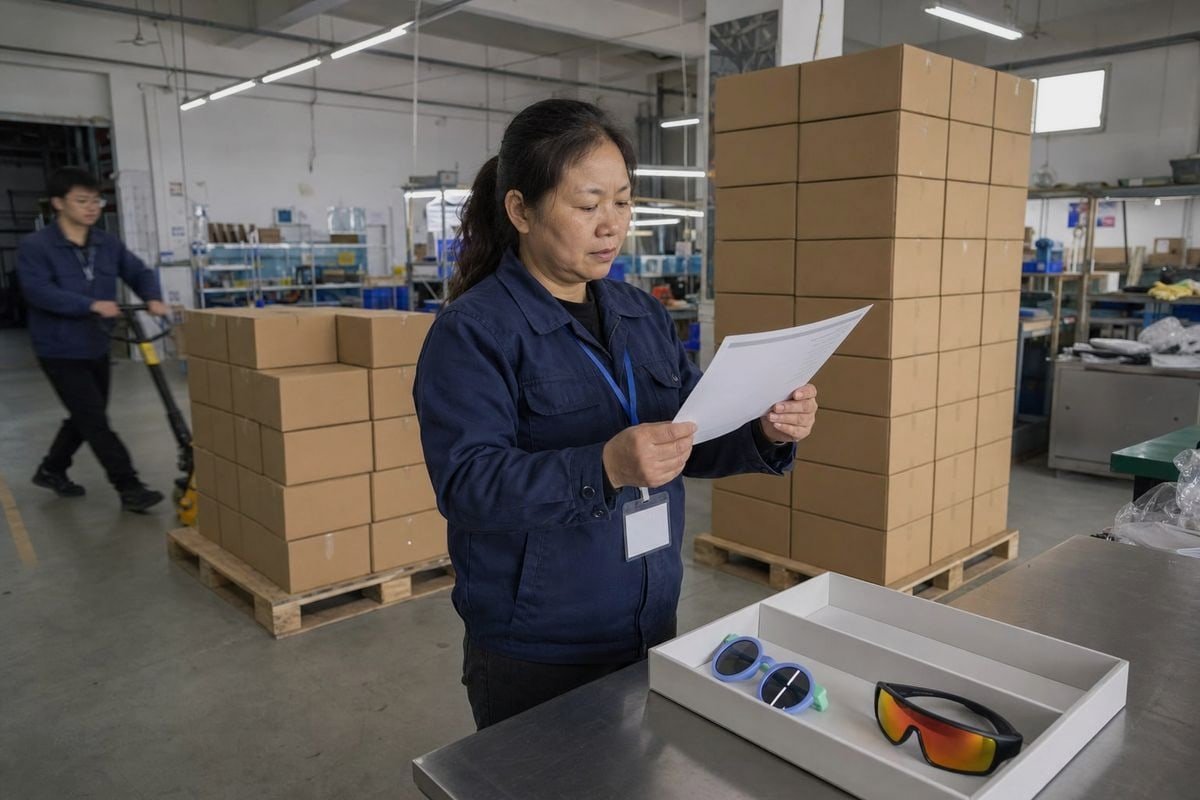
Most factories, including ours, quote with tiered pricing structures. Each quantity threshold triggers a lower unit price. The logic is simple. Some costs are fixed no matter how many pairs you order. When you order more, those fixed costs get divided across more units. That is economies of scale 2 in its plainest form.
What a Typical Tier Ladder Looks Like
Here is a simplified example based on how quotations for flexible TPEE kids' sunglasses often step down. Exact numbers vary by style, lens type, and customization, but the shape of the ladder stays consistent.
| Order Quantity | Indicative Unit Price | Typical Savings vs. Base Tier |
|---|---|---|
| 100–299 pairs | $2.80 | Base price |
| 300–599 pairs | $2.45 | ~12% |
| 600–1,199 pairs | $2.20 | ~21% |
| 1,200+ pairs | $1.95 | ~30% |
Notice the pattern. The first jump gives the biggest relative gain. After that, each tier still helps, but the curve flattens. In wholesale distribution generally, basic fashion styles might sit around $2–$5, polarized styles 3 around $5–$12, and private-label products $6–$15 or more. Kids' sunglasses follow the same logic at their own price points.
Where the Savings Actually Come From
Three cost buckets shrink as volume rises. First, production setup. Machine calibration, color matching, and line changeover cost the same whether we run 200 pairs or 2,000. Second, freight cost per unit. A master carton holds a fixed number of pairs, and consolidated shipments cut handling fees. Third, compliance. Children's eyewear must meet safety requirements 4, and testing costs get amortized across the full order — a bigger order means a smaller "compliance tax" per pair.
One more point from our factory floor: many suppliers, ourselves included, allow mixed-model volume accumulation. You can spread your total quantity across several of our roughly 800 existing styles and still count the combined units toward one pricing tier. That keeps your assortment fresh without sacrificing bulk purchase discounts.
What Payment Terms Can I Negotiate as My Order Quantities Grow?
A distributor in Europe once told me the deposit structure mattered more to his cash flow than the unit price itself. After fifteen years exporting eyewear, I believe him completely.
As order quantities grow, buyers can negotiate lower deposits (from 50% down to 30% or less), balance payment against shipping documents instead of before shipment, and eventually Net 30 payment terms. Suppliers extend these terms to repeat, high-volume accounts because the relationship justifies the credit risk.
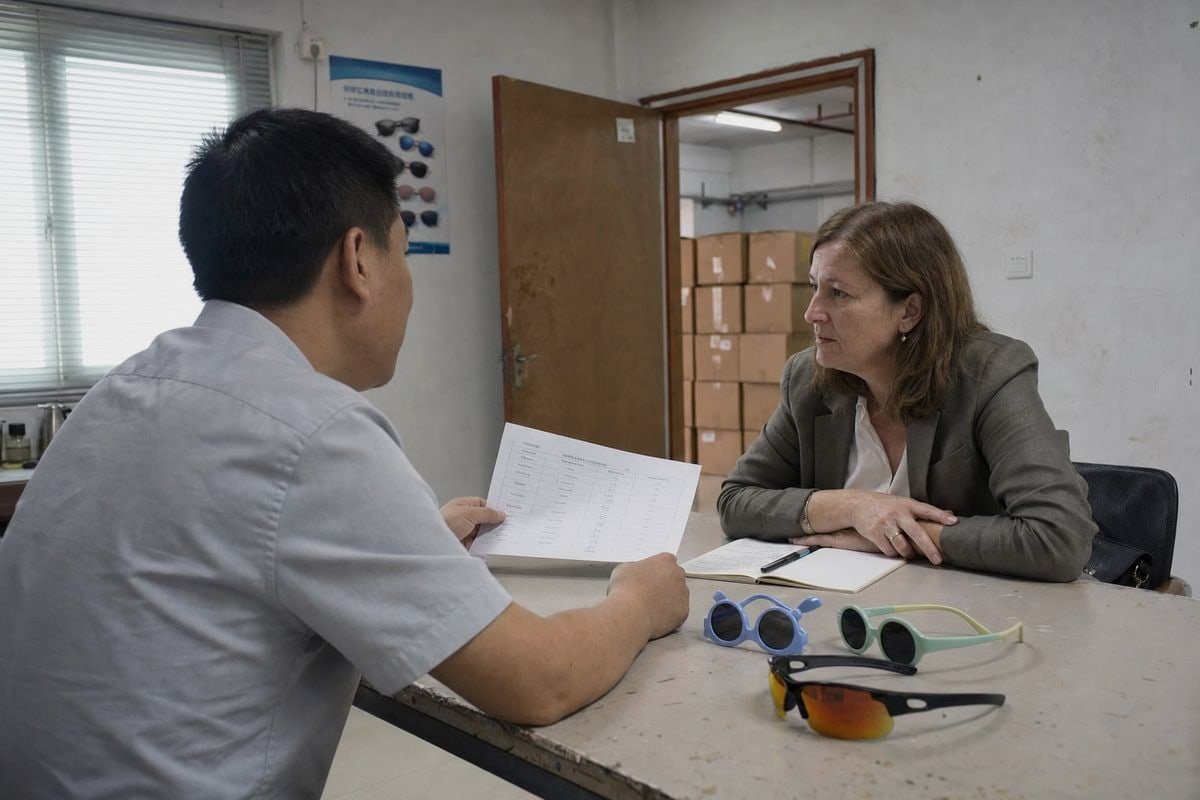
Payment terms are the quiet half of every volume negotiation. Price gets all the attention. Terms determine whether your cash survives the season. Here is how the progression usually works in children's eyewear sourcing.
The Typical Payment Terms Ladder
New buyers almost always start with a standard structure: a deposit before production and the balance before shipment. As trust and volume build, the structure loosens. This table reflects the general pattern we see with international buyers across the 20-plus countries we serve.
| Buyer Stage | Common Deposit | Balance Payment | Extended Terms? |
|---|---|---|---|
| First order | 50% upfront | Before shipment | Rarely |
| 2–3 repeat orders | 30–40% upfront | Against copy of bill of lading 5 | Sometimes |
| Established volume account | 30% or less | Against documents | Net 30 possible |
| Long-term strategic partner | Negotiable | Staggered payments | Net 30–Net 60 possible |
Why Volume Earns Better Terms
A supplier extending credit is taking a risk. A larger, repeat buyer lowers that perceived risk in two ways. First, the account is more valuable, so we have a stronger reason to keep it. Second, order history proves reliability. In our experience, a buyer who has placed three clean orders with prompt payment gets a very different conversation than a first-time contact asking for Net 30 payment terms on day one.
Be careful with your expectations here. Volume may improve terms, but the extent depends on supplier policy, your country's payment norms, and the relationship. My honest advice: negotiate terms and price separately. If a factory refuses to move on price, a smaller deposit or staggered payment schedule can deliver similar cash-flow relief. For seasonal products like kids' sunglasses, timing your payments around your sell-through window is often worth more than a few cents per pair.
Does a Larger Order Give Me More Flexibility for Custom Colors and Packaging?
When we were developing a pastel two-tone frame — periwinkle front, mint temples — for a Japanese kids' brand, the entire project only became viable at their second, larger order. Customization economics work that way.
Yes. Larger orders unlock private label manufacturing options that small runs cannot support: custom Pantone-matched frame colors, mirrored or polarized lens choices, logo printing, and retail-ready packaging. Higher volume absorbs the setup costs of each customization, making full OEM/ODM branding commercially realistic.
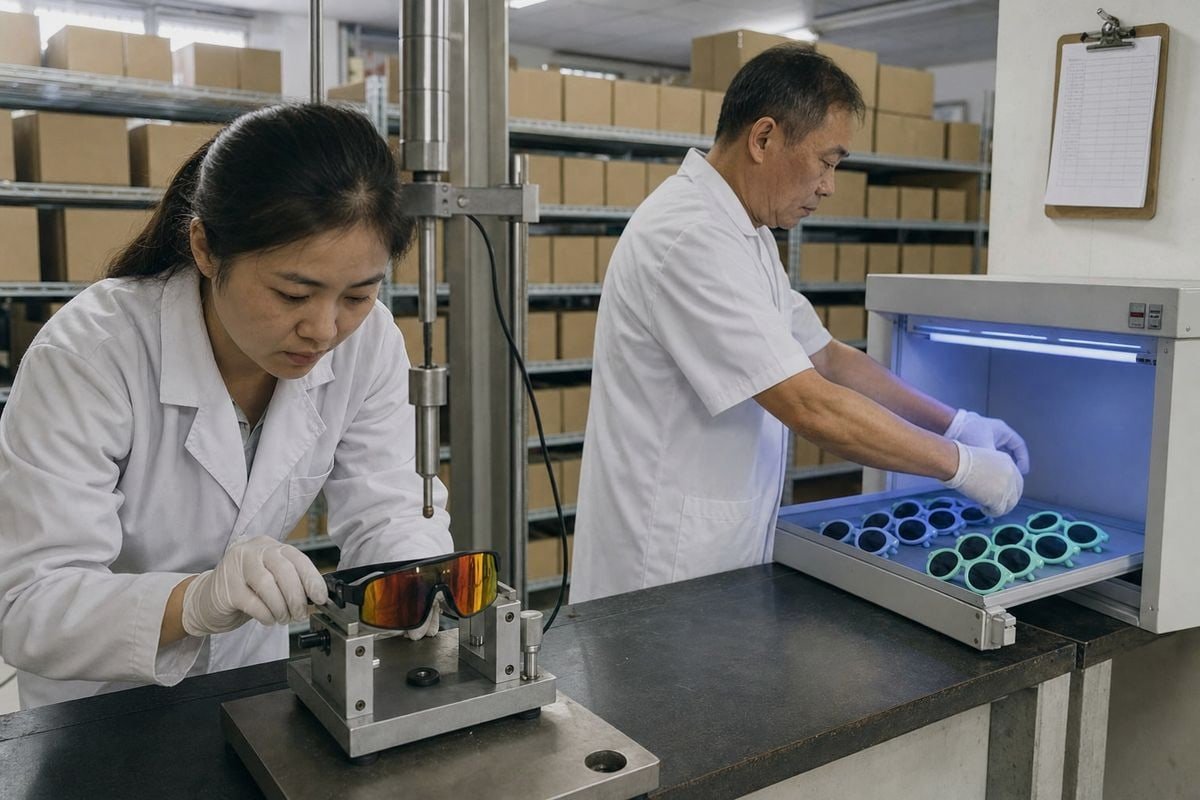
Every customization carries a setup cost. A custom frame color requires material batching and color matching. A gradient mirrored lens — like the fiery orange-to-teal shield lenses on our sport wraparound styles — requires coating runs with minimum batch sizes. Logo printing needs plates or pads. Custom packaging needs print runs with their own minimums. Small orders cannot absorb these costs. Large orders can.
How Customization Options Scale with Volume
- Entry volume: choose from existing styles and stock colorways. With around 800 existing styles in our catalog, most new brands start here and skip mold investment entirely.
- Mid volume: add logo printing on temples, custom lens tints, and branded polybags or pouches.
- Higher volume: unlock custom frame colors per Pantone 6 reference, custom lens gradients, and fully branded retail boxes with hang tags.
- Top volume: justify custom molds for unique frame shapes, premium materials like bio-based TPEE 7, and retail-ready master carton designs that eliminate individual polybags and cut back-of-house labor.
Packaging Deserves Its Own Line Item
Buyers often treat packaging as an afterthought. It should not be. Professional, retail-ready packaging is frequently the difference between a product a retailer accepts and one they reject. At higher volumes, custom packaging adds only a small amount per unit because the print run minimums are already met. At low volumes, the same packaging can add a painful percentage to your landed cost. Volume-based incentives apply to the box as much as the frame.
There is also a sustainability angle. Larger runs make environmentally friendly materials and reduced-plastic packaging affordable per unit. For children's brands, where parents scrutinize both safety and values, that flexibility is a genuine competitive asset — and it typically only opens up as your quantities grow.
How Do I Know What MOQ Is Right for My Brand's First or Next Order?
The hardest question I answer for new buyers is never about price. It is about quantity. Order too little, and you overpay per unit. Order too much, and inventory eats your cash.
The right MOQ balances unit savings against sell-through risk. First-time buyers should order near the Minimum Order Quantity — often 75–300 pairs per style — using stock designs. Repeat buyers should size orders to 60–90 days of proven demand, then step up tiers as sales data justifies it.

MOQ is not an arbitrary number a factory invents. It reflects real production constraints: minimum material batches, minimum lens coating runs, and minimum packaging print quantities. In the kids' sunglasses category, MOQs commonly range from around 75 pairs for simple promotional styles to 300 pairs per style for customized designs, with colorway minimums often around 100 pieces.
A Practical Sizing Framework
Compare three order sizes against your realistic demand before committing. Here is the framework I share with new brand buyers.
| Factor | 150 Pairs | 300 Pairs | 600 Pairs |
|---|---|---|---|
| Unit price | Highest | ~10–15% lower | ~20–25% lower |
| Cash tied up | Lowest | Moderate | Highest |
| Freight cost per unit | Highest | Moderate | Lowest |
| Customization access | Stock only | Logo + tints | Custom colors + packaging |
| Sell-through risk | Low | Moderate | High if demand unproven |
Match the Number to Your Stage
For a first order, my advice is consistent: stay close to the MOQ and lean on existing styles. Testing the market with lower risk beats squeezing out the last discount tier. The savings from a bigger order are illusory if half the stock sits in your warehouse past summer.
For your next order, use real data. Take your actual weekly sell-through, multiply by your reorder cycle plus lead time, and add a safety buffer. If that number lands near a pricing tier threshold, stepping up usually makes sense. If it falls well short, do not stretch. Kids' sunglasses are seasonal. Also plan the calendar: larger commitments can secure seasonal priority on production capacity before the summer and back-to-school surges, when factory schedules fill fast. A right-sized order placed early beats an oversized order placed late.
Conclusion
Order volume shapes far more than the sticker price of kids' sunglasses. It drives unit cost reduction, payment flexibility, customization access, and inventory risk. The buyers who win treat volume as a strategic lever, not a race to the cheapest quote. Start near the MOQ, prove your demand, then step up tiers deliberately — negotiating price and payment terms as two separate wins. If you plan your quantities around real sell-through and a reliable factory partner, every larger order becomes safer, cheaper, and more profitable than the last.
Footnotes
1. Clarifies the manufacturing arrangement enabling private label customization at higher volumes. ↩︎
2. Explains the core economic principle behind unit cost reduction as volume increases. ↩︎
3. Explains the optical technology behind polarized lens pricing tiers mentioned in the article. ↩︎
4. CPSC regulates children’s product safety compliance relevant to kids’ sunglasses testing. ↩︎
5. Defines this key shipping document referenced in payment terms negotiations. ↩︎
6. Official color-matching standard referenced for custom frame color production. ↩︎
7. Background on thermoplastic elastomer materials used in premium sunglasses frame construction. ↩︎
More Articles You Might Like

August 1, 2026
Should Factory Handle Kids Sunglasses Packaging & Labeling, or Use a Designated Supplier?
August 1, 2026
Own Warehouse vs Supplier Direct Fulfillment: Which Cuts Return Costs for Kids Sunglasses Brands?

August 1, 2026
Direct-to-Port Warehouse or Overseas Staging: Which Saves More on Kids Sunglasses Shipping?
Looking for a Reliable Kids Eyewear Partner?
Explore 800+ ready styles and full OEM/ODM support tailored to your brand.
Get in Touch English
  Español de México
  Deutsch
  Français
  日本語
日本語  العربية
  Português do Brasil