How to Finance Kids’ Sunglasses Orders Without Upfront Payment to Distributor?
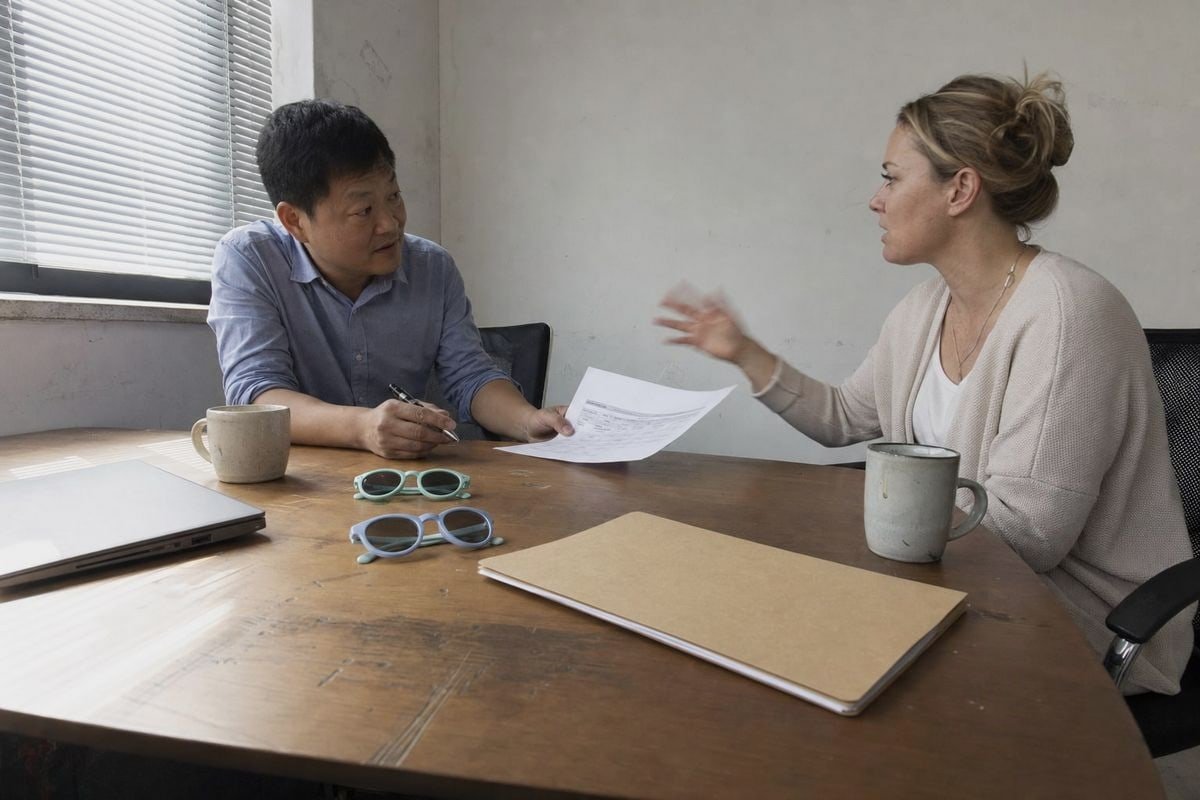
Buyers ask me weekly how to finance kids’ sunglasses orders without upfront payment. [Cash gets trapped in inventory](https://okayeyewear.com/how-manage-cash-flow-gaps-sourcing-kids-sunglasses-china/), the season passes, and growth stalls. Our factory has watched good brands fail this way.
To finance kids’ sunglasses orders without upfront payment, negotiate staged payment terms or net 30 trade credit with the manufacturer, use purchase order financing or a wholesale credit line, choose existing catalog styles to avoid mold costs, and verify the factory’s reliability before committing volume.
Each of those options works differently. Some fit new brands. Some fit established importers. Below, I break down how to use each one, based on what actually happens on our production floor and in real negotiations with buyers from over 20 countries.
What payment terms can I negotiate with a kids' sunglasses manufacturer to reduce upfront risk?
Last spring, a first-time buyer from Australia told me she almost walked away from our quote because she assumed 100% prepayment was non-negotiable. It never is, and it never should be.
Most kids' sunglasses manufacturers accept a 30% deposit with 70% paid after inspection or against shipping documents. Repeat buyers can negotiate lower deposits, net 30 payment terms, or letter of credit arrangements, which shift risk away from full upfront payment.
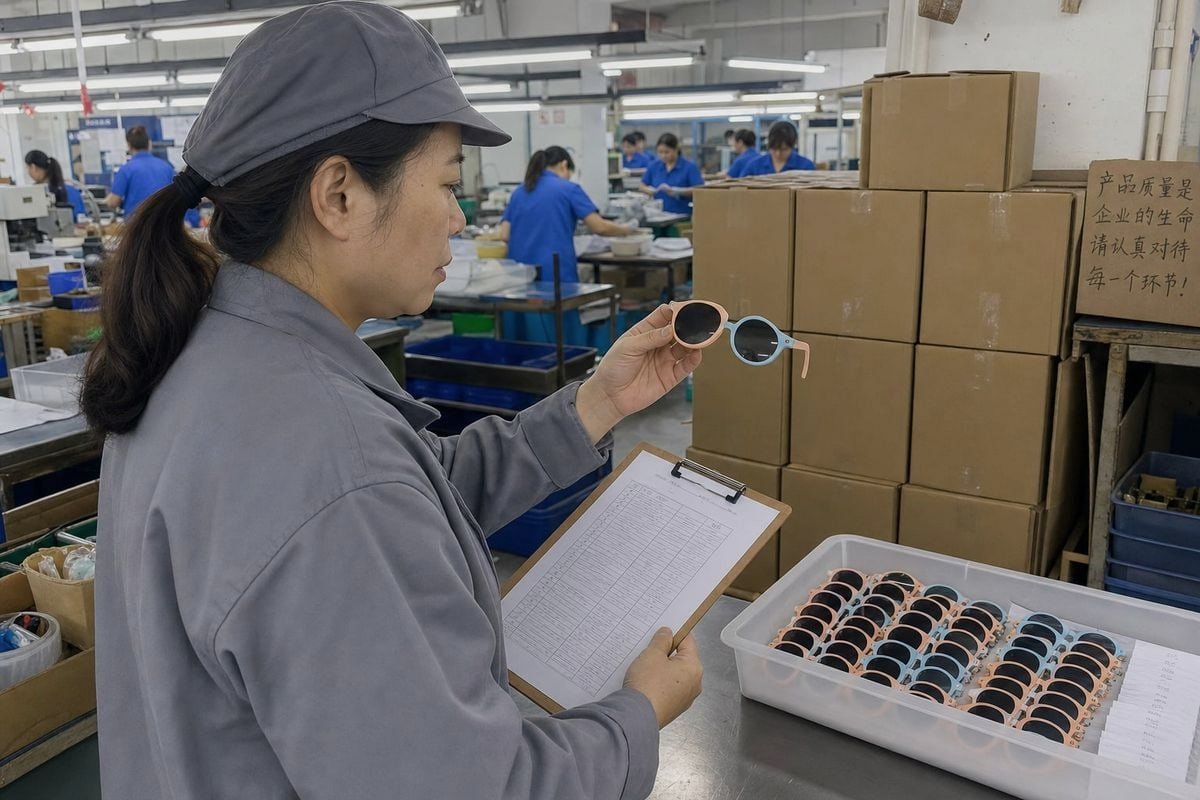
The standard structure in our industry is 30/70. You pay 30% when you confirm the order. You pay the remaining 70% after the goods pass inspection, or against the bill of lading 1. That alone means you never pay the full amount before you have proof the goods exist and meet spec. It is the baseline, not the ceiling.
How terms improve as trust builds
Payment terms are a trust ladder. At our Taizhou factory, we treat the first order as a handshake. By the third or fourth order, the conversation changes. Here is the typical progression we offer buyers:
| Stage | Typical Terms | Who Carries the Risk |
|---|---|---|
| First order | 30% deposit, 70% before shipment | Shared |
| Repeat orders | 20–30% deposit, balance against B/L copy | Mostly factory |
| Established account (1+ year) | Small or no deposit, net 30 after shipment | Factory |
| Large volume with L/C | Letter of credit at sight or 30–60 days | Bank-mediated |
Levers that unlock better terms faster
You can climb this ladder quicker than you think. In our experience exporting to Europe, Japan, and Australia, three things move us to relax terms early. First, order consistency — a smaller order every quarter beats one giant order that never repeats. Second, clear specifications and fast approvals, because slow decision-making costs a factory real money and makes finance teams nervous. Third, professionalism around inspection. Buyers who book a third-party inspection and pay the balance promptly after a pass report earn trade credit quickly.
One more practical tip: ask about splitting a large seasonal order into two staggered shipments. You pay the deposit on batch one, sell through part of it, then fund batch two from revenue. That is working capital management using the production calendar itself, and it costs you nothing in fees.
How can I launch a new eyewear line using existing styles instead of paying for custom molds?
A common trade-off we walk buyers through: a custom mold gives you a unique shape, but it locks up thousands of dollars and adds weeks before you have sold a single pair.
You can launch a kids' eyewear line without mold investment by selecting from a manufacturer's existing style catalog, then customizing colors, lenses, logos, and packaging. This ODM approach cuts upfront tooling costs to zero and lets you test the market with lower minimum quantities.
Custom molds are the hidden budget-killer in eyewear. A new injection mold 2 for a single frame style can cost several thousand dollars, and you need it before production even starts. That money is gone whether the style sells or not. For a new brand trying to finance kids' sunglasses orders without heavy upfront payment, molds are exactly the wrong place to put cash.
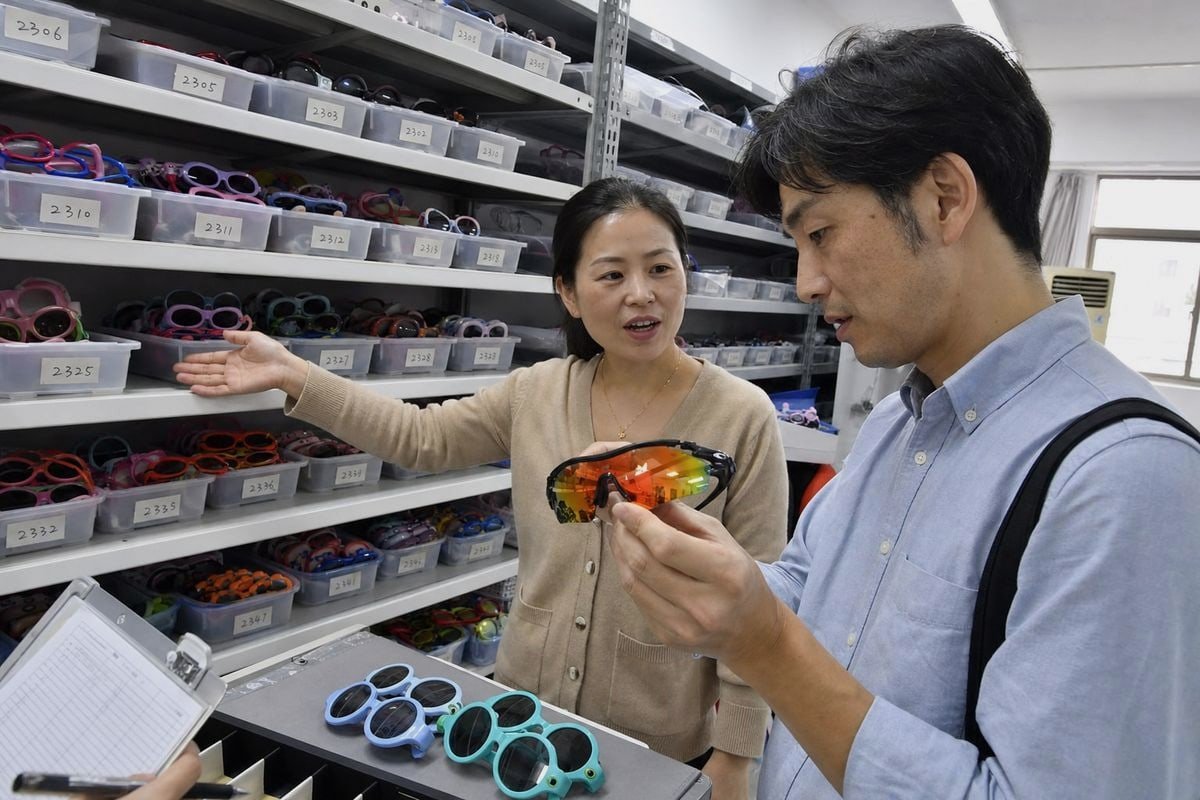
Our answer to this is our existing style library. We keep roughly 800 developed styles on hand — from soft two-tone round frames in flexible TPEE 3 for toddlers, to sport wraparound shields with mirrored gradient lenses for older, active kids. The molds already exist. The tooling cost is already paid. You choose the shapes, and your money goes into sellable inventory instead of steel.
What you can still customize on a catalog style
Choosing existing styles does not mean selling a generic product. Here is what typically stays fixed and what you can brand:
| Element | Fixed or Customizable | Typical Notes |
|---|---|---|
| Frame shape / mold | Fixed | Chosen from the catalog |
| Frame and temple colors | Customizable | Pantone matching, two-tone combos |
| Lens type | Customizable | UV400 4, polarized, mirrored, gradient |
| Logo | Customizable | Temple printing or laser marking |
| Packaging | Customizable | Retail-ready boxes, pouches, cases, hang tags |
| Accessories | Customizable | Straps, cleaning cloths, display units |
Why this lowers your financing burden twice
The math works in your favor two ways. First, you eliminate the mold payment entirely. Second, catalog styles usually carry lower minimum order quantities per style, so you can spread one order across four or five shapes and colorways. You test which frames parents actually buy, then reorder the winners. When one of our European buyers launched this way, their second order was three times the first — funded largely by first-season revenue rather than outside inventory financing. That is the low-risk path: prove demand first, invest in exclusivity later.
What financing or staged-payment options work best when importing children's sunglasses in bulk?
A UK importer once asked me to hold his confirmed order for three weeks because his retail customer had ordered big but his bank was slow. A purchase order financing 5 lender solved it in five days.
The best options for bulk kids' sunglasses imports are purchase order financing when you hold confirmed customer orders, invoice factoring to unlock cash from receivables, B2B buy now pay later platforms for splitting supplier invoices, and seasonal revenue-based financing tied to summer sales peaks.
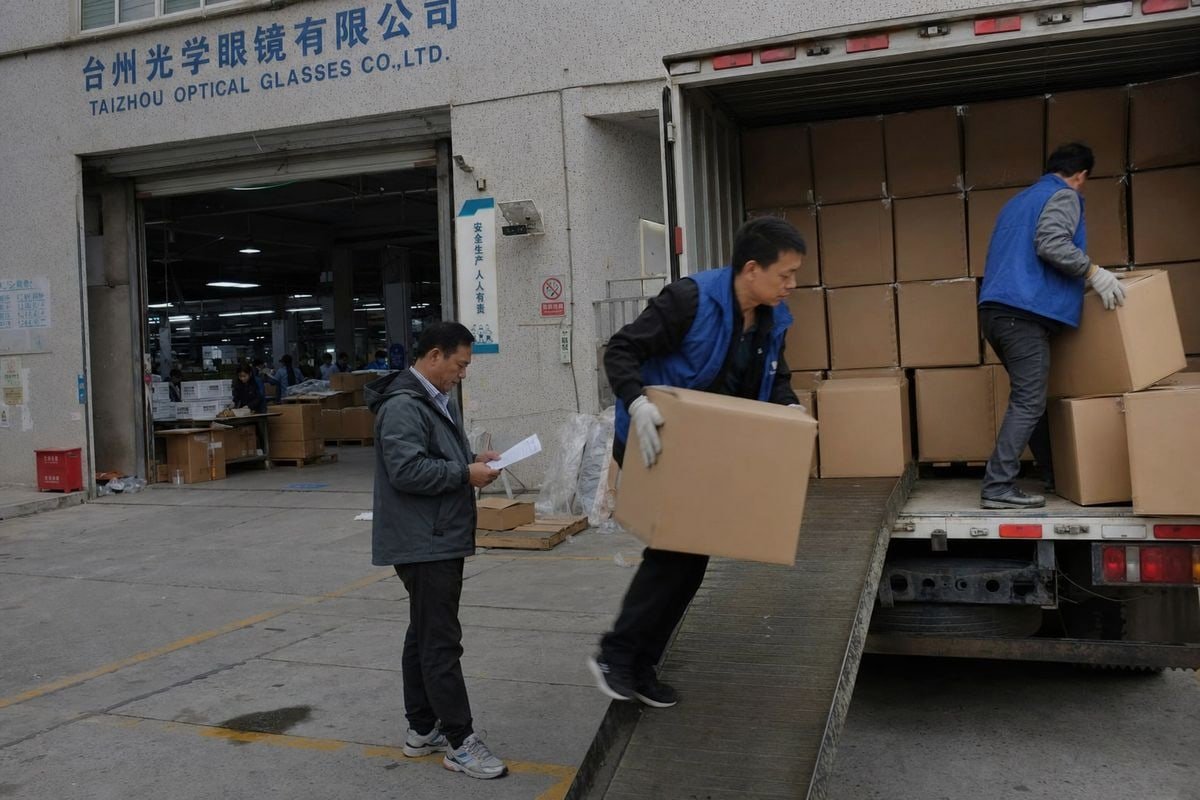
There are two financing layers in this business, and mixing them up causes confusion. Consumer-side financing — the Klarna, Afterpay, and Sezzle buttons at checkout — is already mature in eyewear retail. Sunglasses are routinely sold on interest-free pay-in-4 plans, and eyewear chains offer installment terms from 30 days up to 24 months. That solves your customer's cash flow. It does not solve yours. Your problem is supplier-side: funding a bulk order before revenue arrives. That is where the following tools come in.
The main supply chain finance tools compared
| Option | How It Works | Best For | Typical Cost |
|---|---|---|---|
| Purchase order financing | Lender pays the factory directly against your confirmed customer orders | Wholesalers with big retail POs | Fee per 30 days funded |
| Invoice factoring | You sell your receivables for immediate cash | Sellers with net-terms retail customers | Discount on invoice value |
| B2B buy now pay later | Supplier invoice split into installments via a platform | Small online brands | Low or zero interest if on time |
| Wholesale credit line / inventory financing | Revolving credit secured by stock | Established multi-channel sellers | Interest on drawn amount |
| Revenue-based financing | Repayments flex with your seasonal sales | Summer-peaked kids' brands | Fixed fee, flexible schedule |
| Dropshipping fulfillment 6 | Distributor ships after each sale; no bulk purchase | Market-testing new stores | Higher per-unit price |
Matching the tool to your business stage
A new online store should start light: small catalog orders, possibly dropshipping fulfillment through a distributor, plus consumer BNPL at checkout to keep conversion high. A growing brand with real purchase orders from retailers is the ideal purchase order financing candidate, because the lender pays us — the factory — directly, and you never touch the money. An established importer selling to shops on net terms benefits most from invoice factoring, which turns 60-day receivables into same-week cash for the next order.
One caveat I raise honestly with buyers: financing fees eat margin. Kids' sunglasses have healthy markups, but stacking BNPL merchant fees, factoring discounts, and financing charges on one order can quietly erase profit. Model the full stack before you sign anything. And be careful with "no upfront payment" marketing language on your own site — if late fees or interest exist anywhere in the chain, disclose them clearly, especially when selling to parents.
How do I evaluate a factory's reliability before committing to a large kids' eyewear order?
Fifteen years in this trade have taught our team one hard lesson: flexible payment terms are worthless if the factory behind them cannot deliver safe, consistent product on time.
Evaluate a kids' eyewear factory by verifying it is a real manufacturer with in-house production, checking child-safety compliance like UV400 and relevant standards, ordering pre-production samples, running third-party inspections, and testing communication speed with a small trial order first.
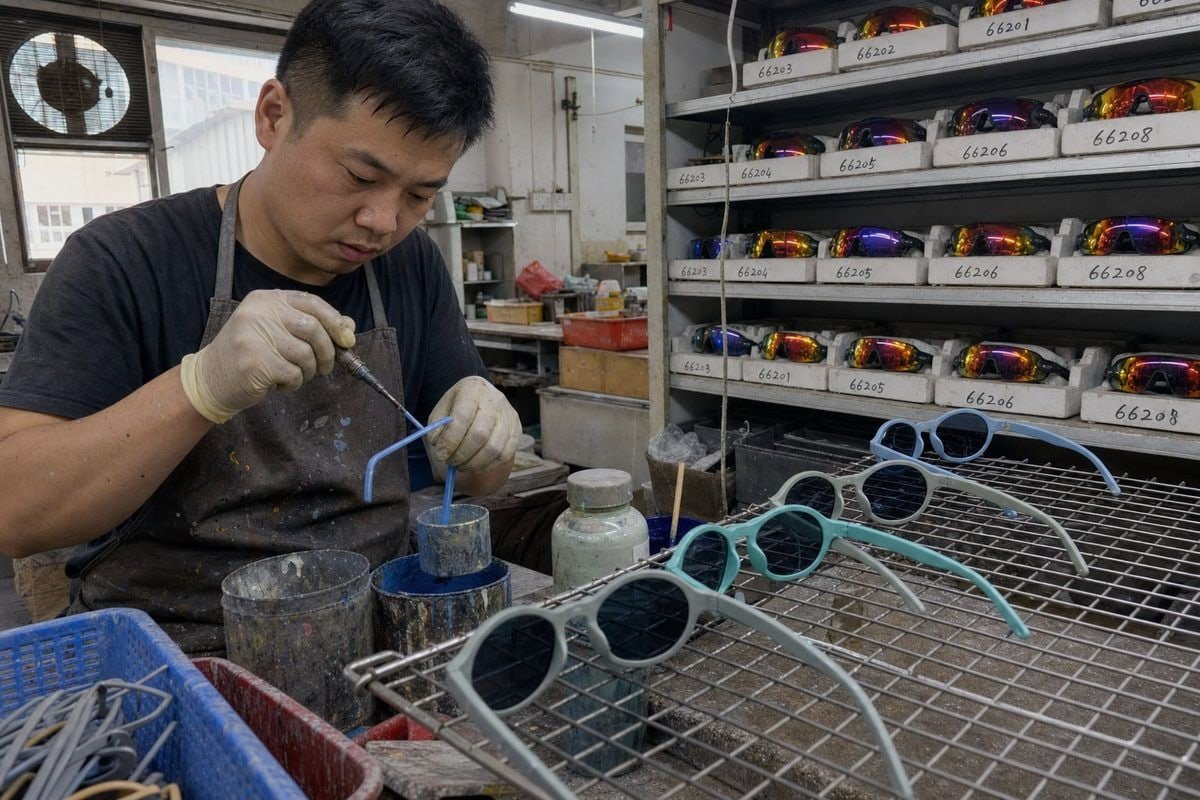
Reliability matters double in children's products. An adult can tolerate a slightly stiff hinge. A child's sunglasses must survive being sat on, bent, and dropped, without sharp breaks or unsafe materials. Before you commit a large order — and before you attach any financing to it — walk through a real verification process.
A practical seven-step verification process
- Confirm factory status. Ask for workshop photos or a live video tour. A trader reselling from unknown workshops cannot control quality or honor flexible terms reliably. Our own facility runs about 120 workers under 5S workshop management 7, and we show it on video calls without hesitation.
- Check material and safety documentation. For kids' eyewear, ask what the frames are made of and why. Flexible TPEE and TR90 exist specifically because rigid cheap plastics snap dangerously. Request UV400 lens test reports and compliance documentation for your target market.
- Order paid samples. Judge finish quality, hinge feel, lens clarity, and how the frame bends. Twist it. A safe kids' frame should flex and return, not crack.
- Test communication. Send detailed technical questions. A factory that answers precisely within a business day will handle production problems the same way.
- Start with a trial order. One modest order tells you more than any audit report. Watch how the factory handles a small change request mid-production.
- Book third-party inspection. Tie your balance payment to a passed inspection report. Reputable factories welcome this, because it protects both sides.
- Check the trust signals around trade credit. A factory confident enough to discuss staged payments and future net terms usually has stable finances. Some buyers also use B2B trade credit insurance 8 to reassure a new supplier, which can persuade the factory to reduce or waive the deposit on early orders.
Why this connects back to financing
Every financing tool from the previous section depends on the factory delivering. Purchase order financing lenders will not fund an order to an unverifiable supplier. Insurers will not cover a supply chain finance arrangement built on a factory with no track record. Verification is not a separate task from financing — it is the foundation of it.
Conclusion
Prepaying everything is the slow way to fail. Combine staged payment terms, catalog styles instead of molds, matched financing tools, and a verified factory partner — and your cash finally works for growth, not storage.
Footnotes
1. Defines this key shipping document referenced in payment terms. ↩︎
2. Explains the injection molding process behind eyewear tooling costs. ↩︎
3. Authoritative Wikipedia entry covering thermoplastic elastomers, including TPEE properties and applications. ↩︎
4. Ophthalmology authority explains UV400 protection standards for eyewear buyers. ↩︎
More Articles You Might Like
August 1, 2026
Should Factory Handle Kids Sunglasses Packaging & Labeling, or Use a Designated Supplier?
August 1, 2026
Own Warehouse vs Supplier Direct Fulfillment: Which Cuts Return Costs for Kids Sunglasses Brands?

August 1, 2026
Direct-to-Port Warehouse or Overseas Staging: Which Saves More on Kids Sunglasses Shipping?
Looking for a Reliable Kids Eyewear Partner?
Explore 800+ ready styles and full OEM/ODM support tailored to your brand.
Get in Touch English
  Español de México
  Deutsch
  Français
  日本語
日本語  العربية
  Português do Brasil