How to Evaluate the Cost-Effectiveness of Kids’ Sunglasses Brands?
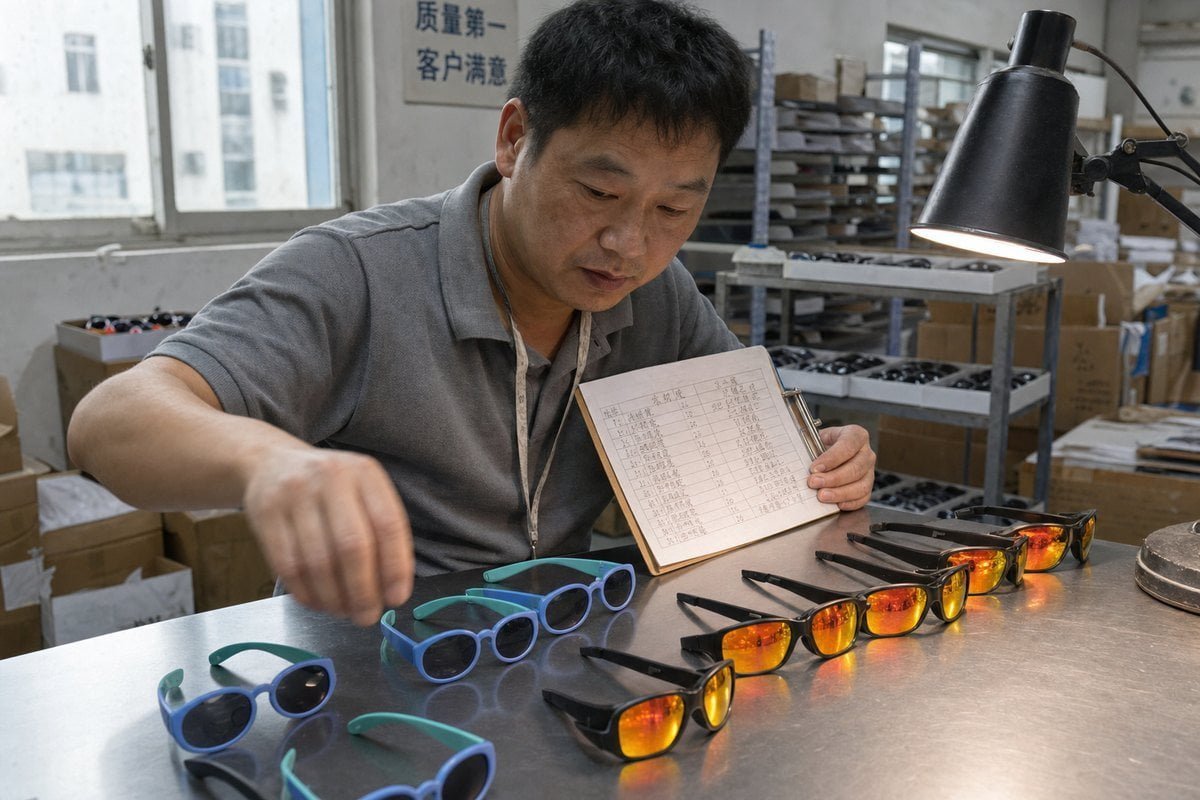
Buyers ask me about the cost-effectiveness of kids’ sunglasses brands almost weekly, usually after a cheap shipment cracked, faded, or failed a safety check and damaged their reputation.
To evaluate the cost-effectiveness of kids’ sunglasses brands, compare verified UV400 protection, frame material quality, durability, fit, and supplier support against total cost of ownership — not unit price alone. The best value is the pair that lasts longest, gets worn daily, and truly protects young eyes.
That sounds simple. In practice, it requires looking past the quote sheet. Let me walk you through how experienced buyers actually do it.
What Factors Should I Weigh Beyond the Unit Price When Comparing Kids' Sunglasses Suppliers?
Last year, a European buyer showed me two quotes: ours and one thirty percent lower. Six months later, he came back after the cheaper supplier's hinges failed in retail returns.
Beyond unit price, weigh verified UV400 lens protection, frame material safety, durability testing, defect rates, packaging quality, warranty support, lead-time reliability, and communication. A slightly higher unit cost often delivers a lower total cost per sellable, returned-free unit over time.
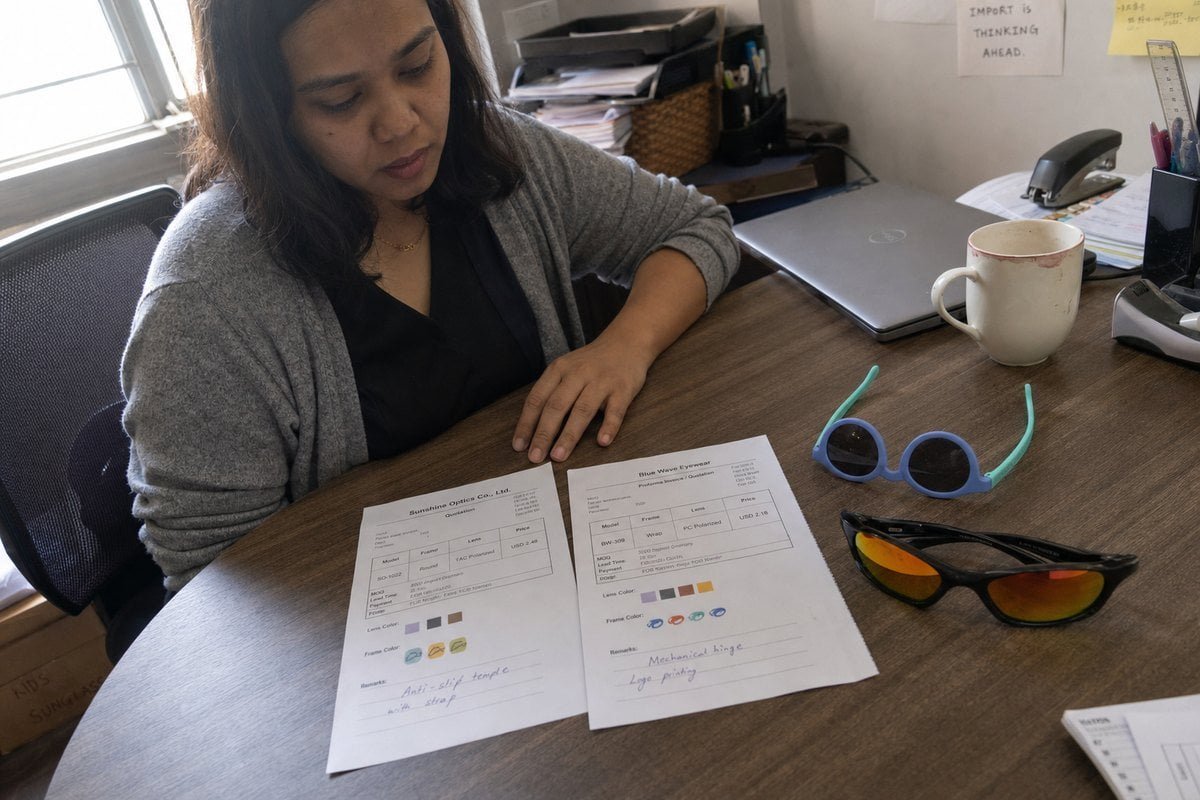
Unit price is the easiest number to compare, so it gets too much attention. But it is only one input in a bigger equation. In our fifteen years making children's eyewear in Taizhou, the buyers who succeed long-term almost never choose on price alone. They score suppliers across several dimensions, then calculate what each unit really costs after returns, replacements, and lost customers.
Here is a practical way to frame the comparison:
| Factor | Why It Matters | What to Ask For |
|---|---|---|
| UV400 protection | Blocks UVA and UVB rays; non-negotiable for children | Lens test reports, spectrometer data |
| Material safety | Kids chew and bend frames | BPA-free construction 1 documentation |
| Durability | Reduces returns and replacements | Hinge cycle tests, drop tests |
| Fit and comfort | Determines whether kids actually wear them | Sizing charts by age group |
| Defect rate | Directly affects your margin | QC process description, AQL levels |
| Packaging | Affects retail presentation and damage in transit | Retail-ready packaging 2 samples |
| Warranty and support | Reduces your long-term risk | Written replacement policy |
Think in Cost Per Sellable Unit
A useful formula I share with new buyers: divide your total landed cost 3 by the number of units that actually sell and stay sold. A $2.00 pair with a 10% defect and return rate can cost more per good unit than a $2.40 pair with a 1% rate. Add the customer-service time and refunded shipping, and the gap widens further.
Reliability Has a Price Too
Late shipments cost you seasonal sales. Sunglasses are seasonal in most markets, so a container that arrives three weeks late for summer can wipe out the savings from a lower quote. We run a 5S-managed workshop 4 with about 120 workers precisely because consistency, not just capacity, is what B2B buyers pay for. When you compare suppliers, ask about on-time delivery history and how they communicate when problems arise. Silence during a production issue is the most expensive thing a supplier can sell you.
How Do I Know If a Manufacturer's Material Quality Justifies Their Pricing?
There is a bend test we run on every TPEE temple batch before shipment: twist it past ninety degrees, hold, release. If it does not return true, the batch does not ship.
A manufacturer's pricing is justified when they can prove their claims: certified UV400 lenses, impact-resistant polycarbonate, genuine TR90 or TPEE frames, BPA-free construction, and documented testing to standards like ANSI Z80.3. Real material quality shows up in test reports, not marketing language.
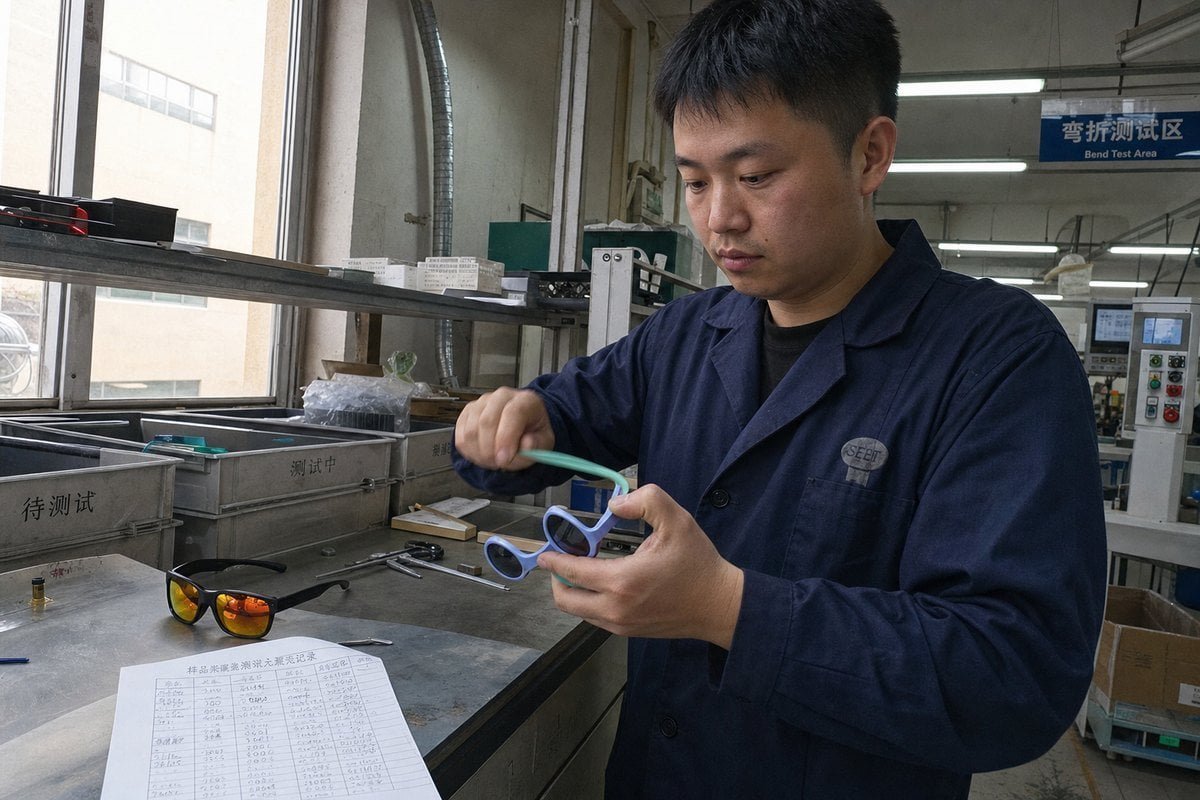
Material claims are where the kids' eyewear industry gets murky. Almost every supplier says "flexible," "safe," and "UV protective." The difference between those words being true or hollow is often the entire gap between two price quotes. So how do you verify?
Know What the Real Materials Cost and Deliver
Genuine flexible frame materials are not interchangeable with cheap PC or recycled plastics. TR90 is a nylon-based polymer with memory flexibility. TPEE goes further — it is softer, more elastic, and gentler on a child's face, which is why we pair TR90 fronts with TPEE temples on many of our styles. These materials cost more as raw inputs. If a quote is dramatically below market and still claims TR90, be skeptical.
| Material | Flexibility | Safety Profile | Typical Price Tier | Best Use |
|---|---|---|---|---|
| Standard PC plastic | Low | Can snap into sharp edges | Lowest | Promotional giveaways |
| TR90 | High, memory return | Bends without breaking | Mid | Everyday kids' frames |
| TPEE | Very high, rubbery | Softest on skin, hardest to break | Mid-high | Toddlers, active kids |
| TR90 + TPEE combo | High front, very high temples | Balanced structure and comfort | Mid-high | Premium kids' lines |
Verify the Lenses, Not Just the Frames
Ask for spectrometer reports confirming UV400 protection against both UVA and UVB rays. Ask whether lenses are impact-resistant polycarbonate 5, which resists shattering when a child falls or throws the glasses. Check whether the scratch-resistant coating is hard-coated or merely dip-coated; cheap dip-coated lenses delaminate and haze within months, which quietly destroys the product's usable life. If a supplier offers polarized options, ask them to explain polarized lens benefits honestly — glare reduction near water and snow — rather than treating polarization as a magic upgrade on every SKU.
Ask for Standards, Not Adjectives
Documentation to recognized benchmarks such as ANSI Z80.3 6 or CE marking separates real children's eyewear from toy-grade sunglasses. A factory confident in its materials will hand over reports quickly. Hesitation is itself an answer.
Can Choosing From Existing Styles Help Me Reduce My Development Costs and Launch Risk?
A startup founder from Australia once told me her biggest fear was not price — it was spending $15,000 on molds for a design her market might reject.
Yes. Selecting from a manufacturer's existing style library eliminates mold investment, cuts development time from months to weeks, and lets you test market demand with small orders. You can still customize colors, logos, lenses, and packaging to build a distinct brand identity.
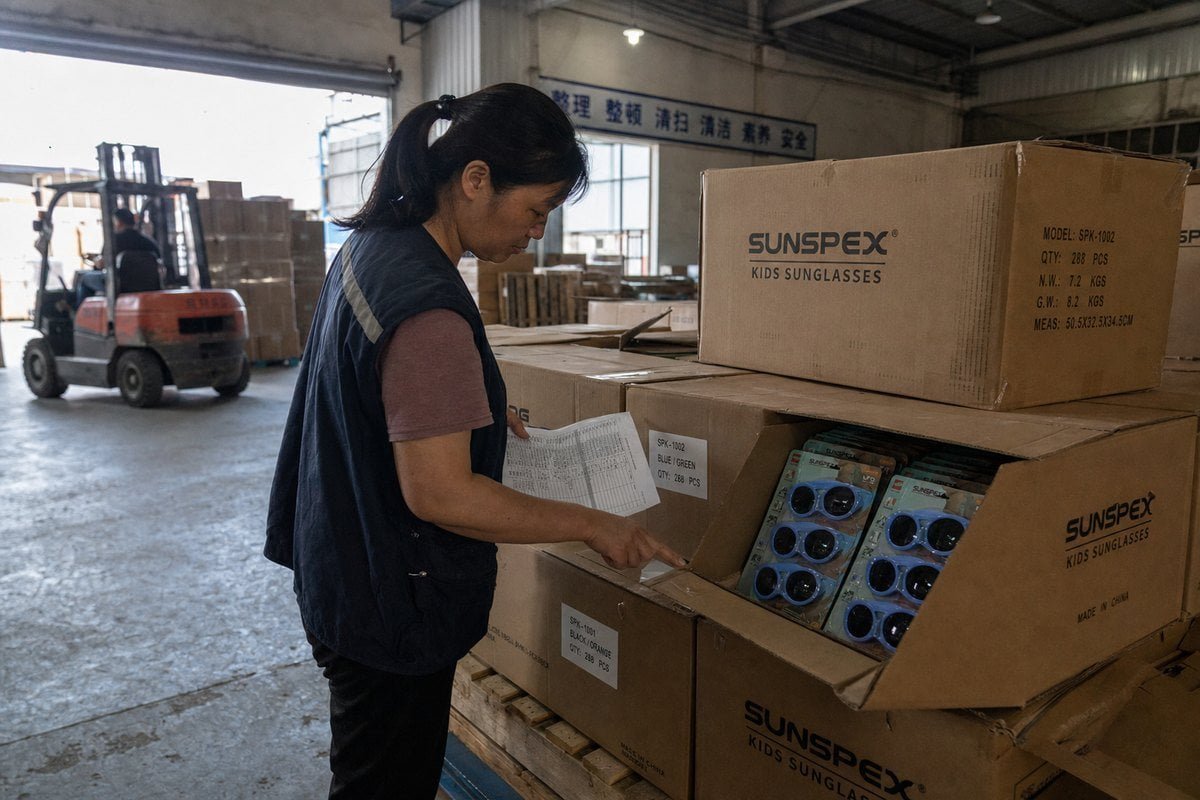
New brands often assume they must design from scratch to stand out. In reality, the fastest and safest path to market usually runs through an existing catalog. At our factory, buyers can choose from roughly 800 existing styles — from soft pastel round frames with flexible TPEE temples for toddlers, to sporty wraparound shield designs with mirrored gradient lenses for older, active kids. Both extremes come from the same production line, which means one supplier can cover your whole age range.
What Custom Molds Actually Cost You
Consider the two paths side by side:
| Cost Element | Fully Custom Design | Existing Style + Customization |
|---|---|---|
| Mold investment | Significant upfront tooling cost | None |
| Development time | Several months | A few weeks |
| Minimum order pressure | High, to recover tooling | Lower, flexible |
| Market risk | Full exposure on one design | Spread across multiple styles |
| Brand differentiation | Maximum | Strong, via colors, logos, packaging |
Customization Without the Tooling Bill
Choosing an existing style does not mean selling a generic product. Through OEM/ODM support 7, you can specify your own frame colors, apply your logo to temples and lenses, upgrade to polarized or mirrored UV400 lenses, and design retail-ready packaging with cases, cloths, and adjustable head straps as bundled accessories. To a retail customer, the result looks and feels like your original design. The difference is invisible on the shelf but very visible on your balance sheet.
Test First, Invest Later
The smartest launch pattern I have seen repeated across our 20+ export markets is this: start with three to five existing styles, run a season, learn which shapes and colors your customers actually buy, then invest in custom molds only for proven winners. This sequencing turns product development from a gamble into a data-driven decision. It is the single biggest lever a new kids' brand has for reducing launch risk.
What Hidden Costs Should I Watch For When Calculating True Cost-Effectiveness in a Kids' Eyewear Partnership?
One lesson our export team learned early: a buyer never remembers the unit price a year later. They remember the return rate, the late container, and the packaging that arrived crushed.
Watch for hidden costs from defects and returns, replacement shipments, weak packaging, missing certifications that block customs, unresponsive communication, seasonal delivery delays, and no warranty support. These costs rarely appear in quotes but often exceed the savings from a cheaper supplier.
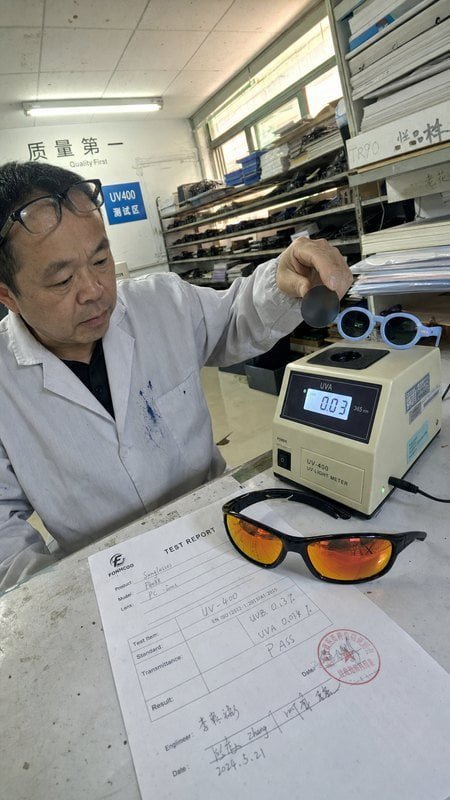
Quotes tell you what you will pay the factory. They do not tell you what the partnership will cost you. After fifteen years supplying children's and baby product brands, importers, and optical companies, I can group the hidden costs into a few predictable categories.
Compliance and Customs Risk
Children's products face stricter scrutiny at borders. Missing test reports, unverifiable UV400 protection claims, or the absence of BPA-free construction documentation can hold a shipment at customs or trigger a recall. A recall in a kids' category is not just expensive; it can end a small brand. Always confirm the supplier can provide the documentation your specific market requires before you order, not after.
The Return-and-Replacement Spiral
Every broken hinge or scratched lens that reaches a customer costs you three times: the refund, the replacement shipping, and the review. Some brands offset this with a lifetime replacement warranty or lost-and-found guarantee at retail — a strong selling point, but only viable if your factory's defect rate is low enough to make that promise affordable. Weak QC upstream makes generous policies downstream impossible.
Operational Friction
Slow email replies, unclear change orders, and surprise delays consume your team's hours. Time is a real cost. So is inventory stuck in transit past the summer selling window.
A Quick Hidden-Cost Checklist
- Ask for the supplier's AQL inspection standard in writing.
- Request drop-test and hinge-cycle results, not just claims.
- Review packaging samples for transit durability.
- Confirm certification documents for your destination market.
- Test communication speed during sampling — it predicts production behavior.
- Clarify who pays for replacements when defects exceed the agreed threshold.
Run every quote through this list. The cheapest offer often stops looking cheap by item three.
Conclusion
True cost-effectiveness means verified protection, durable materials, low hidden costs, and a supplier who reduces your risk — because the cheapest quote is rarely the cheapest partnership.
Footnotes
1. FDA resource explaining safety regulations and the use of Bisphenol A in consumer products. ↩︎
2. Explains packaging that is ready for retail display, reducing handling costs and improving presentation. ↩︎
3. Defines the comprehensive cost of a product including shipping, taxes, and fees. ↩︎
4. Official EPA guide to 5S methodology for lean manufacturing and waste reduction. ↩︎
5. Authoritative AAO guide on the impact resistance of polycarbonate lenses for eye safety. ↩︎
6. The official American National Standard for non-prescription sunglasses and fashion eyewear requirements. ↩︎
7. Details the manufacturing relationship where a factory designs and manufactures products for another brand. ↩︎
More Articles You Might Like
August 1, 2026
Should Factory Handle Kids Sunglasses Packaging & Labeling, or Use a Designated Supplier?
August 1, 2026
Own Warehouse vs Supplier Direct Fulfillment: Which Cuts Return Costs for Kids Sunglasses Brands?
August 1, 2026
Direct-to-Port Warehouse or Overseas Staging: Which Saves More on Kids Sunglasses Shipping?
Looking for a Reliable Kids Eyewear Partner?
Explore 800+ ready styles and full OEM/ODM support tailored to your brand.
Get in Touch English
  Español de México
  Deutsch
  Français
  日本語
日本語  العربية
  Português do Brasil