How Do Electroplating, Spray Coating, and IP Treatment Compare for Kids’ Optical Frames?
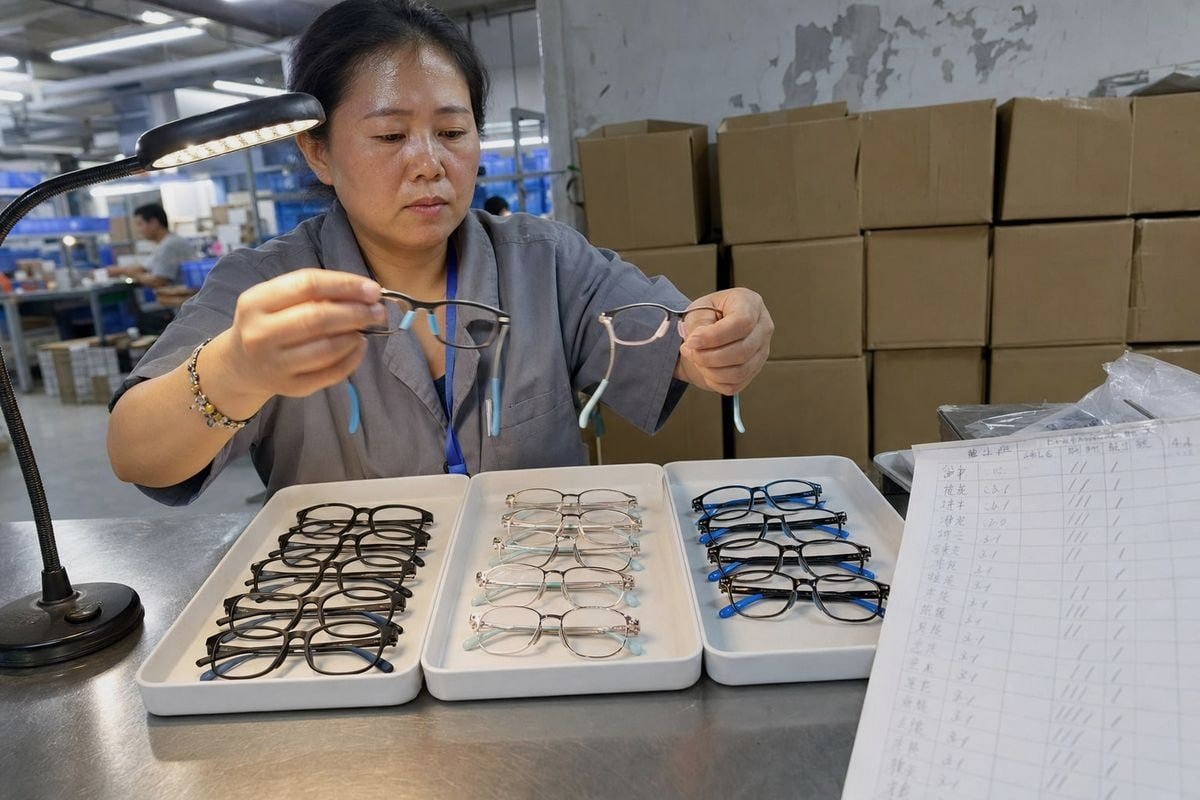
Choosing between electroplating, spray coating, and IP treatment for kids’ optical frames 1 confuses many buyers who visit our Taizhou factory. Pick wrong, and frames peel, fade, or irritate skin. Our production line has finished thousands of children’s frames, so I can explain the real differences.
Spray coating is the most affordable and color-flexible finish for kids’ optical frames, electroplating offers a balanced metallic look at mid-range cost, and IP treatment delivers the hardest, most scratch-resistant, hypoallergenic surface. The best choice depends on frame material, budget, order volume, and how rough the child is.
Each process solves a different problem. Below, I break down safety, durability, appearance, and cost so you can match the right finish to your product line.
How do I know which surface treatment is safest for my kids' optical frames?
A procurement manager from Europe once asked me a blunt question: which finish is least likely to trigger a child's skin reaction? That question shaped how we specify coatings today.
IP treatment is generally the safest surface finish for children because it vacuum-seals the metal and blocks nickel leaching, creating a hypoallergenic barrier. Spray coating is also safe when non-toxic pigments are used. Electroplating requires careful control to meet nickel release standards.

Safety for children's eyewear comes down to two things: what touches the skin, and what happens when the coating wears away. Kids sweat more than adults relative to their size, and their sweat can be more acidic. That sweat sits on the nose pads and temple tips for hours every day.
Why nickel contact matters
Traditional water-bath electroplating can expose nickel layers over time. If the top layer wears through, the nickel underneath contacts the skin. For children with sensitive skin or contact dermatitis 2, that is a real risk. This is why nickel release standards exist in the EU, and why REACH compliance is non-negotiable for any frame we ship to European buyers. IP treatment, by contrast, deposits a dense, uniform layer in a vacuum chamber. It acts as a biocompatible coating that seals the substrate completely, which is why the industry treats it as the hypoallergenic finish of choice.
Spray coating safety depends on the paint
Spray coating is safe when the factory uses non-toxic pigments and holds lead-free certification for its paint system. Ask your supplier for documentation. In our workshop, we specify child-safe paint chemistry for every sprayed frame, because a child will inevitably chew a temple tip at some point.
| Safety Factor | Electroplating | Spray Coating | IP Treatment |
|---|---|---|---|
| Nickel leaching 3 risk | Moderate, needs control | Very low | Very low (sealed barrier) |
| Skin-contact compliance | Requires testing | Depends on pigments | Strong by design |
| Chemical process runoff | Higher (liquid baths) | Moderate | Lowest (vacuum chamber) |
| Best for sensitive skin | With barrier layers | Yes, with safe paints | Yes, premium choice |
One more point on safety that buyers often miss: IP treatment is also the most environmentally sustainable process of the three. It happens in a sealed vacuum chamber and avoids the toxic chemical runoff associated with traditional water-based electroplating. For brands marketing eco-conscious children's products, that matters in your story too.
Which coating option offers the best durability for active children?
The hardest trade-off we weigh on our line is durability versus cost. Kids' frames get dropped, bent, sat on, and scraped across playground concrete — no adult frame faces that abuse.
IP treatment offers the best durability for active children, with surface hardness of 2000–3000 HV versus 200–400 HV for standard electroplating, plus 200+ hours of salt spray resistance. Electroplating is a solid middle option. Spray coating scratches and chips most easily.
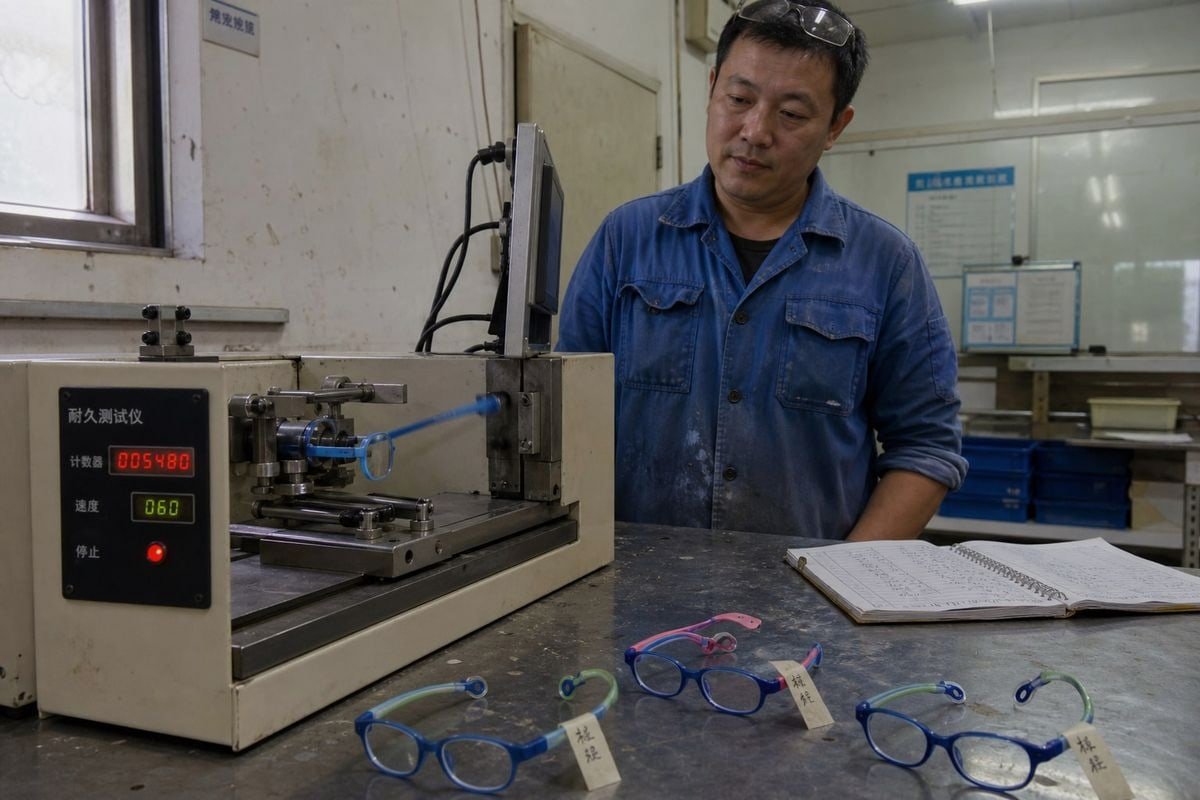
Durability is where the three processes separate most clearly. The numbers tell the story better than adjectives do.
The hard data on wear resistance
IP coatings reach a surface hardness 4 of 2000–3000 HV. Standard water plating sits around 200–400 HV. That is not a small gap — it means an IP-treated frame resists scratching roughly five to ten times better in hardness terms. Salt spray test results show the same pattern: IP finishes survive 200+ hours, while typical water plating fails at 24–48 hours. Since a child's sweat behaves like a mild salt solution, the salt spray test is the closest lab proxy for real playground wear.
| Durability Metric | Electroplating | Spray Coating | IP Treatment |
|---|---|---|---|
| Surface hardness | 200–400 HV | Lowest | 2000–3000 HV |
| Salt spray resistance | 24–48 hours | Varies, often low | 200+ hours |
| Failure mode | Pitting, peeling | Scratching, chipping | Rare edge wear |
| Adhesion quality | Good if controlled | Moderate | Excellent |
| Color fading resistance | Moderate | Lower | Highest |
What failure actually looks like
Each finish fails differently. Electroplating tends to pit and peel when exposed to the high-acidity sweat typical of active children, especially at hinges and edges where the coating is thinnest. Spray coating scratches and chips over time, usually starting at the temple tips and frame corners. IP treatment fails last and most gracefully — the adhesion quality is so strong that wear shows as gradual dulling, not flaking.
In our fifteen years of building children's eyewear, we have found that adhesion quality at the edges predicts frame lifespan better than any spec sheet. When buyers ask us for abrasion testing, we always check hinge zones and nose bridge areas first, because that is where kids' frames die.
How do electroplating, spray coating, and IP treatment affect the final look and finish of my frames?
Something I learned early in our export business: children choose glasses with their eyes, but they keep wearing them because of how the frames feel. Finish drives both.
Spray coating delivers the widest color range, including bright saturated tones, matte textures, and soft-touch grips. Electroplating produces a bright, high-gloss metallic shine. IP treatment gives deep, uniform metallic colors with superior color stability that resists fading over years of wear.
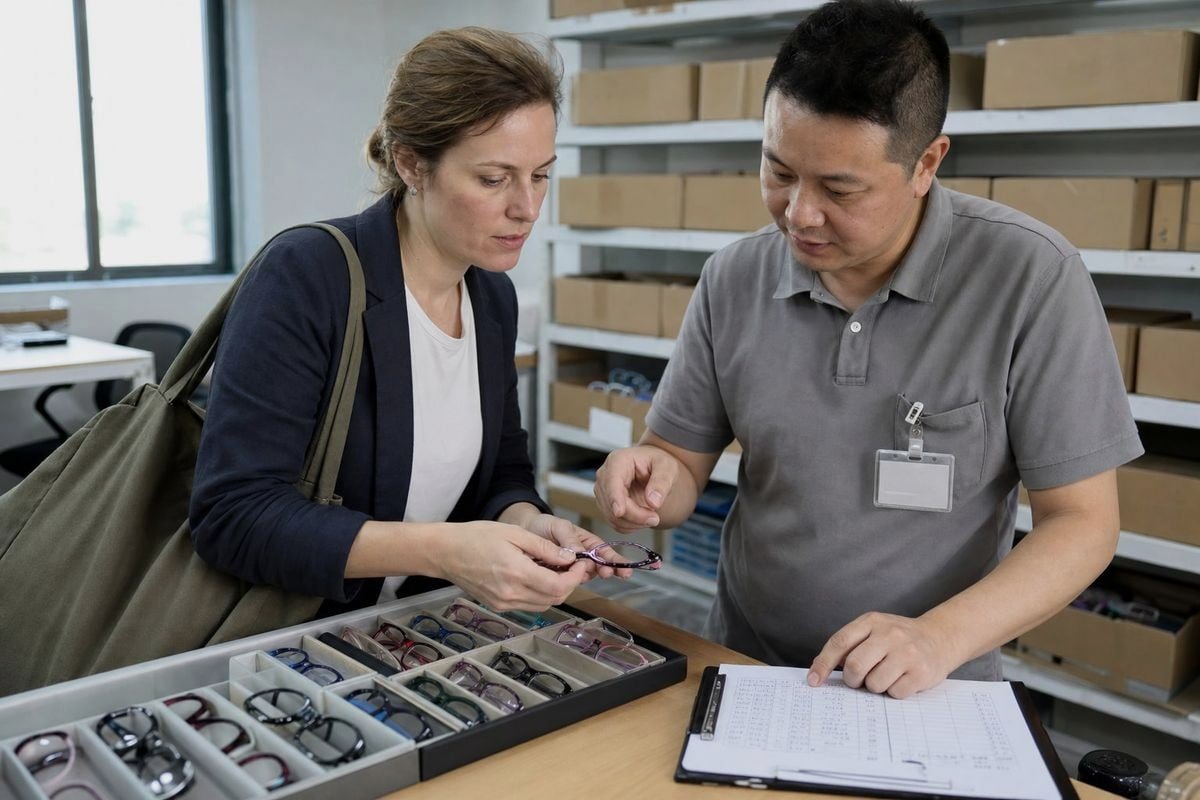
Appearance is not just marketing. For kids' eyewear, color drives compliance. A child who loves the look of their frames actually wears them. This is where spray coating earns its place despite weaker wear resistance.
Color freedom versus metallic depth
Spray coating supports almost any color: candy pastels, neon brights, two-tone color blocking, gradients, and matte finishes. One of our popular optical styles pairs a glossy black TR90 front with navy blue temples fading to sky-blue silicone tips — that playful color-blocking effect is only practical with sprayed and molded color techniques. Another style uses a translucent pale pink acetate front with matte pastel pink temples; the glossy-to-matte contrast is a finish decision, not just a color decision.
Electroplating gives you the classic bright chrome, gold, or gunmetal shine. IP treatment, built on PVD vacuum deposition, produces deeper and more uniform metallic tones — think rich rose gold or dark graphite — with the best color fading resistance of the three.
Texture and touch innovations
Two newer spray technologies matter for children specifically:
- Soft-touch polyurethane coatings create a non-slip, rubbery grip that helps frames stay put on a child's underdeveloped nasal bridge.
- Antimicrobial spray coatings inhibit bacterial growth on frames that kids constantly drop, share, and misplace.
- Hybrid coating stacks — a clear IP protective layer applied over a colored spray coat — combine spray's color variety with industrial-grade chip resistance. High-end makers increasingly use this approach.
| Look & Feel Factor | Electroplating | Spray Coating | IP Treatment |
|---|---|---|---|
| Color range | Limited metallics | Widest, unlimited | Moderate metallics |
| Finish types | High-gloss shine | Gloss, matte, soft-touch | Deep uniform metallic |
| Texture options | Smooth only | Rubberized, textured | Smooth, satin |
| Long-term appearance | Can dull or pit | Can chip or fade | Stays consistent longest |
Which surface treatment should I choose for cost-effective, large-volume orders?
A distributor from Australia recently asked us to quote the same frame in all three finishes. The price spread surprised him — and the ranking is consistent across the industry.
Spray coating is the most cost-effective finish for large-volume kids' frame orders, with the lowest per-unit cost, low minimums, and fast color sampling. Electroplating costs moderately more. IP treatment is the most expensive but reduces returns and replacements on premium lines.
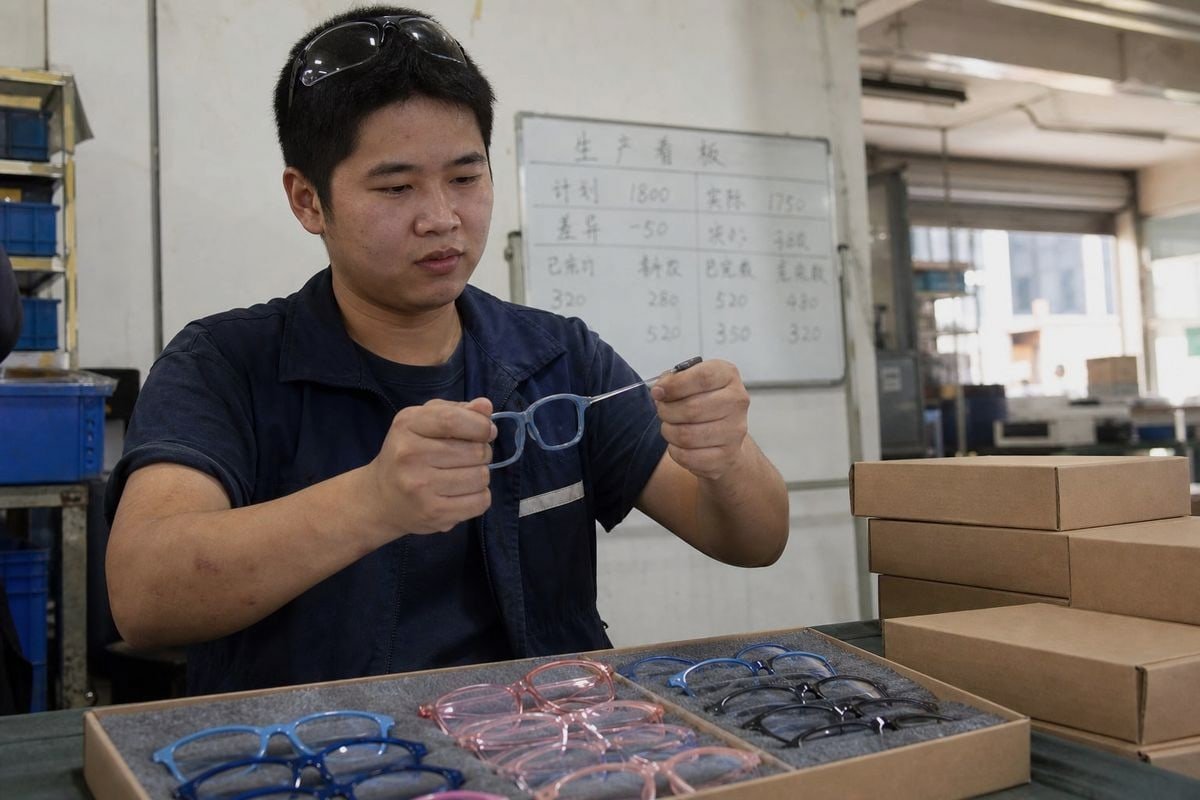
Cost ranking is straightforward: spray coating is lowest, electroplating sits in the middle, and IP plating carries the highest cost among common coloring processes. But the smart question is not "which is cheapest per unit" — it is "which finish matches my product tier and volume strategy."
Match the finish to your business model
Spray coating supports lower minimum order quantities and faster color-sampling turnaround. That makes it ideal for boutique brands, seasonal kids' collections, and importers testing new markets. This is exactly why we keep roughly 800 existing styles available — a new brand can launch a sprayed-color collection without heavy mold investment and pivot colors each season.
Electroplating makes sense when your line needs a metallic look at a mid-range price and your volumes justify the plating bath setup. IP treatment fits premium positioning: titanium kids' frames, higher-end optical lines, and markets where parents pay for longevity. The real cost of a finish includes early wear, peeling, and replacement frequency — a cheap coating that fails in six months costs your brand more than the finish savings.
Questions to ask your supplier
Be careful: some supplier materials blur "IP plating," "ion plating," and "PVD" into one vague claim. Before you order, ask for:
- The exact process name and substrate compatibility.
- Coating thickness specifications.
- Salt spray test and adhesion test results.
- REACH compliance and nickel release documentation for metal parts.
- Non-toxic pigment and lead-free certification for sprayed finishes.
One caution for forward-looking buyers: as smart kids' frames with GPS or Bluetooth features emerge, non-conductive spray coatings become vital, because metallic electroplated or IP finishes can interfere with wireless signals. Our engineers flag this whenever a client mentions electronics integration.
Conclusion
Spray coating wins on color and cost, electroplating balances shine and price, and IP treatment wins on durability and safety. Match the finish to your material, volume, and market tier.
Footnotes
1. Provides a general overview of eyeglass frame components and materials used in the optical industry. ↩︎
2. Clinical information on contact dermatitis, a common skin reaction to metal allergens like nickel in eyewear. ↩︎
3. Official ECHA resource regarding nickel restrictions and health risks associated with skin contact in consumer products. ↩︎
4. Authoritative and accessible explanation of Vickers hardness testing. ↩︎
More Articles You Might Like

August 5, 2026
Bio-Based vs Regular Cellulose Acetate: What's the Difference for Kids' Frames?

August 5, 2026
How Recyclable Are Kids' Optical Frame Materials, and What Eco-Friendly Alternatives Exist?
August 5, 2026
Do Kids Optical Frames Whiten or Age in Storage, and How to Control Warehouse Conditions?
Looking for a Reliable Kids Eyewear Partner?
Explore 800+ ready styles and full OEM/ODM support tailored to your brand.
Get in Touch English
  Español de México
  Deutsch
  Français
  日本語
日本語  العربية
  Português do Brasil