How Do I Decide Between Infant/Toddler and Teen Size Lines for Kids’ Optical Frames?
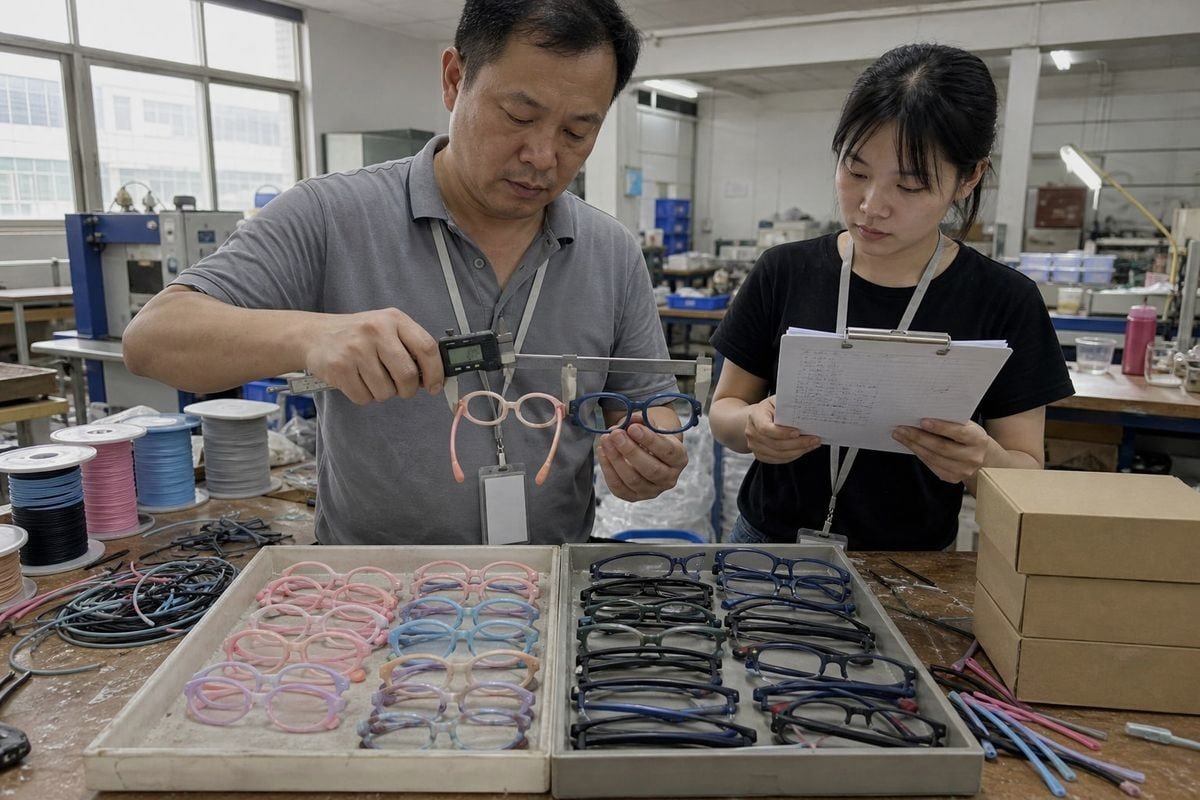
Choosing between [infant/toddler and teen size lines](https://okayeyewear.com/?p=5307) for kids’ optical frames keeps many buyers stuck. I see this hesitation weekly on our production floor in Taizhou.
Decide between infant/toddler and teen size lines by facial proportions, not age labels. Infant/toddler frames run roughly 38–44 mm lens width with flexible materials and retention features; teen frames run 48–54 mm with adult-like styling. Match your target market’s demand, then split your collection accordingly.
That is the short answer. But the real decision involves measurements, market data, mold costs, and manufacturer capability. Let me walk you through each piece, step by step.
What Size Ranges and Fit Points Should I Use to Split My Kids' Frame Collection by Age?
A buyer from Australia once sent us a single "kids" spec sheet covering ages one to fifteen. Our engineers had to explain gently: that is not one product line. It is at least two.
Split your collection using four fit points: lens width, bridge width, temple length, and overall frame width. Infant/toddler frames cluster at 38–44 mm lens width, 12–16 mm bridges, and 110–125 mm temples. Teen frames need 48–54 mm lenses, 16–20 mm bridges, and 130–145 mm temples.
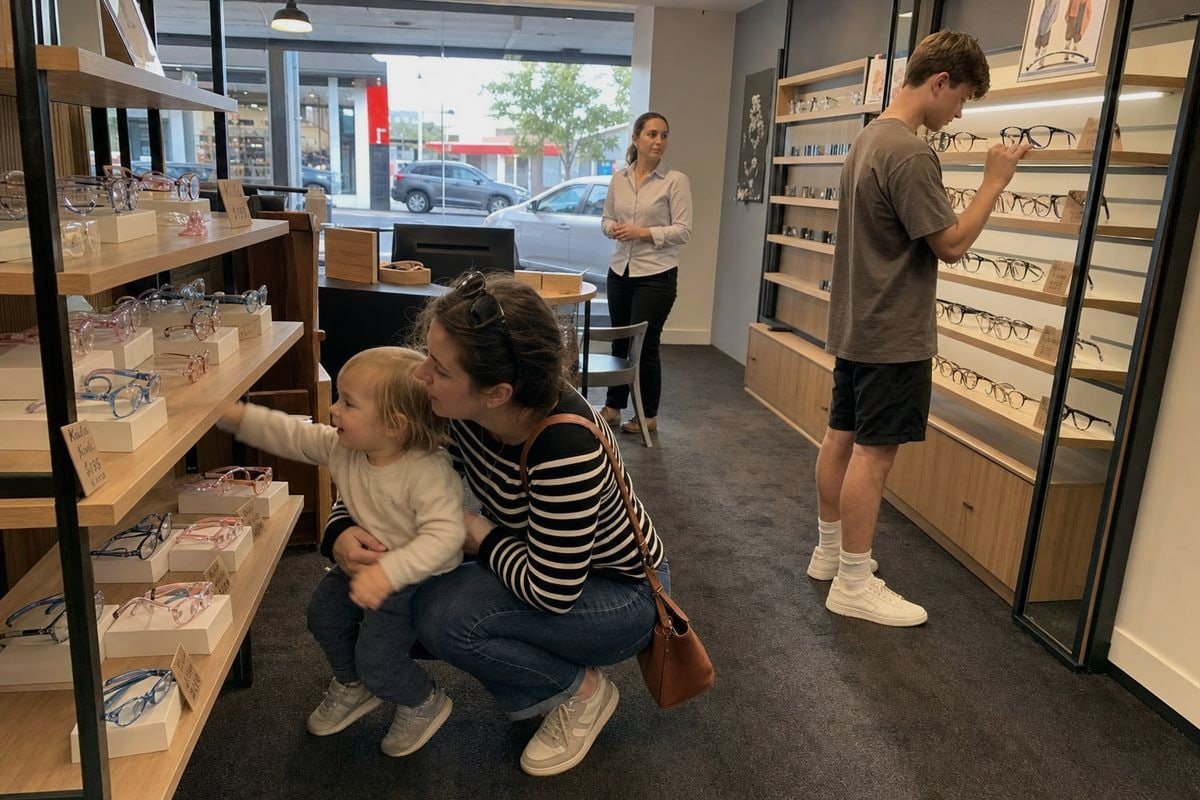
Age is only a rough shortcut. Brands define "toddler" and "teen" differently, so the label alone will confuse your customers. What stays consistent across all pediatric optometry guidance 1 is the measurement pattern. Smaller faces need smaller eye sizes, narrower bridges, and shorter temples. Older kids move toward small-adult dimensions.
The Core Measurement Bands
Here is the working table we share with new B2B buyers when they plan a collection split:
| Age Band | Lens Width | Bridge Width | Temple Length |
|---|---|---|---|
| Baby (0–2) | 38–42 mm | 12–14 mm | 110–120 mm |
| Toddler (2–4) | 40–44 mm | 13–15 mm | 115–125 mm |
| Elementary (5–9) | 44–48 mm | 15–17 mm | 125–135 mm |
| Pre-teen/Teen (10–16) | 48–54 mm | 16–20 mm | 130–145 mm |
Why Bridge Fit Matters Most for the Youngest Group
Infants and toddlers have low, still-developing nose bridges. If the bridge fit is wrong, the frame slides no matter how good everything else is. That is why our infant styles use soft saddle bridges or adjustable nose pads molded from flexible material, plus cable-style temple ends for retention. Teen frames can rely on more structured bridges because the nose has matured.
Temple Length and Behavior
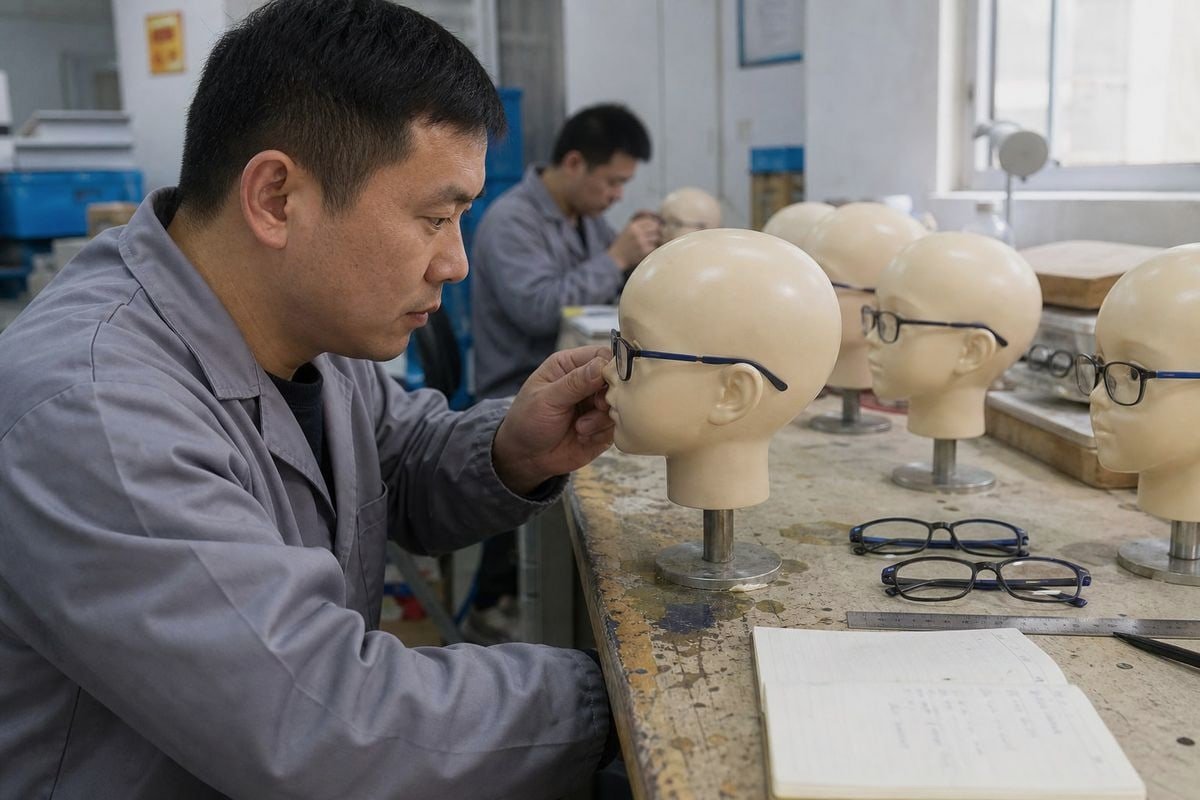
Temple length also affects where the bend sits behind the ear. A bend that starts too early pushes the frame forward. A bend that starts too late lets the frame drop. We check this on head forms for every size run before mass production, because children's eyewear durability means nothing if the frame will not stay on the face.
How Do I Know If My Target Market Needs More Infant/Toddler Styles or Teen Styles?
In our fifteen years exporting to buyers across 20+ countries, we have noticed a clear pattern: the same brand rarely sells both age groups equally well. Your channel usually decides for you.
Check three signals: where your customers already shop (baby stores favor infant/toddler; optical chains favor teen), local pediatric screening ages, and your existing product mix. Brands rooted in baby products should lead with infant/toddler lines; fashion or optical-focused brands should lead with teen styles.
The buying behavior behind each line is completely different. Parents choose infant and toddler frames alone. They prioritize safety, softness, and retention. Teens choose their own frames. They prioritize looks, and they reject anything that feels babyish, even when the fit is technically correct. Teenager glasses styles now closely follow small adult trends, which actually helps compliance.
Read Your Channel Before Your Catalog
A baby product brand we work with in Japan sells through maternity retailers. Their teen line failed twice because teens simply do not shop there. Meanwhile, an optical distributor in Europe moved almost nothing in infant sizes because parents of babies rarely walk into their stores without a referral from pediatric optometry clinics. Match the line to the foot traffic you actually have.
Signals Worth Tracking
Consider these demand indicators before committing:
- Prescription trends. Myopia rates 2 climb sharply from age eight onward, so teen demand is larger in volume in most markets.
- Screening programs. Countries with early vision screening create steady infant/toddler demand through medical referral.
- Screen-time concerns. Parents increasingly ask about blue light filtering 3 for school-age kids and teens, which supports a teen line with lens options.
- Competitor gaps. Infant/toddler is underserved in many markets because fewer factories handle truly flexible frames well. That gap can be your opening.
Also watch material expectations. Parents of infants ask us about hypoallergenic and environmentally friendly materials far more often than teen-focused buyers do. That shapes not just sizing but your whole marketing story.
Can I Launch Both Infant/Toddler and Teen Size Lines Without Overinvesting in Molds?
Mold cost is the objection I hear most from founders launching a first eyewear line. One buyer told me she had been quoted five figures for tooling before selling a single frame. There is a smarter path.
Yes. Start with a manufacturer's existing style library instead of custom molds. Select proven infant/toddler and teen shapes, then differentiate through custom colors, logos, lens options, and packaging. Reserve mold investment for later, once sales data shows which line and which shapes actually move.
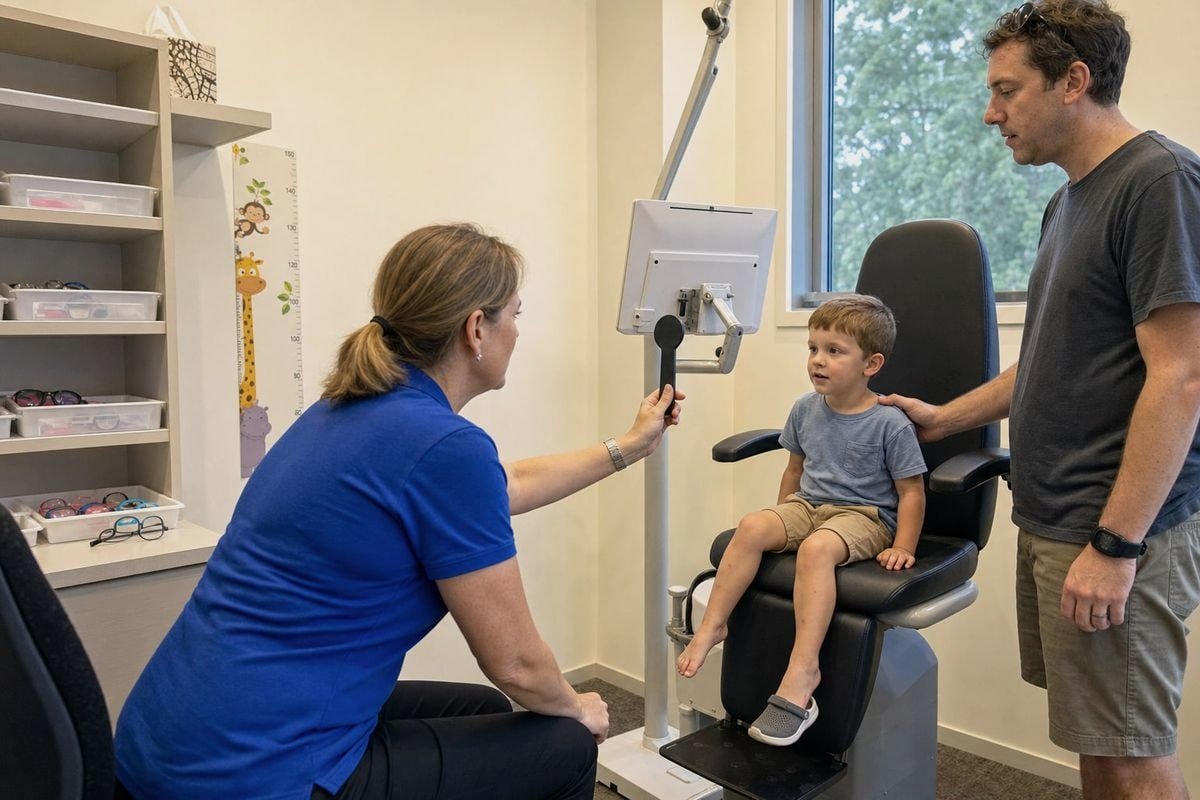
Our factory keeps roughly 800 existing styles across age bands, and this is exactly why. New brands and importers can build a two-line collection with zero tooling cost, test the market, and only cut steel once the data justifies it. In my experience, brands that skip this testing phase often invest in the wrong size band and sit on dead stock.
A Practical Two-Phase Launch Plan
| Phase | Infant/Toddler Line | Teen Line | Investment Level |
|---|---|---|---|
| Phase 1: Test | 3–5 existing flexible TPEE/TR90 styles 4, custom colors and logo | 3–5 existing TR90 styles in on-trend shapes | Low — no molds |
| Phase 2: Scale | Custom mold for your best-selling retention design | Custom mold for your signature silhouette | Targeted — one mold per proven winner |
Where Customization Still Makes You Look Original
Even without molds, an ODM program gives you real differentiation. We regularly help buyers with custom colorways, temple prints, engraved logos, UV400 or blue light filtering lenses, and retail-ready packaging. To a parent in a store, a well-branded existing shape looks fully original.
Balance the Style Split Sensibly
Do not launch fifty-fifty by default. Weight your first order toward the line your channel supports, and keep the other line small as a market probe. A common split we recommend is 70/30. Then let reorders tell you the truth.
What Should I Ask My Frame Manufacturer to Get the Right Fit Across Age Groups?
The hardest lesson from our early export years: buyers who asked us detailed fit questions upfront had far fewer returns than buyers who only asked about price. The right questions protect your brand.
Ask for exact dimension charts per age band, material flex specifications, bridge and temple design details, safety compliance for small parts, and lens options like polycarbonate and blue light filtering. Then request physical samples in each size to verify fit on real head forms.
A good factory should answer every question below without hesitation. If they cannot, they probably buy generic frames rather than engineer them. Since we run our own 5S-managed workshop with about 120 workers, I can tell you which questions separate real children's eyewear specialists from traders.
The Fit and Safety Question Checklist
| Question to Ask | Why It Matters | What a Strong Answer Sounds Like |
|---|---|---|
| What are exact lens, bridge, and temple dimensions per size? | Age labels vary; numbers do not | A full chart with tolerances, per style |
| How flexible is the frame and where does it flex? | Infant frames must survive twisting and pulling | Named materials like TPEE and TR90, with flex demos |
| How is bridge fit handled for low nose bridges? | Prevents sliding on toddler faces | Saddle bridges, soft contact points, or adjustable nose pads |
| Where does the temple bend start on each size? | Correct temple length keeps frames secure | Bend positions matched to each age band's ear position |
| Are there small removable parts? | Choking hazard for under-threes | No detachable small parts on infant styles |
| Which lenses are available? | Impact protection and screen use | Polycarbonate lenses, impact-resistant lenses, UV400, blue light filtering |
Ask About Materials by Age, Not One Material for All
For infants and toddlers, push your supplier toward highly flexible frames — TPEE temples on a TR90 front is a combination we developed specifically because it bends without snapping and sits gently on soft skin. For teens, structure and appearance matter more, so full TR90 with spring-hinge behavior and small-adult styling works better. One material spec across both lines is a red flag.
Always Verify with Samples
Finally, order samples in every size you plan to sell. Check that lenses do not touch cheeks or lashes, that eyes center in each lens, and that frames survive a hard twist test. We encourage every new buyer to do this before confirming an order, because a fit problem found at the sample stage costs days; found after shipping, it costs a season.
Conclusion
Split your kids' optical frames by measurements and market fit, not age labels. Test both lines through existing styles first, then invest in molds. We are glad to help you start.
Footnotes
1. Provides evidence-based guidelines for pediatric eye evaluations and vision screening. ↩︎
2. Details the global prevalence, trends, and projections of myopia in children and adolescents. ↩︎
3. Discusses the potential effects and safety of blue-cut lenses for children, including benefits and concerns. ↩︎
4. Compares TPEE and TR90 materials, highlighting their flexibility and durability for children’s eyewear. ↩︎
More Articles You Might Like

August 5, 2026
Bio-Based vs Regular Cellulose Acetate: What's the Difference for Kids' Frames?

August 5, 2026
How Recyclable Are Kids' Optical Frame Materials, and What Eco-Friendly Alternatives Exist?
August 5, 2026
Do Kids Optical Frames Whiten or Age in Storage, and How to Control Warehouse Conditions?
Looking for a Reliable Kids Eyewear Partner?
Explore 800+ ready styles and full OEM/ODM support tailored to your brand.
Get in Touch English
  Español de México
  Deutsch
  Français
  日本語
日本語  العربية
  Português do Brasil