How to Choose Sea, Air, or Express Shipping for Kids Sunglasses from China?
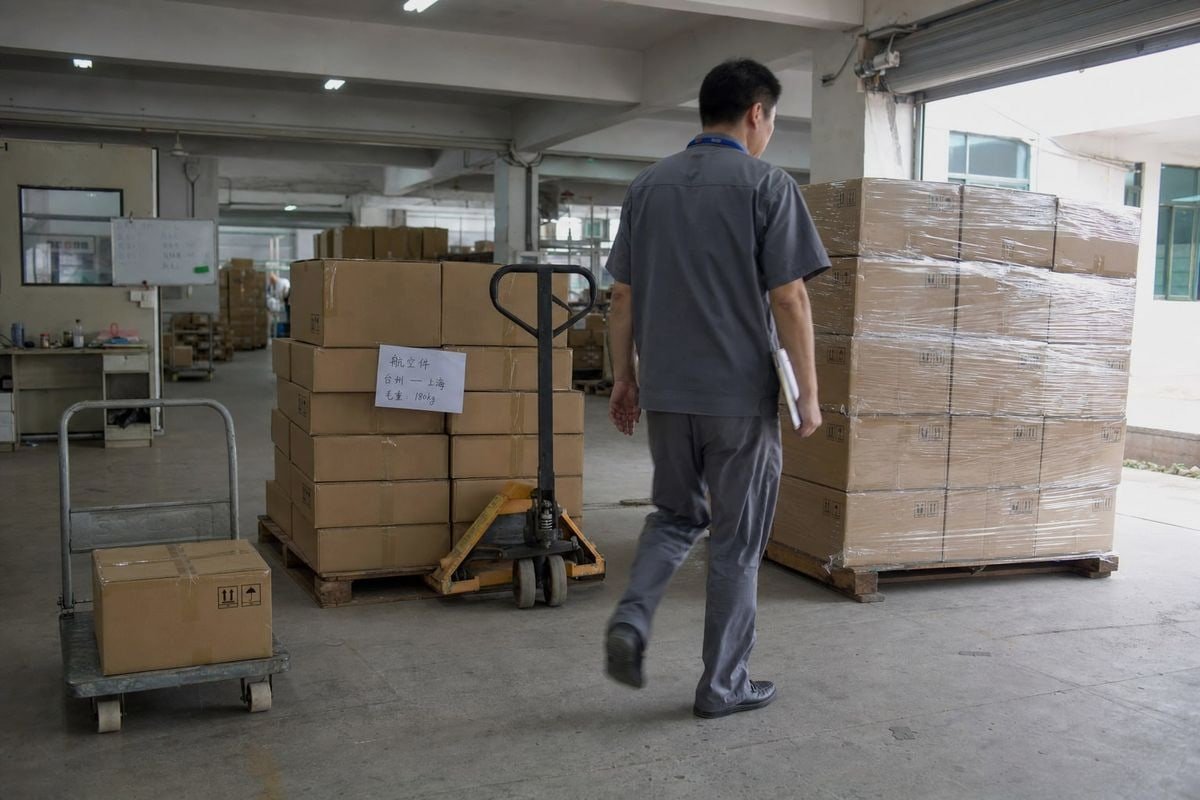
Choosing between sea, air, or express shipping for kids sunglasses from China confuses many buyers. I see it weekly when brands book orders from our Taizhou factory.
Choose express shipping for samples and urgent small parcels, air freight for small-to-medium replenishment orders needing delivery in under two weeks, and sea freight for bulk seasonal inventory where per-unit cost matters most. Match the shipping method to order volume, urgency, and your selling season.
Pick wrong, and you either overpay on freight or miss your summer selling window. Both mistakes hurt margins. Let me walk you through how our buyers decide, step by step.
How do I decide between sea, air, and express shipping based on my order volume and budget?
A distributor in Australia once asked me to express-ship 30 cartons of TR90 kids sunglasses. I ran the numbers with him first, and we switched half the order to air freight and saved him a painful invoice.
Match volume to mode: use express couriers for shipments under roughly 50 kg or sample runs, air freight for 50–300 kg mid-sized orders, and sea freight once cargo exceeds about 100 kg or 1 CBM. Sea freight delivers the lowest per-unit landed cost for bulk kids sunglasses orders.
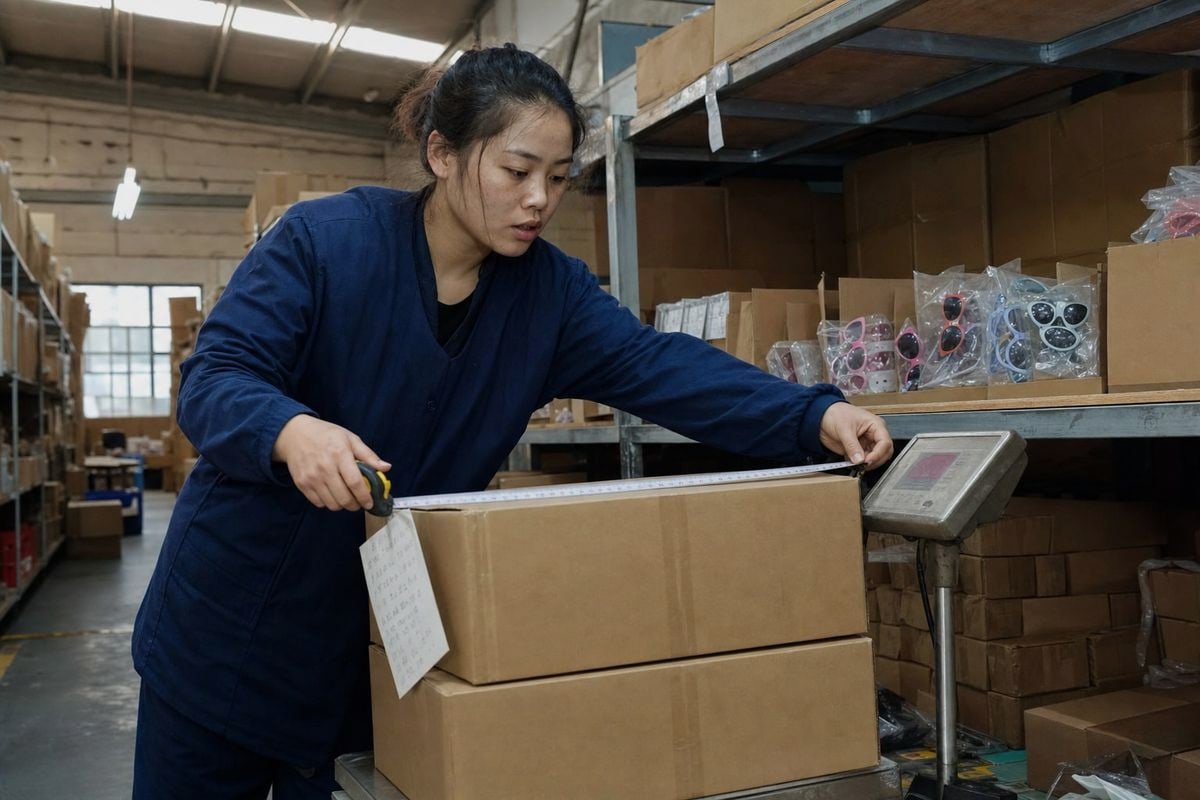
Order volume is the first filter, but budget logic goes deeper than the freight quote. Here is the comparison framework I share with new buyers before they book anything.
| Mode | Best use case | Typical volume | Relative cost | Main drawback |
|---|---|---|---|---|
| Express (DHL/FedEx/UPS) | Samples, urgent small orders | Under 50 kg | Highest per kg | Expensive at scale |
| Air freight | Urgent restocks, mid-sized orders | 50–300 kg | High | Cost climbs fast with volume |
| Sea freight (LCL/FCL) | Bulk seasonal inventory | 100+ kg / 1+ CBM | Lowest per unit | Slow, needs forecasting |
Why small and light does not mean cheap to ship
Kids sunglasses are compact. A single pair with a soft pouch weighs very little. But once you add protective cases, retail boxes, and display inserts, the cartons get bulky fast. Couriers and airlines charge by volumetric weight 1, not just actual weight. In our experience packing mixed SKU orders, the dimensional weight often runs two to three times the actual weight. That flips the math against air and express sooner than most buyers expect.
The landed cost rule of thumb
I encourage buyers to look at freight as a percentage of landed cost. If shipping eats more than about 5% of your landed cost, and the goods are not urgent, sea freight should be your default. Air freight can run four to eight times the cost of sea, and sometimes far more on tight lanes. For a low-to-mid value product like children's sunglasses, that premium erodes margin quickly. Express makes sense for our sample sets and prototype approvals, because speed protects your development timeline. But recurring bulk replenishment by courier is almost never rational. Volume decides the mode; budget confirms it.
What shipping timelines should I expect when importing kids sunglasses from Taizhou?
Timelines are the question I answer most often on buyer calls. After fifteen years exporting eyewear from Taizhou, our team can predict door-to-door windows to most major markets with reasonable confidence.
Express couriers deliver kids sunglasses from Taizhou door-to-door in 3–7 business days. Air freight takes 3–10 days plus customs handling. Sea freight runs 15–45 days depending on destination, with Europe and the US East Coast at the longer end of that range.
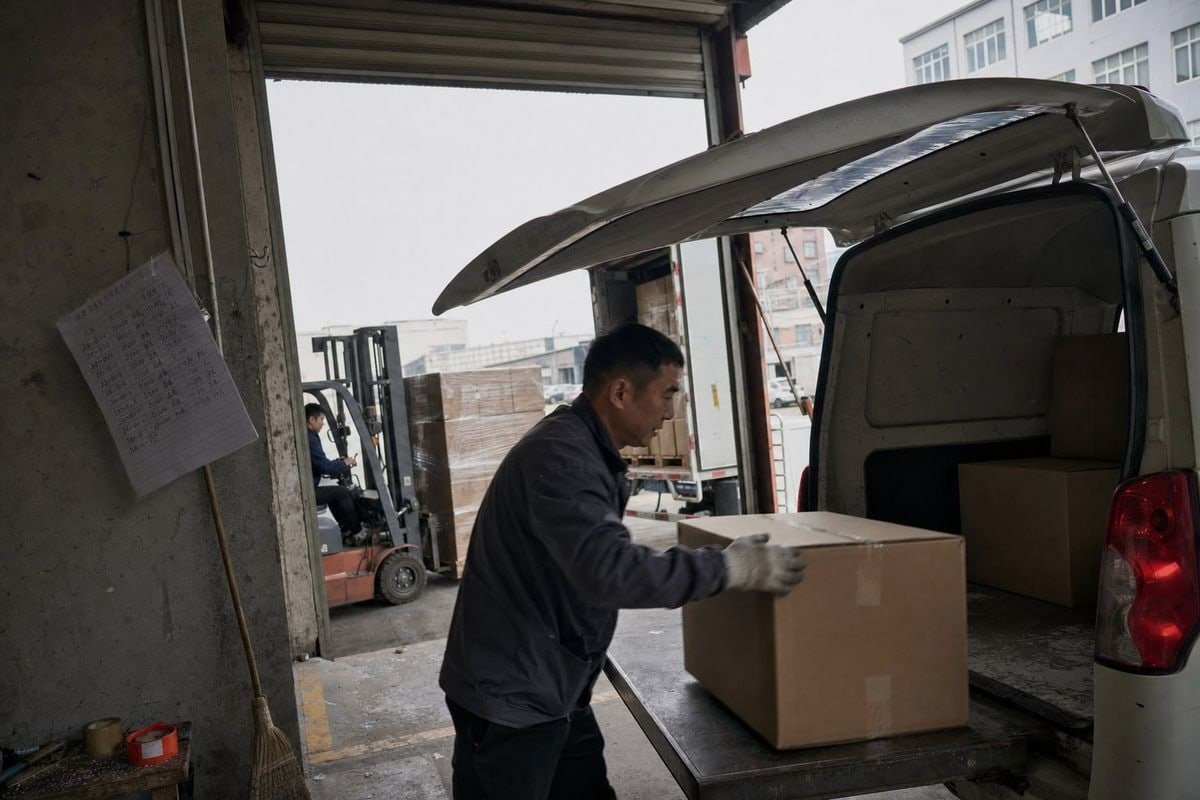
Transit time is only part of the clock. Total lead time starts when you confirm your order, not when cargo leaves the port. Here is how the full timeline typically breaks down for our production and shipping flow.
| Stage | Express route | Air freight route | Sea freight route |
|---|---|---|---|
| Production (existing styles) | 15–30 days | 15–30 days | 15–30 days |
| Booking and pickup | 1–2 days | 2–4 days | 5–7 days |
| Transit | 3–7 days | 3–10 days | 15–45 days |
| Customs and final delivery | Included | 2–5 days | 3–7 days |
| Realistic total from order | 3–5 weeks | 4–6 weeks | 6–11 weeks |
Production time comes first
Because we hold around 800 existing styles, buyers who choose from our catalog skip mold development entirely. That keeps production lead time short and predictable. Custom colors, logos, and packaging add days, not months, but they still add days. I always tell buyers to lock artwork early. A three-day delay approving a box design can push a sea shipment past a vessel cutoff and cost you a full week.
Route differences matter
Sea transit to Australia and Southeast Asia often lands near the shorter end, around 15–25 days. West Coast US ports are similar. Europe and East Coast US routes stretch toward 30–45 days, and port congestion during peak season can add more. Air freight is steadier, but airline capacity tightens before major holidays. Express is the most predictable of the three, which is exactly why we use it for every sample shipment we send.
Build in a buffer
My honest advice: add two weeks of buffer to whatever timeline you calculate. Customs inspections 3, weather, and peak-season backlogs are not rare events. They are normal ones.
How can I balance shipping costs with delivery speed for my seasonal sunglasses launch?
One lesson from a spring order still guides my advice today. A European buyer saved on freight by choosing sea for a June launch, then watched half his stock arrive in July. The freight savings never covered the lost early-summer sales.
Balance cost and speed with a split-shipment strategy: send 20–30% of your launch inventory by air to hit the selling window, and ship the remaining bulk by sea. This protects launch timing while keeping average freight cost per unit low.
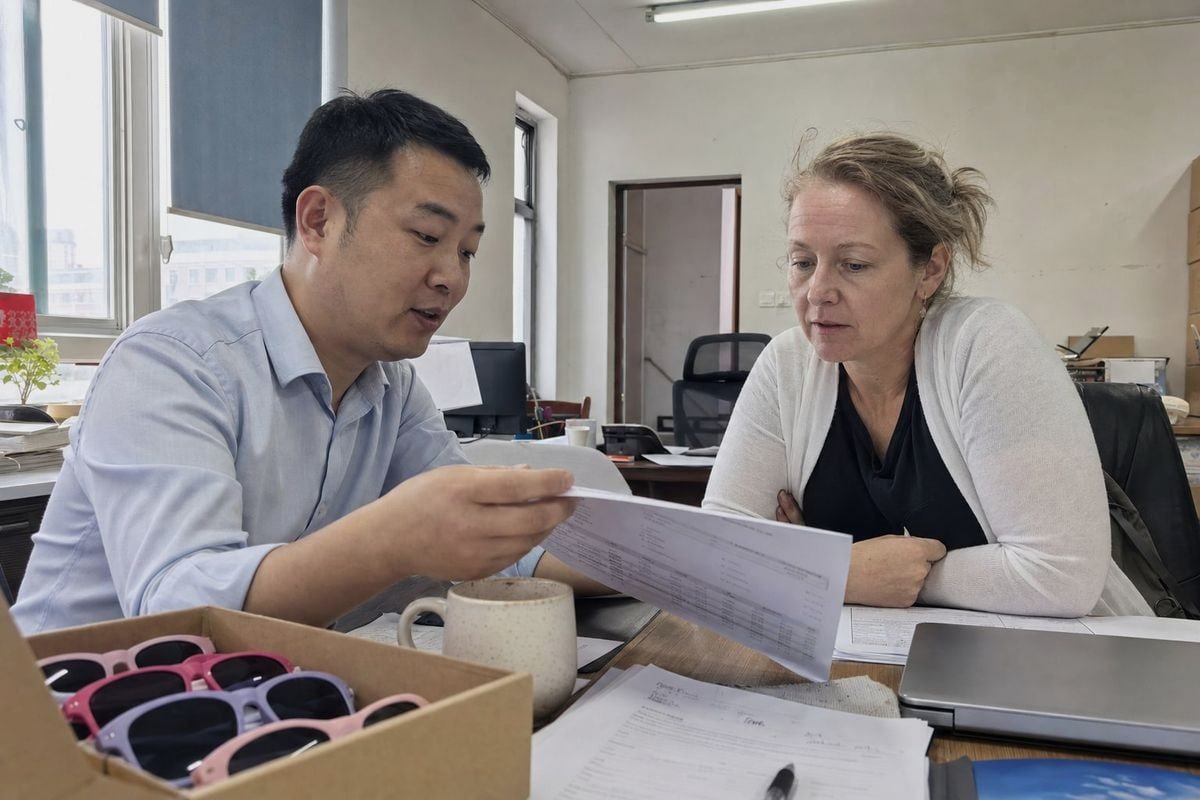
Kids sunglasses are strongly seasonal. Demand peaks before summer, school holidays, and travel periods. That makes timing a revenue issue, not just a logistics issue. So the real question is never which shipping mode is cheapest. It is which mode minimizes total business risk.
Do the launch math
Compare the freight premium against the margin you lose if inventory arrives late. Say air freight costs you an extra $0.40 per pair versus sea. If a missed launch week costs you sales worth $2.00 in margin per pair, the air premium is cheap insurance. I walk buyers through this calculation often, and it changes minds fast. Freight is a cost. A missed season is a loss.
The split-shipment playbook
Here is the sequence our repeat buyers use for seasonal launches:
- Order samples by express to approve quality, fit, and packaging.
- Ship the first 20–30% of launch stock by air, timed to arrive two to three weeks before your season starts.
- Ship the bulk balance by sea, timed to arrive as the air stock sells down.
- Reserve express only for emergency top-ups if a style sells faster than forecast.
Consider fast-sea hybrid services
A growing middle option is expedited or "fast sea" service. It costs more than standard ocean freight but far less than air, and it can shave one to two weeks off transit on major lanes. For a planned seasonal restock where you have some buffer but not much, it often hits the sweet spot. Several of our wholesale customers now book it as their default for second-wave replenishment.
What packaging and customs considerations should I plan for when choosing a shipping method?
During a QC review last year, our packing team re-measured a buyer's carton after switching from soft pouches to rigid gift boxes. The volumetric weight nearly doubled. That single packaging decision changed his best shipping mode from air to sea.
Plan for volumetric weight from retail packaging, correct HS codes and commercial invoices, and children's product safety documentation such as CPSIA or EN71 test reports. Express includes customs clearance; air and sea require a broker or freight forwarder to handle it.

Packaging and paperwork quietly determine both your freight bill and your clearance speed. Buyers who plan these details early rarely face surprises at destination.
Packaging drives your freight cost
Ask your supplier for dimensional weight calculations before booking anything by air or express. At our factory, we provide carton dimensions, gross weight, and volumetric weight with every quotation, because the difference decides the mode. A few practical choices help:
- Flat-fold or nested retail boxes reduce carton volume significantly.
- Soft microfiber pouches are far lighter than hard cases for air shipments.
- Master carton sizes should be optimized for pallet or courier dimensions, not just factory convenience.
- For premium polarized and mirrored lens lines, we add moisture barriers and stable inner packing, since long sea transits expose cargo to temperature swings in containers.
Customs documentation checklist
| Document | Why it matters | Common mistake |
|---|---|---|
| Commercial invoice & packing list | Basis for duties and inspection | Vague product descriptions |
| Correct HS code for sunglasses | Determines duty rate | Guessing the code and overpaying |
| Safety test reports (CPSIA, EN71 4) | Required for children's products in US/EU | Missing reports causing holds |
| UV protection claims documentation | Supports UV400 5 labeling | Unsubstantiated marketing claims |
Children's products get extra scrutiny
Kids sunglasses are children's products, and customs authorities treat them that way. US shipments may need CPSIA compliance evidence, and EU shipments may need EN71 6 and sunglasses-standard documentation. We keep test reports ready for our UV400 and polarized lens 7 options precisely so our buyers can clear customs without delay. Whichever mode you choose, confirm your compliance paperwork before production finishes, not after the goods land.
More Articles You Might Like

August 1, 2026
Should Factory Handle Kids Sunglasses Packaging & Labeling, or Use a Designated Supplier?
August 1, 2026
Own Warehouse vs Supplier Direct Fulfillment: Which Cuts Return Costs for Kids Sunglasses Brands?

August 1, 2026
Direct-to-Port Warehouse or Overseas Staging: Which Saves More on Kids Sunglasses Shipping?
Looking for a Reliable Kids Eyewear Partner?
Explore 800+ ready styles and full OEM/ODM support tailored to your brand.
Get in Touch English
  Español de México
  Deutsch
  Français
  日本語
日本語  العربية
  Português do Brasil