How to Avoid Deposit Scams When Purchasing Kids’ Sunglasses?
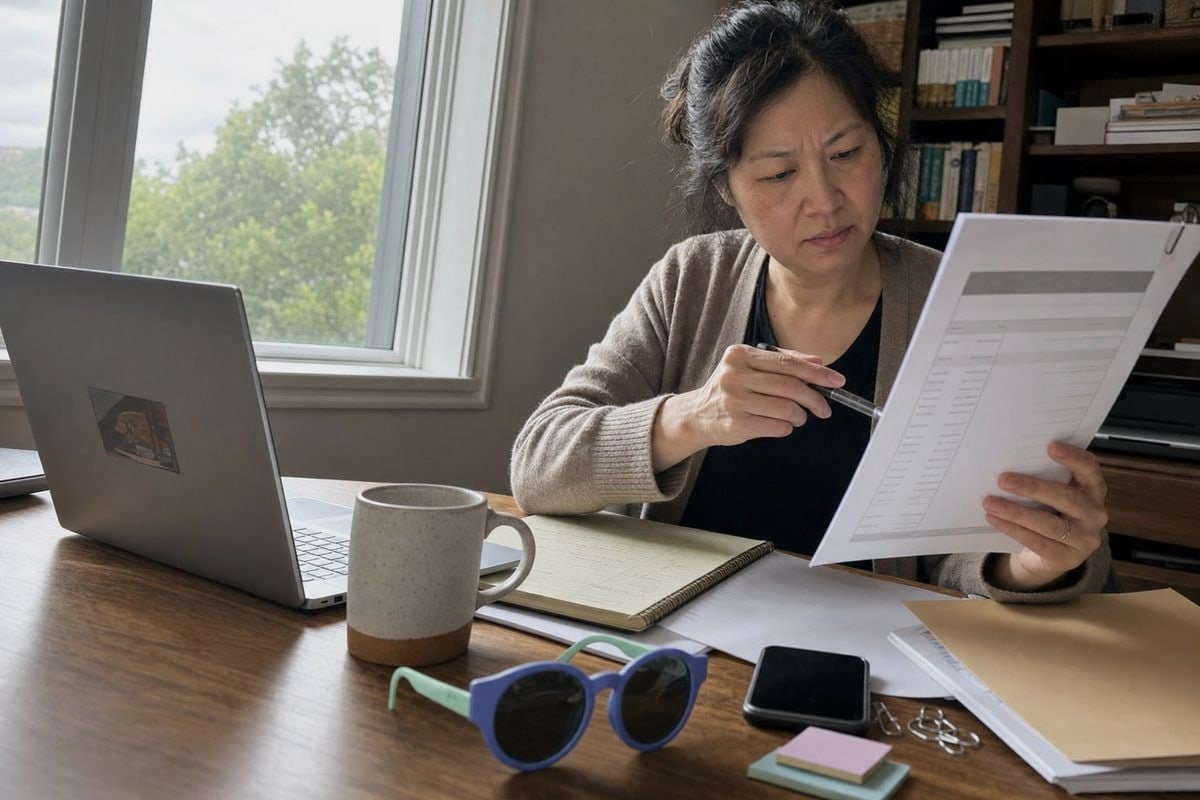
Deposit scams when purchasing kids’ sunglasses cost buyers real money every season. On our production line in Taizhou, I hear the horror stories from new clients constantly — deposits sent, suppliers vanished.
To avoid deposit scams when purchasing kids’ sunglasses, verify the factory’s business license and export records, request a video factory tour, use traceable payment methods with a written contract, negotiate a 30/70 payment split, and confirm production with photos or third-party inspection before releasing the balance.
Below, I break this down into four practical steps. Each one is something you can do this week, before any money leaves your account.
How can I verify a kids' sunglasses factory is legitimate before sending a deposit?
A buyer from Australia once told me she had wired a deposit to a "factory" that turned out to be a one-person trading desk with stolen photos. Our team helped her rebuild that order.
Verify a kids' sunglasses factory by checking its Chinese business license number, cross-referencing export records, requesting a live video tour of the workshop, asking for UV400 and CE test reports, and running a reverse image search on product photos to detect stolen catalog images.
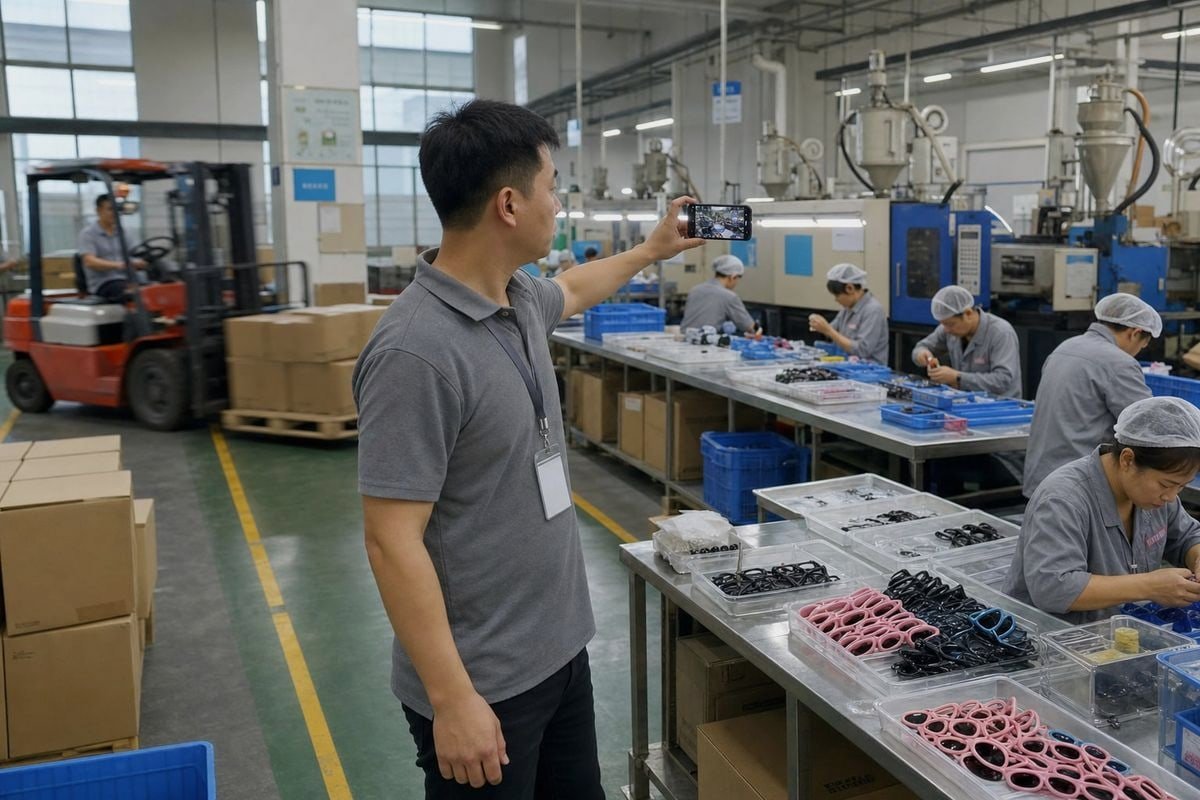
The single biggest mistake I see is buyers trusting a polished website or an Alibaba storefront alone. Anyone can build those in a weekend. A real factory leaves a paper trail that scammers cannot easily fake. After 15 years in children's eyewear, I can tell you exactly where that trail lives.
Start with official records
Every legitimate Chinese manufacturer has a Unified Social Credit Code 1. Ask for it directly. Then check it against government business registration databases. A trader pretending to be a factory will often stall, change the subject, or send you a license registered to a different company name. That mismatch is your answer.
Demand visual proof of production
We give video tours of our workshop all the time. It takes us twenty minutes and costs nothing. A genuine factory with 120 workers and a 5S-managed floor has nothing to hide. Ask to see the injection molding machines, the lens assembly stations, and the QC area — live, not pre-recorded. Scammers will offer excuses. Real factories offer a camera.
Use this verification checklist
| Verification step | What a real factory provides | What a scammer does |
|---|---|---|
| Business license | Sends license with matching company name | Delays, sends mismatched documents |
| Video factory tour | Offers a live walkthrough promptly | Sends stock footage or refuses |
| Test reports | Provides UV400 / CE / FDA reports on request | Claims reports are "confidential" |
| Product photos | Shows unedited photos with your requested pose | Uses images found elsewhere online |
| Export history | Names real markets and shipping terms fluently | Gives vague or inconsistent answers |
| Physical address | Address matches license and satellite view | Address is residential or nonexistent |
Also run a reverse image search on their product photos. If the same "factory photos" appear on five different websites, someone is lying. Finally, ask technical questions only a real eyewear maker can answer — about TR90 2 flexibility, TPEE temple safety, or hinge screw specifications. Fakers crumble under specifics.
What payment terms should I negotiate to protect my deposit when ordering children's eyewear?
Payment terms are a trade-off we weigh with every new client. We need working capital for materials; buyers need protection. The structure that balances both sides fairly is well established in our industry.
Negotiate a 30% deposit with 70% due only after you receive pre-shipment inspection photos or a third-party QC report. Pay through traceable channels like a corporate bank account, letter of credit, or platform escrow, backed by a written contract stating refund and delivery terms.
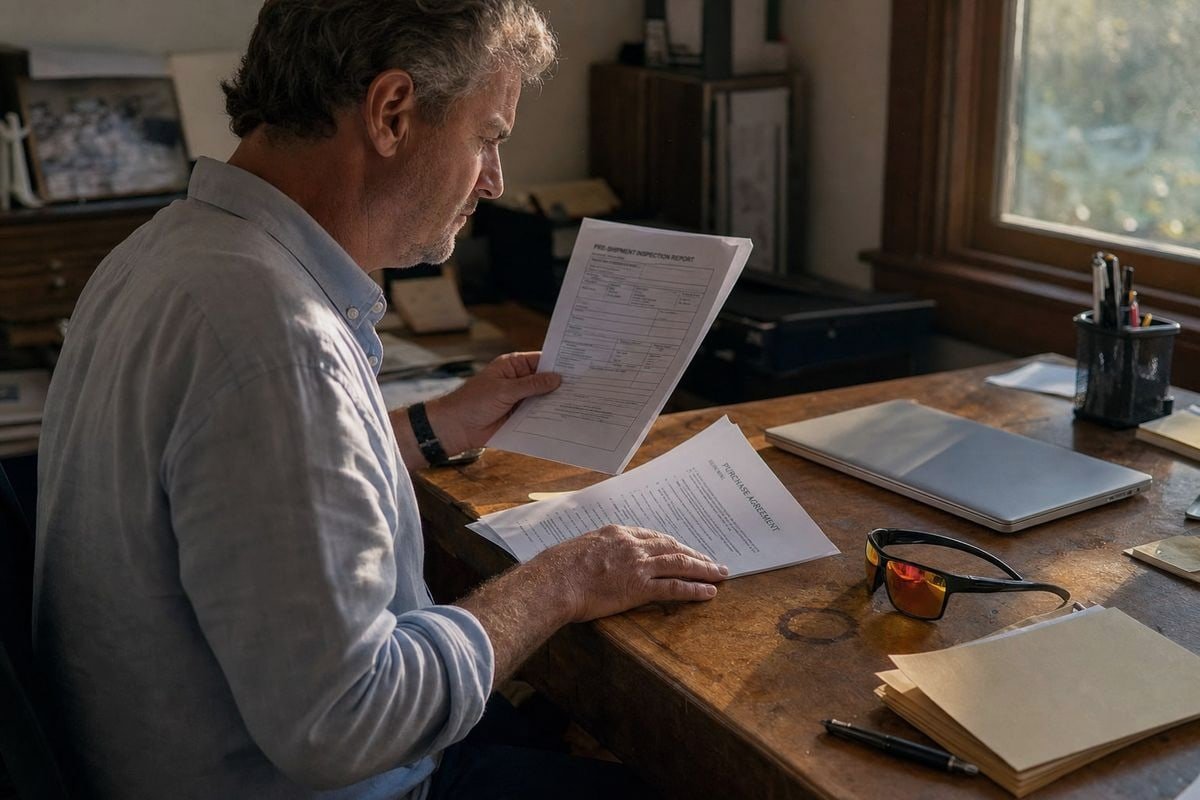
Money should follow milestones, not promises. That is the core principle. When a new brand orders from our existing 800 styles, the risk is already lower because there is no mold investment. But the payment structure still matters, and I always encourage buyers to put it in writing.
The standard milestone structure
- Sign a proforma invoice or contract. It must state the deposit percentage, unit price, quantity, delivery date, quality standard, and refund conditions.
- Pay a 30% deposit to a corporate bank account whose name matches the business license. Never pay a personal account for a company order.
- Receive production updates — photos of your frames coming off the line, lens fitting, and packaging.
- Approve pre-shipment inspection — either detailed factory QC photos or a third-party inspection for larger orders.
- Pay the 70% balance against inspection approval or a copy of the bill of lading 3.
Compare your payment options
| Payment method | Buyer protection | Best for |
|---|---|---|
| Platform escrow (e.g., Trade Assurance) | High — funds held until terms are met | First orders with new suppliers |
| Letter of credit 4 | High — bank enforces documents | Large wholesale orders |
| Corporate T/T with 30/70 split | Medium — traceable but not reversible | Established relationships |
| Credit card / PayPal | Medium-high — dispute rights | Samples and small trial orders |
| Personal account transfer | None | Never acceptable |
| Cryptocurrency / gift cards | None | Always a scam signal |
One more point from experience. A serious factory will negotiate terms calmly. When we discuss a first order, I expect questions about payment protection — it tells me the buyer is professional. A supplier who gets angry or pushy when you propose escrow or milestone payments is telling you something important. Listen to it.
Which red flags should I watch for when a supplier asks for upfront payment?
Last year a procurement manager forwarded me a competitor's quote for polarized kids' sunglasses at roughly half our material cost. I told her honestly: at that price, either the lenses are not polarized or the order will never ship.
Major red flags include prices far below market rates, pressure to pay within hours, requests for payment to personal accounts, refusal of video calls or inspections, no verifiable address, missing contracts, and demands to move communication off the original platform.
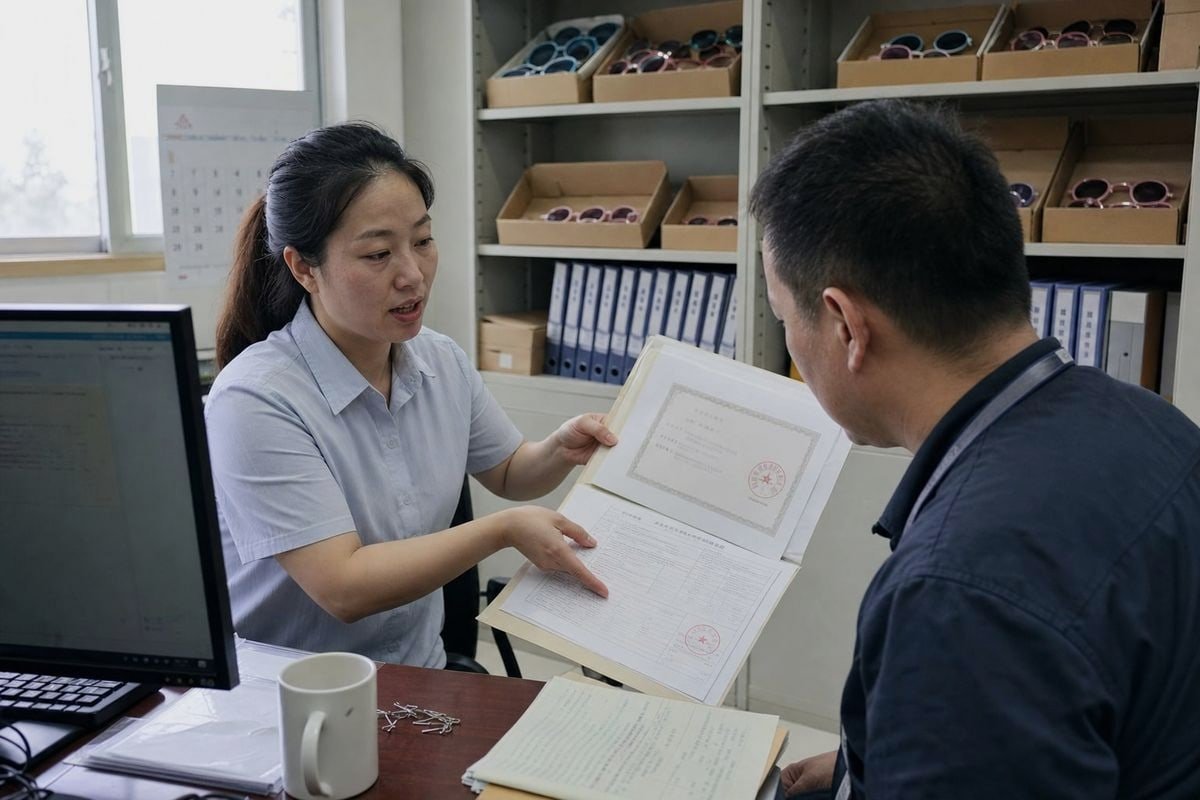
Scammers targeting kids' sunglasses buyers rely on urgency and greed. The product is seasonal, the ticket size feels small, and buyers rush before summer. Every fraud pattern I have seen in this category exploits one of those pressures.
Pricing that defies physics
TR90 raw material, TPEE temples, UV400 lenses, quality hinges, assembly labor, QC, and packaging all have real costs. When a quote lands dramatically below what materials alone should cost, the supplier is planning to cut something you cannot see — usually the UV protection, the material safety, or the shipment itself. A low price alone does not prove fraud. But combine it with urgency and vague answers, and you have a pattern.
Behavioral warning signs
- Artificial deadlines. "This price expires tonight" or "only 500 units left" are pressure tactics. Real factories quote validity in weeks, not hours.
- Off-platform migration. A supplier who quickly pushes you from a marketplace to WhatsApp for payment is trying to escape buyer protection.
- Payment account mismatches. The beneficiary name must match the company on the contract. A "finance issue" requiring payment to a cousin's personal account is theft in progress.
- Screenshot "proof." Never treat a payment slip, SMS, or screenshot from anyone as evidence of anything. Confirm cleared funds through your own bank.
- Invented fees after the deposit. Sudden "customs deposits," "verification fees," or "shipping insurance" charges after you have paid are classic advance-fee escalation 5. Stop paying immediately.
- No technical fluency. Ask about lens base curve or temple flexibility testing. Scammers reselling stolen photos cannot discuss production details.
If you spot two or more of these signals together, walk away. There are always other suppliers. There is rarely a second chance at recovering a wire transfer.
How can I confirm my order is real before paying the remaining balance?
The lesson I learned early in my career was simple: buyers do not fear paying — they fear paying blind. So we built proof into every stage of our process, from cutting sheets to sealed cartons.
Confirm your order is real by requesting dated production photos and videos showing your specific frames, verifying packaging with your logo, commissioning a third-party pre-shipment inspection for bulk orders, and paying the balance only against inspection approval or shipping documents like the bill of lading.
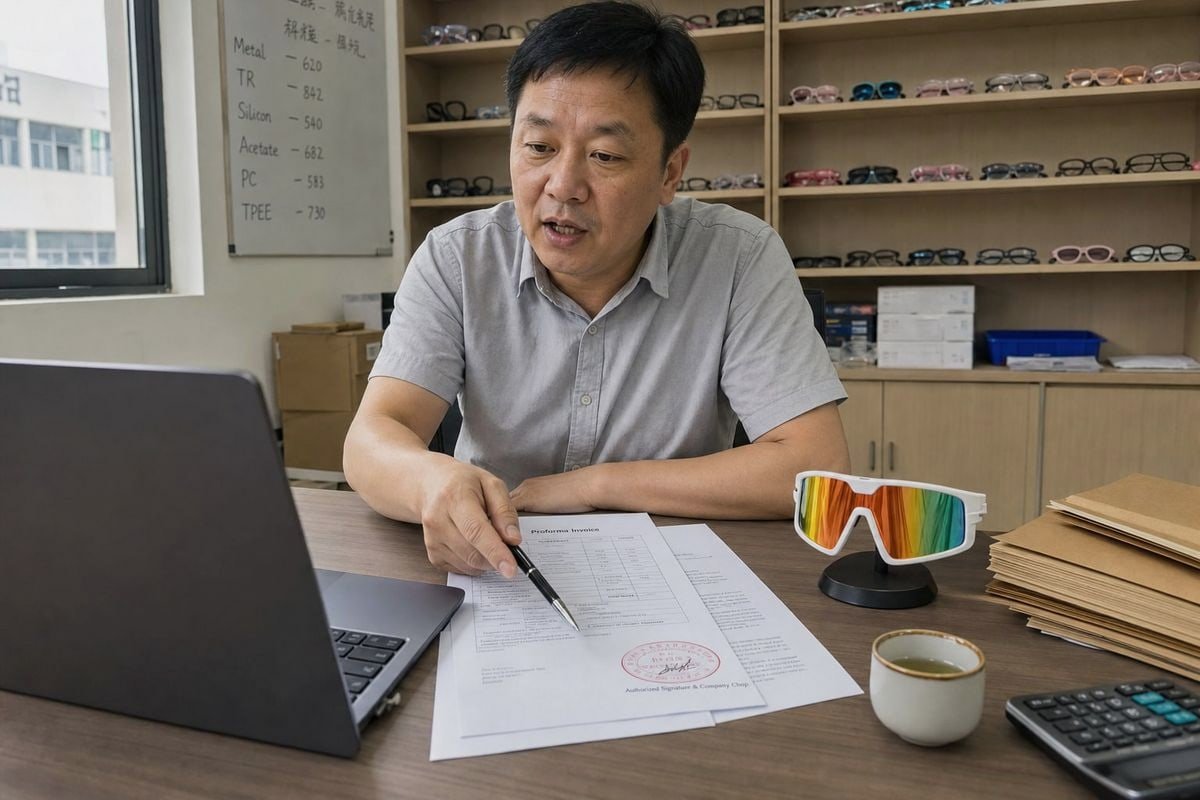
The balance payment is your last point of leverage. Once it is sent, your negotiating power drops to nearly zero. So treat this stage as a formal verification gate, not a formality.
Ask for proof tied to your order
Generic factory photos prove nothing. Ask for evidence that is unmistakably yours: your custom colorway on the assembly line, your logo printed on the temples, your packaging design on the boxes, and a handwritten note with today's date placed next to the goods. A scammer with stolen images cannot produce that. A real factory can do it in an hour. When clients ask us for this, we send it the same day — it is normal, professional practice.
Match proof level to order size
| Order size | Minimum proof before balance | Extra protection |
|---|---|---|
| Sample order | Photos of your exact samples with dated note | Pay by credit card or PayPal |
| Small trial order | Production photos and video, packaging shots | Platform escrow release terms |
| Bulk wholesale order | Third-party inspection (SGS, Bureau Veritas, or similar) | Balance against bill of lading 6 copy |
| Custom OEM order | Pre-production sample approval plus final inspection | AQL-based inspection report 7 |
Verify the shipping documents
Once goods ship, ask for the booking confirmation and later the bill of lading. Check the container or tracking number with the shipping line directly, not just through the supplier's screenshot. Documents can be forged; live carrier tracking is much harder to fake. And keep every message, invoice, photo, and receipt organized from day one. If a dispute ever arises, that evidence file is what your bank, the platform, or the authorities will ask for first.
Conclusion
Deposit scams punish speed and reward diligence. Verify the factory, structure milestone payments, watch for pressure tactics, and demand order-specific proof. Slow down first — your deposit stays safe.
Footnotes
1. Explains the official Chinese business registration identifier buyers should verify. ↩︎
2. Background on the thermoplastic material referenced repeatedly for frame durability. ↩︎
3. Defines the shipping document buyers should verify before final payment. ↩︎
4. Background on this secure trade payment instrument mentioned as a protection option. ↩︎
5. Government consumer protection resource on advance-fee fraud tactics described in the article. ↩︎
6. Background reference explaining the shipping document buyers use to verify cargo authenticity. ↩︎
7. ISO standard reference for acceptance quality limit sampling used in inspections. ↩︎
More Articles You Might Like
August 1, 2026
Should Factory Handle Kids Sunglasses Packaging & Labeling, or Use a Designated Supplier?

August 1, 2026
Own Warehouse vs Supplier Direct Fulfillment: Which Cuts Return Costs for Kids Sunglasses Brands?

August 1, 2026
Direct-to-Port Warehouse or Overseas Staging: Which Saves More on Kids Sunglasses Shipping?
Looking for a Reliable Kids Eyewear Partner?
Explore 800+ ready styles and full OEM/ODM support tailored to your brand.
Get in Touch English
  Español de México
  Deutsch
  Français
  日本語
日本語  العربية
  Português do Brasil