How to Align Supplier Timelines with Annual Review Cycles for Kids Optical Frames?
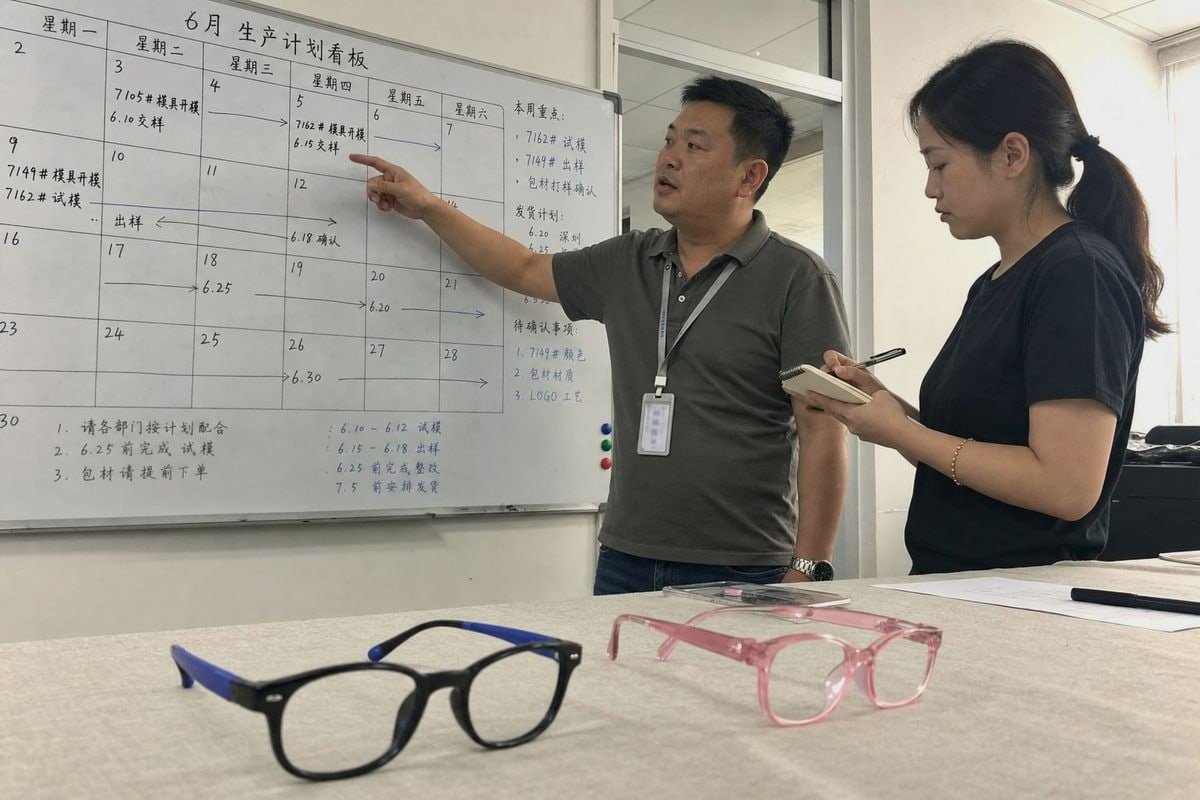
Aligning supplier timelines with annual review cycles for kids optical frames 1 sounds simple — until back-to-school arrives and your bestselling frame is stuck in production. I have watched that happen from our side of the line in Taizhou, and it always hurts both parties. The fix is not working faster. It is planning smarter, together.
To align supplier timelines with annual review cycles for kids optical frames, map your review dates backward from seasonal peaks, confirm production and shipping lead times with your supplier, lock design decisions before mold or tooling deadlines, and add quarterly check-ins so demand shifts never wait for the annual meeting.
That is the short answer. Below, I will break down each step — the mapping, the lead times, the mold traps, and the questions that keep your calendar predictable year after year.
How can I map my brand's annual review cycle to my supplier's production calendar?
One buyer from Australia once showed me her planning spreadsheet during a factory visit. Her review dates and our production windows barely overlapped. We rebuilt her calendar together in an afternoon, and her stockouts dropped the next season.
Map your annual review cycle by working backward from your peak selling season. Schedule the strategic review four to six months before that peak, confirm assortment and forecasts at that meeting, then add quarterly operational check-ins to track demand forecasting, quality, and delivery against the plan.

The core problem is that kids optical frames run on two clocks at once. Your annual review is one clock. The replacement cycle for children's eyewear is the other, and it is faster. Children outgrow frames. Prescriptions change. Frames get sat on, dropped, and bent. So demand does not wait politely for your annual meeting.
That is why I tell buyers to treat the annual review as the governance layer, not the only checkpoint. In our experience exporting to 20+ countries, the brands with the smoothest supply chains run a hybrid cadence. The annual review sets strategy, contracts, and the assortment. Quarterly check-ins handle the operational reality: reorder points, defect trends, and upcoming design changes.
Working backward from your peak
Start with your biggest demand window — usually back-to-school. Then subtract shipping time, production time, and approval time. Whatever date you land on is your true decision deadline. Your annual review must sit before that date, not after it.
A practical alignment model
| Checkpoint | Timing | Purpose |
|---|---|---|
| Annual strategic review | 4–6 months before peak season | Assortment, forecasts, contracts, new styles |
| Quarterly operational check-in | Every 3 months | Vendor performance metrics, reorder points, defect trends |
| Trigger-based exception review | As needed | Stockouts, delivery slippage, quality spikes |
This structure keeps supplier relationship management steady while leaving room to react. Neither side gets surprised, and that is the whole point.
What lead times should I expect when planning kids optical frames around seasonal buying windows?
Every quotation we send from our factory includes a lead time line, and it is the number buyers challenge most often. I understand why. Lead time management is where seasonal plans quietly succeed or fail.
Expect 30–45 days production for existing kids optical frame styles, 60–90 days when custom colors, logos, or packaging are added, plus 30–40 days for sea freight. Working backward, orders for a back-to-school peak should be confirmed four to six months in advance.
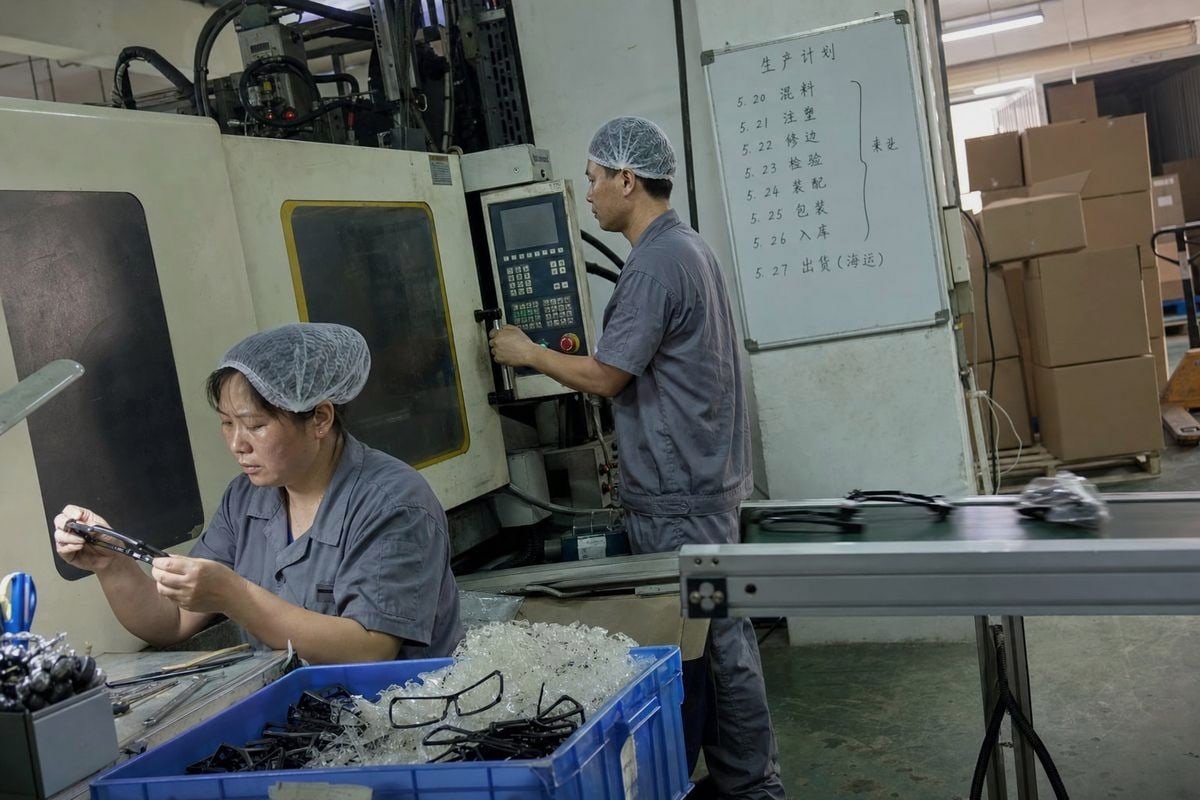
Lead times are not one number. They are a chain of smaller timelines, and each link can slip. When we quote a TR90 kids optical frame 2 with TPEE temples, the production window covers material preparation, injection, assembly, quality assurance protocols, and packing. Custom work adds approval loops on top: color swatches, logo placement, lens options like UV400 or blue-light, and retail-ready packaging.
Typical lead time components
| Stage | Existing style | Customized order |
|---|---|---|
| Sampling and approval | 7–10 days | 15–25 days |
| Production | 30–45 days | 45–60 days |
| Third-party testing (if required) | 7–14 days | 7–14 days |
| Sea freight to EU/AU/US | 30–40 days | 30–40 days |
A few practical notes from our line. First, children's eyewear safety standards 3 testing can run in parallel with production if you plan it early, but it becomes a bottleneck if you leave it until goods are packed. Second, wholesale eyewear sourcing around Chinese New Year needs extra buffer — factories across the region pause for two to three weeks, and the weeks before it are the busiest of the year.
One more honest point: buffers are not waste. Early planning with a two-to-three-week buffer costs you nothing if things go well. Skipping the buffer costs you a season if they do not. That trade-off is one I encourage every buyer to weigh deliberately, because inventory optimization only works when the goods actually arrive on time.
How do I avoid delays from mold development when my review cycle is fixed?
The single biggest timeline killer I have seen in fifteen years of eyewear work is late mold decisions. A brand approves a new frame shape in month four, then wonders why month six delivery is impossible.
Avoid mold delays by separating mold decisions from your annual review deadline. Approve new tooling two to three months before the review, or launch from your supplier's existing style library instead — testing the market first, then investing in custom molds only for proven winners.
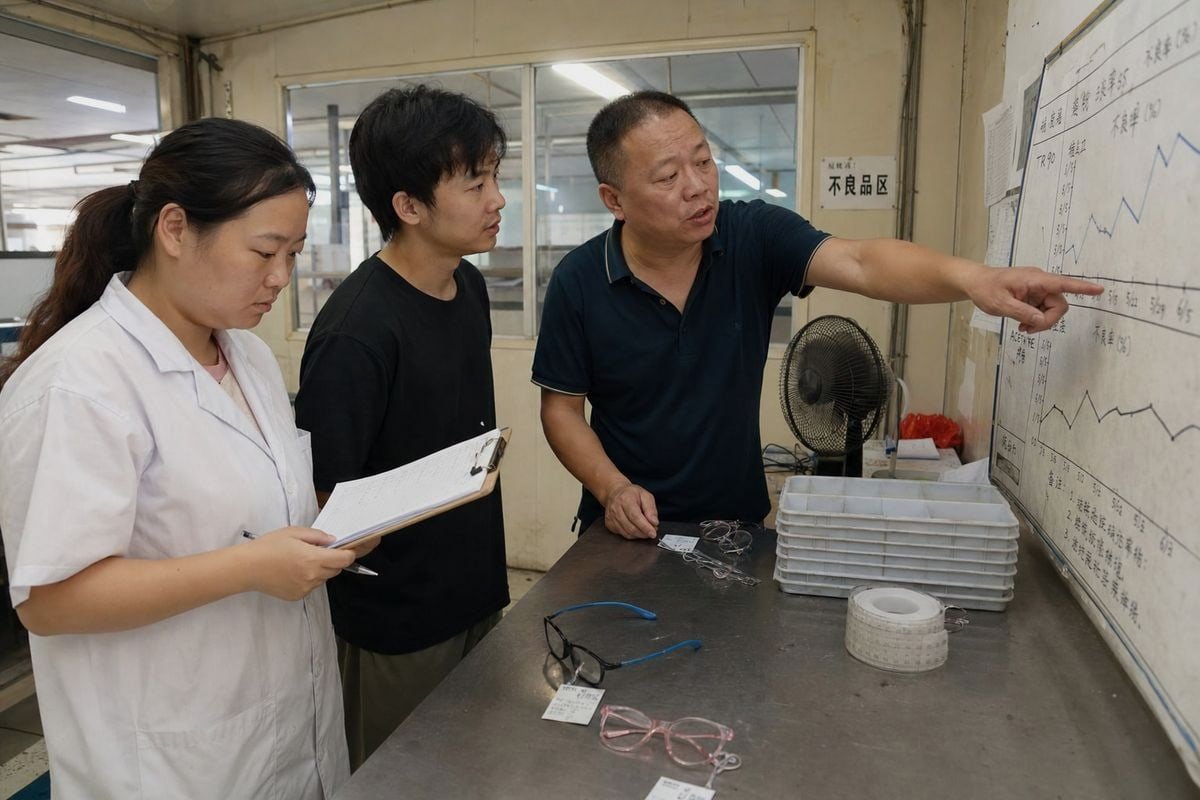
Mold development is the least compressible part of the product development cycle. A new injection mold 4 for a kids frame typically needs 30–45 days to build, then sampling, then adjustments, then re-sampling. If the first trial shot reveals a fit issue on the nose bridge or a flex problem at the hinge, add another cycle. You cannot rush steel.
This is exactly why we built a library of roughly 800 existing styles at our factory. New brands and importers can pick a proven frame — say, a rounded-rectangular TR90 front with soft TPEE temples — customize colors, logos, lenses, and packaging, and skip mold development entirely. They test the market with lower risk. Then, once a style proves itself at retail, a custom mold becomes a calculated investment rather than a gamble against the calendar.
Three paths, three risk levels
| Approach | Timeline impact | Best for |
|---|---|---|
| Existing style + custom branding | No mold time; fastest to market | New brands, seasonal tests, promotional programs |
| Modified existing mold | Moderate; some tooling adjustment | Evolving a proven style |
| Fully new mold | Longest; 2–3 extra months minimum | Confirmed bestsellers, signature designs |
Protecting a fixed review cycle
If your review date cannot move, move the mold decision instead. Freeze new-tooling approvals well before the review, so the meeting confirms plans rather than starting them. Digital prototyping helps here too — reviewing 3D renders early cuts physical sampling rounds. And always ask your supplier which optical frame materials the mold is designed for, because switching from TR90 to another resin later can force tooling changes you did not budget time for.
What should I ask my supplier to keep future timelines predictable year after year?
A procurement manager from Japan once sent us a question list before her first order — twenty items, all about process, none about price. Five years later, she is still a customer. The questions were the reason.
Ask your supplier for confirmed lead times by order type, mold and tooling deadlines, holiday shutdown dates, capacity limits during peak months, quality and compliance documentation timelines, and a shared annual calendar with fixed review and forecast dates — then review these commitments every quarter.
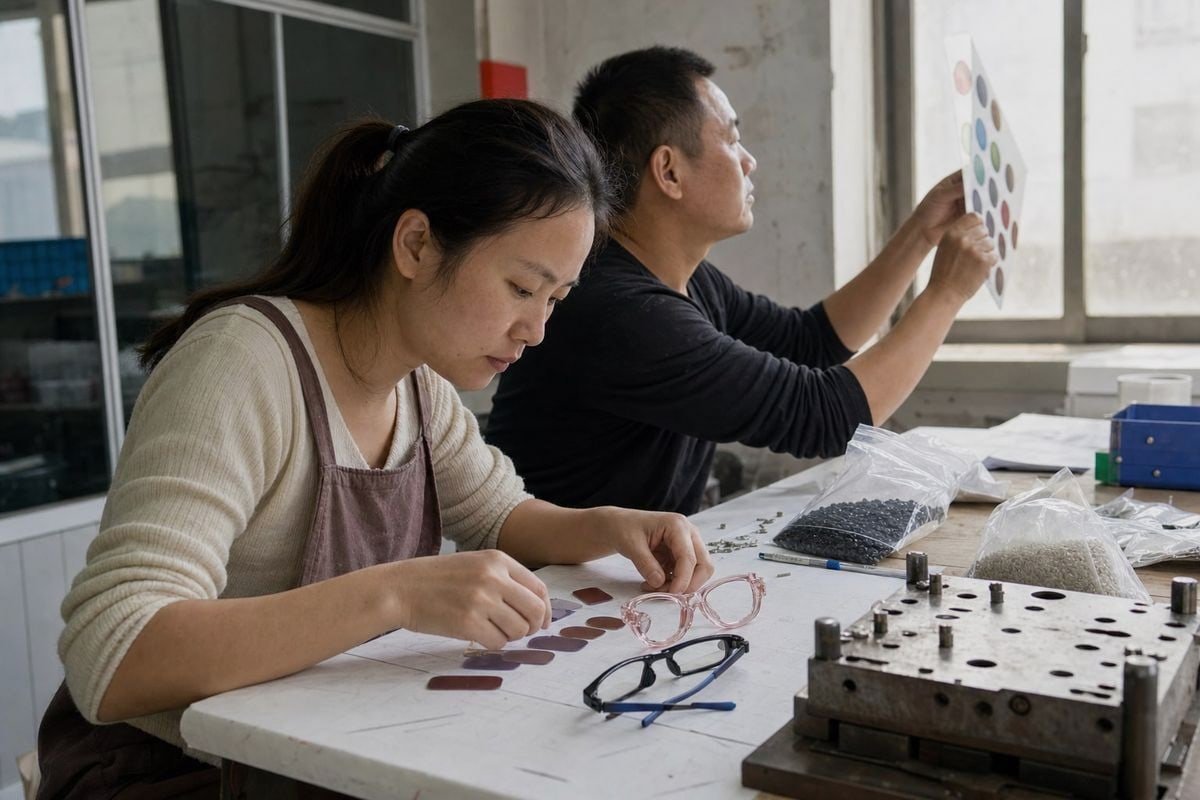
Predictability is not luck. It is the output of the right questions asked at the right cadence. From the factory side, I can tell you honestly: we perform best for buyers who share forecasts early and hold us to clear commitments. Vague buyers get vague timelines. Precise buyers get precise ones.
The questions that matter most
- What is your confirmed lead time for repeat orders versus new customized orders?
- What are your cut-off dates before Chinese New Year and other shutdowns?
- How much capacity can you reserve for us during peak production months?
- Which children's eyewear safety standards do you test against, and how long does documentation take?
- What is your process when a delivery risk appears — who calls whom, and when?
- Can we fix our annual review and quarterly check-in dates for the next twelve months, right now?
Build a shared scorecard
Timelines stay predictable when both sides measure the same things. Agree on a simple scorecard covering on-time delivery, defect rates, fill rate, responsiveness, and compliance status. Review it quarterly. When a metric slips, discuss root causes and countermeasures with owners and due dates — not blame. That discipline is what turns supplier relationship management from a yearly formality into genuine supply chain resilience 5.
Also ask about feedback loops. We actively want to hear what opticians and parents say about temple flexibility, nose-pad comfort, or hinge durability, because that feedback shapes next year's styles. A supplier who welcomes end-user feedback is a supplier planning for next year, not just this order. And if sustainability matters to your brand, put environmentally friendly materials on the scorecard too — it keeps both sides accountable over time, and demand forecasting 6 eyewear conversations become richer when product direction and delivery performance are reviewed side by side.
Conclusion
Kids frames run on a faster clock than annual reviews. Map backward from peaks, respect lead times, decide molds early, ask sharp questions — and your supplier timeline stops being a gamble.
Footnotes
1. Provides an overview of the children’s eyewear market and factors influencing it. ↩︎
2. Details the properties, benefits, and use of TR90 material in eyewear, especially for children. ↩︎
3. Outlines the regulatory requirements and testing standards for children’s glasses. ↩︎
4. Explains the manufacturing process for creating plastic components using molds. ↩︎
5. Defines the ability of a supply chain to withstand and recover from disruptions. ↩︎
6. Explains the process of predicting future customer demand in supply chain operations. ↩︎
More Articles You Might Like
August 5, 2026
Bio-Based vs Regular Cellulose Acetate: What's the Difference for Kids' Frames?

August 5, 2026
How Recyclable Are Kids' Optical Frame Materials, and What Eco-Friendly Alternatives Exist?
August 5, 2026
Do Kids Optical Frames Whiten or Age in Storage, and How to Control Warehouse Conditions?
Looking for a Reliable Kids Eyewear Partner?
Explore 800+ ready styles and full OEM/ODM support tailored to your brand.
Get in Touch English
  Español de México
  Deutsch
  Français
  日本語
日本語  العربية
  Português do Brasil