Why Do Kids Resist Wearing Sunglasses, and How Can Design Fix It?
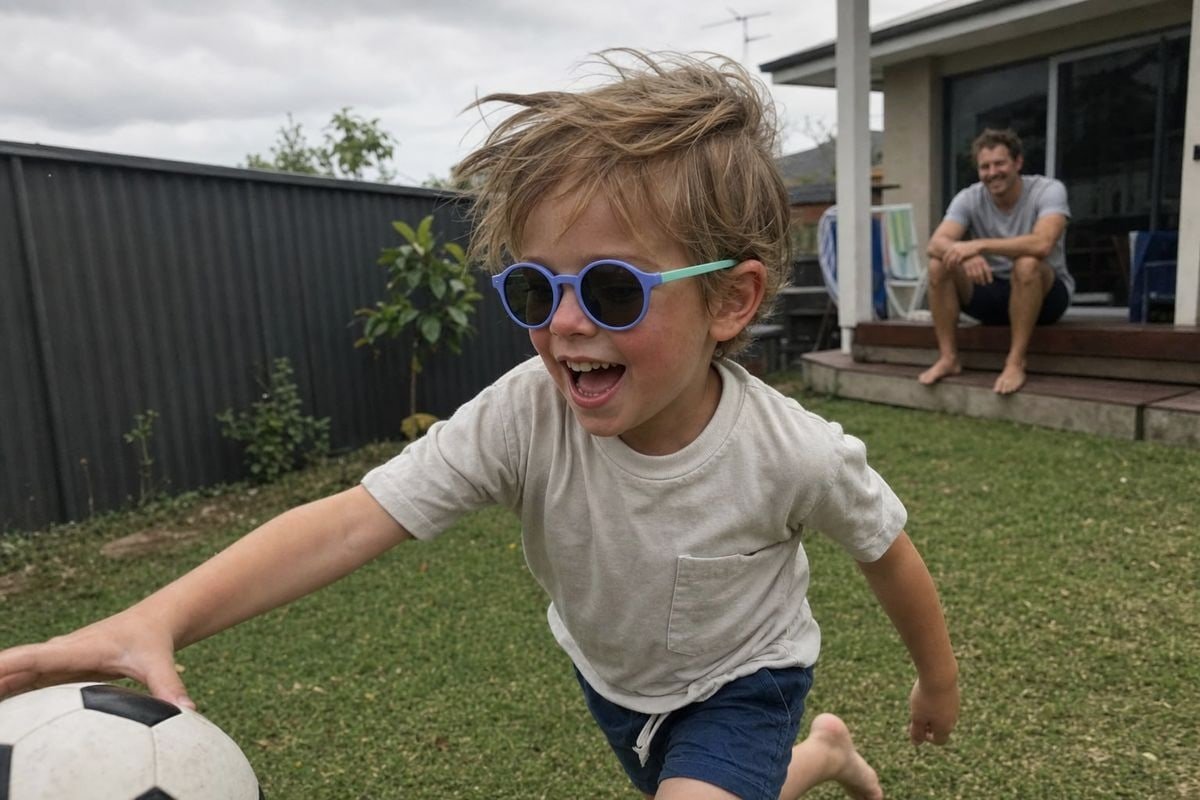
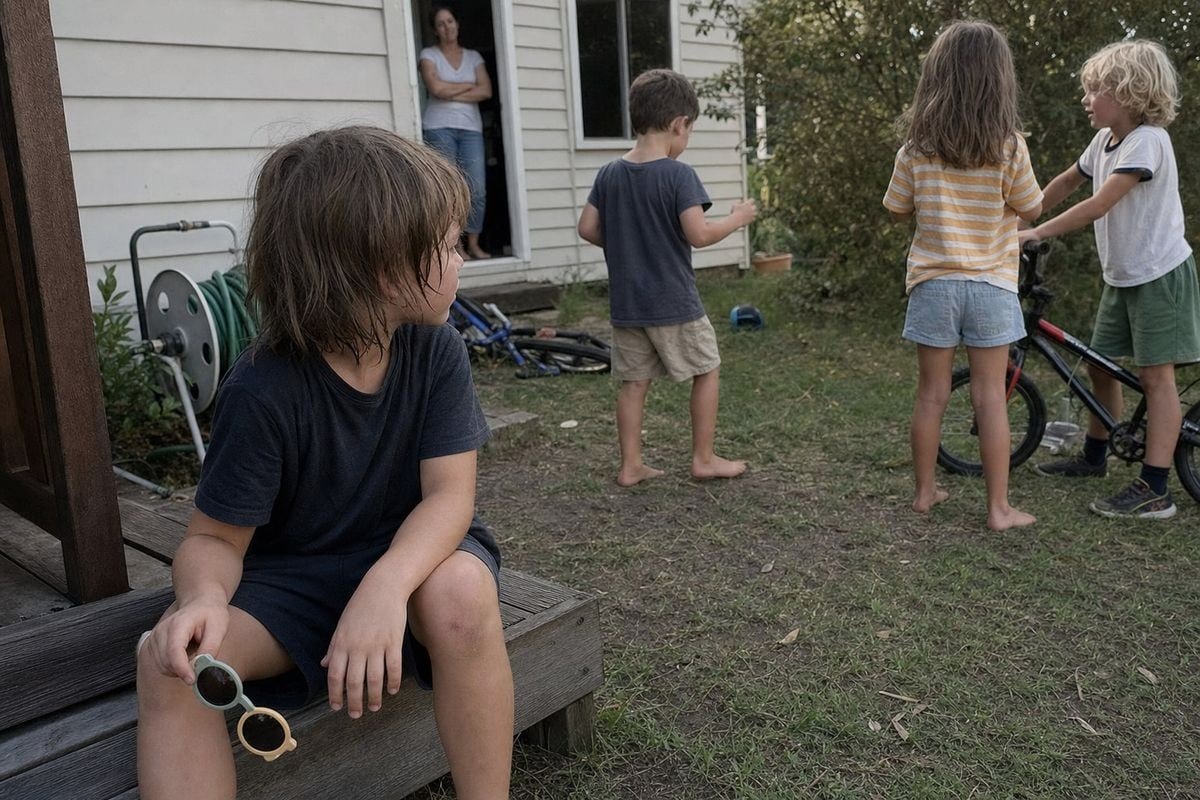
Kids resist wearing sunglasses far more often than parents expect, and on our production line in Taizhou, we hear this complaint from brand buyers almost every week OEM/ODM customization 1. A child pulls the frame off within minutes. The parent gives up. The product gets returned or abandoned in a drawer. Meanwhile, the child’s developing eyes stay exposed to UV rays 2. After fifteen years of building children’s eyewear, I can tell you the problem is rarely the child — it is the design.
Kids resist wearing sunglasses because most pairs pinch the nose, press behind the ears, slip during play, or make vision feel too dark. Design fixes this through lightweight flexible frames, child-specific fit, secure retention features, and clear lenses that protect without visual distortion.
In this article, I will break down why children reject sunglasses, which materials actually feel comfortable, which design features survive active play, and how custom options can raise compliance for your brand.
What makes children refuse to keep their sunglasses on in the first place?
Last year, a buyer from Australia sent us a competitor’s sample and asked why kids kept ripping it off. We put it on a child-sized head form. The answer took ten seconds.
Children refuse sunglasses for four core reasons: physical discomfort from heavy or pinching frames, visual discomfort from overly dark lenses, sensory sensitivity to the feeling of a foreign object on the face, and social or emotional reluctance about looking different.
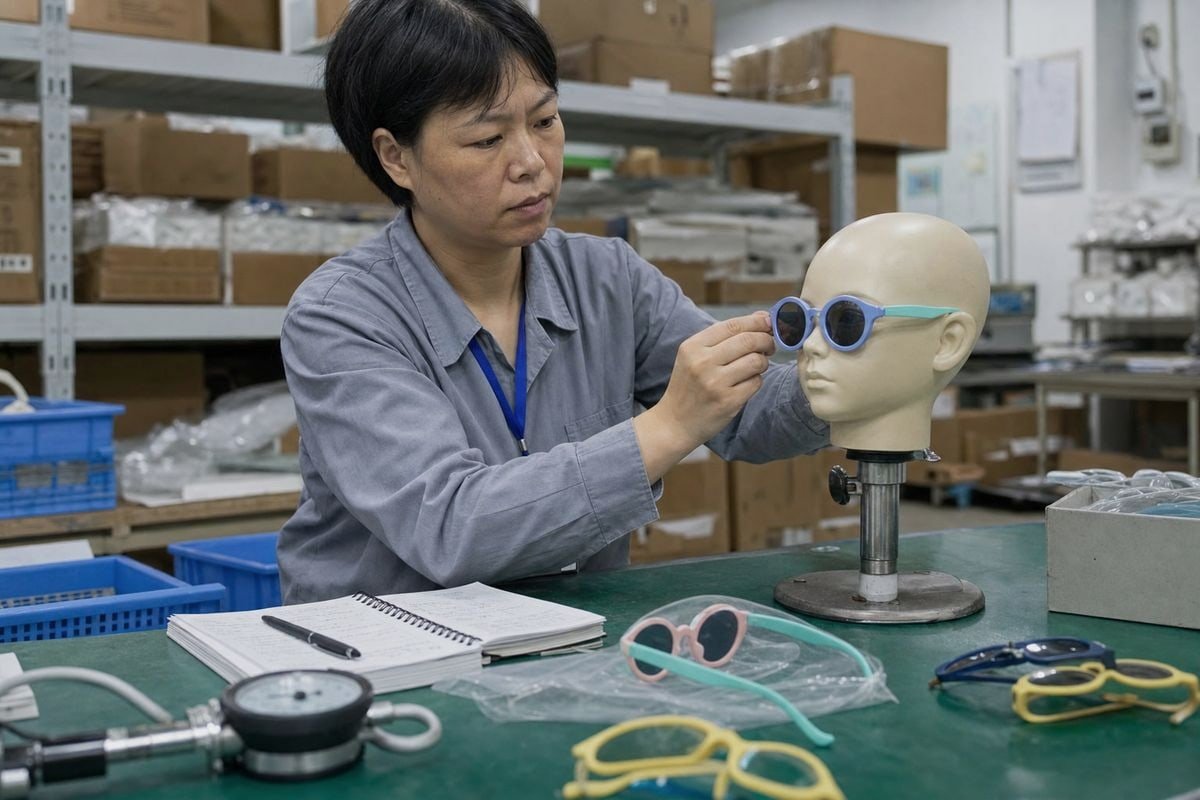
The key insight I share with every new brand partner is this: kids do not reject sunglasses in general. They reject the experience of wearing a poorly designed pair. That experience is a bundle of small irritations that adults barely notice but children cannot ignore.
The four resistance categories
We group the causes into four buckets. Each one demands a different design response, so it helps to see them side by side.
| Resistance type | What the child feels | Typical trigger |
|---|---|---|
| Physical | Pinching, pressure, heaviness, slipping | Adult-scaled frames, heavy materials, poor bridge fit |
| Visual | World looks too dark, blurry, or distorted | Overly dark tints, low-quality lenses, peripheral blur |
| Sensory | Constant "foreign body" awareness on nose and ears | Hard temple tips, rigid materials, sensory processing issues 3 |
| Social | Embarrassment, fear of teasing, feeling different | Adult-looking styles, unfamiliar routine, low peer adoption |
Why the physical bucket matters most
In our fitting tests, physical discomfort is the most common trigger. A frame over roughly 20 grams creates pressure-point fatigue on a child's soft nasal bridge quickly. Toddlers also have flatter nasal bridges than adults, so a scaled-down adult frame slides constantly. Every slide means an adjustment. Every adjustment reminds the child the glasses are there.
The overlooked buckets
Visual discomfort is quieter but just as damaging. Cheap "toy" lenses cause distortion and eye strain, so the child associates sunglasses with headaches. Sensory processing issues make some children hyper-aware of temple arms behind their ears. And school-aged kids may simply fear looking odd. Good design must answer all four buckets, not just one, because resistance is almost always multi-causal.
How can I choose frame materials that feel comfortable enough for kids to actually wear?
One trade-off we weigh constantly in our workshop: a frame stiff enough to hold its shape, yet soft enough that a toddler forgets it is on. Material choice decides that balance.
Choose flexible frame materials like TR90 for the front and TPEE for the temples. These are lightweight, bendable, and skin-friendly, so they eliminate pressure points, survive twisting by small hands, and reduce the foreign-body feeling that makes kids remove their sunglasses.
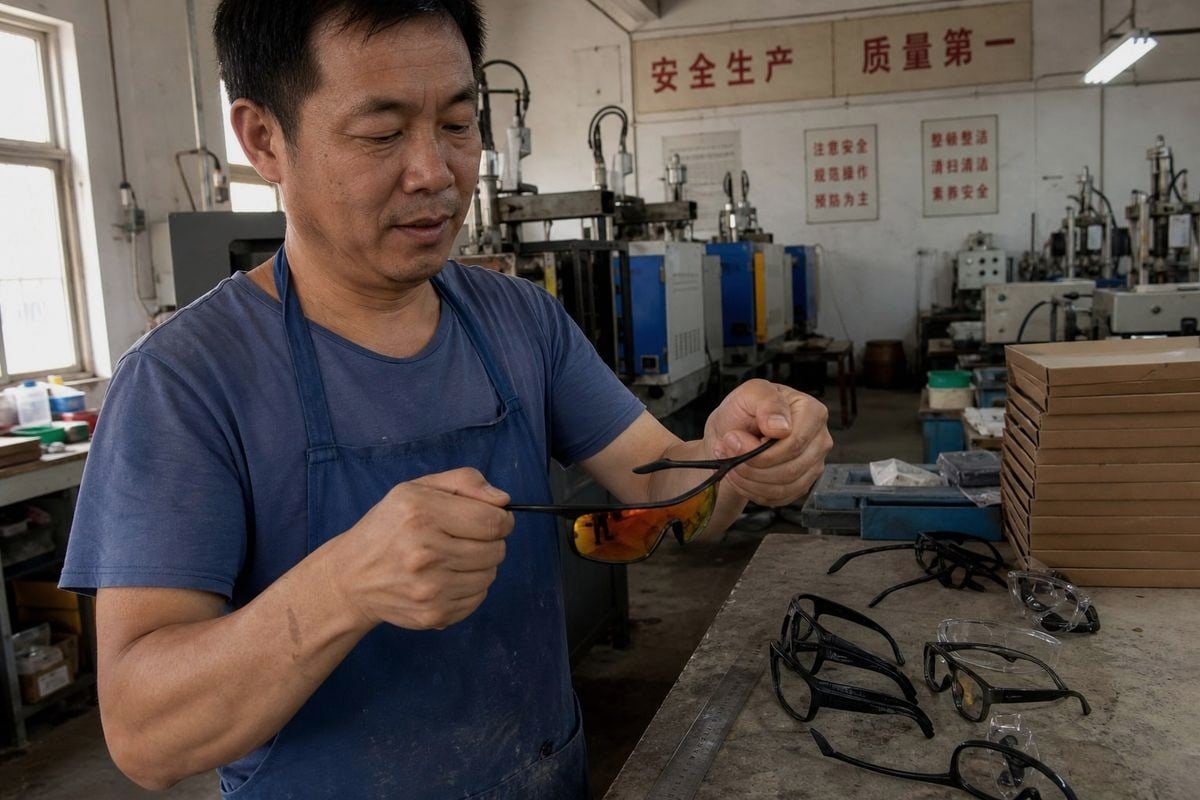
Material is the single biggest comfort lever you control as a brand. Our factory has specialized in flexible frame materials for years, and the difference between a rigid injection frame and a properly engineered TR90 4/TPEE combination is night and day on a child's face.
Comparing common frame materials
| Matériel | Weight | Flexibility | Safety on impact | Meilleure utilisation |
|---|---|---|---|---|
| Standard PC/acrylic plastic | Medium | Bas | Can snap into sharp edges | Budget promo items only |
| TR90 | Very light | High memory flex | Bends instead of breaking | Frame fronts, all-day wear |
| TPEE | Very light | Extremely soft and rubbery | Nearly unbreakable | Temples, baby and toddler frames |
| Metal | Heavy | Adjustable but rigid | Pressure points, hinge pinch risk | Rarely suitable for young kids |
Why we pair TR90 fronts with TPEE temples
TR90 gives the front structure and shape memory. TPEE gives the temples a soft, silicone-like touch behind the ears — exactly where most pinch complaints come from. This pairing keeps total weight low, which is critical for an ergonomic fit for toddlers whose noses cannot carry adult loads. It also survives the twist test: a child can bend the temples backward and the frame returns to shape rather than snapping.
Don't forget the lens
Comfort includes the lens. Impact-resistant polycarbonate lenses 5 are the standard we recommend for children because they will not shatter on the playground. Pair them with a tint that blocks UV400 6 without making the world feel unnaturally dark. A child who feels like they "cannot see anything" will remove the glasses no matter how soft the frame is. Environmentally friendly material grades matter too, since buyers in Europe, Japan, and Australia increasingly require compliance with ophthalmic frame standards and chemical safety rules.
Which design features help my brand's sunglasses stay secure during active play?
A lesson we learned early: lab comfort means nothing until a frame survives a real playground. Running, climbing, and sweating expose flaws no adult fitting session reveals.
Secure kids’ sunglasses combine a wrap-around frame design that hugs the head, grippy contoured temple tips, a bridge shaped for flat child noses, adjustable head straps for toddlers, and lightweight construction under 20 grams so motion cannot shake the frame loose.
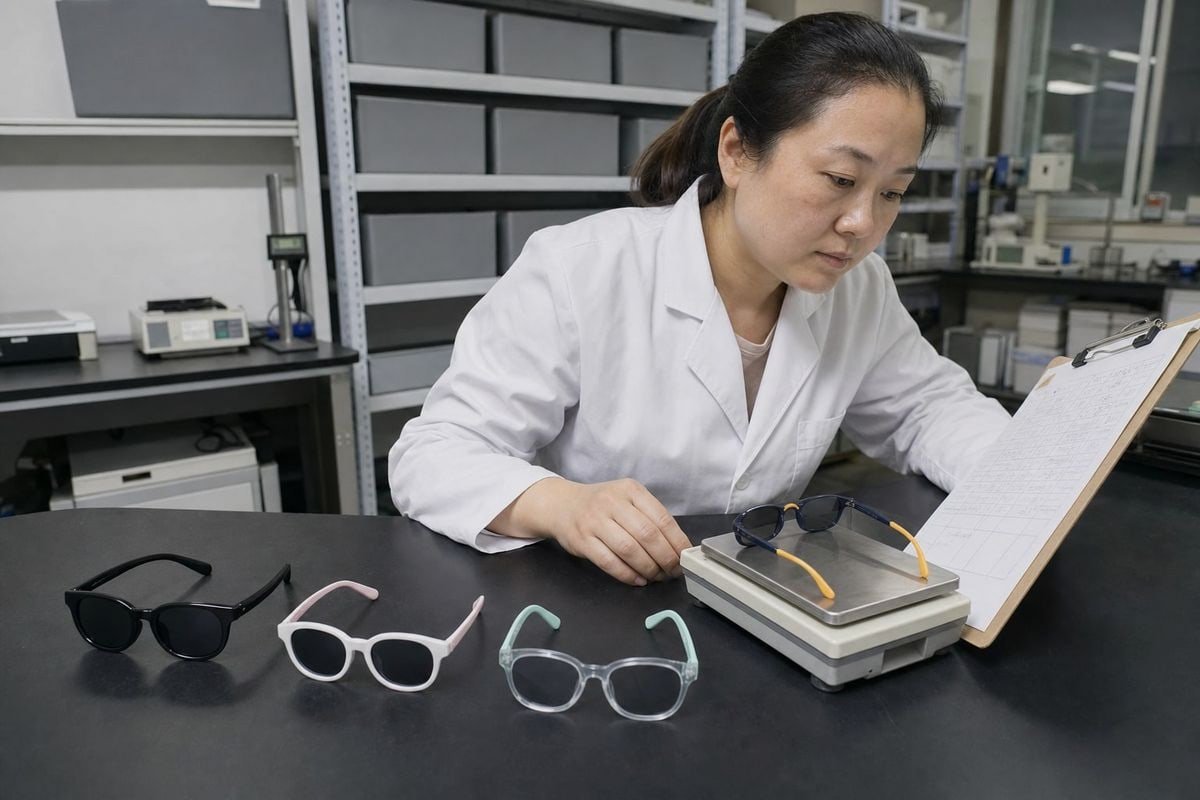
Retention is where sport-style design earns its place in children's eyewear. Our wraparound shield styles — the kind with a single curved lens and sculpted temples — were originally inspired by cycling eyewear, and we adapted the geometry for smaller faces because active kids move exactly like small athletes.
The retention checklist we use in development
When we develop a new active style, we run through a fixed sequence:
- Curvature first. A wrap-around frame design follows the head's curve, so side-to-side motion cannot lever the frame off. It also blocks UV entering from the sides.
- Bridge geometry. We widen and flatten the bridge contact area for young nasal structures, spreading pressure instead of concentrating it.
- Temple grip. Slim, flexible TPEE temple tips curve gently behind the ear. They grip through friction, not squeeze.
- Weight audit. Every gram above the target gets challenged. Light frames stay put; heavy frames bounce.
- Retention backup. For toddlers and water or snow use, adjustable head straps convert any frame into a near-losable-proof system.
- Ventilation check. Micro-ventilation between the lens and brow prevents fogging and heat buildup — two of the most common hidden reasons kids yank glasses off mid-play.
Lens choice for active use
For beach, pool, and snow environments, La vérification de la conformité doit être effectuée tôt, pas tard. Confirmez les exigences de conformité et de certification CPSIA avant le début de la production. Si des tests en laboratoire sont nécessaires pour votre marché, les échantillons doivent être envoyés au laboratoire des semaines à l'avance. Les audits de contrôle qualité d'usine par des tiers nécessitent également une réservation à l'avance — les agences d'inspection sont également occupées pendant la haute saison. 7 for kids cut glare from water, sand, and pavement, which reduces squinting and improves comfort. One caution from our QC experience: low-quality polarizing film can cause visual distortion, and some children report dizziness with poor films. Polarization helps only when the lens quality is genuinely good — another reason to work with a factory that tests lenses rather than trades them.
Can I request custom fit and style options to boost my customers' children's compliance?
A Japanese buyer once asked us for softer temple tips, a lower bridge, and pastel two-tone colors on one round-frame style. Six months later, she reordered triple the volume.
Yes. Through OEM/ODM customization, brands can request child-specific bridge shapes, softer temple materials, custom colors and patterns, lens tints and coatings, logos, and retail packaging. Giving children appealing, well-fitted options they choose themselves dramatically increases wearing compliance.
Customization is not a cosmetic luxury. It is a compliance tool. Research on children's eyewear adoption consistently points to "user agency" — when a child picks their own color or character theme, the sunglasses become theirs, and resistance drops sharply. Our OEM/ODM program is built around that reality.
What you can customize and why it matters
| Customization option | Compliance benefit |
|---|---|
| Frame colors and two-tone combos | Child chooses a pair they love and defends |
| Bridge height and nose pad shape | Correct fit for flat toddler bridges, less slipping |
| Temple material and length | Softer feel for kids with sensory sensitivities |
| Lens tint, UV400, polarization | Comfortable vision without an over-dark world |
| Mirrored or gradient lens finishes | "Cool factor" that beats social resistance |
| Straps, cases, and cleaning cloths | Practical retention plus a premium unboxing |
| Logos and retail packaging | Brand trust that reassures the purchasing parent |
Lower-risk ways to start
Not every brand needs new molds. We keep roughly 800 existing styles that buyers can recolor, rebrand, and repackage, which lets a new children's brand test the market without heavy tooling investment. Once a style proves itself, deeper customization — a unique lens shape, a shape-adapting bridge, exclusive colorways — becomes a sensible second step.
Sizing across ages
We also encourage brands to offer at least two size runs. A frame that fits a two-year-old will not fit a seven-year-old, and children outgrow frames fast. Building a baby size and a junior size into your line, with fit rechecked as kids grow, keeps compliance high across your whole customer base and keeps parents coming back for the next size up.
Conclusion
Kids resist wearing sunglasses because most pairs ignore how children actually feel and move. That failure costs brands returns, reviews, and repeat sales — and costs children real UV protection. The fix is design: flexible TR90 and TPEE materials, child-specific fit, secure wrap-around geometry, clear protective lenses, and styles kids choose themselves. If you are building a children’s eyewear line and want a partner who engineers compliance into every frame, reach out to us at OKAY EYEWEAR — Alan Kong, sales@okayeyewear.com — and let’s remove every reason a child wants to take their sunglasses off.
Notes de bas de page
1. Defines the manufacturing model referenced for custom eyewear production. ↩︎
2. WHO source on UV radiation risks relevant to children’s eye exposure. ↩︎
3. NIH health information relevant to sensory sensitivity discussed in children. ↩︎
4. Background on nylon-based polymer materials like TR90 used in flexible frames. ↩︎
5. Explains the impact-resistant material used for recommended children’s lenses. ↩︎
6. Wikipedia background on sunglasses UV protection standards referenced in the text. ↩︎
7. FDA consumer guidance relevant to lens quality and eye safety concerns. ↩︎
Plus d'articles que vous pourriez aimer
1 août 2026
L'usine doit-elle gérer l'emballage et l'étiquetage des lunettes pour enfants, ou utiliser un fournisseur désigné ?

1 août 2026
Entrepôt propre vs. exécution directe par le fournisseur : lequel réduit les coûts de retour pour les marques de lunettes pour enfants ?

1 août 2026
Entrepôt direct au port ou staging outre-mer : lequel permet d'économiser le plus sur l'expédition des lunettes pour enfants ?
Vous recherchez un partenaire fiable en lunetterie pour enfants ?
Explorez plus de 800 styles prêts et un support OEM/ODM complet adapté à votre marque.
Contactez-nous English
  Español de México
  Deutsch
  Français
  日本語
日本語  العربية
  Português do Brasil