What Accessories Pair Best With Kids’ Sunglasses: Hard Case or Soft Pouch?
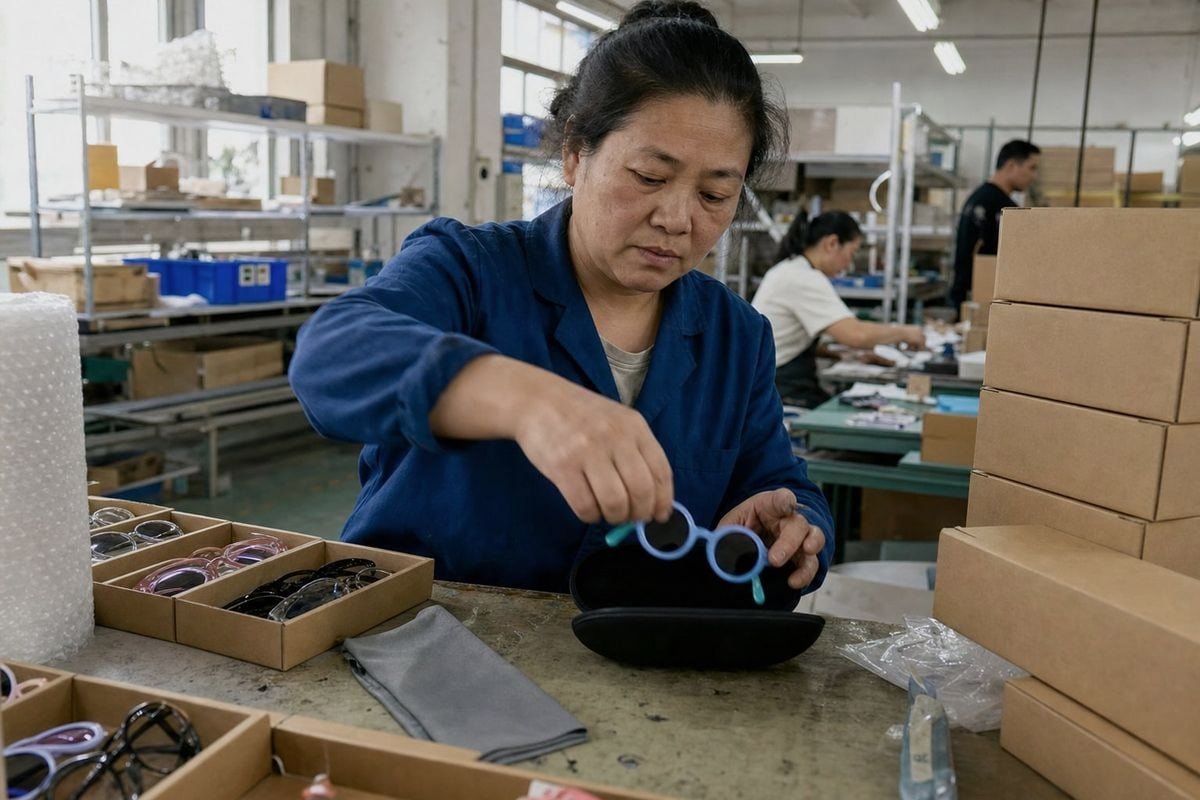
Choosing accessories for kids’ sunglasses — hard case or soft pouch — sounds simple until returns start piling up retail price 1. On our production line, we see the consequences of that choice daily.
For most kids’ sunglasses, a hard clamshell case pairs best because it resists crushing in backpacks and school bags. A soft microfiber pouch works only for low-risk storage, but the ideal accessory bundle combines a hard case with a pouch that doubles as a cleaning cloth.
That is the short answer. But the right choice for your brand depends on your customer’s child, your price point, and your packaging strategy. Let me walk you through how we advise buyers on this exact question.
What Protection Level Does My Kids' Sunglasses Line Really Need?
During a QC review 2 last year, we crush-tested sample frames the way an eight-year-old treats a backpack. The results reshaped how we package our TPEE and TR90 3 sunglasses for export clients.
Kids' sunglasses need crush protection, not just scratch protection. Children throw eyewear into backpacks beside lunchboxes, sit on bags, and drop them on playgrounds. A soft pouch only prevents lens scuffing; a hard case prevents structural damage, which is the more common failure mode.
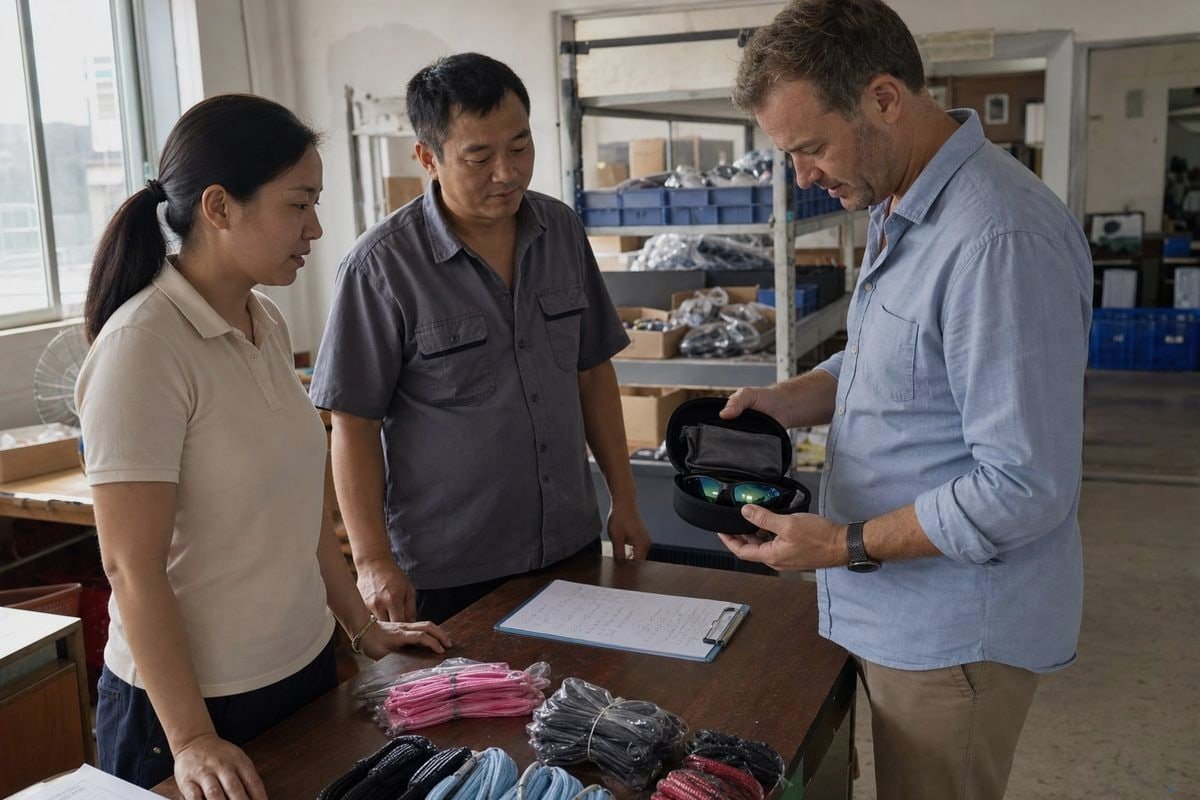
The first thing I explain to new buyers is the difference between two kinds of damage. Scratch damage is cosmetic. It happens when a lens rubs against keys, zippers, or sand. Crush damage is structural. It happens when weight presses on the frame — a textbook, a car seat, a sibling's foot. These are two different problems, and they need two different solutions.
Our flexible TPEE and TR90 frames already handle bending and twisting far better than rigid acetate 4. A child can flex our temples outward without snapping them. But no frame material protects a lens from a heavy object pressing directly on it inside a stuffed schoolbag. That is where the accessory takes over.
Match Protection to the Child's Real Routine
Think about where the sunglasses actually live during the day. The riskier the environment, the stronger the case needs to be.
| Storage Scenario | Main Risk | Recommended Accessory |
|---|---|---|
| School backpack with books | Crushing, impact | Hard clamshell case |
| Sports bag or gym bag | Impact, being stepped on | Hard case, ideally slim profile |
| Dedicated car compartment | Light scuffing | Soft microfiber pouch |
| Beach or pool bag | Sand scratches, moisture | Quick-dry pouch or vented hard case |
| Parent's handbag | Mixed items rubbing | Pouch minimum, case preferred |
When we develop accessory bundles with children's brands, we always ask about the end customer's lifestyle first. A toddler line sold through baby boutiques faces different risks than a sports line for ten-year-olds. The accessory should reflect that, not just the price target.
Should I Offer a Hard Case, Soft Pouch, or Both to My Retail Customers?
A distributor in Australia once asked me to quote three bundle options for the same wraparound sport style. Comparing how each performed at retail taught us more than any spec sheet could.
Offer both when possible: a hard case for structural protection plus a microfiber pouch that doubles as a cleaning cloth. If budget forces one choice, pick the hard case for kids' lines. Reserve pouch-only bundles for entry-level price points or promotional giveaways.
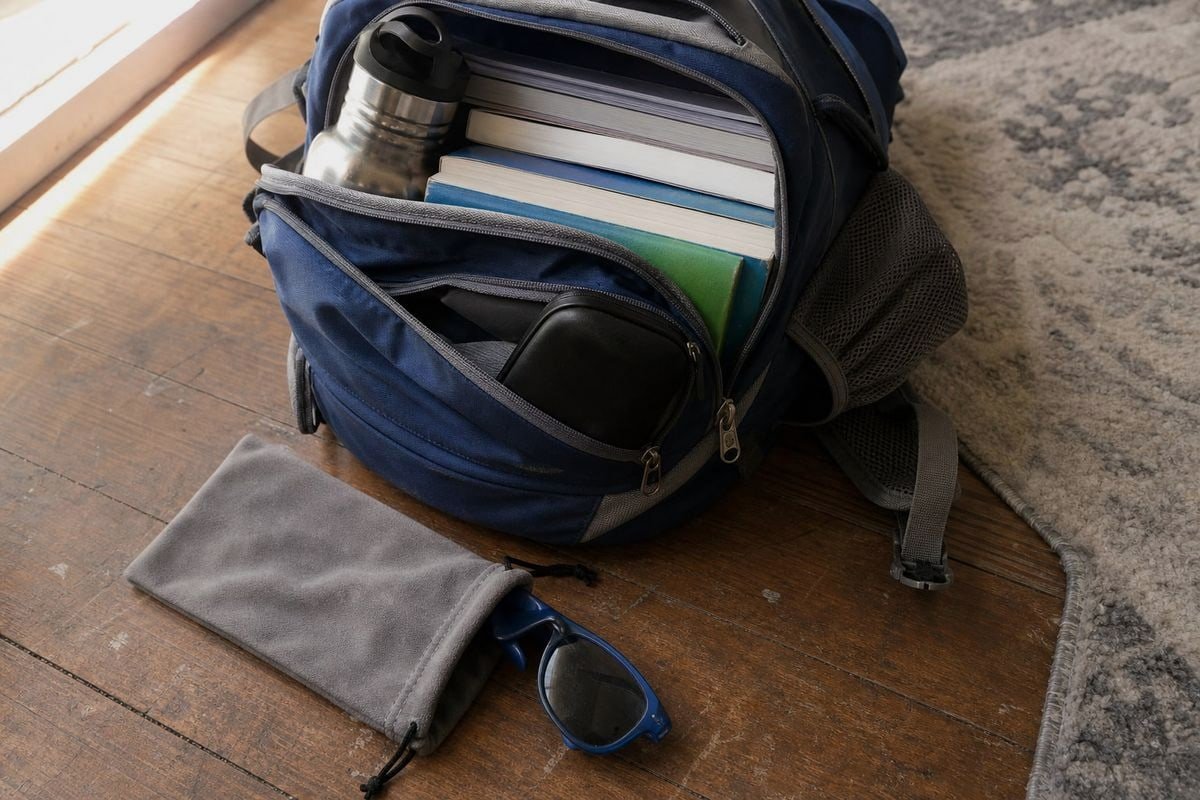
Here is the honest comparison I share with buyers before they decide:
| Facteur | Hard Case | Soft Pouch | Combo (Both) |
|---|---|---|---|
| Crush protection | Excellent | Aucun | Excellent |
| Scratch protection | Good (with lining) | Good | Excellent |
| Weight and bulk | Higher | Minimal | Modéré |
| Doubles as cleaning cloth | No | Yes (microfiber) | Yes |
| Unit cost impact | Modéré | Bas | Highest |
| Perceived retail value | Élevé | Low to moderate | Highest |
| Fits small backpack pockets | Depends on design | Always | Depends on case |
The combo approach wins in most mid-market and premium positions. Slipping the sunglasses into a pouch, then placing both inside a hard case, gives double scratch protection and a built-in cleaning tool. Parents notice this. It signals a complete, thoughtful product rather than a bare pair of glasses.
When a Pouch Alone Makes Sense
A pouch-only bundle is not wrong — it is just limited. It works for promotional product companies ordering high volumes at tight budgets, for beach-focused lines where quick-dry fabric matters more than structure, and for baby styles that stay under direct parent control. The mistake is using a pouch alone on a school-age sports line, where the return rate will tell the story.
Kid-Specific Case Details That Matter
For children, we also check that the case opens easily with small hands, that the hinge or zipper survives repeated rough use, and that the internal dimensions actually fit the frame. Our sport wraparound styles with single-shield lenses need wider cases than our compact round frames, so we always match case dimensions to the specific model, never a generic size.
How Can I Customize Cases and Pouches With My Brand Logo and Packaging Style?
One lesson from fifteen years of OEM work: buyers remember the unboxing, not the mold tolerance. Our packaging team now treats the case as the first touchpoint of the brand, not an afterthought.
Cases and pouches can be customized with printed or embossed logos, brand colors, custom shapes, matching interior linings, and coordinated retail packaging. Most factories, including ours, offer screen printing, heat transfer, debossing, and woven labels, with reasonable minimums per design for OEM/ODM orders.
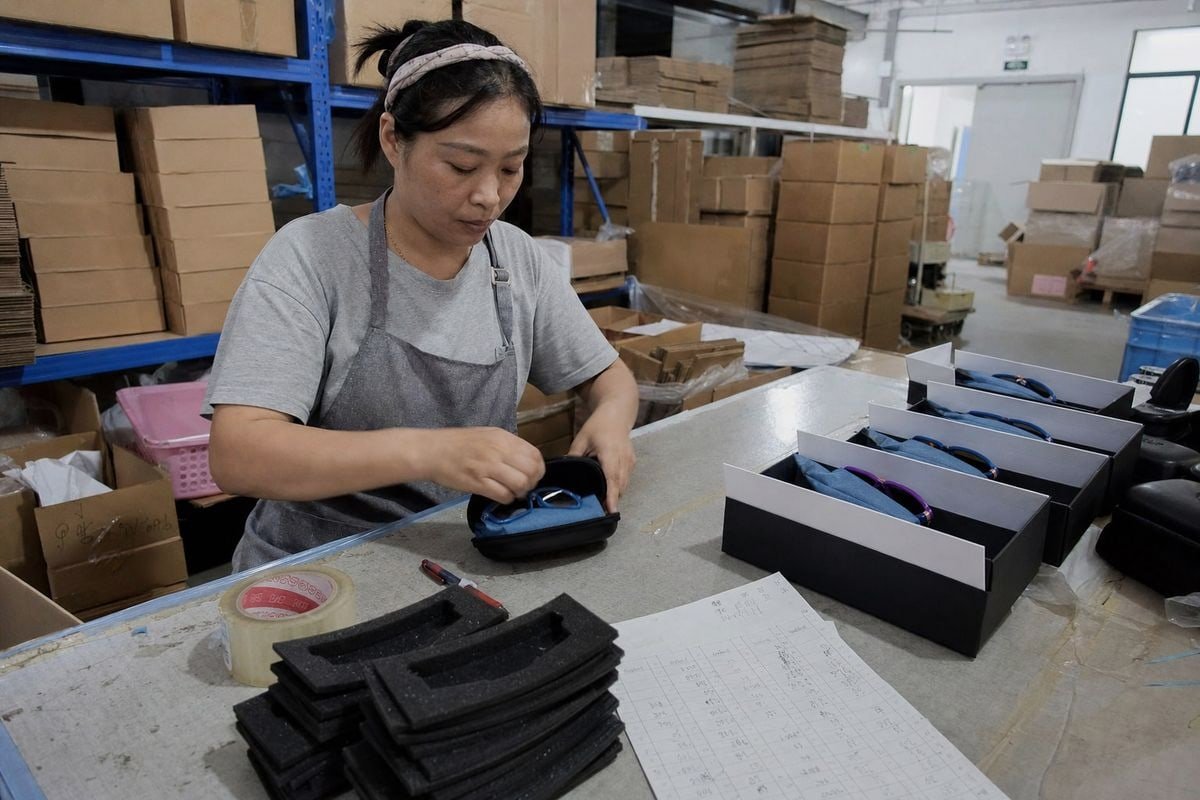
Customization is where accessories shift from a cost line to a brand asset. When we run OEM/ODM projects 5 for children's brands in Europe and Japan, the accessory program usually follows a clear sequence.
A Practical Customization Process
- Choose the base accessory. Pick from existing case and pouch shapes — clamshell, slim zip, drawstring pouch, envelope pouch — to avoid tooling costs. This mirrors how our roughly 800 existing frame styles let brands launch without mold investment.
- Apply brand colors. Match the case exterior and pouch fabric to your frame colorways. A periwinkle-and-mint round frame, for example, sells better with a matching pastel case than a generic black one.
- Add the logo. Screen printing suits pouches. Debossing or metal badges suit hard cases. Woven labels work on zip cases and give a premium feel at low cost.
- Design the interior. Soft microfiber lining 6 is non-negotiable for kids' cases. Some brands print a care message or a fun character inside the lid.
- Coordinate the outer packaging. The case, pouch, hang tag, and box should share one visual language so the shelf presentation looks retail-ready on arrival.
Customization Options at a Glance
| Element | Common Options | Idéal pour |
|---|---|---|
| Logo method | Screen print, deboss, heat transfer, woven label | All accessory types |
| Case color | Pantone-matched shell, patterned prints | Matching frame colorways |
| Pouch fabric | Microfiber, quick-dry mesh, cotton drawstring | Cleaning, beach lines, eco positioning |
| Interior | Lining color, printed message | Premium unboxing |
| Extras | Straps, retainers, stickers, care cards | Bundles and gift sets |
One practical tip: color-coded or patterned cases help multi-child households tell siblings' sunglasses apart. Several of our buyers turned this into a selling point on their product pages, and it costs almost nothing to implement across an existing colorway.
Will Adding the Right Accessories Increase My Perceived Product Value and Reduce Returns?
Weighing cost against outcome is a trade-off I discuss with almost every new buyer. A case adds cents to the unit price; a return or a bad review costs far more.
Yes. A quality hard case raises perceived value, justifies a higher retail price, and directly reduces breakage-related returns. Accessories also encourage children to store sunglasses properly, extending product life and improving reviews — which matters more for repeat purchase than a marginally lower unit cost.
Let me break down why this works, because it is not just about protection during use. It starts before the sale.
Perceived Value on the Shelf and Online
A pair of sunglasses in a branded hard case with a matching pouch photographs better, unboxes better, and feels like a complete gift set. Parents shopping for children's products respond strongly to signals of care and completeness. In our experience supplying brands across more than twenty countries, the bundles positioned as "sunglasses plus protection system" consistently support higher price points than bare frames, even when the frame itself is identical.
Fewer Returns, Better Reviews
Returns for kids' eyewear 7 usually trace back to three causes: breakage in transit, breakage in use, and lost items leading to buyer's remorse. A hard case attacks the first two directly. Adding a strap or retainer to the bundle attacks the third, since children drop and misplace sunglasses constantly during play. The pouch handles a quieter problem — smudged, scratched lenses that generate "poor quality" reviews even when the optics are fine.
Accessories Build Habits, Which Protect Your Brand
There is also a behavioral angle. When a child has a designated case, parents can build a simple routine: sunglasses go in the case, case goes in the backpack pocket. That habit reduces loss and damage over the whole product life. Your brand gets credit for durability that is partly just good storage. That is a very cheap way to earn a reputation for quality, and it is why we encourage buyers to treat the accessory bundle as part of the product, not an optional add-on.
Conclusion
Hard cases protect, pouches complement, and the combo wins. Choose accessories that match real kids' habits, brand them well, and your sunglasses line earns trust instead of returns.
Notes de bas de page
1. Ophthalmology source supports claims about sunglasses value and consumer expectations affecting pricing. ↩︎
2. ISO 9001 outlines quality management practices relevant to QC testing procedures. ↩︎
3. Background on flexible thermoplastic materials used in children’s sunglasses frames. ↩︎
4. Explains the rigid acetate material contrasted with flexible frame plastics. ↩︎
5. Alibaba is a major platform for sourcing OEM/ODM manufacturing partnerships. ↩︎
6. Background on microfiber fabric used for lens-safe case linings. ↩︎
7. CPSC provides safety guidance relevant to children’s product durability and returns. ↩︎
Plus d'articles que vous pourriez aimer
1 août 2026
L'usine doit-elle gérer l'emballage et l'étiquetage des lunettes pour enfants, ou utiliser un fournisseur désigné ?
1 août 2026
Entrepôt propre vs. exécution directe par le fournisseur : lequel réduit les coûts de retour pour les marques de lunettes pour enfants ?
1 août 2026
Entrepôt direct au port ou staging outre-mer : lequel permet d'économiser le plus sur l'expédition des lunettes pour enfants ?
Vous recherchez un partenaire fiable en lunetterie pour enfants ?
Explorez plus de 800 styles prêts et un support OEM/ODM complet adapté à votre marque.
Contactez-nous English
  Español de México
  Deutsch
  Français
  日本語
日本語  العربية
  Português do Brasil