What Are the Common Accessories for Kids’ Sunglasses?
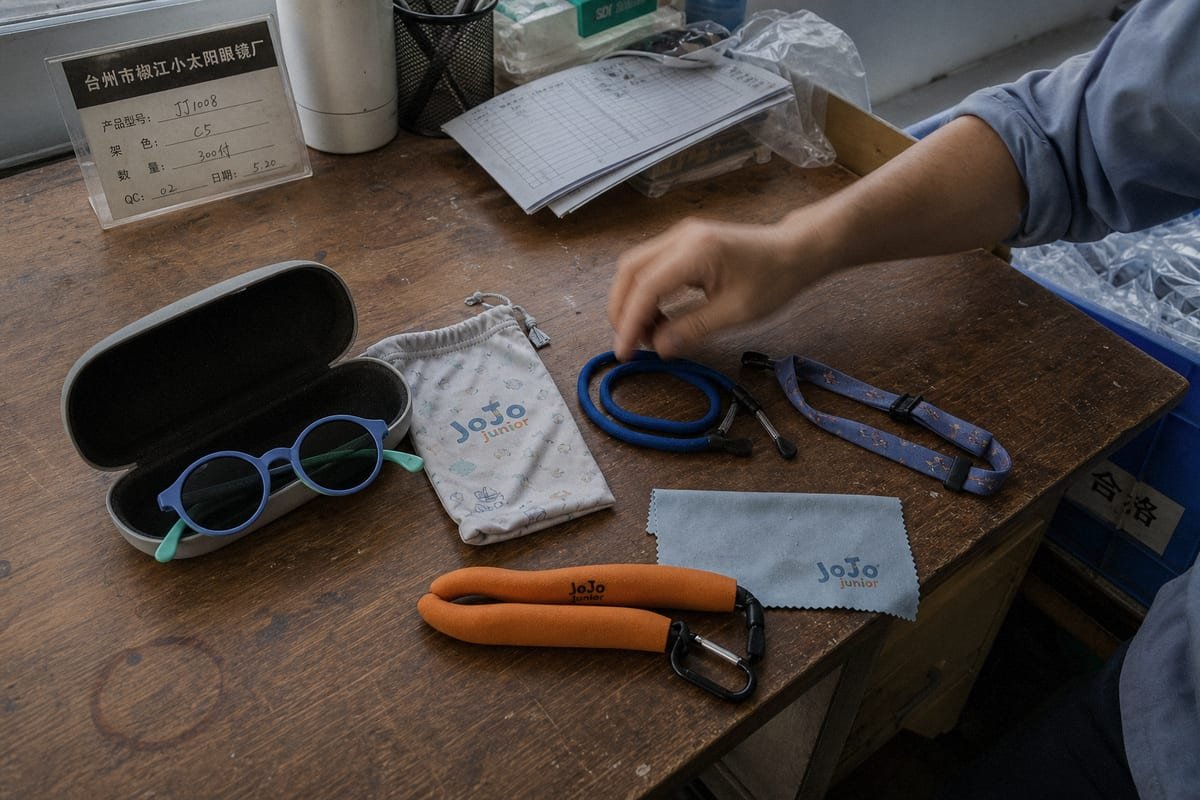
Buyers ask me about accessories for kids’ sunglasses almost weekly on our production line. Frames get returned scratched, lost, or broken — and parents blame the brand, not the child. Accessories fix that.
Common accessories for kids’ sunglasses include hard shell cases, soft storage pouches, adjustable straps and retainers, neoprene sunglass cords, floating retainers for water play, microfiber cleaning cloths, and lens care kits. Cases and straps are the two essentials most brands bundle first.
Below, I will break down each accessory category. I will explain which ones your brand actually needs, and how they affect returns, reviews, and retail presentation.
What Types of Cases and Pouches Should I Offer With My Kids' Sunglasses?
During a QC review last year, we opened a returned shipment and found the real problem was not the frames. It was the missing cases. Scratched lenses drive most complaints we see.
Offer at least one protective case per pair: a hard shell case for maximum crush protection, or a soft storage pouch that doubles as a microfiber cleaning cloth. Zippered EVA and neoprene cases suit active kids best, while printed pouches add kid appeal at low cost.
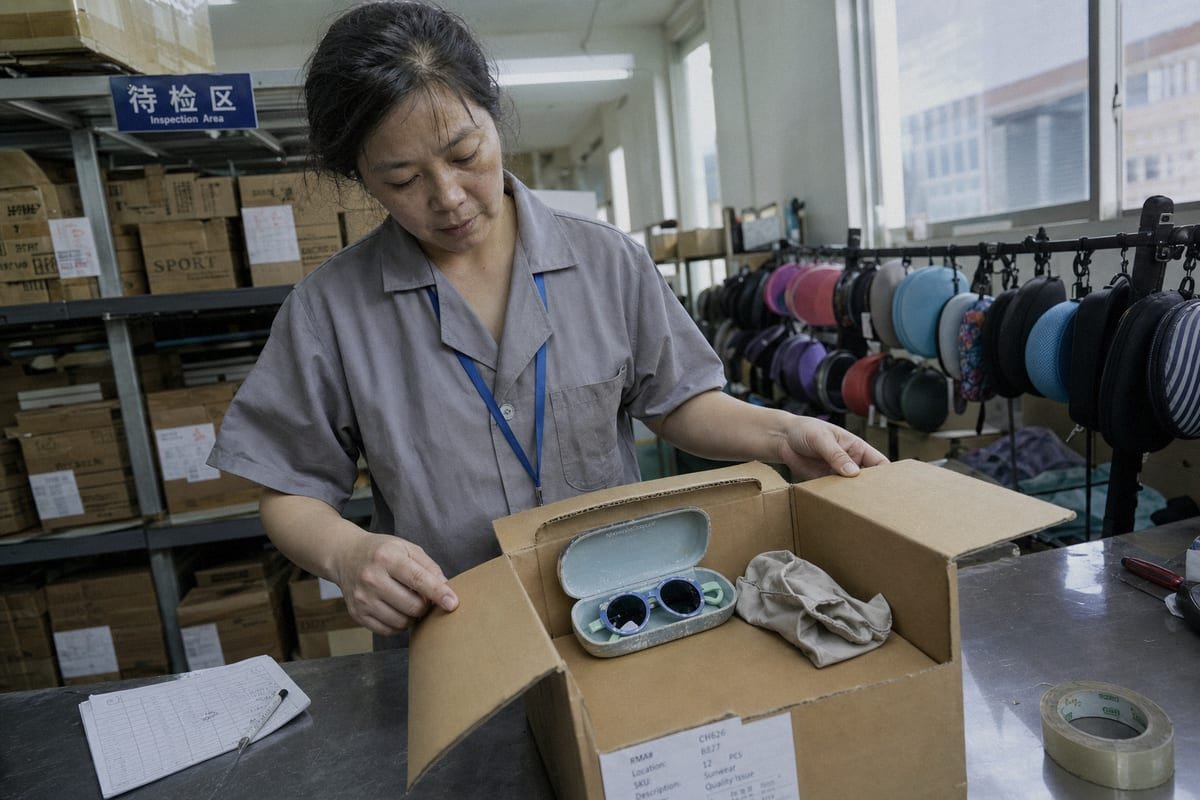
A case is widely considered the single most important accessory for children's eyewear. Kids throw sunglasses into backpacks, car seats, and beach bags. Without protection, lenses scratch and hinges bend. In our experience exporting to brands in Europe and Australia, the case is often the first accessory a buyer customizes — sometimes before the frame color itself.
The Main Case Types We Produce
There is no single "best" case. Each type serves a different retail price point and use scenario. Here is how I usually explain the options to new buyers:
| Case Type | Protection Level | Utilisation typique | Kid Appeal |
|---|---|---|---|
| Hard shell case (clamshell) | High — crush resistant | School bags, travel | Medium; improves with printing |
| Zippered EVA case 1 | High — semi-rigid | Sports, outdoor brands | High with fun zipper pulls |
| Neoprene pouch | Medium — soft padding | Beach, pool, everyday | High; bright colors possible |
| Soft storage pouch (microfiber) | Low — scratch protection only | Budget bundles, gifts | High with novelty prints |
| Case with carabiner clip | Moyen-Élevé | Clipping to backpacks | Very high for school-age kids |
For toddler lines, we usually recommend a rounded hard shell case with no sharp edges. For school-age children, a zippered EVA case with a carabiner clip works well, because kids can attach it to a backpack and lose it less often. A soft storage pouch made of microfiber is the cheapest option, and it doubles as a lens cloth — a smart choice for entry-level bundles.
One practical tip from our workshop: match the case size to the frame. Kids' frames are smaller than adult frames, so an oversized adult case lets the sunglasses rattle around inside. A snug fit prevents micro-scratches during shipping and daily use.
Do I Need Straps or Cords to Keep Children's Sunglasses Secure and Safe?
A buyer from an outdoor kids' brand once told me her biggest complaint category was simply "lost at the playground." We added an adjustable strap to her bundle, and that complaint nearly disappeared.
Yes. Straps, cords, and retainers are near-essential for active children. An adjustable strap or silicone retainer keeps sunglasses on during play, while a neoprene sunglass cord lets kids hang frames around the neck. Floating retainers add safety for pools, boats, and beach trips.
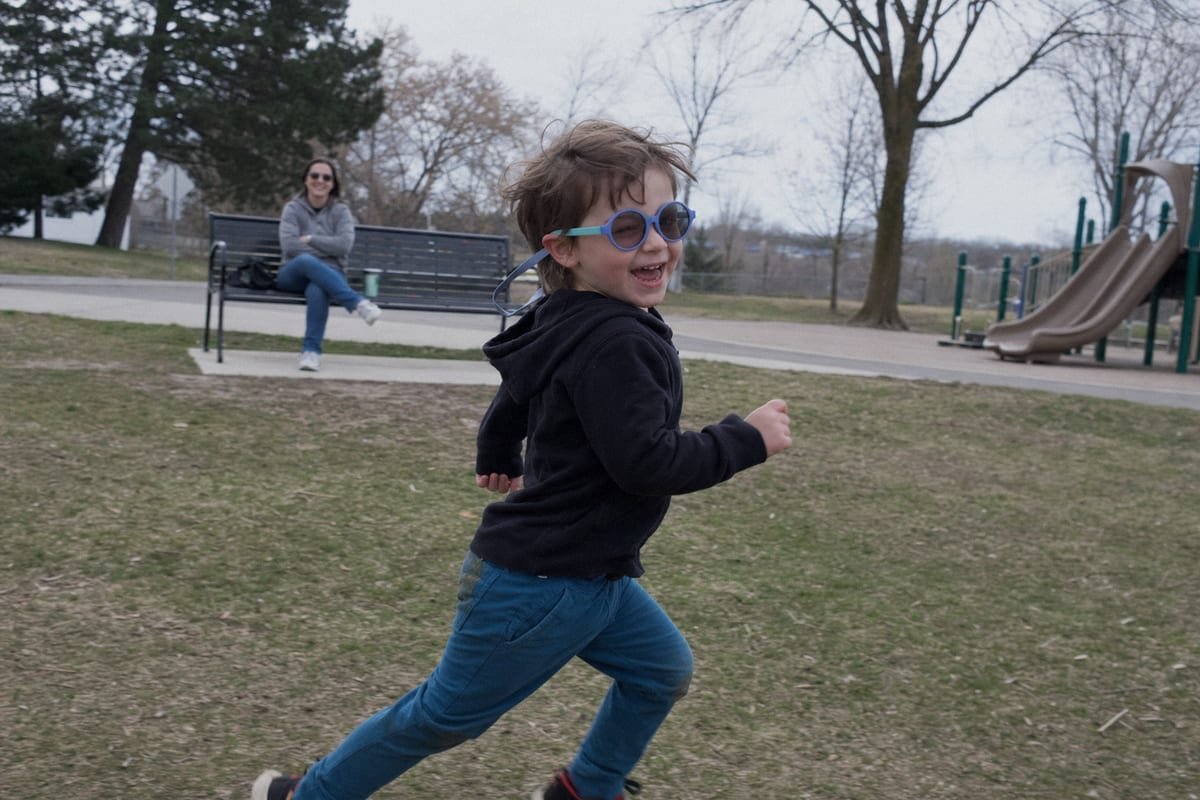
Straps solve the two problems parents mention most: sunglasses slipping off and sunglasses getting lost. Kids run, jump, hang upside down, and forget where they put things. A retainer addresses all of that at very low unit cost.
Which Retention Accessory Fits Which Child?
Age and activity level should guide the choice. In our catalog of roughly 800 existing styles, we pair different retention accessories with different frame families:
| Retention Type | Best Age Range | Best Activity | Key Benefit |
|---|---|---|---|
| Adjustable strap (fabric) | 0–4 years | Everyday, strollers | Keeps frames on toddlers who pull glasses off |
| Silicone ear hooks | 3–8 years | School, casual wear | Anti-slip grip behind the ears, no strap needed |
| Neoprene sunglass cord | 5–12 years | Hiking, travel | Hangs frames on the chest when not worn |
| Floating retainers | All ages | Pool, boating, fishing | Sunglasses float if dropped in water |
| Elastic sports band | 6–12 years | Cycling, team sports | Locks wraparound frames in place |
A few details matter more than buyers expect. First, safety: any cord for young children should include a breakaway feature 2 or sit snugly against the head, so it cannot snag. Second, comfort: silicone ear hooks and non-slip nose pads work quietly in the background — they improve fit without the child noticing, which raises the odds the child actually wears the sunglasses. Third, cleanability: fabric straps should be wipeable, because sunscreen and sweat build up fast in summer.
For our sport wraparound styles — the shield-lens frames with mirrored coatings 3 — we almost always recommend an elastic band or cord. Those frames are built for cycling and outdoor sports, and a secure fit is part of the performance promise. For our pastel toddler rounds, a soft adjustable strap suits the age group better.
One note on an old industry debate: some older commentary treated cords and chains as an adult "readers" accessory. Modern kid-focused retail has moved past that. Child-specific straps and cords, designed for safety and comfort, are now mainstream and expected.
How Can Custom Packaging and Accessories Help My Brand Stand Out at Retail?
When we developed a retail-ready program for a Japanese baby brand, the frames were only half the project. The box, pouch, and hangtag carried the brand story on the shelf.
Custom packaging and coordinated accessories turn a commodity frame into a branded product. Printed cases, color-matched straps, logo pouches, and themed boxes justify higher retail prices, improve shelf presence, and increase perceived value — often at only a small increase in landed cost per unit.
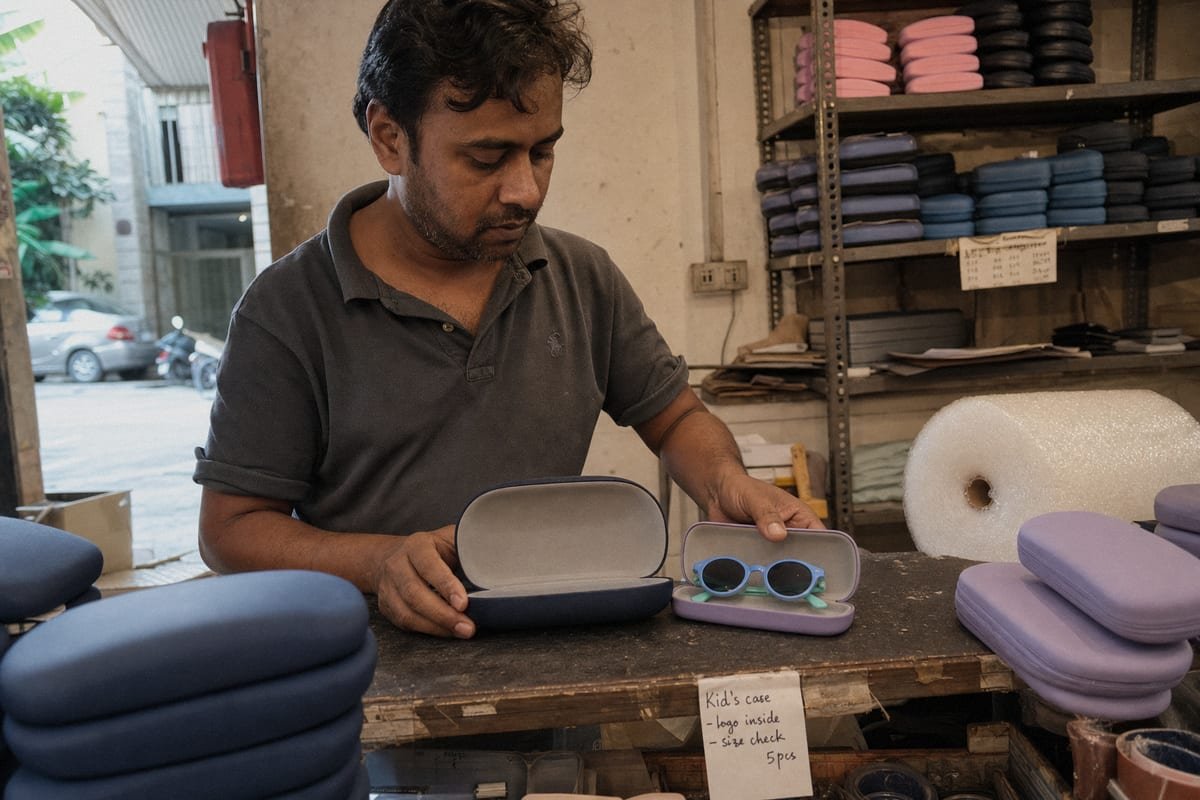
Parents rarely compare lens specs at the shelf. They compare how complete and trustworthy the product looks. A bare frame on a hook competes on price. A frame with a printed hard shell case, a matching strap, and a giftable box competes on value. That shift is where accessory customization earns its money.
What Buyers Typically Customize
Through our OEM/ODM work with children's brands in more than twenty countries, these are the most common customization layers, in order of impact:
- Logo printing on the case or pouch. The cheapest branding step with the longest life — the case stays in the family's bag for years.
- Color-matched accessories. A mint strap with a mint frame photographs beautifully for e-commerce listings and looks intentional at retail.
- Themed or novelty designs. Animal prints, sports motifs, and favorite colors improve kid appeal, which improves compliance — children keep track of things they love.
- Retail-ready boxes and hangtags. These carry UV400 claims 4, age guidance, and care instructions, which build parent trust at the decision moment.
- Eco-friendly storage options. Pouches from recycled materials fit brands with sustainability positioning, and they resonate strongly in European markets.
A small but growing request is a tracking-tag sleeve — a pocket on the case or cord designed to hold a Bluetooth locator. It is a niche add-on, but for premium kids' brands it tells a clear story: we know kids lose things, and we planned for it.
The commercial logic is simple. Accessories and packaging typically add a modest amount to unit cost, yet they can support a noticeably higher retail price and a stronger review profile. In our experience, the bundled product also reduces returns, because fewer frames arrive at the customer scratched or get lost in the first month.
Should I Include Cleaning Cloths or Lens Care Kits With My Kids' Eyewear Orders?
Here is a trade-off I weigh with buyers all the time: a microfiber cleaning cloth costs very little, but skipping it costs reviews. Smudged, scratched lenses generate one-star feedback fast.
Yes, include at least a microfiber cleaning cloth with every pair. Kids smear sunscreen, sand, and fingerprints across lenses daily. For premium bundles, add a lens care kit with a cleaning spray, a soft storage pouch, and a small eyewear repair kit for loose hinge screws.
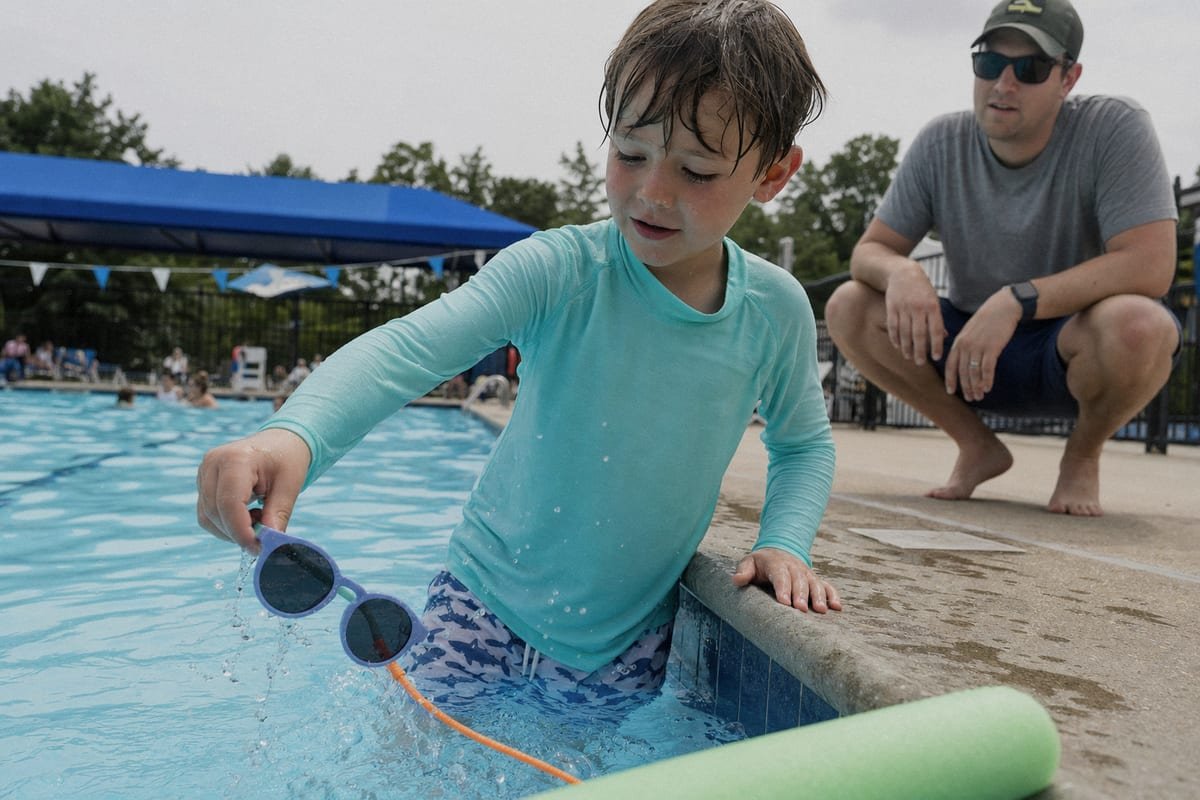
Lens care is the most overlooked accessory category, and it is also the cheapest to solve. Children's lenses take more abuse than adult lenses. Sunscreen is the worst offender — it leaves an oily film that parents then wipe off with a shirt hem, grinding sand into the coating. A dedicated cloth changes that habit.
Building a Sensible Lens Care Bundle
Not every order needs a full kit. I usually map the care bundle to the product tier:
| Product Tier | Recommended Care Items | Why It Fits |
|---|---|---|
| Entry / promotional | Microfiber cleaning cloth only | Minimal cost, protects lens coating |
| Mid-range retail | Cloth + soft storage pouch | Pouch doubles as scratch protection |
| Premium / gift set | Cloth + lens spray + eyewear repair kit | Full ownership experience, gift-ready |
| Sport / outdoor line | Cloth + anti-fog spray 5 + cord | Fog control for active, sweaty play |
A few practical notes from our factory floor. First, cloth quality varies widely; a rough cloth can scratch a mirrored or polarized coating 6, so we always spec genuine microfiber for our UV400 and polarized lens programs. Second, an anti-fog spray is a smart add-on for sport shield styles, because kids fog up wraparound lenses quickly during cycling or ball games. Third, a tiny eyewear repair kit — one mini screwdriver and spare hinge screws — costs almost nothing but signals durability and care. Parents remember the brand that helped them fix a loose screw in thirty seconds.
Care items also carry your logo well. A printed cloth is used hundreds of times, each one a small brand impression. Compared with almost any other marketing spend, that is remarkable value.
Conclusion
Lost, scratched, and abandoned sunglasses hurt your brand. The fix is a simple accessory system: a protective case, a secure strap, and basic lens care with every pair.
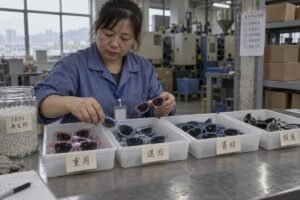
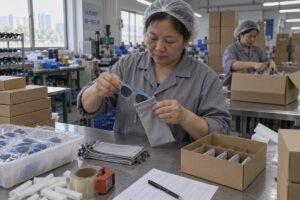
At our Taizhou factory, we bundle these accessories with flexible TPEE and montures TR90 7 every day for brands worldwide. Start with a case and a retainer, add care items by tier, and customize the packaging so the whole set sells your brand — not just a pair of frames. If you want help building that bundle, our team is ready to walk you through the options.
Notes de bas de page
1. Authoritative Wikipedia entry explaining the material properties and durability of ethylene-vinyl acetate. ↩︎
2. Safety information regarding breakaway mechanisms in lanyards and cords for children. ↩︎
3. Authoritative Wikipedia entry explaining the technical function and glare-reduction benefits of mirrored coatings. ↩︎
4. Authoritative reference for UV protection standards and categories in sunglasses.
Plus d'articles que vous pourriez aimer

Vous recherchez un partenaire fiable en lunetterie pour enfants ?
Explorez plus de 800 styles prêts et un support OEM/ODM complet adapté à votre marque.
Contactez-nous English
  Español de México
  Deutsch
  Français
  日本語
日本語  العربية
  Português do Brasil