How Long Until Sales Returns Cover Kids Optical Frames Procurement Cost?
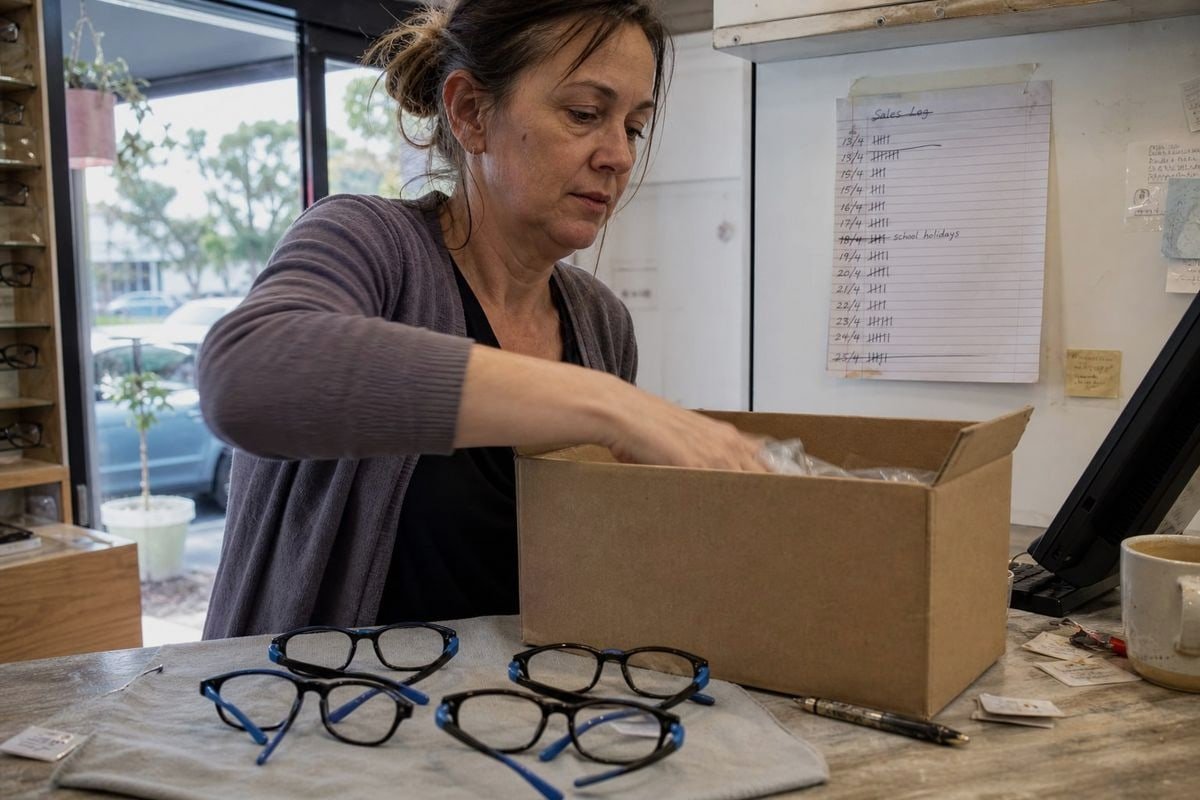
Kids optical frames procurement cost worries every buyer I meet at our Taizhou factory Inventory turnover rate 1. You pay upfront, but returns and slow sell-through can quietly delay your real payback for months.
Most retailers and brands recover kids optical frames procurement cost within 2–6 months, not days. True payback happens only after enough net sales survive the return window, restocking deductions, and fees — so your return rate and gross profit margin drive the clock more than the purchase date does.
That answer has moving parts. Below, I break down the math, the risk factors, and the sourcing strategies that shorten your payback period.
How do I calculate the break-even point for a kids optical frames bulk order?
Last spring, a buyer from Australia asked me to walk through her numbers before placing a 1,200-piece order. We built the break-even analysis 2 together on one spreadsheet page.
Divide your total landed procurement cost by the retained gross profit per frame — retail price minus cost of goods sold, minus returns and fees. If a $6,000 order earns $15 net margin per frame, you break even after 400 confirmed, non-returned sales.

The formula looks simple. The trap is in what people leave out. Many buyers only count the factory unit price. But your real cost of goods sold includes inbound freight, import duties, quality inspection, warehousing, and packaging. We call this the coût rendu 3, and it is usually 20–40% higher than the invoice price.
The full break-even formula
Here is the model I sketch for new customers:
Break-even units = Total landed procurement cost ÷ Net retained margin per frame
Where net retained margin = (average sale value × (1 − return rate)) + (restocking fees kept on returns) − landed unit cost − fulfillment cost.
A worked example
| Line item | Valeur |
|---|---|
| Quantité commandée | 1,000 frames |
| Landed cost per frame | $6.00 |
| Total procurement cost | $6,000 |
| Retail price per frame | $29.00 |
| Return rate | 8% |
| Net retained margin per frame | ~$20.00 |
| Break-even units | ~300 frames |
| Break-even at 25 sales/week | ~12 weeks |
Notice the last row. Break-even is not just a unit count. It is a timeline. Selling 300 frames at 25 per week means roughly three months of exposure. Add a 30-day consumer return policy on top, and your money is not truly safe until those returns clear too.
One more nuance from our export experience: kids' frames sell in seasonal waves. Back-to-school and post-eye-exam periods move fast. If your break-even units land inside a slow season, your payback stretches. Plan your order arrival dates around your strongest selling months, and your break-even analysis becomes far more realistic.
What factors affect how quickly my procurement costs turn into profit?
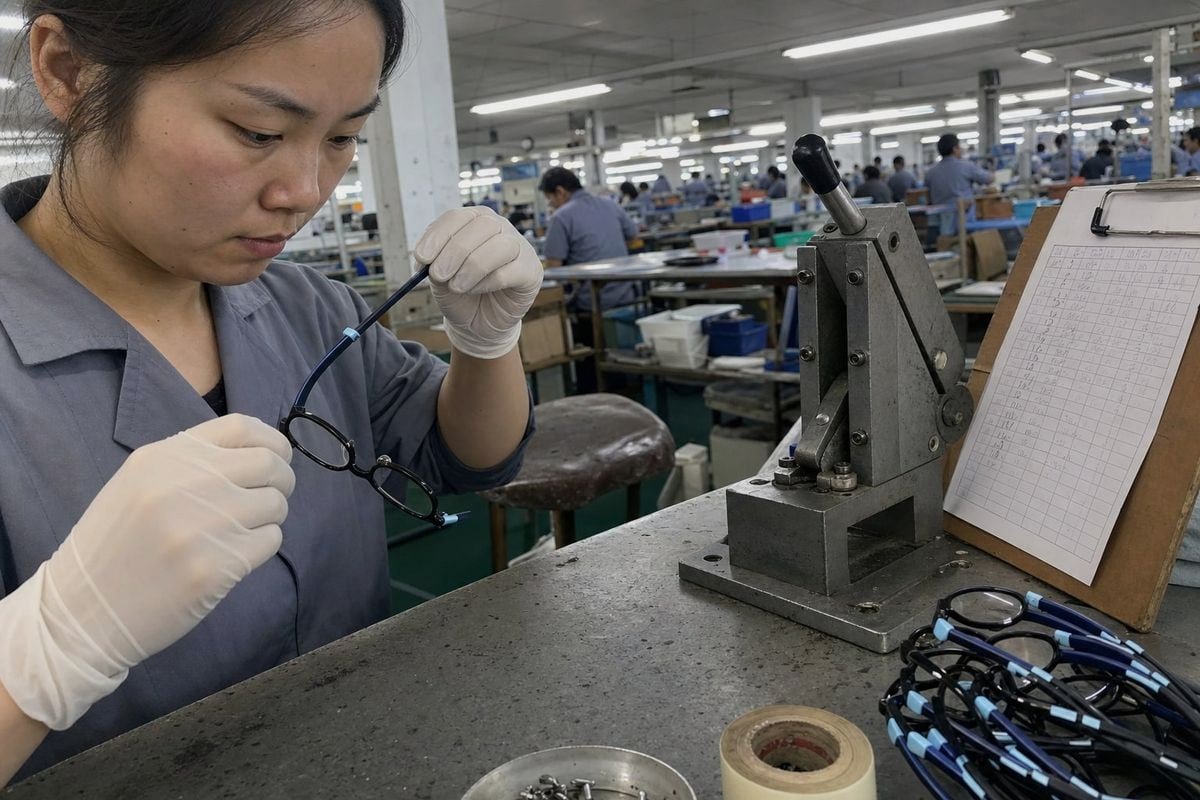
A trade-off we weigh constantly on our production line is durability versus price. A frame that survives a child's daily abuse comes back less often — and returns are the biggest hidden brake on payback.
Five factors control payback speed: your return rate and return-window length, gross profit margin per frame, inventory turnover rate, restocking fee policy, and frame durability. Lower returns and faster sell-through shorten payback; long return windows and dead stock stretch it out.
Let me unpack each factor, because they interact in ways that surprise many first-time buyers in the children's eyewear market.
Return windows set your risk clock
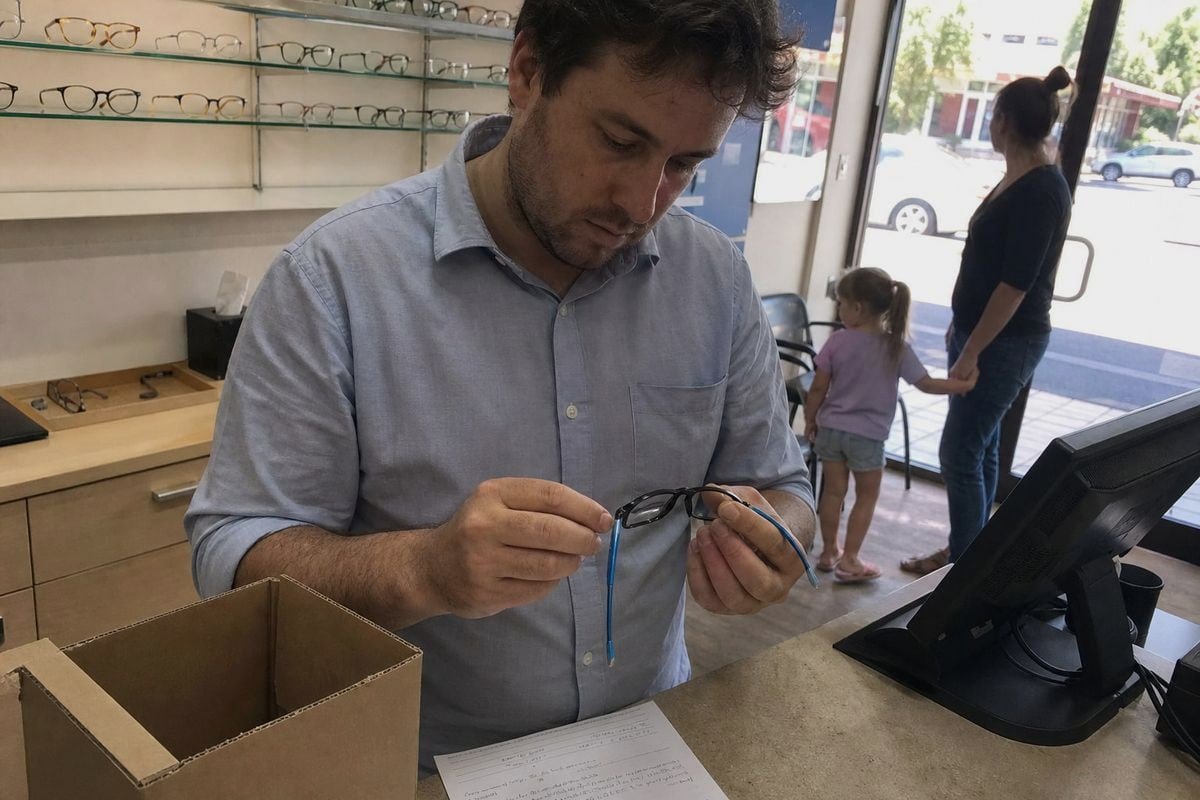
Optical retailers publish return windows from 5 business days up to 90 days. Under a 30-day policy, assume your cash is not safely yours until roughly 30–45 days after each sale, allowing for processing lag. Under a 90-day policy, that exposure stretches to a full quarter. Kids' frames feel this more sharply than adult frames. Parents return frames for fit problems, breakage, and even a child's changed style preference. Good return policy management — clear terms, exchange-first options, store credit for frames — protects your margin without alienating families.
Restocking fees actually help your math
Here is a nuance buyers often miss. A 20% restocking fee means you keep part of the sale even when a frame comes back. If the returned frame is in pristine condition and can be restocked, your loss shrinks further. Restocking fees effectively shorten your break-even period.
Durability reduces returns at the source
This is where we invest most of our engineering effort. Our montures TR90 4 with flexible TPEE temples bend instead of snapping. Fewer broken frames means fewer warranty claims and fewer refunds. Eyewear durability is not just a safety story for parents — it is a payback-speed lever for you.
Turnover beats margin when both cannot be maximized
| Facteur | Speeds up payback | Slows down payback |
|---|---|---|
| Return rate | Under 5% | Over 12% |
| Return window | 14–15 days | 90 days |
| Inventory turnover | 4+ turns per year | Under 2 turns per year |
| Restocking fee | 15–20% retained | Full refunds, no fee |
| Frame durability | Flexible TR90/TPEE | Rigid, brittle plastics |
One objection I hear: shouldn't parents get a generous return window, since kids' fit is hard to judge at purchase? Yes — and that is exactly why you should solve fit before the sale, with flexible materials, adjustable temple designs, and accurate size specs, rather than absorbing the cost after the sale.
How does choosing from 800 existing styles reduce my payback period?
A Japanese baby-brand buyer once told me her biggest fear was not price — it was paying for a custom mold, then discovering the style did not sell. That conversation shaped how we present our catalog.
Selecting from around 800 existing styles removes mold tooling costs of thousands of dollars, cuts development time from months to weeks, and lets you test multiple proven designs in small quantities — so your total upfront investment is smaller and your break-even arrives much sooner.
Custom mold development is the slowest, riskiest path to market. You pay for tooling before a single frame exists. You wait through sampling rounds. Then you commit to a large MOQ to justify the mold. If the style flops, you own dead stock, and dead stock management becomes your daily headache.
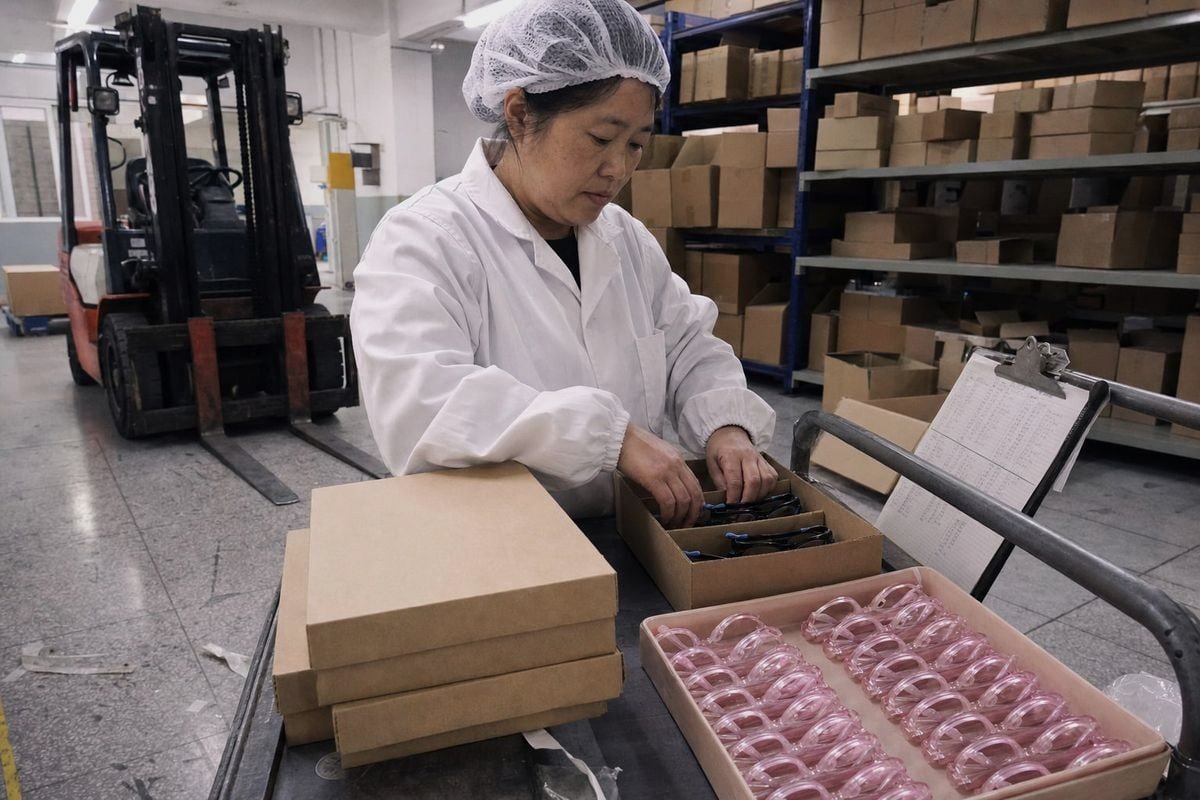
Existing styles flip that equation. At our factory, buyers can pick from roughly 800 designs we already produce — from sporty black frames with two-tone navy rubber temples and cable ear hooks, to translucent blush-pink acetate shapes with a soft cat-eye line. Both extremes of the children's eyewear market are already tooled, tested, and ready.
Why this compresses your payback timeline
- Zero mold investment. Your procurement cost is only the frames themselves, so the amount you must earn back is smaller from day one.
- Faster time to shelf. Sampling takes days, not months. Frames that reach your shelf sooner start their payback clock sooner.
- Portfolio testing. Instead of betting everything on one design, you can spread one order across five or eight styles. Winners get reordered; losers never grow into dead stock.
- Proven fit and construction. Existing styles have been worn by real children in 20+ countries. Fit-related returns drop, which — as we saw above — directly speeds up cost recovery.
There is a fair objection here: doesn't a custom design differentiate your brand better? It can. But full OEM/ODM customization 5 — your colors, your logo, your lenses, your packaging — applied to an existing frame shape gives you most of that differentiation without the mold risk. We recommend new brands start there, then invest in custom tooling only after a style proves itself with real sales data.
Which pricing and MOQ strategies help me recover investment faster?
Fifteen years of exporting kids' eyewear has taught our team one clear lesson: the buyers who recover fastest are rarely the ones who negotiated the lowest unit price. They are the ones who structured the whole order intelligently.
Price kids' frames for a 50–70% gross profit margin on full landed cost, start with the lowest workable MOQ per style, spread that MOQ across several proven designs, and reorder winners quickly. This keeps capital exposure small while retained margin accumulates fast.
Let me break this into the two levers you actually control: what you charge, and how much you buy at once.
Pricing for margin, not just volume
Strategic pricing in optical retail means anchoring your retail price to the full landed cost, then targeting a healthy gross profit margin — typically 50–70% in this category. A frame that lands at $6 and retails at $29 recovers its cost in a single sale and banks surplus toward the rest of the order. Underpricing to chase volume forces you to sell far more units before break-even, which lengthens exposure to returns. Premium features justify premium prices: impact-resistant polycarbonate lens options, UV400 protection, hypoallergenic and environmentally friendly materials, and retail-ready branded packaging all raise the average sale value parents will accept.
MOQ structure changes your risk profile
| Strategy | Capital exposure | Payback speed | Idéal pour |
|---|---|---|---|
| One style, large MOQ | Élevé | Slow if style underperforms | Established sellers with sales data |
| Multiple styles, low MOQ each | Modéré | Fast — winners emerge early | New brands and importers |
| Custom mold + large MOQ | Highest | Slowest | Proven bestsellers only |
| Test order, then rapid reorder | Lowest | Fastest overall | Market entry and validation |
A practical sequence we suggest to first-time buyers:
- Order a mixed test batch across 4–8 existing styles at the minimum quantity per style.
- Track sell-through weekly as an optical retail metric, alongside return reasons.
- Reorder the top two or three styles within 60–90 days, before momentum fades.
- Add customization — logo, colors, packaging — on the reorder, once demand is proven.
Some buyers also layer in recurring-revenue ideas, like replacement programs for outgrown or broken frames. Those work best when the underlying frame is durable and consistently available — which is exactly why we hold tooling for our core styles year-round.
Conclusion
Payback on kids optical frames procurement cost is a weeks-to-months game won by margin, low returns, durable materials, and smart MOQ structure. Start small, test proven styles, and reorder winners fast.
Notes de bas de page
1. Explains inventory turnover ratio as a measure of sales performance and stock management efficiency. ↩︎
2. Provides a comprehensive guide to break-even analysis, its formula, and strategic benefits. ↩︎
3. Clarifies the definition of landed cost, including shipping, insurance, customs, and duties. ↩︎
4. Authoritative source for eyewear, providing a definition and details on TR90 frame material, its flexibility, and durability. ↩︎
5. Compares OEM and ODM manufacturing models, focusing on design responsibility, customization, and cost. ↩︎
Plus d'articles que vous pourriez aimer

août 5, 2026
Bio-Based vs Regular Cellulose Acetate: What's the Difference for Kids' Frames?

août 5, 2026
How Recyclable Are Kids' Optical Frame Materials, and What Eco-Friendly Alternatives Exist?
août 5, 2026
Do Kids Optical Frames Whiten or Age in Storage, and How to Control Warehouse Conditions?
Vous recherchez un partenaire fiable en lunetterie pour enfants ?
Explorez plus de 800 styles prêts et un support OEM/ODM complet adapté à votre marque.
Contactez-nous English
  Español de México
  Deutsch
  Français
  日本語
日本語  العربية
  Português do Brasil