Why Do Screws on Kids’ Optical Frames Keep Loosening, and How to Fix It?
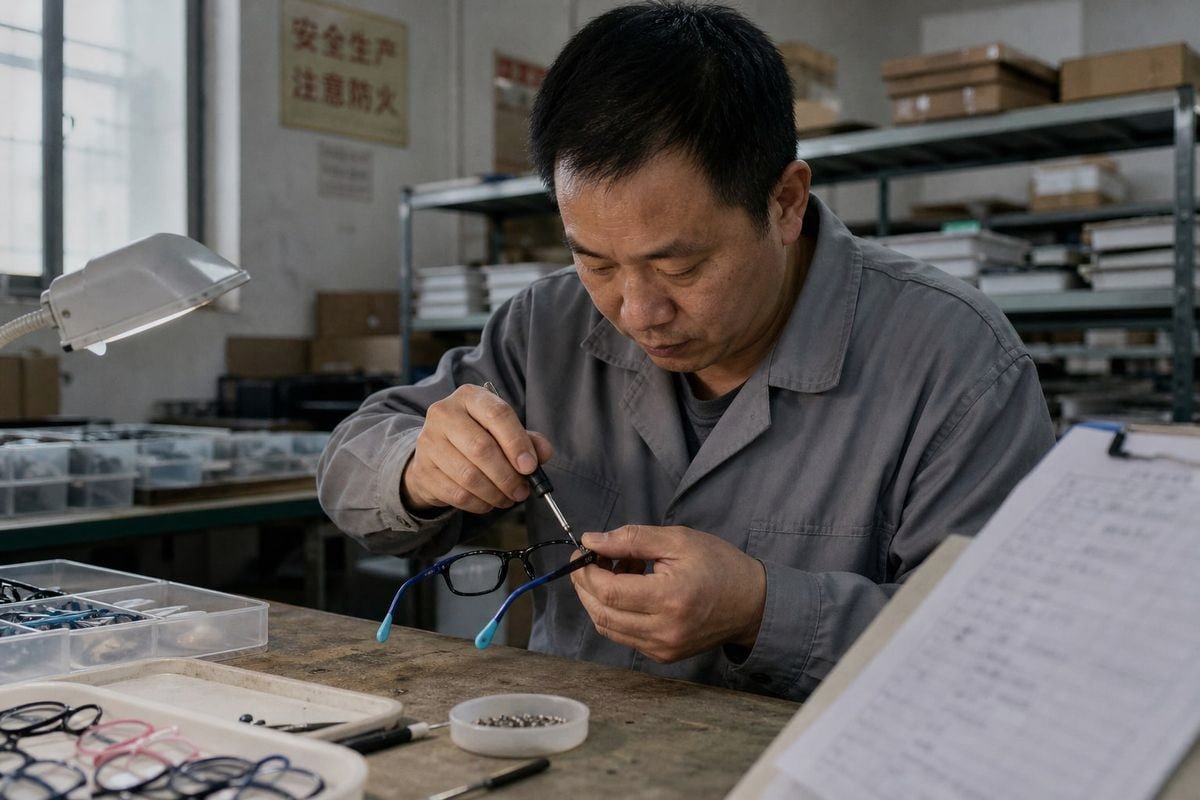
Loose screws on kids’ optical frames are the single most common complaint our factory hears from buyers. The wobble annoys parents, damages brand trust, and quietly kills reorders.
Screws on kids’ optical frames loosen because tiny hinge screws face constant micro-movement, twisting, drops, sweat, and temperature swings from active children. Fix them by tightening correctly with an optical screwdriver, applying threadlocking adhesive, replacing stripped screws, or choosing screwless or spring hinge frame designs.
Below, I will break down the real causes, the home fixes that work, and the frame design choices that stop the problem before it starts.
What causes the screws on kids' glasses to loosen so quickly?
During a QC audit at our Taizhou workshop last year, we cycle-tested hinge screws on sample frames hundreds of times. What we learned explains almost everything parents experience at home.
Kids' glasses screws loosen quickly because children apply far more torque, vibration, and impact than adults do. One-handed removal, rough play, temperature cycling, sweat seeping into threads, and repeated hinge micro-movement all gradually rotate the screw out of its barrel.
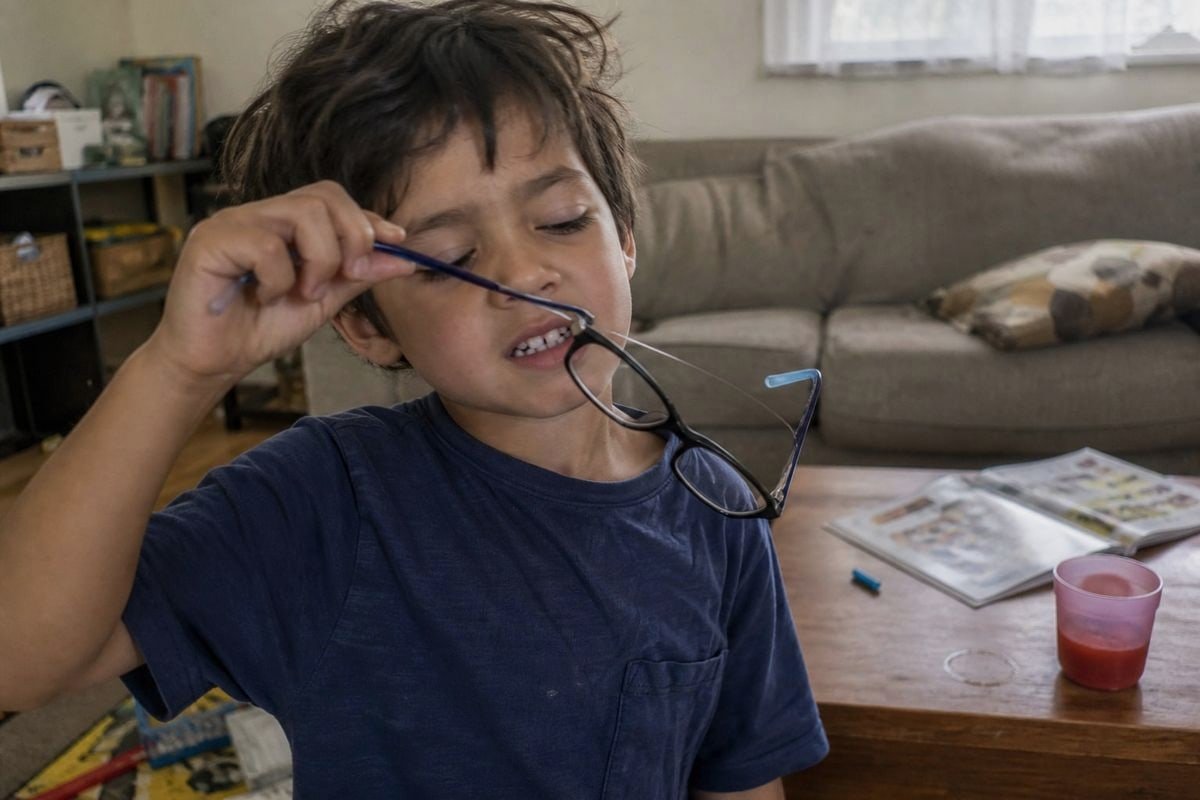
The core problem is physics, not always poor quality. A hinge screw is a tiny fastener held in place mostly by friction. Every time the temple arm opens and closes, a small rotational force acts on that screw. Over hundreds of cycles, the screw slowly backs out. Adults open their glasses maybe six times a day. A child might do it twenty times, and rarely gently.
Why children accelerate the wear
Kids grab one temple arm and yank. That one-handed removal 1 puts uneven torque on a single barrel hinge, stretching the joint and loosening the screw faster than any adult use pattern. Add drops on the playground, glasses stuffed into backpacks, and frames used as toys, and the hinge absorbs constant shocks.
There are quieter culprits too. Temperature cycling — a hot car, then an air-conditioned classroom — expands and contracts the frame material and reduces screw grip. High activity levels also cause sweat and skin oils to seep into the threads, creating a micro-lubrication effect that eases the screw out. Even ultrasonic cleaning at an optical shop can shake unsecured screws loose through high-frequency vibration.
| Cause | How it loosens the screw | Child-specific factor |
|---|---|---|
| Hinge micro-movement | Each open/close cycle rotates the screw slightly | Kids handle frames far more often |
| One-handed removal | Uneven torque stresses one hinge | Very common habit in children |
| Temperature cycling | Materials expand and contract, reducing grip | School, car, outdoor play transitions |
| Sweat and oils | Micro-lubrication eases threads out | High activity, more perspiration |
| Impacts and drops | Deforms barrels, strips threads | Rough play, sitting on frames |
| Facial growth | Widening head pushes temples outward like a lever | Unique to growing children |
One point buyers sometimes raise with me: "Isn't this just cheap manufacturing?" Not entirely. Manufacturing tolerances and initial assembly do play a role, and a well-assembled hinge lasts longer. But even premium frames loosen under kid-level stress. The honest answer is that loosening is normal mechanical wear — the question is how well the frame is designed to resist it.
Can I prevent screw-loosening with a better frame design or material choice?
The trade-off we weigh on every new kids' style is simple: rigid frames hold adjustments well but transfer every shock to the hinge, while flexible frames absorb abuse but demand smarter hinge engineering.
Yes. Flexible TR90 and TPEE frames absorb impacts before they reach the hinge, while spring hinges, self-locking screws, factory-applied threadlocking compound, and screwless designs all dramatically reduce loosening. Material flexibility plus hinge engineering prevents most screw problems in children's eyewear.
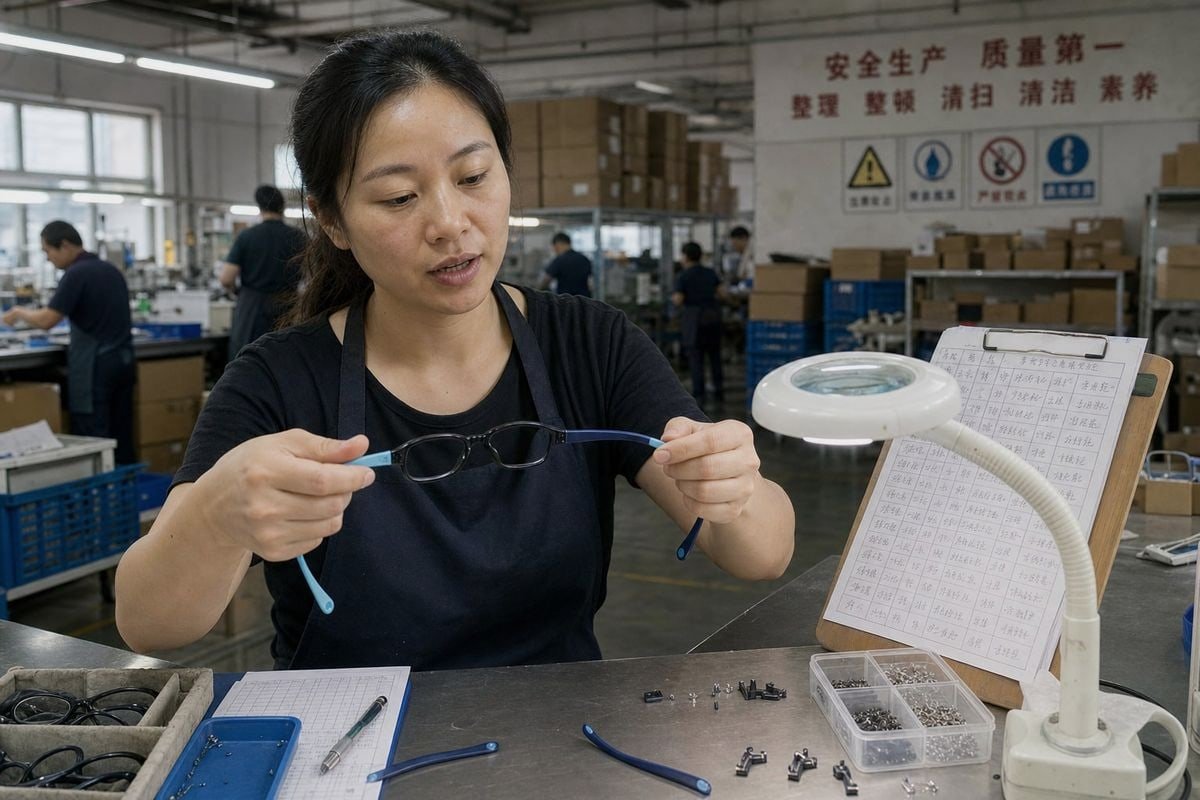
Frame design is where prevention really happens. In our fifteen years building children's eyewear, we have moved almost entirely to flexible materials for kids' optical frames — TR90 fronts with TPEE temples, for example — because a frame that bends instead of resisting protects the hinge from shock loads. When a child sits on a rigid acetate frame, the hinge takes the full force. When they sit on a flexible TR90 frame, the material flexes and springs back.
Design features that fight loosening
Several hinge-level choices matter just as much as material:
- Spring hinges let the temple arm flex outward past its normal stop, so one-handed removal no longer strains the screw.
- Self-locking screws with nylon-coated threads resist vibration far better than plain metal screws.
- Factory-applied threadlocking compound inside the screw barrel adds friction that plain assembly lacks — its absence is a common reason budget frames loosen within weeks.
- Silicone washers between hinge barrels cushion movement and maintain temple arm tension over time.
- Screwless hinge systems remove the fastener entirely.
| Design choice | Loosening resistance | Lo mejor para |
|---|---|---|
| Standard barrel hinges | Baja | Budget adult frames |
| Barrel hinges + threadlocker | Medio | General kids' frames |
| Spring hinges + self-locking screws | Alta | Active school-age children |
| Screwless flexible one-piece design | Muy alta | Toddlers and younger kids |
When we develop OEM projects with children's brands, we also look at fit. A frame that matches the child's face width reduces the lateral tension from facial growth, at least for a season or two. Good sizing is quiet screw prevention. This is also why we keep a wide library of existing styles across sizes — a brand can pick proven, kid-tested geometry instead of gambling on a new mold.
How do I fix loose screws on my kids' optical frames at home?
A distributor in Australia once asked us to write a repair leaflet for parents to include in retail packaging. Drafting it forced our engineers to boil the fix down to steps anyone can follow.
Tighten the screw with a properly sized optical screwdriver until snug, never forced. If it loosens again, apply a tiny dab of threadlocking adhesive to the underside of the threads, or wrap them with a sliver of PTFE tape. Replace stripped screws using an eyeglass repair kit.
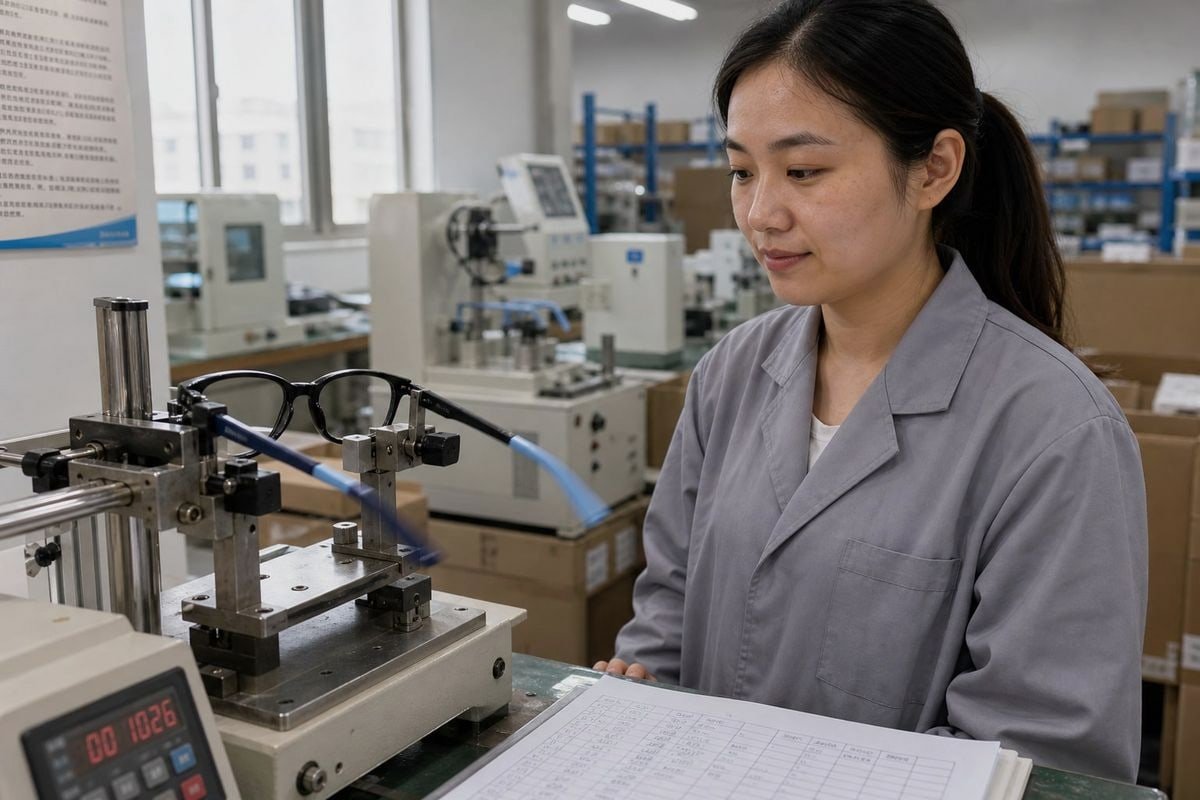
Most loose-screw problems on kids' optical frames can be solved in five minutes at the kitchen table. But sequence matters, and so does restraint. The most common mistake I see is overtightening. Forcing the screw strips the internal threads 2, and once threads are stripped, no amount of tightening will hold. The second most common mistake is using an improvised tool — a kitchen knife tip or oversized driver deforms the screw head and ruins the fit for every future repair.
The five-step home repair workflow
- Clean the hinge area. Wipe away sweat, oils, and grit with a microfiber cloth. Oils in the threads work like lubricant and help screws back out.
- Align the temple arm. Check for frame misalignment first. If the hinge barrels are bent, tightening the screw just locks in the distortion.
- Tighten with the correct driver. Use an optical screwdriver kit, not a general toolbox driver. Turn until snug. Stop there.
- Test the action. Open and close the temple several times. It should move smoothly with even resistance and no wobble.
- Add a friction lock if it recurs. A tiny dab of threadlocking adhesive on the underside of the screw threads — never the exposed side — resists vibration. Alternatively, a microscopic sliver of PTFE plumber's tape wrapped on the threads gives a cleaner, more adjustable friction lock than nail polish.
| Symptom | Likely problem | Right fix |
|---|---|---|
| Wobbles, tightens fine | Normal loosening | Tighten, monitor weekly |
| Loosens within days | Missing friction | Threadlocker or PTFE wrap |
| Screw spins freely | Stripped threads | Replace screw from eyeglass repair kit |
| Won't tighten, hinge gaps | Bent barrels or stretched hinge | Professional optician adjustment or new frame |
| Screw missing entirely | Lost fastener | Replace with the correct size, never force a substitute |
One warning worth repeating: do not reach for standard strong adhesive like superglue. It permanently bonds tiny hardware, makes future adjustment impossible, and usually ends the frame's repairable life.
Should I switch to screwless or spring hinge frames to avoid this problem?
A procurement manager from Japan once told me her brand's return rate on kids' optical frames dropped noticeably after they moved their toddler line to screwless flexible designs. That conversation shaped how we now advise buyers by age group.
For toddlers and younger children, yes — screwless flexible frames eliminate the failure point entirely. For school-age kids, spring hinges with self-locking screws offer the best balance of adjustability and durability. Standard barrel hinges suit only careful, older children.
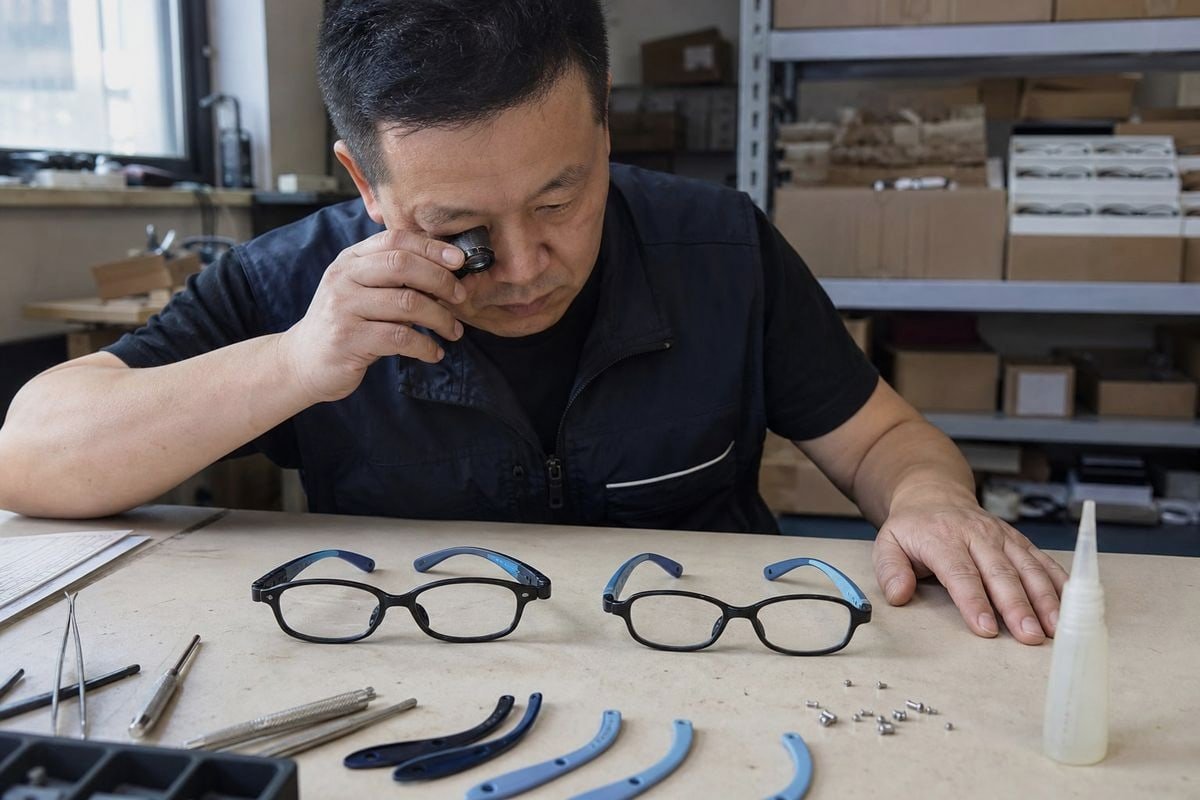
Here is how the three main options compare for children's eyewear:
- Screwless one-piece flexible frames — no screws to lose, maximum safety, but limited adjustability; best for ages roughly 1–5.
- Spring hinges — the temple flexes outward without stressing the screw, forgiving of one-handed removal; best for ages roughly 5–12.
- Standard barrel hinges — lightest and cheapest, fully adjustable, but the weakest against rough handling; suited to older, careful kids.
Where each design earns its place
Screwless designs solve the loosening problem by removing the fastener. On monturas flexibles de TPEE 3, the temple joint is molded as part of the frame itself. There is nothing to back out, nothing to swallow, and nothing sharp to expose if the frame breaks — a genuine safety point for babies and toddlers. The trade-off is that an optician cannot fine-tune the fit the way they can with a hinged temple, so sizing must be right from the start.
Spring hinges keep the screw but protect it. Because the spring absorbs the outward flex 4 when a child pulls the glasses off with one hand, the screw sees a fraction of the torque. Paired with self-locking screws and silicone washers, a spring hinge frame can survive a full school year of daily abuse between check-ups.
A nuance I always share with buyers: switching hinge types does not remove the need for maintenance. Even the best hardware benefits from a quick weekly screw check, a monthly full inspection, and a seasonal optician adjustment as the child grows. Prevention habits — two-handed removal, storing frames in a case, never leaving glasses in a hot car — multiply the benefit of any hinge design. Design reduces the failure rate; habits reduce it further.
Conclusión
Loose screws frustrate parents and damage brands, but the fix is clear: tighten correctly, lock the threads, replace worn parts, and choose flexible, kid-proof hinge designs from the start.
Notas al pie
1. The Vision Council is the primary trade association for the global optical industry and its standards. ↩︎
2. Authoritative Wikipedia entry explaining the mechanics and classification of internal screw threads. ↩︎
3. EMS-GRIVORY is the leading manufacturer of high-performance polymers like TPEE used in flexible eyewear. ↩︎
4. The American Optometric Association provides professional guidance on spectacle frame components and patient eye health. ↩︎
Más artículos que te podrían gustar
5 de agosto de 2026
Bio-Based vs Regular Cellulose Acetate: What's the Difference for Kids' Frames?
5 de agosto de 2026
How Recyclable Are Kids' Optical Frame Materials, and What Eco-Friendly Alternatives Exist?

5 de agosto de 2026
Do Kids Optical Frames Whiten or Age in Storage, and How to Control Warehouse Conditions?
¿Buscas un socio confiable en gafas para niños?
Explore más de 800 estilos listos y soporte OEM/ODM completo adaptado a su marca.
Ponte en contacto English
  Español de México
  Deutsch
  Français
  日本語
日本語  العربية
  Português do Brasil