When Do Kids’ Optical Frames Need Elastic Straps or Sports Retainers, and How to Install Them?
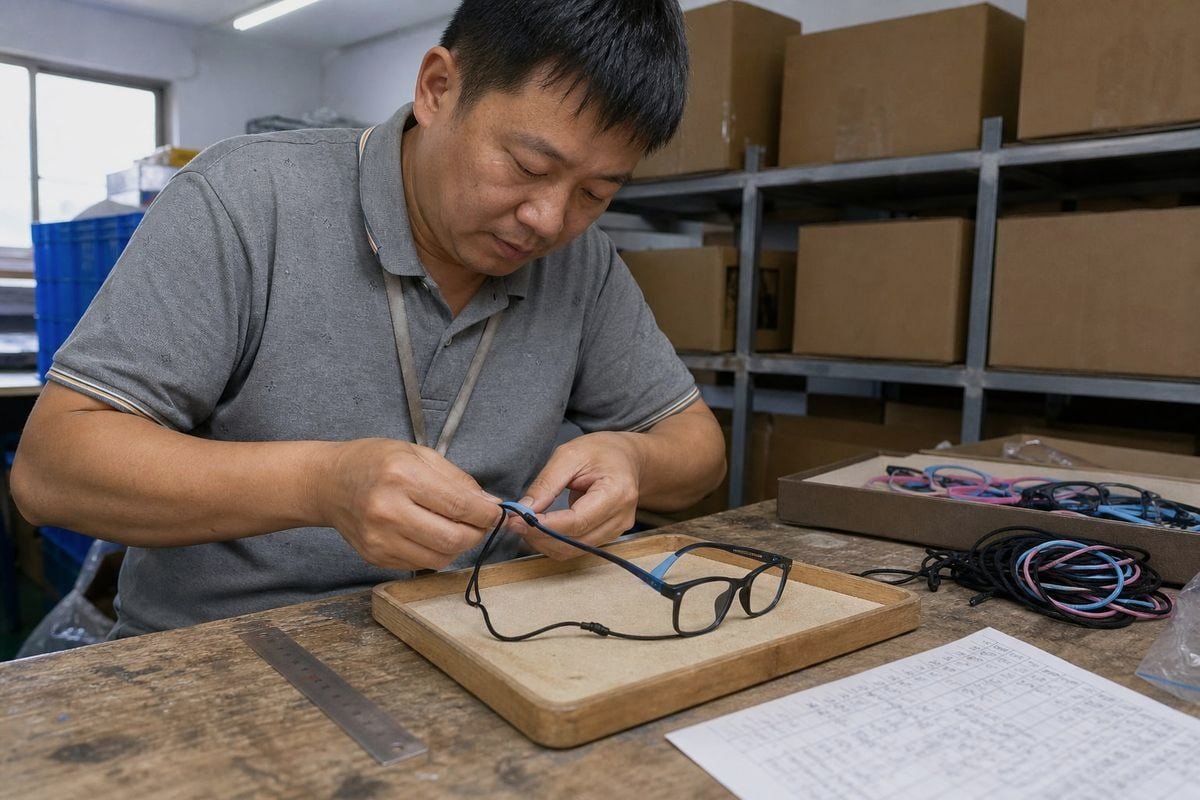
Kids’ optical frames slip, fall, and break — I hear this from buyers weekly. On our Taizhou production line, elastic straps and sports retainers exist to solve exactly that problem.
Kids’ optical frames need an elastic strap or sports retainer when glasses slip during play, when the child is very young with an underdeveloped nose bridge, or during sports. To install, hook or slide each retainer end onto the temple tips, then adjust tension behind the head.
That is the short answer. Below, I will walk through when a strap is truly needed, how to install one without damaging the frame, and which style fits active kids best.
How do I know if my kids' optical frames actually need an elastic strap or sports retainer?
A buyer from Australia once asked me why her customers kept returning toddler frames as "too loose." The frames were fine. The children simply needed retainers — nobody had offered one.
A child needs a strap or retainer if the glasses slide down the nose during activity, if the child removes or loses them frequently, if the frame is slightly oversized, or if the child is a toddler whose nose bridge cannot yet support frame weight alone.
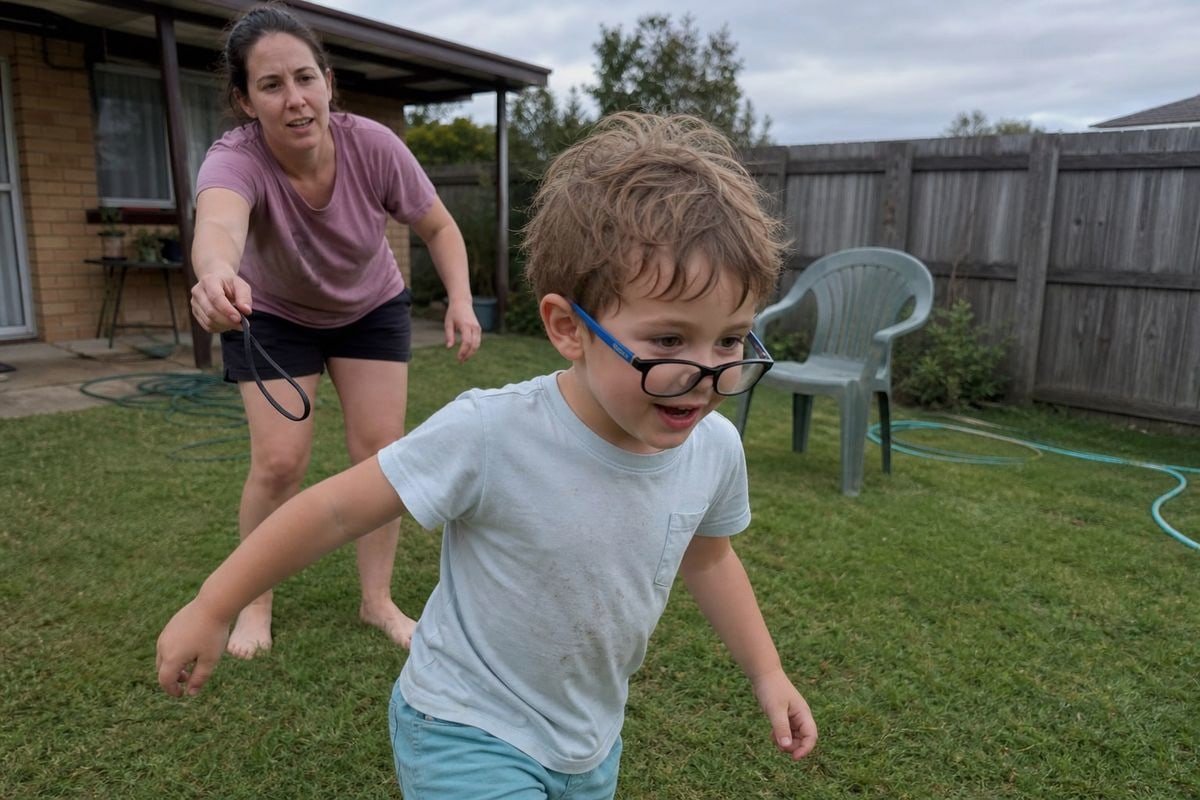
In our fifteen years of making children's eyewear, we have learned that retainers are not just "sports gear." They are a fit tool. Pediatric optometry professionals 1 often point out the same thing: infants and toddlers have flat, underdeveloped nose bridges. The frame has no natural shelf to rest on. Gravity wins. An elastic strap compensates for that anatomy, which is why almost every baby frame we produce ships with a strap option.
For older kids, the question shifts from anatomy to behavior. Watch the child for a week and look for these signals.
Clear signs a retainer is needed
| Señal | Lo que te dice | Best fix |
|---|---|---|
| Glasses slide down during recess or play | Fit is unstable under movement | Elastic strap or silicone ear hooks 2 |
| Child takes glasses off and misplaces them | Glasses feel loose or annoying | Adjustable eyewear cord plus fit check |
| Frame is slightly too large | Temples do not grip the head | Retainer as a bridge until the child grows |
| Child is under 3 years old | Nose bridge cannot carry the weight | Full elastic head strap |
| High-impact sports or biking | Rapid head movement dislodges frames | High-grip sports retainer |
There is also a case for skipping the strap. If the frame already sits securely — good temple curl, anti-slip nose pads, correct width — a strap adds bulk without benefit. Some children genuinely dislike the feel, and a retainer the child refuses to wear protects nothing. Our rule of thumb, which I share with every brand buyer: choose the least restrictive option that still keeps the glasses secure. Also check compatibility first. Some straps only fit temple widths in a stated range, often around 8–16 mm, and very thin metal temples may not hold a slide-on retainer at all.
What's the right way to install a strap or retainer on children's frames without damaging them?
One trade-off we weigh constantly in our workshop: a retainer must grip the temple tips firmly, yet slide on without stressing the hinge. Getting installation right protects both goals.
To install correctly, check that the strap aperture matches the temple width, slide or hook each end fully onto the temple tips, position the band flat behind the head, and tighten only until slipping stops. Over-tightening causes discomfort and can distort the frame.
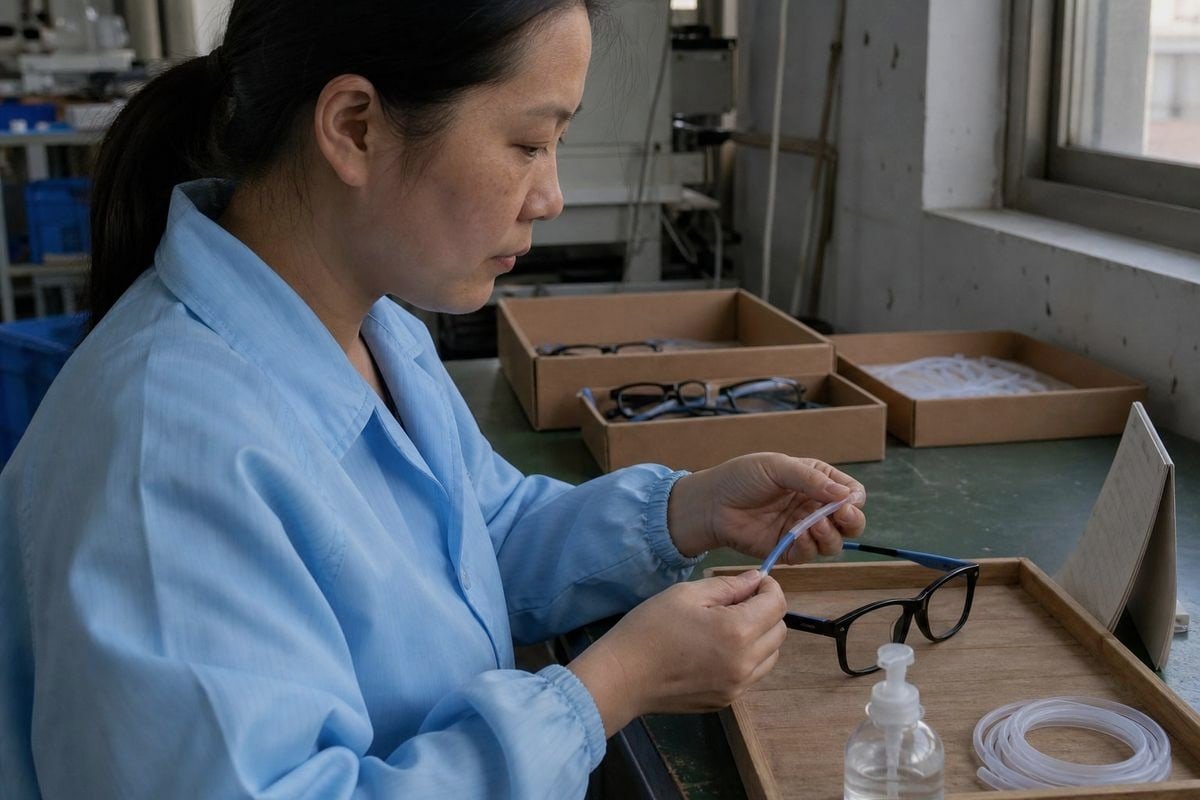
Installation looks trivial, but I have seen well-meaning parents crack temple tips by forcing the wrong strap onto the wrong frame. Here is the process we recommend to every brand that bundles our retainers.
Step-by-step installation
- Check compatibility first. Measure the temple tip width. Many kids' straps specify a fit range such as 8–16 mm. Two-hole or multi-size designs fit different temple thicknesses; very thin metal temples often will not hold a slide-on tube.
- Prepare the temple tips. For tight slide-on retainers, a small dab of alcohol-based hand sanitizer works as a temporary lubricant. It lets the tube slide on, then evaporates to leave a snug, almost vacuum-sealed grip.
- Slide or hook both ends on evenly. Push each retainer end fully over the temple tips so no bare plastic shows. Uneven attachment pulls the frame crooked.
- Position the band. The strap should sit flat behind the head or around the back of the neck, depending on the design. It must not pull the glasses downward.
- Set the tension. For adjustable models, tighten just enough to stop slipping. Then check two things below.
Two damage risks to audit
| Riesgo | Cause | How to check |
|---|---|---|
| Vertex distance distortion | Strap pulls lenses too close to the cornea, altering effective prescription power | Confirm lashes do not brush the lenses; eyes sit centered behind the optical zone |
| Hinge-splay fatigue | A tight strap bows the frame front over time, creating a permanent loose fit | Lay glasses upside down on a flat table monthly; temples should sit level |
That second risk matters more than most parents realize. A chronically tight strap can bow the frame front, and the resulting "loose fit" tempts people to tighten the strap further — a cycle that ends with professional frame realignment. Frames with flexible spring hinges 3 or TPEE temples, like the ones coming off our line, tolerate this stress far better than rigid acetate, but no frame is immune. Re-audit strap tension every few weeks as the child grows.
Which strap or retainer style works best for active kids who play sports or move around a lot?
Early in my export career, I shipped the same universal strap with every frame style. A Japanese buyer taught me better: active-lifestyle eyewear needs the retainer matched to the activity, not bolted on as an afterthought.
High-grip sports retainers work best for ball sports and biking, wide neoprene bands suit swimming and humid climates, silicone ear hooks fit narrow faces, and simple elastic loop straps cover everyday play. Match the style to activity intensity and moisture exposure.
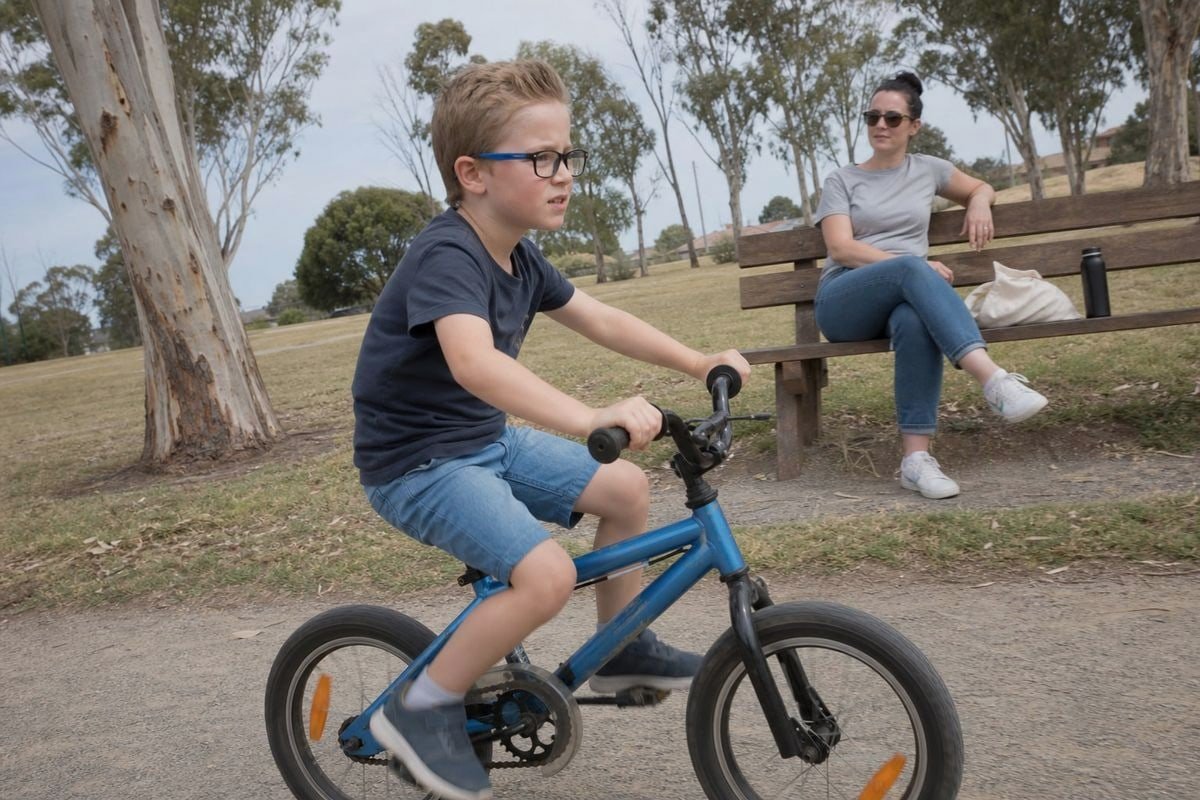
For a quick comparison, here are the four main types we produce and where each one wins.
| Retainer type | Lo mejor para | Debilidades | Watch out for |
|---|---|---|---|
| Elastic loop strap | Everyday play, toddlers, school recess | Cheap, simple, washable | Less grip in high-impact sports |
| Silicone sports band | Running, ball sports, climbing | Non-slip, soft, durable | Must match temple tip shape |
| Wide neoprene band | Swimming, humid or aquatic environments | Spreads pressure across the occipital bone; resists sweat and skin maceration | Bulkier; can feel warm indoors |
| Silicone ear hooks (stay-puts) | Narrow faces, kids new to glasses | Minimal, nearly invisible, can pair with a strap | Secondary anchor only, not a full retainer |
A few practical notes from our experience. First, silicone ear hooks shine for children with narrow faces where standard temple lengths overshoot the ear. They anchor at the temple tips and can be worn alone or combined with a strap for double security. Second, for high-impact activities with rapid, multi-directional head movement — soccer, gymnastics, martial arts — a structured sports retainer holds far better than a loose cord. If the sport involves contact, many families upgrade to prescription sports goggles with polycarbonate or other impact-resistant lenses 4 instead of adapting street frames.
Two more points matter for safety and fit. Any full-loop strap for climbing-age children should feature a breakaway safety clasp to eliminate strangulation risk on playground equipment. And check the aperture: modern bio-plastic frames often have bulbous temple-tip geometry that needs stretch-loop ends rather than universal slide-on tubes. Sizing labels are inconsistent across the market — some products say toddler, some say ages 3–8, some say "kids and adults." Ignore the age label. Most straps rest around 8–10 inches with significant stretch, so fit depends on head size and temple width, not birthdays. There is also a real debate here: some buyers want the cheapest simple elastic strap, others want durable adjustable retainers that grow with the child. Our honest position is the middle ground — the simplest retainer that stays secure and that the child will actually keep wearing.
Can I request compatible straps or retainers when I order custom kids' optical frames from a manufacturer?
During a QC round last year, our team rejected a batch of retainer tubes because they sat 0.5 mm loose on the temple tips of a new TR90 model. That level of matching is exactly what factory-paired accessories are for.
Yes. Reputable OEM/ODM eyewear factories can supply straps and retainers engineered to fit your exact frame's temple width and tip geometry, with custom colors, logos, and packaging. Ordering them together guarantees compatibility that off-the-shelf universal straps cannot promise.
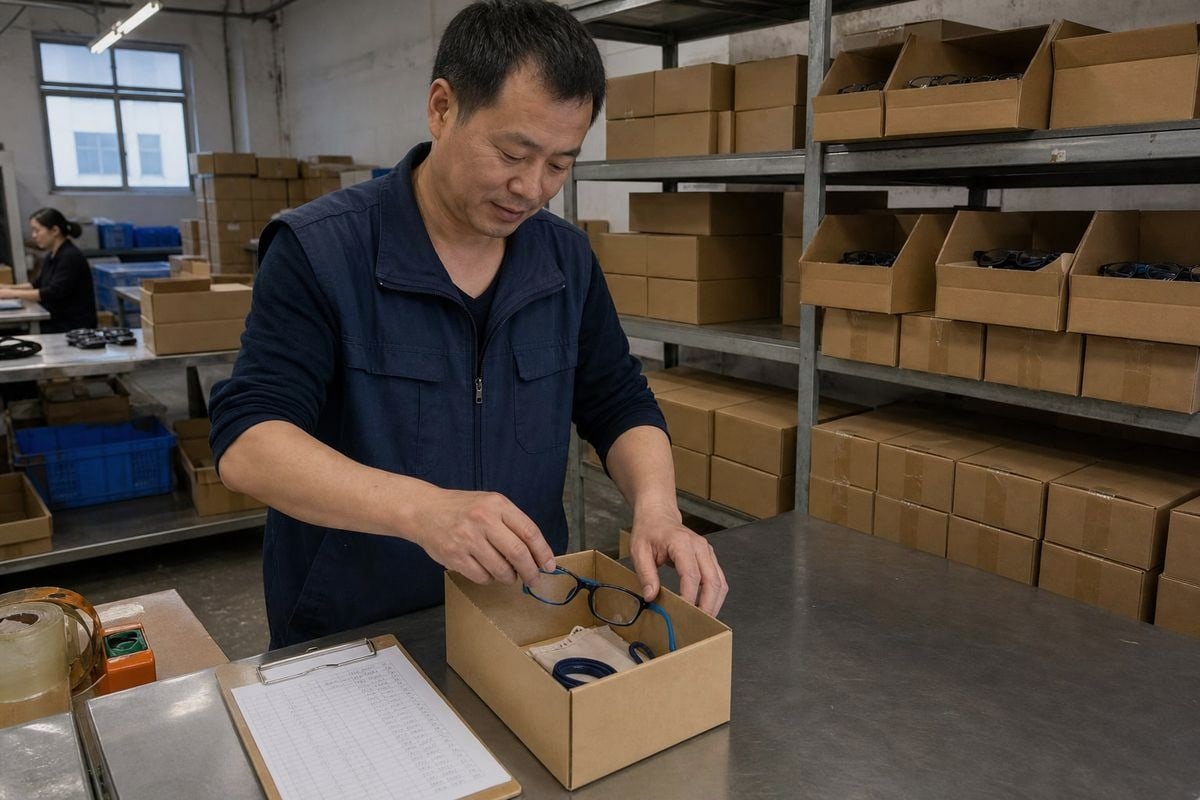
This is where sourcing decisions really affect the end customer. At our factory in Taizhou, we run about 800 existing frame styles, and each style has known temple dimensions on file. When a brand orders a TR90 kids' optical frame with TPEE temples, we can pair it with a retainer whose aperture matches that exact tip — no guesswork, no returns because "the strap didn't fit."
What you can specify in an OEM/ODM order
- Fit engineering. Retainer apertures matched to your frame's temple tips, including bulbous bio-plastic tips that reject universal tubes.
- Material choice. Soft elastic, washable silicone, or wide neoprene for aquatic lines — all in child-safe, environmentally friendly materials.
- Safety features. Breakaway clasps on full-loop designs, a detail we strongly recommend for any playground-age product.
- Branding. Custom colors to match your frame palette, printed logos on the band, and retail-ready packaging that presents the frame and adjustable eyewear cord as one coherent product.
- Bundling strategy. Since straps are low-cost consumables often sold in multipacks, many of our clients add a two-pack as a value driver or a promotional add-on.
There is a commercial angle too. For new brands testing the market, picking from existing frame styles plus factory-matched accessories avoids mold investment and shortens the launch timeline. For established optical companies, a paired strap program reduces after-sale complaints, because fit issues are solved at the factory rather than at the parent's kitchen table. Combine that with kid-focused features already built into the frame — anti-slip nose pads, flexible spring hinges, soft temple tips — and the retainer becomes the final layer of a complete retention system, not a patch for a poorly fitting frame. My advice to any procurement manager: ask your supplier for the temple tip specification in writing, and request retainer samples mounted on the actual frame before you approve mass production.
Conclusión
Kids' optical frames need straps or retainers when activity, age, or fit makes slipping likely. Install them gently, match style to activity, and source factory-paired accessories for guaranteed compatibility.
Notas al pie
1. Authoritative medical source for pediatric eye health and frame fitting guidelines. ↩︎
2. Overview of different types of eyewear retainers and their functions. ↩︎
3. Technical overview of eyewear components including various hinge types for durability. ↩︎
4. Official FDA information on safety standards for impact-resistant eyewear lenses. ↩︎
Más artículos que te podrían gustar
5 de agosto de 2026
Bio-Based vs Regular Cellulose Acetate: What's the Difference for Kids' Frames?

5 de agosto de 2026
How Recyclable Are Kids' Optical Frame Materials, and What Eco-Friendly Alternatives Exist?

5 de agosto de 2026
Do Kids Optical Frames Whiten or Age in Storage, and How to Control Warehouse Conditions?
¿Buscas un socio confiable en gafas para niños?
Explore más de 800 estilos listos y soporte OEM/ODM completo adaptado a su marca.
Ponte en contacto English
  Español de México
  Deutsch
  Français
  日本語
日本語  العربية
  Português do Brasil