What Hidden Costs Come with Shifting Kids Optical Frames Orders Outside China?
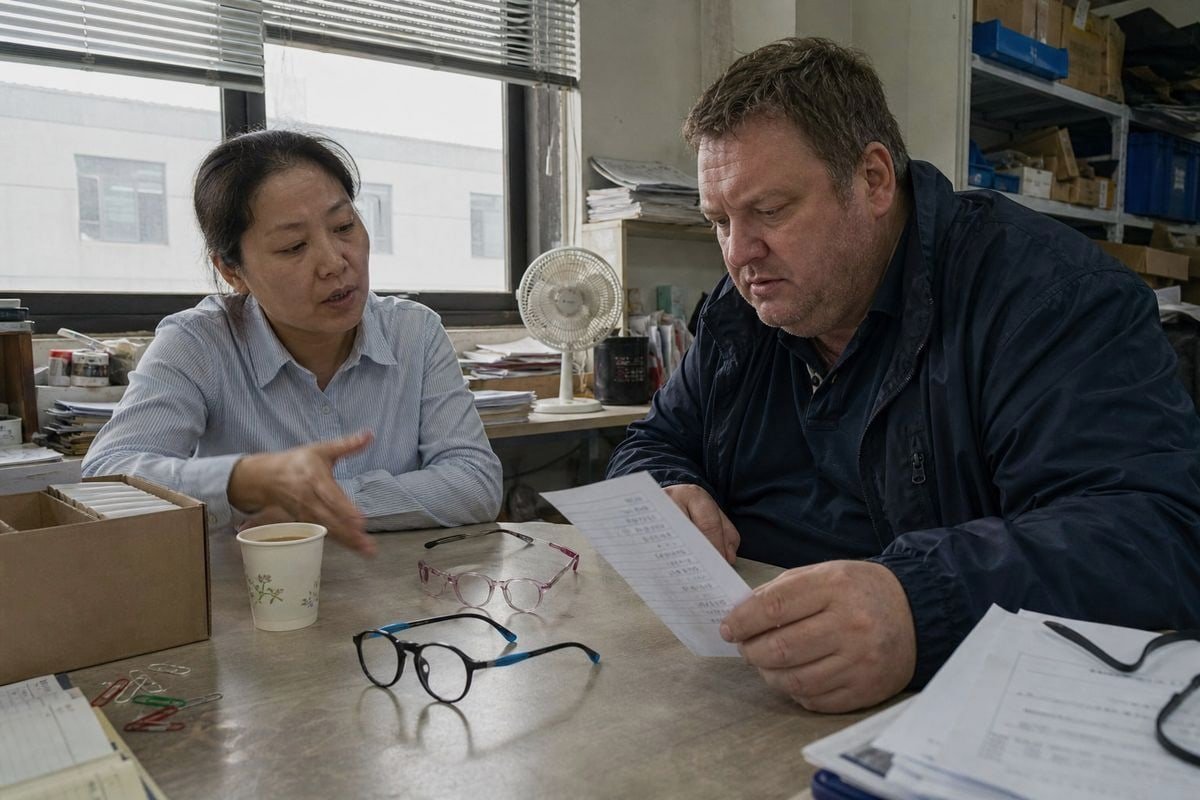
Kids optical frames look cheap to move offshore — until the invoices arrive diversificación de la cadena de suministro 1. On our production line in Taizhou, I have watched buyers leave, then return once the hidden bill landed.
Shifting kids optical frames orders outside China creates hidden costs in freight, quality control, compliance testing, new tooling, and longer lead times. These process costs can add roughly 18–35% to the ex-factory price, often erasing the apparent unit-price savings a new supplier promises.
The quote is not the cost. In this article, I will break down where the extra money goes, why children’s eyewear is a special case, and when diversification actually pays off.
What Extra Expenses Should I Expect When Sourcing Kids Optical Frames Outside China?
A procurement manager from Australia once showed me a competing quote that was 12% below ours. Six months later, he told me his true costo de llegada 2 had risen, not fallen.
Expect higher freight, new tariffs and duties, brokerage and documentation fees, third-party inspections costing $300–$1,000 each, sample couriers at $50–$150 per shipment, wire fees of $25–$50 per transfer, and upfront tooling investment. Together, hidden costs can add 18–35% to ex-factory pricing.
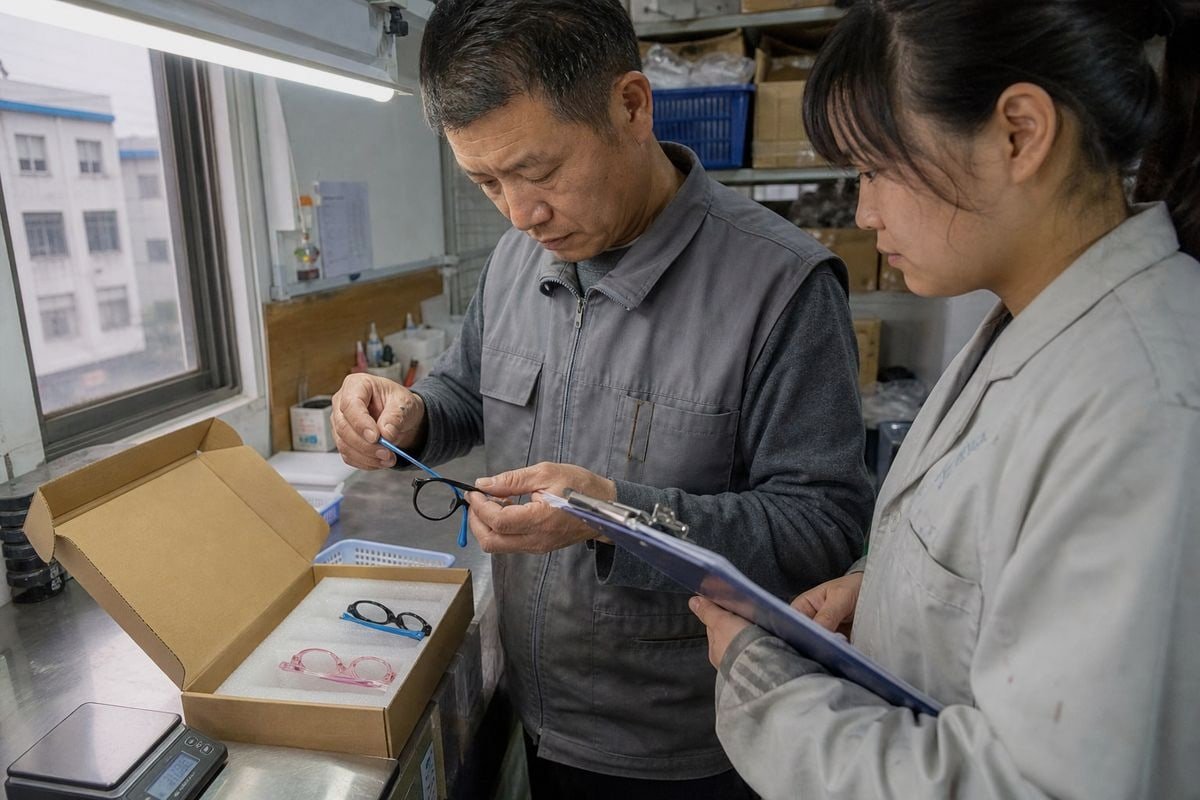
The biggest mistake I see buyers make is comparing quote price instead of landed cost. Landed cost is what the frames actually cost you once they sit in your warehouse, cleared and ready to sell. That figure includes international freight, tariffs and duties 3, inland transport, customs brokerage, handling, and banking friction. When you move eyewear production to a new region, almost every one of those lines gets bigger, at least at first.
Hard Costs You Can Put in a Spreadsheet
Some expenses are easy to model. New molds and tooling are the largest. Your existing Chinese tooling usually cannot transfer, so a new factory means a fresh capital outlay before a single frame ships. One reason buyers work with us is that our ~800 existing styles let brands launch without heavy mold investment at all — a saving that disappears the moment you restart elsewhere.
| Categoría de Costo | Typical Range or Impact | One-Time or Ongoing |
|---|---|---|
| New molds and tooling | Significant upfront capital | One-time per style |
| Third-party inspections | $300–$1,000 per inspection | Ongoing, more frequent early |
| Sample courier shipments | $50–$150 per shipment | Repeated across evaluations |
| International wire fees | $25–$50 per transfer | Every payment |
| Freight and duties | Varies by lane and tariff code | Ongoing |
| Total hidden cost load | Roughly 18–35% over ex-factory | Mixed |
Soft Costs That Never Appear on a Quote
Then come the soft costs: engineering time, supplier onboarding, extra communication hours, travel for audits, and packaging redevelopment. In our experience exporting to buyers in 20+ countries, these soft costs are where most of the surprise sits. They do not show up in any factory quotation, yet they consume your team's time for months. Alternative sourcing also often brings higher raw material and skilled labor costs, because the deep component ecosystem China built for eyewear simply does not exist in most other regions.
How Does Switching Suppliers Affect My Kids Optical Frames Lead Times and Delivery?
Every season, we plan production around school cycles and back-to-school peaks, because kids' frame demand is uneven. That planning rhythm took our team years to master.
Switching suppliers typically extends lead times through slower ramp-up, longer sampling loops, less mature logistics routes, and lower production flexibility. Buyers must hold more safety stock, accept higher minimum order quantities, and budget for expensive emergency air freight when delays hit.
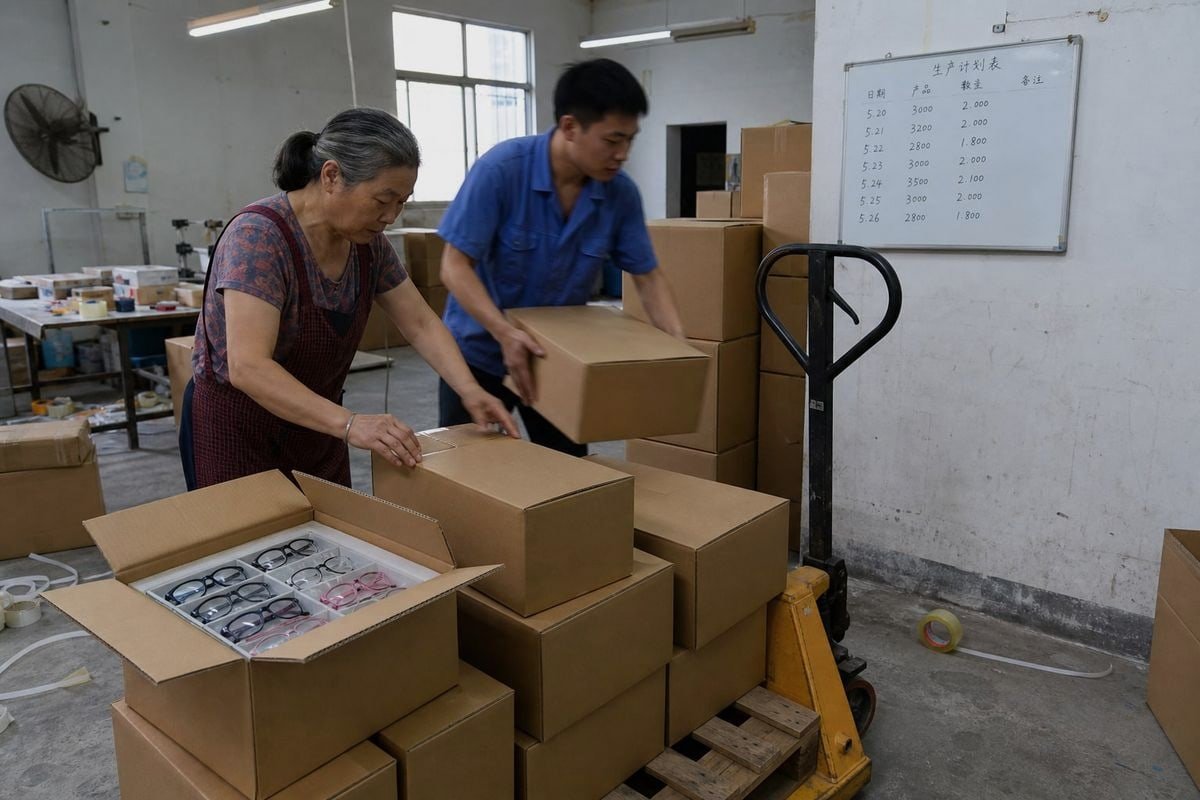
Lead times are not just a calendar problem. They are a cash problem. Every extra week of transit or production delay is inventory you must finance, warehouse, and insure. When frames sit on the water longer, you carry more stock in transit and more safety stock at destination. For children's optical frames, that risk multiplies, because the size, color, and style mix changes quickly. A container of last season's colorways is not an asset. It is a markdown waiting to happen.
The Ramp-Up Delay Nobody Quotes
New manufacturing partners rarely hit full speed immediately. Sampling loops run longer because the factory is still learning your specs. Approvals take extra rounds. Logistics challenges compound this: less established shipping routes and unfamiliar import regulations in new regions add clearance delays that mature China lanes solved years ago. And when a delay threatens a retail launch date, the only fix is air freight. I have seen one or two emergency air shipments erase an entire year of unit-price savings.
Flexibility and MOQ Pressure
There is a second, quieter effect. Alternative factories often impose higher minimum order quantities and offer less flexibility for small, diverse orders. Our 5S-managed workshop of about 120 workers is built to handle mixed-style orders for brands testing new SKUs. A new supplier without that operational maturity will push you toward bigger, riskier commitments per style — which means more capital locked into inventory and slower reaction to trends.
| Factor | Established China Partner | New Alternative Supplier |
|---|---|---|
| Production ramp-up | Immediate, known process | Weeks to months of learning curve |
| Sampling loops | Short, fewer rounds | Longer, more revision cycles |
| Shipping lanes | Mature, predictable | Less established, delay-prone |
| Order flexibility | Mixed styles, lower MOQs | Higher MOQs, less agility |
| Scaling for demand surges | Fast capacity expansion | Limited, slower ramp-up |
Will Moving Production Elsewhere Compromise the Quality of My Kids Optical Frames?
Hinge tension on a child's frame is a detail our QC team checks by hand on every batch. That habit exists because a loose hinge on a six-year-old's face becomes a complaint, a return, and a lost retailer.
Quality risk rises sharply when production moves, because new suppliers lack accumulated process knowledge for children's eyewear. Buyers face rebuilt inspection systems, more frequent audits, higher defect and return rates, added compliance testing for child-safety standards, and greater intellectual property exposure in unfamiliar territories.
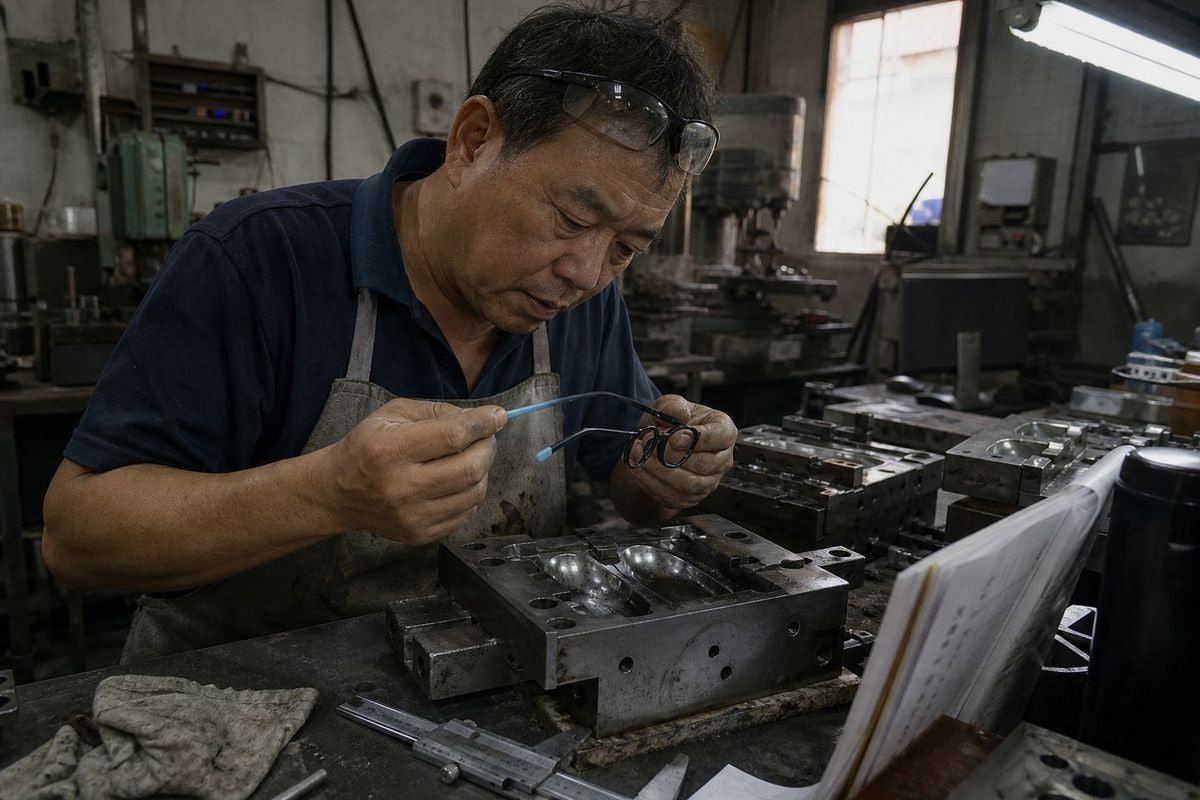
Kids' frames are a "small product, big risk" category. Tiny design deviations that would be tolerable in adult accessories create outsized problems here. Fit, flexibility, durability, and safety drive repeat orders — and children break, bend, and chew things adults never would. Over 15 years of eyewear production, our engineers have accumulated hundreds of small, undocumented tweaks: material temperatures for TPEE temples, packaging fixes that stop lens scratches in transit, and inspection habits tuned to how kids actually treat glasses. That tacit knowledge does not transfer with a tech pack. A new factory must relearn it, and your customers pay the tuition.
The Quality Ramp-Up Bill
During a supplier transition, expect to rebuild your inspection system, tighten written specs, audit more frequently, and reserve budget for rework or replacement shipments if defects appear after launch. Regulatory compliance adds another layer: children's products face stricter checks on lead content, phthalates, and impact resistance, and each new market or factory can trigger fresh testing and certification costs. There is also a diminished pool of specialized kids' eyewear design and engineering expertise outside China's ecosystem — factories may simply not understand children's facial structures, hypoallergenic material needs, or flexible-frame engineering. Finally, moving proprietary frame designs into less regulated territories raises intellectual property risks, which means extra legal spend to protect what you already own.
Objection I hear often: "A new supplier will match quality after a few orders." Sometimes true. But the ramp-up period is exactly when your brand reputation is exposed, and warranty reserves, returns, and customer-service costs during that window are real money.
Why Does Staying with an Experienced China Manufacturer Save Me Money on Kids Optical Frames?
A distributor in Europe once asked me directly: "With tariff pressure, why shouldn't I leave China?" It is a fair question, and the honest answer involves trade-offs, not slogans.
An experienced China manufacturer saves money through an integrated eyewear ecosystem, existing tooling and style libraries, mature quality control, lower MOQs, faster scaling, and stable lead times. These advantages cut landed cost and operational drag, often outweighing tariff exposure that drives supply chain diversification.
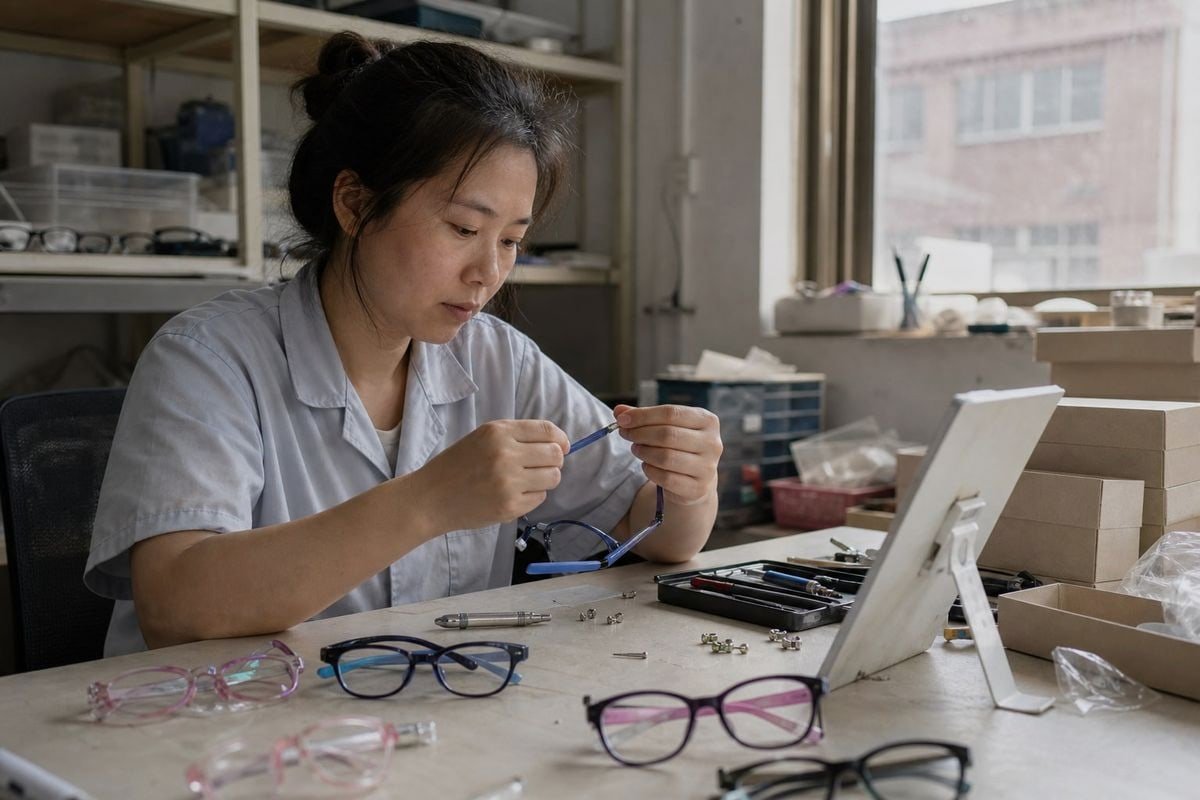
Let me address the pro-relocation argument seriously. Tariffs and duties, geopolitical risk, and resilience concerns are real reasons buyers diversify — and I will not pretend otherwise. But the skeptical view holds up under the numbers: China's supplier depth, process maturity, and skilled labor availability often make total cost lower even after tariff and freight pressure, because hidden costs elsewhere exceed the apparent savings. When you leave, you lose access to a highly integrated ecosystem of material suppliers, component makers, and experienced hands that no spreadsheet line captures.
What You Keep by Staying
At our factory, the concrete savings look like this. First, our ~800 existing styles mean brands can launch or test SKUs with no mold investment — the single largest one-time cost of switching disappears. Second, genuine flexible-material expertise in TPEE and TR90 means the safety and comfort engineering is already done, whether it is a glossy black frame with rubberized silicone temple tips or a translucent pink acetate style for smaller faces. Third, full OEM/ODM support — custom colors, logos, lenses, packaging, and retail-ready presentation — replaces the supplier-management overhead you would otherwise rebuild from zero.
The Practical Middle Ground
The smartest buyers I work with do not treat this as all-or-nothing. A staged diversification strategy — keeping core kids optical frames volume with a proven China partner while qualifying a second source slowly — captures risk reduction without a full supply-chain reset. Sensible mitigation steps include:
- Model true landed cost, not quote price, before any move.
- Phase supplier qualification over several seasons, not one.
- Validate samples against tightened written specs.
- Keep dual sourcing rather than full relocation.
- Hold your experienced partner as the quality benchmark.
| Decision Path | Upfront Cost | Ongoing Risk | Mejor para |
|---|---|---|---|
| Full relocation | High (tooling, QC rebuild, compliance) | High during ramp-up | Buyers with severe tariff exposure |
| Staged dual sourcing | Moderado | Managed and gradual | Most brands seeking resilience |
| Stay with proven China partner | Baja | Low, known quality | Brands prioritizing quality and speed |
Conclusión
Moving kids optical frames orders outside China is a trade-off, not a discount. Model landed cost, protect quality, and diversify in stages — with a proven partner as your anchor.
Notas al pie
1. Defines supply chain diversification as a strategy for risk reduction, flexibility, and agility. ↩︎
2. Defines landed cost, including product price, freight, customs duties, taxes, and insurance. ↩︎
3. Explains import fees, including tariffs and duties, and their purpose in international trade. ↩︎
Más artículos que te podrían gustar
5 de agosto de 2026
Bio-Based vs Regular Cellulose Acetate: What's the Difference for Kids' Frames?
5 de agosto de 2026
How Recyclable Are Kids' Optical Frame Materials, and What Eco-Friendly Alternatives Exist?
5 de agosto de 2026
Do Kids Optical Frames Whiten or Age in Storage, and How to Control Warehouse Conditions?
¿Buscas un socio confiable en gafas para niños?
Explore más de 800 estilos listos y soporte OEM/ODM completo adaptado a su marca.
Ponte en contacto English
  Español de México
  Deutsch
  Français
  日本語
日本語  العربية
  Português do Brasil