¿Cómo Determinar el Embalaje y los Accesorios de Venta al por Menor para Monturas Ópticas Infantiles?
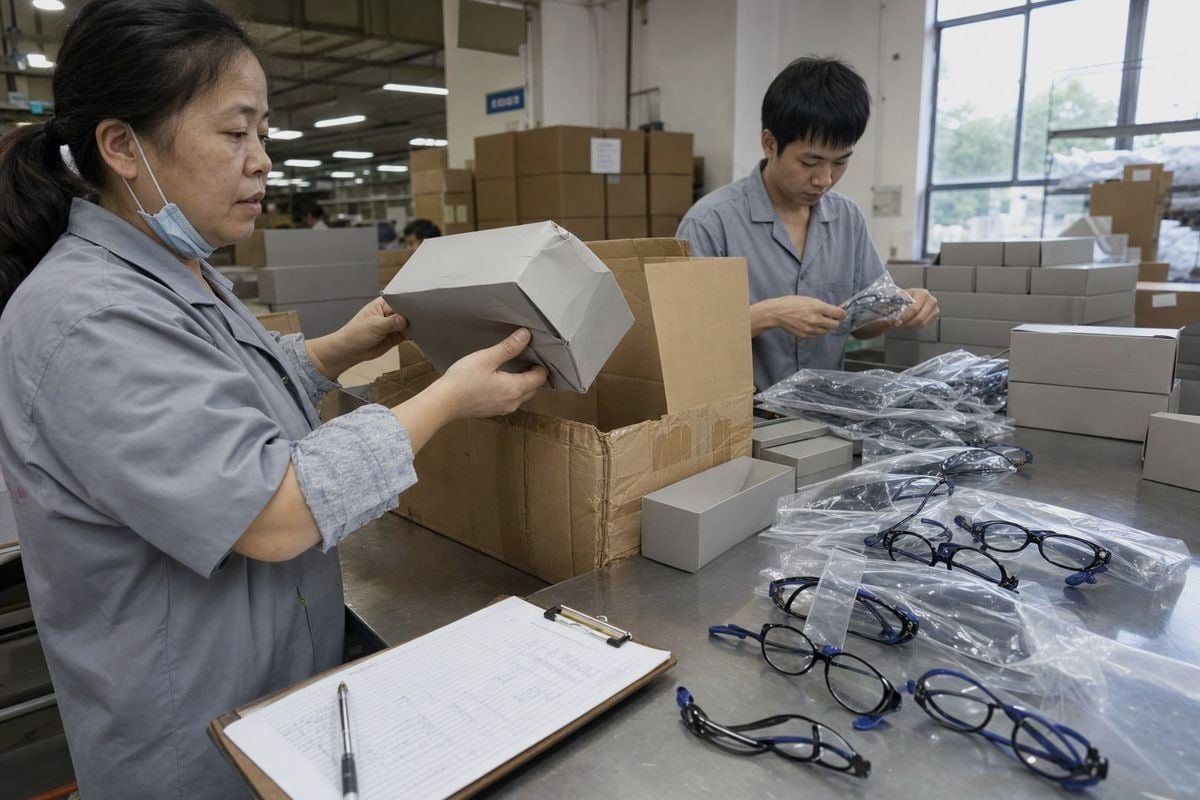
El embalaje y los accesorios de venta al por menor para monturas ópticas infantiles pueden hacer o deshacer un lanzamiento. He visto a compradores en nuestra línea de producción perder margen por una mala elección de caja.
Determine el embalaje y los accesorios minoristas para monturas ópticas infantiles haciendo coincidir su canal de venta, nivel de precio y grupo de edad del niño. Combine protección en capas (bolsa de polietileno, caja interior, cartón), accesorios de valor (estuche, paño de microfibra, ganchos para las orejas), etiquetado seguro para niños y marca que se ajuste a su MOQ y presupuesto.
Esa es la respuesta corta. A continuación, desglosaré cada decisión paso a paso, utilizando lo que vemos todos los días al empacar monturas infantiles para exportar a más de veinte países.
¿Qué opciones de empaque funcionan mejor para exhibir monturas oftálmicas para niños en tiendas?
La primavera pasada, nuestro equipo de control de calidad desempaquetó un envío devuelto donde una hermosa caja impresa se había aplastado en tránsito. Ese día enseñó a todo nuestro equipo que el atractivo en el estante no significa nada sin estructura.
La mejor caja para gafas infantiles combina una caja con ventana o un cartón plegable impreso para visibilidad en el estante, una bolsa de microfibra o un estuche rígido protector en el interior, y un sistema de envío estandarizado: comúnmente una pieza por bolsa de polietileno, doce por caja interior y aproximadamente 300 por caja principal.
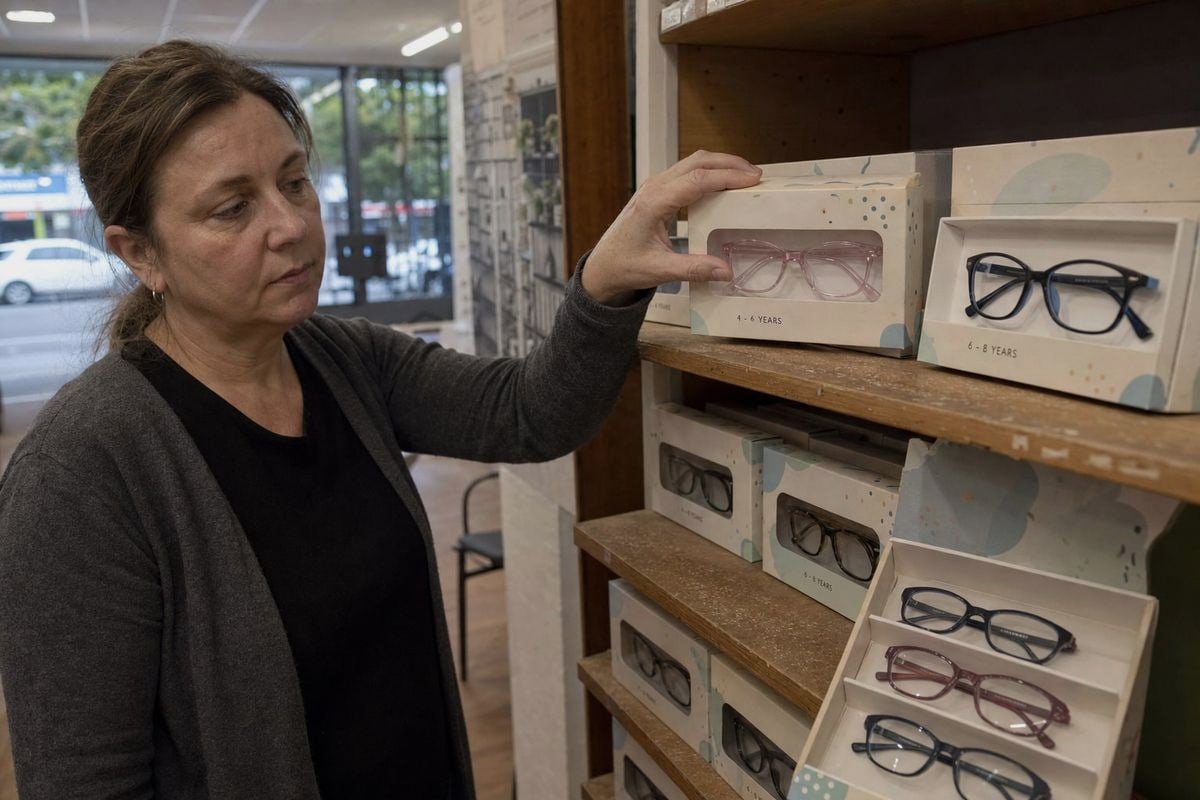
El embalaje de venta al por menor no es solo la caja exterior. Es un sistema con tres trabajos: proteger la montura, presentar la marca y moverse sin problemas a través de la logística. En nuestra experiencia exportando monturas ópticas infantiles de TR90 1 con patillas de TPEE, las monturas en sí son flexibles y tolerantes. Las lentes y los gráficos de la caja no lo son. Así que siempre empezamos por las capas.
El sistema de embalaje de tres niveles
La mayoría de nuestros compradores B2B se deciden por una estructura de tres niveles. Primero, la protección primaria toca directamente la montura. Segundo, la unidad de venta al por menor es lo que ve el comprador. Tercero, el embalaje de tránsito lleva todo al otro lado del océano intacto.
| Nivel | Componente | Trabajo Principal |
|---|---|---|
| Principal | Bolsa de microfibra, estuche blando o estuche duro protector | Prevenir arañazos en las lentes y presión en la montura |
| Unidad de venta al por menor | Caja con ventana, cartón plegable impreso, etiqueta colgante, código de barras | Atractivo en el estante, marca, etiquetado |
| Tránsito | Bolsa de plástico, caja interior, cartón principal, protección de esquinas | Sobrevivir al envío, manipulación en almacén |
Por qué las cajas con ventana funcionan tan bien para los niños
Los niños eligen con los ojos. Los padres pagan. Una caja con ventana permite a un niño ver la montura real de acetato translúcido rosa 2 o la montura deportiva negro y azul marino, mientras que el panel impreso proporciona a los padres los detalles que necesitan: tamaño, rango de edad, seguridad del material e información sobre los rayos UV. Hemos visto a compradores añadir pestañas colgantes para panel perforado a la misma caja para que funcione tanto en estantes como en ganchos. Los expositores en el punto de venta con capacidad para seis a doce monturas también funcionan bien en las ópticas, porque convierten un producto pequeño en un destino visible.
Una advertencia de nuestro departamento de embalaje: la configuración común 1/12/300 es un valor predeterminado del proveedor, no una regla universal. Si su minorista necesita paquetes de seis, o su centro de cumplimiento tiene límites de peso de cartón, informe a su fábrica antes de la producción. Cambiarlo más tarde implica tarifas de reempaquetado.
¿Cómo elijo accesorios que agreguen valor sin aumentar demasiado mi costo por unidad?
Hay una compensación que discuto con casi todos los compradores nuevos: un estuche rígido se siente premium, pero puede costar más que la montura económica en sí. La pregunta es siempre dónde el dinero rinde más.
Elija accesorios por valor percibido por dólar. Paños de limpieza de microfibra, ganchos de silicona ajustables para las orejas y bolsas sencillas añaden un fuerte valor percibido a bajo costo. Reserve estuches rígidos protectores, correas elásticas para gafas y kits de varias piezas para líneas de prescripción de gama media y premium.

Los accesorios deben resolver un problema real para el padre o el niño. Cuando lo hacen, justifican un precio de venta más alto. Cuando no lo hacen, son solo un costo. Después de quince años fabricando gafas para niños, nuestro equipo tiene una imagen bastante clara de qué accesorios se ganan su lugar.
Accesorios de alto valor y bajo costo
Un paño de microfibra con el logo impreso cuesta muy poco a escala de volumen, sin embargo, los padres lo usan a diario y ven su marca cada vez. Los ganchos de silicona ajustables para las orejas y las almohadillas nasales antideslizantes son similares. Cuestan céntimos, pero responden a la queja número uno de los padres: las gafas se deslizan de la cara de un niño activo. Varios de nuestros estilos de monturas deportivas ya incorporan conectores de bisagra de silicona y ganchos curvos para las orejas en el diseño, por lo que la historia de los accesorios comienza con la propia montura.
Accesorios que valen el gasto adicional en niveles superiores
Para las monturas pediátricas de prescripción, un estuche duro protector es casi obligatorio. Los padres lo esperan y los ópticos lo recomiendan. Correas elásticas para gafas tienen sentido para las monturas de niños pequeños y los estilos deportivos. Los kits adaptables al crecimiento — almohadillas nasales de diferentes grosores o extensores de patillas — son una idea más nueva que ayuda a que las monturas sigan ajustándose a medida que los niños crecen, y le dan a su producto una ventaja funcional genuina.
| Nivel de precio | Juego de Accesorios Recomendado | Impacto en el costo |
|---|---|---|
| Nivel de entrada | Paño de microfibra, bolsa de plástico, etiqueta con código de barras | Mínimo |
| Gama media | Bolsa con marca, paño, ganchos de silicona para las orejas, tarjeta insertada | Bajo a moderado |
| Premium / prescripción | Estuche duro protector, paño, correa, kit de ajuste, caja con impresión completa | Moderado, compensado por un precio de venta más alto |
Mi regla práctica: elige dos accesorios que resuelvan un problema de uso y uno que lleve tu marca. Omite todo lo demás hasta que tus datos de ventas te indiquen lo contrario.
¿Puede el embalaje de marca personalizado ayudar a que mi línea de gafas para niños destaque en los estantes de las tiendas?
Un comprador de Australia me preguntó una vez si las cajas personalizadas valían la pena para un primer pedido de 2.000 piezas. Mi respuesta honesta fue sí, pero no la versión que ella había esbozado.
Sí. El embalaje personalizado de marca diferencia fuertemente las gafas infantiles en el comercio minorista, porque los padres asocian el embalaje profesional con la seguridad y la calidad del producto. Comience con opciones de MOQ bajo como fundas impresas, pegatinas y etiquetas colgantes, luego escale a cajas con ventana personalizadas completas a medida que aumentan los volúmenes.
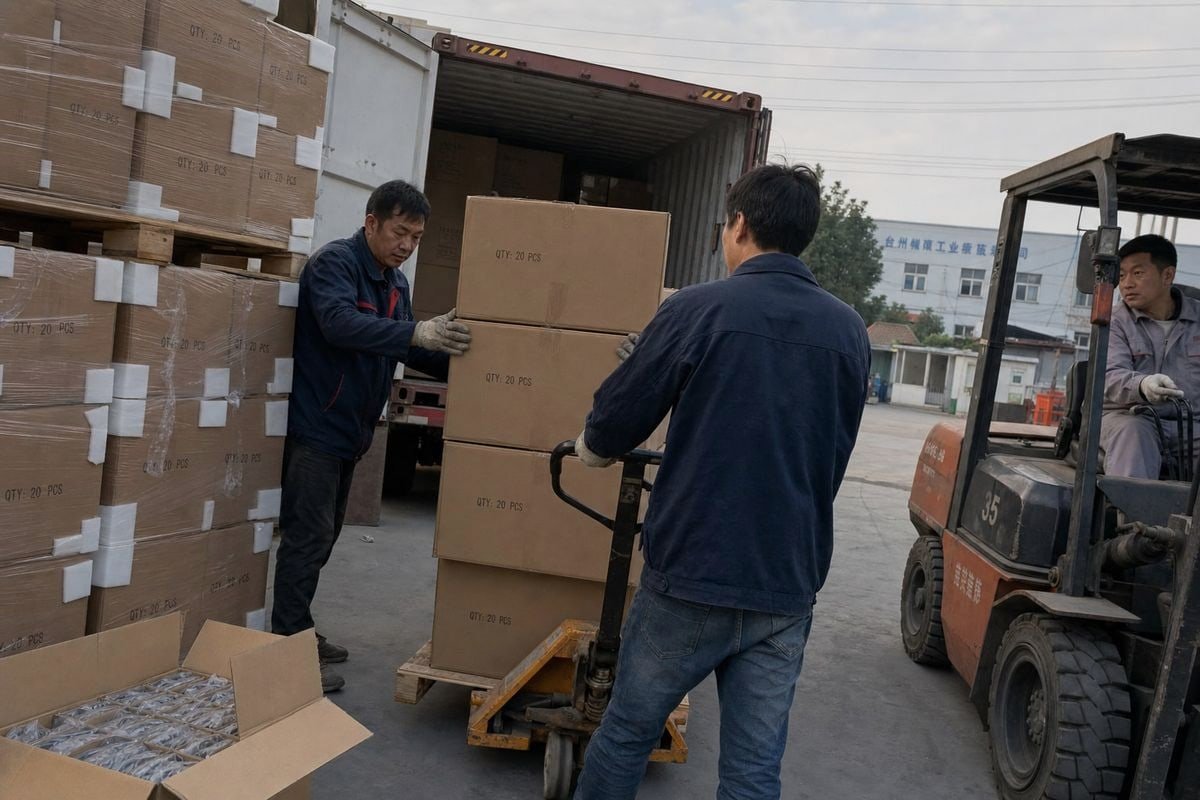
La competencia en el estante de las gafas infantiles es intensa. Las monturas de diferentes marcas a menudo se ven similares a simple vista. El embalaje personalizado con marca es frecuentemente lo único que separa una impresión premium de una genérica. Pero la marca debe escalarse sensatamente a su tamaño de pedido, o el presupuesto de embalaje se come el margen.
Opciones de marca con MOQ bajo que aún lucen profesionales
No todas las marcas necesitan una caja totalmente personalizada desde el primer día. Ayudamos a las marcas más pequeñas a empezar con pegatinas con el logo, fundas impresas sobre cajas estándar, etiquetas colgantes personalizadas y paños de limpieza de microfibra con el logo impreso. Estas opciones suelen tener mínimos bajos porque no requieren nuevas herramientas para la caja ni grandes tiradas de impresión. Nuestros aproximadamente 800 estilos de monturas existentes se combinan bien con este enfoque: una nueva marca puede probar el mercado con monturas estándar más un branding ligero, y luego invertir en embalaje totalmente personalizado una vez que un estilo demuestre su valía.
Personalización completa para marcas en crecimiento
Una vez que los volúmenes lo justifiquen, se abre el trabajo totalmente personalizado: cajas de ventana temáticas a juego con los colores del marco, acabados mate suaves al tacto que se sienten premium y amigables con los sentidos, cierres magnéticos en lugar de velcro ruidoso, e insertos moldeados interiores. Algunas marcas ahora imprimen códigos QR o disparadores de RA en la caja que lanzan una historia corta o un filtro facial, convirtiendo el desempaquetado en un pequeño evento para el niño. Algunos de nuestros clientes también utilizan códigos QR para un propósito más simple: vincular a los padres a guías de ajuste y consejos sobre hábitos de uso durante el período de adaptación.
| Nivel de marca | Presión típica de MOQ | Mejor para |
|---|---|---|
| Pegatinas, fundas, etiquetas colgantes | Muy bajo | Nuevas marcas, pruebas de mercado |
| Cartón plegable impreso a medida | Moderado | Marcas DTC y minoristas en crecimiento |
| Caja temática completa, inserto, acabados | Más alto | Líneas establecidas con venta probada |
La sostenibilidad vale la pena diseñarla desde el principio. Cartón certificado FSC 3, tintas a base de soja y bolsas con plástico reducido resuenan con los padres que compran gafas para niños. Simplemente nunca sacrifique la protección por el mensaje ecológico: una caja reciclable que llega aplastada no ayuda a nadie.
¿Qué estándares de embalaje y accesorios debo confirmar con mi fabricante antes de la producción en masa?
Al principio de mi carrera en nuestra fábrica de Taizhou, enviamos un pedido completo con códigos de barras impresos en la posición incorrecta para los escáneres del almacén de un cliente. Cada cartón tuvo que ser reetiquetado en el destino. Nunca volví a saltarme una lista de verificación de etiquetado.
Antes de la producción en masa, confirme las cantidades de embalaje y las dimensiones de la caja, el etiquetado de seguridad y cumplimiento como CPSIA y marcas CE/UKCA, advertencias de peligro de asfixia, colocación de códigos de barras y SKU, especificaciones de accesorios, calidad del material de embalaje, plazos de entrega de impresión y una muestra de embalaje de preproducción firmada.
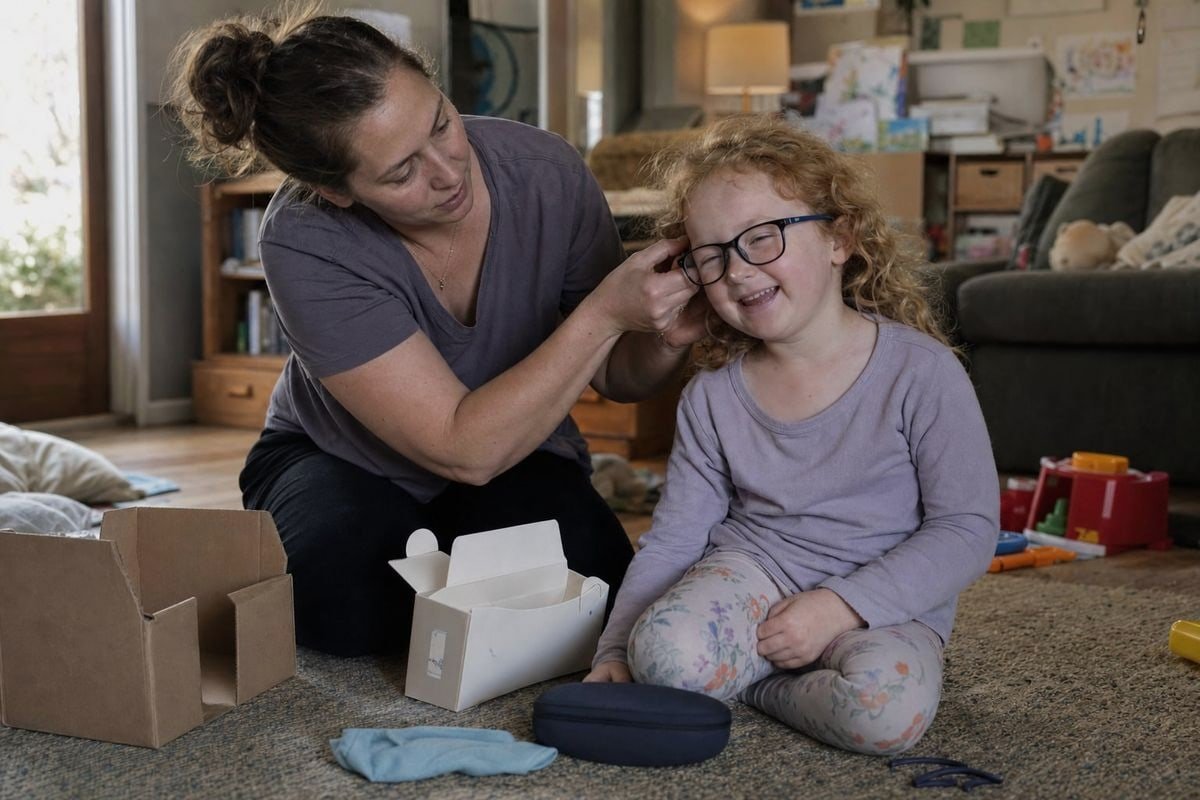
Esta es la parte menos glamorosa del embalaje y la más cara de equivocarse. Una caja mal impresa o una etiqueta de advertencia faltante puede retener un envío en la aduana o hacer que un producto sea retirado del estante de un minorista. Aquí está la lista de verificación que revisamos con cada comprador antes de cortar una sola caja.
La lista de verificación de confirmación de preproducción
- Configuración del paquete. Confirme las unidades por bolsa de polietileno, caja interior y cartón maestro, además de las dimensiones del cartón y el peso bruto. Haga coincidir esto con sus estanterías de almacén o los límites de cumplimiento del mercado.
- Etiquetado de cumplimiento y seguridad. Para EE. UU., confirme los requisitos de cumplimiento de CPSIA 4 incluidas las etiquetas de seguimiento. Para Europa y el Reino Unido, confirme las marcas CE/UKCA 5. Agregue advertencias de peligro de asfixia donde haya piezas pequeñas o monturas para niños menores de tres años.
- Información del producto. Calificaciones UV400 6 en lentes de gafas de sol, menciones del material del marco para materiales resistentes a impactos como TR90, rangos de edad y tamaño, e instrucciones de cuidado.
- Códigos de barras y SKU. Confirmar Colocación de UPC/EAN 7, calidad de impresión y una prueba de escaneo. Confirme las etiquetas a nivel de cartón: SKU, número de modelo, color, cantidad y destino.
- Especificaciones de accesorios. Tamaño e impresión del paño, tipo de estuche, si los ganchos de silicona ajustables para las orejas o las correas se envían unidos o sueltos en la caja.
- Calidad del material e impresión. Grosor del cartón, resistencia a la compresión, tipo de acabado y coincidencia de color con su guía de marca.
- Muestras y aprobación. Siempre apruebe una muestra física de embalaje de preproducción, no solo una prueba digital.
- Tiempo. Las tiradas de impresión personalizadas agregan tiempo de entrega. Incorpórelo a su programa de producción desde el principio.
Operamos un taller gestionado por 5S, y el control de calidad del embalaje es parte de la misma disciplina: cada pedido personalizado recibe una hoja de especificaciones de embalaje documentada y firmada por ambas partes antes de la producción en masa. Si su proveedor no puede producir ese documento, considérelo una señal de advertencia. Los suministros ópticos al por mayor pasan por muchas manos: estándares claros y confirmados son lo que hacen que su producto se vea igual en Melbourne que en nuestra línea en Taizhou.
Conclusión
Un embalaje débil mata silenciosamente las buenas monturas infantiles, a través de daños, estantes aburridos o retenciones por cumplimiento. Capa de protección, elija accesorios que resuelvan problemas reales, marque a su escala y confirme cada estándar antes de la producción.
Notas al pie
Sección autorizada de Wikipedia que menciona específicamente Grilamid/TR-90 en el contexto de materiales para monturas de gafas. ↩︎
Información sobre acetato de celulosa, un material común de origen vegetal utilizado en la fabricación de monturas ópticas de alta calidad. ↩︎
Normas oficiales para materiales de papel y embalaje de origen responsable utilizados en cajas minoristas sostenibles. ↩︎
Guía oficial de la CPSC sobre normas de seguridad y etiquetas de seguimiento obligatorias para productos infantiles en EE. UU. ↩︎
Guía oficial del gobierno del Reino Unido sobre la aplicación de la marca UKCA para productos vendidos en Gran Bretaña. ↩︎
Explicación de las categorías y estándares de protección UV para lentes ópticas y de gafas de sol. ↩︎
Más artículos que te podrían gustar

¿Buscas un socio confiable en gafas para niños?
Explore más de 800 estilos listos y soporte OEM/ODM completo adaptado a su marca.
Ponte en contacto English
  Español de México
  Deutsch
  Français
  日本語
日本語  العربية
  Português do Brasil