How to Choose Nose Pad Design for Kids’ Sunglasses with Flatter Nose Bridges?
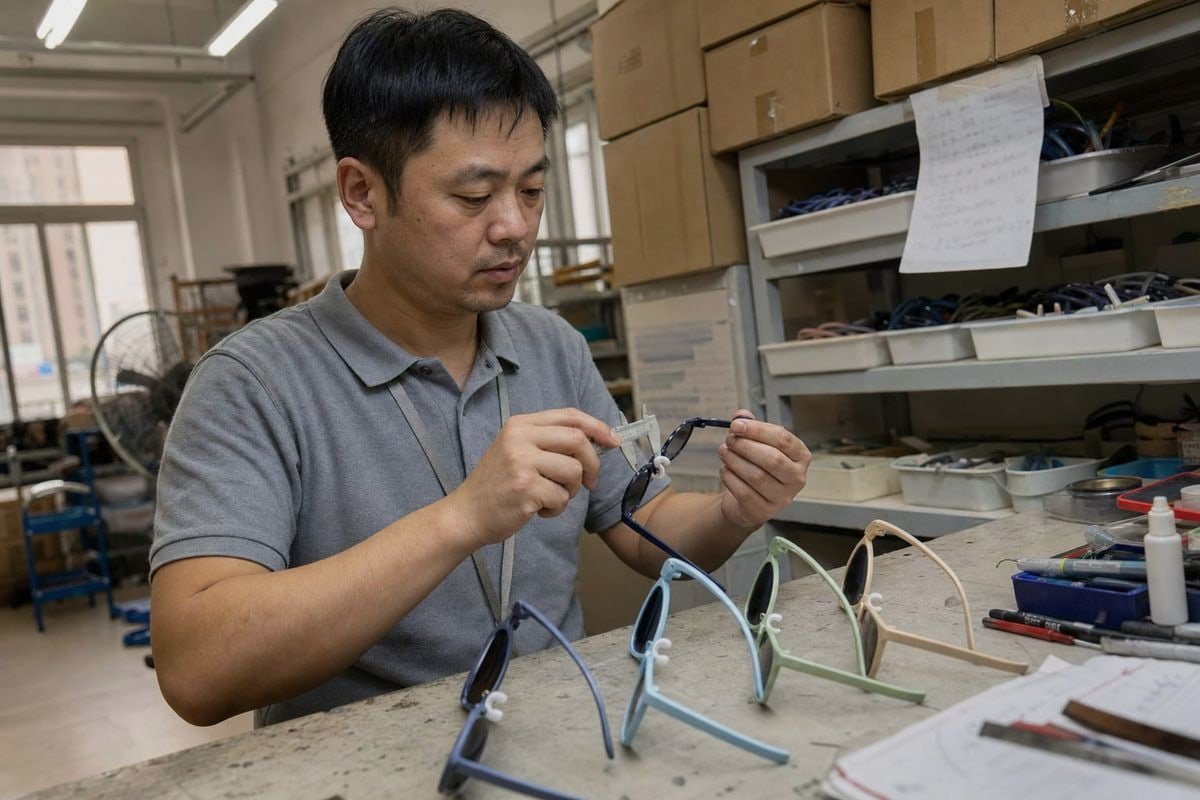
Choosing the right nose pad design for kids’ sunglasses with flatter nose bridges is a challenge I face weekly on our production line in Taizhou, and sliding frames frustrate parents everywhere. When sunglasses slip, Protección UV 1 slips too — and returns pile up for brands. The fix starts with the bridge, not the lens.
For kids with flatter nose bridges, choose soft silicone or TPEE nose pads that are slightly thicker (1.0–1.8 mm), contoured, and kid-sized, with a wide contact surface for pressure distribution. Molded low-bridge saddle designs or adjustable silicone pads outperform narrow adult-style pads for grip and comfort.
That is the short answer. But the details matter when you are ordering thousands of units for your brand. Let me walk you through what actually works, based on what we see in our factory every day.
What nose bridge shapes are most common among young children, and how do I identify them?
A few years back, a buyer from Japan returned samples because every frame slid down her test children's faces. Our team measured those kids' bridges — and redesigned the saddle within two weeks.
Most children under ten have low, flat, or shallow nose bridges with minimal projection, because the nasal bone develops gradually through adolescence. Identify the shape by viewing the child's face in profile: if the bridge barely rises between the eyes, standard nose pads will slip and need low-bridge adaptation.
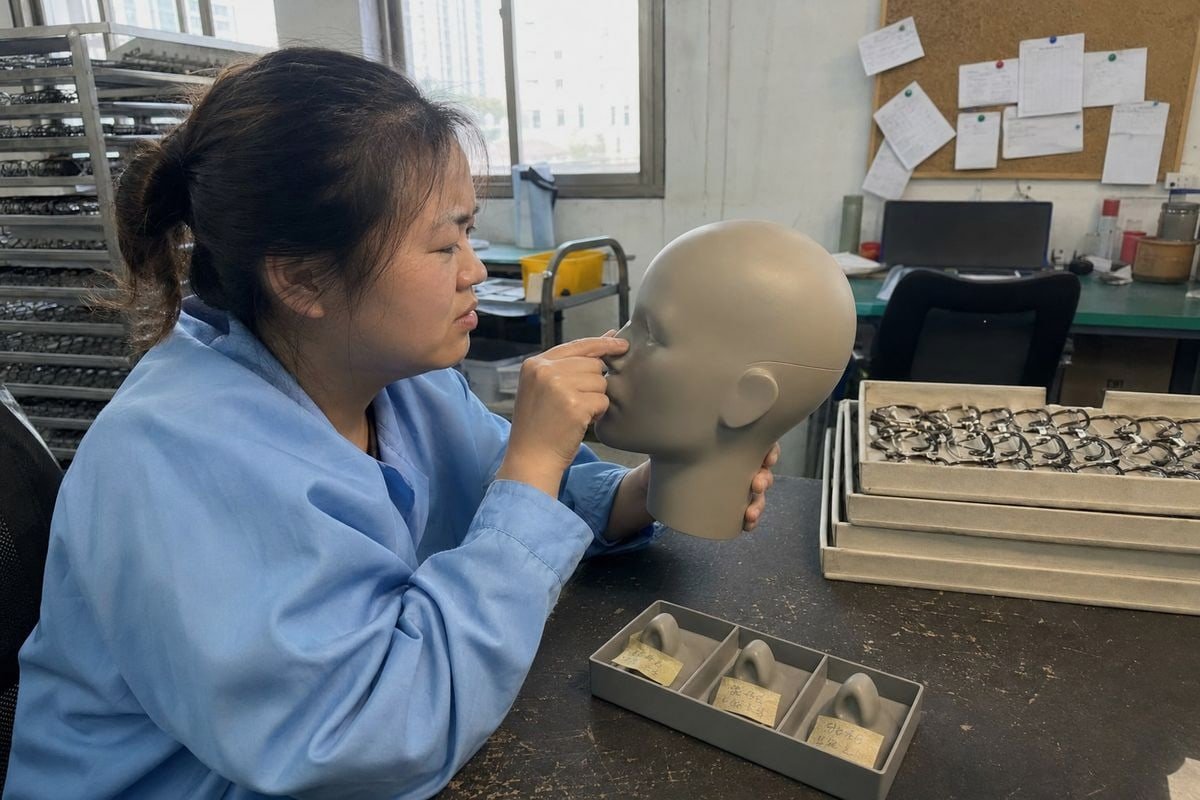
Children are not just small adults. Their facial proportions are genuinely different, and the nose bridge is the clearest example. In our fifteen years making children's eyewear, we have measured thousands of sample fits. The pattern is consistent: young children have less bone projection at the bridge, wider and softer nasal tissue 2, and rounder cheeks that push frames upward and outward.
The three bridge profiles we see most often
Here is how we categorize children's bridges when we develop a new frame at our workshop:
| Bridge Type | Profile View | Typical Age Range | Fit Risk with Standard Pads |
|---|---|---|---|
| Very flat / low | Almost no rise between the eyes | 1–5 years | Constant sliding; frame rests on cheeks |
| Shallow with slight rise | Small bump, low starting point | 5–9 years | Slipping during play or sweating |
| Emerging bridge | Visible projection forming | 9–14 years | Occasional slipping; closer to adult fit |
How to identify the shape without lab equipment
You do not need special tools. We tell our B2B buyers to use three simple checks. First, photograph the child's face from the front and the side. A flat bridge shows almost no shadow line between the eyes in the side view. Second, place a standard frame on the face. If the lenses touch the cheeks or eyelashes brush the lens, the bridge is too low for that design. Third, watch the child move. Ask them to look down and shake their head gently. If the frame drops within seconds, the bridge cannot hold a standard pad geometry.
Ethnic background also matters. Many children across East Asia, Southeast Asia, and other regions have naturally lower bridges well into their teens. If your brand sells into these markets, low-bridge fit should be your default spec, not an optional variant. We learned this lesson early when exporting to over twenty countries — one bridge design never fits all markets.
Which nose pad materials keep sunglasses secure without irritating sensitive skin?
There is a trade-off we weigh on every new kids' style: grip versus softness. A pad that grips hard can also press hard, and children's skin marks far more easily than adult skin.
Soft medical-grade silicone and flexible TPEE are the best nose pad materials for children, because they grip skin without hard pressure, resist sweat and sunscreen, and are hypoallergenic. Avoid rigid acetate or hard PVC pads, which cause pressure marks and slide when kids sweat.
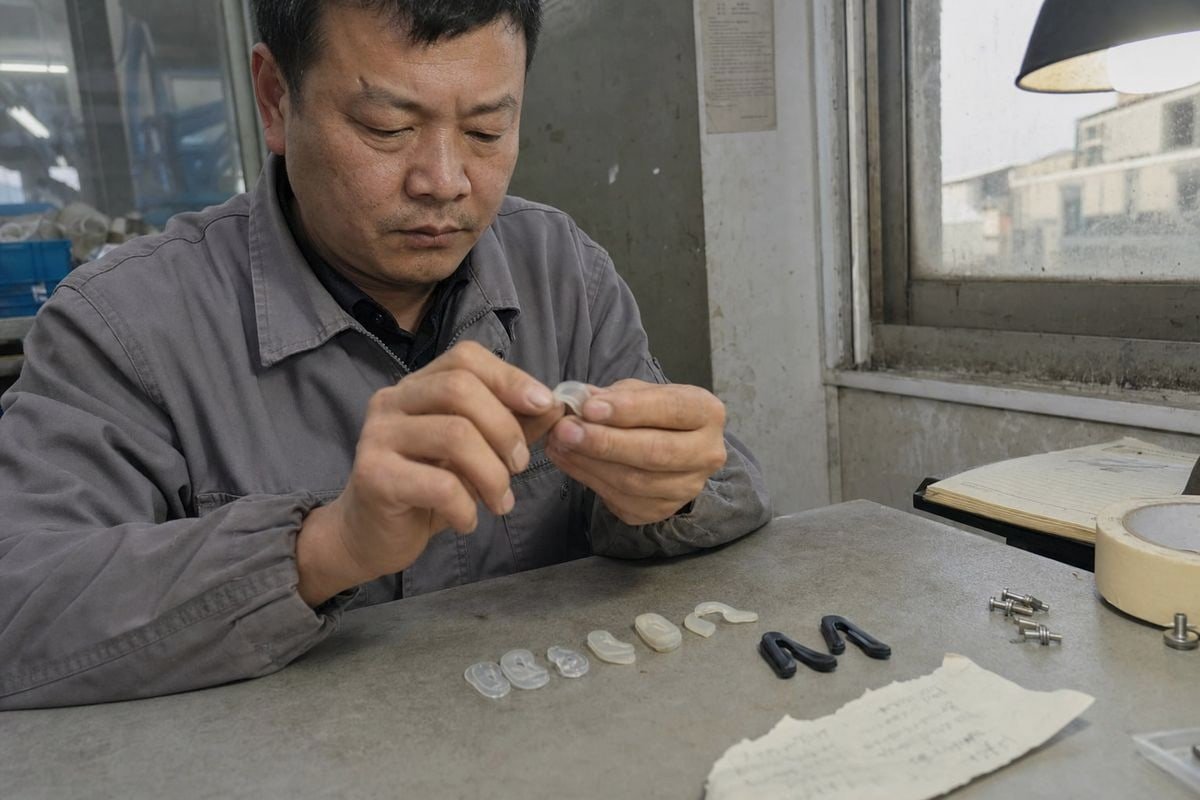
Material choice is where cheap kids’ sunglasses fail fastest. We built our factory's reputation on flexible materials — TPEE y TR90 3 — precisely because hard plastics and children do not mix well. The same logic applies at the nose pad.
How the common materials compare
| Material | Grip Level | Comodidad en la piel | Durabilidad | Best Use Case |
|---|---|---|---|---|
| Soft silicone | High, even when damp | Excellent; hypoallergenic | Good; can yellow over years | Adjustable pads, stick-on pads |
| TPEE (flexible polymer) | Buena | Excellent; soft and flexible | Muy buena | Molded one-piece bridges and temples |
| Textured / micro-structured silicone | Very high in sweat | Muy buena | Buena | Active kids, humid climates |
| Hard PVC / acetate | Low when sweaty | Poor; pressure points | Alta | Not recommended for flat bridges |
Why softness alone is not enough
Plain smooth silicone 4 works well for casual wear. But active kids sweat, and sweat mixed with sunscreen 5 creates a slippery film. This is why micro-textured anti-slip surfaces have become a real trend — the texture channels moisture away and keeps friction high on oily or humid skin. For sports styles like our wraparound shield designs, we recommend textured pads or a full-contact soft saddle rather than a smooth pad.
Skin sensitivity is the other half of the equation. Children's skin is thinner and reacts faster to rough edges, mold flash, and harsh plasticizers. On our line, we check pad edges during QC because one sharp seam can turn a comfortable frame into a returned frame. Choose materials that are certified skin-safe, free of harmful plasticizers 6, and easy to wipe clean, because kids' eyewear collects sunscreen, sweat, and skin oil faster than any adult product.
How can I test nose pad fit and comfort before committing to a bulk order?
One of our long-term European buyers has a smart habit: she never approves a pre-production sample from photos alone. She always runs a small wear-test panel with real children first. Her return rates show it works.
Test fit before bulk ordering by requesting physical samples, running a wear test with 5–10 children in your target age range, and checking for sliding during movement, pressure marks after 30 minutes, and cheek contact. Photograph fit from front and side to document bridge alignment.
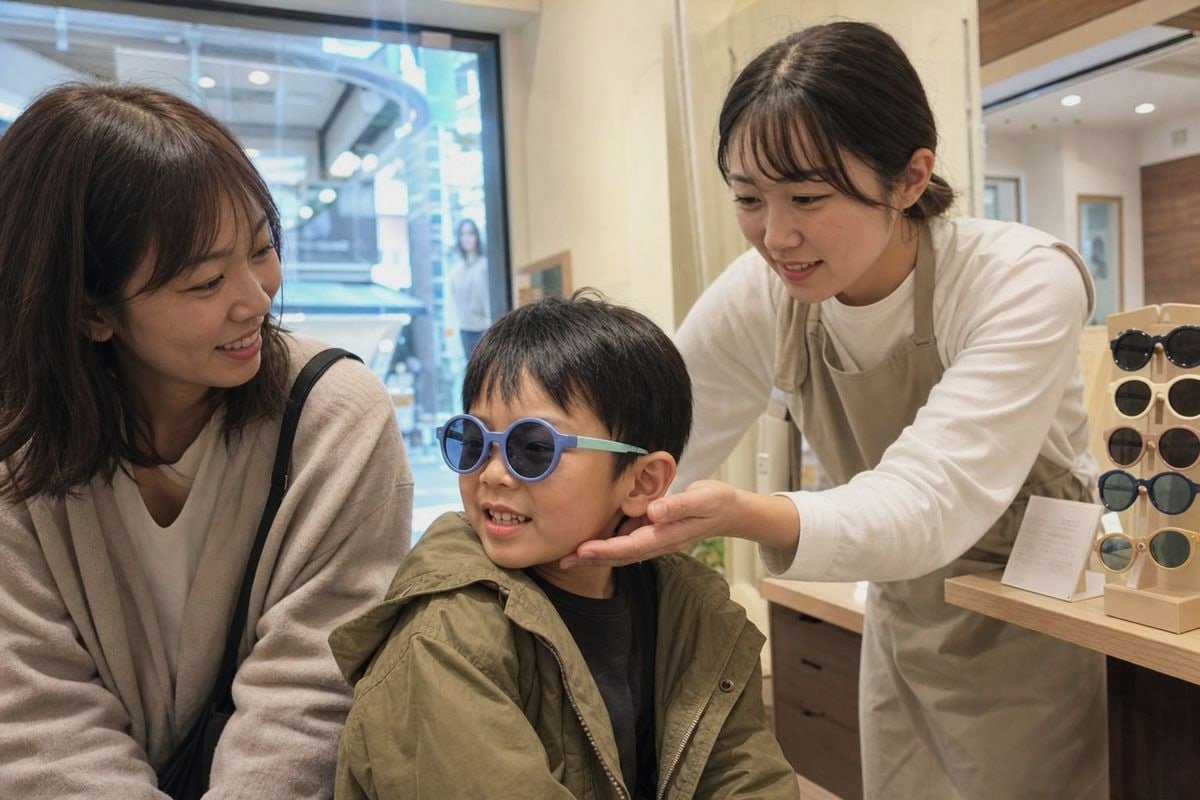
Bulk orders punish guesswork. A container of sunglasses that slide off children's noses is a container of markdowns. The good news is that meaningful fit testing is simple and cheap compared to the cost of getting it wrong.
A practical five-step wear test
- Order samples in every colorway and size you plan to buy. Molding tolerances can vary slightly between cavities, so test what you will actually receive.
- Recruit a small panel of children in your target age band. Five to ten kids is enough to spot a pattern. Include at least a few children with visibly flat bridges.
- Run a movement sequence. Have each child look down, jump, run for one minute, and shake their head. Note how many times the frame needs pushing back up. More than once per minute is a fail for an active-lifestyle product.
- Check the skin after 30 minutes of continuous wear. Look for red pressure lines on the nose and behind the ears. Marks that fade within two to three minutes are acceptable; deep lines are not.
- Photograph front and side views on each child. The lens should sit level, clear the cheeks, and center on the eyes. Keep these photos as your fit benchmark for future reorders.
What to ask your supplier for
Ask for the pad dimensions in writing — width, length, and thickness. Kid-specific pads often run around 6 mm by 11 mm, with thickness options from ultra-thin 0.6 mm up to 1.8 mm. For flat bridges, the thicker end of that range usually performs better because it lifts the frame off the cheeks. Also ask whether the pad is replaceable and how it is cleaned. At our factory, we send fit-test kits with multiple pad thicknesses on the same frame so buyers can compare directly before confirming the spec. That single step has saved more than one buyer from an expensive fit mistake.
Should I choose adjustable nose pads or fixed designs for my children's eyewear line?
Early in my time working with baby-product brands, I assumed adjustable pads were always the premium choice. Watching toddlers bend, chew, and yank sample frames in our showroom changed my mind quickly.
Choose molded, fixed low-bridge designs for children under six, because they survive rough play and have no small detachable parts. Choose adjustable silicone pads for kids seven and up, or for optical frames, where precise fit and growth adjustment matter more than impact durability.
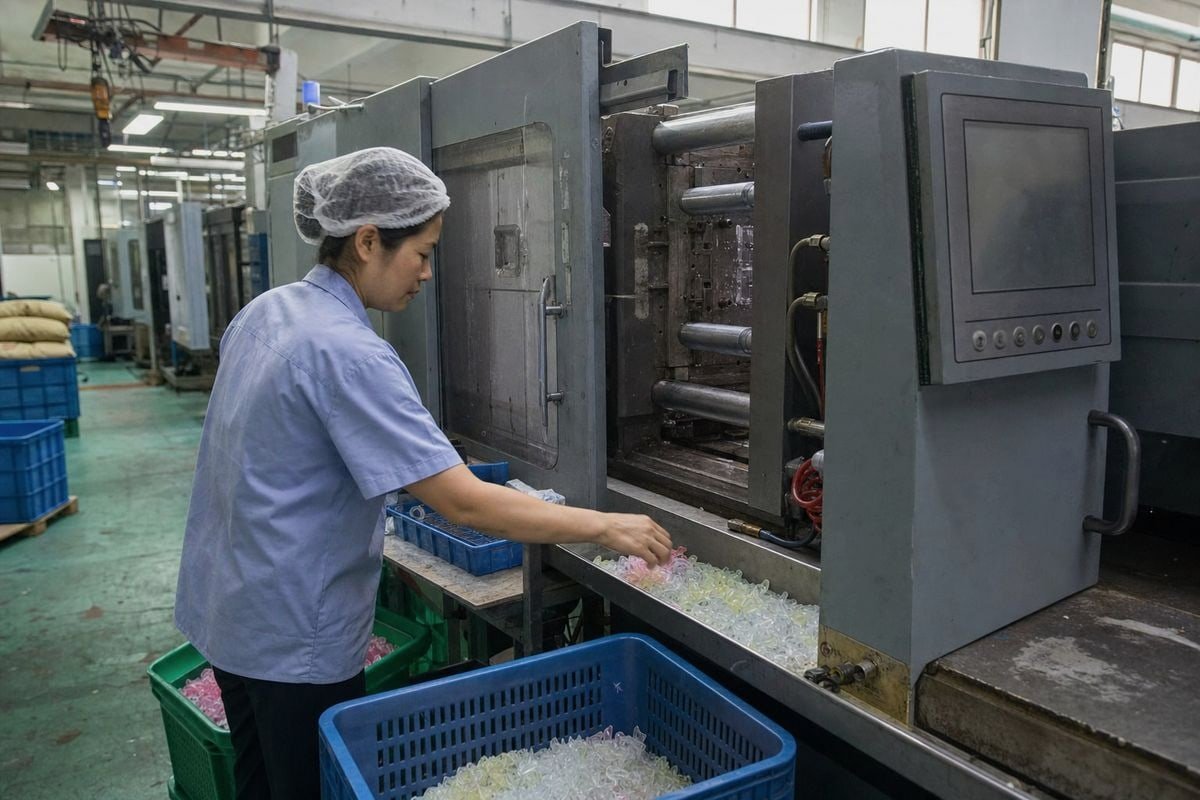
This is the decision that most affects your product's safety profile, durability, and cost — so it deserves a clear-eyed comparison rather than a blanket rule.
Fixed molded bridges vs. adjustable pads
| Factor | Molded Fixed Bridge | Adjustable Wire-Arm Pads |
|---|---|---|
| Durability in rough play | Excellent; nothing to bend or snap | Wire arms bend and snap under impact |
| Small-part safety | No detachable parts; safer under age 3 | Pads can detach; potential choking hazard |
| Fit precision | Depends on mold design | Can be tuned per child |
| Growth accommodation | Fixed; child may outgrow the fit | Adjusts through growth spurts |
| Cost per unit | Lower | Higher; more assembly steps |
| Best product type | Sunglasses, sport shields, toddler frames | Optical frames, older kids' premium lines |
How we advise buyers to decide
Start with age. For toddlers and preschoolers, a one-piece molded saddle in soft TPEE is the safest choice. There are no screws, no wire arms, and no pads that can pop off into a small mouth — a real concern, since some pad products carry choking-hazard warnings 7 for children under three. A well-designed molded low-bridge saddle also spreads pressure across a wide area, which is exactly what a flat bridge needs.
For school-age kids, especially in optical frames, adjustable silicone pads earn their cost. Children's bridges change quickly during growth spurts, and an optician can re-tune the fit in seconds. Some suppliers also offer pivoting or swivel pads that self-align to slightly asymmetric bridges, which static pads cannot do.
Many of our roughly 800 existing styles solve this with a middle path: a fixed frame front with a molded-in soft bridge insert, sized specifically for low bridges. Your brand gets the durability of a fixed design and the comfort of soft material — without new mold investment, which keeps launch risk low for a first order.
Conclusión
Flat bridges need lift, grip, and soft wide contact — not scaled-down adult pads. Match material, thickness, and design to age, test with real kids, and your fit problems disappear.
Notas al pie
1. WHO reference on UV radiation risks supports the claim about protection loss from sliding frames. ↩︎
2. Background on nasal anatomy supports the discussion of children’s bridge and tissue development. ↩︎
3. Explains the flexible polymer materials used for durable, child-safe eyewear frames. ↩︎
4. Background on silicone material properties relevant to nose pad performance and comfort. ↩︎
5. FDA guidance on sunscreen supports the claim about sweat and sunscreen affecting grip. ↩︎
6. EPA resource on plasticizer chemicals supports the safety claim about skin-safe materials. ↩︎
7. CPSC is the authoritative U.S. body regulating choking hazards in children’s products. ↩︎
Más artículos que te podrían gustar
1 de agosto de 2026
¿Debería la fábrica encargarse del embalaje y etiquetado de las gafas de sol para niños, o utilizar un proveedor designado?

1 de agosto de 2026
Almacén propio vs. Cumplimiento directo del proveedor: ¿Qué reduce los costos de devolución para las marcas de gafas de sol para niños?

1 de agosto de 2026
Directo al almacén del puerto o staging en el extranjero: ¿Cuál ahorra más en el envío de gafas de sol para niños?
¿Buscas un socio confiable en gafas para niños?
Explore más de 800 estilos listos y soporte OEM/ODM completo adaptado a su marca.
Ponte en contacto English
  Español de México
  Deutsch
  Français
  日本語
日本語  العربية
  Português do Brasil