¿Cómo elegir entre estilos existentes o desarrollo personalizado para monturas ópticas infantiles?
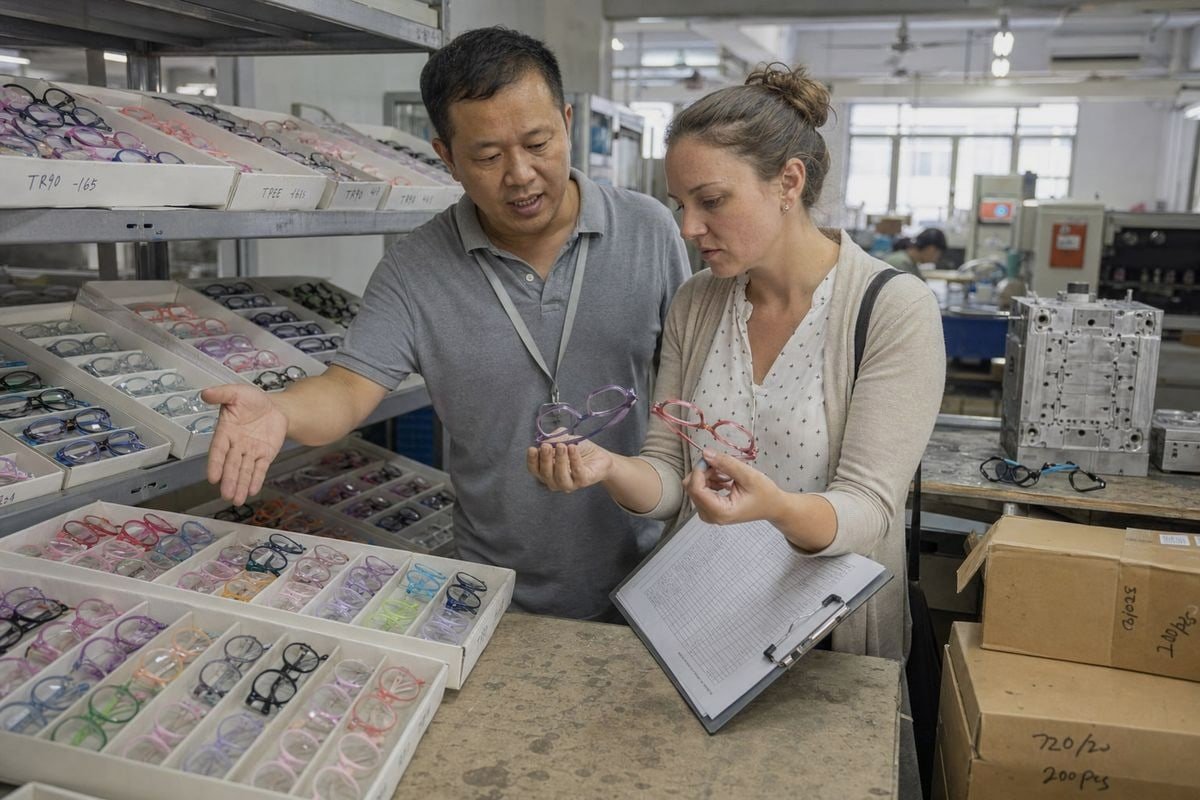
La elección entre estilos existentes o desarrollo personalizado para monturas ópticas infantiles detiene muchos lanzamientos de marca Templo TPEE 1. Veo a los compradores paralizarse ante esta decisión cada mes en nuestra planta de producción, preocupados de que una mala elección desperdicie presupuesto — o peor, entregue monturas que los niños se niegan a usar. La solución es un marco de decisión claro, que comparto a continuación.
Elija estilos existentes cuando necesite MOQ bajos, lanzamiento rápido y ajuste pediátrico probado; elija desarrollo personalizado cuando las monturas estándar no puedan ofrecer el ajuste del puente, la comodidad sensorial o el diseño propietario que su marca requiere. La mayoría de las marcas de gafas infantiles deberían empezar con estilos existentes, y luego invertir en herramientas una vez que los datos de ventas lo justifiquen.
Esa es la respuesta corta. Pero el valor real es saber exactamente cuándo cada camino resuelve mejor su problema. Permítame guiarle a través de las cuatro preguntas que los compradores nos hacen con más frecuencia.
¿Cómo sé si un estilo existente puede satisfacer las necesidades de mi marca sin herramientas personalizadas?
Una compradora de Australia me envió una vez un boceto dibujado a mano, convencida de que necesitaba un molde completamente personalizado. Comparamos su boceto con nuestro catálogo y encontramos una montura TR90 a dos milímetros de su especificación. Lanzó en seis semanas en lugar de seis meses.
Un estilo existente satisface sus necesidades si coincide con el tamaño de montura pediátrica objetivo, utiliza materiales flexibles y seguros como TR90 o TPEE, cumple los requisitos de certificación de su mercado y puede llevar su logotipo y colores. Si se cumplen todos los requisitos de ajuste, seguridad y marca, las herramientas personalizadas añaden coste sin añadir valor.
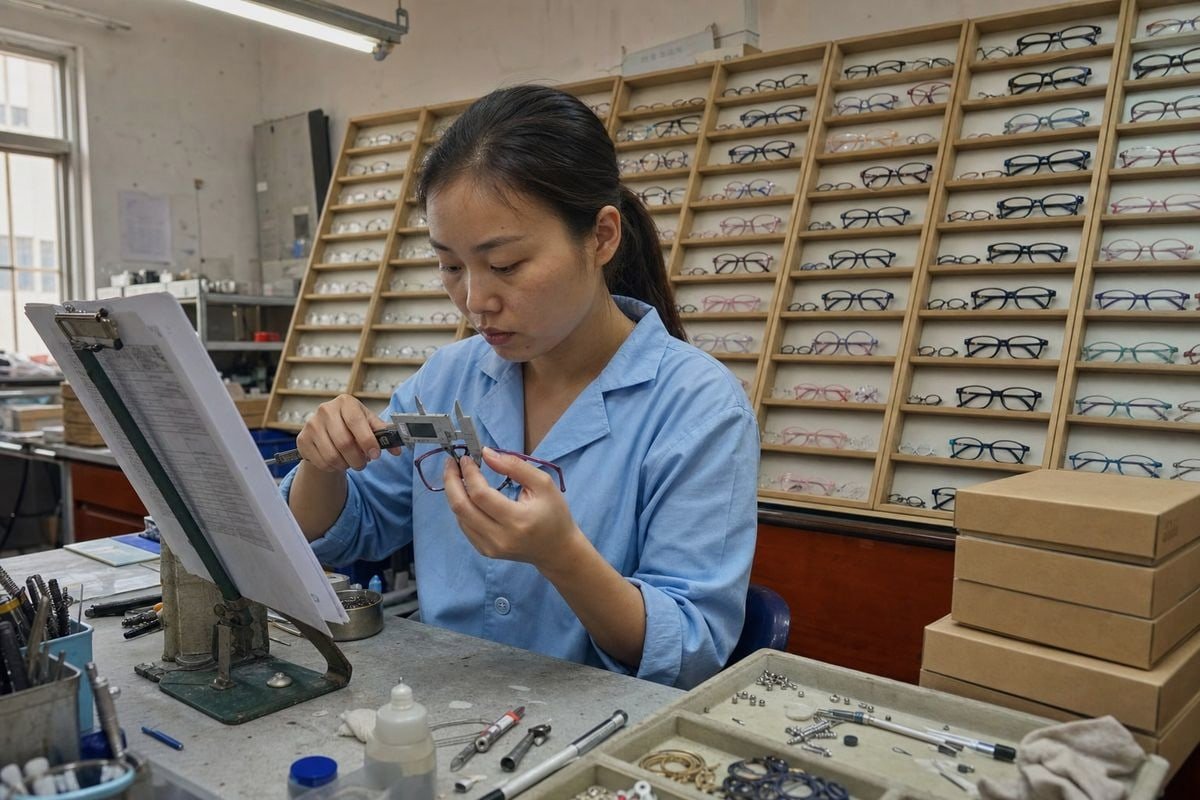
El punto de partida es siempre el ajuste, no la moda. Las gafas de los niños deben asentarse correctamente en una nariz pequeña y aún en desarrollo, permanecer estables durante el juego y sobrevivir a un manejo brusco. La guía de la industria apunta consistentemente a las mismas características principales: materiales flexibles, bisagras flexibles o integradas, geometría de puente específica para niños y lentes resistentes a los impactos 2. Un catálogo bien construido ya integra todo esto. Nuestra propia biblioteca contiene aproximadamente 800 estilos existentes, y cada uno fue desarrollado en torno a datos de ajuste pediátrico en lugar de formas de adultos reducidas.
Una rápida autoevaluación antes de solicitar un presupuesto de molde
Responda honestamente a estas preguntas:
- ¿El catálogo ofrece los tamaños de puente de la banda de edad objetivo? Un DBL en el rango de 14–17 mm se adapta a muchos niños, así que revise la hoja de especificaciones, no solo la foto.
- ¿Son los materiales adecuados? Material TR90 3 las frontales con patillas de TPEE ofrecen flexibilidad y contacto hipoalergénico con la piel — crítico para el uso durante todo el día.
- ¿Puede la fábrica cumplir con la normativa? Pregunte sobre Certificación FDA y CE 4 el soporte para su mercado de destino antes de discutir el diseño.
- ¿Se puede aplicar la marca? Colores personalizados, logotipos en las patillas y embalaje listo para la venta convierten una montura estándar en óptica de marca propia 5 que parece completamente suya.
Cuando la respuesta es no
Si los niños de su mercado informan repetidamente de monturas resbaladizas, marcas de presión o lentes que quedan demasiado bajas, y ninguna opción del catálogo lo resuelve tras pruebas de ajuste, esa es su primera señal genuina hacia el desarrollo personalizado. El fallo de ajuste — no la preferencia estética — es la justificación más sólida.
¿Cuáles son las diferencias reales en costo y tiempo de entrega entre elegir un estilo prefabricado y desarrollar un marco personalizado?
Las conversaciones sobre costos son donde a menudo tengo que dar noticias incómodas. Los compradores frecuentemente subestiman los costos de herramientas y moldes a la mitad, y subestiman el calendario aún más. Después de quince años dirigiendo la producción de gafas en Taizhou, las cifras a continuación reflejan lo que realmente sucede, no lo que prometen los folletos.
Los estilos listos para usar suelen enviarse en cuatro a ocho semanas con cantidades mínimas de pedido bajas y cero inversión en herramientas. El desarrollo personalizado suele requerir de cuatro a seis meses, cubriendo el diseño, la fabricación de moldes, el desarrollo de prototipos y las pruebas de ajuste, además de los costos de moldes que solo se amortizan con un volumen de ventas significativo.
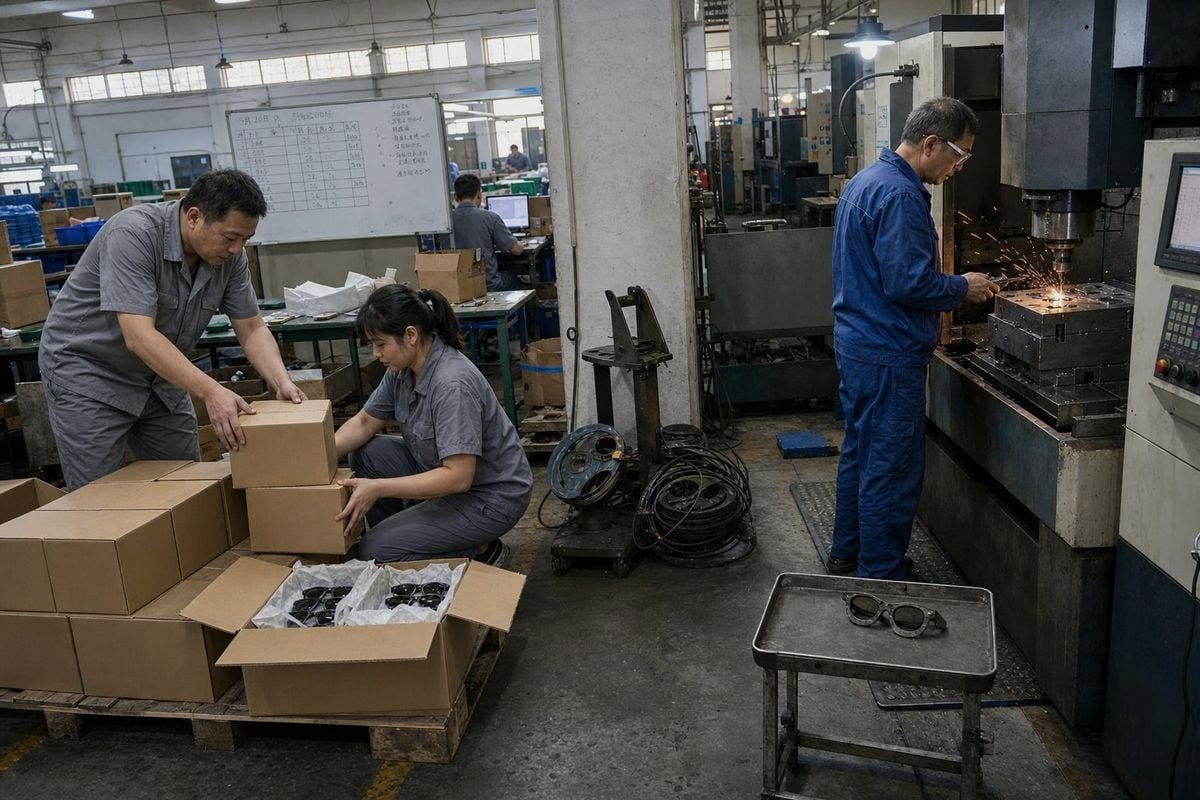
La brecha no es solo dinero. Es la exposición al riesgo a lo largo del tiempo. Aquí está la comparación que hacemos con cada nuevo comprador:
| Factor | Estilos existentes | Desarrollo personalizado |
|---|---|---|
| Inversión inicial | Solo costo de muestreo | Tarifas de diseño más costos de herramientas y moldes |
| Cantidad mínima de pedido | Bajo, a menudo por color | Mayor, para amortizar el molde |
| Tiempo de entrega para la producción | Aproximadamente 4–8 semanas | Aproximadamente 4–6 meses, incluyendo prototipos |
| Riesgo de diseño | Bajo — el ajuste ya está probado | Debe validarse a través de iteraciones de ajuste |
| Reemplazo a medida que los niños crecen | Fácil y barato de reordenar | Más arriesgado si el tamaño es demasiado preciso |
| Exposición a la comparación de precios | Mayor — otros pueden vender formas similares | Ninguno — el diseño es suyo |
| Mejor ajuste para | Entrada al mercado, pruebas, reabastecimiento rápido | Demanda establecida, ajuste único o necesidades de marca |
Los costos ocultos que la gente pasa por alto
Los proyectos personalizados conllevan costos más allá de la factura del molde. Cada ronda de desarrollo de prototipos...
Los costos ocultos de los marcos estándar
La equidad exige el otro lado también. Un estilo de marca blanca puede aparecer en la línea de un competidor, invitando a una comparación directa de precios. Y un marco estándar cercano a su especificación ideal sigue siendo un compromiso. Para la mayoría de los lanzamientos, ese compromiso es aceptable. Para una marca construida sobre una silueta distintiva, eventualmente no lo es.
¿Cuándo tiene sentido invertir en desarrollo personalizado en lugar de obtener de colecciones existentes?
El compromiso que sopeso con los compradores es siempre el mismo: precisión ahora frente a flexibilidad más adelante. Los niños crecen rápido, por lo que un marco perfectamente adaptado puede quedar obsoleto en meses. Sin embargo, algunos problemas de ajuste y marca simplemente no se pueden resolver desde un catálogo, sin importar cuán profundo sea.
El desarrollo personalizado tiene sentido cuando los niños experimentan repetidamente fallos de ajuste con monturas estándar, cuando atiendes necesidades sensoriales o craneofaciales especiales, cuando tu marca requiere un lenguaje de diseño propietario, o cuando el volumen de ventas validado hace que los costos de utillaje sean una inversión sólida en lugar de una apuesta.
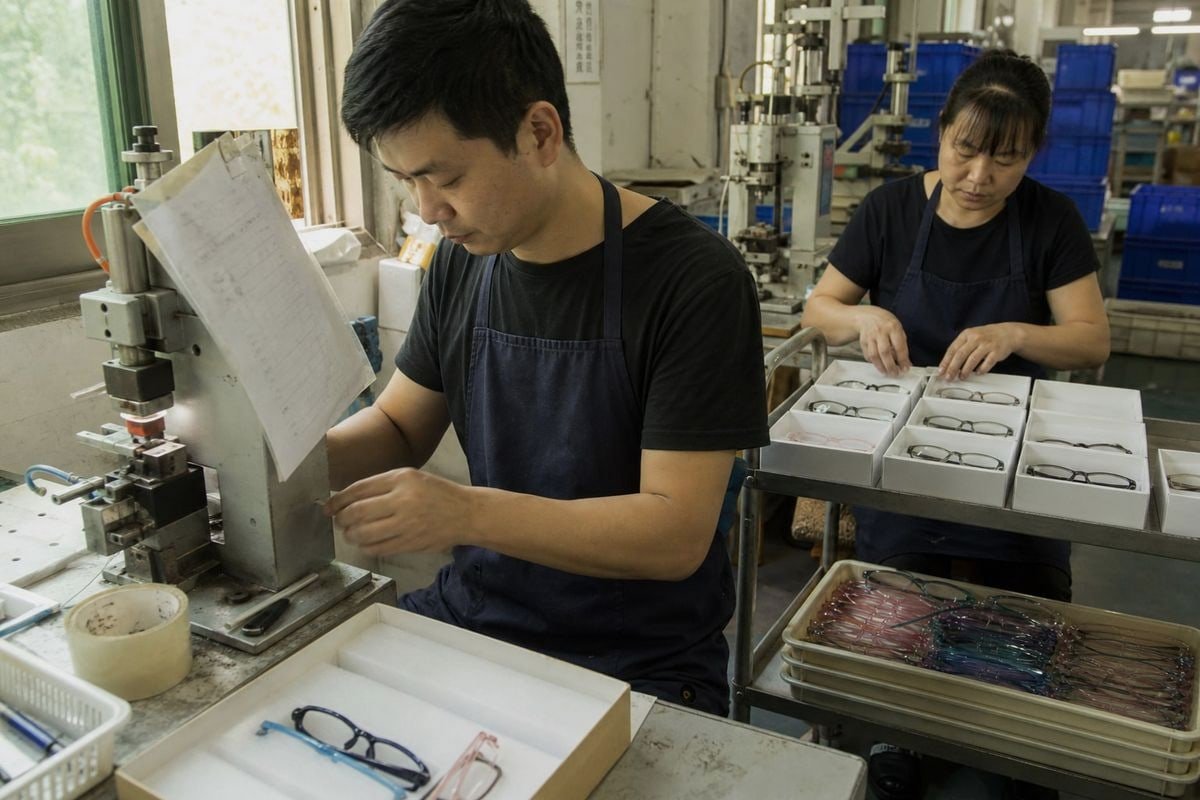
Algunos compradores se oponen aquí: "Si los estilos existentes funcionan para la mayoría de los niños, ¿por qué alguien invertiría en herramientas?" Esa objeción es justa, y yo mismo la planteo en las primeras llamadas. Pero "la mayoría de los niños" no es "todos los niños", y "un buen marco" no es "una marca defendible". Lo personalizado justifica su costo en cuatro situaciones específicas.
Problemas de ajuste que los catálogos no pueden resolver
Algunos niños necesitan un distancia entre centros en caja 6 cercano a su DP, un ángulo pantoscópico casi nulo o longitudes de patilla inusuales que quedan fuera de los rangos estándar. Moverse más allá del tamaño basado en la edad hacia clústeres biométricos —ajustes construidos a partir de datos faciales agregados— permite a una marca atender a niños con desarrollo craneofacial no estándar a los que los marcos del mercado masivo fallan constantemente.
Requisitos sensoriales y médicos
Los niños con sensibilidades táctiles o necesidades neurodivergentes pueden rechazar marcos por una costura que pueden sentir o una bisagra que hace clic. El trabajo personalizado puede priorizar características sensorialmente neutras: bisagras integradas sin costuras, texturas ultra mate y completamente materiales hipoalergénicos 7 en cada punto de contacto con la piel. Hemos fabricado patillas en TPEE suave específicamente porque los clientes finales de un comprador no podían tolerar los bordes de acetato duro.
Objetivos de marca y modelo de negocio
Las herramientas personalizadas también desbloquean ventajas estructurales:
- Mapeo de materiales — colocación de polímeros de alto rendimiento o de base biológica exactamente en zonas de alta tensión para una durabilidad superior a las construcciones estándar.
- Arquitectura modular — patillas y puentes intercambiables que respaldan un modelo de reparación en lugar de reemplazo y generan lealtad a largo plazo.
- Alineación digital — gemelos digitales 3D de alta fidelidad creados durante el diseño, para que los marcos físicos coincidan con las herramientas de prueba virtual y las devoluciones disminuyan.
Justificación de volumen
Finalmente, las matemáticas. Si sus ventas mensuales validadas pueden absorber la amortización de las herramientas dentro de un horizonte razonable, lo personalizado deja de ser un riesgo y se convierte en un activo que los competidores no pueden copiar.
¿Puedo combinar diseños de marcos existentes con marca personalizada para ahorrar tiempo y reducir el riesgo?
El lanzamiento más exitoso que he apoyado tomó exactamente este camino híbrido. Una marca europea infantil seleccionó tres marcos de nuestro catálogo, especificó colores Pantone, agregó un logotipo grabado con láser en la patilla y se envió en cajas minoristas de marca. Los clientes nunca sospecharon que los marcos no se habían fabricado desde cero.
Sí — combinar diseños de monturas existentes con colores, logotipos, lentes y embalajes personalizados es la estrategia de lanzamiento de menor riesgo. Este enfoque OEM ofrece un producto totalmente de marca en semanas, le permite validar las preferencias de forma y color con ventas reales y aplaza la inversión en herramientas hasta que los datos lo respalden.
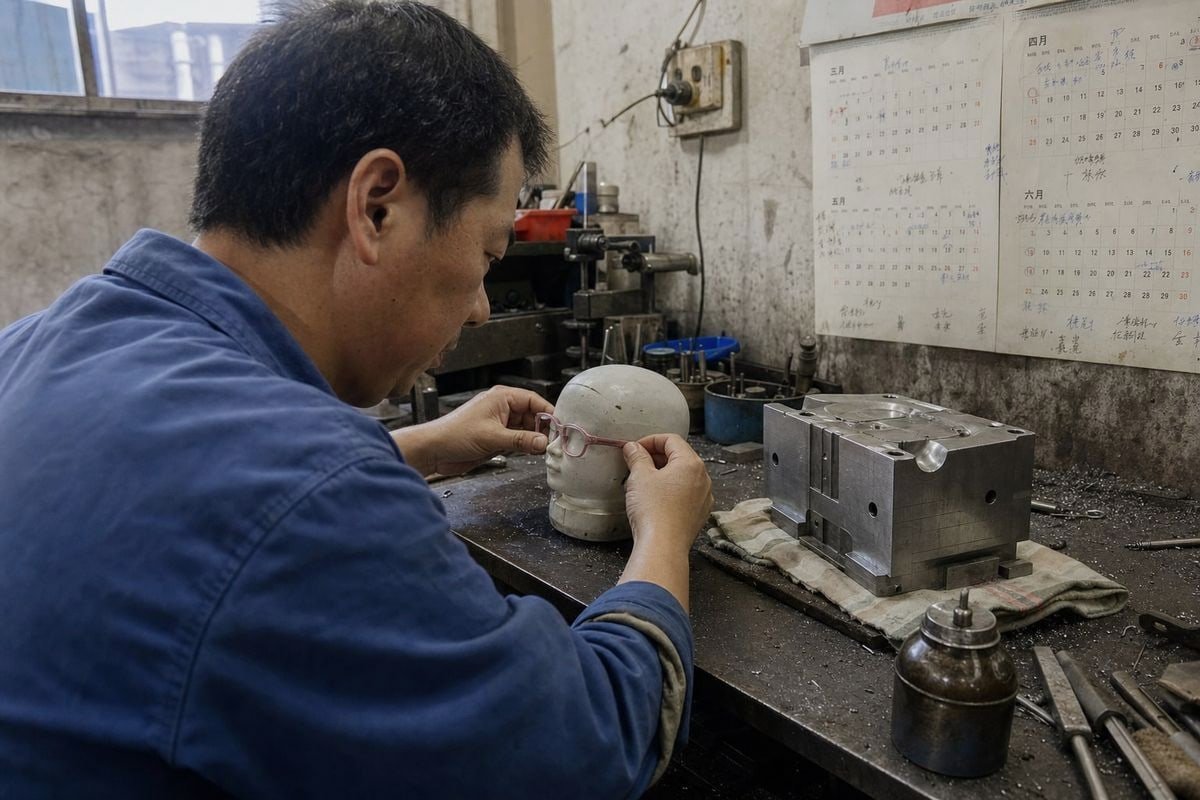
Este modelo híbrido se sitúa en el punto medio práctico del espectro de fabricación OEM vs ODM. No está comprando un producto genérico, ni está financiando un molde. Está personalizando una plataforma probada. Aquí se puede cambiar típicamente en un marco estándar sin ninguna herramienta nueva:
| Elemento | ¿Personalizable sin herramientas? | Impacto típico |
|---|---|---|
| Colores de montura y patillas | Sí, a juego con Pantone | Fuerte diferenciación en el estante |
| Logotipo (impresión, grabado, incrustación metálica) | Sí | Percepción de propiedad de la marca |
| Tipo de lente (UV400, polarizado, demostración) | Sí | Función y posicionamiento |
| Empaque, estuche, paño, etiquetas colgantes | Sí | Presentación lista para la venta minorista |
| Geometría del puente, forma del marco | No — requiere un molde | Reservado para lo verdaderamente personalizado |
| Longitud de la patilla más allá del rango estándar | No — requiere un molde | Reservado para lo verdaderamente personalizado |
Uso de estilos estándar como investigación de mercado
El valor estratégico va más allá de la velocidad. Cada reordenación le indica qué formas, tamaños y colores compra realmente su mercado. Después de dos o tres temporadas, esos datos de ventas se convierten en su brief de diseño personalizado. En lugar de adivinar qué silueta fabricar, invierte en la forma que ya demostró su valía, con sus propios refinamientos en el ajuste del puente, materiales o modularidad superpuestos.
Qué verificar antes de comprometerse
Pregunte a su fábrica tres cosas: el MOQ por color personalizado, si la aplicación del logotipo se realiza internamente o se subcontrata, y si el embalaje puede cumplir con el etiquetado de cumplimiento de su minorista. En nuestra línea, las tres cosas permanecen bajo un mismo techo con control de calidad gestionado por 5S, que es exactamente lo que mantiene los plazos híbridos cortos y consistentes.
Conclusión
Adivinar mal entre estilos existentes o desarrollo personalizado para monturas ópticas infantiles desperdicia meses y capital. Comience con estilos de catálogo probados, márquelos completamente y fabrique solo cuando los fallos de ajuste o la demanda de volumen validada lo exijan.
Notas al pie
Antecedentes de Wikipedia sobre elastómeros termoplásticos como el TPEE utilizado en las patillas flexibles para gafas. ↩︎
ISO establece normas internacionales de seguridad para lentes resistentes a impactos utilizados en gafas infantiles. ↩︎
Antecedentes sobre termoplásticos como el TR90 comúnmente utilizados en monturas flexibles para gafas infantiles. ↩︎
Descripción general autorizada de la FDA sobre la clasificación de dispositivos médicos y los requisitos reglamentarios para la certificación de mercado. ↩︎
Alibaba es una plataforma líder de abastecimiento para la fabricación y marca de gafas de etiqueta privada. ↩︎
Wikipedia explica la medición de la distancia interpupilar, esencial para un ajuste óptico personalizado preciso. ↩︎
Recurso de los NIH sobre reacciones alérgicas en la piel relevantes para la selección de materiales de montura hipoalergénicos para niños. ↩︎
Más artículos que te podrían gustar

¿Buscas un socio confiable en gafas para niños?
Explore más de 800 estilos listos y soporte OEM/ODM completo adaptado a su marca.
Ponte en contacto English
  Español de México
  Deutsch
  Français
  日本語
日本語  العربية
  Português do Brasil