How to Avoid Paying Without Receiving Goods When Sourcing Kids’ Optical Frames from China?
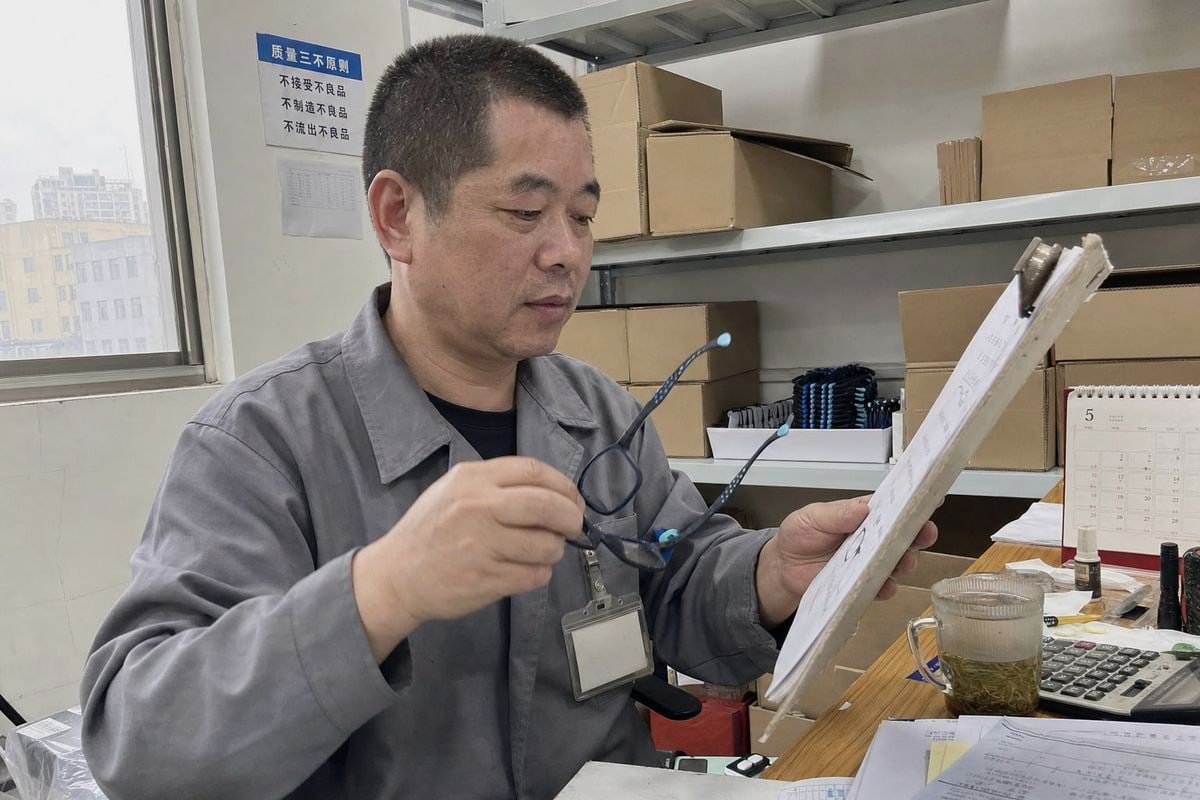
Sourcing kids’ optical frames from China can go wrong fast. I have watched buyers wire money to suppliers our factory in Taizhou had never heard of — and lose everything.
To avoid paying without receiving goods when sourcing kids’ optical frames from China, verify the supplier’s business license and bank account first, order an approved sample, pay only a 30% deposit, and release the 70% balance after a third-party pre-shipment inspection confirms the goods exist and match your specifications.
That one sentence carries a lot of weight. Below, I break it into four practical steps: verification, payment terms, quality checks, and red flags. Each step closes one door a fraudster could walk through.
How can I verify a kids' optical frame factory in China before sending any payment?
A brand owner from Australia once asked me for a live video walkthrough of our taller gestionado con 5S 1 before her first order. Smart move. Every serious buyer should demand the same.
Verify a Chinese kids' eyewear factory by checking its business license and Unified Social Credit Code on the National Enterprise Credit Information Publicity System, confirming the bank account matches the registered company name, requesting a live factory video, and reviewing a recent Customs Export Declaration for optical frames.
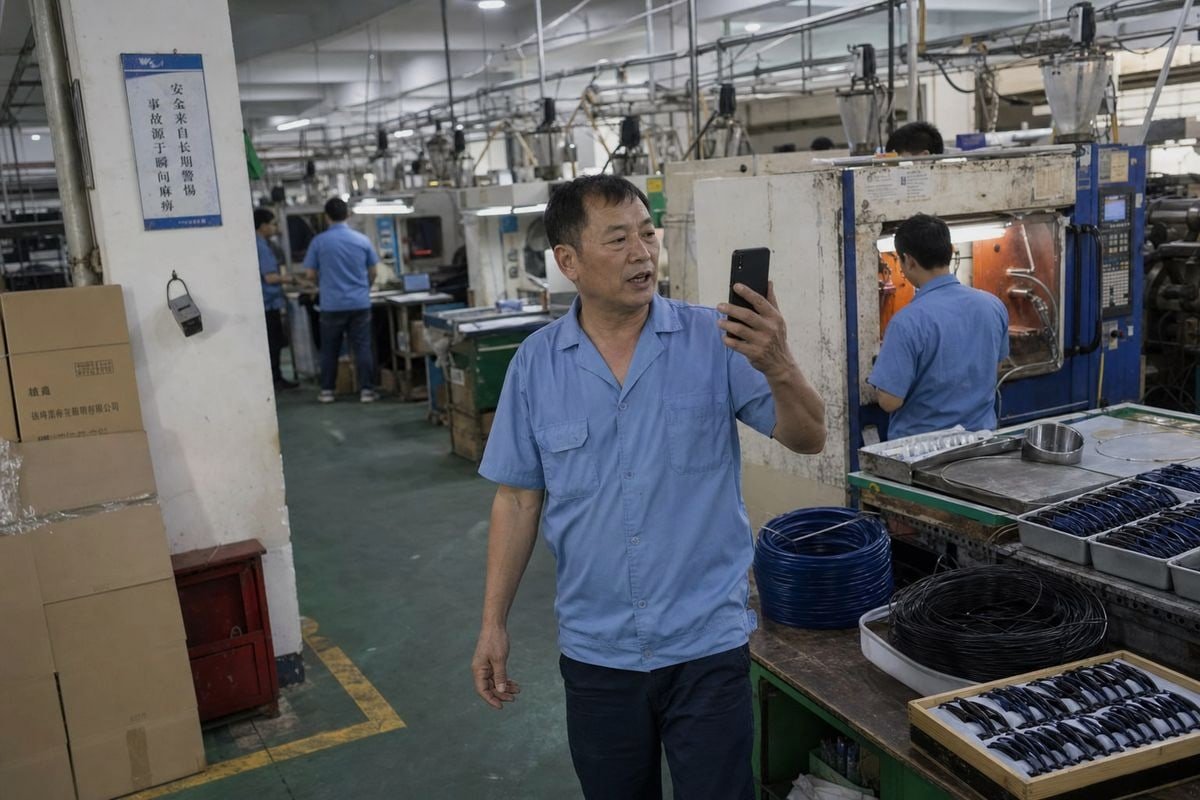
Supplier verification is not optional paperwork. It is the single cheapest insurance you can buy. A fake supplier survives on one thing: your willingness to skip checks because the price looks good and the sales rep sounds friendly. Take away that shortcut, and most scams collapse before money moves.
Start with the official record
Ask for the supplier's official Chinese company name and business license. Then cross-reference the Unified Social Credit Code on the National Enterprise Credit Information Publicity System 2. You are looking for three things: the registration date, the registered address, and any "abnormal operation" flags or legal disputes. If a supplier claims "15 years of eyewear experience" but the company was registered eighteen months ago, ask why. There may be a legitimate answer — a restructure, for example — but you deserve to hear it.
Prove it is a factory, not a ghost
A trading company is not automatically a scam, but a company pretending to be a factory is a warning sign. When buyers visit us, they see roughly 120 workers, injection machines, and assembly lines — that is hard to fake on a live video call. Here is a practical verification checklist:
| Comprobar | What to request | Lo que prueba |
|---|---|---|
| Licencia comercial | License copy + registry lookup | Legal existence, real age |
| Bank account | Account name vs. license name | No "ghost" personal accounts |
| Factory identity | Live video tour, not photos | Production capacity exists |
| Export history | Recent Bao Guan Dan (Customs Export Declaration) | They legally export optical frames |
| Sales rep history | WeChat Moments audit over months | Consistent factory-floor activity |
| Independence | Third-party factory audit (~$300) | Everything above, verified by a stranger |
That last row matters most. A third-party factory audit costs about the same as one restaurant dinner for your team, and it can prevent a five-figure loss.
What payment terms should I use to protect my order until I confirm the goods arrive?
There is a trade-off we discuss openly with new buyers: we need a deposit to buy TR90 and TPEE raw materials, but you need proof before releasing the balance. Good terms respect both sides.
Use a 30% deposit and 70% balance released only after a passed pre-shipment inspection and receipt of shipping documents. For first orders, add platform escrow such as Trade Assurance; for large orders, use a Letter of Credit. Never wire 100% upfront to a new supplier.
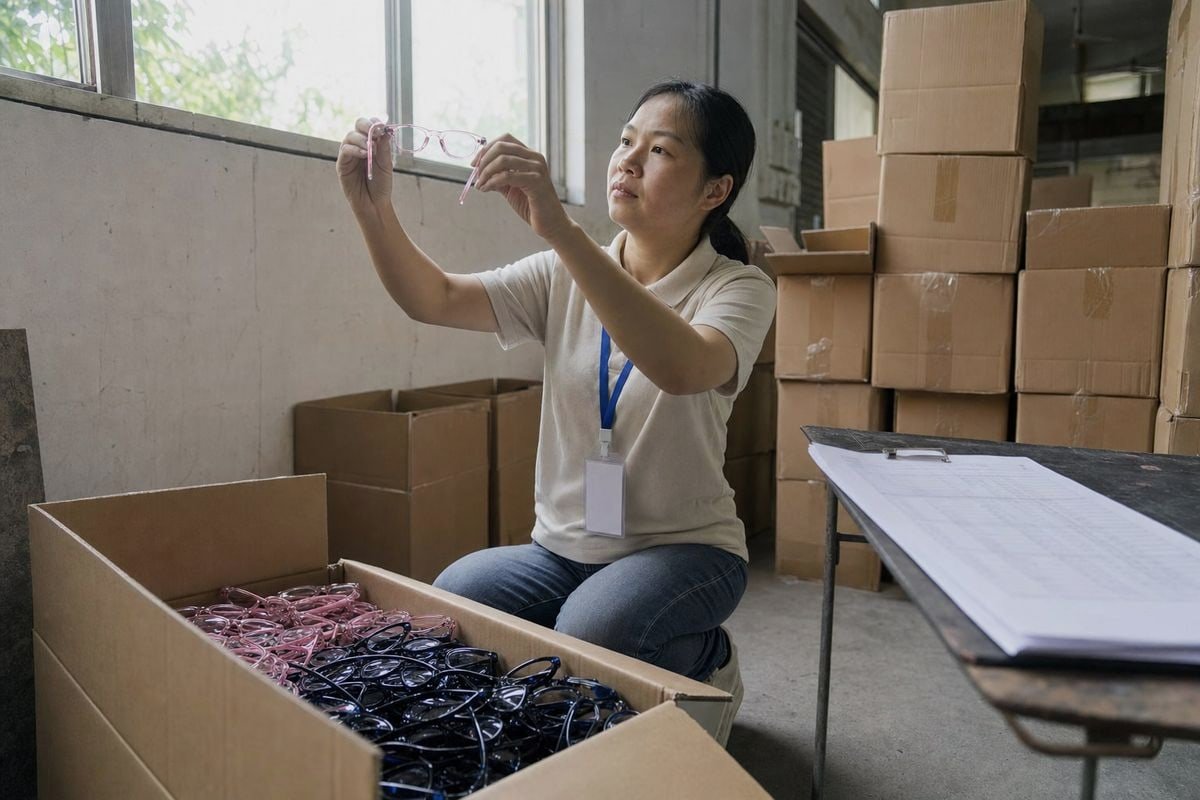
Here is the truth buyers sometimes miss: paying less upfront is not the real protection. The real protection is making the final payment depend on independently verified goods. A scammer can steal a 30% deposit too. But a supplier who agrees to inspection-linked terms is signaling, before any money moves, that they intend to deliver.
Compare your payment options
| Payment method | Lo mejor para | Protection level | Watch out for |
|---|---|---|---|
| 30/70 split with inspection clause | Most orders | Alta | Balance trigger must be written into the proforma invoice |
| Trade Assurance / platform escrow | First-time orders | Alta | Only protects transactions kept on the platform |
| Letter of Credit | Large orders | Muy alta | Bank fees; demands precise documents |
| 100% T/T upfront | Never for new suppliers | Ninguno | The classic "pay-now, no-goods" setup |
Tie every payment to evidence
Structure the flow like a series of locked gates:
- Sign a proforma invoice stating specs, tolerances, the approved sample as benchmark, and the inspection condition.
- Pay the 30% deposit to the verified corporate account only.
- Receive production photos or a DUPRO check mid-production.
- Commission a pre-shipment inspection; the report must pass.
- Release the 70% balance.
- Receive the Conocimiento de Embarque 3 and track the shipment through customs clearance.
Now, a fair objection: legitimate factories do ask for deposits, especially for custom colors, logos, and packaging. That is normal — we do the same, because OEM work 4 consumes real material. The difference is that a genuine factory pairs the deposit with verifiable progress. A fraudster resists every checkpoint.
How do I check product quality and safety compliance before my kids' optical frames ship?
Early in our OEM work, we learned a hard lesson: a competitor's "TR90" frames turned out to be recycled plastic, and the buyer only discovered it when hinges snapped on children's faces.
Check quality before shipment by approving a signed golden sample, requesting material test reports for TR90 and TPEE claims, confirming CE and FDA certification where your market requires it, and booking a third-party pre-shipment inspection covering fit, hinges, finish, and packaging.
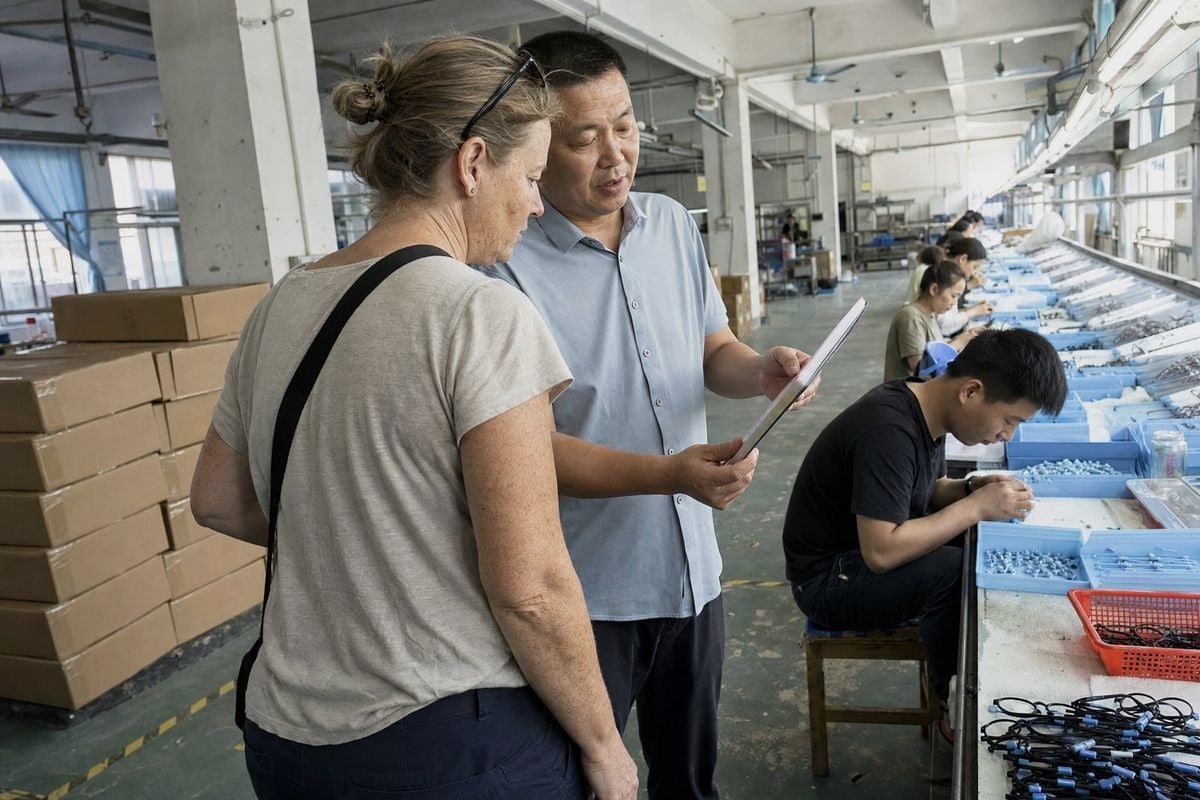
Children's frames punish shortcuts harder than almost any consumer product. Kids drop glasses, sit on them, bend them, and chew the temple tips. A sizing deviation of a couple of millimeters can make a frame slide off a small nose. Material substitution changes flexibility and weight in ways a child feels immediately. That is why our workshop treats kids' optical frames as a safety product first and a fashion product second.
The golden sample rule
Never authorize mass production without a physical sample in your hands. Then go one step further: have both sides sign the approved sample — the "golden sample" — and state in the contract that bulk goods must match it within defined tolerances. When a buyer disputes a batch, the golden sample settles the argument in minutes instead of weeks of emails.
Verify materials, not brochures
Genuino TR90 material 5 is lightweight, memory-flexible, and durable; recycled substitutes are brittle and heavier. Do not trust brochure language. Ask for:
- Material test reports from an independent lab.
- Raw material procurement receipts for TR90 or TPEE resin.
- Documentation of CE and FDA certification 6 relevant to your destination market.
- Proof of authorization for any licensed designs, to avoid IP trouble at customs.
What the inspector should check on kids' frames
A standard pre-shipment inspection covers quantity, workmanship, packaging, and labeling. For children's eyewear, we tell buyers to add these points to the inspector's checklist:
| Inspection point | Por qué importa para los niños |
|---|---|
| Temple flexibility and rebound | Frames must survive twisting by active children |
| Hinge function and screw torque | Loose hinges fail within weeks of daily wear |
| Edge and surface finishing | No sharp points or rough spots near skin and eyes |
| Sizing symmetry against golden sample | Small deviations ruin fit on small faces |
| Silicone grips and ear hooks | Slip-resistance parts must attach securely |
| Batch color consistency | Variation across styles signals loose process control |
An inspection typically costs $300–600 and takes about one day on-site. Against a container of unusable frames, that is the best money you will spend on the entire order.
What red flags should I watch for to avoid scams when sourcing kids' eyewear from China?
Buyers from over 20 countries have forwarded me suspicious quotes over the years, asking, "Does this look right to you?" The same warning signs appear again and again.
Walk away from suppliers demanding 100% upfront payment, payment to personal accounts, or Western Union and crypto transfers. Other red flags include unverifiable licenses, prices far below market, communication only via personal WeChat, and refusal to provide samples, factory video, or export documents.
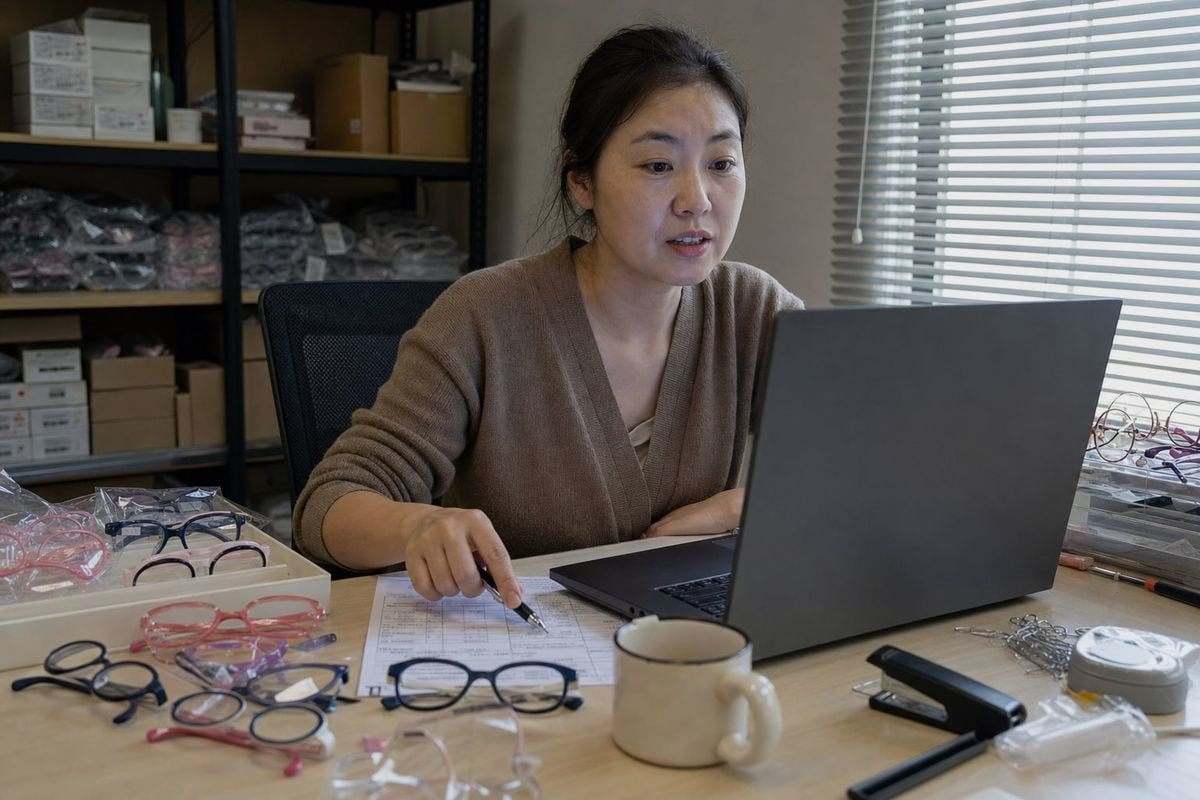
Red flags rarely appear alone. One weak signal — a young company, a WeChat-heavy sales rep — might be innocent. Three or four together almost never are. Your job is to count them, not excuse them.
The red flags ranked by severity
Treat these as a scoring system, not a mood:
- 100% upfront payment demanded on a first order. No legitimate factory needs this. It is the defining setup of a pay-now, no-goods fraud.
- Personal bank account, Western Union, MoneyGram, or cryptocurrency. Corporate exporters use corporate accounts. Full stop.
- Business license that cannot be verified in official Chinese registration systems, or a factory address that contradicts the registered address.
- Prices dramatically below market. In kids' eyewear, an impossible price usually means recycled material, bait-and-switch, or nothing shipping at all. Genuine flexible-material frames carry real resin and tooling costs.
- Refusal to provide a sample, live factory video, or a recent export declaration. Every real factory can do all three within days.
- Communication only through personal channels with no company email domain, and a sales rep whose WeChat Moments show no long-term factory history.
- Vague answers on specs. A partner who cannot discuss temple flexibility, hinge specs, or lens options in detail probably is not making the product.
If money already left your account
Stop all further transfers immediately. Preserve everything: the proforma invoice, chat logs, contracts, bank details, and screenshots. Contact your bank or payment platform the same day — recall requests work best within hours, not weeks. Report the case to the platform, relevant trade authorities, and your shipping partner if a Conocimiento de Embarque 7 was promised. For material amounts, consult trade counsel. Recovery is hard, which is exactly why the previous three sections exist.
Conclusión
Verify the license, sign a golden sample, split payments, and inspect before the balance. Do these four things, and paying without receiving your kids' optical frames becomes almost impossible.
Notas al pie
1. 5S is a standardized workplace organization methodology used to verify real factory operations. ↩︎
2. Official Chinese government registry used to verify a supplier’s business license and legal status. ↩︎
3. Explains this key shipping document referenced when reporting non-delivery to trade authorities. ↩︎
4. Alibaba.com is a major platform where buyers arrange OEM manufacturing and sourcing deposits. ↩︎
5. TR90 is a flexible nylon-based copolymer; background helps buyers verify genuine material claims. ↩︎
6. FDA oversees medical device and eyewear compliance standards referenced for market certification checks. ↩︎
7. Clarifies the shipping document buyers should confirm before releasing final payment. ↩︎
Más artículos que te podrían gustar
5 de agosto de 2026
Bio-Based vs Regular Cellulose Acetate: What's the Difference for Kids' Frames?
5 de agosto de 2026
How Recyclable Are Kids' Optical Frame Materials, and What Eco-Friendly Alternatives Exist?
5 de agosto de 2026
Do Kids Optical Frames Whiten or Age in Storage, and How to Control Warehouse Conditions?
¿Buscas un socio confiable en gafas para niños?
Explore más de 800 estilos listos y soporte OEM/ODM completo adaptado a su marca.
Ponte en contacto English
  Español de México
  Deutsch
  Français
  日本語
日本語  العربية
  Português do Brasil