How to Negotiate MOQ and Flexible Terms for Kids Sunglasses Suppliers?
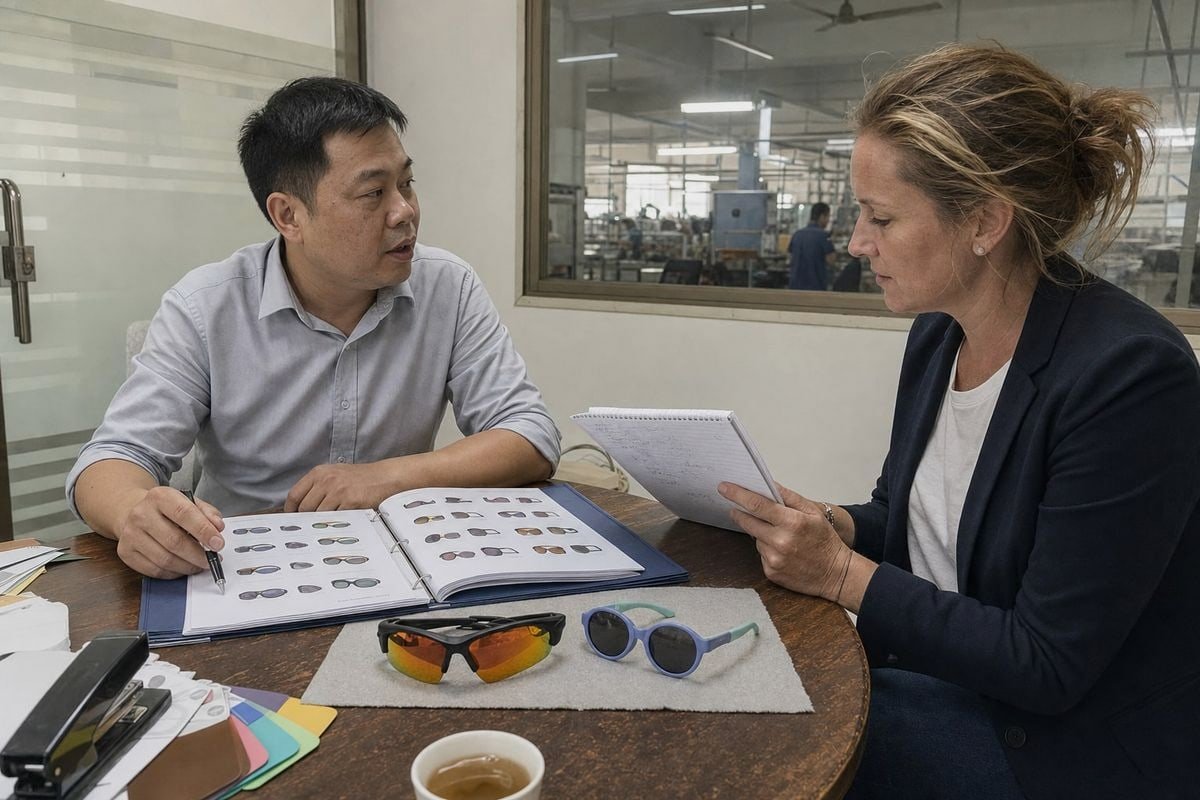
Negotiating MOQ and flexible terms for kids sunglasses suppliers stops many great brands before they start. I see it weekly on our Taizhou production floor: buyers want small, factories want big. The gap feels impossible — until you learn how factories actually think.
To negotiate MOQ and flexible terms with kids sunglasses suppliers, reduce the factory’s risk instead of demanding discounts. Offer a trial order at a 10–20% higher unit price, use existing catalog styles, consolidate colors under one MOQ, and present a credible reorder plan in writing.
That is the short answer. The full playbook is more useful. Below, I break down [what MOQ you can really expect](https://okayeyewear.com/what-typical-moq-customizing-kids-sunglasses-is-the/), how to protect yourself when testing a new supplier, which flexible terms to request, and how to spot a partner worth keeping.
¿Qué MOQ puedo esperar de una fábrica de gafas de sol para niños?
Last spring, a startup founder from Australia asked our team for 300 custom-molded frames in five colors. We had to explain why that math cannot work — and what can.
La mayoría de las fábricas de gafas de sol para niños cotizan entre 1.000 y 3.000 piezas por modelo para producción totalmente personalizada, pero 300-500 piezas por modelo es realista cuando se eligen moldes de catálogo existentes, lentes estándar UV400 y combinaciones de colores mixtas que se cuentan como una MOQ combinada.
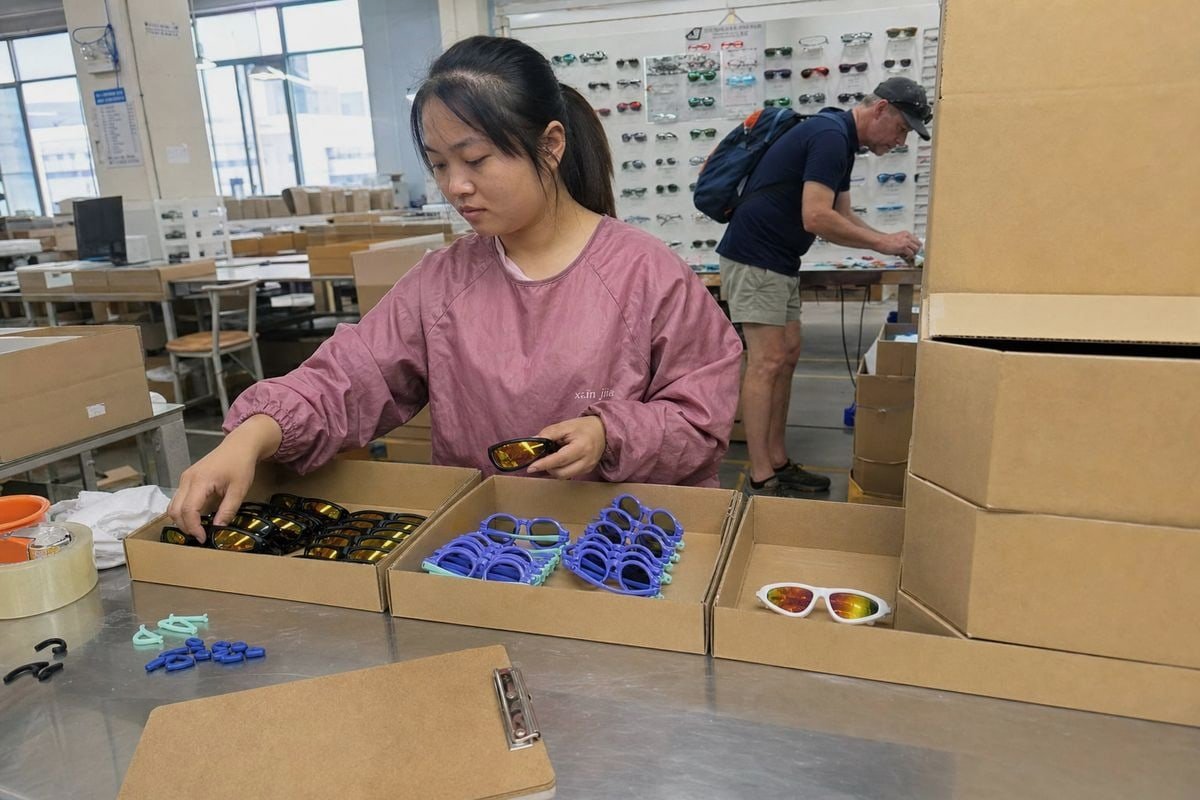
MOQ is not an arbitrary wall. It is math. A factory must cover mold amortization 1, material purchasing, machine setup, labor scheduling, and quality-control overhead on every run. For children's eyewear, the math gets stricter. Safety testing, lens compliance, and material sourcing for TPEE flexible frames all add fixed costs that small runs struggle to absorb.
Why the Numbers Vary So Much
The single biggest variable is whether you need a new mold. A custom frame shape requires tooling that costs thousands of dollars. The factory needs volume to justify it. An existing style skips that cost entirely. At our workshop, buyers can choose from aproximadamente 800 estilos existentes, which is exactly why our first-order minimums can sit far below full-custom levels.
Here is how the main factors move the number:
| Factor | Pushes MOQ Up | Pushes MOQ Down |
|---|---|---|
| Frame design | Nuevo molde personalizado | Existing catalog style |
| Colors | Custom color matching per SKU | Stock colors, mixed under one MOQ |
| Lentes | Custom tints or polarized coatings | Standard UV400 protection standards lenses |
| Empaque | Fully custom retail boxes | Stock pouch plus a branded sticker or card |
| Cumplimiento | New testing for a novel design | Frames already tested to CPSIA 2 or EN standards |
The Per-Color Question
Always ask whether MOQ applies per style, per color, or per order. A "1,000-piece MOQ" that counts three colors of one TR90 frame together is a very different commitment than 1,000 pieces per colorway. Since our TR90 fronts and TPEE temples share raw materials across colors, we can often pool colorways into one combined minimum. Ask every supplier the same question. The answer tells you a lot about their flexibility before negotiation even begins.
¿Cómo puedo reducir mi riesgo al probar un nuevo proveedor de gafas para niños?
A Japanese brand once told me they lost a full season's budget to a supplier they never audited. That conversation shaped how we now onboard every new buyer.
Reduzca su riesgo comenzando con una evaluación estructurada de pedidos de muestra, verificando el Certificado de Producto Infantil y los informes de pruebas de lentes, solicitando una auditoría de fábrica o un recorrido en video, y realizando una pequeña ejecución piloto pagada antes de comprometerse con el volumen total de MOQ.
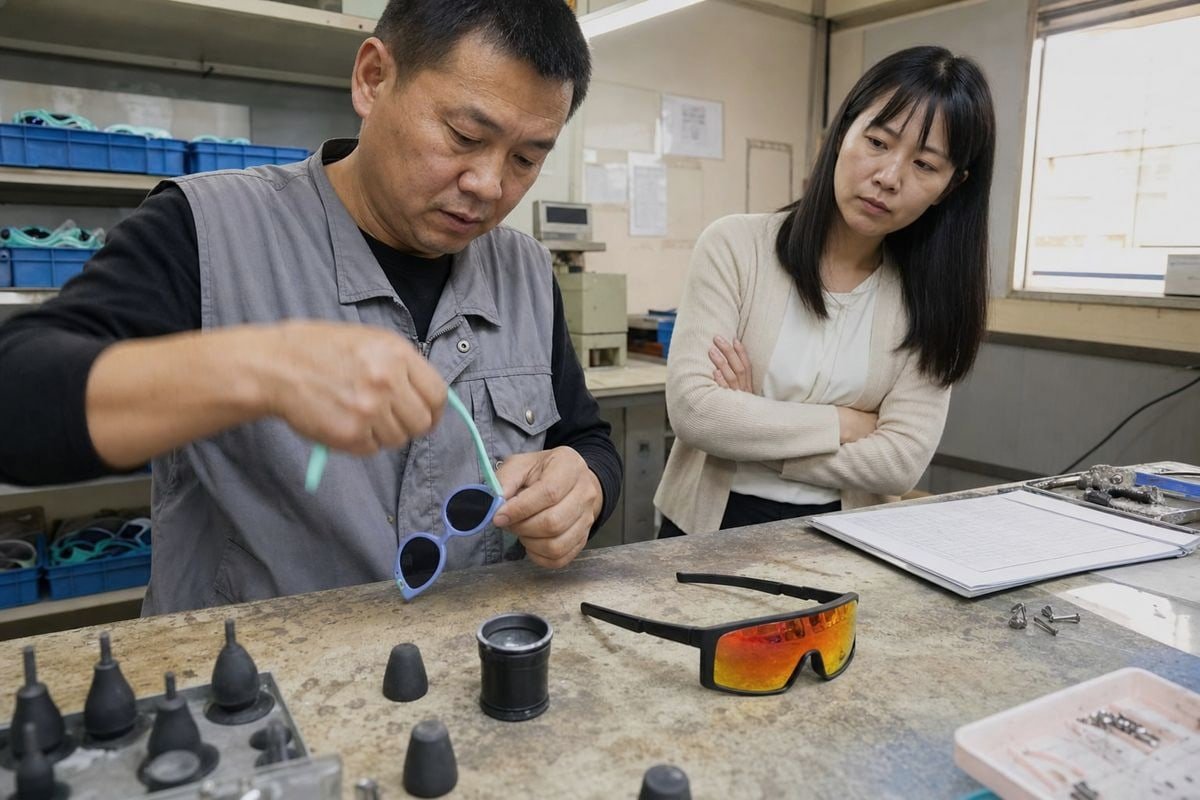
Testing a new supplier is not one decision. It is a sequence of small, cheap checkpoints. Each checkpoint either builds confidence or saves you from a costly mistake. In our experience exporting to buyers in more than 20 countries, the buyers who follow a staged process almost never get burned. The ones who jump straight to a big PO sometimes do.
A Four-Stage Risk Ladder
Follow these steps in order. Do not skip ahead.
- Paper verification. Request business licenses, factory photos, and documentos de cumplimiento. For the US market, ask how the supplier supports the Certificado de Producto Infantil 3 (CPC) process and CPSIA testing. For Europe, ask about Normas EN 4 y REACH 5. A factory that answers slowly or vaguely here will answer slowly later, too.
- Sample order evaluation. Pay for samples of two or three styles. Check hinge durability, temple flexibility, lens optical quality, and finish consistency. Bend the TPEE temples hard. Kids will do worse.
- Factory audit compliance. Visit if you can, or commission a third-party audit 6, or at minimum request a live video walkthrough. Look for organized workshops and real QC stations. Our own 5S-managed floor exists precisely because serious buyers check.
- Pilot production run. Place a small paid order — even below standard MOQ if terms allow — and inspect it before shipment. This tests real production quality, not showroom samples.
What Each Stage Actually Costs You
The beauty of this ladder is cost asymmetry. Paper checks cost hours. Samples cost tens of dollars. A pilot run costs a fraction of a full order. Compare that to the cost of 3,000 defective frames sitting in a warehouse, or worse, a safety recall involving children's products. When you frame the pilot to the supplier as a market validation trial with a defined reorder path, most reasonable factories will support it, because it lowers their risk too.
¿Qué términos flexibles debería pedir más allá del MOQ al negociar?
Buyers often fixate on one number — the minimum quantity — while leaving far more valuable terms on the table. I have watched deals stall over 200 pieces when a payment restructure would have solved everything.
Más allá del MOQ, negocie una estructura de precios escalonada, consolidación de SKU mixtos, plazos de pago escalonados, envío de retirada de inventario, embalaje simplificado de primera tirada, franjas de producción fuera de temporada y un compromiso documentado de reorden. Estos términos flexibles a menudo brindan más alivio de flujo de efectivo que un mínimo más bajo por sí solo.
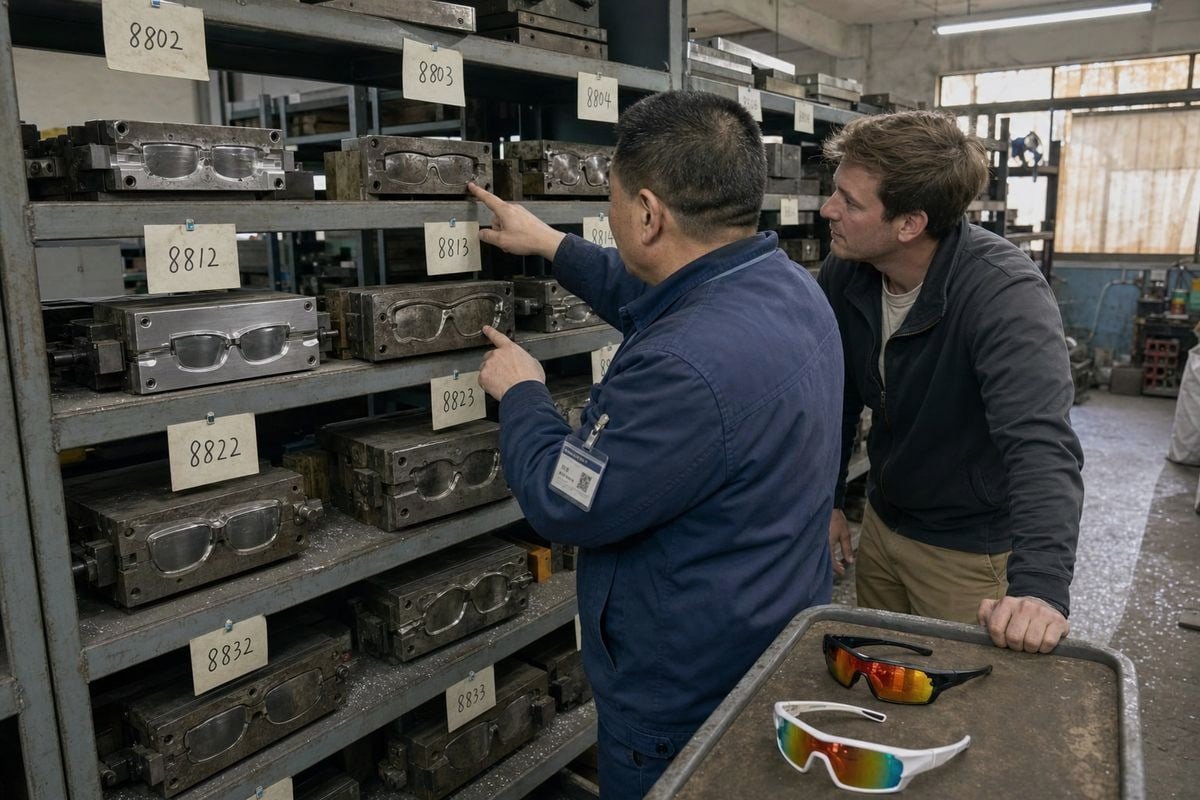
Think of the negotiation as a menu, not a single dish. Every term below trades something you can afford for something the factory values. The best deals combine three or four of them.
| Flexible Term | What You Ask For | What the Factory Gets |
|---|---|---|
| Tiered pricing structure | Quotes at 3–4 quantity levels | Visibility into your growth path |
| Combined MOQ | Mixed colors/styles counted together | Shared material runs, less waste |
| Price-for-volume swap | Sub-MOQ run at 10–20% higher unit price | Setup costs covered on a small run |
| Payment terms negotiation | Larger deposit now, better terms later | Reduced cash risk on a new buyer |
| Inventory call-off | Full run produced, shipped in batches over 6–12 months | One efficient production run |
| Shoulder-season scheduling | Production in the factory's off-peak months | Smoother capacity utilization |
| Simplified packaging | Stock packaging with private label branding elements | Lower per-unit setup complexity |
How to Sequence the Ask
Start with tiered quotes. Ask for pricing at, say, 500, 1,000, 2,000, and 5,000 pieces. The jumps between tiers show you exactly where the factory’s cost breakpoints sit. Then propose your realistic quantity and offer compensating terms from the table above.
On payment, do not demand Net 60 7 on order one. A fair path is a 30/70 deposit structure for the first two or three cycles, then a conversation about extended terms once trust is proven. We take that path with our own long-term buyers, and it works because both sides earned it.
Lead Time as a Bargaining Chip
Lead time optimization cuts both ways. If you need rush production in peak season, expect less flexibility elsewhere. But if you can accept a longer lead time — or schedule production in our quieter months — you hand the factory real value. Kids sunglasses are seasonal in most markets, so planning your order for the factory's shoulder season is one of the easiest wins available. It costs you nothing except earlier planning.
Whatever you agree, put it in the purchase agreement. Terms that live only in a chat thread have a way of evaporating.
¿Cómo sé si un proveedor vale la pena para construir una relación a largo plazo?
Fifteen years in eyewear has taught our team a simple truth: the first order tells you about a product, but the first problem tells you about a partner.
Un proveedor vale la pena para una asociación a largo plazo cuando se comunica de manera transparente, asume sus errores, mantiene una calidad constante en los reordenamientos, posee documentación de seguridad verificable, invierte en su crecimiento a través de servicios de fabricación OEM/ODM y mejora los términos a medida que su relación se profundiza.
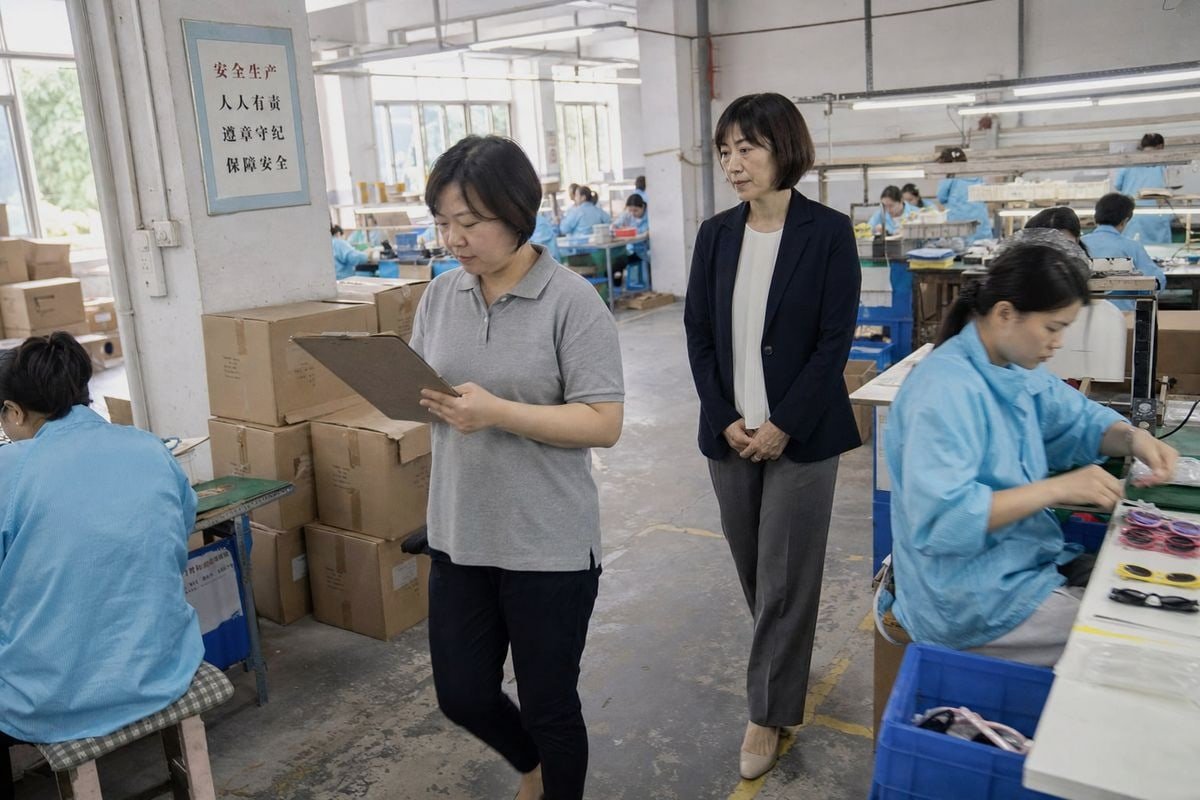
Price gets a supplier onto your shortlist. Behavior keeps them there. After working with brands, importers, and optical companies across many markets, I can tell you the strongest signals rarely appear in a quotation. They appear over time, in how a factory handles friction.
Green Flags Versus Red Flags
| Signal Area | Green Flag | Señal de alerta |
|---|---|---|
| Comunicación | Clear answers within a business day, even to hard questions | Vague replies, disappearing during problems |
| Calidad | Reorder batches match the pilot batch | Quality drifts once the "audition" is over |
| Cumplimiento | Test reports and CPC support offered proactively | Documents promised but never delivered |
| Problem handling | Admits defects, proposes fixes, absorbs fair costs | Blames shipping, materials, or you |
| Growth support | Suggests new styles, materials, packaging ideas | Only quotes what you ask, nothing more |
| Terms evolution | Better payment terms and priority capacity over time | Same rigid terms after years of orders |
The Reorder Test
Consistency is the real product a factory sells. Anyone can produce one good batch. The question is whether batch five, made ten months later with a different production schedule, matches batch one. Ask potential partners how they control this. At our facility, we rely on standardized material sourcing for TR90 and TPEE, documented color masters, and per-batch QC records, because our brand customers resell under their own names and cannot afford drift.
Do They Invest Back?
A partner-grade supplier puts skin in the game. That might mean holding safety stock of your frames, reserving production capacity before your peak season, developing a custom colorway without charging full development fees, or helping you build retail-ready private label branding step by step. When a factory starts acting like an extension of your product team — flagging a hinge improvement, suggesting a softer temple tip for toddlers — you have found something worth protecting. Reward it with forecasts, honest feedback, and loyalty. That currency buys more flexibility than any negotiation tactic ever will.
Conclusión
MOQ walls stop brands; dead inventory sinks them. The escape is risk-sharing: pilot orders, existing styles, tiered terms, and a documented reorder path. Negotiate flexibility by lowering the factory's risk — and choose partners who reward it.
Notas al pie
1. Explains the cost-recovery concept driving factory minimum order quantities. ↩︎
2. Explains the US law governing children’s product safety testing referenced here. ↩︎
3. Official US requirement buyers should verify before ordering children’s eyewear. ↩︎
4. Background on the European standardization body behind EN compliance rules.
Más artículos que te podrían gustar
¿Buscas un socio confiable en gafas para niños?
Explore más de 800 estilos listos y soporte OEM/ODM completo adaptado a su marca.
Ponte en contacto English
  Español de México
  Deutsch
  Français
  日本語
日本語  العربية
  Português do Brasil