Wie werden Kinderbrillen nach Alter kategorisiert und was sind die Stilunterschiede?
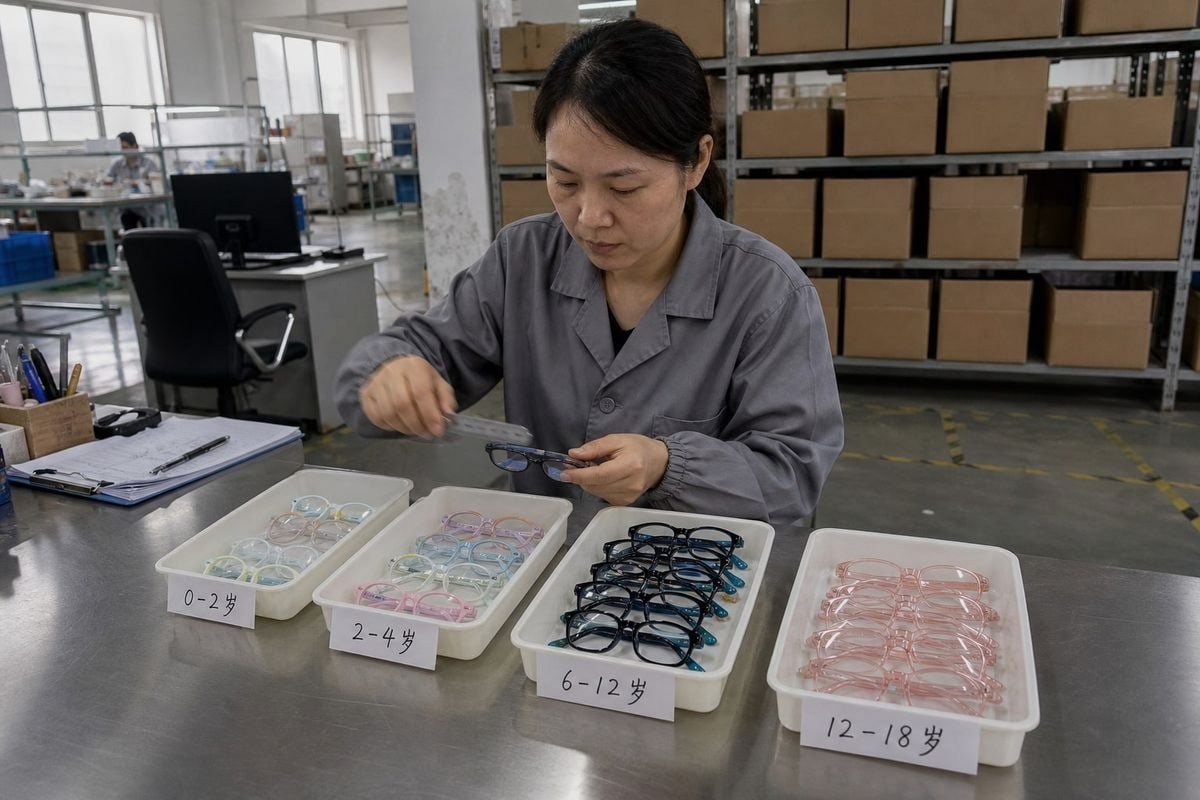
Kinderbrillen verwirren viele neue Käufer. An unserer Produktionslinie in Taizhou habe ich gesehen, wie Marken die falschen Größen bestellt, Lagerbestände unverkauft liegen gelassen und eine ganze Saison verloren haben. Es schmerzt.
Kinderbrillen werden in vier Hauptaltersgruppen eingeteilt: Säuglinge (0–3), Kleinkinder/Vorschulkinder (3–6), Schulkinder (6–12) und Teenager (13+). Die Glasbreiten wachsen von etwa 35 mm auf 52 mm, während sich die Stile von weichen, auf Sicherheit ausgerichteten Designs zu modischen, erwachsenenähnlichen Silhouetten verschieben.
Diese [Altersgruppen sind Abkürzungen, keine strengen Regeln](https://okayeyewear.com/?p=5307). Im Folgenden erläutere ich die Größenbestimmung, den Stil, die Materialien und die Lagerstrategie, damit Sie eine Kinderbrillenlinie aufbauen können, die sich tatsächlich verkauft.
Wie wähle ich die richtige Rahmengröße für verschiedene Altersgruppen von Kindern aus?
Nach fünfzehn Jahren des Aufbaus von Kinderbrillen für Käufer in mehr als zwanzig Ländern steht eine Lektion für mich heraus: Altersangaben helfen Käufern beim Einstieg, aber Messungen schließen den Verkauf ab.
Passen Sie die Rahmengröße an das Alter an, indem Sie die Glasbreite, die Stegbreite und die Bügellänge verwenden. Säuglinge benötigen etwa 31–39 mm Glasbreiten und 106–115 mm Bügellängen; Kleinkinder 34–44 mm; Vorschulkinder 40–46 mm; Schulkinder 45–50 mm; und Teenager 48–57 mm mit fast erwachsenen Bügellängen.
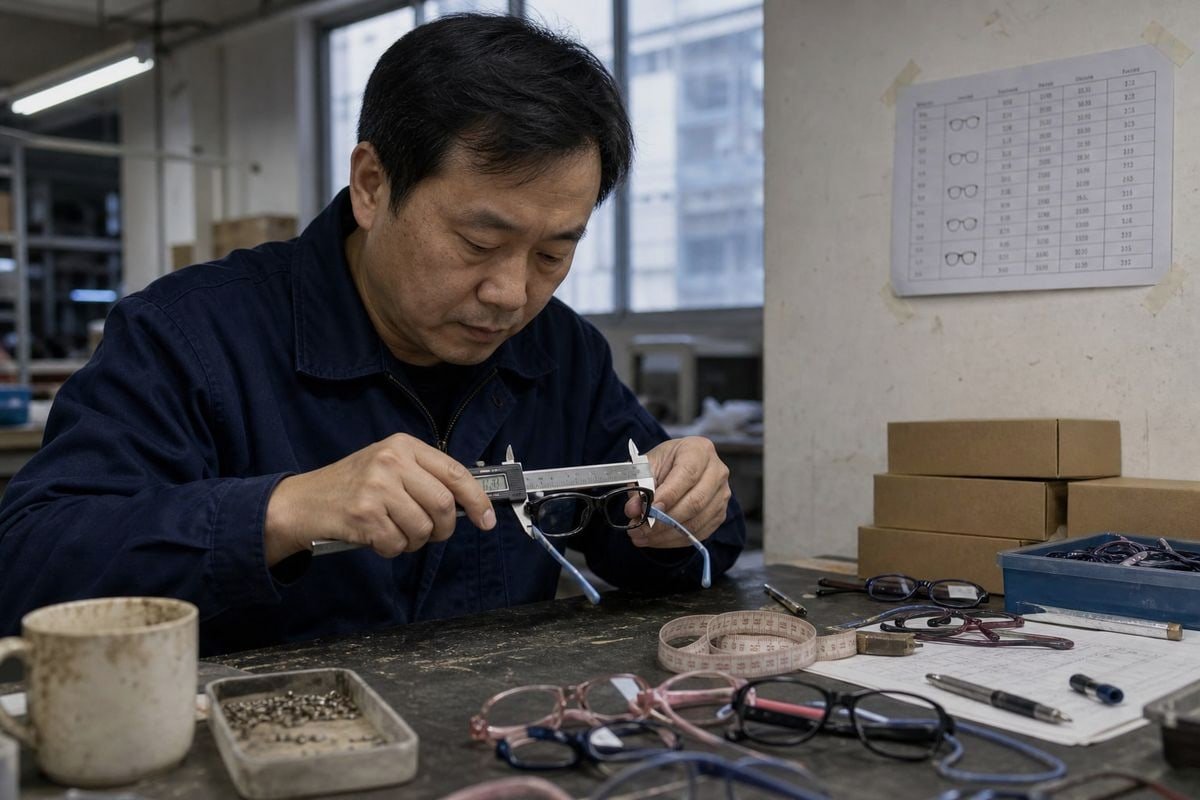
Die Größenbestimmung von Kinderbrillen sind eigentlich drei Zahlen, die zusammenarbeiten. Glasbreite 1 bestimmt, wie breit der Rahmen über das Gesicht sitzt. Die Stegbreite bestimmt den Komfort auf einer sich entwickelnden Nase. Die Bügellänge bestimmt, ob die Brille hinter den Ohren hält. Wenn eine der drei falsch ist, rutscht der Rahmen, drückt oder wird auf die Stirn geschoben.
Die Standard-Größenbänder, mit denen wir arbeiten
Hier ist das Größengerüst, das wir verwenden, wenn wir Marken helfen, Stile aus unserem Katalog auszuwählen. Einzelhändler sind sich bei den Grenzen nicht ganz einig – Zenni zum Beispiel gruppiert Kinder in Little Kids (0–6), Big Kids (7–9) und Tweens (10–12) ein – aber das zugrunde liegende Muster ist im gesamten Markt konsistent.
| Altersgruppe | Typische Altersspanne | Glasbreite | Bügellänge |
|---|---|---|---|
| Säuglinge / Babys | 0–1 (bis 2) | 31–39 mm | 106–115 mm |
| Kleinkinder | 1–3 oder 2–4 | 34–44 mm | 110–125 mm |
| Vorschulkinder | 3–5 oder 4–6 | 40–46 mm | 115–130 mm |
| Schulkinder | 6–9 oder 6–12 | Verstellbare Bügel, leichte TR90-Konstruktion | 125–135 mm |
| Tweens / Teenager | 10–12 bis 13+ | 48–57 mm | 130–145 mm |
Warum das Alter allein nicht ausreicht
Kinder mit breiteren oder schmaleren Gesichtern benötigen oft eine Größe außerhalb ihrer Altersgruppe. Die Stegpassform für Kleinkinder ist der häufigste Fehlerpunkt, da junge Nasen noch flach und unterentwickelt sind. Deshalb empfehlen wir Marken, Rahmen sowohl nach Altersgruppe als auch nach Millimetermessungen zu beschreiben. Die Rahmenhöhe spielt ebenfalls eine größere Rolle, als die meisten Ratgeber zugeben. Sie beeinflusst die Platzierung der Gläser, was für myopie-kontrollierende Gläser 2 entscheidend ist, die einen genauen Scheitelabstand erfordern. Bügellängenanpassungen – selbst 5 mm – können einen zurückgegebenen Rahmen zu einer Wiederbestellung machen.
Welche Stil- und Designunterschiede sollte ich zwischen Brillen für Kleinkinder, Kinder und Teenager erwarten?
Eine Käuferin aus Australien fragte mich einmal, warum ihre Teenager-Modelle floppten, während die gleichen Formen für Sechsjährige gut ankamen. Die Antwort war einfach: Tweens lehnen alles ab, was kindisch aussieht.
Kleinkind-Rahmen setzen auf weiche, abgerundete Formen, leuchtende Farben und sicheren Halt. Rahmen für Schulkinder sind robuster gebaut und haben rechteckige oder sportliche Formen. Teenager-Rahmen werden zu Mini-Erwachsenen-Designs – Acetat, geometrische und Cat-Eye-Silhouetten –, bei denen Mode ebenso wichtig ist wie Haltbarkeit.
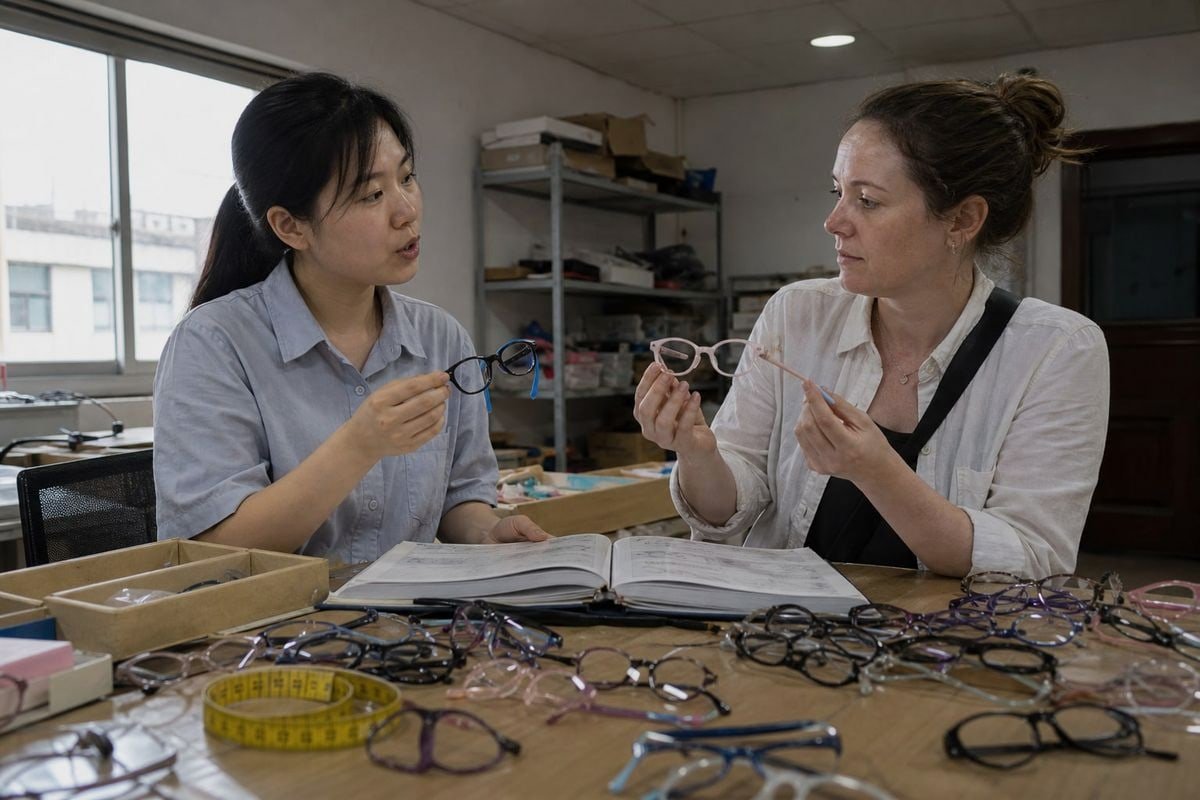
Die Stilentwicklung über die Altersgruppen hinweg ist nicht zufällig. Sie folgt dem Alltag des Kindes und seiner wachsenden Meinung darüber, wie es aussieht. Designprioritäten verschieben sich von "Sicherheit zuerst" zu "Stil zuerst" in einem ziemlich vorhersehbaren Bogen, und Ihre Produktlinie sollte diesen Bogen widerspiegeln.
Die Stilprogression, Gruppe für Gruppe
| Altersgruppe | Dominante Formen | Farbtrends | Design-Priorität |
|---|---|---|---|
| Babys / Kleinkinder | Weich gerundet, oval | Hell, verspielt, charakterbezogen | Rückhalt und Sicherheit |
| Vorschulkinder | Rechteckig gerundet | Breitere Farbpaletten, zweifarbige Blöcke | Haltbarkeit mit Persönlichkeit |
| Schulkinder | Rechteckig, rund, sportlich | Kräftigere Farben, transluzente Oberflächen | Stabilität für aktives Spielen |
| Tweens / Teenager | Geometrisch, Cat-Eye, Rechteckig | Pastelltöne, Kristalltöne, Erwachsenentrends | Mode und Selbstdarstellung |
Zwei Fassungen aus unserem eigenen Katalog zeigen diesen Kontrast gut. Eine ist eine glänzende schwarze, abgerundete rechteckige Fassung mit dunkelblauen Bügeln, die in weichen himmelblauen Silikonspitzen enden – ein kompaktes, verspieltes Design für jüngere Schulkinder. Die andere ist eine transluzente blassrosa Acetat-Look-Fassung mit matten Pastellbügeln und dezenten Ätzdetails. Dieser bonbonfarbene, halbtransparente Stil spricht direkt Tween-Mode-Brillenkäufer an, die einen erwachsenen Look in Jugendgröße wünschen.
Der "Mini-Me"-Trend
Tweens und Teenager wollen zunehmend Fassungen, die die aktuelle Erwachsenenmode widerspiegeln. Geometrische Formen, Kristall- und transluzente Oberflächen sowie schlankere Profile verkaufen sich in diesem Segment stark. Vorschulfassungen hingegen setzen weiterhin auf klobige Konstruktionen, geprägte Griffflächen und fröhliche Farbblöcke. Wenn diese Signale falsch gedeutet werden, bleibt das Produkt im Einzelhandel liegen, egal wie gut es hergestellt ist.
Wie kann ich sicherstellen, dass die Materialien und die Flexibilität für meine Zielaltersgruppe sicher sind?
Es gibt einen Kompromiss, den wir bei jeder neuen Form abwägen: Je weicher und flexibler eine Fassung wird, desto schwieriger wird es, eine stabile Position der optischen Linse zu halten. Dieses Gleichgewicht nach Altersgruppe zu finden, ist das Herzstück unserer Arbeit mit TPEE und TR90.
Verwenden Sie hypoallergenes Silikon oder TPEE für Säuglinge und Kleinkinder, TR90 Memory-Kunststoff mit weichen Bügelspitzen für Kinder im Vorschul- und Schulalter und Acetat oder Memory-Metall für Teenager. Alle Altersgruppen sollten mit Polycarbonat- oder Trivex-schlagfesten Gläsern kombiniert werden.

Materialsicherheit ist der Punkt, an dem ich am härtesten widerspreche, wenn Käufer nur auf den Preis achten. Billige, steife Kunststoffe brechen unter den verdrehenden Händen eines Kleinkindes, und gebrochene Kanten in der Nähe der Augen eines Kindes sind eine Haftung, die sich keine Marke leisten kann. Die richtige Materialentwicklung schützt das Kind und schützt Ihre Marke.
Materialentwicklung nach Alter
| Altersgruppe | Empfohlenes Fassungsmaterial | Wichtige Sicherheitsmerkmale |
|---|---|---|
| Kleinkinder / Kleinkinder | Silikon, TPEE, Weichgummi | Vollständig flexibel, hypoallergen, riemenkompatibel |
| Vorschulkinder | TR90 mit TPEE-Bügeln | Biege- und Rückstellflexibilität, weiche Silikonspitzen |
| Schulkinder | TR90 Memory-Kunststoff 3 | 180-Grad-Federgelenke, Schlagfestigkeit |
| Tweens / Teenager | TR90, Acetat, Memory-Metall | Haltbarkeit plus erwachsene Ästhetik, verstellbare Nasenpads |
Technische Details, die nach Alter wichtig sind
Flexible Silikonfassungen und TPEE-Konstruktionen dominieren die jüngsten Altersgruppen, da Babys an ihren Brillen ziehen, darauf kauen und sich darauf legen. Verstellbare Brillen mit Riemen und Kabelschutzbügel halten Kleinkindfassungen an Ort und Stelle, da ein Baby verrutschte Fassungen nicht neu positionieren kann. Sattel- oder Universalbrücken passen zu den flachen Nasenprofilen von Säuglingen und Kleinkindern, während definierte Brücken und verstellbare Nasenpads erst ab dem Schulalter sinnvoll sind.
Für Schulkinder sind Federgelenke das mit Abstand wertvollste Upgrade. Ein 180-Grad-Federgelenk übersteht die raue, häufige Handhabung eines Achtjährigen, der die Brille in einen Rucksack stopft. TR90 Memory-Kunststoff verleiht dem Fassungskörper die gleiche Nachgiebigkeit – er biegt sich und kehrt in seine Form zurück, anstatt zu brechen.
Linsenkompatibilität ist universell. Jede von uns entwickelte Fassung, vom Säugling bis zum Teenager, ist so konstruiert, dass sie Polycarbonat- oder Trivex- 4 Linsen aufnehmen kann. Die Sicherheit von Polycarbonat-Linsen ist bei Kinderbrillen nicht verhandelbar, da diese Materialien Hochgeschwindigkeitsstößen widerstehen, bei denen Standardkunststoff zersplittert. Bestehen Sie schließlich auf umweltfreundlichen, hypoallergenen Fassungen für alle Altersgruppen. Kinderhaut ist empfindlich, und Märkte in Europa, Japan und Australien verlangen zunehmend eine dokumentierte Materialkonformität.
Welche Brillenfassungs-Kategorien sollte ich zuerst führen, wenn ich eine neue Kinder-Optik-Linie auf den Markt bringe?
Wenn ein neuer Importeur auf uns zukommt – oft ein Gründer, der zum ersten Mal Kinderbrillen testet –, ist mein Rat fast immer derselbe, und er basiert auf der Beobachtung, welche unserer rund 800 bestehenden Modelle am schnellsten nachbestellt werden.
Bestands-Schulalter-Rahmen (6–12 Jahre) zuerst, da diese Gruppe die höchsten Verschreibungsraten und das höchste Nachbestellvolumen aufweist. Fügen Sie als Nächstes Vorschulgrößen und dann Teenager-Stile hinzu. Baby-Rahmen sollten zuletzt kommen – sie sind eine Nische für Spezialisten mit geringem Volumen.
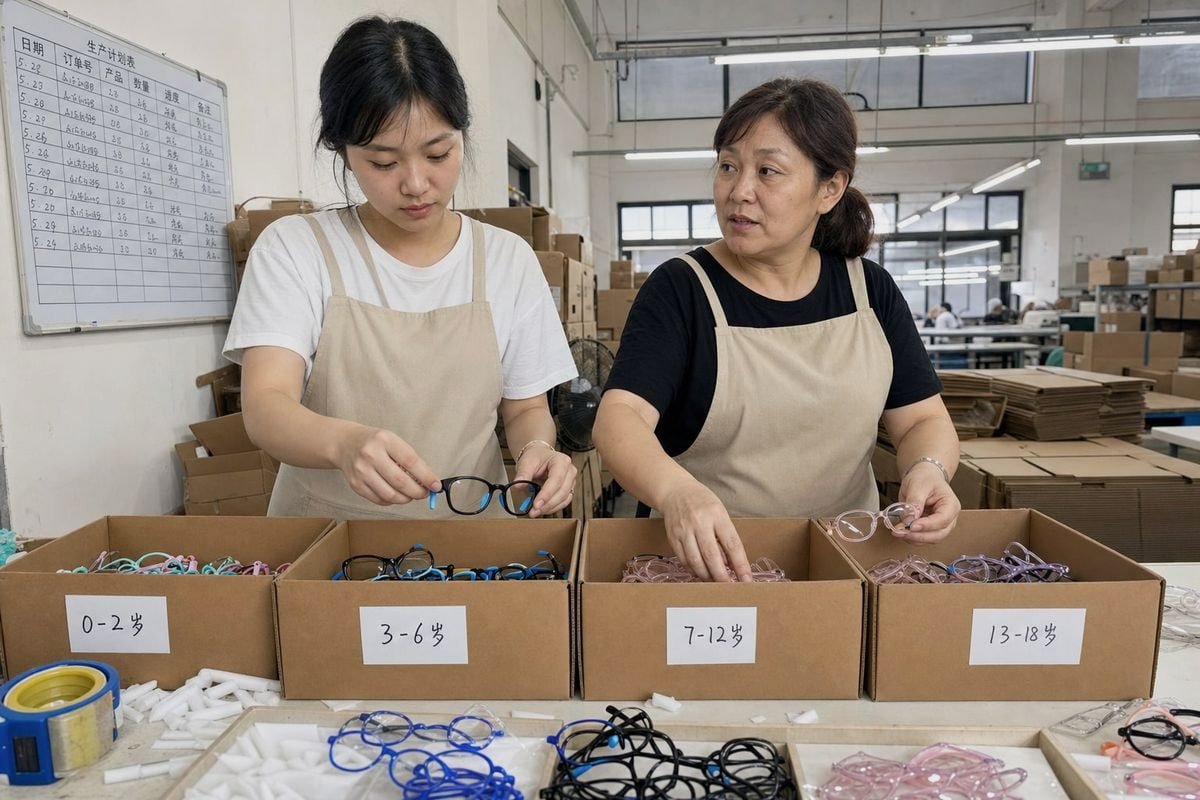
Die Einführung einer optischen Kinderlinie ist eine Portfolio-Entscheidung, keine Stil-Entscheidung. Das Ziel ist es, die gefragtesten Altersgruppen mit den wenigsten SKUs abzudecken und dann zu erweitern, sobald reale Verkaufsdaten vorliegen. Hier ist die von mir empfohlene Reihenfolge, in Prioritätsreihenfolge:
- Schulkinder (6–12 Jahre): 50–60 % Ihrer Ersteröffnung. Die meisten Kinder erhalten ihre erste Brillenverordnung während der schulärztlichen Untersuchungen. Myopie-Diagnosen häufen sich in dieser Altersgruppe, und Myopie-Kontroll-Linsenprogramme – einige beginnen im Alter von 6 Jahren, andere im Alter von 8 Jahren – führen zu wiederholten Besuchen beim Optiker. Lagern Sie rechteckige, runde und sportliche TR90-Formen mit Federgelenken in Linsenbreiten von 45–50 mm.
- Vorschulkinder (3–6 Jahre): 20–25 %. Diese Käufer sind Eltern, keine Kinder, also setzen Sie auf Sicherheitsbotschaften: flexible Fassungen, weiche Bügelspitzen, hypoallergene Materialien. Zweifarbige Farbblöcke verkaufen sich hier gut.
- Tweens/Teenager (10+ Jahre): 15–20 %. Weniger SKUs, aber höhere Margen. Transluzente Acetat-Look-Stile und geometrische Formen haben einen höheren wahrgenommenen Wert.
- Kleinkinder (0–3 Jahre): 0–5 %, oder lassen Sie sie bei der Einführung weg. Es gibt eine echte Nachfrage, aber die Volumina sind gering und die Anpassungsanforderungen sind spezialisiert. Fügen Sie diese Altersgruppe nur hinzu, wenn ein optischer Einzelhandelspartner dies ausdrücklich wünscht.
Warum der Start mit bestehenden Modellen Ihr Risiko senkt
Neue Formen kosten Geld und dauern Monate. Die Auswahl aus einer etablierten Stilbibliothek ermöglicht es Ihnen, alle drei Prioritätsaltersgruppen in einer Bestellung zu testen, ohne hohe Werkzeugkosten. Von dort aus verwandelt OEM-Anpassung – Ihre Farben, Ihr Logo, Ihre Verpackung – bewährte Formen in eine markenrechtlich geschützte, einzelhandelsfertige Linie. Nach unserer Erfahrung im Export an Käufer in Europa, Japan und Australien erreichen Marken, die auf diese Weise starten, ihre zweite, datengesteuerte Bestellung weitaus schneller als Marken, die von Anfang an auf kundenspezifische Formen setzen.
Schlussfolgerung
Altersgruppen organisieren Brillengestelle für Kinder, aber Messungen, Materialien und Stilabsicht entscheiden über den Erfolg. Wenn Sie die Prioritäten für Größe, Sicherheit und Lagerbestand richtig setzen, verdient Ihre Kollektion Vertrauen – und Nachbestellungen.
Fußnoten
ISO 12870 legt die internationalen Anforderungen und Prüfverfahren für Brillenfassungen und Größenstandards fest. ↩︎
Die WHO identifiziert Myopie als ein bedeutendes globales Gesundheitsproblem, das spezielle Korrektur- und Managementlösungen erfordert. ↩︎
TR90 ist ein Hochleistungs-Thermoplast-Polyamid (Nylon 12), das für seine Flexibilität und Haltbarkeit geschätzt wird. ↩︎
Die AAO empfiehlt schlagfeste Materialien wie Polycarbonat, um die Sicherheit von Kinderbrillen zu gewährleisten. ↩︎
Weitere Artikel, die Ihnen gefallen könnten



Auf der Suche nach einem zuverlässigen Partner für Kinderbrillen?
Entdecken Sie über 800 sofort verfügbare Modelle und umfassenden OEM/ODM-Support, der auf Ihre Marke zugeschnitten ist.
Kontakt aufnehmen English
  Español de México
  Deutsch
  Français
  日本語
日本語  العربية
  Português do Brasil