DDP vs FOB: Which Is More Controllable for Importing Kids’ Optical Frames?
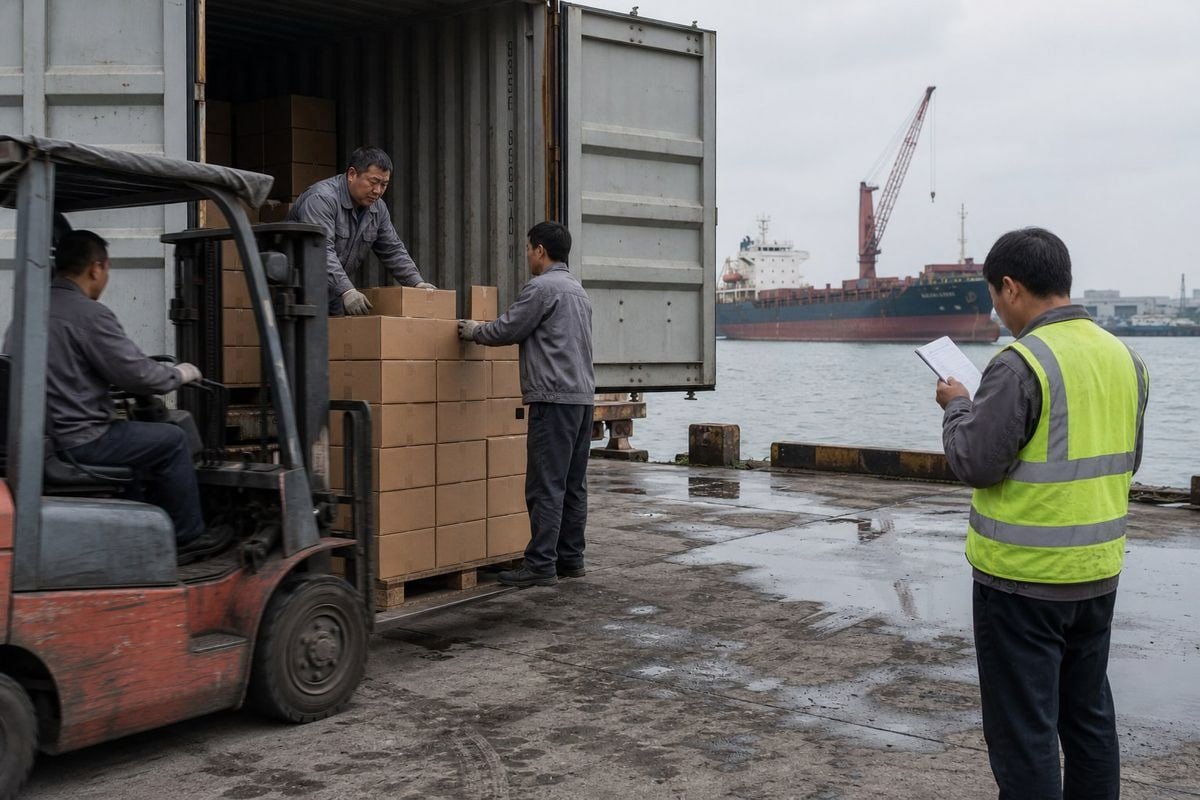
Buyers often ask me about DDP vs FOB for [importing kids’ optical frames](https://okayeyewear.com/how-fob-vs-cif-terms-affect-cost-risk-purchasing-kids-optical-frames/) demurrage 1. Choosing wrong can quietly erode margin, delay launches, and hide compliance risk in our shipments together.
FOB is more controllable for importing kids’ optical frames because the buyer manages ocean freight, customs clearance, insurance, and delivery after loading. DDP is simpler since the seller handles everything to your door, but it reduces your visibility over routing, costs, and compliance decisions.
Both terms have a place. The right choice depends on your order size, experience, and how much leverage you want over the supply chain. Let me walk you through it.
How do I decide between DDP and FOB when importing kids' optical frames?
A procurement manager from Australia once told me she picked DDP for her first order from our Taizhou factory, then switched to FOB by order three. Her reason was control.
Choose DDP if you are a new importer, testing a small order, or lack a freight forwarder and customs broker. Choose FOB once you want control over carrier selection, routing, inspection timing, and landed-cost visibility, especially for repeat orders of kids' optical frames.

Under Incoterms 2020 2, these two terms sit at opposite ends of the responsibility spectrum. FOB means Free On Board: we, the seller, handle everything up to loading your frames onto the vessel at the named port. After that, risk transfer occurs, and you take over freight forwarding, customs clearance, import duties and taxes, and final delivery. DDP means Delivered Duty Paid: we stay responsible until the goods reach your named destination, with duties settled.
Neither term is "better" in the abstract. The real question is which one matches your capability and your goals.
A quick side-by-side comparison
| Factor | FOB | DDP |
|---|---|---|
| Risk transfer point | Goods loaded on vessel | Buyer's named destination |
| Carrier and routing choice | Buyer controls | Seller controls |
| Customs clearance | Buyer's broker handles | Seller's agent handles |
| Cost transparency | High, itemized | Low, bundled |
| Buyer workload | Higher | Minimal |
| Best for | Repeat importers, brands | First orders, small tests |
Match the term to your situation
In my experience shipping to buyers in 20+ countries, the decision usually follows a pattern. New brands testing one of our ~800 existing styles often start with DDP because they have no logistics stack yet. Established importers almost always request FOB, because they already have a trusted forwarder, negotiated freight rates, and a customs broker who knows children's product rules in their market.
Ask yourself three questions. Do I have a freight forwarder 3 I trust? Do I understand my country's import process for children's eyewear? Is this order large enough that freight savings matter? Three yes answers point to FOB. Three no answers point to DDP.
One trade-off I weigh with every buyer is this: FOB looks cheaper on the quotation, but the invoice you see from us is only part of your true landed cost.
Under FOB, watch for destination charges, customs brokerage fees, import duties and taxes, cargo insurance, port handling, demurrage, and last-mile delivery. These costs are yours after loading. Build a full landed-cost model before comparing an FOB quote against a bundled DDP price.
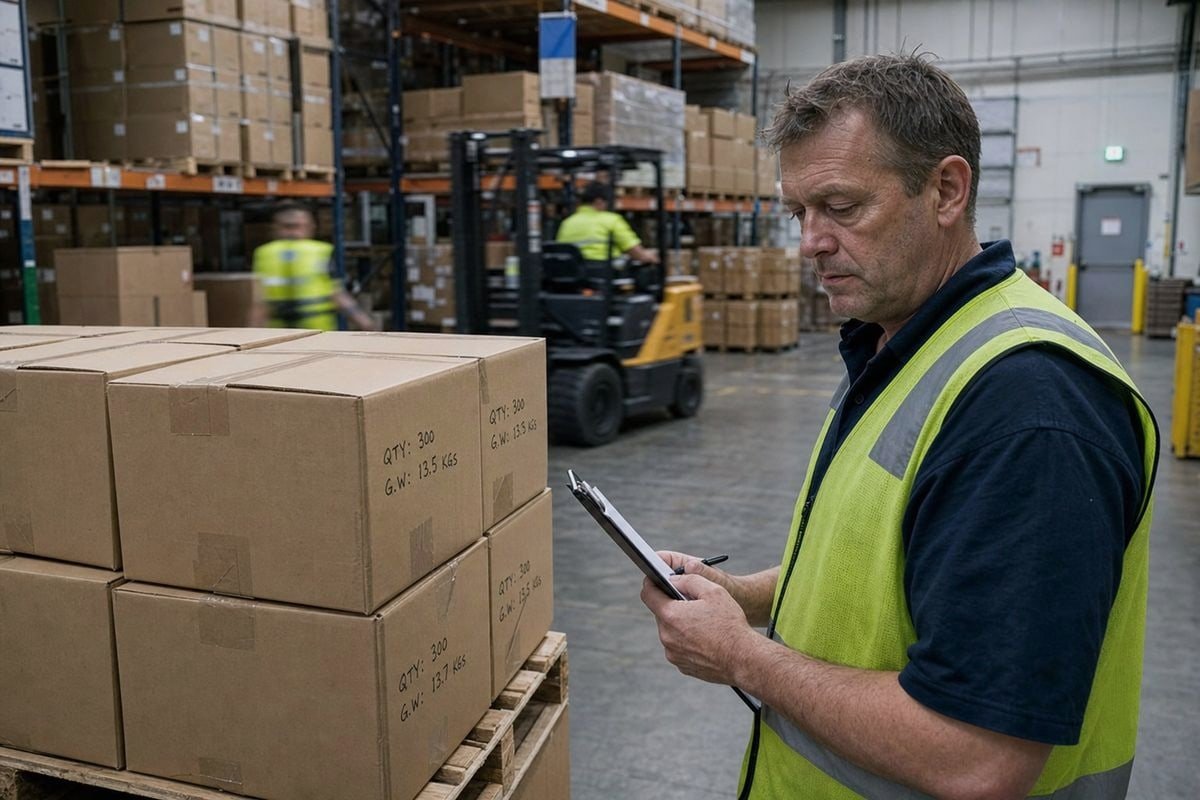
Kids' optical frames are small and light, so buyers sometimes assume international shipping costs will be trivial. Then the destination fees arrive. I have seen a buyer save on ocean freight, only to lose that saving to unexpected terminal handling and brokerage charges because nobody modeled the full picture.
Here is the honest truth. FOB does not create these costs. It reveals them. DDP hides the same costs inside one number, usually with a markup, because we as the seller must price in our own risk. Transparency is FOB's real advantage, but only if you actually use it.
Build a landed-cost checklist
A proper landed-cost analysis for a container or LCL shipment of optical frames should include every line below.
| Cost component | FOB: who pays | DDP: who pays |
|---|---|---|
| Product and export packing | Buyer (in unit price) | Buyer (in unit price) |
| Origin port and loading fees | Seller | Seller |
| Ocean or air freight | Buyer | Seller |
| Cargo insurance 4 | Buyer (recommended) | Seller (verify coverage) |
| Customs clearance and brokerage | Buyer | Seller's agent |
| Import duties and taxes | Buyer | Seller |
| Destination port handling | Buyer | Seller |
| Last-mile delivery | Buyer | Seller |
Two cautions from our export experience. First, if a supplier offers DDP at a surprisingly low all-in price, question what is included. Cheap DDP sometimes means slow consolidated freight, undervalued customs declarations, or an importer-of-record setup that could put your goods at risk. Second, under FOB, never skip insurance. The risk transfer point means transit damage after loading is your problem, and eyewear cartons deserve proper coverage even though the frames are durable TR90 and TPEE.
Can I get better quality control over my order with DDP shipping?
During a pre-shipment inspection at our 5S-managed workshop last year, a European buyer's third-party inspector checked hinge torque and temple flexibility on every carton sampled. That inspection happened because the buyer's FOB process demanded it before booking freight.
No, DDP does not improve quality control. Quality is set at the factory, before any Incoterm applies. FOB actually preserves a stronger inspection window, because the buyer controls when freight is booked and can hold shipment until third-party inspection results are approved.

This is a misconception I correct often. Some buyers assume that because DDP makes the seller responsible until final delivery, the seller is also accountable for quality until then. In practice, the Incoterm covers logistics risk, not product defects. If a frame arrives with a misaligned hinge, your remedy comes from your purchase contract and QC process, not from the shipping term.
FOB gives you real leverage here. Because you book the vessel, you decide when the goods ship. You can schedule an inspection, review the report, request rework, and only then release the booking. Under DDP, the seller controls the end-to-end flow, so the shipment can move on the seller's schedule, and your practical inspection window shrinks.
Why this matters more for children's eyewear
Kids' optical frames are precision products worn on children's faces. Small defects affect fit, comfort, and safety. Regulatory compliance also demands documentation. Our production process for TR90 frames with TPEE temples includes flexibility testing, surface checks on glossy fronts, and verification of soft silicone-like temple tips, because active kids stress every joint of a frame. A good QC sequence under FOB looks like this:
- Approve a pre-production sample and lock the specification.
- Conduct in-line checks during molding and assembly.
- Book a third-party or factory final inspection before freight.
- Review the report, then release the vessel booking.
- Retain safety documentation and test certificates for customs and market entry.
Under DDP, you can still request steps one through three. But step four loses its teeth, because the shipment timeline is not in your hands. For a brand whose reputation rides on children's safety, that leverage is worth keeping.
Which shipping term gives me more predictable delivery timelines for my brand?
A lesson I learned early in our fifteen years of eyewear exporting: a missed back-to-school window hurts a kids' brand far more than a slightly higher freight bill ever will.
FOB gives more predictable timelines for established brands, because you choose the carrier, routing, and schedule, and you can reroute during disruptions. DDP timelines depend entirely on the seller's logistics choices, which may prioritize cost over speed and leave you without recourse when delays occur.

Kids' optical frames are seasonal. Back-to-school, holiday gifting, and summer outdoor lines all have hard retail deadlines. Good logistics planning is therefore not just about cost. It is about hitting a shelf date.
Under FOB, your freight forwarder works for you. You pick a direct sailing over a cheaper transshipment route. You choose air freight for a late-running launch. When a port congests or a vessel omits a call, you can switch carriers or reroute. That flexibility is the heart of supply chain management 5, and it belongs to whoever controls the freight contract.
Under DDP, we or our appointed agent make those calls. A responsible factory communicates openly, and we always do, but the structural reality remains: the seller's incentive under DDP is to control cost, not to optimize your launch calendar. You also lose direct visibility into milestones, because tracking flows through the seller's chain.
Timeline control at each stage
| Stage | FOB control level | DDP control level |
|---|---|---|
| Production scheduling | Shared with factory | Shared with factory |
| Vessel booking and departure | Buyer decides | Seller decides |
| Routing and transshipment | Buyer's forwarder chooses | Seller's agent chooses |
| Customs clearance speed | Buyer's broker manages | Seller's agent manages |
| Disruption response | Buyer can reroute | Buyer waits on seller |
| Final delivery date | Buyer coordinates | Seller commits, buyer trusts |
One nuance worth noting: some very small brands actually get better predictability from DDP, because they lack the volume to command good freight rates or forwarder attention. In that case, a well-managed DDP arrangement from a factory you trust beats a poorly managed FOB shipment. There is also a middle path. Some buyers move from EXW Incoterms or DDP toward FOB gradually, taking over one piece of the chain at a time as their team builds capability. That staged approach is what I recommend to growing brands.
Conclusion
For kids' optical frames, FOB wins on control over freight, customs, inspection, and timing. DDP wins on simplicity for small first orders. Match the term to your capability, then grow into control.
Footnotes
1. Explains charges incurred when cargo stays beyond free time at a terminal. ↩︎
2. Provides the official rules for international trade terms. ↩︎
3. Replaced HTTP 404 with an authoritative Wikipedia definition. ↩︎
4. Defines cargo insurance as property insurance protecting goods during transit. ↩︎
5. Defines supply chain management and its critical role in global economies. ↩︎
More Articles You Might Like

August 5, 2026
Bio-Based vs Regular Cellulose Acetate: What's the Difference for Kids' Frames?

August 5, 2026
How Recyclable Are Kids' Optical Frame Materials, and What Eco-Friendly Alternatives Exist?
August 5, 2026
Do Kids Optical Frames Whiten or Age in Storage, and How to Control Warehouse Conditions?
Looking for a Reliable Kids Eyewear Partner?
Explore 800+ ready styles and full OEM/ODM support tailored to your brand.
Get in Touch English
  Español de México
  Deutsch
  Français
  日本語
日本語  العربية
  Português do Brasil