Should You Buy Credit Insurance or Self-Bear Bad Debt Risk for Kids Sunglasses?
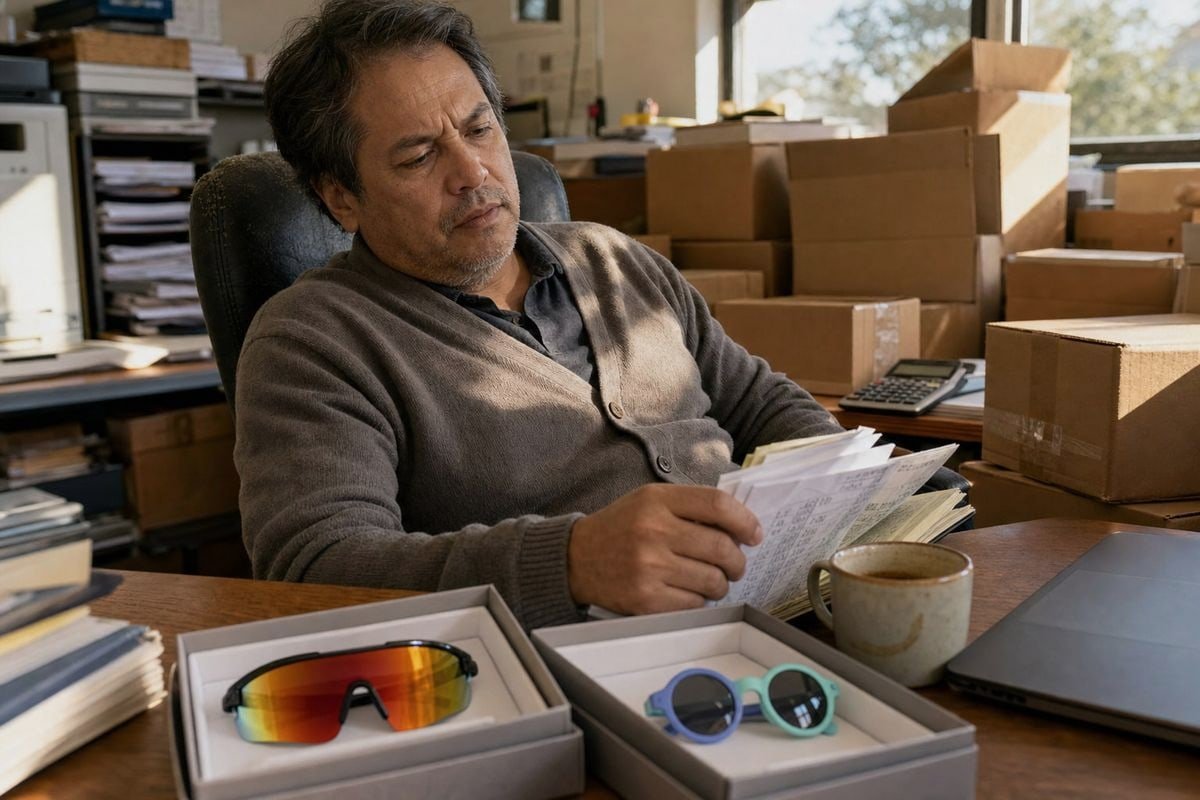
Credit insurance or self-bear bad debt risk — that question keeps our wholesale buyers awake. One unpaid summer order can erase a season’s profit, so I want to unpack it honestly here.
Buy credit insurance for kids sunglasses when a few wholesale accounts dominate your receivables, margins are thin, or you sell on net terms to new buyers. Self-bear bad debt risk only when sales are prepaid, diversified, and small enough that a default cannot damage cash flow.
That is the short answer. But the right choice depends on your customer mix, your payment terms 1, and your cash reserves. Let me walk you through each part of the decision.
How can I decide if credit insurance is worth the cost for my kids sunglasses business?
A distributor once told me over a factory tour in Taizhou that his biggest loss never came from defective frames — it came from a retailer who simply stopped paying. That conversation shaped how I advise buyers today.
Credit insurance is worth the cost when the premium is smaller than your realistic worst-case loss. Calculate your largest single receivable, multiply it by the chance of default, and compare that figure to the annual premium. If one bad invoice would cut inventory or marketing spend, insure it.
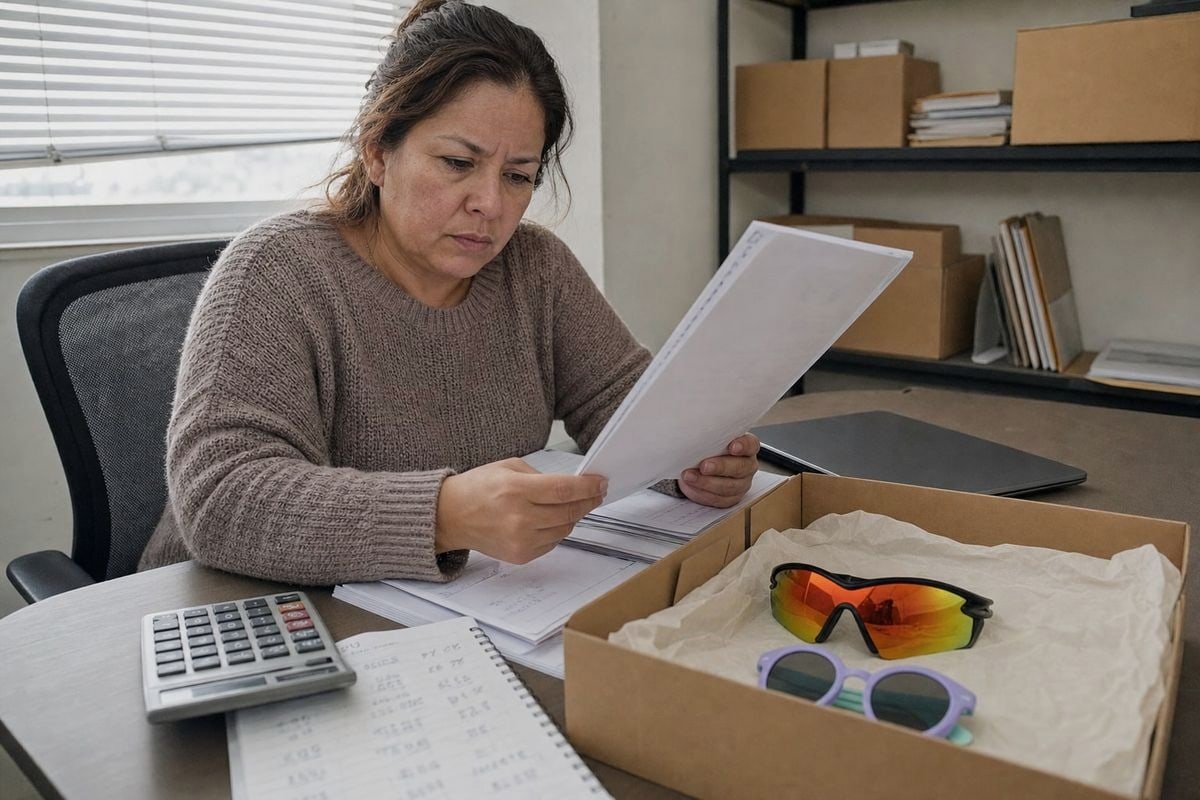
The core issue here is not the sunglasses. It is the B2B credit risk wrapped around them. When you sell wraparound sport shields or soft two-tone frames to retailers on net-30 or net-60 payment terms, you are effectively lending them money. Trade credit insurance transfers that non-payment risk to an insurer. Self-bearing means you absorb the loss yourself and hold a bad debt reserve out of your own working capital.
Start with exposure, not premium
Many buyers we work with fixate on the premium line item. That is the wrong starting point. The real question is capital efficiency. A bad debt reserve locks up cash that could fund inventory or a summer marketing push. Credit insurance converts an unpredictable loss into a predictable expense, and it frees that reserve for growth.
Here is a simple comparison to frame the trade-off:
| Factor | Credit Insurance | Self-Bearing Risk |
|---|---|---|
| Cost | Predictable annual premium | Free until a default hits |
| Working capital | Freed up for inventory | Tied up in reserves |
| Coverage on loss | Often most of the invoice value, commonly 90%+ | Zero — full loss absorbed |
| Extra services | Credit monitoring, collections support | None, unless built in-house |
| Control | Insurer sets some credit limits 2 | Full internal control |
Do not ignore the seasonal cliff
Kids sunglasses are a seasonal, margin-sensitive product. Retailers order heavily before summer, then pay after sell-through. A single poor summer can trigger multiple retail defaults 3 at the same time — what some analysts call the seasonal cliff. An uninsured wholesaler facing three simultaneous defaults has no diversification benefit at all. That concentration is exactly what trade indemnity products exist to cover, including insolvency coverage and protracted default protection.
What steps can I take to self-manage bad debt risk when importing children's eyewear?
Not every buyer needs a policy. Some of our longest-standing importers — companies ordering our TR90 kids frames season after season for over a decade — run tight internal credit controls and have never needed one.
Self-manage bad debt risk by building a bad debt reserve, running creditworthiness evaluation on every new account, setting graduated credit limits, requiring deposits on first orders, and monitoring payment behavior monthly. Escalate slow payers early and cap any single customer's share of receivables.
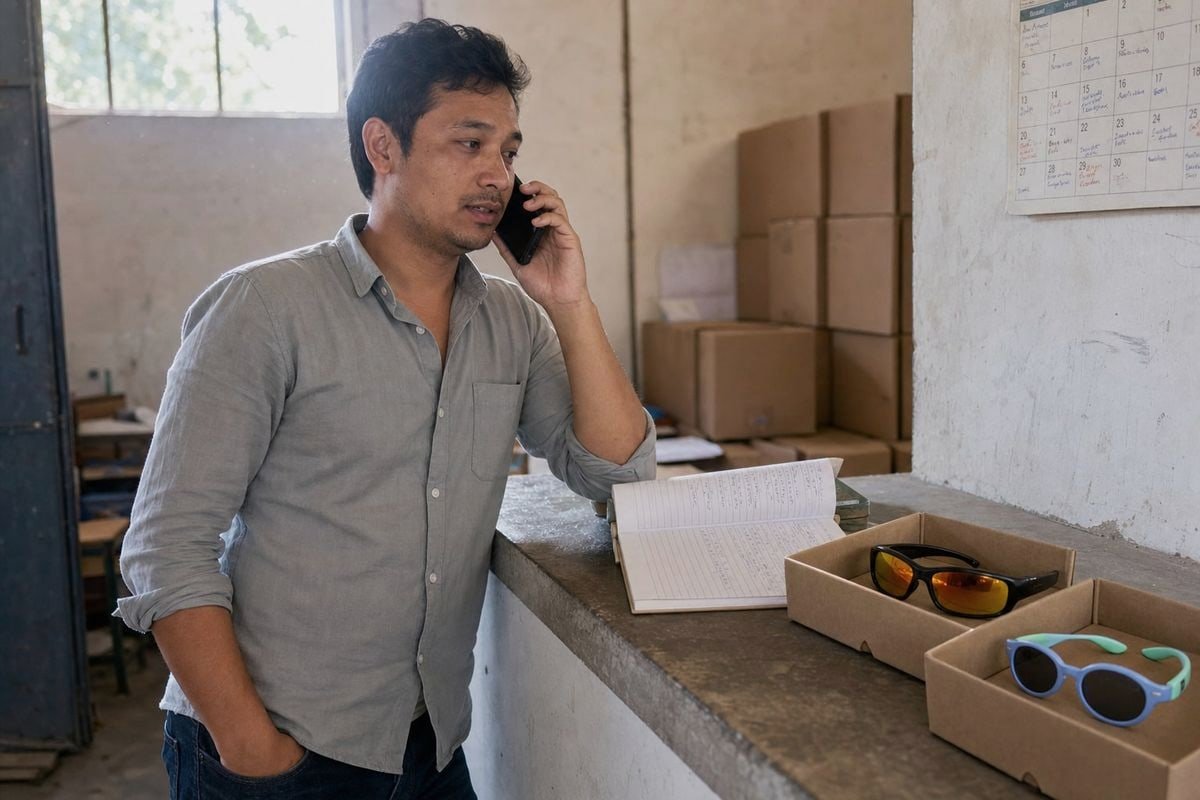
Self-bearing is not the same as doing nothing. It is a discipline. If you skip the discipline, you are not self-insuring — you are just hoping. Here is the process our most careful importers follow, and it works well for children's eyewear specifically.
A practical five-step framework
- Screen every new account. Pull trade references and credit reports 4 before extending B2B payment terms. A gift shop ordering 200 pairs of shield sunglasses deserves the same check as a chain ordering 5,000.
- Start with secured terms. First orders should be prepaid or deposit-backed. Move to net terms only after two or three clean payment cycles.
- Build a financial loss provision. Set aside a percentage of credit sales — many businesses use 1–3% depending on history — as a dedicated bad debt reserve.
- Cap concentration. No single retailer should hold more than a fixed share of your open receivables, especially heading into the summer peak.
- Act fast on delays. Commercial debt recovery gets harder every week an invoice ages. Chase at day 5 overdue, escalate at day 30, and engage a collections agency before day 90.
Know the hidden costs
Be honest about the downsides. Internal collections take staff time. Legal costs for chasing overseas retailers can exceed the debt itself. And conservative credit limits can quietly stifle sales, pushing good retailers toward competitors with more flexible terms. Cash flow management also suffers when reserves sit idle instead of buying next season's inventory. Self-bearing looks free on paper, but it carries real administrative weight — especially if you serve a long tail of small boutique accounts.
How does choosing a reliable OEM/ODM factory help me reduce bad debt exposure?
Here is a trade-off I weigh with buyers constantly: mold investment versus market risk. When a new Australian kids brand asks us to open a custom mold, I often steer them toward our existing catalog first — and that decision is really a bad-debt decision in disguise.
A reliable OEM/ODM factory reduces bad debt exposure by lowering your capital at risk. Ready-made styles avoid mold investment, consistent quality prevents payment disputes and returns, and safe, compliant materials eliminate regulatory-default scenarios where retailers withhold payment for non-conforming stock.
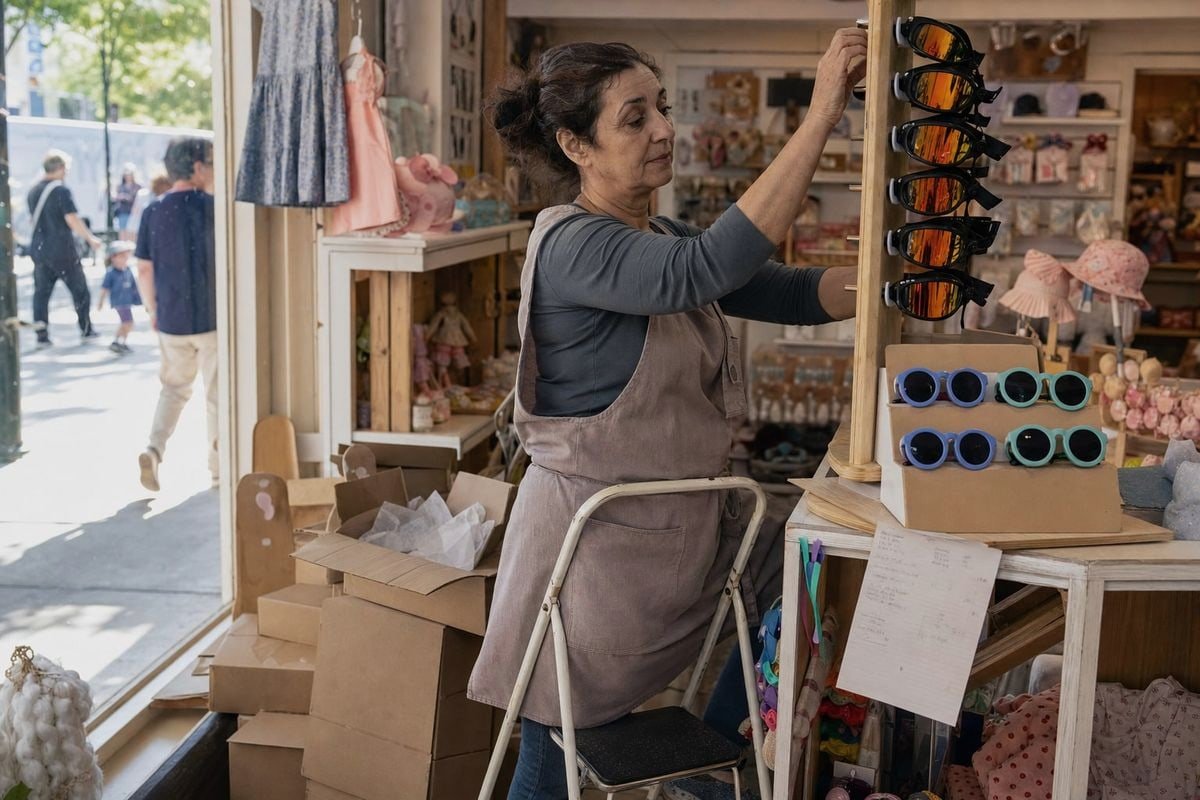
Most people treat sourcing and credit risk as separate topics. In my experience running a 120-worker eyewear factory for fifteen years, they are deeply connected. Bad debt often starts on the production line, not in the retailer's accounting office.
Quality disputes are disguised bad debt
A large share of "non-payment" cases are not insolvency at all. They are disputes. A retailer receives kids sunglasses with loose hinges or inconsistent lens tints, holds the invoice, and negotiates. Even if you eventually get paid, your cash flow management suffers for months. When we run 5S-managed production and consistent QC on every batch — whether it is a mirrored sport shield or a flexible TPEE frame for toddlers — we are protecting our buyers' receivables as much as their brand reputation.
Regulatory default is the new risk
An emerging danger in children's products is what some call regulatory default: a retailer refuses payment because stock fails evolving safety standards, such as chemical limits in plastics. Basic credit insurance policies often exclude this scenario. The only real protection is upstream — working with a factory that uses environmentally friendly, child-safe materials like TPEE and TR90 5 and documents compliance properly. That is prevention no policy can replace.
Lower capital at risk from day one
| Factory Choice | Capital at Risk | Bad Debt Impact |
|---|---|---|
| Custom molds with unproven supplier | High upfront tooling + inventory | A single default can be catastrophic |
| Ready-made styles from established catalog | Inventory only, smaller test orders | Losses stay small and absorbable |
| Full OEM/ODM with proven QC partner | Moderate, scaled with demand | Fewer disputes, faster payment cycles |
With roughly 800 existing styles available, a new brand can test the market with modest order quantities. Smaller receivables per account mean any single default is survivable — which makes self-bearing genuinely viable for early-stage brands.
What factors should I consider before signing a credit insurance policy for my eyewear brand?
A lesson I learned the hard way: contracts reward the people who read the exclusions. Years ago, a European distributor we supply assumed his policy covered disputed shipments. It did not, and the claim was denied.
Before signing, check the coverage percentage, insolvency and protracted-default definitions, exclusions for disputes and regulatory issues, per-buyer credit limits, whole-turnover versus single-buyer structure, claim waiting periods, and whether the policy includes credit monitoring and collections support alongside accounts receivable protection.
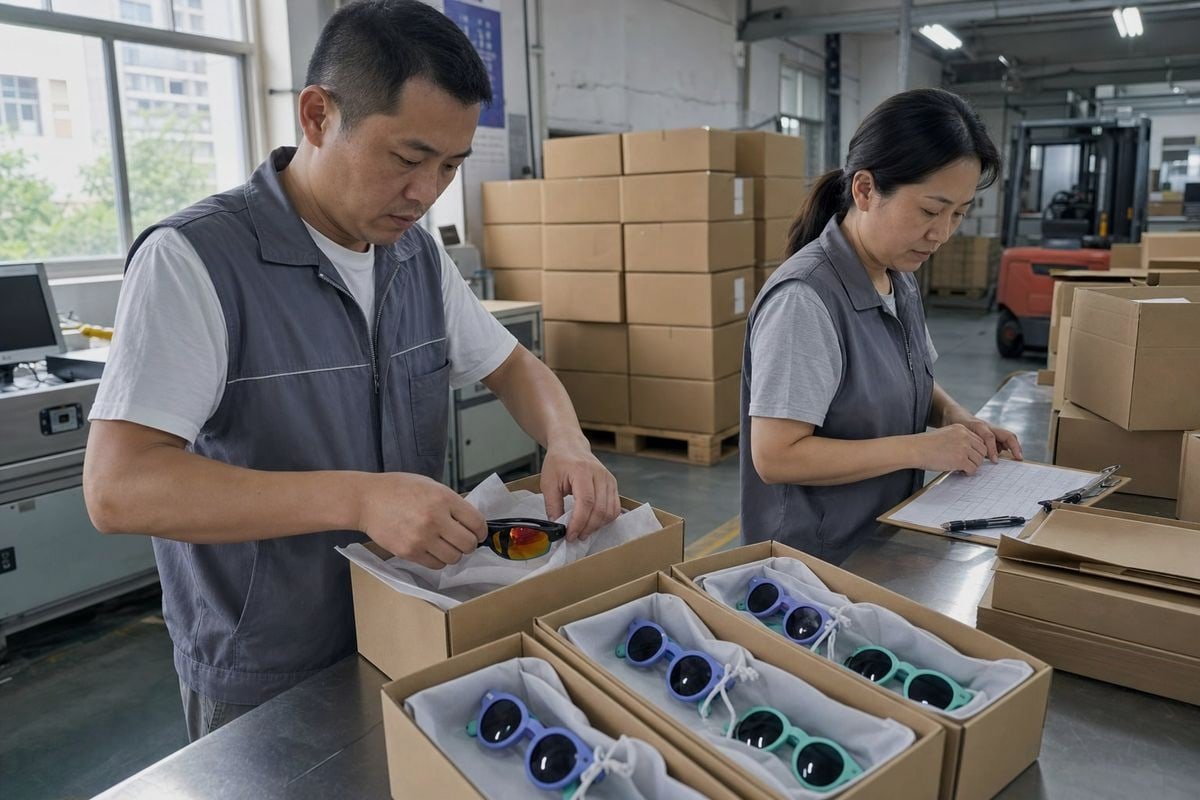
Not all policies are equal, and not all products labeled "bad debt protection" are true trade credit insurance. Some bank-linked or invoice-finance products are narrower. Read carefully before you commit a year of premiums.
The key policy terms to examine
| Policy Element | What to Ask | Why It Matters for Kids Sunglasses |
|---|---|---|
| Indemnity rate | What percentage of each invoice is covered? | Thin margins mean a 75% payout may still hurt |
| Covered events | Insolvency only, or protracted default too? | Slow-paying retailers are more common than bankrupt ones |
| Exclusions | Are disputes and regulatory holds excluded? | Product-related disputes are frequent in children's goods |
| Structure | Whole-turnover or named-buyer policy? | Seasonal books may only need anchor accounts 6 covered |
| Waiting period | How long until a claim pays out? | Long waits still strain seasonal cash flow |
| Added services | Credit monitoring? Collections included? | These can replace costly internal processes |
Consider a hybrid strategy
For many eyewear brands, the smartest structure is tiered. Insure the anchor accounts — the two or three big retailers or distributors whose failure would wound you — and self-bear the long tail of small boutique and micro-influencer orders, where premiums per account would be prohibitive. Some brands also use B2B buy-now-pay-later platforms 7 for mid-size accounts, letting the platform carry the per-transaction credit risk. This mixed approach matches the fragmented wholesale distribution risk profile most kids sunglasses sellers actually have.
Also remember the financing angle. Insured receivables often serve as strong collateral, helping you negotiate better credit lines from banks — a benefit that can offset a meaningful portion of the premium on its own.
Conclusion
One unpaid invoice can undo a whole summer. Insure concentrated or new accounts, self-bear small diversified ones, and reduce risk upstream by partnering with a proven kids eyewear factory.
Footnotes
1. Reliable Wikipedia explanation of standard business net payment terms. ↩︎
2. Standard Wikipedia definition of credit limits in commercial financial transactions. ↩︎
3. Authoritative Wikipedia entry defining financial default and non-payment risks. ↩︎
4. Official SBA guide on establishing and monitoring business credit for small enterprises. ↩︎
5. Technical Wikipedia overview of thermoplastic elastomers used in flexible eyewear. ↩︎
6. Defines the strategy of managing high-priority business relationships, known as anchor or key accounts. ↩︎
7. Explains the financial model of buy-now-pay-later services used in modern B2B transactions. ↩︎
More Articles You Might Like

August 1, 2026
Should Factory Handle Kids Sunglasses Packaging & Labeling, or Use a Designated Supplier?

August 1, 2026
Own Warehouse vs Supplier Direct Fulfillment: Which Cuts Return Costs for Kids Sunglasses Brands?

August 1, 2026
Direct-to-Port Warehouse or Overseas Staging: Which Saves More on Kids Sunglasses Shipping?
Looking for a Reliable Kids Eyewear Partner?
Explore 800+ ready styles and full OEM/ODM support tailored to your brand.
Get in Touch English
  Español de México
  Deutsch
  Français
  日本語
日本語  العربية
  Português do Brasil