كيف يجب أن أقسّم الطلبات الأولية والمتجددة للنظارات الشمسية للأطفال؟
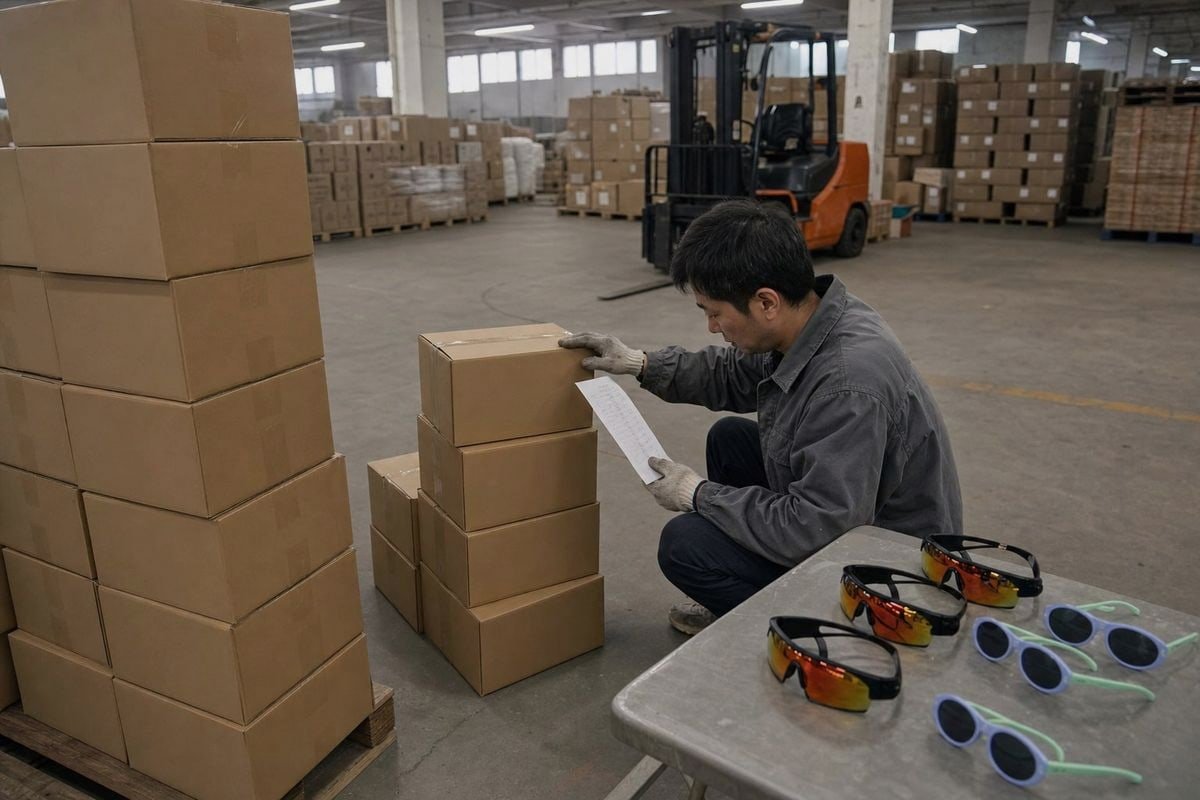
تقسيم الطلبات الأولية والمتجددة للنظارات الشمسية للأطفال يحير العديد من المشترين الذين أعمل معهم. إذا طلبت الكثير، فإن المخزون غير المباع يلتهم أموالك. إذا طلبت القليل جدًا، فإنك تفوت موسم الذروة. في خط الإنتاج لدينا، نرى كلا الخطأين يكلفان العلامات التجارية الكثير كل ربيع.
قسم ميزانية نظارات أطفالك الشمسية تقريبًا 60-70٪ في الطلب الأولي و 30-40٪ في التجديد. اشترِ المزيد من الأنماط الأساسية المثبتة، واختبر التصميمات الجديدة في دفعات صغيرة، وأعد الطلب فقط بعد أن تؤكد بيانات البيع الأنماط الفائزة - مع مراعاة أوقات تسليم المصنع التي تتراوح من 30 إلى 45 يومًا.
هذا هو الجواب المختصر. لكن التقسيم الصحيح يعتمد على أساليبك، وموسمك، وسرعة المورد الخاص بك. دعني أرشدك خلال كل قرار خطوة بخطوة.
كم يجب أن أطلب لشراء نظارات شمسية للأطفال لأول مرة مقابل أول عملية إعادة تعبئة لي؟
في الربيع الماضي، طلب مشترٍ من أستراليا من فريقنا تقديم عرض سعر لـ 10,000 وحدة دفعة واحدة. اقترحنا عليها تقسيمها. بحلول يونيو، شكرتنا - فشلت لونان، وكان لديها ميزانية متبقية لمتابعة الألوان الرابحة.
ضع 60-70% من ميزانيتك الموسمية في الطلب الأولي، لتغطية تشكيلتك الأساسية بالإضافة إلى الطلب خلال وقت تصنيع المصنع. احتفظ بـ 30-40% للتجديد. خصص الشراء الأولي بنسبة 70-80% لأفضل المبيعات المثبتة و 20-30% لأنماط الاختبار الجديدة.
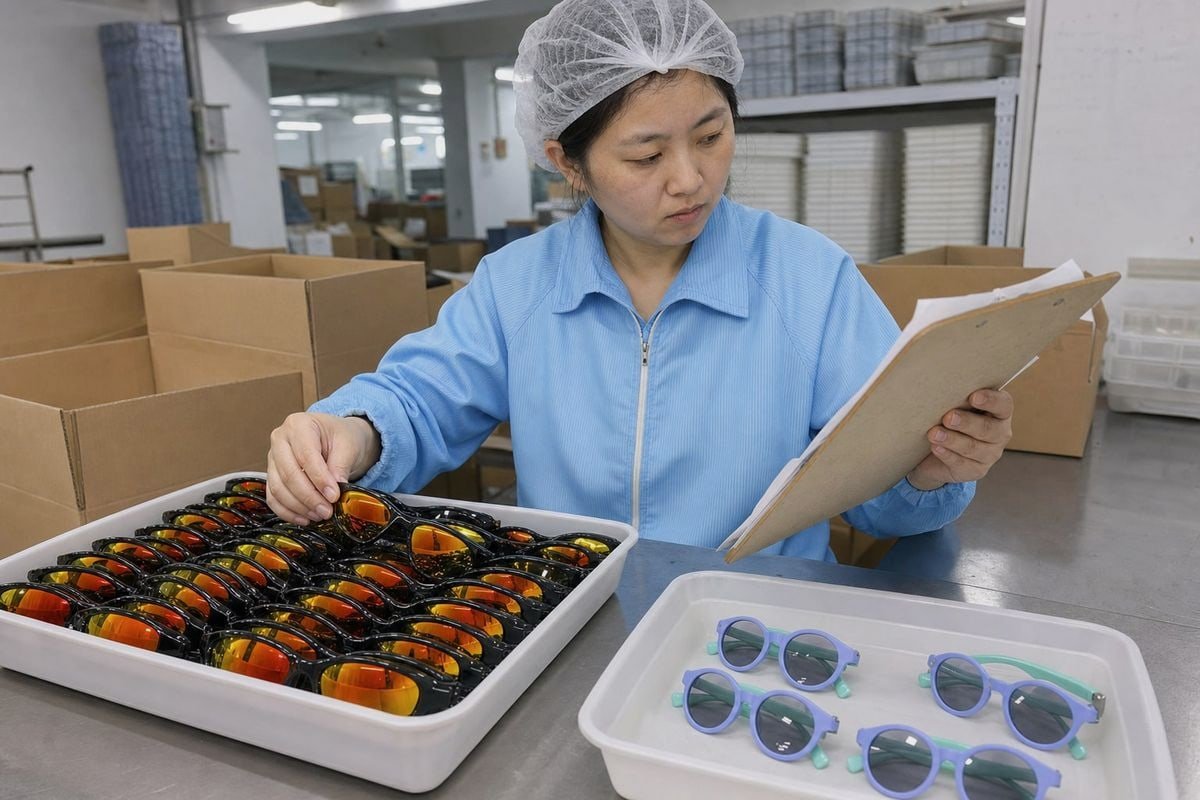
الطلب الأولي هو قرار تحديد الموضع. الطلب المتجدد هو قرار رد فعل. بمجرد أن ترى الفرق، يصبح التقسيم أسهل بكثير في التخطيط.
طلبك الأولي له ثلاث مهام. أولاً، يملأ تشكيلة الإطلاق الخاصة بك حتى تبدو الأرفف وصفحات المنتج كاملة. ثانيًا، يغطي الطلب المتوقع خلال مهلة المورد الخاص بك، لأنك لا تستطيع إعادة الطلب فورًا. ثالثًا، يختبر الأساليب الجديدة بمخاطر منخفضة. طلبك المتجدد له مهمة واحدة: متابعة ما يباع بالفعل.
تقسيم عملي للميزانية حسب نوع SKU
ليس كل نمط يستحق نفس التقسيم. في خمسة عشر عامًا من تصنيع نظارات الأطفال، شاهدنا نفس النمط يتكرر عبر الأسواق. الأساسيات تتصرف بشكل متوقع. ألوان الموضة لا تفعل ذلك.
| نوع SKU | عمق الطلب الأولي | نهج التجديد |
|---|---|---|
| الأساسيات الأساسية (نظارات سوداء، كحلية) | عميق - 100% من التوقعات | إضافات صغيرة وثابتة |
| ألوان موسمية مثبتة | معتدل - 60–70% من التوقعات | إعادة الطلب إذا كان البيع قويًا |
| أنماط اختبار جديدة (ألوان باستيل، أشكال مبتكرة) | صغير - 30–50% من التوقعات | التوسع فقط بعد تأكيد البيانات للطلب |
| Trend or licensed-adjacent designs | Small batch only | Manual review, limited reorder |
One more tip from our export experience: add a 5–8% buffer to the initial order for kids sunglasses specifically. Children handle glasses roughly. Breakage and returns run higher than adult eyewear, and that buffer protects your service level without a rushed reorder.
Finally, hold back 10–15% of your replenishment budget unallocated for the first two to three weeks after launch. Assign it based on real sales velocity, not pre-season guesses. This single habit saves more margin than almost any other planning trick.
ما هي الأنماط من طلبي الأولي التي يجب أن توجه كميات إعادة التعبئة الخاصة بي؟
There is a trade-off we weigh with buyers on almost every project: put molds and volume behind safe basics, or spread the budget across trendy colors. Our ~800 existing styles exist partly because buyers need low-risk ways to test both.
دع أنماطك الأساسية والمثبتة توجه حجم التجديد - النظارات الرياضية ذات التصميم الملفوف والإطارات الكلاسيكية ذات المبيعات المستمرة تستحق إعادة الطلب التلقائي. يجب أن تحصل الألوان التي تعتمد على الموضة والأشكال الجديدة على التجديد فقط بعد أسبوعين إلى ثلاثة أسابيع من بيانات المبيعات القوية والمؤكدة.

Kids sunglasses show strong winner-and-loser behavior by color and shape. Two SKUs from the same collection can sell at wildly different speeds. So replenishment planning starts with classifying your assortment honestly.
Classify styles before you reorder
Take three styles like the ones we produce regularly. A glossy black sport wraparound with a mirrored orange-to-gold shield lens is a performance classic. It sells to active families year after year. A white-frame shield with a red-to-teal gradient lens is bolder — a statement piece with a shorter trend window. A round pastel frame in periwinkle blue with mint-green temples is playful and photogenic, but pastel demand shifts with fashion cycles.
| Style Example | الفئة | Replenishment Rule |
|---|---|---|
| Black sport wraparound, mirrored lens | Core evergreen | Automatic trigger at reorder point |
| White shield, gradient mirror lens | Seasonal statement | Reorder once if early sell-through beats forecast |
| Pastel round two-tone frame | Trend/test | Manual review; scale winners, drop losers |
Watch functional SKUs closely
Parents buy for حماية UV400 2, flexible frames, and comfort first. In our TPEE and TR90 lines, we consistently see that styles meeting these functional needs repeat more reliably than purely decorative ones. A frame that survives being sat on earns repeat purchases and word of mouth. That reliability makes functional core styles the safest candidates for automated replenishment triggers, while decorative variants deserve tighter manual control.
Also track size and age categories separately. Toddler, kids, and tween frames sell to different customers. Replenish by segment, not by a flat total.
كيف أستخدم بيانات المبيعات للتخطيط لطلبات تجديد المخزون بشكل أذكى مع الشركة المصنعة الخاصة بي؟
A procurement manager from Japan once sent us a simple weekly sell-through sheet with her reorder. It changed how we scheduled her production slots — and her stockouts dropped to nearly zero the following season. Good data helps both sides.
تتبع المبيعات الأسبوعية حسب الطراز واللون والمقاس. احسب نقطة إعادة الطلب الخاصة بك كمتوسط المبيعات اليومية مضروبًا في وقت التسليم، بالإضافة إلى مخزون الأمان. شارك هذه البيانات مع الشركة المصنعة الخاصة بك حتى يتمكنوا من حجز السعة والمواد لـ SKUs الأسرع حركة لديك قبل أن تطلب إعادة الطلب.
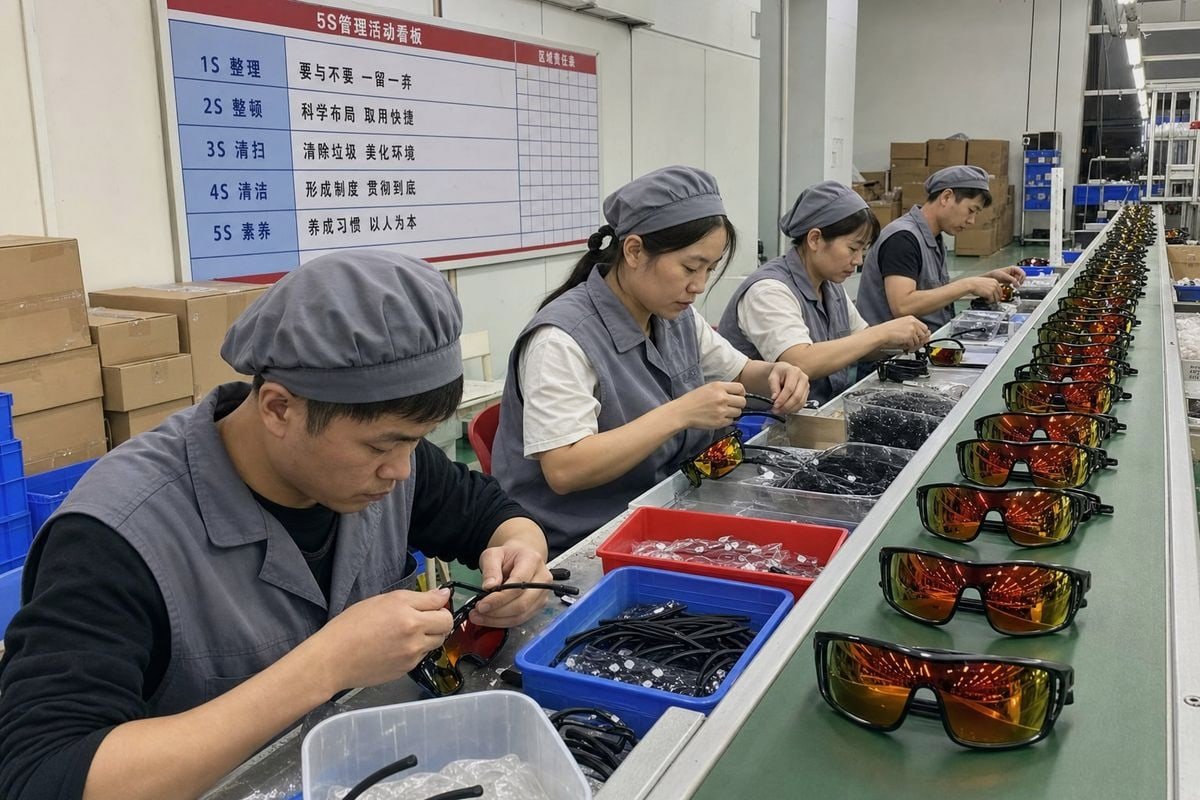
Replenishment should be more conservative than your initial buy. The initial order tests demand. The reorder responds to proof. Here is how to build that discipline into a simple weekly routine.
The core formula
Use the standard reorder point calculation 4:
Reorder Point = (Average Daily Sales × Lead Time in Days) + Safety Stock
For example, if a black wraparound sells 12 units per day, your factory lead time is 35 days, and you hold 100 units of safety stock, your reorder point is 520 units. When stock hits that level, reorder. Do not wait for a stockout to react.
Translate units into days of cover
Days of cover is easier to act on than raw units. Divide current stock by average daily sales. If a pastel round frame has 300 units and sells 5 per day, you have 60 days of cover — probably too much late in the season. If your bestseller has 15 days of cover and a 35-day lead time, you are already late.
| مقياس | How to Calculate | Action Signal |
|---|---|---|
| معدل البيع 5 | Units sold ÷ units received | Above 60–70% early = winner |
| Days of cover | Stock on hand ÷ daily sales | Below lead time = reorder now |
| Reorder point | (Daily sales × lead time) + safety stock | Stock hits ROP = trigger order |
Share data with your factory
When buyers share sell-through trends with us, we can pre-book injection capacity, hold lens stock, and keep their custom colors ready. That collaboration cuts practical lead time without cutting corners on quality control إدارة سلسلة التوريد 6. A manufacturer who knows your winners becomes a planning partner, not just a supplier.
ما هي المهلة الزمنية التي يجب أن أتوقعها عند تقسيم الطلبات الأولية وطلبات التجديد مع مصنع في الصين؟
One lesson we learned early at our Taizhou workshop: the calendar wins every argument. A perfect reorder placed too late in the season arrives after demand has faded, and no discount can fix that.
توقع 30-45 يومًا للإنتاج لطلبات OEM الأولية لنظارات الأطفال الشمسية، بالإضافة إلى 30-35 يومًا للشحن البحري. عادةً ما يتم شحن طلبات التجديد للأنماط الموجودة في 15-25 يومًا، ويمكن للشحن الجوي لمدة 5-8 أيام إنقاذ وحدات SKU سريعة الحركة خلال موسم الذروة.
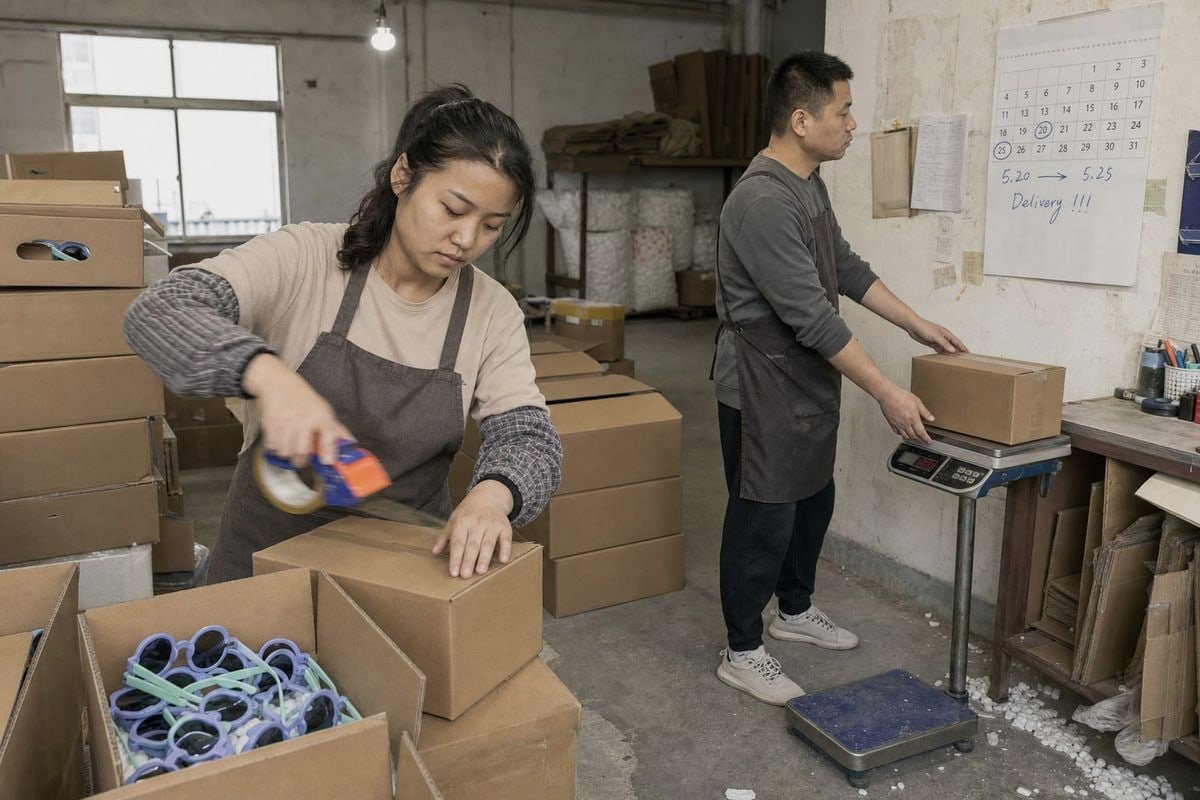
Lead time is the hidden variable behind every split decision. Long lead times push you toward deeper initial buys. Short, reliable lead times let you buy lean and chase demand. Plan your calendar backwards from your peak selling window.
A realistic timeline for a spring/summer launch
Work backwards from when stock must be on your shelves. For a Northern Hemisphere summer, that usually means placing the initial order eight to twelve weeks before peak season starts. Here is a typical sequence we run with brand customers:
- Weeks 1–2: Confirm styles, custom colors, logos, and packaging. Choosing from existing styles skips mold development entirely and saves weeks.
- Weeks 3–7: Production, including lens fitting, assembly, and QC inspection in our 5S-managed workshop.
- Weeks 8–12: Ocean freight, التخليص الجمركي 7, and delivery to your warehouse.
- Weeks 13+: Launch, gather two to three weeks of sell-through data, then trigger replenishment.
Why replenishment is faster
Repeat orders skip sampling, color matching, and packaging approval. Materials and lens specifications are already confirmed. That is why replenishment of an existing style often runs 15–25 days in production instead of 30–45. If a winner is selling out mid-season, partial air freight on that single SKU can bridge the gap while the ocean shipment follows.
One planning note for children's eyewear specifically: build compliance timing into your schedule. Kids sunglasses often require recurring safety and UV testing documentation for your market. Bundling replenishment batches with re-certification runs reduces per-unit testing cost and avoids customs surprises.
As the season matures, shorten your reorders. Late-season replenishment should shrink, not grow, so leftover stock does not carry into autumn.
الخلاصة
Getting the split wrong drains cash or kills peak-season sales. The fix is simple: buy 60–70% upfront weighted toward proven styles, test small, then replenish winners fast using real sell-through data and honest lead-time math. When your kids sunglasses supplier knows your plan, both orders arrive exactly when they should.
ملاحظات ختامية
1. Defines the buffer inventory concept central to reorder point calculations. ↩︎
2. Explains UV protection standards relevant to functional sunglasses features discussed. ↩︎
3. Explains UV400 rating standards referenced when describing parent priorities for kids sunglasses. ↩︎
4. Background on the inventory formula the article uses for replenishment planning. ↩︎
5. Clarifies the retail metric used throughout to trigger replenishment decisions. ↩︎
6. Broad background concept covering the order-splitting and logistics strategy discussed. ↩︎
7. Official trade resource explaining the customs process mentioned in shipping timelines. ↩︎
مقالات أخرى قد تعجبك

August 1, 2026
هل يجب على المصنع التعامل مع تغليف ووضع ملصقات نظارات الأطفال الشمسية، أم استخدام مورد مخصص؟

August 1, 2026
مستودع خاص مقابل الوفاء المباشر من المورد: أيهما يقلل تكاليف الإرجاع لعلامات نظارات الأطفال الشمسية؟

August 1, 2026
مباشر إلى ميناء المستودع أو التخزين الخارجي: أيهما يوفر أكثر على شحن نظارات الأطفال الشمسية؟
هل تبحث عن شريك موثوق به للنظارات للأطفال؟
استكشف أكثر من 800 نمط جاهز ودعم OEM/ODM كامل مصمم خصيصًا لعلامتك التجارية.
اتصل بنا English
  Español de México
  Deutsch
  Français
  日本語
日本語  العربية
  Português do Brasil