كيف يتم تصنيف إطارات النظارات الطبية للأطفال حسب العمر، وما هي الاختلافات في الأسلوب؟
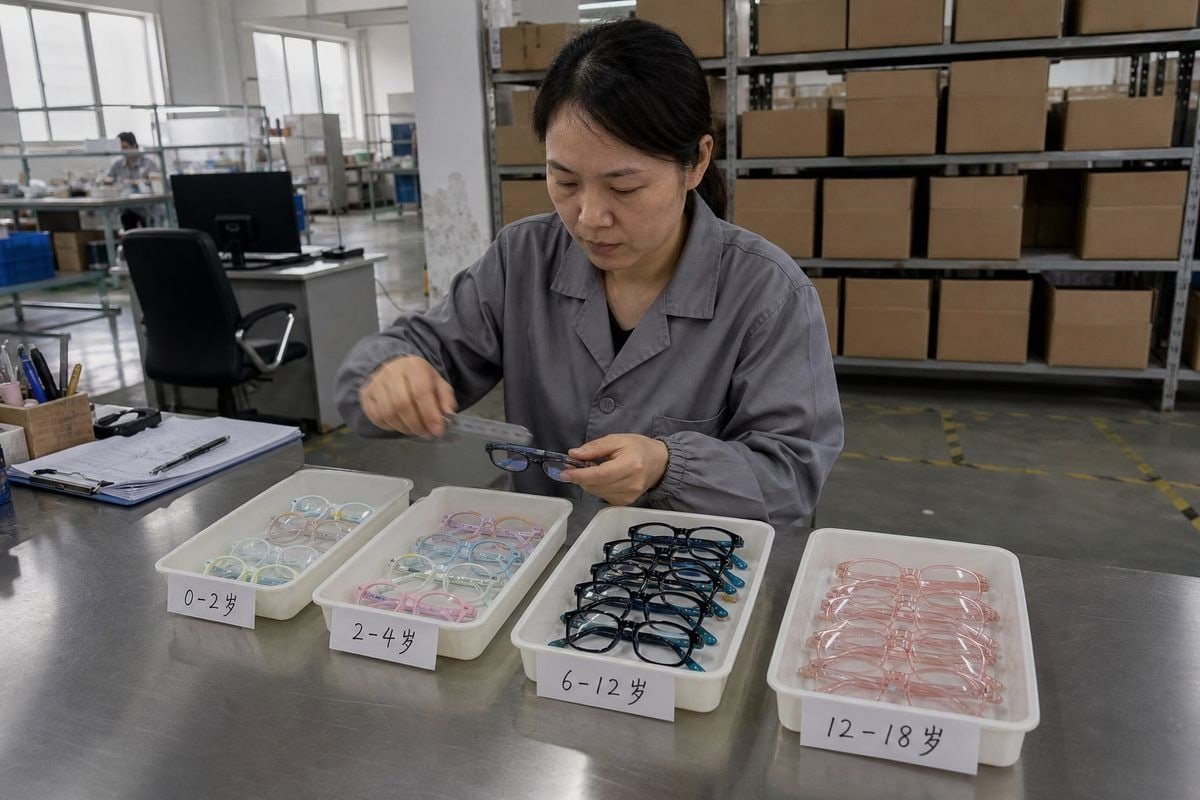
تُربك إطارات النظارات الطبية للأطفال العديد من المشترين الجدد. على خط الإنتاج لدينا في تايتشو، رأيت العلامات التجارية تطلب الأحجام الخاطئة، وتشاهد المخزون يجلس دون بيع، وتخسر موسمًا كاملاً. إنه مؤلم.
يتم تصنيف إطارات النظارات الطبية للأطفال إلى أربع فئات عمرية رئيسية: الرضع (0-3)، والأطفال الصغار/مرحلة ما قبل المدرسة (3-6)، والأطفال في سن المدرسة (6-12)، والمراهقون (13+). تتراوح عرض العدسات من حوالي 35 مم إلى 52 مم، بينما تتغير الأساليب من التصاميم الناعمة التي تركز على السلامة إلى الأشكال العصرية التي تشبه البالغين.
تلك [الفئات العمرية هي اختصارات، وليست قواعد صارمة](https://okayeyewear.com/?p=5307). أدناه، سأفصل المقاسات والأسلوب والمواد واستراتيجية التخزين حتى تتمكن من بناء خط نظارات طبية للأطفال يبيع بالفعل.
كيف أختار المقاس المناسب للإطار لمختلف الفئات العمرية للأطفال؟
بعد خمسة عشر عامًا من بناء نظارات طبية للأطفال للمشترين في أكثر من عشرين دولة، هناك درس واحد يبرز بالنسبة لي: تسميات العمر تساعد المشترين على البدء، لكن القياسات تغلق الصفقة.
طابق حجم الإطار مع العمر باستخدام عرض العدسة وعرض الجسر وطول الذراع. يحتاج الرضع تقريبًا إلى عرض عدسة يتراوح بين 31-39 مم وأذرع بطول 106-115 مم؛ والأطفال الصغار 34-44 مم؛ ومرحلة ما قبل المدرسة 40-46 مم؛ وأطفال المدارس 45-50 مم؛ والمراهقون 48-57 مم بأطوال أذرع قريبة من البالغين.
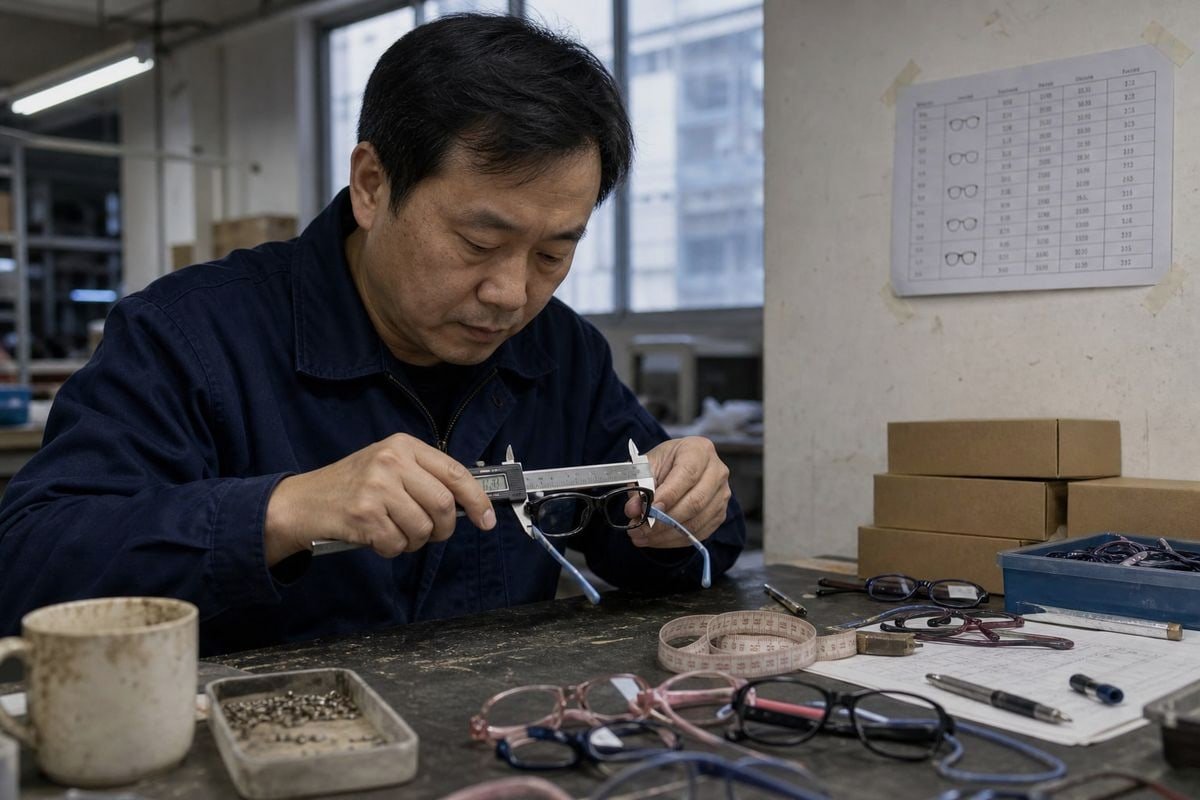
قياسات النظارات الطبية للأطفال هي في الواقع ثلاثة أرقام تعمل معًا. عرض العدسة 1 يحدد مدى اتساع الإطار عبر الوجه. يحدد عرض الجسر الراحة على الأنف النامي. يتحكم طول الذراع في ما إذا كانت النظارات تبقى في مكانها خلف الأذنين. عندما يكون أي واحد من الثلاثة خاطئًا، ينزلق الإطار أو يقرص أو يُدفع لأعلى الجبهة.
نطاقات القياس القياسية التي نعمل بها
هذا هو إطار القياس الذي نستخدمه عندما نساعد العلامات التجارية في اختيار الأساليب من الكتالوج الخاص بنا. لا يتفق تجار التجزئة تمامًا على الحدود - على سبيل المثال، تصنف Zenni الأطفال إلى أطفال صغار (0-6)، وأطفال كبار (7-9)، ومراهقين (10-12) - ولكن النمط الأساسي ثابت عبر السوق.
| الفئة العمرية | نطاق العمر النموذجي | عرض العدسة | طول الذراع |
|---|---|---|---|
| الرضع / الأطفال الصغار | 0-1 (حتى 2) | 31-39 ملم | 106-115 ملم |
| الأطفال الصغار | 1-3 أو 2-4 | 34-44 ملم | 110-125 مم |
| أطفال ما قبل المدرسة | 3-5 أو 4-6 | 40-46 مم | 115–130 ملم |
| أطفال في سن المدرسة | 6-9 أو 6-12 | 45-50 ملم | 125-135 مم |
| المراهقون / الشباب | 10-12 حتى 13+ | 48-57 ملم | 130-145 ملم |
لماذا العمر وحده لا يكفي
غالبًا ما يحتاج الأطفال ذوو الوجوه الأوسع أو الأضيق إلى مقاس خارج نطاقهم العمري. ملاءمة الجسر للأطفال الصغار هي نقطة الفشل الأكثر شيوعًا، لأن أنوف الأطفال لا تزال مسطحة وغير متطورة. لهذا السبب نوصي العلامات التجارية بوصف الإطارات حسب كل من النطاق العمري وقياسات المليمتر. ارتفاع الإطار مهم أيضًا أكثر مما تعترف به معظم الأدلة. يؤثر على وضع العدسة، والذي يصبح حاسمًا لـ عدسات التحكم في قصر النظر 2 التي تتطلب مسافة رأس دقيقة. تعديلات طول الذراع - حتى 5 مم - يمكن أن تحول الإطار المرتجع إلى طلب متكرر.
ما هي الاختلافات في الأسلوب والتصميم التي يجب أن أتوقعها بين إطارات النظارات للأطفال الصغار والأطفال والمراهقين؟
سألني مشترٍ من أستراليا ذات مرة لماذا فشلت أساليب المراهقين لديها بينما بيعت نفس الأشكال جيدًا للأطفال بعمر ست سنوات. كانت الإجابة بسيطة: يرفض المراهقون أي شيء يبدو طفوليًا.
إطارات الأطفال الصغار تعطي الأولوية للأشكال الناعمة والمستديرة والألوان الزاهية والاحتفاظ الآمن. تضيف إطارات سن المدرسة هياكل أقوى وأشكالًا مستطيلة أو رياضية. تصبح إطارات المراهقين تصاميم مصغرة للكبار - أسيتات، وأشكال هندسية، وظلال عين القطة - حيث تهتم الموضة بنفس قدر المتانة.
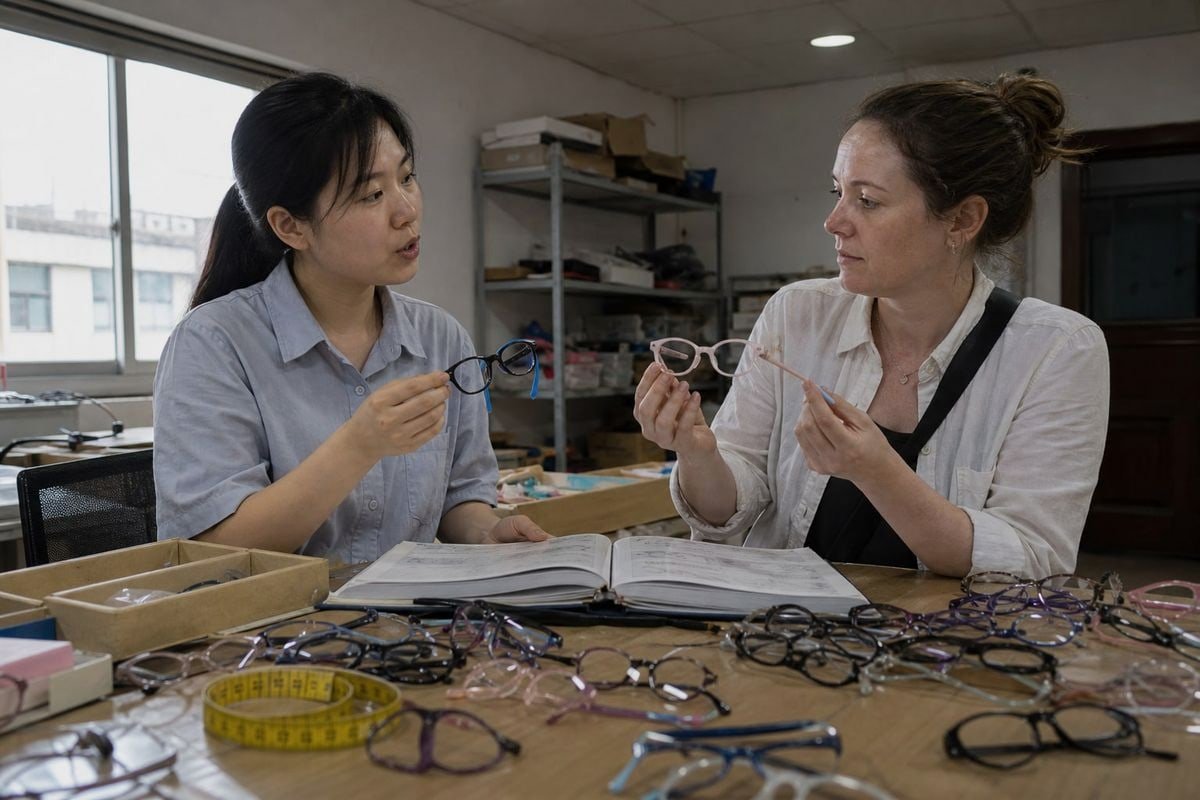
التطور الأسلوبي عبر الفئات العمرية ليس عشوائيًا. إنه يتبع الحياة اليومية للطفل ورأيهم المتزايد حول كيف يبدون. تتحول أولويات التصميم من "السلامة أولاً" إلى "الأسلوب أولاً" في قوس يمكن التنبؤ به إلى حد ما، ويجب أن يعكس خط منتجاتك هذا القوس.
التدرج الأسلوبي، فئة بفئة
| الفئة العمرية | الأشكال السائدة | اتجاهات الألوان | أولوية التصميم |
|---|---|---|---|
| الرضع / الأطفال الصغار | مستدير ناعم، بيضاوي | مشرق، مرح، بطابع شخصيات كرتونية | الاحتفاظ والسلامة |
| أطفال ما قبل المدرسة | مستطيل مستدير | مجموعات ألوان أوسع، تكتلات بلونين | متانة مع شخصية |
| سن المدرسة | مستطيل، مستدير، رياضي | ألوان أكثر جرأة، تشطيبات شفافة | استقرار للعب النشط |
| المراهقون / الشباب | هندسي، عين القطة، مستطيل | ألوان الباستيل، درجات الكريستال، اتجاهات البالغين | الموضة والتعبير عن الذات |
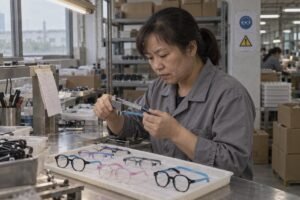
Two frames from our own catalog show this contrast well. One is a glossy black rounded-rectangular frame with navy temples ending in soft sky-blue silicone tips — a compact, playful design built for younger school-age kids. The other is a translucent pale pink ، بوليمر ذاكرة حراري بلاستيكي، يقلب هذه المعادلة. يحتفظ بشكله عند مقاطع عرضية رفيعة، لذلك يمكن للمصممين تقليص الإطار الأمامي والأذرع دون إنشاء نقاط ضعف. النتيجة هي إطار يزن أقل ويبقى أكثر مقاومة للصدمات.-look frame with matte pastel temples and subtle etched details. That candy-colored, semi-transparent style speaks directly to tween fashion eyewear buyers who want a grown-up look in a youth size.
The "mini-me" trend
Tweens and teens increasingly want frames that mirror current adult fashion. Geometric shapes, crystal and translucent finishes, and slimmer profiles all sell strongly in this band. Preschooler frame styles, by contrast, still lean on chunky builds, embossed grip patterns, and cheerful color blocking. Get these signals crossed and the product stalls at retail, no matter how well it is made.
كيف يمكنني التأكد من أن المواد والمرونة آمنة للفئة العمرية المستهدفة؟
There is a trade-off we weigh on every new mold: the softer and more flexible a frame gets, the harder it becomes to hold a stable optical lens position. Getting that balance right by age band is the heart of our TPEE and TR90 work.
استخدم السيليكون أو TPEE المضاد للحساسية للرضع والأطفال الصغار، والبلاستيك المرن TR90 مع أطراف معابد ناعمة للأطفال في سن ما قبل المدرسة والمدرسة، والأسيتات أو المعدن المرن للمراهقين. يجب أن تقترن جميع الفئات العمرية بعدسات البولي كربونات أو Trivex المقاومة للصدمات.

Material safety is where I push back hardest when buyers focus only on price. Cheap rigid plastics crack under a toddler's twisting hands, and cracked edges near a child's eyes are a liability no brand can afford. The right material progression protects the child and protects your brand.
Material progression by age
| الفئة العمرية | Recommended Frame Material | Key Safety Features |
|---|---|---|
| Infants / toddlers | Silicone, TPEE, soft rubber | Fully flexible, hypoallergenic, strap-compatible |
| أطفال ما قبل المدرسة | TR90 مع معابد TPEE | Bend-and-return flexibility, soft silicone tips |
| سن المدرسة | بلاستيك الذاكرة TR90 3 | 180-degree spring hinges, impact resistance |
| المراهقون / الشباب | TR90, acetate, memory metal | Durability plus adult aesthetics, adjustable nose pads |
Engineering details that matter by age
Flexible silicone frames and TPEE builds dominate the youngest bands because babies pull, chew, and roll on their glasses. Adjustable strap glasses and cable temples keep infant frames in place, since a baby cannot reposition slipping frames. Saddle or universal bridges suit the flat nasal profiles of infants and toddlers, while defined bridges and adjustable nose pads only make sense from school age onward.
For school-age kids, spring hinges are the single most valuable upgrade. A 180-degree spring hinge survives the rough, frequent handling of an eight-year-old shoving glasses into a backpack. بلاستيك الذاكرة TR90 gives the frame body the same forgiveness — it bends and returns to shape instead of snapping.
Lens compatibility is universal. Every frame we design, from infant to teen, is engineered to house polycarbonate or Trivex 4 lenses. Polycarbonate lens safety is non-negotiable in children's eyewear because these materials resist high-velocity impact where standard plastic shatters. Finally, insist on environmentally friendly, hypoallergenic frames across all bands. Children's skin is sensitive, and markets in Europe, Japan, and Australia increasingly demand documented material compliance.
ما هي فئات الإطارات التي يجب أن أخزنها أولاً عند إطلاق خط بصري جديد للأطفال؟
When a new importer approaches us — often a founder testing kids' eyewear for the first time — my advice is almost always the same, and it comes from watching which of our roughly 800 existing styles reorder fastest.
قم بتخزين إطارات سن المدرسة (6-12 سنة) أولاً، حيث أن هذه الفئة لديها أعلى معدلات وصفات طبية وحجم إعادة طلب. أضف أحجام ما قبل المدرسة ثانياً، ثم أنماط المراهقين. يجب أن تأتي إطارات الرضع أخيراً - فهي متخصصة، ذات حجم إنتاج منخفض.
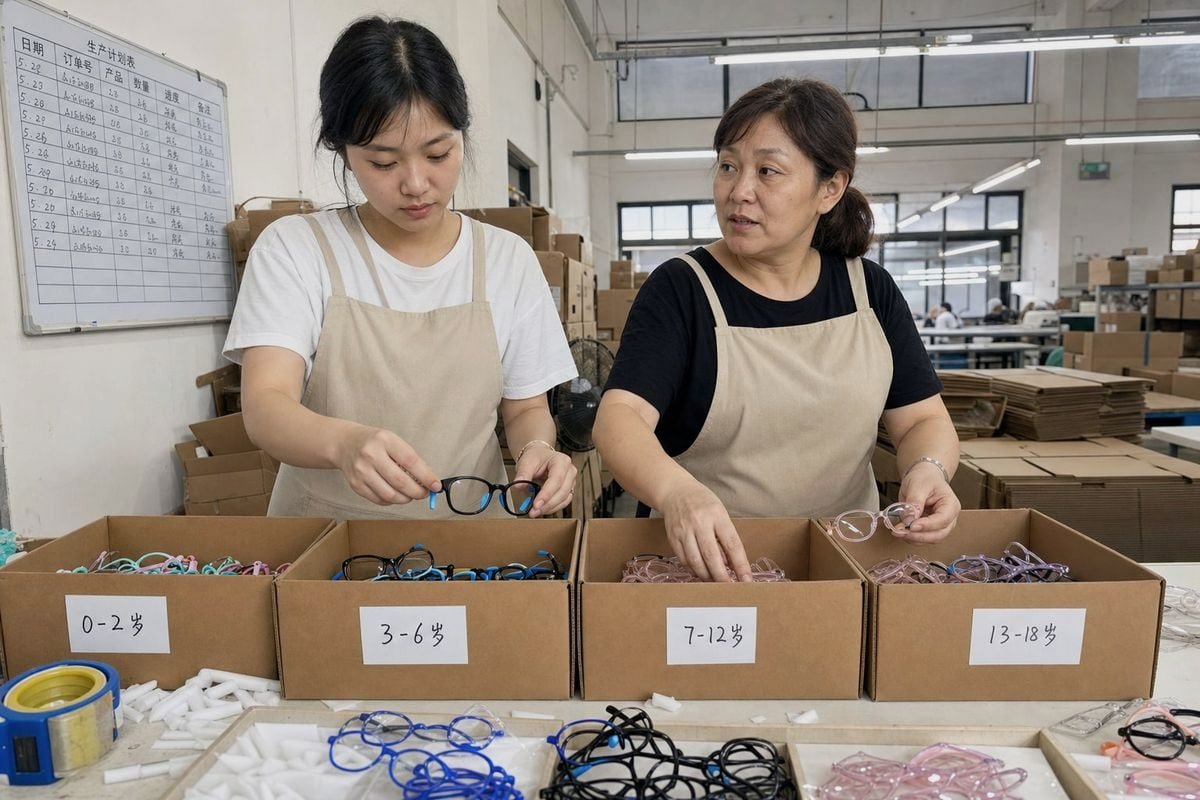
Launching a kids' optical line is a portfolio decision, not a style decision. The goal is to cover the highest-demand age bands with the fewest SKUs, then expand once real sales data comes in. Here is the sequence I recommend, in priority order:
- School-age (6–12): 50–60% of your opening order. Most children get their first prescription during school vision screenings. Myopia diagnoses cluster in this band, and myopia-control lens programs — some starting around age 6, others around age 8 — drive repeat visits to opticians. Stock rectangular, round, and sporty TR90 shapes with spring hinges in 45–50mm lens widths.
- Preschool (3–6): 20–25%. These buyers are parents, not children, so lead with safety messaging: flexible frames, soft temple tips, hypoallergenic materials. Two-tone color blocking sells well here.
- Tweens/teens (10+): 15–20%. Fewer SKUs, but stronger margins. Translucent acetate-look styles and geometric shapes carry higher perceived value.
- Infants (0–3): 0–5%, or skip at launch. Genuine demand exists, but volumes are small and fitting requirements are specialized. Add this band only when an optical retail partner specifically requests it.
Why starting from existing styles lowers your risk
New molds cost money and take months. Choosing from an established style library lets you test all three priority bands in one order without heavy tooling investment. From there, OEM customization — your colors, your logo, your packaging — turns proven shapes into a branded, retail-ready line. In our experience exporting to buyers across Europe, Japan, and Australia, brands that launch this way reach their second, data-driven order far faster than brands that gamble on custom molds from day one.
الخلاصة
Age bands organize kids' optical frames, but measurements, materials, and style intent decide success. Get sizing, safety, and stocking priorities right, and your line earns trust — and reorders.
ملاحظات ختامية
1. ISO 12870 specifies the international requirements and test methods for spectacle frames and sizing standards. ↩︎
2. The WHO identifies myopia as a significant global health issue requiring specialized corrective and management solutions. ↩︎
3. TR90 is a high-performance thermoplastic polyamide (Nylon 12) valued for its flexibility and durability. ↩︎
4. The AAO recommends impact-resistant materials like polycarbonate to ensure safety in children’s eyewear. ↩︎
مقالات أخرى قد تعجبك


هل تبحث عن شريك موثوق به للنظارات للأطفال؟
استكشف أكثر من 800 نمط جاهز ودعم OEM/ODM كامل مصمم خصيصًا لعلامتك التجارية.
اتصل بنا English
 Español de México
 Deutsch
 Français
 日本語
 العربية
 Português do Brasil