ما هي حدود المواد الكيميائية التي يجب أن تلتزم بها الإطارات البصرية للأطفال المصنوعة من TR90 لتجنب حساسية الجلد؟
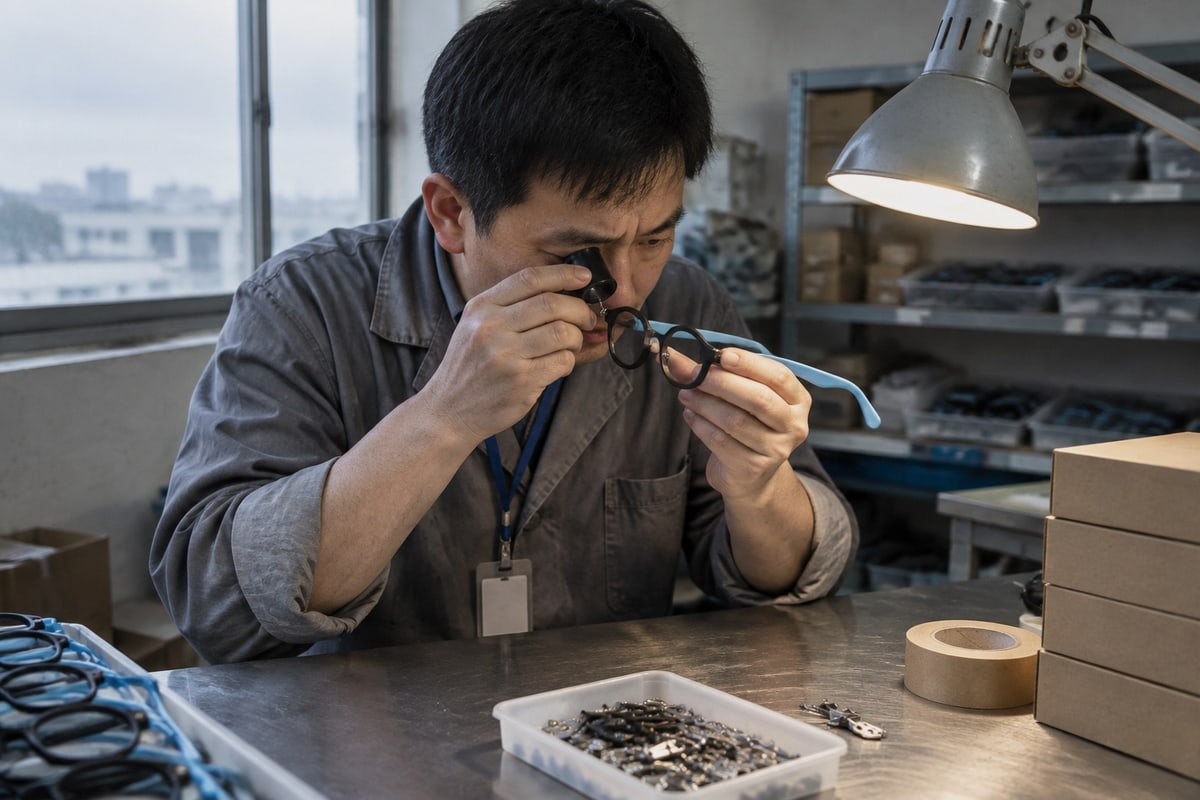
يعيد أولياء الأمور الإطارات البصرية للأطفال المصنوعة من TR90 بسبب وجود علامات حمراء على الأنف، وتتلقى العلامة التجارية اللوم. في خط إنتاجنا في تايتشو، يمكن لسبيكة مفصلات واحدة خاطئة أن تتسبب في ذلك تمامًا.
يجب أن تحافظ الإطارات البصرية للأطفال المصنوعة من TR90 على إطلاق النيكل دون 0.5 ميكروغرام/سم²/أسبوع على الأجزاء المعدنية الملامسة للبشرة، والرصاص دون 100 جزء في المليون (CPSIA) أو 500 جزء في المليون (الاتحاد الأوروبي)، والكادميوم دون 100 ملغ/كغم، والفثالات المحظورة دون 0.1% من الوزن، مع تلبية متطلبات السلامة وعدم الضرر وفقًا لمعيار ISO 12870.
تبدو تلك الأرقام بسيطة على الورق. ولكن عمليًا، نادرًا ما يكون البوليمر هو المشكلة. بل المشكلة تكمن في المفصلات والبراغي والدهانات ووسادات الأنف. أدناه، أستعرض ما ينبغي اختباره، والمعايير المطبقة، وكيفية التحقق من ادعاءات المورد، والوثائق التي يجب الاحتفاظ بها.
ما المواد الكيميائية التي يجب أن أفحصها في إطارات TR90 الطبية للأطفال؟
في الموسم الماضي، سحب فريق مراقبة الجودة لدينا عينة من المفصلات من مورد جديد. كان جسم الإطار مصنوعًا من مادة TR90 الخالصة. لكن براغي المفصلات لم تكن خالية من النيكل.
اختبار إطارات النظارات الطبية للأطفال المصنوعة من مادة TR90 للكشف عن إطلاق النيكل من المفصلات والبراغي ووسادات الأنف المعدنية، وإجمالي الرصاص والكادميوم في الأجزاء التي يمكن الوصول إليها، والفثالات المقيدة مثل DEHP وDBP وBBP في المكونات اللينة، بالإضافة إلى المونومرات المتبقية والمواد الكيميائية للطلاء التي قد تنتقل إلى العرق الحمضي.

لماذا نادرًا ما يكون جسم إطار TR90 نفسه هو السبب
مادة TR90 هي بوليمر بوليميد. يعرفها معظم المشترين تحت الاسم التجاري Grilamid TR90. وخصائصها مهمة هنا؛ فهي لا تحتوي على ثنائي الفينول أ (BPA)، لأن BPA ينتمي إلى كيمياء البولي كربونات وليس كيمياء البوليميد. وهي لا تحتاج إلى ملدنات الفثالات 1 للحفاظ على مرونتها، لذلك يجتاز جسم الإطار عادةً حدود محتوى الفثالات دون أي جهد خاص. كما أن درجة حرارة التحول الزجاجي العالية تجعلها مستقرة حراريًا. وهي لا تطلق مركبات عضوية متطايرة عندما يترك الطفل النظارة في سيارة ساخنة. هذه هي الأسباب التي تجعل TR90 مدرجة في جميع قوائم مواد النظارات المضادة للحساسية تقريبًا.
ولكن كلمة "مضاد للحساسية" هي كلمة تسويقية، وليست نتيجة اختبار. في ورشتنا، نرى خطر الحساسية ينتقل إلى أربعة أجزاء: المفصلات والبراغي المعدنية، وسادات الأنف المعدنية في الإطارات المزدوجة، والأسطح المطلية، وأي ملحق ناعم مثل الحزام أو أطراف الذراعين المطاطية. الإطار المصنوع من TR90 مع مفصلة من سبيكة منخفضة الجودة ليس إطارًا مضادًا للحساسية، بل هو إطار TR90 يعاني من مشكلة النيكل.
قائمة التحقق من المواد الكيميائية
| المادة | أين تختبئ في إطار الأطفال | الحد المطلوب التزامه | القاعدة |
|---|---|---|---|
| النيكل (المُنبعِث) | المفصلات، البراغي، قلب الذراعين، وسادات الأنف المعدنية | 5 ميكروغرام/سم²/أسبوع | الملحق XVII للائحة REACH الإدخال 27، مُختبَر وفقًا لـ EN 16128 |
| الرصاص (الإجمالي) | الدهانات، اللحام، السباك، البلاستيك الملون | 100 جزء في المليون (أمريكا) / 500 جزء في المليون (الاتحاد الأوروبي) | CPSIA / REACH |
| الكادميوم (الإجمالي) | الصباغ، مثبتات البلاستيك | 100 ملغ/كغم (0.01%) | الملحق السابع عشر من لائحة REACH |
| الفثالات (DEHP, DBP, BBP) | وسادات الأنف من PVC الناعم، الأحزمة، الحافظات | 1% كحد إجمالي من الوزن | الملحق XVII للائحة REACH الإدخالان 51 و52 |
| المونومرات المتبقية | البوليميد المعالج بشكل سيئ | أقل قدر ممكن؛ التحقق عبر صحيفة بيانات الراتنج | السلامة وعدم الضرر وفقًا لـ ISO 12870 |
التهيج ليس دائمًا حساسية
إليك نقطة يغفل عنها العديد من المشترين: العلامة الحمراء ليست دائمًا تفاعلاً كيميائيًا. فالعرق والحرارة والضغط والاحتكاك يسببون التهيج دون وجود أي مادة مسببة للحساسية. مرونة TR90، التي نقدرها لأسباب تتعلق بالسلامة، يمكن أن تخلق احتكاكًا دقيقًا مستمرًا على الأنف وخلف الأذنين. هذا الاحتكاك يضر بالحاجز الجلدي. وبمجرد فتح هذا الحاجز، تتسرب بقايا المواد الكيميائية التي كانت غير ضارة على الجلد السليم بسهولة أكبر. كما أن العرق حمضي قليلاً، مما يساعد المونومرات المتبقية وأيونات المعادن على التسرب من المادة. لذلك، فإن الوقاية من التهاب الجلد التماسي تعتمد جزئيًا على الكيمياء وجزئيًا على ملاءمة الإطار. نحن نضبط شد الذراعين وهندسة جسر الأنف في موديلات الأطفال لدينا لهذا السبب تحديدًا. فالإطار الذي يضغط بقوة يفشل في حماية الطفل حتى لو اجتاز كل تقارير المختبر.
ما هي معايير السلامة الدولية التي يجب على مُورِّد نظارات أطفالي الالتزام بها؟
سألنا مدير مشتريات من ألمانيا ذات مرة عن سبب عدم إشارة تقرير النيكل الخاص بنا إلى معيار EN 1811. وفتح هذا السؤال نقاشًا مفيدًا حول قواعد إطارات النظارات.
يجب على مورد نظارات الأطفال الالتزام بمعيار ISO 12870 لسلامة الإطار، ومعيار EN 16128 لاختبار إطلاق النيكل، والملحق XVII من لائحة REACH للنيكل والرصاص والكادميوم والفثالات في أوروبا، وقانون CPSIA للرصاص في الولايات المتحدة، ويفضل اختبار التوافق الحيوي وفقاً للمواصفة ISO 10993-10.

| معيار | المنطقة | ما يغطيه لنظارات الأطفال | الحالة |
|---|---|---|---|
| ISO 12870 / EN ISO 12870:2025 | دولي / الاتحاد الأوروبي | المتطلبات الأساسية للإطار، بما في ذلك السلامة وعدم الضرر وإطلاق النيكل من الأجزاء المعدنية | المعيار الرئيسي لإطارات النظارات |
| EN 16128 | الاتحاد الأوروبي | اختبار إطلاق النيكل 2 طريقة مخصصة لإطارات النظارات والنظارات الشمسية | Required method for nickel |
| الملحق السابع عشر من لائحة REACH | الاتحاد الأوروبي | Nickel (Entry 27), phthalates (Entries 51 & 52), lead, cadmium | Legally binding |
| قانون تحسين سلامة المنتجات الاستهلاكية | الولايات المتحدة الأمريكية | Lead at 100 ppm in children's products, phthalates, third-party testing | Legally binding for children's products |
| EN 71-3 | EU (toys) | هجرة المعادن الثقيلة من المواد | Not mandatory for eyewear; often requested |
| ISO 10993-10 | متانة الإطار، تشوه الجسر، تحمل الأذرع | Skin irritation and delayed-type sensitization | Voluntary; valued by pediatric brands |
Why Spectacle Frames Use EN 16128, Not EN 1811
EN 1811 is the إطلاق النيكل test for pierced-body jewelry and similar items. Spectacle frames and sunglasses are explicitly excluded from it. EN 16128 is written for eyewear. It handles coated parts, and it allows disassembly or masking so each metal sub-part in prolonged skin contact can be tested on its own. The limit is the same 0.5 µg/cm²/week, but the method is different. If a lab report on glasses cites EN 1811, the lab used the wrong method. That is the answer I gave our German buyer. European compliance language is getting more precise about sub-part testing every year, so this detail matters more, not less.
Where EN 71-3 and ISO 10993-10 Fit
EN 71-3 standards belong to the toy directive. Glasses are not toys. Still, kids' brands in Europe often ask us for EN 71-3 because it measures هجرة المعادن الثقيلة 3 from coatings and colored plastic, which is exactly what a parent fears. ISO 10993-10 comes from the medical device world. It covers biocompatibility testing 4 for primary skin irritation and delayed-type hypersensitivity. When a buyer serves babies or children with eczema, we suggest it for raw material approval. Neither is legally required for eyewear. Both make a stronger dossier.
One Spec for Every Market
A common objection we hear: "REACH compliance is only for Europe. I sell in Australia and Japan." In our experience exporting to twenty-plus countries, REACH and قانون تحسين سلامة المنتجات الاستهلاكية regulations are the two benchmarks buyers everywhere quote back to us. Our approach is simple. We work to the tightest limit in each category, such as the 100 ppm CPSIA lead limit 5, and apply that one spec across all markets. It removes confusion for the buyer and for our line.
كيف يمكنني التحقق من شهادات سلامة المواد الخاصة بالشركة المصنعة لإطار TR90 الخاص بي؟
Every quotation forces a choice for us: test the raw TR90 pellets, or test the finished frame with hinges and paint. Only one of those protects your brand.
تحقق من الشهادات من خلال طلب تقارير مختبرية من طرف ثالث من جهات معتمدة، ومطابقة وصف العينة واللون ونوع المفصلة في التقرير مع طلبك الفعلي، والتحقق من طريقة الاختبار المذكورة، والتأكد من أن تاريخ التقرير حديث، والتدقيق في إمكانية تتبع المواد الخام في المصنع.

روتين تحقق من خمس خطوات
- Ask who issued the report. A factory's own QC sheet is useful, but it is not a certification. Look for an accredited third-party lab. For the US market, check that the lab is CPSC-accepted for children's products.
- Match the sample to your order. A report describes a specific sample: color, coating, hinge type. Our two-tone matte black front with sky-blue temples uses a different paint system than our translucent pink gradient frame. A report on one does not cover the coating on the other.
- Check the method. Nickel must cite EN 16128 and the 0.5 µg/cm²/week limit. Lead should be reported as total content, not just migration. Phthalates should list DEHP, DBP, and BBP individually.
- تحقق من التاريخ. Reports age. Hinge suppliers change. We recommend a retest whenever the hardware source or the paint formula changes, not only when the calendar says so.
- Trace the raw material. Ask for the resin data sheet and lot number. A real factory can show which pellet lot went into which production run. Our 5S-managed workshop labels every material bin for this reason.
Raw Material Test vs Finished Frame Test
| Test level | ما تثبته | What it misses |
|---|---|---|
| Raw TR90 pellet test | Polymer is clean, BPA-free, low in residual monomers | Hinges, paint, nose pads, assembly |
| Finished frame test | The complete product exactly as a child wears it | Must be repeated for each color and hardware variant |
| Component test | Each hinge or screw batch on its own | Meaningless without a bill of materials to link parts to styles |
This is the trade-off I mentioned. Pellet tests are cheap and reusable across our roughly 800 existing styles. Finished frame tests cost more per SKU. Our practice is to approve raw material grades once, then test finished frames by hardware family. When a buyer launches a new brand from our catalog, that structure keeps testing cost low without leaving gaps.
Look Beyond the Paper
A video audit takes an hour. Ask to see where hinges are stored and how they are labelled. Ask who signs off on incoming metal parts. A factory with 15 years of eyewear experience will show you without hesitation. A trading company usually cannot.
ما الوثائق التي ينبغي أن أطلبها للتأكد من أن إطارات نظارات أطفالي آمنة ولا تسبب الحساسية؟
We learned the hard way that a single "hypoallergenic" line on a spec sheet convinces nobody at customs or in a parent's complaint email. Documents do.
طلب إعلان المطابقة الذي يغطي REACH وCPSIA، وتقرير إطلاق النيكل EN 16128 للأجزاء المعدنية، وتقارير اختبار المعادن الثقيلة للرصاص والكادميوم، ونتائج الفثالات، وصحيفة بيانات المواد الخام لدرجة TR90، وقائمة المواد التي تسرد كل مكون يلامس البشرة.

The Document Pack We Prepare for Buyers
| وثيقة | ما تثبته | من يصدرها | متى تطلب |
|---|---|---|---|
| إعلان المطابقة | Supplier's legal statement of REACH, CPSIA, and ISO 12870 requirements | المصنع | Before the first purchase order |
| Nickel release report (EN 16128) | Metal parts release under 0.5 µg/cm²/week | مختبر طرف ثالث | Per hardware family |
| Heavy metals report (Pb, Cd) | Total lead and cadmium under limits | مختبر طرف ثالث | Per color and coating |
| Phthalate report | DEHP, DBP, BBP under 0.1% total | مختبر طرف ثالث | For soft parts, straps, cases |
| Raw material data sheet | TR90 grade, BPA-free certification, no plasticizer | Resin supplier | At material approval |
| قائمة المواد | Every skin-contact component listed | المصنع | With every sample approval |
| ISO 10993-10 report | Irritation and sensitization results | مختبر طرف ثالث | Optional, for sensitive-skin claims |
Why the Bill of Materials Matters Most
A nickel report is only as good as the list of parts it covers. Take our round two-tone frame. The bill of materials names the matte black paint on the front, the glossy blue temple material, the hinge alloy, the screw alloy, and the keyhole bridge. Each line links to a report. If any line reads "unknown alloy decorative part," stop. That is where allergy complaints start. Our TR90 front with TPEE temple designs avoid metal temple cores entirely, which shortens this list and lowers risk for active kids.
An Emerging Option: Bio-Based Polyamides
The industry is shifting toward castor-oil-derived polyamides such as PA11. The aim is to remove petroleum-based impurities and improve pediatric skin compatibility. If a supplier claims bio-based material, ask for the resin data sheet just as you would for standard TR90. The claim should sit on paper, not only in a sales deck.
A Parent-Facing Checklist You Can Print
- Prefer frames with minimal or no metal touching skin.
- Ask for nickel-free or nickel-release-compliant hardware at the bridge, hinges, and temple tips.
- Avoid decorative metal parts of unknown alloy.
- Watch for pressure marks, sweat buildup, and rubbing behind the ears.
- Patch-test with short wear periods if the child has known contact dermatitis.
We include a version of this checklist in retail-ready packaging for buyers who request it. It turns a compliance topic into a customer service asset.
الخلاصة
Red marks on a child's nose cost brands trust. We build TR90 kids' optical frames knowing safety lives in every hinge, coating, and screw, and in the paperwork behind them.
هل أنت مهتم بتوريد المنتجات المذكورة في هذه المقالة؟ انظر التفاصيل واطلب عرض أسعار هنا:
ملاحظات ختامية
1. US government agency providing information on the regulation of phthalate plasticizers under the TSCA. ↩︎
2. Authoritative international body for standards like ISO 12870 and nickel release test methods for eyewear. ↩︎
3. Official European Commission page detailing toy safety requirements and chemical migration limits. ↩︎
4. Primary US authority for medical device safety standards, including biocompatibility testing for skin-contact materials. ↩︎
5. Official US government guidance on children’s product safety requirements, including the CPSIA lead limit. ↩︎
مقالات أخرى قد تعجبك

6 نوفمبر 2026
ما هي معلومات بطاقة التعليق التي يفحصها الوالدان أولاً في إطارات نظارات الأطفال الطبية المصنوعة من TR90؟

5 نوفمبر 2026
كيفية ربط SKUs المقاس واللون لإطارات النظارات الطبية TR90 للأطفال حسب الفئة العمرية؟

4 نوفمبر 2026
ما العوامل التي تدفع أولياء الأمور إلى إعادة شراء إطارات TR90 الطبية للأطفال؟
هل تبحث عن شريك موثوق به للنظارات للأطفال؟
استكشف أكثر من 800 نمط جاهز ودعم OEM/ODM كامل مصمم خصيصًا لعلامتك التجارية.
اتصل بنا English
 Español de México
 Deutsch
 Français
 日本語
 العربية
 Português do Brasil