What Causes Peeling or Fading Coating on Kids’ Optical Frames?
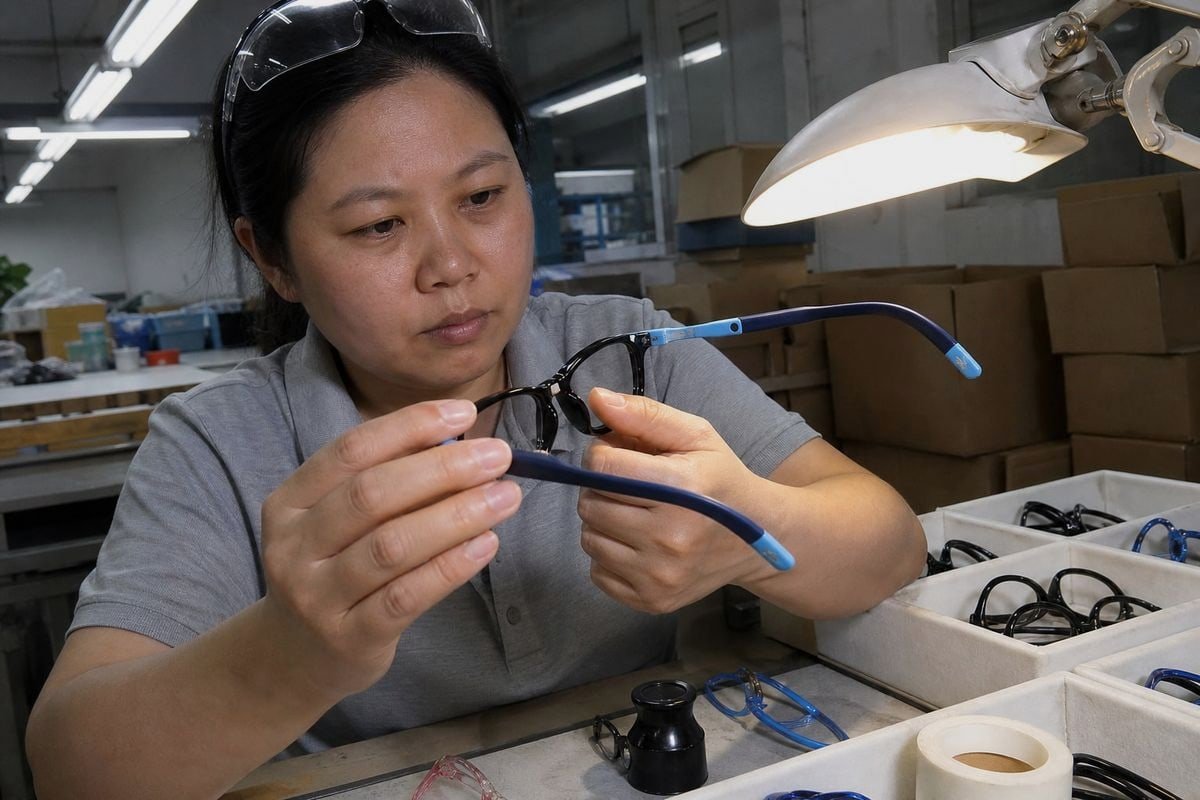
Peeling or fading coating on kids’ optical frames is a complaint I hear from buyers every season. It quietly kills reorders, triggers returns, and damages a brand’s reputation with parents.
Peeling or fading coating on kids’ optical frames is caused by heat exposure, friction, sweat and skin oils, harsh cleaning chemicals, UV light, and — most critically — poor coating adhesion from low-grade manufacturing. Children’s rough handling accelerates all of these failure modes dramatically.
In this article, I will break down each cause, show you how to spot weak coatings before you order, and explain the standards and tests that protect your brand.
How can I identify low-quality lens or frame coatings before placing a bulk order?
A buyer from Australia once sent me a competitor's sample with paint flaking off the temple tips after two weeks. Our QC team traced it back in minutes — no primer layer at all.
Inspect samples for edge coverage, primer adhesion, and finish uniformity. Perform a cross-hatch tape test, a 48-hour sweat-simulation soak, and a rub test with a microfiber cloth. Low-quality coatings show pinholes, thin edges, orange-peel texture, or color transfer within these simple checks.
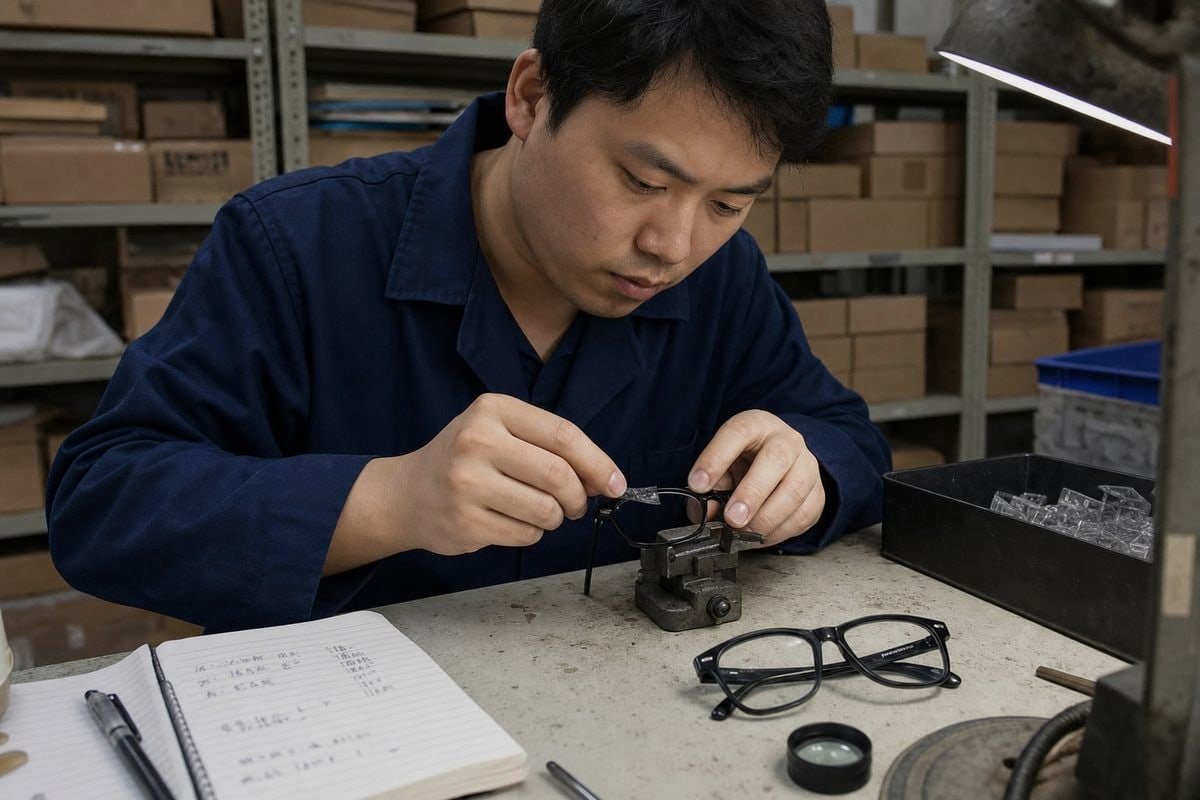
You do not need a laboratory to catch most coating problems. You need a sample, a few household items, and a checklist. In our 15 years of making children's eyewear in Taizhou, the majority of coating failures we have seen from other factories could have been caught at the sampling stage.
Start with a visual inspection
Look at the frame under strong light. Tilt it slowly. A quality finish looks even from every angle. Warning signs include pinholes in the paint, a rough orange-peel texture, thin or transparent spots along edges, and dust particles trapped under the top coat. Pay special attention to hinge areas and temple tips. Peeling often starts at the edges and moves inward, because that is where the coating bond is most stressed.
Run simple hands-on tests
Here is the short checklist we recommend to buyers evaluating any supplier, including us:
| Test | How to do it | What failure looks like |
|---|---|---|
| Cross-hatch tape test | Score a small grid, press tape firmly, pull off fast | Paint squares lift off with the tape |
| Sweat simulation | Soak in warm salt water for 48 hours | Bubbling, dulling, or color bleeding |
| Rub test | Rub 100 strokes with a dry microfiber cloth | Color transfer or visible thinning |
| Flex test | Bend temples repeatedly at the hinge zone | Cracking or flaking at flex points |
| Alcohol wipe | One light pass with 70% alcohol | Instant dulling means a weak top coat |
Also ask about the base material. TR90 memory plastic takes coating well when properly primed, and cellulose acetate frames 1 usually rely on through-body color rather than surface paint — which is why acetate rarely "peels" but painted frames can. If a supplier cannot explain their priming process, treat that as a red flag.
Why do coatings peel faster on children's frames than on adult eyewear?
When we developed our TR90 frames with soft TPEE temples, we studied returned samples from several markets. The wear patterns on kids' frames looked nothing like adult glasses — they looked like they had survived a playground war.
Children's frames peel faster because kids combine every damage factor at once: acidic sweat, rough handling, constant flexing during play, hot backpacks and cars, sunscreen contact, and frequent improper cleaning. Adult glasses face these stresses occasionally; kids' frames face them daily and simultaneously.

Think about a typical school day for a pair of kids' glasses. They get pulled off by the temple with one hand, which twists the hinge. They get wiped on a shirt at recess. They sit in a backpack next to a warm lunch box. They soak up perspiration during sport. Then, at home, a well-meaning parent cleans them with hand soap or a paper towel.
Children's sweat chemistry is harsher
Skin acidity and perspiration play a bigger role than most buyers expect. Kids sweat heavily during play, and sebum and body oils accumulate on nose pads and temple contact zones. Over months, this contributes to frame oxidation and corrosion on coated metal parts and slow chemical breakdown of painted plastic finishes. Some children also mouth or chew their temple tips, and prolonged saliva exposure can hydrolyze the binders in cheaper coatings — a failure mode adults almost never trigger.
Chemical exposure is constant, not occasional
Chemical exposure from sunscreens is a major hidden culprit, especially in outdoor-focused markets like Australia. Sunscreen combined with DEET-based insect repellents 2 can act almost like a solvent on weak top coats. Add hand sanitizer, and the coating faces a daily chemical bath.
Mechanical stress multiplies everything
Every drop, flex, and impact creates micro-cracks at the coating edges. Moisture and chemicals then wedge into those cracks, and delamination spreads. This is why we favor flexible TPEE temples and through-colored materials on high-stress zones — flexibility without a brittle painted surface means there is simply less coating to fail. Anti-reflective coating delamination on lenses follows the same logic: micro-damage first, then moisture intrusion, then visible peeling.
What manufacturing standards should I request from my supplier to prevent coating failure?
One lesson from our ورشة عمل مدارة بنظام 5S 3: coating durability is decided long before the paint booth. Surface preparation, dust control, and cure timing matter more than the paint brand itself.
Request documented surface preparation, a primer or bonding layer for painted TR90, controlled spray-booth conditions, full curing time, and batch-level QC covering cross-hatch adhesion, sweat resistance, and abrasion tests. Also specify hypoallergenic frame finishes and heavy-metal-safe paints compliant with children's product regulations.

Many buyers negotiate hard on price and never once ask about the coating process. That is backwards. A frame that peels in eight weeks costs you far more in returns and lost trust than a few cents saved per unit. Here is what I suggest you put in writing with any supplier — including us.
The process standards that matter
| Production stage | What to require | Why it prevents peeling |
|---|---|---|
| Surface preparation | Cleaning and degreasing before coating | Oils and mold-release residue block adhesion |
| Priming | A bonding or primer layer on painted TR90 | Direct-to-plastic paint is the top cause of early flaking |
| Spray environment | Dust-controlled booth, stable humidity | Trapped particles create weak points and pinholes |
| Curing | Full cure time and temperature, no rushing | Under-cured coatings stay soft and rub off |
| QC testing | Cross-hatch, sweat soak, and rub tests per batch | Catches adhesion failure before shipment |
Standards that protect children, not just coatings
For kids' eyewear, coating safety matters as much as durability. Specify hypoallergenic frame finishes on all skin-contact surfaces, and require paints and coatings free of restricted heavy metals 4, consistent with children's product safety expectations in your target market. At our factory, we treat this as non-negotiable because our frames sit directly on a child's face for hours daily — an environmentally friendly material choice is meaningless if the coating on top of it is not equally safe.
Design choices that reduce coating risk
Ask your supplier about alternatives to surface paint on high-wear areas. Through-colored TR90 memory plastic, co-molded TPEE temple tips, and translucent cellulose acetate frames all show wear far more gracefully than a painted top coat. With roughly 800 existing styles, we often steer new brands toward these constructions first, because they let you test the market without gambling on coating longevity.
How can I test frame durability and coating quality before committing to mass production?
Before we approve any new colorway for export, our engineers run pre-production samples through a punishment routine that mimics a real child, not a showroom. I encourage every buyer to do a version of this themselves.
Test pre-production samples with a cross-hatch adhesion check, a 50–70°C heat soak simulating a hot car, salt-water sweat immersion, sunscreen smear exposure, repeated flex cycling, and a drop test. Then request the supplier's batch QC records and confirm the same tests run during mass production.
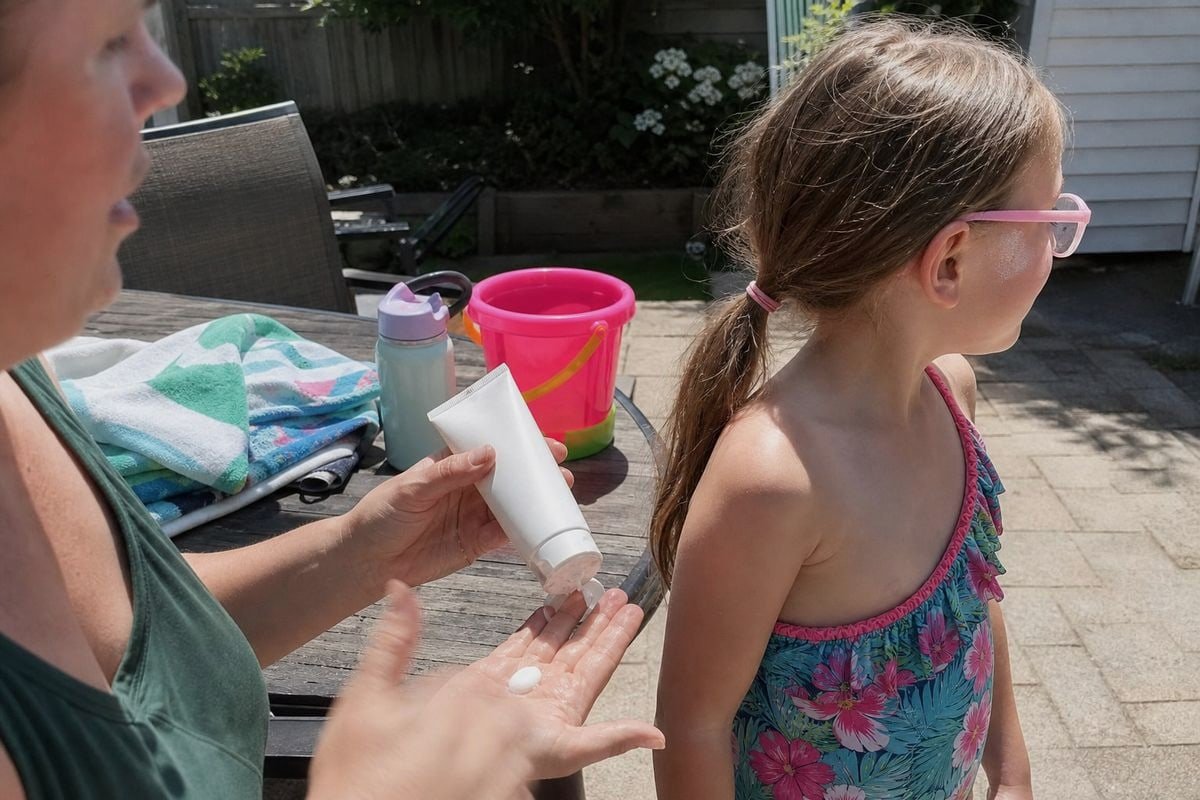
Sampling is your cheapest insurance. A pre-production sample costs little; a container of peeling frames costs your brand. Here is a practical, low-cost protocol you can run in your own office over one to two weeks.
A buyer's pre-production test protocol
- Heat soak. Place the frame in an environment around 50–70°C for several hours. Car interiors can genuinely reach 122–158°F (50–70°C) on a hot day, so this is a realistic scenario, not an extreme one. Look for heat-induced coating crazing, lifting, or gloss change afterward.
- Sweat immersion. Soak the frame in warm salt water for 48 hours to simulate skin acidity and perspiration. Check for bubbling, dulling, or edge lift.
- Chemical smear. Apply sunscreen and a small amount of insect repellent to the temples. Leave overnight, wipe off, and inspect for softening or tackiness.
- Flex cycling. Open and close the temples and gently twist the frame dozens of times. Coating cracks at flex zones predict edge delamination in the field.
- Abrasion. Rub coated surfaces with fabric and then with a microfiber cloth. Microfiber cleaning cloth maintenance is what you will recommend to parents, so the coating must at minimum survive that.
- Drop test. Drop the frame from table height onto a hard floor several times. Inspect coating around impact points and hinges.
Interpreting results and confirming production consistency
| Result | السبب المحتمل | Your action |
|---|---|---|
| Coating lifts after heat soak | Weak thermal bond or wrong cure cycle | Reject; request primer and cure documentation |
| Bubbles after sweat soak | Porous or thin top coat | Reject; ask for thicker or sealed finish |
| Tacky surface after sunscreen | Solvent-sensitive top coat | Request a chemical-resistant top coat |
| Cracks at flex points | Brittle coating on flexible base | Consider through-colored TR90 or TPEE zones |
| Passes all tests | Sound coating system | Approve, and lock the process in the PO |
One final step matters most: put the passing sample's specification into your purchase order as the golden sample, and require the factory to repeat adhesion and sweat tests on each production batch. A good supplier will welcome this. When buyers ask us for batch QC records, we see it as a sign of a serious long-term partner, not an inconvenience.
الخلاصة
Peeling or fading coating on kids' optical frames comes from heat, sweat, chemicals, friction, and weak adhesion. Demand real coating standards, test samples hard, and partner with factories built for children's wear.
ملاحظات ختامية
1. Technical background on cellulose acetate, a primary material discussed for its through-body color properties. ↩︎
2. The EPA provides safety and chemical information on insect repellents mentioned as a coating stressor. ↩︎
3. Explains the 5S organizational methodology used in the manufacturing environment to ensure quality control. ↩︎
4. Updated CPSC guidance on lead limits for surface coatings in children’s products. ↩︎
مقالات أخرى قد تعجبك

أغسطس 5, 2026
Bio-Based vs Regular Cellulose Acetate: What's the Difference for Kids' Frames?

أغسطس 5, 2026
How Recyclable Are Kids' Optical Frame Materials, and What Eco-Friendly Alternatives Exist?
أغسطس 5, 2026
Do Kids Optical Frames Whiten or Age in Storage, and How to Control Warehouse Conditions?
هل تبحث عن شريك موثوق به للنظارات للأطفال؟
استكشف أكثر من 800 نمط جاهز ودعم OEM/ODM كامل مصمم خصيصًا لعلامتك التجارية.
اتصل بنا English
  Español de México
  Deutsch
  Français
  日本語
日本語  العربية
  Português do Brasil