Will New Kids Sunglasses Overlap in Price Range with My Current Eyewear Brands?

Buyers ask us this weekly at our Taizhou factory: will new kids sunglasses overlap in price range with existing lines? Guess wrong, and your shelf pricing collapses into confusion.
Yes, new kids sunglasses can overlap with your current eyewear brands, especially in the $80–$140 retail band where branded, polarized, and prescription-ready kids models sit. Budget kids styles stay below adult pricing, but premium children’s eyewear now prices like entry-level adult sunglasses.
The overlap is real, but it is manageable. The key is understanding which kids sunglasses overlap, why they do, and how your wholesale costs shape the final retail position. Let me walk you through it the way I walk our buyers through it.
How can I compare wholesale pricing tiers without diluting my existing brand positioning?
A brand founder from Melbourne once told me she almost skipped kids sunglasses entirely. She feared a cheap kids line would drag down her adult collection. Our production team showed her another path.
Compare wholesale tiers by mapping each supplier quote against your target retail multiplier, then check whether the resulting price lands inside, below, or above your current lines. Protect brand positioning by matching material quality and packaging standards, not by matching price points.
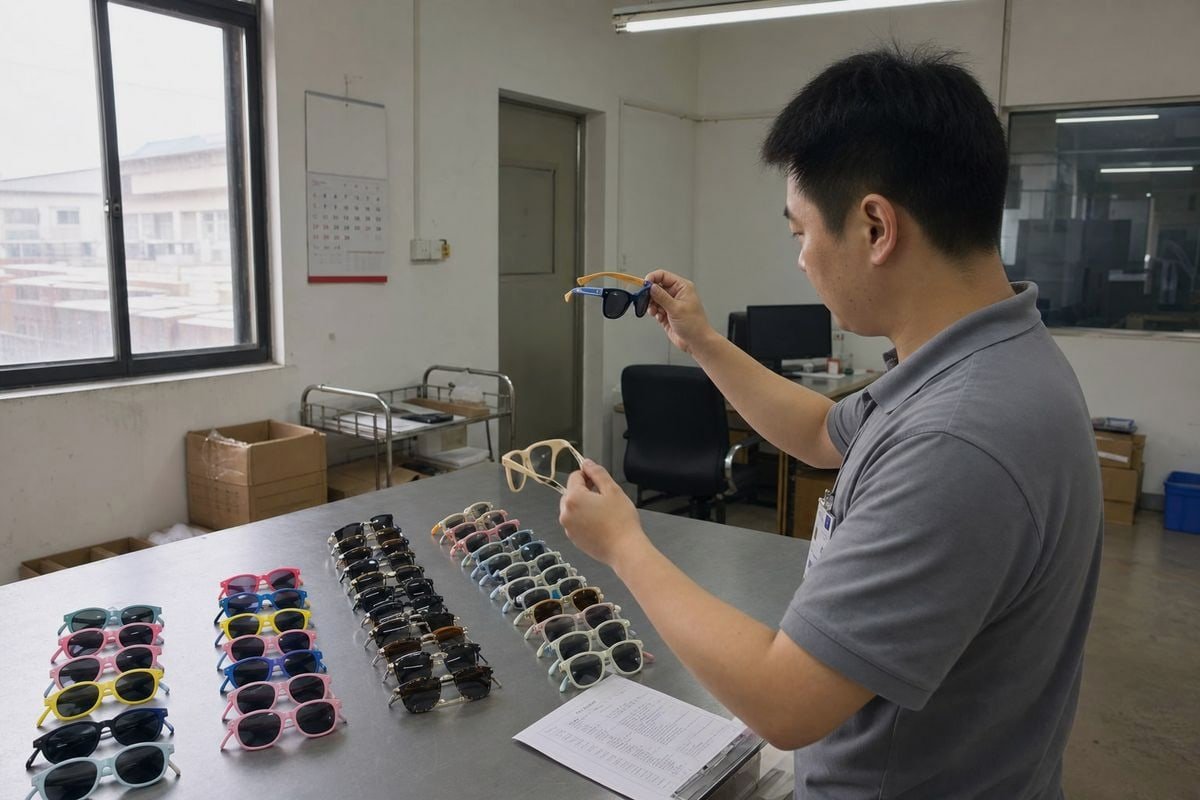
الـ children's eyewear market 1 is not one price category. It splits into three clear tiers, and each tier maps to a different wholesale cost structure. Before you request quotes, know which tier you are actually shopping in.
The three retail tiers and their wholesale roots
| Retail tier | Typical retail price | Typical wholesale range | What drives it |
|---|---|---|---|
| ميزانية | $10–$20 | $1–$3 | Rigid PC frames, basic tinted lenses, bulk packaging |
| نطاق متوسط | $20–$50 | $3–$8 | Better hinges, حماية UV400 2, individual packaging |
| ممتاز | $50–$150+ | $8–$20+ | TPEE/TR90 flexible frame materials, polarized lenses for kids 3, retail-ready boxes |
The mistake I see most often is a buyer with a premium adult line requesting budget-tier kids quotes. The math looks great on paper. Then the samples arrive, and the gap in feel and finish is obvious to any parent. That gap dilutes brand positioning far faster than any price overlap does.
Instead, compare quotes at the tier that matches your existing brand positioning strategy. If your adult frames retail at $90, your kids line should use comparable materials and packaging, even if the retail price lands at $45–$70. Parents accept that kids frames cost somewhat less. They do not accept that the same logo appears on flimsy product.
In our experience exporting to buyers in 20+ countries, the brands that succeed treat kids sunglasses as an extension of their quality promise. They negotiate on volume and customization scope, not on material grade. That keeps the average selling price 4 coherent across the whole catalog.
What factors from material choice to MOQ actually determine my landed cost per unit?
Every week, our engineers weigh the same trade-off: a TPEE temple costs more than rigid plastic, but it survives a toddler bending it backward. That trade-off flows straight into your landed cost.
Landed cost per unit is determined by frame material, lens specification, MOQ tier, customization scope, packaging level, and freight terms combined. Flexible frame materials and polarized lenses raise unit cost most, while higher order volumes and consolidated shipping lower it significantly.
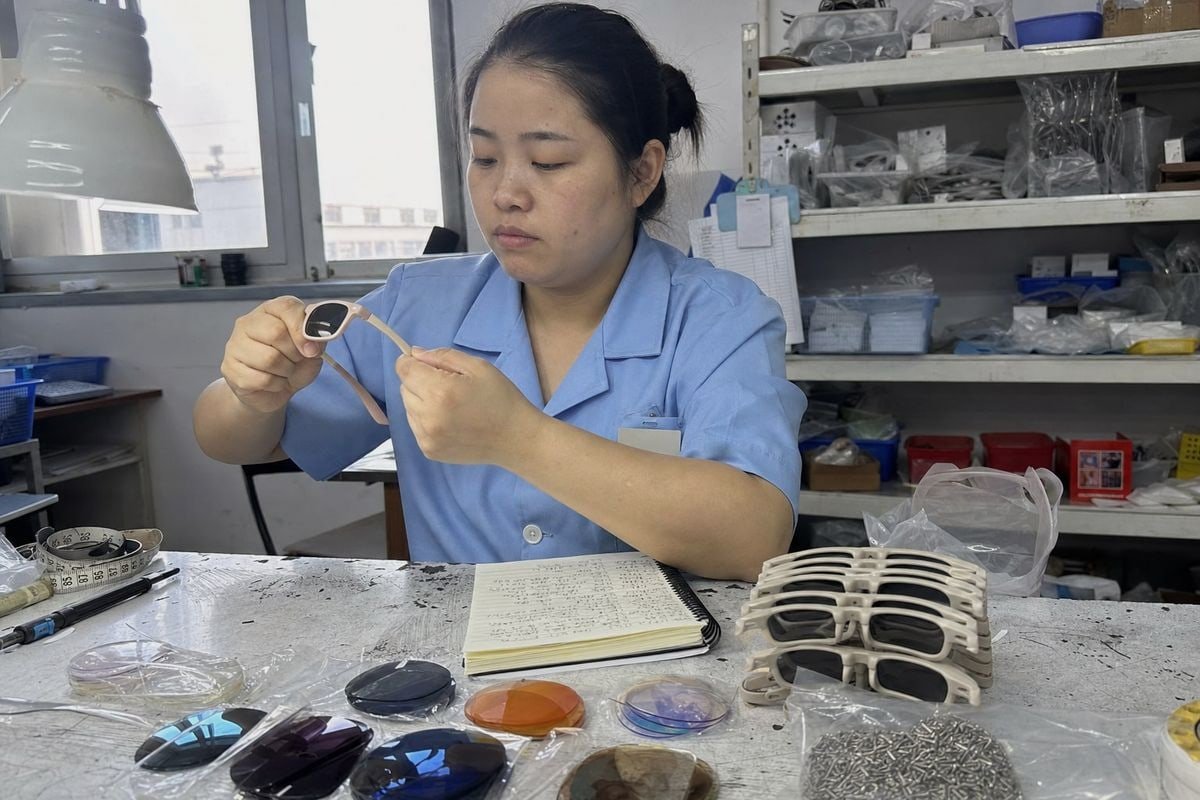
Landed cost is not the factory quote. It is the full journey from our workshop floor to your warehouse door. Here is how each factor moves the number.
Material choice sets the floor
Frame material is the single biggest cost lever. Standard rigid PC is cheap but snaps under stress. TR90 costs more but flexes and recovers. TPEE costs the most among common options, and it is soft enough to twist without breaking, which matters when a five-year-old sits on their sunglasses. Our most popular construction pairs a TR90 front with TPEE temples. It balances structure with safety, and it is why parents in premium markets pay more without complaint.
Lenses, MOQ, and the rest of the stack
Lens upgrades stack on top. UV400 protection is standard on everything we ship, since no responsible kids brand can skip it. Polarized lenses for kids add real cost, as do impact resistant lenses 5 and mirror coatings like the gradient shield lenses on our sport wraparound styles.
| عامل التكلفة | Impact on unit cost | كيفية إدارتها |
|---|---|---|
| TPEE/TR90 frame vs rigid PC | +30–60% | Accept it; safety and durability sell |
| Polarized vs tinted UV400 lens | +$0.50–$1.50 | Offer both tiers in your range |
| MOQ below standard tier | +10–25% per unit | Start with existing styles, not custom molds |
| Custom logo and colors | Modest per unit, plus setup | Spread setup across reorders |
| تغليف جاهز للبيع بالتجزئة | +$0.30–$1.00 | Treat it as marketing, not cost |
| Freight and duties | Varies by market | Consolidate shipments, plan seasonally |
One lesson from fifteen years of eyewear production: MOQ punishes impatience. Buyers who insist on fully custom molds for a first order pay heavily. Buyers who select from our roughly 800 existing styles and customize colors, logos, and packaging launch faster and cheaper, then invest in molds once the market proves itself.
Should I position new kids sunglasses as a separate price segment or alongside my current lines?
A Japanese distributor we work with tested both approaches across two seasons. Their separate "junior" segment outsold the mixed-shelf approach by a wide margin, and it taught us something about market segmentation.
Position kids sunglasses as a distinct segment with its own price logic, typically 20–40% below your comparable adult line, but keep them under your main brand umbrella. Full separation wastes brand equity, while identical pricing confuses parents about what the smaller frame justifies.
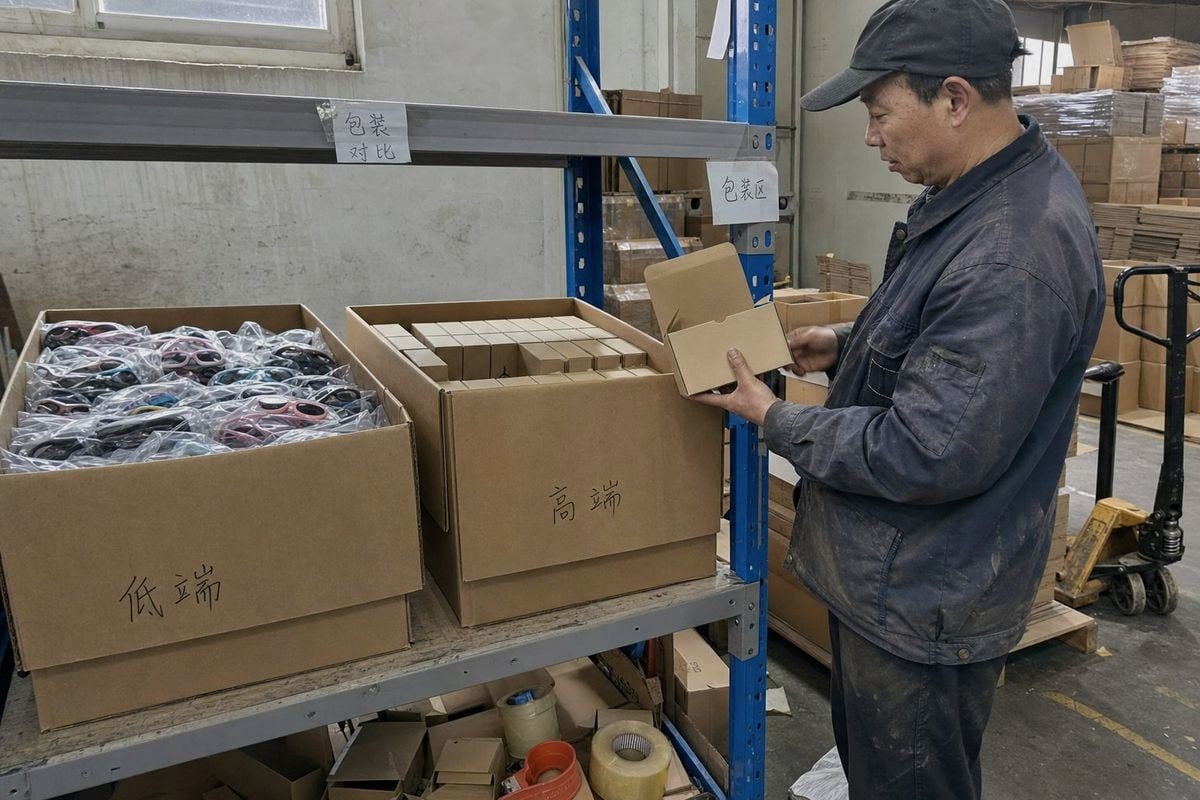
The premiumization trend has changed this decision. Kids sunglasses are no longer sold as cheap novelty items. Major sport and fashion brands now run junior lines that mirror their adult diffusion collections, with structured retail price points 6 and age segmentation such as 4–6, 7–10, and 11–13. That means you have three realistic positioning options, not two.
Three positioning models compared
| Model | كيف تعمل | الدفع الآمن عبر المنصة |
|---|---|---|
| Integrated | Kids styles sit inside the main catalog at 20–40% lower price | Established brands with strong parent loyalty |
| Junior sub-line | A named kids collection with its own identity and price ladder | Brands scaling into the children's eyewear market seriously |
| Separate value brand | A different label at budget pricing | Only if you want to compete on price, which we rarely recommend |
The junior sub-line wins for most of our B2B buyers. It borrows trust from the parent brand, which lets you hold healthy retail price points. At the same time, it signals that the product is engineered for children, with flexible frame materials and safety-first construction, not just shrunken adult frames.
There is one honest counterpoint. If your current brands are budget or house labels, a premium kids line will sit above them, not alongside. In that case, the kids range becomes your trade-up story. Some of our customers have used exactly this route: the kids line, with better materials and packaging, becomes the flagship that pulls the whole brand's average selling price upward.
How do I calculate total cost including customization and packaging before setting retail price?
Before any order leaves our 5S-managed workshop, we send buyers a full cost worksheet. I learned early that a buyer surprised by hidden costs is a buyer you lose, so we itemize everything upfront.
Add the base unit price, customization charges, packaging cost, quality control fees, freight, duties, and payment costs to get your true landed cost. Then apply a retail multiplier of 3x to 5x for premium kids eyewear to set a sustainable retail price.
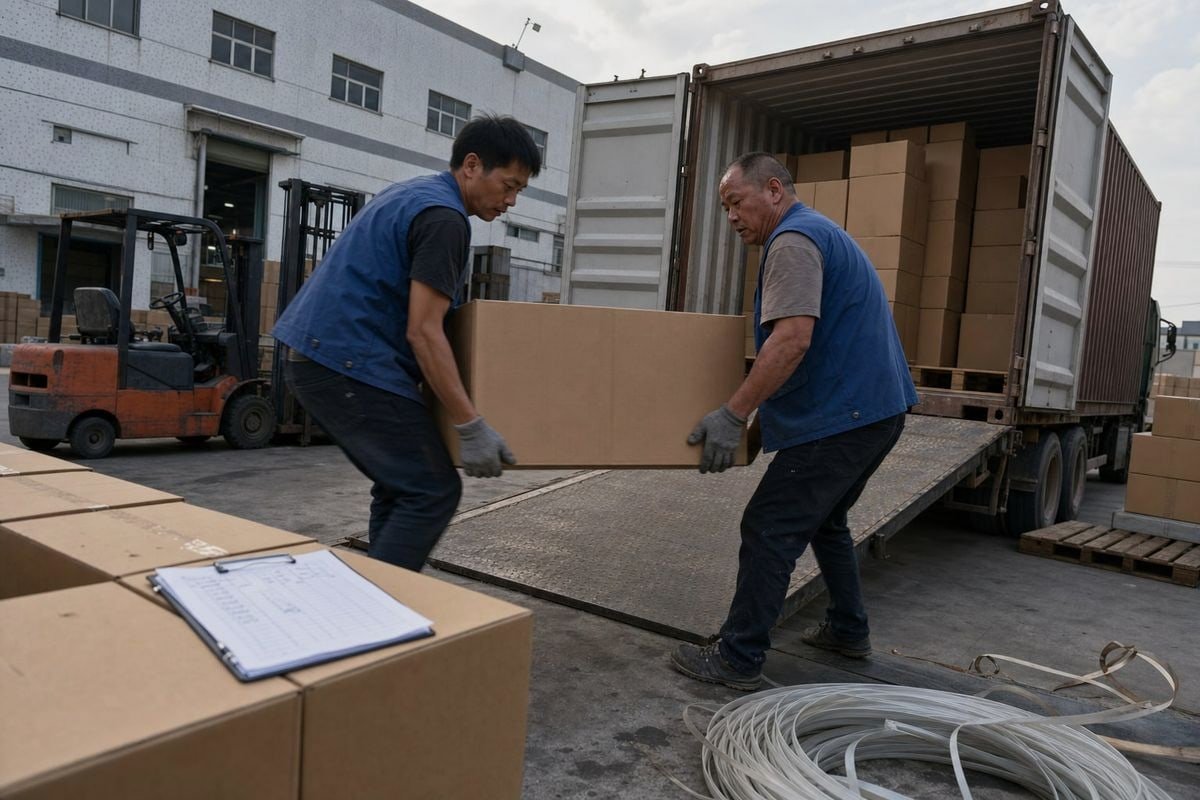
Retail price should never be set from the factory quote alone. Follow this sequence, and the number you end up with will survive contact with reality.
The seven-step landed cost calculation
- Base unit price. Your quoted FOB price at your chosen MOQ tier, for the exact frame material and lens spec you selected.
- Customization charges. Logo printing or engraving, custom Pantone colors, and lens treatments. Setup fees exist, so divide them across your full order quantity.
- Packaging cost. A branded box, pouch, cleaning cloth, and hang tag can add $0.50–$1.50 per unit. For premium positioning, this is non-negotiable. Unboxing is part of the product.
- Quality control. Whether it is your third-party inspection or the factory's own QC documentation, budget for it. Skipping inspection on children's products is a risk no serious brand should take.
- Freight and insurance. Sea freight per unit drops sharply with volume. Air freight for small launches can double per-unit logistics cost.
- Duties and compliance. Import tariffs vary by market, and children's eyewear often needs safety certification testing 7 for your region. Amortize testing fees across the order.
- Payment and currency costs. Wire fees and exchange spreads are small individually, but they add up on repeat orders.
Once you have the true landed cost, apply your multiplier. Premium kids eyewear typically supports 3x–5x from landed cost to retail. A pair landing at $9 with full customization and retail packaging can credibly sit at $29–$45 retail, right in the healthy mid-to-premium band, and comfortably below a $90 adult line while sharing its quality standards. If your landed cost reaches $15 with polarized lenses and premium packaging, a $59–$75 retail price is defensible, and yes, that overlaps with many adult brands. That overlap is fine, as long as the product visibly earns it.
الخلاصة
Price overlap between kids sunglasses and adult eyewear is real, and it is an opportunity, not a threat. Uncertainty about tiers and landed costs is what actually kills launches. Map your tier, calculate true landed cost, position the kids line as a junior segment under your brand umbrella, and the numbers hold. At our Taizhou factory, we help brands do exactly
مقالات أخرى قد تعجبك

August 1, 2026
هل يجب على المصنع التعامل مع تغليف ووضع ملصقات نظارات الأطفال الشمسية، أم استخدام مورد مخصص؟
August 1, 2026
مستودع خاص مقابل الوفاء المباشر من المورد: أيهما يقلل تكاليف الإرجاع لعلامات نظارات الأطفال الشمسية؟

August 1, 2026
مباشر إلى ميناء المستودع أو التخزين الخارجي: أيهما يوفر أكثر على شحن نظارات الأطفال الشمسية؟
هل تبحث عن شريك موثوق به للنظارات للأطفال؟
استكشف أكثر من 800 نمط جاهز ودعم OEM/ODM كامل مصمم خصيصًا لعلامتك التجارية.
اتصل بنا English
  Español de México
  Deutsch
  Français
  日本語
日本語  العربية
  Português do Brasil