هل يمكن استخدام نظارات الأطفال الشمسية بعدد خدوش في العدسات؟
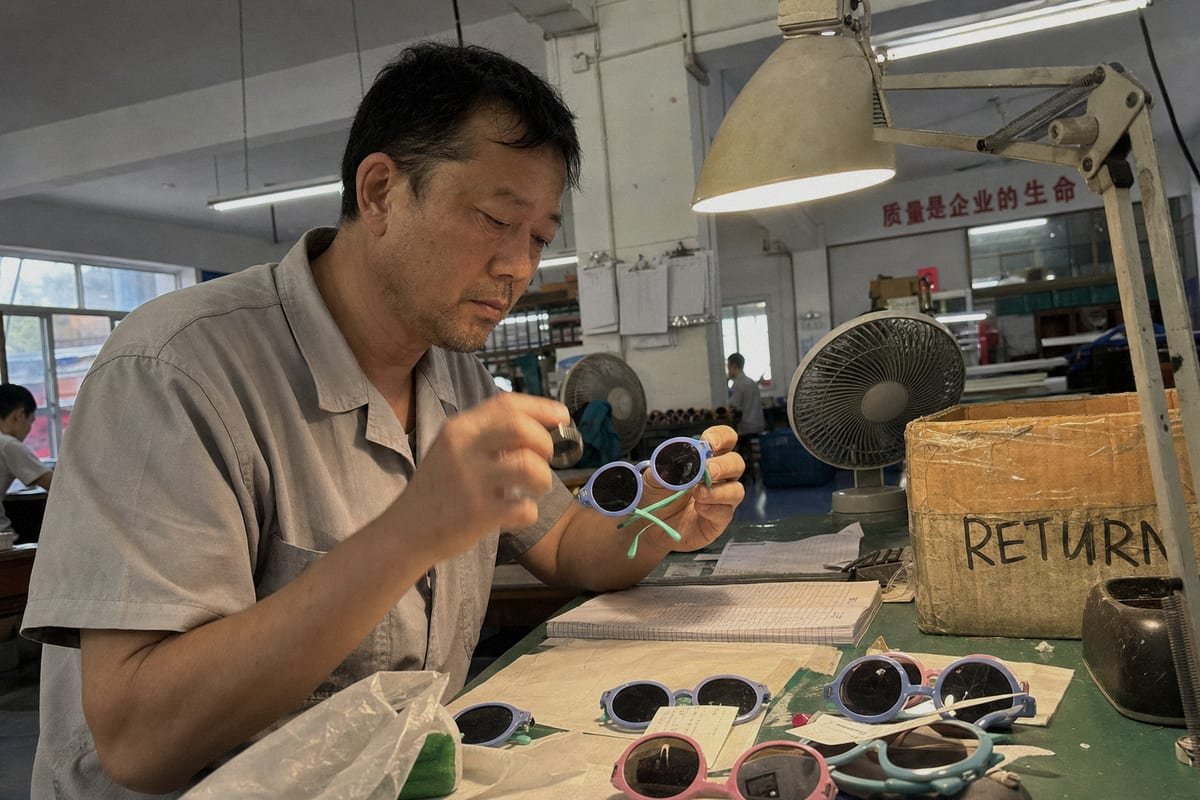
نظارات الأطفال الشمسية المخدوشة تصل إلى طاولة فحص الجودة لدي أسبوعيًا - يرسلها المشترون مرة أخرى طالبين شيئًا واحدًا: هل لا تزال آمنة؟ إطارات البولي كربونات والإطارات المرنة 1؟ هذا القلق يبقي الآباء والعلامات التجارية مستيقظين، لذا دعني أحسم الأمر هنا.
يمكن استخدام نظارات الأطفال الشمسية ذات العدسات المخدوشة إذا كانت الخدوش طفيفة، وتقع خارج خط الرؤية، ولا تسبب وهجًا أو تشوهًا بصريًا. استبدلها عندما تكون الخدوش عميقة، أو مركزية، أو متشققة، أو عندما تتشقق الطلاءات، لأن العدسات التالفة ترهق عيون الطفل النامية.
هذه هي الإجابة المختصرة. لكن التفاصيل مهمة، لأن ليست كل الخدوش متساوية، وليست كل العدسات مصنوعة بنفس الطريقة. دعني أطلعك على ما تعلمته بعد خمسة عشر عامًا من صناعة نظارات الأطفال.
كيف أعرف ما إذا كانت العدسات المخدوشة تضر بالفعل بالحماية من الأشعة فوق البنفسجية لطفلي؟
خلال تدقيق للعدسات في الربيع الماضي، قارن فريقنا عينات مخدوشة بعدسات UV400 جديدة على مقياس نقل. فاجأت النتائج حتى بعض مستوردينا القدامى - وهي تغير الطريقة التي يجب أن تحكم بها على الخدش.
نادراً ما تقلل الخدوش السطحية من حماية UV400 لأن عدسات البولي كربونات الحديثة تحجب الأشعة فوق البنفسجية داخل مادة العدسة نفسها، وليس فقط على السطح. الاستثناء الحقيقي هو نظارات شمسية رخيصة للأطفال ذات طلاءات للأشعة فوق البنفسجية مرشوشة، حيث يمكن للخدش العميق أن يزيل الطبقة الواقية بالكامل.
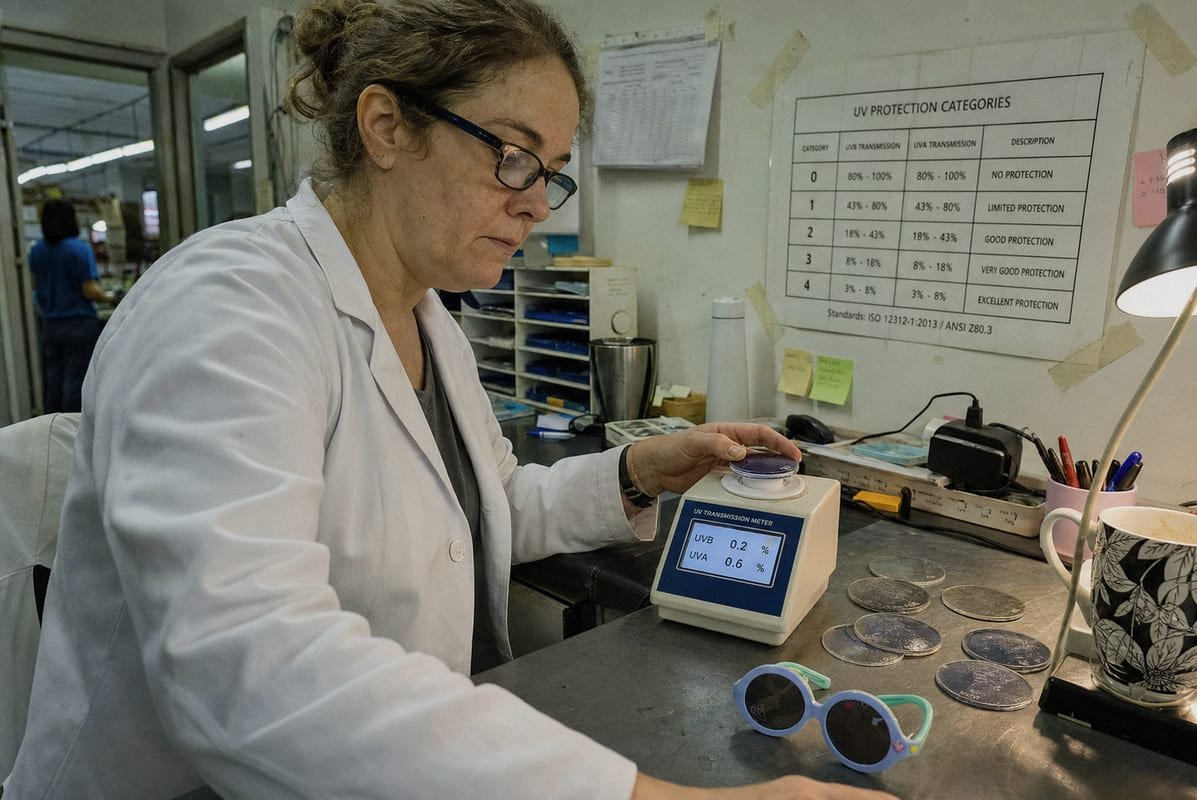
هذا هو التمييز الرئيسي الذي يغفل عنه معظم الآباء وحتى بعض المشترين. في العدسة عالية الجودة، يتم تضمين حجب الأشعة فوق البنفسجية في المادة نفسها. يمكنك صنفرة السطح وستظل العدسة تمنع أشعة UVA و UVB. عدسات البولي كربونات 2 هي أوضح مثال - البوليمر نفسه يمتص الأشعة فوق البنفسجية. لذا فإن الخدش الشعري لا يفتح "ثقبًا" لتتسرب منه الأشعة فوق البنفسجية.
الخطر يكمن في نظارات الأطفال الرخيصة. تعتمد بعض العدسات منخفضة التكلفة على طلاء سطحي رقيق للأشعة فوق البنفسجية. قم بكشط هذا الطلاء، وسيظل اللون الداكن يوسع بؤبؤ طفلك بينما تتسلل الأشعة فوق البنفسجية مباشرة. هذا أسوأ من عدم ارتداء نظارات شمسية على الإطلاق. في ورشتنا، نرفض أي مورد عدسات لا يمكنه إثبات أن ممتص الأشعة فوق البنفسجية مدمج في مادة العدسة بدلاً من رشه على السطح.
طريقة سريعة للحكم على عدسات طفلك
| نوع العدسة | أين تعيش الحماية من الأشعة فوق البنفسجية؟ | هل يضر الخدش بها؟ |
|---|---|---|
| البولي كربونات (نظارات الأطفال عالية الجودة) | داخل مادة العدسة | لا - تظل الحماية سليمة |
| TAC / PC مع مادة مضافة UV400 | مدمجة في المادة | لا - آمنة حتى عند تعرضها للخدش |
| عدسة لعبة رخيصة مع طلاء مرشوش | طبقة سطحية رقيقة فقط | نعم - الخدوش العميقة تزيل الحماية |
| عدسة متشققة أو متصدعة (أي نوع) | فشلت هيكليًا | نعم - استبدلها فورًا |
لذا فإن الحكم الصادق: الخدش يمثل مشكلة رؤية في كثير من الأحيان أكثر من مشكلة الأشعة فوق البنفسجية. ما يضر بالراحة حقًا هو تشتت الضوء. الخدوش تفرق ضوء الشمس، مما يخلق وهجًا وهالات وضبابية 3 تُجبر عضلات العين الشابة على العمل الزائد. نادرًا ما يخبرك الأطفال أن عيونهم تشعر بالإجهاد. إنهم فقط يضيقون أعينهم، أو يميلون رؤوسهم، أو يتوقفون بهدوء عن ارتداء النظارات الشمسية. راقب هذه السلوكيات - فهي أكثر أهمية من الخدش نفسه.
هل يجب علي إصلاح عدسات نظارات أطفالي الشمسية المخدوشة أم استبدالها؟
سألني موزع في أستراليا ذات مرة عما إذا كانت مجموعات التلميع يمكن أن تنقذ دفعة مرتجعة بسبب خدوش الشحن. اختبرناها معًا، على أمل صادق أن تنجح. علمتنا النتائج درسًا دائمًا.
استبدل عدسات نظارات الأطفال الشمسية المخدوشة بدلاً من محاولة إصلاحها. لا توجد طريقة DIY لاستعادة الوضوح البصري بأمان، والإصلاحات الكاشطة مثل معجون الأسنان أو صودا الخبز تزيل الطلاءات المضادة للانعكاس والمرآة، مما يؤدي إلى تفاقم التشوه البصري. استبدال العدسة أو زوج جديد هو الحل الموثوق الوحيد للخدوش ذات المغزى.
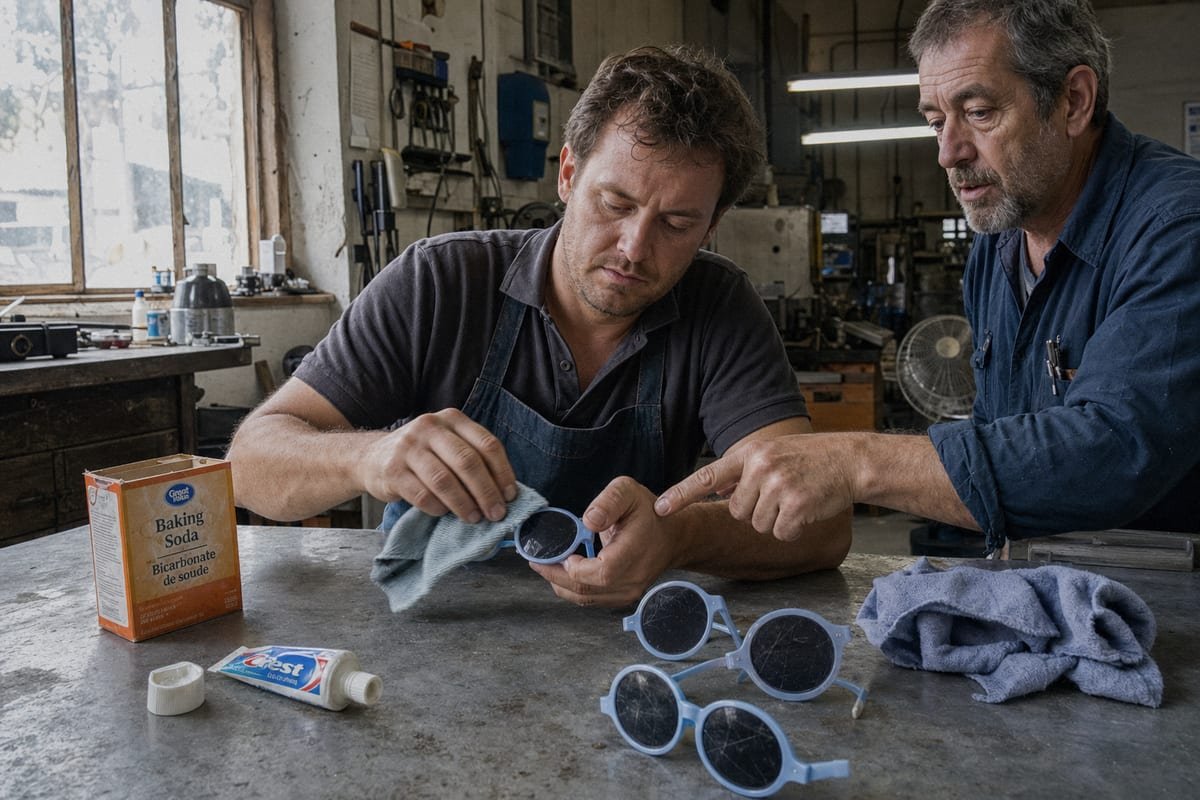
أتفهم غريزة الإصلاح. تبدو رمي زوج من النظارات الشمسية إهدارًا بسبب خدش واحد. لكن الفيزياء تعمل ضدك. العدسة هي سطح بصري دقيق. أي إصلاح إما يملأ الخدش بمادة لها معامل انكسار مختلف، أو يصقل السطح المحيط ليتناسب مع الخدش. كلا النهجين يخلقان منطقة تشوه جديدة - غالبًا ما تكون أكبر وأكثر ضبابية من العلامة الأصلية.
ما تفعله "الإصلاحات" الشائعة في الواقع
| طريقة DIY | ما يحدث حقًا | هل هو آمن لعدسات الأطفال؟ |
|---|---|---|
| معجون الأسنان أو صودا الخبز | معجون كاشط يزيل طلاء مقاوم للخدش وأي طلاء مرآة، تاركًا بقعة ضبابية | لا |
| منتجات الشمع أو الحشو | تملأ الأخدود مؤقتًا، ثم تغسل وتجمع الأوساخ | لا |
| مجموعات تلميع تجارية | تخفف أحيانًا من الخدوش الضحلة على البلاستيك، ولكن النتائج غير متوقعة وتتأثر الطلاءات | Rarely worth it |
| Professional lens replacement | Restores full optical clarity and coating performance | نعم |
There is a second issue specific to children. Deep gouges weaken the structural integrity of the lens. Impact resistance is the whole reason we specify إطارات البولي كربونات والإطارات المرنة 4 for kids in the first place. A compromised lens can crack or pop out of the frame during a fall on the playground — exactly the moment protection matters most.
My practical rule for parents and for the brands we supply: if the scratch is peripheral and cosmetic, keep using the pair and monitor it. If it sits in the central viewing zone, causes complaints, or shows any peeling coating or crazing — that web of heat-induced micro-cracks — retire the pair. For B2B buyers, this is also why we always recommend ordering a small percentage of overage stock, so warranty swaps never delay a customer.
ما هي مواد العدسات الأكثر مقاومة للخدش للأطفال النشطين؟
The trade-off we weigh on every new project is the same: hardness versus safety. Glass resists scratches beautifully, yet we would never put glass on a toddler's face. Here is how we think it through.
عدسات البولي كربونات مع طبقة صلبة مطبقة في المصنع توفر أفضل توازن للأطفال النشطين - مقاومة ممتازة للصدمات، وحماية مدمجة من الأشعة فوق البنفسجية UV400، ومقاومة جيدة للخدش. عدسات البولي كربونات غير المطلية تتعرض للخدش بسهولة، لذا فإن طلاء عالي الجودة مقاوم للخدش ضروري، وليس اختياريًا، لنظارات الأطفال.
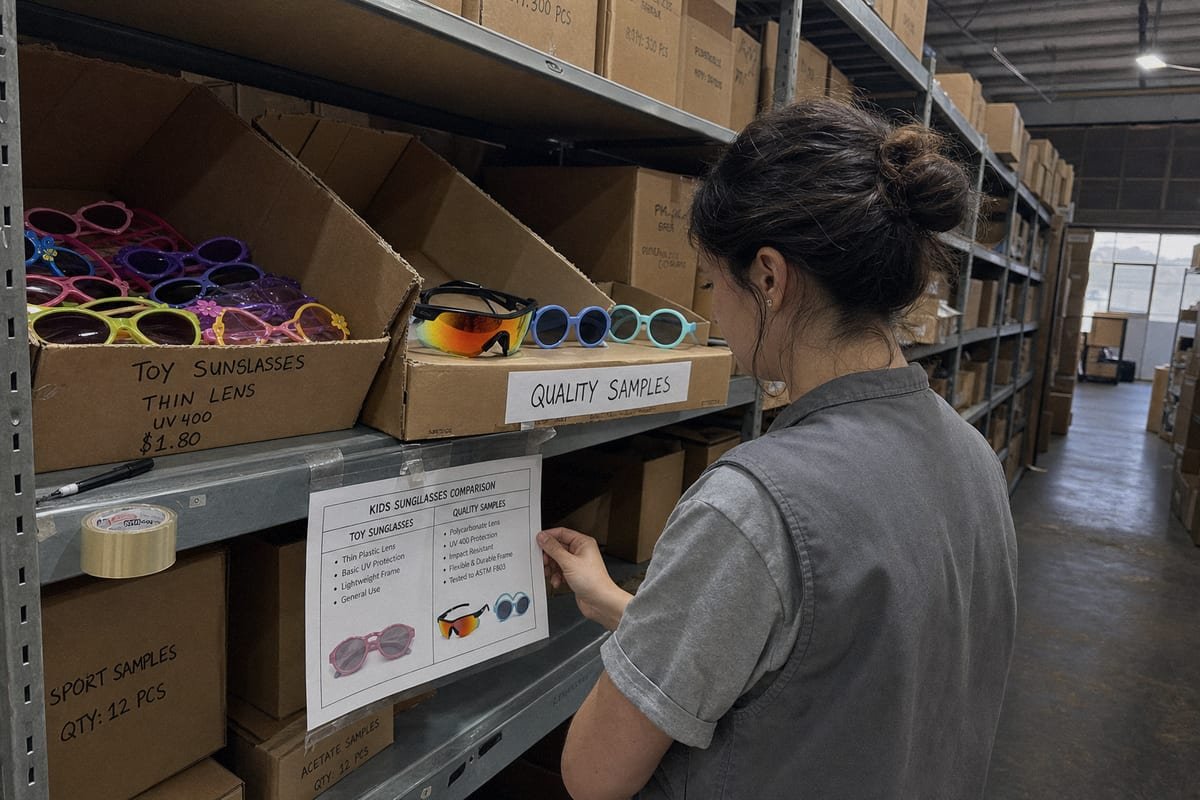
Let me be transparent about something the industry does not always explain. Polycarbonate — the gold standard for pediatric eye health and safety — is actually a soft material in its raw state. It bends instead of shattering, which is exactly why it protects children. But that same softness means bare polycarbonate scuffs quickly. The solution is the hard coating applied at the factory. The quality of that coating separates a lens that survives a season of sandbox abuse from one that hazes over in three weeks.
How the main options compare
| مادة العدسة | مقاومة الصدمات | مقاومة الخدش | UV Protection | الملاءمة للأطفال |
|---|---|---|---|---|
| Polycarbonate + hard coat | ممتازة | جيد | مدمج في المادة | Best all-around choice |
| TAC (polarized film laminate) | جيد | معتدل | Built in, with glare reduction | Good for beach and water use |
| راتنج CR-39 | معتدل | معتدل | Requires additive | Acceptable, heavier |
| Acrylic (toy grade) | ضعيف | ضعيف | Often coating only | Avoid |
| زجاج | سيء (يتشقق) | ممتازة | جيد | Never for children |
Coatings deserve their own mention. A scratch-resistant coating hardens the surface. An anti-reflective coating reduces internal reflections that cause eye strain, especially useful on optical frames. Mirror coatings on sport shields — like the gradient orange-to-teal lenses we produce for wraparound styles — look striking but sit on the outer surface, so they need a robust hard coat beneath them or they mark easily.
لـ خيارات الاستقطاب, TAC lenses cut reflected glare off water and snow, which protects حساسية التباين 6 — a child's ability to judge depth and spot obstacles in bright environments. When our clients build a premium line, we usually pair polarized TAC or coated polycarbonate lenses with flexible TR90 and TPEE frames, so both the lens and the frame survive real childhood.
كيف يمكنني اختيار مورد عدساته تبقى خالية من الخدوش لفترة أطول؟
A procurement manager from Japan once opened our meeting by dragging a steel wool pad across two lens samples — one ours, one from her previous supplier. Blunt, but effective. That test shaped how I advise buyers today.
اختر موردًا يحدد عدسات البولي كربونات أو TAC ذات الطلاء الصلب ذي العلامة التجارية، ويجري اختبارات التآكل والالتصاق، ويوثق الامتثال لـ UV400، ويتحكم في جودة الطلاء داخليًا أو من خلال شركاء مدققين. اطلب تقارير اختبار الطلاء وعينات مادية قبل الالتزام بأي طلب إنتاج.

Scratch resistance is decided long before a child ever wears the sunglasses. It is decided at the coating line 7, in the packing room, and in the supplier's quality culture. After fifteen years running our factory in Taizhou with a 5S-managed workshop, I can tell you the difference between suppliers is rarely the raw lens — it is everything wrapped around it.
أسئلة تستحق طرحها على أي مورد
- What hard coating do you use, and can you show abrasion test results? A serious factory tests coating durability and adhesion as routine QC, not as a special favor.
- Is UV400 protection compounded into the lens material? Insist on material-based protection, never a surface spray. Ask for transmission test documentation.
- How are lenses protected in transit? Individual poly bags, protective film on mirror lenses, and cases or pouches prevent the scuffs that trigger retail returns. We treat retail-ready packaging as part of the product, not an afterthought.
- Can I test real samples first? With around 800 existing styles in our catalog, we encourage buyers to order samples, abuse them, and compare — before investing in molds or large orders. Launching from proven tooling lowers your risk and your timeline.
- What happens when a batch has a problem? Clear communication and a documented QC process matter more than any promise. Ask how defects are recorded, sorted, and prevented next run.
One more honest note: no coating makes a lens scratch-proof. A supplier who claims otherwise is overselling. What a good partner does is push scratch resistance as high as the material allows, then protect it with careful handling, inspection, and packaging — so the pair that reaches a child's face performs the way the brand promised.
الخلاصة
Minor scratches rarely end a pair's life; deep or central damage does. Judge the vision, not just the mark — and build on lenses engineered to resist scratches from day one.
ملاحظات ختامية
1. FDA regulatory standards for the impact resistance and safety of sunglass lenses. ↩︎
2. Technical overview of polycarbonate material properties in high-performance eyewear. ↩︎
3. Professional ophthalmology guide explaining how light scattering causes glare and visual discomfort. ↩︎
4. Background reference explains why polycarbonate is chosen for impact-resistant children’s eyewear. ↩︎
5. Technical explanation of how anti-reflective coatings improve visual clarity and reduce strain. ↩︎
6. Clinical resource explaining the importance of contrast sensitivity in visual perception and safety. ↩︎
7. Overview of optical coating processes used to enhance lens durability and performance. ↩︎
مقالات أخرى قد تعجبك
هل تبحث عن شريك موثوق به للنظارات للأطفال؟
استكشف أكثر من 800 نمط جاهز ودعم OEM/ODM كامل مصمم خصيصًا لعلامتك التجارية.
اتصل بنا English
  Español de México
  Deutsch
  Français
  日本語
日本語  العربية
  Português do Brasil