How to Translate UV Protection Test Data for Kids Sunglasses into Parent-Friendly Website Copy?
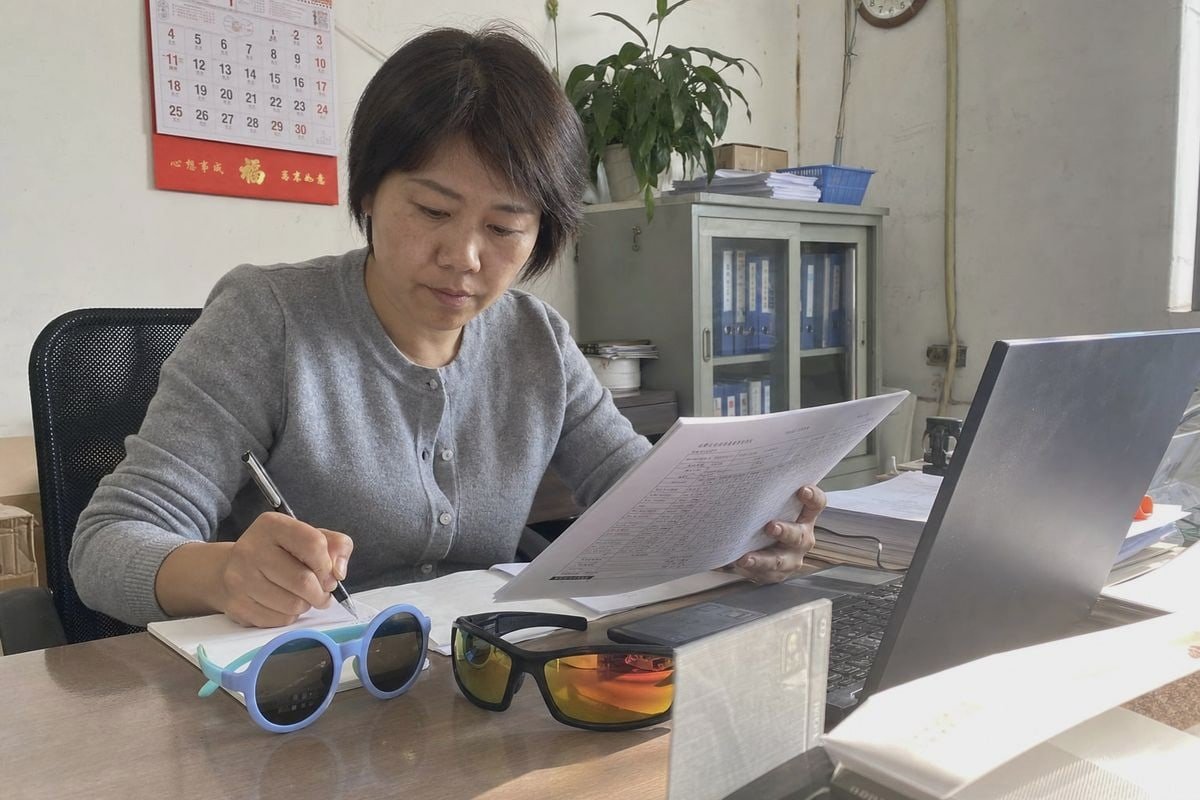
Turning UV protection test data for kids sunglasses into clear website copy is a challenge I see constantly when brands review lab reports from our Taizhou factory. The numbers are accurate, but parents can’t read them. And when parents don’t understand, they don’t buy — or worse, they buy on tint color alone. The fix is a simple translation system, which I’ll walk you through below.
Translate UV protection test data by pairing each technical result with plain-language meaning: state the tested claim, explain it in one sentence, and connect it to a child’s eye health. For example, UV400 becomes “blocks UVA and UVB rays up to 400 nanometers — full-spectrum protection.”
That formula sounds simple. But getting it right requires knowing which data to request, how standards work, and where legal risk hides. Let’s go step by step.
What UV protection test data should I request from my sunglasses manufacturer before writing product copy?
Last spring, a buyer from an Australian baby brand asked me for "the UV certificate." I sent her four documents instead — because one certificate never tells the whole story.
Request the UV transmittance report showing percentage of UVA and UVB rays blocked, the lens category rating, the standard tested against (ANSI Z80.3, EN ISO 12312-1, or AS/NZS 1067), the test lab name and date, and impact-resistance results for the specific lens batch.

Copy is only as strong as the evidence behind it. Before you write a single product description, gather the full data package. In our experience exporting to 20+ countries, buyers who collect complete documentation up front write copy faster and face fewer compliance headaches later.
The five documents that matter
Here is what I recommend every brand request, and why each one feeds your copy:
| وثيقة | ما يخبرك به | What it lets you write |
|---|---|---|
| UV transmittance report | Percentage of UV passing through the lens (e.g., below 0.05%) | "Virtually all UV blocked in lab testing" |
| Lens category rating | Visible light transmission level (Category 0–4) | "Category 3 sun lenses for bright summer days" |
| Standard reference | ANSI Z80.3،, EN ISO 12312-1 1, or AS/NZS 1067 | "Tested to [standard] requirements" |
| Impact test results | Whether lenses survive drop-ball or similar testing | "Impact-resistant lenses 2 built for active play" |
| CE / regional declarations | Formal eye safety certifications for your market | "Certified for sale in the EU/US/AU" |
Why batch-level data matters
One thing many new brands miss: a certificate from two years ago may not cover the lenses in this season's shipment. At our workshop, we test lens batches as they come in, because coatings and materials can vary between suppliers. Ask your factory whether the report matches your actual production run. If they hesitate, that hesitation belongs in your risk assessment.
Also ask about wavelength range. Some reports measure transmittance only up to 380 nm, while a genuine UV400 مناسب 3 covers up to 400 nm. The difference sounds tiny. But it decides whether you can legally print "UV400" on your product page. Precision here protects both children's eyes and your brand's credibility.
How do I explain UV400 and lens category ratings in simple language parents will trust?
When we developed our two-tone TPEE kids' frames — the periwinkle-and-mint round style is a good example — the hardest part wasn't molding. It was helping brands describe the lenses without jargon.
Explain UV400 as "blocks 100% of UVA and UVB rays up to 400 nanometers — the full harmful spectrum." Explain lens categories as darkness levels for comfort, separate from UV safety: "Category 3 lenses cut bright glare; the UV400 rating protects the eyes."
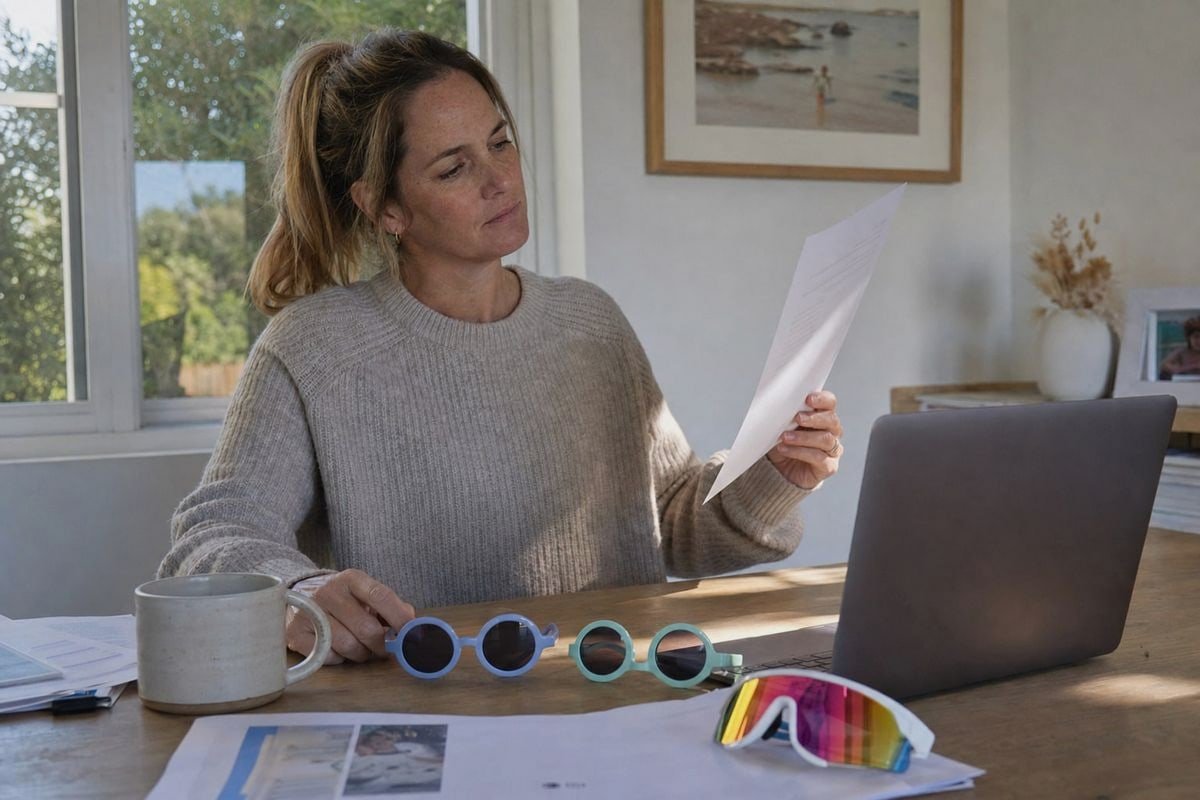
Parents don't need a physics lesson. They need two mental boxes: one for safety, one for comfort. Your copy's job is to keep those boxes separate, because most shoppers merge them — they assume darker means safer. It doesn't. UV protection is invisible and comes from the lens material, not the tint.
The two-box explanation
Box one is UV protection. This is the safety box. The UV400 rating means the lens filters ultraviolet light up to 400 nanometers, covering both UVA and UVB rays 4. This matters more for children because صحة عيون الأطفال 5 research shows kids' lenses are clearer and their pupils larger, letting more UV reach the retina than in adult eyes. Add the cumulative angle: a large share of lifetime UV exposure happens before adulthood, so childhood habits shape long-term vision.
Box two is comfort. Lens categories 6 describe visible light transmission — how dark the lens looks and how much glare it cuts. Here is a parent-friendly translation table you can adapt directly for a product page or FAQ:
| Technical term | Parent-friendly copy |
|---|---|
| UV400 مناسب | "Blocks the full range of harmful UVA and UVB rays — the invisible ones that damage growing eyes" |
| Category 3 sun lenses | "A comfortable darkness level for beach days, playgrounds, and bright sun" |
| Visible light transmission 8–18% | "Cuts glare so your child squints less outdoors" |
| Polarized lens option | "Reduces reflected glare from water and pavement — a comfort bonus on top of UV protection" |
Order matters: safety first, then comfort
Structure every product description the same way. Lead with the UV400 rating and the standard it was tested against. Then describe tint, polarized lens benefits, fit, and style. When we prepare retail-ready packaging for our OEM clients, we apply the same hierarchy on hang tags — safety claim on the front, comfort features on the back. Parents scan in that order, so your copy should too.
What claims can I safely make on my website without overstating our UV test results?
A European importer once asked us to approve the phrase "total protection from all sun damage" for a wraparound style we produce. I pushed back — and the reason is worth explaining.
Only claim what the test measured. Say "blocks 100% of UV rays in lab testing" or "UV400 protection verified to EN ISO 12312-1," not "protects against all sun damage." Tie every claim to a specific standard, wavelength, and test result you can document.
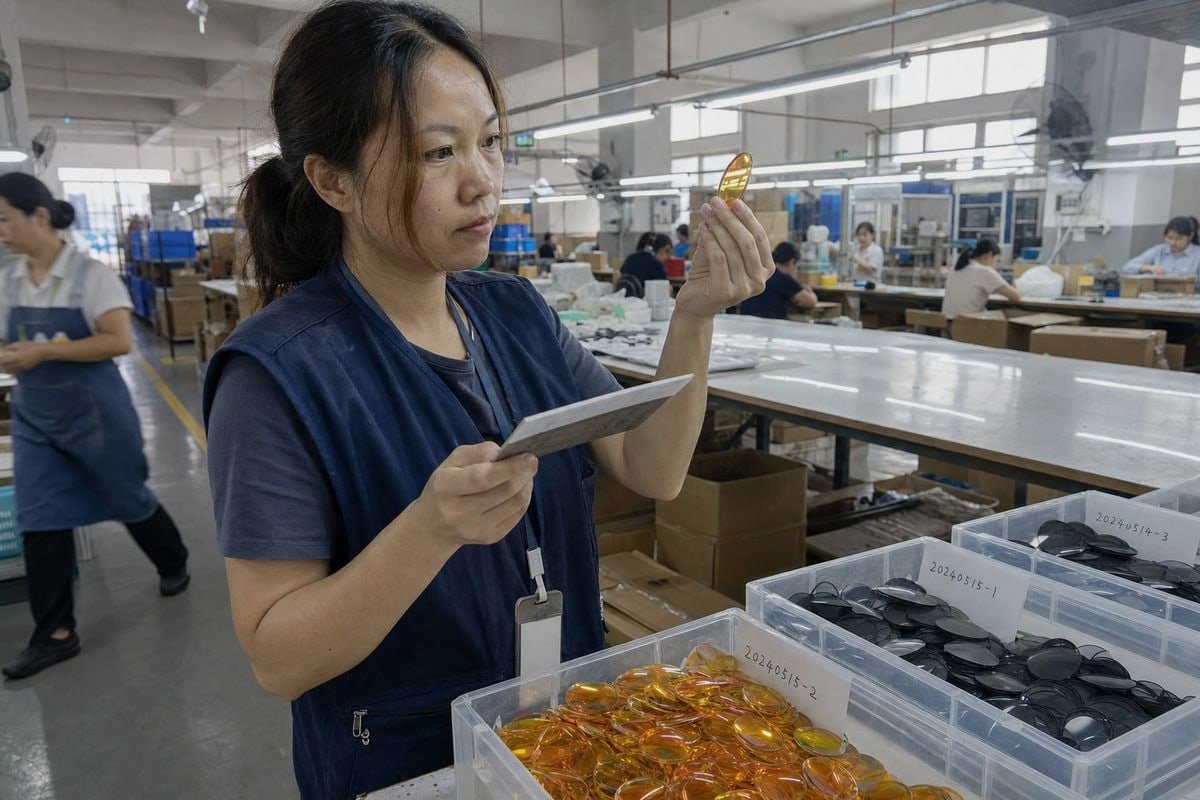
Overstatement is the fastest way to lose parent trust and attract regulatory attention. The good news: accurate claims are usually stronger anyway, because they sound credible rather than promotional. Product transparency sells better than superlatives with today's careful parents.
Safe versus risky claims
| Safe to write | Risky or wrong | لماذا |
|---|---|---|
| "Blocks 100% of UVA and UVB rays, tested to ANSI Z80.3 standards" | "Total protection from all sun damage" | UV tests measure ultraviolet transmittance only, not heat, blue light, or every solar effect |
| "0% UV transmission recorded in lab testing" | "Guaranteed to prevent eye disease" | A transmission result describes test conditions; it cannot promise medical outcomes |
| "Impact-resistant lenses tested for active play" | "Unbreakable" | Impact tests have defined limits; absolute claims invite liability |
| "Polarized lenses reduce reflected glare" | "Polarized means safer for eyes" | Polarization is a comfort feature, not proof of UV blocking |
| "UV protection verified in independent lab testing" | "Premium superior sun safety" | Vague quality words have no measurable basis |
Three rules I give every brand we work with
First, anchor claims to standards. "Tested to ANSI Z80.3 standards" or "meets EN ISO 12312-1" is verifiable and confidence-building. Second, describe the test, not a promise. "No measurable UV passed through the lens in testing" is honest; "your child's eyes are 100% safe" is not. Third, avoid implying that home checks prove anything. Some parents test lenses with UV flashlights — fine as a curiosity, but your copy should point to optometrist photometer testing and formal eye safety certifications as the real verification.
Interestingly, published testing of نظارات الأطفال الشمسية 7 in US retail found even inexpensive pairs blocking UV fully. Use that carefully: reassure parents that affordable can be safe when verified, but never imply that all cheap sunglasses are safe without documentation.
How do I turn lab certificates into visuals or icons that reassure parents at a glance?
Reviewing product pages with our OEM clients, I've noticed a pattern: the pages that convert best show protection, they don't just state it. A dense PDF certificate persuades no one at a glance.
Convert certificates into simple trust icons — a UV400 shield badge, a "100% UVA/UVB" seal, an impact-resistance symbol, and a "lab tested" checkmark — each linked to the underlying report. Pair every icon with a five-to-eight-word plain-language caption.

Online shoppers cannot flip over a hang tag the way they would in a store. Your product page has to replace that in-hand inspection. Visual trust signals do the heavy lifting, and they work because they compress a whole lab report into a two-second read.
A four-step process for building trust visuals
- Extract the claim. Pull one verified fact from each certificate: UV400 rating, standard reference, impact test pass, lens category.
- Design one icon per claim. A shield for UV, a checkmark for lab testing, a bounce symbol for impact-resistant lenses. Keep icons consistent across your product line.
- Write a micro-caption. "Blocks 100% UVA & UVB" beats "Certified per EN ISO 12312-1 Clause 5.2." Save the standard reference for a tooltip or linked page.
- Link to the evidence. Make each badge clickable, opening the actual test summary. This is product transparency in action — most parents won't click, but knowing they could builds trust.
Where to place them
Put the UV badge row directly under the product title, before price and color options. Repeat one badge in the image gallery — for our sport wraparound shield styles, brands often overlay a "full-coverage UV400" callout on the lifestyle shot, since the wide visor lens visually communicates coverage on its own. Add a short "How we test" section further down the page with a photo of a photometer or lab setting. Finally, mirror the same icons on your packaging so the online promise matches the in-hand product. Consistency between screen and box is what turns a first purchase into repeat trust.
الخلاصة
Parents can't read lab reports, and vague copy loses their trust. Translate UV protection test data honestly — claim, plain meaning, child benefit — and your product pages will reassure at a glance. Our factory team is always glad to supply the documentation that makes it possible.
ملاحظات ختامية
1. Wikipedia entry explaining the EN ISO 12312-1 European standard for sunglasses UV protection. ↩︎
2. Polycarbonate is the material typically used to make impact-resistant sunglasses lenses. ↩︎
3. Explains the ultraviolet spectrum and wavelength ranges referenced by UV400 lens ratings. ↩︎
4. EPA sun safety resource explains UVA/UVB radiation and protective measures like eyewear. ↩︎
5. NIH’s National Eye Institute is an authoritative source on children’s eye development and UV risk. ↩︎
6. Background on sunglasses lens category ratings and visible light transmission standards. ↩︎
7. FDA sun safety guide with specific recommendations for protecting children’s eyes from UV radiation. ↩︎
مقالات أخرى قد تعجبك
August 1, 2026
هل يجب على المصنع التعامل مع تغليف ووضع ملصقات نظارات الأطفال الشمسية، أم استخدام مورد مخصص؟

August 1, 2026
مستودع خاص مقابل الوفاء المباشر من المورد: أيهما يقلل تكاليف الإرجاع لعلامات نظارات الأطفال الشمسية؟

August 1, 2026
مباشر إلى ميناء المستودع أو التخزين الخارجي: أيهما يوفر أكثر على شحن نظارات الأطفال الشمسية؟
هل تبحث عن شريك موثوق به للنظارات للأطفال؟
استكشف أكثر من 800 نمط جاهز ودعم OEM/ODM كامل مصمم خصيصًا لعلامتك التجارية.
اتصل بنا English
  Español de México
  Deutsch
  Français
  日本語
日本語  العربية
  Português do Brasil