كيفية تدريب الموظفين على قياس إطارات الأطفال البصرية للحصول على مقاس دقيق؟
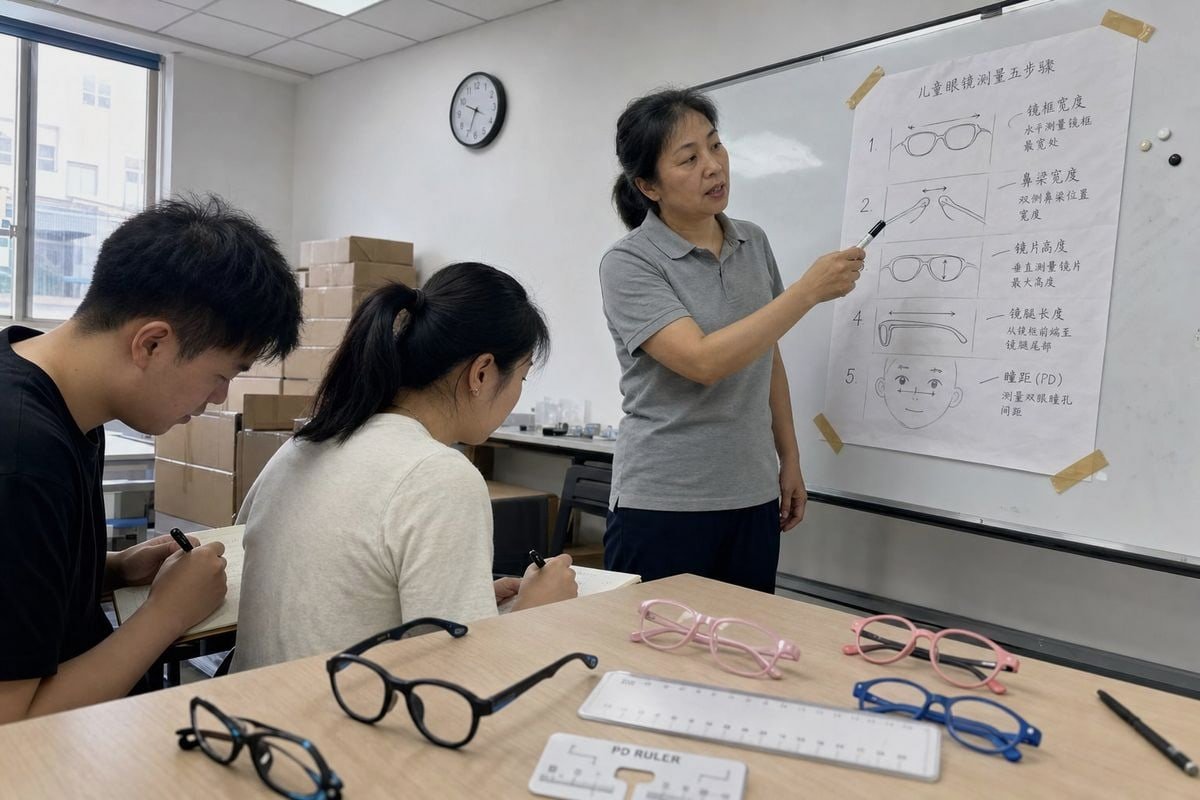
تعليم الموظفين قياس إطارات الأطفال البصرية يبدو بسيطًا حتى يرفض طفل يبلغ من العمر أربع سنوات الجلوس بثبات المسافة بين الحدقتين أحادية العين 1. في مصنعنا في تايتشو، نسمع هذا الإحباط من مشتري النظارات باستمرار. التركيب غير المدرب جيدًا يعني المرتجعات، والإطارات المنزلقة، والآباء الذين لا يعودون أبدًا. الحل هو نظام تدريب قابل للتكرار - وبعد 15 عامًا من بناء إطارات TR90 و TPEE للأطفال للعلامات التجارية في أكثر من 20 دولة، يمكنني أن أريك بالضبط كيف تبني واحدًا.
درب الموظفين على قياس إطارات الأطفال البصرية عن طريق تعليم خمس قياسات أساسية أولاً - عرض العدسة، وعرض الجسر، وطول الذراع، والمسافة بين الحدقتين، وارتفاع التركيب - ثم اقترن هذه الأرقام بأدوات صديقة للأطفال، وقائمة تحقق من المقاسات المكتوبة، ومهارات الضبط بعد التركيب التي تم التحقق منها على وجه الطفل.
أدناه، أقوم بتقسيم هذا إلى أربع وحدات تدريبية. كل منها يغطي ما يجب تعليمه، والأدوات التي يجب توزيعها، والأخطاء التي أراها في أغلب الأحيان في الميدان.
ما هي القياسات التي يجب أن أعلم موظفيي أخذها أولاً عند تركيب إطارات الأطفال؟
أعاد موزع في أستراليا شحنة كاملة ذات مرة لأن موظفيه الجدد طلبوا حسب عرض العدسة فقط. علمني هذا الدرس المكلف: يجب أن يبدأ تدريب القياس بالصورة الكاملة.
يجب على الموظفين أولاً تعلم نظام التغليف - عرض العدسة (أ)، وارتفاع العدسة (ب)، والمسافة بين العدسات (DBL) - يليه طول الذراع، والمسافة البؤبؤية الأحادية، وارتفاع التركيب. يتم تسجيل جميع القيم بالمليمتر ويتم التحقق منها مقابل وجه الطفل، وليس فقط ملصق الإطار.
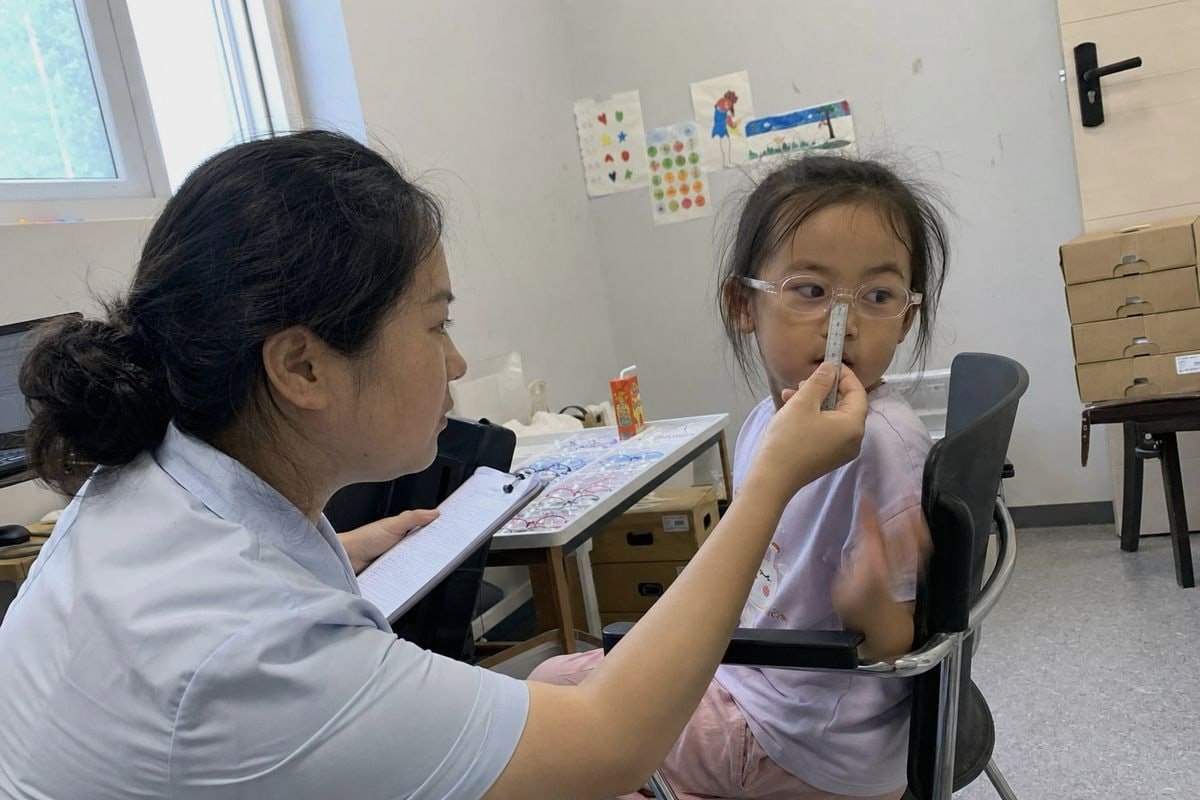
تقنيات صرف الأطفال 2 تختلف عن تركيب الكبار لأن وجوه الأطفال لا تزال في طور النمو. جسور أنوفهم مسطحة، وآذانهم تجلس بشكل مختلف، وتناسق وجوههم أقل قابلية للتنبؤ. لذلك لا يمكن لموظفيك الاعتماد على عادات الكبار. إنهم بحاجة إلى ترتيب قياس محدد يعمل حتى عندما يتحرك الطفل.
تسلسل القياس الأساسي
أوصي بتعليم القياسات بهذا الترتيب، لأن كل خطوة تبني على الخطوة السابقة:
- عرض الإطار وعرض العدسة (قياس A) - يجب أن يتطابق الجزء الأمامي من الإطار مع عرض وجه الطفل دون الضغط على الذراعين للخارج.
- عرض الجسر والتركيب (DBL) - أهم رقم في عمل الأطفال، لأن جسر أنف الطفل غير المتطور يحمل معظم وزن الإطار.
- طول الذراع الجانبي - مقاس من المفصل إلى أعلى الأذن، مع بدء الانحناء بالضبط عند قمة الأذن.
- قياس المسافة بين الحدقتين - المسافة بين الحدقتين أحادية العين كلما أمكن ذلك، لأن وجوه الأطفال غالبًا ما تتطور بشكل غير متماثل.
- ارتفاع التركيب / المركزية الرأسية - ضروري للوصفات الطبية الأقوى، حيث تخلق الأخطاء الصغيرة موشورًا غير مرغوب فيه.
مرجع سريع لتدريب الموظفين
| قياس | ماذا يتحكم | لماذا هو أكثر أهمية للأطفال |
|---|---|---|
| عرض العدسة (A) | حجم العدسة الأفقي | يجب أن تتمركز عيون الأطفال في عدسات أصغر |
| عرض الجسر (DBL) | توزيع الوزن على الأنف | تسبب جسور الأطفال المسطحة الانزلاق |
| طول الذراع الجانبي | الإمساك خلف الأذن | يتحرك الأطفال باستمرار؛ الإمساك يمنع الانزلاق |
| المسافة بين الحدقتين أحادية العين | محاذاة المركز البصري 3 | عدم تناسق الوجه شائع عند الأطفال |
| ارتفاع التركيب | المركزية الرأسية | الوصفات الطبية القوية تضخم الأخطاء الرأسية |
علم الموظفين أن هذه معايير التركيب للأطفال 4 تعمل معًا. المسافة بين الحدقتين المثالية لا تعني شيئًا إذا سمح الجسر للإطار بالانزلاق لأسفل 5 مم. لهذا السبب يصمم مهندسونا إطارات ذات تلامس قابل للتعديل لجسر السيليكون - لا يمكن لموضع الجسر التشريحي لطفل صغير دعم جسر صلب بأسلوب الكبار.
ما هي الأدوات التي أحتاج إلى توفيرها لفريقي للحصول على مقاسات دقيقة للأطفال؟
عندما نجري جلسات اختبار التركيب على عينات إطارات قبل الإنتاج الضخم، يستخدم فريق مراقبة الجودة لدينا قائمة أدوات قصيرة بشكل مدهش. المعدات باهظة الثمن تساعد، لكن الاتساق أهم من التكلفة.
جهز فريقك بمسطرة PD بالمليمتر، ومقياس بؤبؤي للقراءات أحادية العين، وقلم ضوئي لفحص منعكس القرنية، وسخان إطارات لتعديل طول الصدغ، وأقلام تحديد لارتفاع التركيب. تساعد أدوات التوسيط الرقمية الاختيارية مع الأطفال الذين لا يستطيعون الجلوس بثبات.
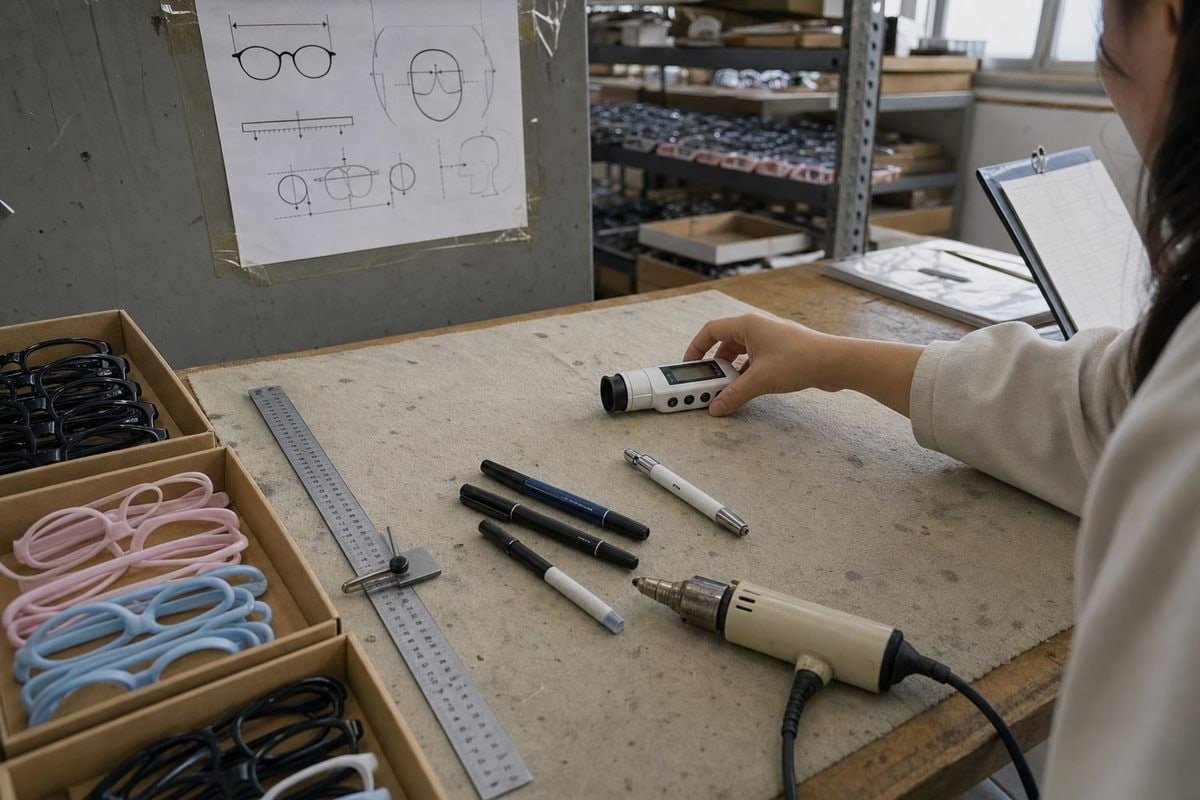
يثير سؤال الأدوات دائمًا اعتراضًا من المشتري أسمعه من شركات النظارات: "ألا يمكن للآباء القياس في المنزل باستخدام مسطرة قابلة للطباعة؟" إجابتي الصادقة هي لا - ليس للعمل بالوصفات الطبية. القياس المنزلي يعطي تقديرًا تقريبيًا للحجم، لكن صرف النظارات الاحترافي يحتاج إلى محاذاة مركز بصري تم التحقق منها وضبط نهائي على وجه الطفل. لهذا السبب تظل أدوات الموظفين وتدريب الموظفين هما المعيار، ولهذا السبب نوصي دائمًا شركاء البيع بالتجزئة للنظارات لدينا بالاستثمار في مجموعة أدوات مناسبة.
مجموعة الأدوات الأساسية، مصنفة حسب الميزانية
| فئة | أدوات | الأفضل لـ |
|---|---|---|
| أساسي | مسطرة المسافة بين الحدقتين بالمليمتر، قلم ضوء، قلم تحديد | New shops, low volume |
| معيار | Pupilometer, frame warmer, adjustment pliers with nylon jaws | Most optical retailers |
| Advanced | Digital centration device, 3D facial scanning | High-energy kids, high-Rx work |
Why the Penlight Deserves Special Training
A pupilometer assumes the child will hold still and fixate. Many will not. Teach staff the corneal reflex method 5: hold a penlight at your eye, ask the child to look at the light, and mark the reflection points on the demo lenses. It takes seconds. For pre-verbal children, canthus-to-canthus estimates work as an accepted fallback.
Sensory-Friendly Considerations
Some children — especially neurodivergent kids — react badly to face-contact tools and clicking adjustment sounds. Provide non-contact options where possible, and train staff to perform quiet, off-face frame adjustments. In our own product development, this insight pushed us toward flexible TPEE temples that can be shaped gently by hand, without loud heating equipment near a nervous child.
Finally, remind staff that no tool replaces observation. A digital scanner can capture vertex distance and pantoscopic tilt precisely, but only a trained human notices that the child tilts her head down when reading a tablet.
كيف يمكنني إنشاء دليل مقاسات بسيط يمكن لموظفي اتباعه في كل مرة؟
بسيط ومتكرر عن قصد. نأخذ الأذرع من دفعة إنتاج ونطويها بشكل مسطح، ثم نطويها في الاتجاه الآخر، ونكرر ذلك. نقوم أيضًا بلف الواجهة ونتحقق من عودة حواف العدسة إلى شكلها. مع TPEE، يعود الذراع إلى موضعه الأصلي ولا يظهر السطح أي تبييض أو تشقق. مع السيليكون الحقيقي، تتمدد المادة وتفقد استعادتها ببطء. مع المطاط الناعم الرخيص، يبدأ السطح في التشقق بعد الانحناء المتكرر. هذا ما يعنيه الناس عندما يقولون أن TPEE يمكن ثنيه 180 درجة دون تشقق. إنها مقاومة التعب، وليس مجرد المرونة، هي التي تحدث فرقًا على مدار العام الدراسي. ورشة عمل مدارة بنظام 5S 6 taught me something that applies directly to optical retail: written standards beat memory. When 120 workers follow one checklist, quality stays consistent. Your fitting counter deserves the same discipline.
قم بإنشاء قائمة تحقق ورقية مغلفة بالبلاستيك تغطي مثلث القياس، ووضعية قياس مستوى العين، والمسافة بين الحدقتين أحادية العين، وتلامس الجسر، ومدى الذراع، واختبار الحركة الديناميكي. اطلب من الموظفين إكمال كل سطر قبل الطلب، وأعد التحقق من الملاءمة عند الاستلام.
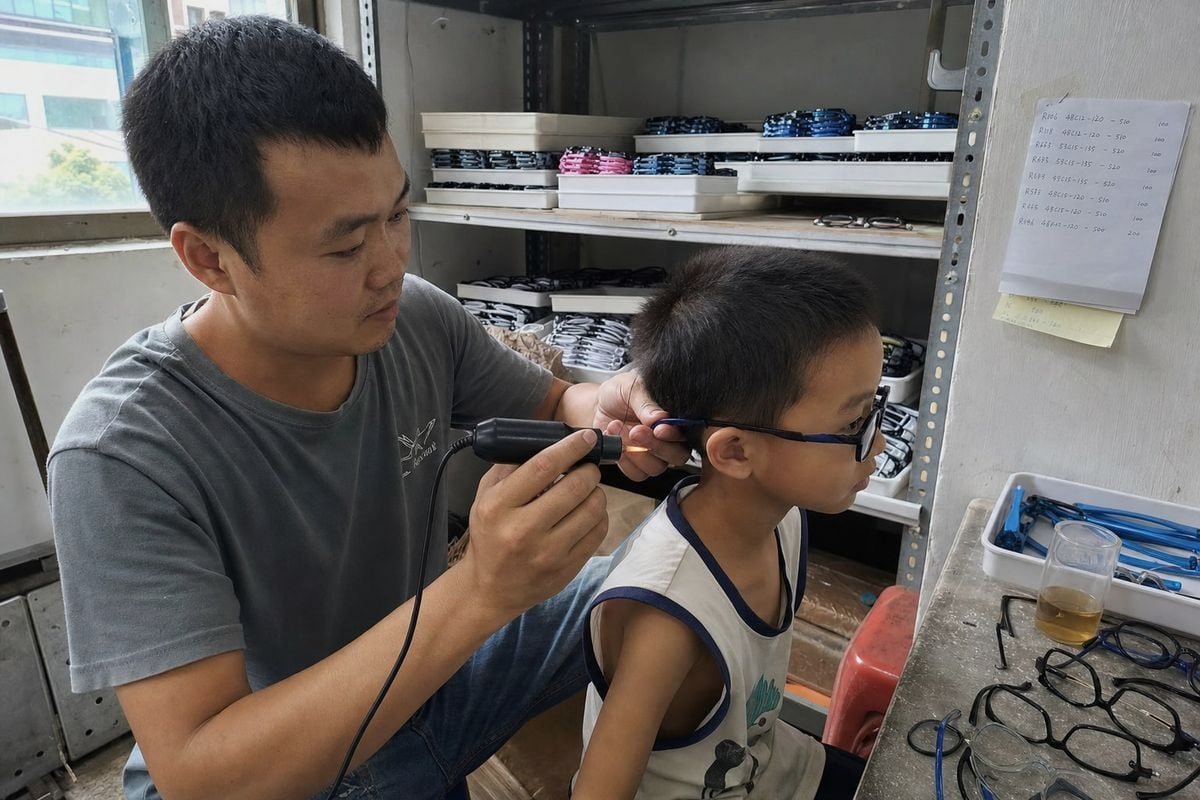
A good sizing guide turns pediatric dispensing techniques into a repeatable routine. The goal is not a perfect single number. The goal is a process every staff member follows the same way, whether the child cooperates or squirms.
The Fitting Triangle Rule
Build your guide around one central principle: a correctly sized frame touches the child only at three points — the nose and the top of each ear. Contact anywhere else means the size is wrong or the frame alignment standards 7 were not met. This "fitting triangle" gives staff a fast visual check that requires no tools at all.
A Checklist Template You Can Adapt
| خطوة | فحص | معايير النجاح |
|---|---|---|
| 1 | Sit at the child's eye level | Never measure from above; adult chairs skew fitting height |
| 2 | Fitting triangle | Contact only at nose and ear tops |
| 3 | توسيط العين | Pupils centered horizontally and vertically in each lens |
| 4 | Bridge width and fit | No gap, no pinching; weight spread across the nose |
| 5 | Temple check | Bend starts at the ear's apex; no outward bowing |
| 6 | Monocular PD recorded | Both values written in millimeters |
| 7 | Dynamic fit test | No slipping while the child plays or looks at a tablet |
| 8 | Cross-reference | Compare A, B, and DBL against current well-fitting frames |
Train the Dynamic Fit Test
Static measurement misses real-world behavior. Have the child jump, look down at a tablet, or shake their head. Watch for slippage points. Our flexible TR90 frames with TPEE temples were designed around exactly this reality — active kids test glasses harder than any adult ever will. Your staff should test the same way.
Also teach the cross-reference habit: when a child already owns well-fitting glasses, record their A, B, and DBL numbers as a sizing baseline before showing new frames.
ما هي أخطاء التركيب الشائعة التي يجب أن أدرب موظفي على تجنبها؟
Reviewing warranty returns from our optical partners over the years revealed a clear pattern. Most "defective" frames were not defective at all. They were mis-measured or never adjusted after dispensing.
تدريب الموظفين على تجنب خمسة أخطاء: القياس من طول البالغين بدلاً من مستوى عين الطفل، واستخدام PD ثنائي العين على الوجوه غير المتماثلة، وتجاهل صدغ القوس، وتخطي التوسيط الرأسي للوصفات الطبية القوية، ومعاملة القياس على أنه نهائي دون تعديل ما بعد الارتداء والتحقق من الاستلام.
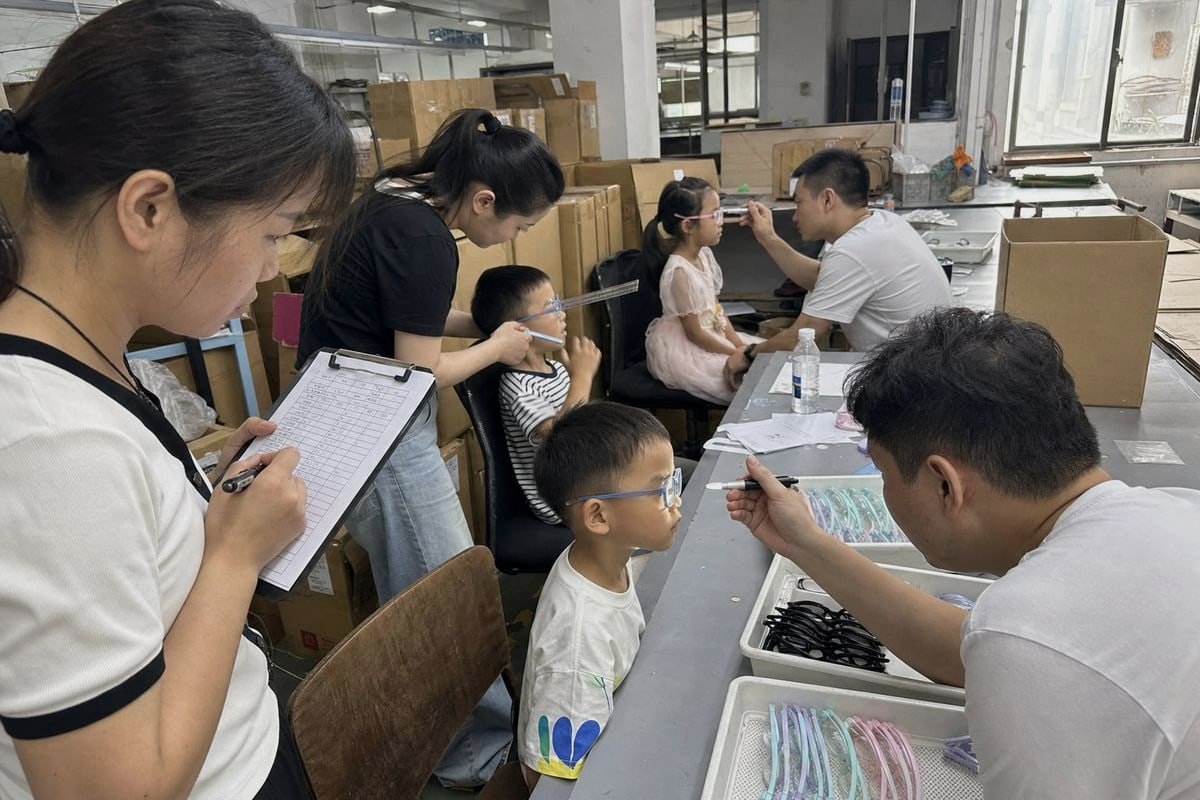
Every mistake below is preventable with training. I list them in the order of how often I see them cause returns.
Mistake 1: Measuring From the Wrong Posture
Staff who stand over a seated child record a skewed fitting height. Natural posture measurement means sitting at the child's eye level and letting the child hold a normal head position. This one habit change improves segment height accuracy immediately.
Mistake 2: Skipping Monocular PD
A binocular pupillary distance measurement assumes a symmetrical face. Many children do not have one. Splitting the measurement per eye protects optical center alignment, especially in stronger prescriptions where decentration creates unwanted prism.
Mistake 3: Ignoring Temple Bow
If the temple arms flare outward when worn, the frame is too narrow. The child will get red pressure marks, and the glasses will creep forward, increasing vertex distance and degrading the prescription's effect. Teach staff to check temple spread from above the child's head.
Mistake 4: Forgetting Vertical Centration
For higher prescriptions and high-index lenses, small vertical errors carry big optical consequences. Staff should mark fitting height with the frame adjusted and worn — not flat on a table.
Mistake 5: Treating the Sale as the Finish Line
A pediatric fit is a process, not a measurement. Final pantoscopic tilt, nose contact, and temple bend must be refined after the child wears the frame. And when a child was too uncooperative for precise in-chair numbers, a "best estimate plus pickup verification" approach beats forcing a stressed child through repeated attempts. Build a mandatory re-check at delivery into your workflow — adjustments change effective height and alignment, so the pickup appointment is where accuracy is truly confirmed.
الخلاصة
Untrained staff cost you returns and trust. Train them on core measurements, proper tools, a written checklist, and post-fit adjustment — and kids' optical frames will fit right every time.
ملاحظات ختامية
1. Explains the pupillary distance concept central to this measurement step. ↩︎
2. CDC provides authoritative background on children’s vision health relevant to pediatric dispensing. ↩︎
3. WHO fact sheet gives global context on vision correction accuracy and optical alignment importance. ↩︎
4. NIH’s National Eye Institute offers authoritative guidance on pediatric vision fitting factors. ↩︎
5. Background on the corneal reflex technique referenced for PD estimation. ↩︎
6. Explains the 5S methodology used as the analogy for staff checklist discipline. ↩︎
7. Globally recognized reference providing an overview of technical fitting and alignment standards for spectacle frames. ↩︎
مقالات أخرى قد تعجبك


هل تبحث عن شريك موثوق به للنظارات للأطفال؟
استكشف أكثر من 800 نمط جاهز ودعم OEM/ODM كامل مصمم خصيصًا لعلامتك التجارية.
اتصل بنا English
 Español de México
 Deutsch
 Français
 日本語
 العربية
 Português do Brasil