How to Set Up a Faster Reorder Process for Kids Optical Frames?
A faster reorder process for kids optical frames can save your brand weeks إدارة سلسلة التوريد 1. I have watched buyers lose entire selling seasons because their repeat orders stalled in our industry, and it still frustrates me.
To set up a faster reorder process for kids optical frames, save complete order data after the first purchase, lock mold and color specifications with your manufacturer, set automated reorder points based on real lead times, and build a standing agreement covering materials, QC standards, and shipping terms.
Below, I break this down into four practical steps. Each one comes from real reorder situations we handle every week at our Taizhou factory. Let’s start with the information you need before you even ask for a quote.
What information should I prepare before requesting a reorder quote?
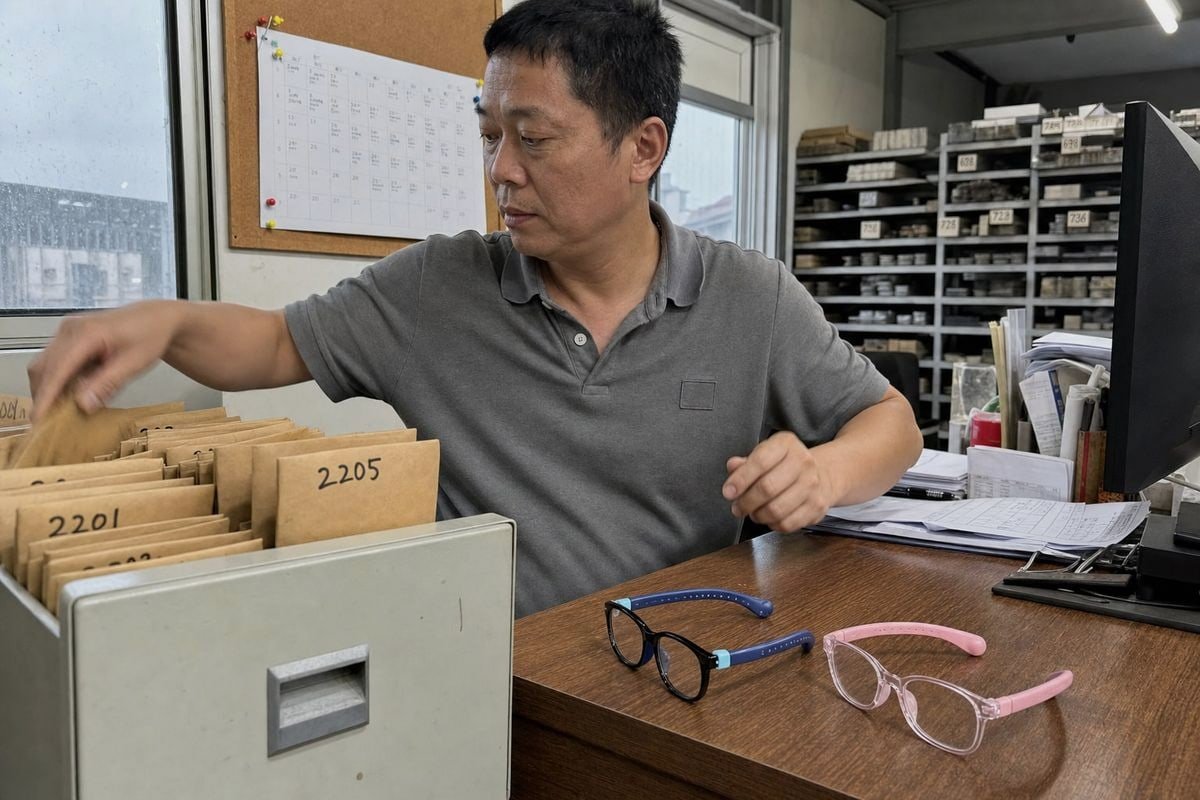
Last spring, a buyer from Australia emailed us asking to "reorder the blue kids frames from before." That single vague sentence cost us three days of back-and-forth emails.
Before requesting a reorder quote, prepare your original order number or PI reference, the exact style numbers, colors, and quantities per SKU, your logo and packaging files, target delivery date, shipping terms, and any changes from the previous order clearly marked.
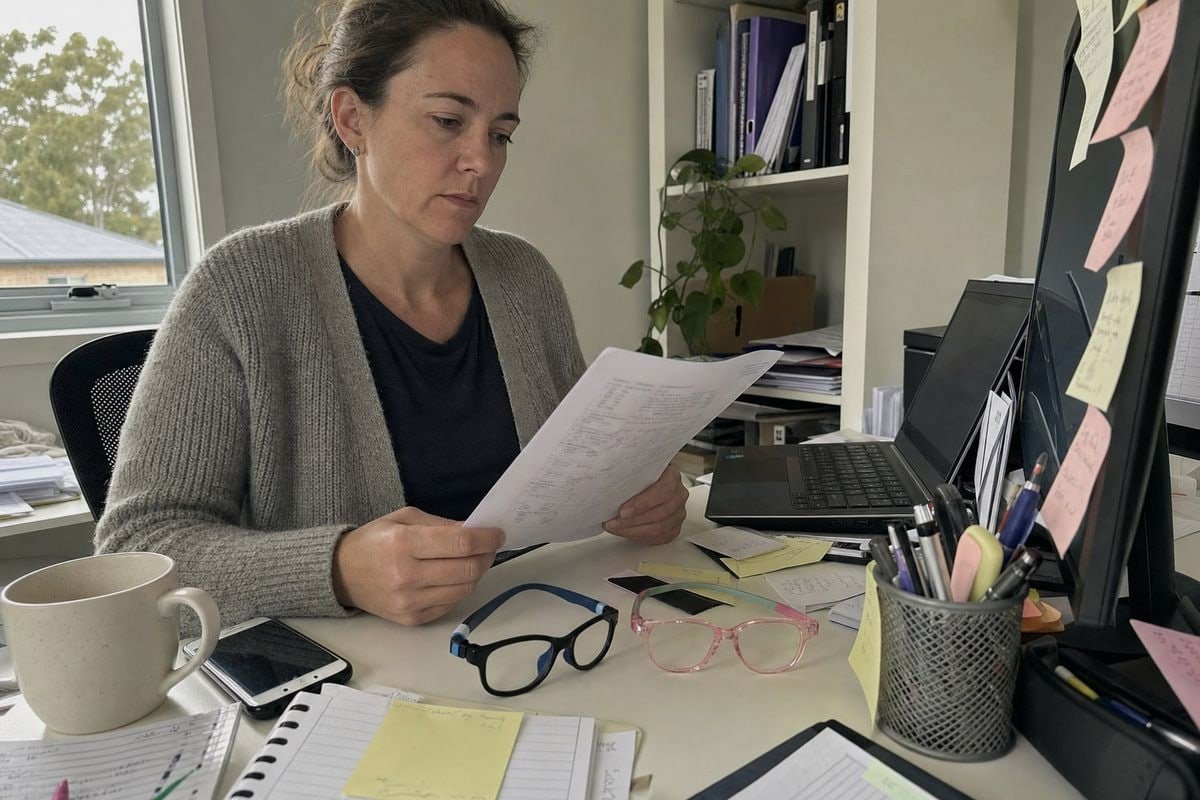
The single biggest cause of slow reorder quotes is incomplete information. When a buyer sends us a full spec sheet, we can usually confirm pricing and lead time within one working day. When they send a vague request, we have to dig through past records, ask clarifying questions, and wait for answers across time zones. Each round trip adds a day or more.
Build a reorder spec sheet from day one
Here is what I tell every new buyer: treat your first order as the template for every future order. After your first shipment arrives, save everything into one document. This becomes your master reorder file.
| Item to Prepare | Why It Speeds Things Up |
|---|---|
| Original PI or order number | Lets the factory pull your exact specs in minutes |
| Style numbers and color codes | Prevents guessing between similar SKUs |
| Quantity per SKU (size and color variant) | Enables accurate SKU tracking and material planning |
| Logo files and Pantone references | Avoids re-approving artwork from scratch |
| Packaging specs and inserts | Keeps retail-ready presentation consistent |
| Lens specifications | Confirms demo lens or Rx-ready requirements |
| Target delivery date and shipping terms | Lets the factory check the production calendar immediately |
Track at the variant level, not just the parent style
Many buyers only track the parent style. That is a mistake. In children's eyewear, the same frame often ships in four or five colorways and two sizes. Your inventory replenishment system 2 should record each variant separately. When you reorder, you can then tell us exactly which pink translucent frame in which size sold out first, and which black-and-navy sporty style with rubber temples needs topping up. That level of pediatric frame sizing and color detail turns a week of clarification into a same-day confirmation.
If you use optical practice management software or an e-commerce backend, export the sales report by SKU before you email your supplier. The numbers do the talking.
How can I avoid delays caused by mold or color changes on repeat orders?
One trade-off we weigh constantly on our production line is color consistency versus batch flexibility. TPEE and TR90 3 materials take color masterbatch differently across production runs, and small drifts can upset a brand's quality team.
To avoid mold and color delays on repeat orders, get written confirmation that your molds and color formulas are archived, keep approved color samples on both sides, choose existing styles instead of custom molds where possible, and flag any spec changes before the quote stage.
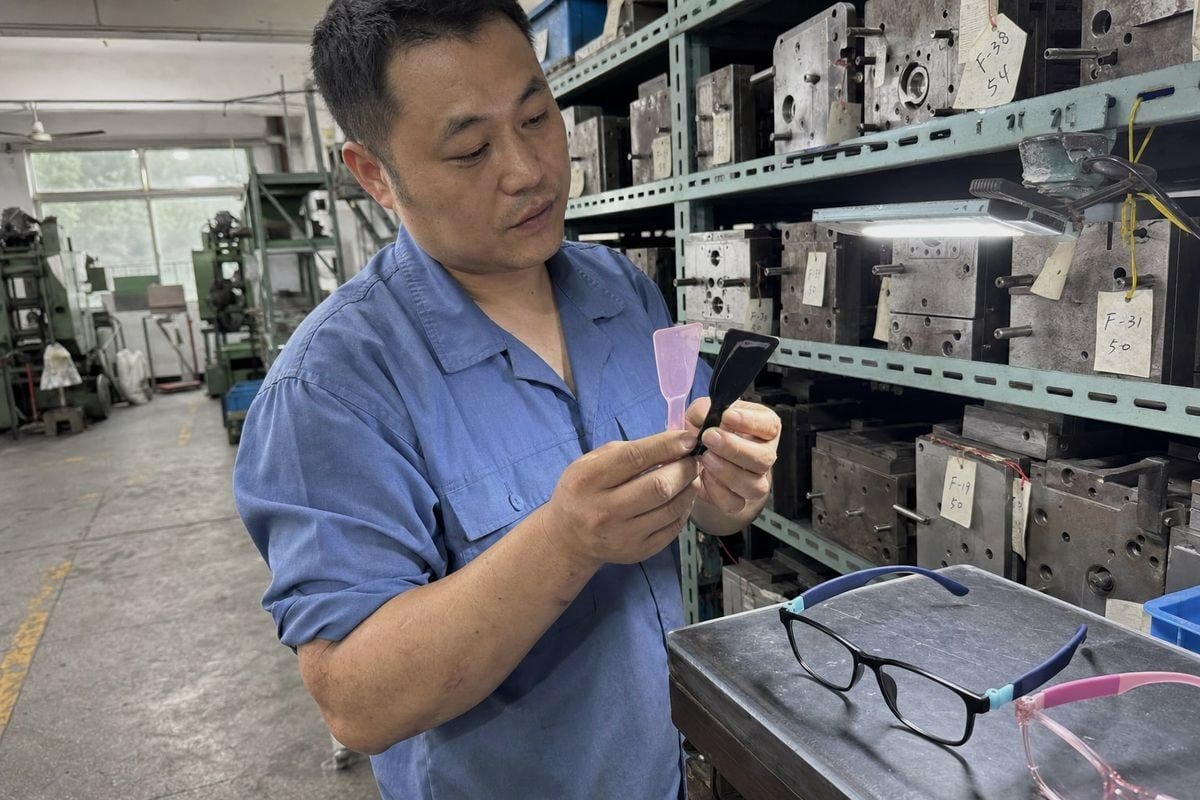
Mold and color issues are the silent killers of reorder speed. A standard repeat order flows straight into production. But if a mold needs repair, or a color needs re-matching, you can add two to four weeks without warning. Here is how to prevent that.
Confirm mold status before you commit
If your first order used a custom mold, ask your supplier two questions at reorder time. First, is the mold still in good condition? Second, is it reserved for your brand? At our factory, we archive customer molds and inspect them before every repeat run. But not every supplier does this. A cracked or worn mold discovered mid-production is far worse than one caught at the quote stage.
This is also why we encourage newer brands to start from our roughly 800 existing styles. Existing molds are maintained continuously because they run often. You skip mold investment entirely, and you skip mold-related reorder risk too. You can still customize colors, logos, lenses, and packaging on top of an existing base.
Lock colors with physical golden samples
Digital photos lie. Screens display the same soft pink acetate or navy rubber differently. The only reliable method is a physical golden sample, signed and kept by both the buyer and the factory. On repeat orders, our QC team checks new production against the retained sample under standard lighting before mass production continues.
Flag changes early, never mid-quote
A buyer objection I hear often: "Small changes shouldn't slow things down." In reality, even changing a temple tip color means new masterbatch mixing, a new sample, and a new approval loop. Speed and customization pull in opposite directions. My advice is honest: if the child-facing product works, reorder it unchanged and batch your improvements into a planned update once or twice a year. That protects your lead time optimization without freezing your product line forever.
What lead times can I realistically expect for reordering kids optical frames?
A procurement manager from Japan once asked me why her reorder took five weeks when her friend's took two. The answer had nothing to do with effort. It was structure.
Realistic reorder lead times for kids optical frames range from 15 to 25 days for unchanged repeat orders of existing styles, 30 to 45 days for orders with color or packaging changes, and 45 to 60 days or more when new molds or major spec revisions are involved.
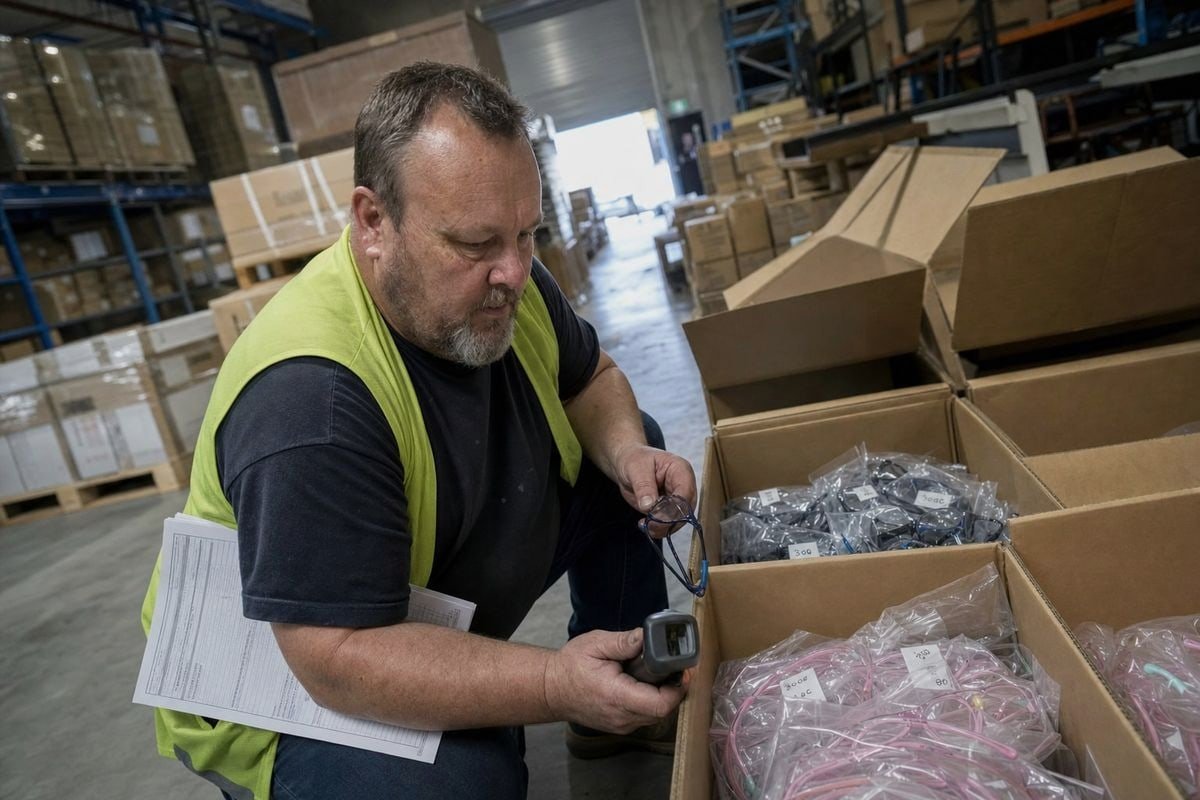
Lead time is not one number. It is a stack of stages, and each stage can be compressed or bloated depending on how the order is set up. Let me break down what actually happens after you confirm a reorder with us.
Where the days actually go
| المرحلة | Unchanged Reorder | Reorder with Changes |
|---|---|---|
| Quote and PI confirmation | 1-2 يوم | 3–7 days |
| Material and masterbatch preparation | 3–5 days | 7–12 days |
| Sample approval | Skipped (golden sample on file) | 5-10 أيام |
| Injection, assembly, and lens fitting | 7–12 days | 10–15 days |
| QC inspection and packing مراقبة الجودة 4 | 2–3 days | 3–5 days |
| Total before shipping | ~15–25 days | ~30–45 days |
Notice the biggest saving on unchanged reorders: the sample approval stage disappears entirely. That is why locking specifications matters so much.
Factors that stretch or shrink the timeline
Season matters. Orders confirmed just before Chinese New Year or during the pre-summer sunglasses rush face longer queues. Quantity matters too, but less than buyers assume; a well-planned 3,000-piece repeat order often ships faster than a rushed 500-piece order with three open questions.
Payment speed is another quiet factor. Production slots are usually reserved when the deposit lands. A three-day delay in payment can push you behind another order in the queue and cost a full week.
Finally, plan shipping honestly. Sea freight 5 to Europe or Australia adds four to six weeks; air freight cuts that to under a week but multiplies cost. For buyers running an inventory replenishment system, the practical move is to set automated stock alerts that trigger reorders early enough for sea freight, and reserve air freight for genuine emergencies like unexpected sell-through or a school-season spike.
How do I build a long-term reorder system with my eyewear manufacturer?
The lesson that shaped how we handle repeat business came from a European distributor who reordered the same six styles for four straight years. Their secret was not loyalty. It was systems.
Build a long-term reorder system by signing a standing supply agreement with fixed specs and QC standards, setting SKU-level reorder points tied to real lead times, sharing rolling sales forecasts with your manufacturer, and holding a brief quarterly review to adjust styles and volumes.
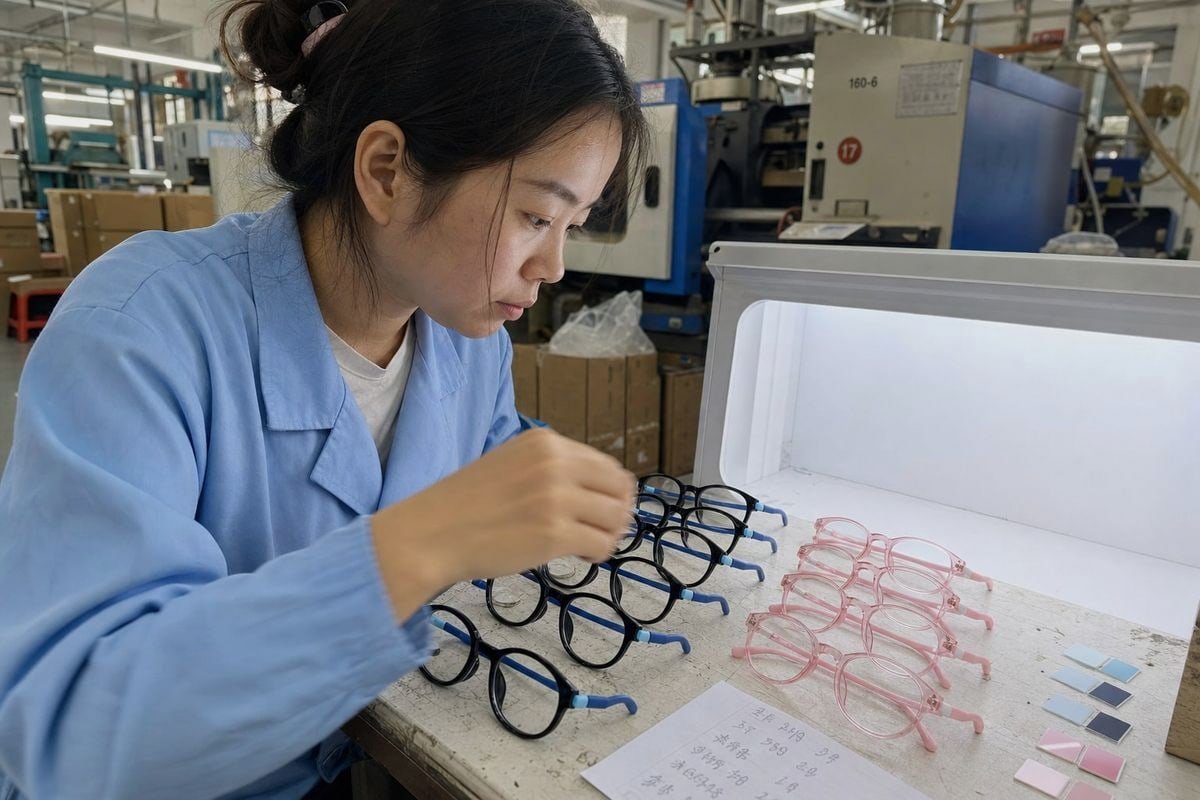
A one-off fast reorder is luck. A repeatable fast reorder is architecture. Here is the framework I recommend to buyers who want children's frames to arrive like clockwork.
Step 1: Formalize a standing agreement
Put your specifications, tolerances, materials, packaging, and inspection standards into one signed document. Include TR90 and TPEE material grades, color codes, logo placement, and safety requirements for children's products 6 in your market. Once this exists, every reorder becomes a purchase order referencing the agreement, not a new negotiation. Quotes turn around in hours.
Step 2: Set data-driven reorder points
Borrow discipline from optical retail. Good frame board management in an optical shop uses automated stock alerts at the SKU level, and your warehouse should do the same. A simple formula works:
| إدخال | مثال |
|---|---|
| Average monthly sales per SKU | 400 units |
| Factory lead time plus sea freight | 60 days (2 months) |
| Safety stock for breakage and returns | 1 month of sales |
| Reorder point | 400 × 2 + 400 = 1,200 units |
Kids' frames deserve a higher safety buffer than adult styles. Children break, lose, and outgrow glasses more often, so replenishment is a recurring operational need, not an exception. Larger retail groups automate this through Electronic Data Interchange 7 EDI links with wholesale eyewear suppliers; smaller brands can achieve most of the benefit with a shared spreadsheet and a monthly email.
Step 3: Share forecasts and review quarterly
Some buyers worry that sharing forecasts locks them in. It does not. A non-binding rolling forecast simply lets your factory pre-book material and reserve capacity. When your firm PO arrives, production starts days sooner. In our experience exporting to 20+ countries, buyers who share even rough quarterly numbers consistently get shorter, more predictable lead times than those who order cold. Frame buying groups use exactly this collective-planning logic to secure priority slots; an independent brand can replicate it through consistency alone.
Then hold a short quarterly call. Review sell-through by variant, retire weak colors, and add one or two fresh styles from the existing catalog. Your core reorder engine stays untouched and fast, while your range stays current.
الخلاصة
Slow reorders drain sales and trust. Fix them by saving complete specs, locking molds and colors, planning realistic lead times, and building a standing system with your kids eyewear manufacturer.
ملاحظات ختامية
1. Background concept underlying standing agreements and reorder point planning discussed. ↩︎
2. Authoritative Wikipedia entry explaining inventory management and replenishment systems. ↩︎
3. Background on TR90 material referenced in frame manufacturing specifications. ↩︎
4. ISO provides globally recognized standards for quality control processes referenced in QC inspection. ↩︎
5. General background on freight shipping methods discussed in lead time planning. ↩︎
6. CPSC provides authoritative safety standards for children’s products manufacturers must follow. ↩︎
7. Wikipedia background on EDI systems mentioned for automated reorder links. ↩︎
مقالات أخرى قد تعجبك
أغسطس 5, 2026
Bio-Based vs Regular Cellulose Acetate: What's the Difference for Kids' Frames?

أغسطس 5, 2026
How Recyclable Are Kids' Optical Frame Materials, and What Eco-Friendly Alternatives Exist?

أغسطس 5, 2026
Do Kids Optical Frames Whiten or Age in Storage, and How to Control Warehouse Conditions?
هل تبحث عن شريك موثوق به للنظارات للأطفال؟
استكشف أكثر من 800 نمط جاهز ودعم OEM/ODM كامل مصمم خصيصًا لعلامتك التجارية.
اتصل بنا English
  Español de México
  Deutsch
  Français
  日本語
日本語  العربية
  Português do Brasil