How to Negotiate Lower MOQ and Exclusive Designs for Co-Branded Kids’ Sunglasses?

Negotiating lower MOQ and exclusive designs for co-branded kids’ sunglasses feels impossible when factories quote 3,000 pieces per color. I see this frustration weekly on our production line in Taizhou. Brands stall, budgets freeze, and great co-branding ideas die before sampling. But after 15 years running eyewear projects for buyers in 20+ countries, I can tell you: both numbers are negotiable — if you make the deal low-risk for the factory.
To negotiate lower MOQ and exclusive designs for co-branded kids’ sunglasses, reduce the factory’s risk: start with existing molds, combine colorways under one total quantity, accept a 10–20% small-batch premium, pay a higher deposit, and request narrow exclusivity by colorway, channel, or time period instead of broad design ownership.
That is the short version. Below, I break down what a realistic MOQ looks like, how exclusivity actually works, and how to choose a partner who protects your brand.
What MOQ Can I Realistically Negotiate When Launching a Co-Branded Kids' Sunglasses Line?
A buyer from Australia once told me she had been quoted 5,000 pieces per SKU elsewhere and nearly abandoned her co-branded line. At our factory, we structured her first order very differently — and it worked.
Most factories will accept 50–70% of their listed MOQ for a first co-branded kids' sunglasses order, especially if you use existing molds, mix colors under one total quantity, pay a 10–20% higher unit price, or commit to a credible reorder plan.
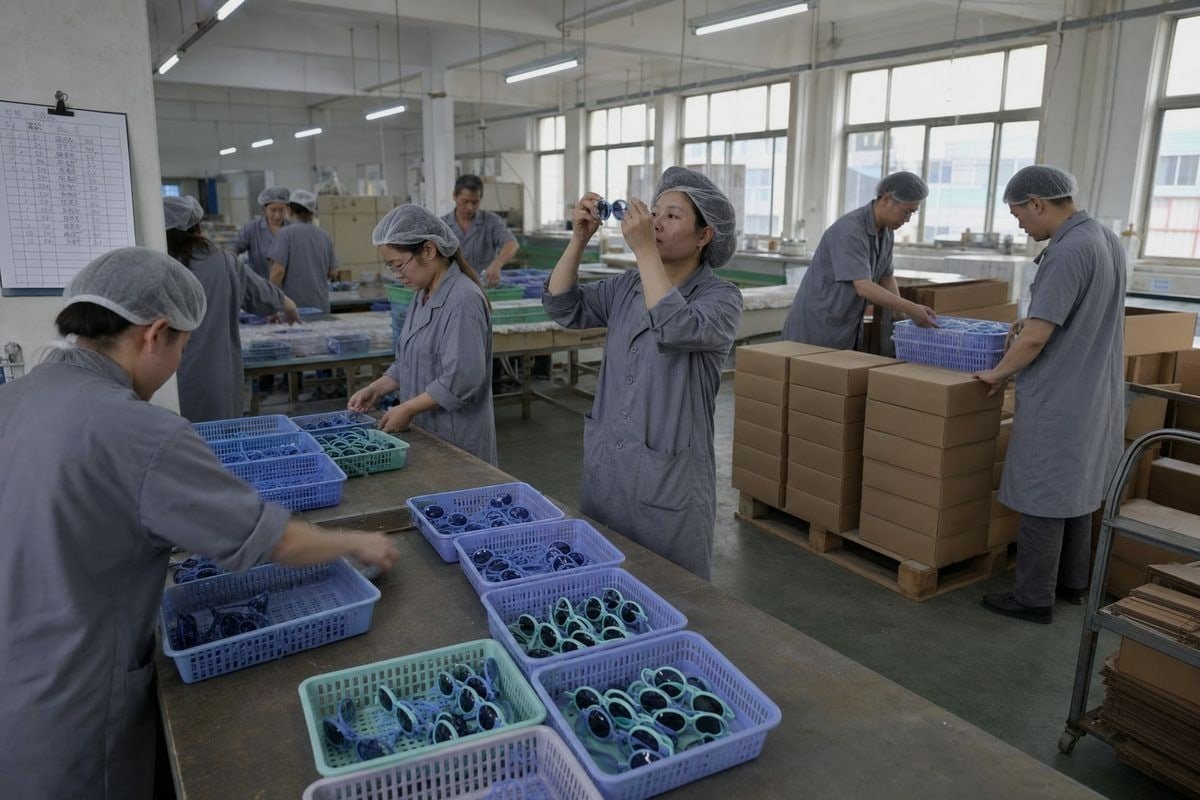
MOQ is not a wall. It is a math problem. A factory sets minimums to cover material purchasing, line setup, packaging runs, and the risk of dead stock. If you shrink those costs and risks, the minimum shrinks with them. Kids' eyewear is a special case, though. Safety, durability, fit, and عملية تسوية نزاعات رسمية 1 make small runs harder, because we cannot cut corners on quality control inspection 2 just because a batch is small.
Where the flexibility actually comes from
In our experience, MOQ flexibility comes from three sources: shared tooling, shared materials, and shared production windows. Our ~800 existing styles exist precisely so new brands can launch without heavy custom mold costs. When you pick a stock frame — say, a round two-tone frame in TPEE — your co-branded order rides on molds and material batches we already run. That is why we can go low.
| Negotiation Lever | Typical MOQ Impact | What You Trade |
|---|---|---|
| Use existing molds and stock frames | Largest reduction | Unique frame geometry |
| Combine colorways under one total MOQ | Moderate reduction | Fewer pieces per color |
| Accept 10–20% small-batch premium | Moderate reduction | Higher unit price tiers |
| Larger deposit or upfront payment | Moderate reduction | Cash flow flexibility |
| Longer lead time / slow-season slot | Small–moderate reduction | Speed to market |
| Reorder forecast or annual plan | Moderate reduction | Accountability to targets |
Frame it as a trial order
Always position the first buy as market validation, not the final commitment. Suppliers respond to a growth story. Share your channel plan, your reorder forecast, and even engagement data from AR try-on tests if you have it. One organized product brief that reduces back-and-forth signals seriousness better than any promise. Also consider timing: if your production can land in our quieter months, that filler-order value gives you real leverage on both quantity and unit price.
How Do I Secure Exclusive Designs Without Losing Access to a Manufacturer's Existing Style Range?
There is a trade-off we weigh on every ODM project: the more of our catalog a client locks up, the fewer options we have for other customers — so broad exclusivity always costs more than narrow exclusivity.
Request limited exclusivity instead of broad design ownership: lock in a specific colorway, logo application, sales channel, territory, or a 6–12 month window on a chosen style. This preserves your access to the factory's full catalog while giving your co-branded line genuine differentiation.
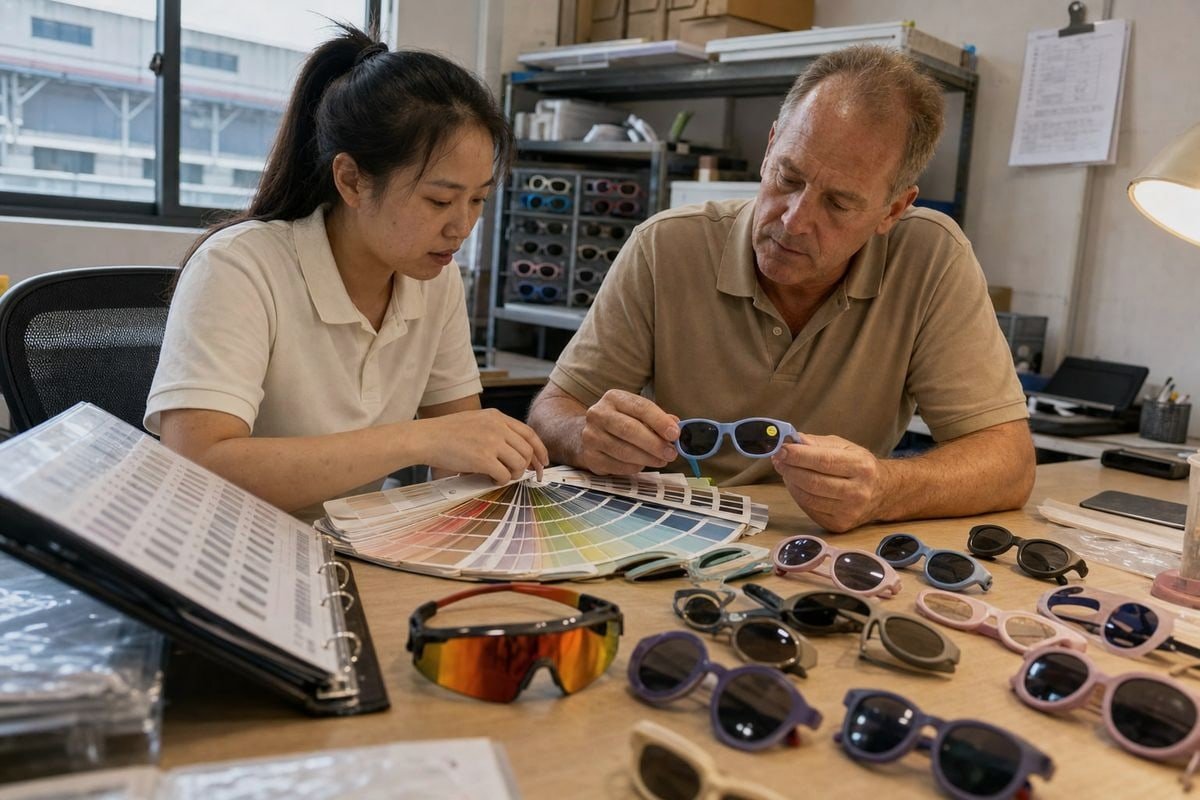
Here is the core insight most buyers miss: exclusive design can mean several different things, and each version carries a different price tag. Separate what must be exclusive from what can stay standard. In a co-branded kids' line, the market usually notices your colorway, your co-branding layout, and your packaging — not the base frame mold underneath.
The exclusivity spectrum
Think of it as a ladder, from cheap to expensive:
- Exclusive logo application and co-branding layout — lowest cost, easy to grant.
- Exclusive colorway or lens combination — for example, a mirrored orange-to-yellow gradient shield lens reserved only for you.
- Exclusive sales channel — such as ecommerce-only rights on a style.
- Exclusive territory — one country or region, common for distributors.
- Exclusive time period — 6–12 months of protection while you launch.
- Full design exclusivity with custom tooling — the factory forgoes all other sales, so this demands volume, mold investment, or a long-term supply commitment.
A smart middle path is what some buyers call a technical mold license: the factory keeps the physical frame geometry for private label manufacturing to others, while you hold exclusive intellectual property rights to the co-branded aesthetic finishes — your gradient lens, your two-tone color scheme, your logo placement. We have structured deals this way, and it keeps both sides honest and profitable.
When broad exclusivity is realistic
I will be direct with you: full exclusivity on a brand-new design is rarely realistic for a small first order. If you want it, offer to cover 100% of custom tooling and mold development upfront, or bring meaningful annual volume. Otherwise, negotiate narrowly, formalize it in a brand licensing agreement 3, and renew as your volumes grow. Understanding OEM vs ODM production 4 matters here too — OEM builds your original design, while ODM adapts our existing designs, and exclusivity terms differ between the two.
What Should I Look for in a Factory Partner to Protect My Brand's Design Rights?
A hard lesson from our early export years: design protection fails at handshake deals, not at contracts. One buyer's custom colorway appeared at a trade fair because his previous supplier never wrote anything down. We now document every exclusivity term before sampling begins.
Choose a factory that signs NDAs before prototype development, documents exclusivity terms in writing, separates your custom molds and colorways in its production system, holds a track record with branded clients, and clearly explains who owns tooling, artwork, and design files.
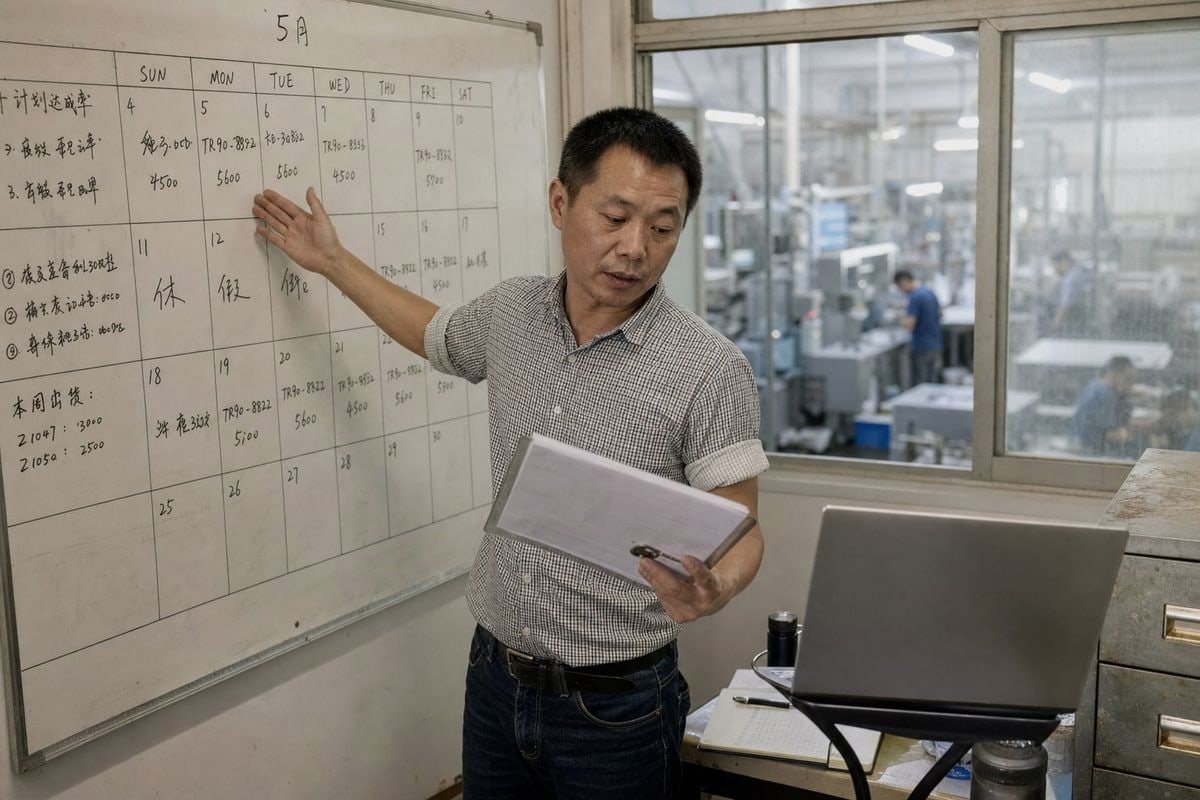
Protecting design rights is really about إدارة سلسلة التوريد 5 discipline. A factory can promise anything in an email. What matters is whether its internal systems can actually keep your co-branded assets separate from its general catalog. In our 5S-managed workshop, custom molds, printed packaging, and client-specific color masterbatches are labeled and stored by client. That physical separation is what makes an exclusivity promise enforceable in daily practice.
A due-diligence checklist
| ما يجب التحقق منه | لماذا هو مهم | How to Check |
|---|---|---|
| NDA signed before sampling | Protects your brief during prototype development | Ask for their standard NDA template |
| Written exclusivity clause | Defines scope: colorway, territory, channel, duration | Include it in the purchase agreement |
| Mold and tooling ownership terms | Prevents your paid mold serving other buyers | Get ownership stated on the invoice |
| Real factory, not a trader | Traders cannot control what happens on the line | Video audit or third-party inspection |
| Branded-client references | Shows experience honoring co-brand terms | Ask about markets served, not client names |
| Documented QC process | Exclusive design means nothing if quality varies | Request their quality control inspection reports |
Ask about ownership in three layers
Clarify who owns each layer of your product: the frame geometry (often factory-owned on ODM projects), the aesthetic finish (yours, if negotiated), and the brand assets like logos and packaging artwork (always yours). Put all three in writing. Also confirm compliance ownership — for kids' sunglasses, test reports for UV400 and relevant children's safety standards 6 should be issued in a way your target market accepts. A partner who resists writing these things down is telling you something important. Walk away early rather than argue later.
How Can I Balance Low MOQ, Custom Branding, and Quality Control When Choosing an Eyewear Manufacturer?
Every quotation we prepare balances the same triangle: quantity, customization, and consistency. Push all three at once, and something breaks — usually quality, which is the one thing a children's brand can never sacrifice.
Balance the triangle by customizing in stages: start with stock frames in TPEE or TR90, add your logo and packaging first, verify quality on a small mixed-color trial order, then invest in custom colors and molds once sales prove demand and reorders justify the tooling cost.
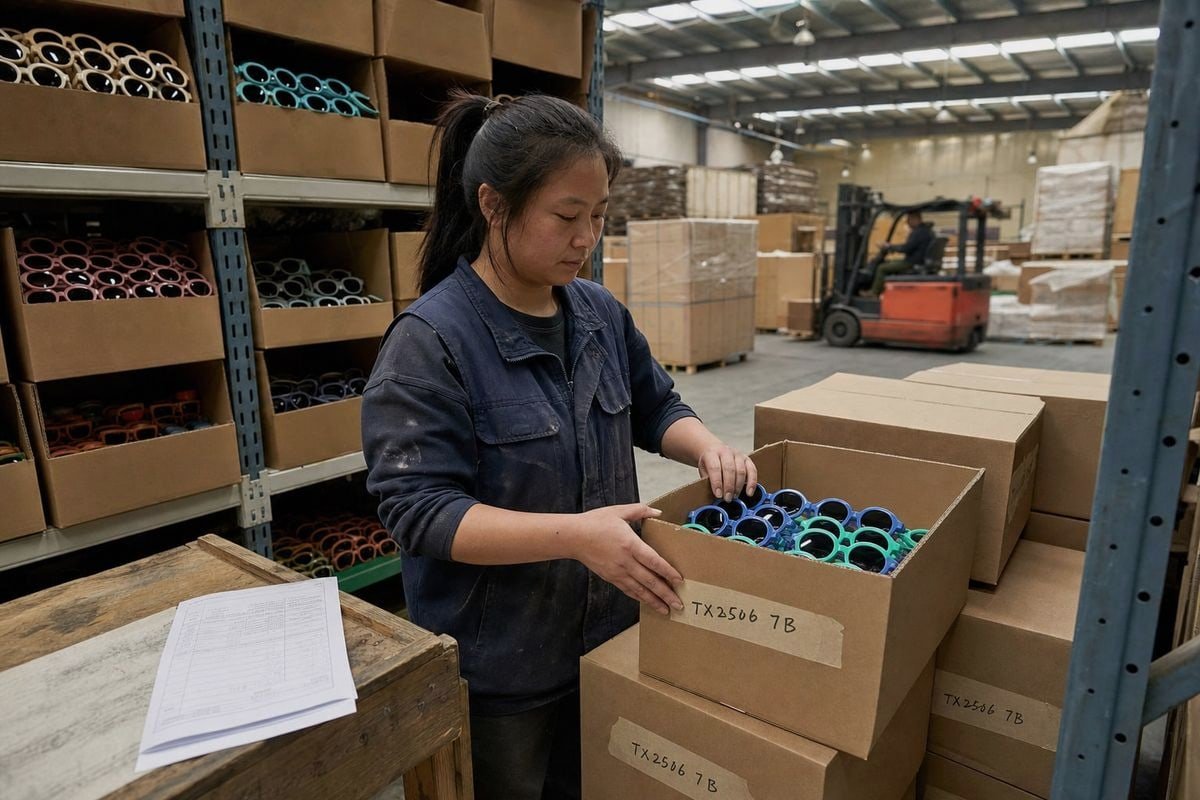
The mistake I see most often is buyers demanding maximum customization at minimum quantity from a supplier chosen mainly on price. For kids' products, that combination is dangerous. Children's sunglasses must survive bending, dropping, and chewing. TPEE flexible frames and TR90 7 with TPEE temples exist precisely because rigid cheap plastic snaps and creates sharp edges near a child's face. Material integrity cannot be inspected in on a small run — it has to be built into the sourcing decision.
A staged customization roadmap
| المرحلة | Customization Level | Typical MOQ Pressure | Quality Risk |
|---|---|---|---|
| 1. Trial launch | Stock frames, custom logo + packaging | منخفض | Low — proven molds and materials |
| 2. Brand build | Custom colorways, lens tints, limited exclusivity | متوسط | Low–medium — new color batches need lab dips |
| 3. Signature line | Custom molds, exclusive frame shapes | High (or tooling paid upfront) | Medium — full prototype and safety testing cycle |
This staged path also supports تحسين وقت التسليم 8. Stage 1 orders ship fast because components exist. Stage 3 adds weeks for mold trials and compliance testing. Plan your retail calendar around that reality.
Practical tactics that hold the triangle together
Use ready-stock materials and standard hardware to dodge custom-dye minimums. Consider a mini-me strategy: build your kids' line on the same material batches as an existing adult sport style — like a wraparound shield frame scaled down — to cut raw material waste and setup time. Some factories can even offer deadstock premium materials from earlier high-tier runs for small batches. And insist on defined QC checkpoints regardless of order size: incoming material checks, in-line inspection, and pre-shipment inspection against an agreed defect standard. A good partner applies the same quality control inspection rigor to 800 pieces as to 8,000.
الخلاصة
High MOQs and vague exclusivity terms kill co-branded kids' sunglasses projects daily. The fix is trading risk, not demanding discounts: staged customization, narrow exclusivity, and a partner who documents everything.
ملاحظات ختامية
1. Background on UV protection standards relevant to kids’ sunglasses safety requirements. ↩︎
2. ISO defines quality control and inspection standards referenced throughout the manufacturing process. ↩︎
3. WTO TRIPS covers licensing and intellectual property frameworks underlying brand agreements. ↩︎
4. Explains ODM/OEM distinction directly referenced in the article’s manufacturing discussion. ↩︎
5. Core concept underpinning factory discipline and design-rights protection discussed here. ↩︎
6. CPSC governs children’s product safety standards referenced for kids’ sunglasses compliance. ↩︎
7. TR90 is a nylon-based polymer; background helps readers understand material properties. ↩︎
8. Background concept explaining production lead time relevant to staged customization planning. ↩︎
مقالات أخرى قد تعجبك
August 1, 2026
هل يجب على المصنع التعامل مع تغليف ووضع ملصقات نظارات الأطفال الشمسية، أم استخدام مورد مخصص؟
August 1, 2026
مستودع خاص مقابل الوفاء المباشر من المورد: أيهما يقلل تكاليف الإرجاع لعلامات نظارات الأطفال الشمسية؟
August 1, 2026
مباشر إلى ميناء المستودع أو التخزين الخارجي: أيهما يوفر أكثر على شحن نظارات الأطفال الشمسية؟
هل تبحث عن شريك موثوق به للنظارات للأطفال؟
استكشف أكثر من 800 نمط جاهز ودعم OEM/ODM كامل مصمم خصيصًا لعلامتك التجارية.
اتصل بنا English
  Español de México
  Deutsch
  Français
  日本語
日本語  العربية
  Português do Brasil