كيفية تقييم جودة نظارات الأطفال الشمسية من خلال فحص تفاصيل الحرفية؟
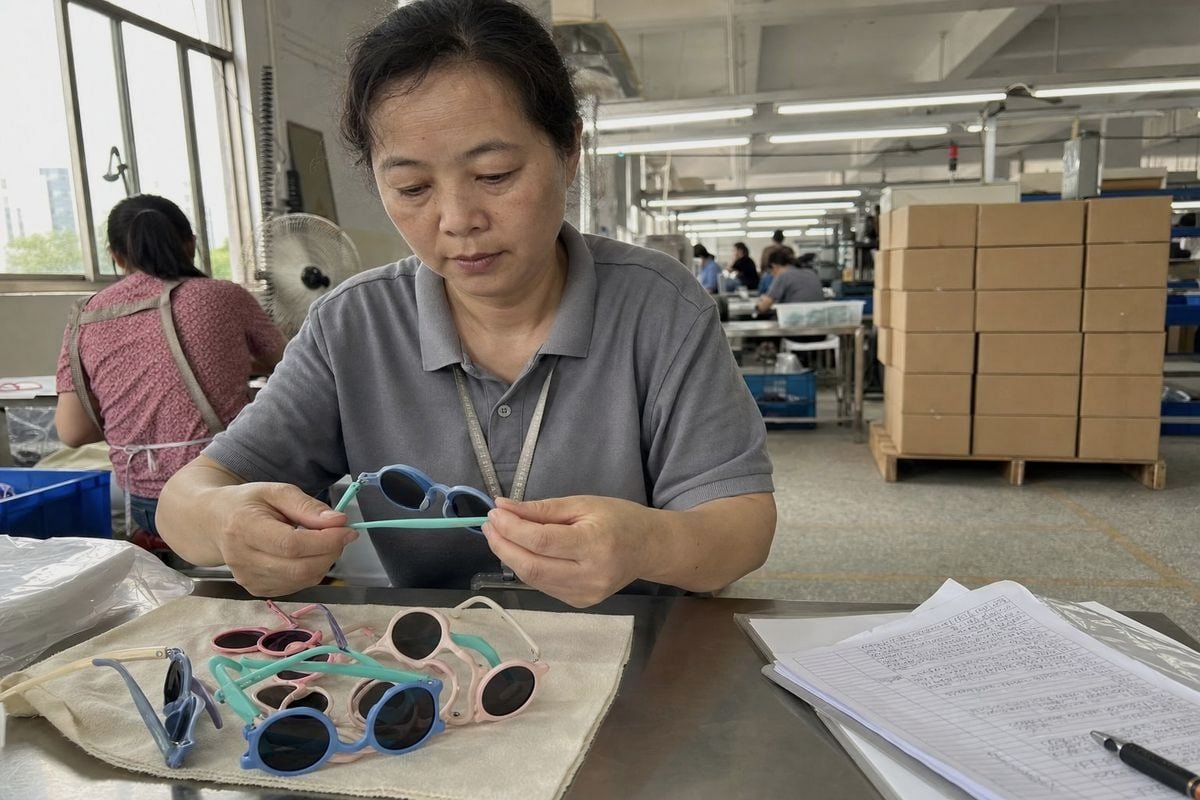
غالبًا ما تفشل جودة نظارات الأطفال الشمسية في التفاصيل التي لا يفحصها المشترون أبدًا عدسات مستقطبة 1. في خط الإنتاج الخاص بنا في تايتشو، رأيت عينات تجتاز اختبارًامقاومًا 2 ولكنها تتشقق في غضون أسبوع من الاستخدام الفعلي.
لتقييم جودة نظارات الأطفال الشمسية، افحص تفاصيل الحرفية: ثبات المفصلات، وتناسق الإطار، وحواف العدسات الملساء، والصبغة الموحدة، والبصريات الخالية من التشوه، ووضع علامة UV400 الموثقة، والمواد المرنة مثل TPEE أو TR90. يكشف التشطيب الضعيف، أو بقايا الغراء، أو المفاصل المهتزة عن تصنيع ضعيف قبل أي اختبار معملي.
تخبرك الملصقات بما تدعيه المصنع. تخبرك الحرفية بما تفعله المصنع بالفعل. في هذه المقالة، سأرشدك خلال الفحوصات الدقيقة التي نجريها قبل شحن أي طلب بالجملة.
ما الذي تخبرني به وصلات الإطار وتفاصيل المفصل عن المتانة طويلة الأمد؟
أرسل لي أحد المشترين عينة من منافس بها مفصلة أحدثت صريرًا في دورة الفتح والإغلاق الثالثة. عرف فريق مراقبة الجودة لدينا على الفور أن الزوج لن يصمد في حقيبة ظهر طفل.
مفاصل الإطار والمفصلات تكشف عن متانة طويلة الأمد لأنها تمتص معظم الضغط. تستخدم نظارات الأطفال عالية الجودة مفصلات مقواة أو مزودة بزنبرك تفتح بسلاسة، وتغلق بمقاومة متساوية، ولا تظهر أي اهتزاز أو خشونة أو بقايا غراء. تشير المفصلات المرتخية أو الصرير إلى تجميع ضعيف وفشل مبكر.
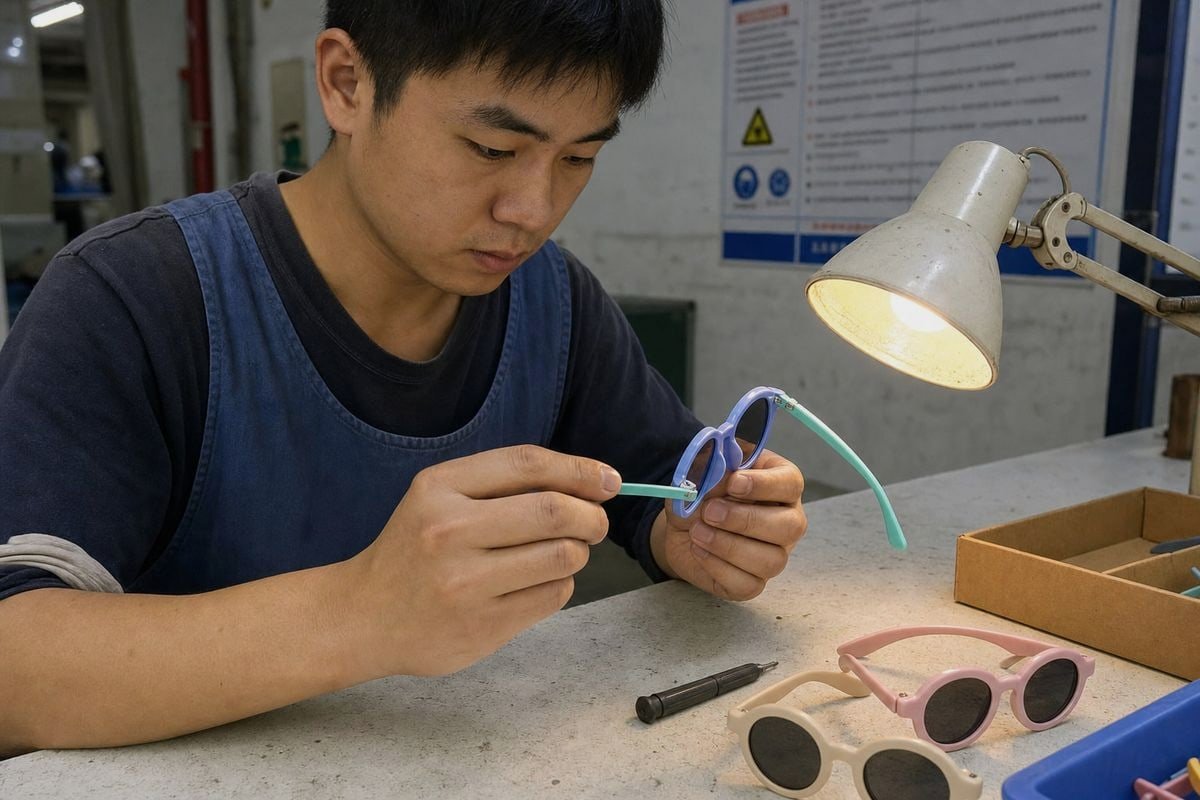
لا يتعامل الأطفال مع النظارات الشمسية بلطف. يسحبون الأذرع بعيدًا بكلتا يديهما. يطوون ذراعًا واحدة ويتركون الأخرى مفتوحة. يجلسون عليها. لذا فإن المفصلة هي أول مكون يفشل في زوج مصنوع بشكل سيء، وهي أيضًا أسهل مكان لاكتشاف اختصارات الحرفية.
فحص المفصلة بثلاث نقاط
عندما أقوم بتقييم عينة، أقوم بتنفيذ روتين بسيط. أولاً، أقوم بفتح وإغلاق كل ذراع عشر مرات. يجب أن تكون الحركة سلسة ومتسقة، بدون ملمس خشن أو بقعة مفاجئة فضفاضة. ثانيًا، أمسك الإطار وأهز كل ذراع بلطف من جانب إلى آخر. تسمح المفصلة عالية الجودة بالكاد بأي لعب جانبي. ثالثًا، أنظر إلى المفصل تحت ضوء ساطع. الغراء المرئي، أو تثبيت البرغي غير المتساوي، أو بقايا البلاستيك حول أسطوانة المفصلة كلها تشير إلى تجميع متسرع.
في أنماط الأطفال لدينا، غالبًا ما نستبدل مفصلات البراغي المعدنية بمفاصل مرنة مصبوبة في TPEE 3, ، لأن عددًا أقل من الأجزاء المعدنية يعني نقاط فشل أقل وعدم وجود تلامس مع النيكل على بشرة الطفل. عند استخدام مفصلات معدنية، يجب أن تكون البراغي متساوية ومحكمة بعد دورات متكررة.
| إشارة المفصلة | ماذا يعني | مستوى المخاطر |
|---|---|---|
| حركة فتح وإغلاق سلسة ومتساوية | تجميع دقيق وتفاوتات صحيحة | منخفض |
| صرير خفيف أو خشونة | حطام أو محاذاة غير صحيحة للأسطوانة | متوسط |
| غراء مرئي حول المفصل | إصلاح تصحيحي للقالب الفضفاض | مرتفع |
| الذراع تهتز من جانب إلى آخر | دبوس مفصلة متآكل أو صغير الحجم | مرتفع |
| البرغي يرتخي بعد 20 دورة | لا يوجد قفل خيط، مراقبة جودة ضعيفة | مرتفع |
ضع النظارات الشمسية أيضًا على طاولة مسطحة. إذا ارتفعت طرف الذراع أو اهتز الإطار، فإن المفاصل أو القالب غير متناظرين، وسيجلس الزوج بشكل مائل على وجه الطفل.
كيف يمكنني التحقق من جودة العدسة وحمايتها من الأشعة فوق البنفسجية قبل تقديم طلب بالجملة؟
في 15 عامًا من توريد العلامات التجارية للأطفال في أكثر من 20 دولة، فإن الخطأ الأكثر شيوعًا قبل الطلب الذي أراه هو أن المشترين يقيمون العدسات بناءً على قتامة الصبغة وحدها. الظلام لا يثبت شيئًا عن الحماية.
تحقق من جودة العدسة عن طريق إجراء اختبار تشوه الخط المستقيم، ومقارنة كلتا العدستين للحصول على نفس اللون والشكل، وفحص الحواف بحثًا عن نتوءات أو فقاعات. للحماية من الأشعة فوق البنفسجية، اطلب شهادة UV400 أو 100% UVA/UVB موثقة وتقارير اختبار معملية - لا تعتمد أبدًا على قتامة اللون أو الفحص البصري.

تنقسم فحوصات العدسات إلى فئتين: ما يمكن لعينيك التحقق منه، وما يمكن للوثائق فقط التحقق منه. الخلط بين الاثنين هو سبب حدوث طلبات بالجملة سيئة.
ما يمكنك التحقق منه يدويًا
أمسك العينة على بعد ذراع وانظر من خلال عدسة واحدة إلى حافة مستقيمة، مثل إطار باب أو خط بلاط. حرك النظارات ببطء لأعلى ولأسفل ومن جانب إلى آخر. يجب أن يظل الخط مستقيمًا. إذا انحنى أو تمايل أو تموج، فإن العدسة بها تشوه بصري من ضعف قولبة بالحقن 4, ، وقد يعاني الطفل الذي يرتديها من إجهاد العين أو الدوخة.
بعد ذلك، قم بتدوير كل عدسة تحت ضوء مباشر. يجب أن تكون الصبغة موحدة تمامًا. تجمع الألوان عند الحواف يشير عادةً إلى طلاء غمس رخيص بدلاً من قولبة الصبغة المتكاملة - وطلاءات الغمس تتلاشى بشكل غير متساوٍ. ثم مرر طرف إصبعك على كل حافة عدسة. يجب أن تشعر بلمسة نهائية ناعمة ومستديرة بدون نتوءات حادة أو خطوط قولبة. أخيرًا، قارن العدسة اليسرى واليمنى جنبًا إلى جنب للحصول على شكل ولون وتشطيب سطح متطابقين.
ما يمكن للوثائق فقط التحقق منه
حجب الأشعة فوق البنفسجية غير مرئي. يمكن لعدسة شفافة أن تحجب 100٪ من الأشعة فوق البنفسجية، ويمكن لعدسة سوداء تقريبًا أن تحجب القليل جدًا. لذا قبل أي طلب بالجملة، اطلب من المورد الخاص بك هذه العناصر:
- يو في 400 5 أو تقارير اختبار 100٪ للأشعة فوق البنفسجية UVA / UVB من دفعة العدسة الفعلية.
- وثائق الامتثال لسوقك، مثل CE لأوروبا 6 أو مراجع ANSI Z80.3 للولايات المتحدة.
- تأكيد مقاومة الصدمات لمادة العدسة، حيث يجب أن تكون عدسات الأطفال مقاومة للكسر. تأكيد مقاومة الصدمات 7
- إذا عدسات مستقطبة 8 تم تقديمها، عرض توضيحي للاستقطاب - وتذكر أن الاستقطاب يقلل الوهج ولكنه منفصل عن حماية الأشعة فوق البنفسجية.
| فحص | الطريقة | يتحقق |
|---|---|---|
| اختبار الخط المستقيم | انظر من خلال العدسة إلى حافة الباب | تشوه بصري، جودة القولبة |
| دوران الصبغة تحت الضوء | قم بتدوير العدسة، وانتبه للتكتل | طريقة الطلاء، اتساق الصبغة |
| اختبار الإصبع للحافة | مرر إصبعك على حافة العدسة | التشطيب، سلامة بشرة الطفل |
| مقارنة اليسار باليمين | قارن كلتا العدستين مباشرة | اتساق الدفعة، التناظر |
| تقرير مختبر UV400 | طلب من المورد | حجب الأشعة فوق البنفسجية الفعلية / الأشعة فوق البنفسجية |
في مصنعنا، نحتفظ بوثائق الاختبار المطابقة لدفعات الإنتاج، لأن تقريرًا من مخزون العدسات العام الماضي لا يثبت شيئًا عن العدسات الموجودة في حاويتك.
لماذا تُعد اختيارات المواد مثل TPEE و TR90 مهمة لمعايير السلامة الخاصة بي؟
المقايضة التي نزنها في كل نمط جديد للأطفال بسيطة: الإطارات الصلبة تحافظ على شكلها ولكنها تنكسر تحت الالتواء، بينما تتحمل الإطارات الناعمة الإساءة ولكنها قد تبدو ضعيفة. TPEE و TR90 موجودان لحل هذا التوتر بالضبط.
مادة TPEE و TR90 مهمتان لمعايير السلامة لأنهما تنحنيان تحت الضغط وتعودان إلى شكلهما بدلاً من أن تنكسرا إلى شظايا حادة. كلاهما خفيف الوزن، ومضاد للحساسية، ومقاوم للصدمات، مما يحمي الأطفال من إصابات الكسر، وعلامات الضغط، وتهيج الجلد أثناء الارتداء اليومي النشط.
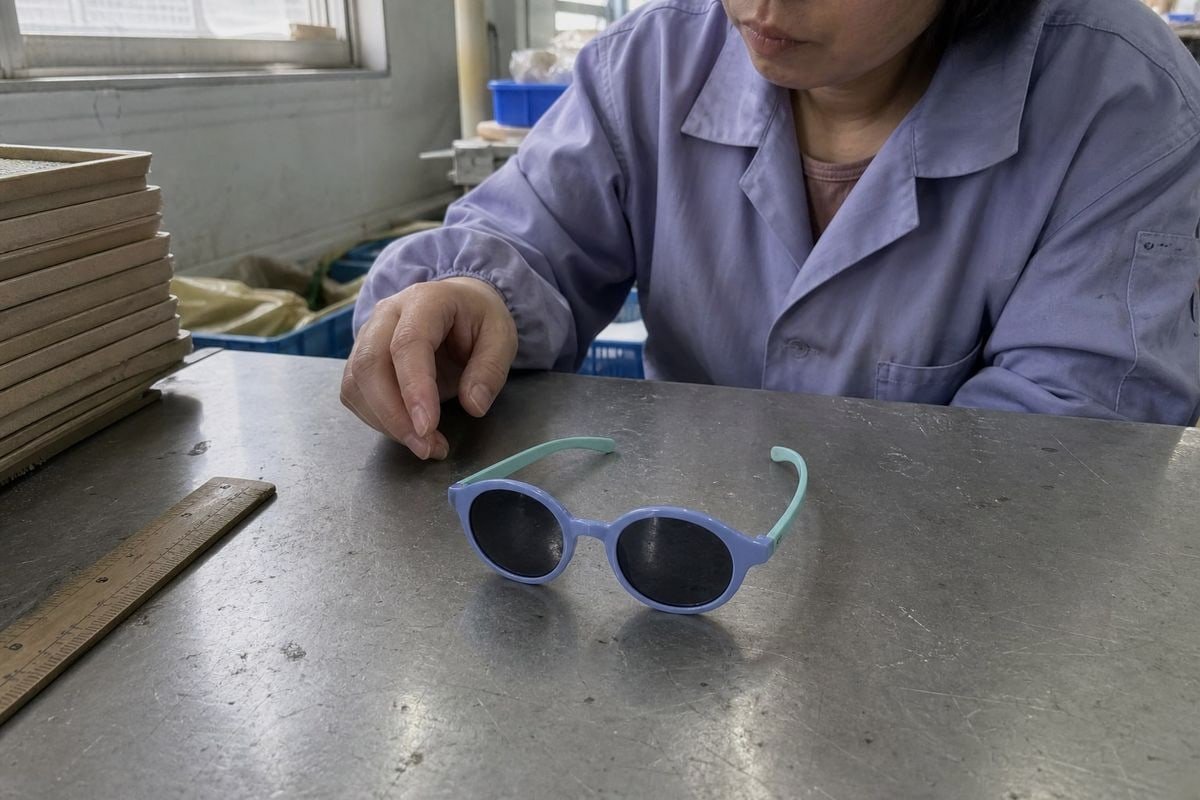
اختيار المواد هو طبقة الحرفية التي لا يستطيع معظم المشترين رؤيتها ولكن كل طفل يمكنه الشعور بها. عندما يقوم طفل صغير بلف إطار على شكل بريتزل - وسيفعلون ذلك - تحدد المادة ما إذا كانت النتيجة ضحكة أم رحلة إلى الطبيب.
كيف تقارن المادتان
TR90 هو بلاستيك حراري معروف بخاصية الذاكرة الخاصة به. قم بثنيه، وسيعود إلى شكله الأصلي. إنه خفيف وقوي ومقاوم للتشقق، مما يجعله مثاليًا لجزء الإطار الأمامي حيث تحتاج العدسات إلى دعم ثابت. TPEE يذهب أبعد من ذلك في المرونة. إنه مطاطي صديق للبيئة يشبه المطاط ويشعر بالنعومة على البشرة ويتحمل الالتواء الشديد. لهذا السبب تقترن العديد من أنماط الأطفال الأكثر أداءً لدينا بجزء أمامي من TR90 مع أذرع من TPEE: يبقى الجزء الأمامي مستقرًا بصريًا بينما تنثني الأذرع بأمان حول الرؤوس الصغيرة.
| خاصية | TR90 | TPEE | كمبيوتر شخصي / أكريليك عام رخيص |
|---|---|---|---|
| المرونة | عالية، مع ذاكرة الشكل | عالية جدًا، تشبه المطاط | منخفض، هش |
| الوزن | خفيف جدا | خفيف جدا | معتدل |
| ينحني، لا ينكسر تقريبًا | ينحني، يقاوم التشقق | ينحني، غير قابل للكسر تقريبًا | ينكسر إلى قطع حادة |
| راحة البشرة | ناعم، مضاد للحساسية | قبضة ناعمة ولطيفة | يمكن أن يكون خشنًا، وقد يحتوي على مهيجات |
| أفضل استخدام على إطارات الأطفال | الجزء الأمامي من الإطار | الأذرع، إطارات أطفال كاملة | غير موصى به |
اختبار سريع يمكنك إجراؤه
خذ العينة وثني الأذرع للخارج بلطف، ثم اثنِ الجزء الأمامي من الإطار. إطار TPEE أو TR90 عالي الجودة ينثني بشكل ملحوظ وينتفض مرة أخرى بدون خطوط إجهاد بيضاء أو تجعد أو أصوات تشقق. الإطار الهش يقاوم في البداية، ثم يفشل فجأة. بالنسبة لمجموعات الأطفال الصغار، ندفع المرونة إلى أبعد من ذلك، لأن أصغر المستخدمين يطبقون القوى الأقل قابلية للتنبؤ. بالنسبة للأطفال الأكبر سنًا، نوازن المرونة مع الهيكل بحيث تحافظ الأنماط الرياضية على شكلها المحيطي أثناء الجري أو ركوب الدراجات.
نقطة أمان أخرى: جودة المواد تشمل ما هو غير موجود في الإطار. اطلب من المورد الخاص بك تأكيد أن المركب خالٍ من المواد الضارة ومناسب للوائح منتجات الأطفال في سوقك. يجب توثيق مصادر المواد الخام الصديقة للبيئة، وليس مجرد الادعاء بها.
ماذا تكشف تفاصيل التعبئة والتشطيب عن براعة الشركة المصنعة؟
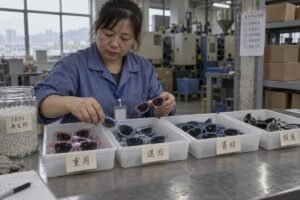
أخبرني مدير مشتريات من أوروبا ذات مرة أنها تحكم على المصنع من خلال أطراف أذرعه قبل أن تقرأ شهادة واحدة. بعد سنوات من تشغيل ورشة عمل مدارة بنظام 5S، أفهم السبب - التشطيب هو المكان الذي تظهر فيه الانضباط.
تكشف تفاصيل التعبئة والتشطيب عن انضباط الشركة المصنعة ومراقبة الجودة. تشير الأطراف المستدقة الناعمة للمعابد، والعلامات التجارية المنقوشة بالليزر، ووسادات الأنف الملحومة بالموجات فوق الصوتية، وخطوط القولبة الخالية من العيوب، والتعبئة والتغليف النظيف الجاهز للبيع بالتجزئة إلى عمليات متسقة. تشير الشعارات الملصقة، أو اللحامات الخشنة، أو الصناديق غير المرتبة إلى ضعف التحكم في الدُفعات طوال عملية الإنتاج.
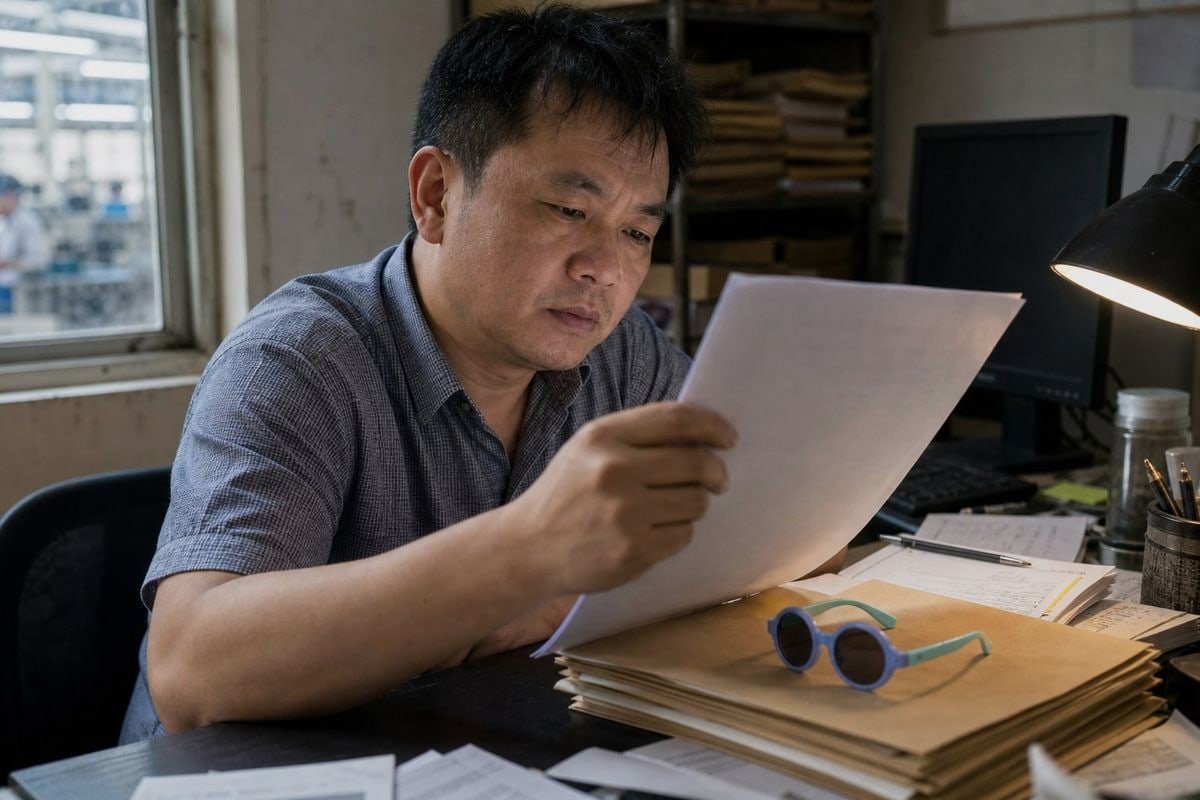
عمل التشطيب مكلف للقيام به بشكل جيد وسهل التخطي. هذا هو بالضبط سبب كونه إشارة صادقة للغاية. المصنع الذي يقوم بتشطيب أطراف الأذرع يدويًا ويتحكم في وميض القالب على كل وحدة هو مصنع يقوم أيضًا بشد المفصلات بشكل صحيح واختبار العدسات باستمرار.
تفاصيل التشطيب للفحص في أي عينة
ابدأ بأطراف الأذرع. تظهر الإطارات عالية الجودة تدرجًا سلسًا وتدريجيًا. خطوط الوميض المفاجئة أو الحافة الخشنة عند الطرف تعني أن خط فصل القالب لم يتم تنظيفه أبدًا، وهذا الاختصار يتكرر عادة عبر الدفعة بأكملها. بعد ذلك، افحص العلامة التجارية. تدوم الشعارات المحفورة بالليزر أو المنقوشة في القالب طوال عمر المنتج. الشعارات الملصقة أو المطبوعة بالوسادة تتلاشى وتقشر - وفي أسوأ الحالات بالأحبار الرخيصة - يمكن أن تهيج بشرة الطفل.
ثم اضغط على لحام وسادة جسر الأنف. تبدو الوسادات الملحومة بالموجات فوق الصوتية مدمجة وسلسة. تظهر الوسادات الملصقة خط لحام مرئي، وتميل إلى الاصفرار أو الارتخاء أو التقشر بعد التعرض للعرق، ومع الأطفال الصغار، اللعاب. أخيرًا، زن الإطار في يدك. نظارات شمسية مصممة جيدًا للأطفال توزع الوزن بالتساوي لذلك لا تنزلق على أنوف صغيرة أو تضغط على آذان صغيرة.
ما تخبرك به العبوة قبل فتحها
العبوة هي العملية الأخيرة التي يتحكم فيها المصنع، لذا فهي تعكس انضباط العملية العام. عندما نقوم بإعداد طلبات OEM بصناديق وحافظات وأقمشة مخصصة، يتم فحص كل عنصر لأن مشتريننا يضعون اسم علامتهم التجارية عليه. ابحث عن:
- طباعة متسقة للصندوق بدون انحراف في اللون بين الوحدات.
- تغليف داخلي واقٍ يمنع خدوش العدسة أثناء النقل.
- وضع العلامات الصحيحة - علامة UV400، وتعليمات العناية، ومعلومات الامتثال لسوقك.
- الملحقات المضمنة، مثل الحافظات أو الحقائب، التي تتطابق مع مستوى جودة النظارات نفسها.
- اتساق الدُفعات: اسحب خمس وحدات عشوائية وقارن التشطيب جنبًا إلى جنب.
إذا قدم المصنع عرضًا جاهزًا للبيع بالتجزئة في طلب عينة، فيمكنه عادةً الحفاظ على هذا المعيار على نطاق واسع. إذا كانت عبوة العينة فوضوية بالفعل، فسيكون الحاوية أسوأ.
الخلاصة
الحرفية الضعيفة تختبئ خلف التصاميم اللطيفة والمطالبات الجريئة للأشعة فوق البنفسجية - حتى تنكسر الإطارات وتتراكم المرتجعات. افحص المفصلات والعدسات والمواد والتشطيب، و اطلب وثائق مطابقة للدُفعات قبل كل طلب بالجملة.
ملاحظات ختامية
توضح سلطة طب العيون أن الاستقطاب يقلل الوهج بشكل منفصل عن الحماية من الأشعة فوق البنفسجية. ↩︎
خلفية حول نظام الامتثال لعلامة CE المشار إليه لنظارات السوق الأوروبية. ↩︎
تحدد معايير ISO متطلبات التصنيف لمواد المطاط الصناعي الحراري مثل TPEE. ↩︎
يشرح عملية التصنيع التي تسبب عيوب تشوه العدسة الموصوفة في المقال. ↩︎
يشرح معيار تصنيف العدسة UV400 المشار إليه لشهادة نظارات الأطفال الشمسية. ↩︎
مصدر رسمي للاتحاد الأوروبي يشرح متطلبات علامة CE المشار إليها للامتثال في السوق الأوروبية.
مقالات أخرى قد تعجبك


هل تبحث عن شريك موثوق به للنظارات للأطفال؟
استكشف أكثر من 800 نمط جاهز ودعم OEM/ODM كامل مصمم خصيصًا لعلامتك التجارية.
اتصل بنا English
  Español de México
  Deutsch
  Français
  日本語
日本語  العربية
  Português do Brasil