How to Confirm a Kids’ Sunglasses Supplier Supports Inspections and Corrective Actions?
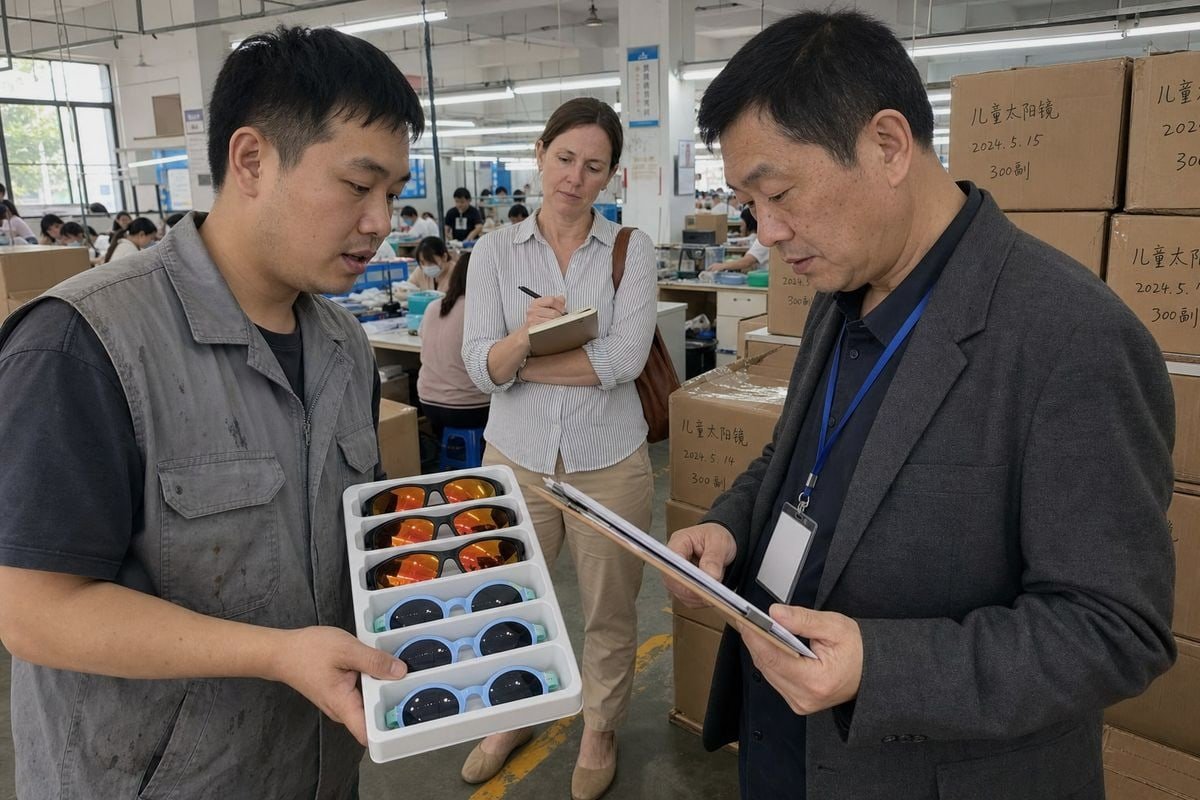
Choosing a kids’ sunglasses supplier feels risky when [samples look perfect but bulk orders arrive flawed](https://okayeyewear.com/how-avoid-poor-quality-oem-kids-sunglasses-importing-to/) CPSIA test reports 1. On our production line in Taizhou, we see exactly why that gap happens.
To confirm a kids’ sunglasses supplier supports inspections and corrective actions, verify they accept third-party pre-shipment inspections in writing, hold batch-specific QC records and CPSIA test reports, welcome factory audits, and document a formal CAPA process covering root cause analysis, rework, replacement, and reinspection.
That answer sounds simple. In practice, buyers need to know what to ask, what documents to demand, and what red flags to watch. Let me walk you through each step, based on how we handle inspections at our own factory.
How can I verify a supplier allows third-party quality inspections before shipment?
A buyer from Australia once asked me, mid-negotiation, whether SGS could walk our floor unannounced. I said yes before she finished the sentence. That answer told her more than any brochure.
Ask the supplier to confirm in writing—before paying a deposit—that they accept independent pre-shipment inspection (PSI) by agencies like SGS or Intertek, allow random sampling from the actual batch, and will share photo-backed AQL reports. Refusal or hedging at this stage is a serious warning sign.
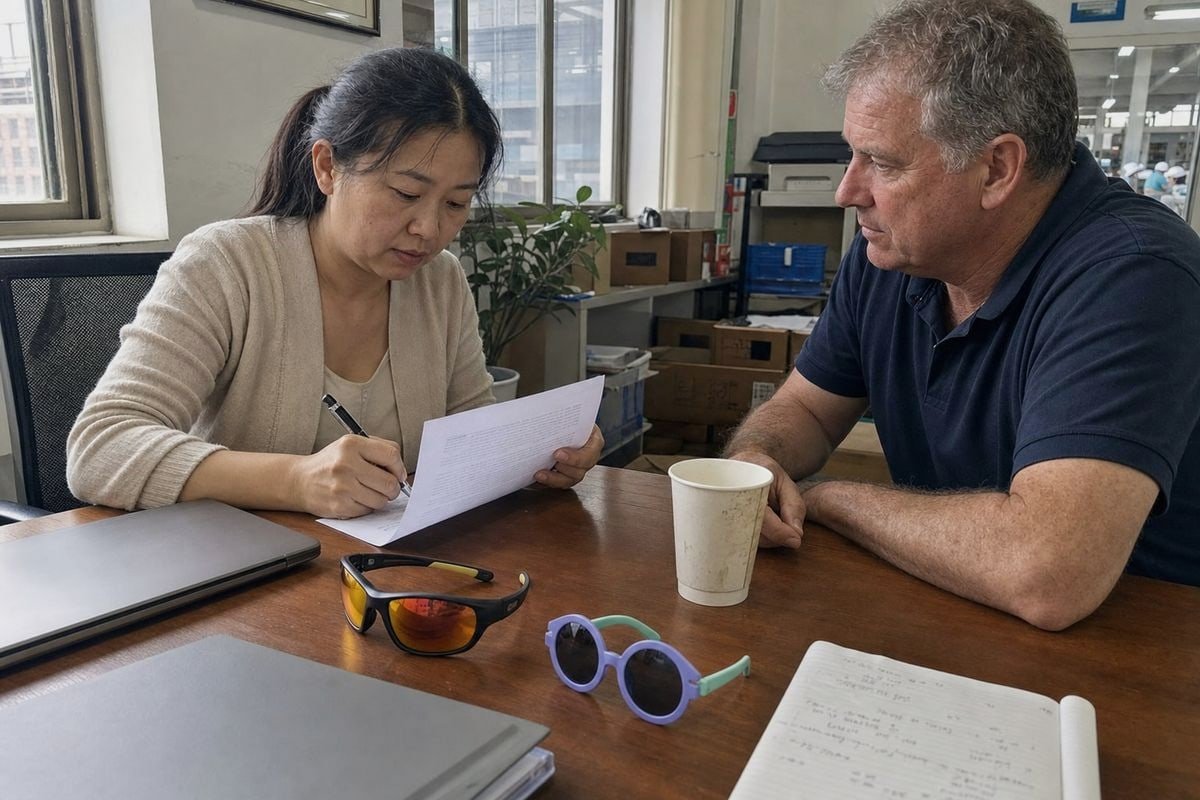
Verbal promises cost nothing. What you want is written, contractual acceptance of inspection rights. In our fifteen years of exporting children's eyewear to buyers in more than twenty countries, we have learned that serious brands always test this point early. So should you.
The exact questions to ask
Start with three direct questions. First, "Do you accept a third-party pre-shipment inspection at my chosen agency, at my cost?" Second, "Will the inspector pull random samples from the real shipment batch, not pre-selected units?" Third, "If the inspection fails, does shipment pause automatically until we agree on next steps?" A mature kids' sunglasses supplier answers yes to all three without hesitation. We do, because we know the inspection protects both sides.
What a proper PSI covers for children's eyewear
A credible pre-shipment inspection is not a quick glance at cartons. For kids' sunglasses, it should sample roughly 10%–20% of the order and use AQL statistics 2—commonly AQL 2.5 for major defects and AQL 4.0 for minor defects.
| PSI Check Point | What the Inspector Verifies |
|---|---|
| Lens quality | Clarity, coating consistency, scratches, UV400 protection certification 3 match |
| Hinges and temples | Smooth opening, screw tightness, hinge-cycle durability |
| Frame condition | Alignment, flexibility of TPEE/TR90 parts, no sharp edges |
| Printing and logos | Correct artwork, adhesion, color accuracy |
| Labeling and packaging | Warning labels, barcodes, retail-ready presentation |
| Quantity and assortment | Carton counts match the purchase order |
Also confirm the report format. You should receive a pass/fail result, defect photos, measured data, and the sampling plan used. Then verify the report is batch-specific. Generic reports recycled from a "similar model" are worthless for children's products. When we run a PSI for a client, the report number, PO number, and SKU must all match—no exceptions.
What should I look for in a supplier's corrective action process when defects are found?
Years ago, a hinge screw batch failed our cycle test mid-production. We quarantined the lot, traced it to a sub-supplier's material change, and rebuilt our incoming checklist. That painful week taught us what real corrective action looks like.
Look for a documented Corrective and Preventive Action (CAPA) workflow: defect identification, immediate containment and quarantine, root cause analysis, a corrective action plan with deadlines, rework or replacement at the supplier's expense, reinspection, and written evidence of closure. Ask to see past CAPA records.
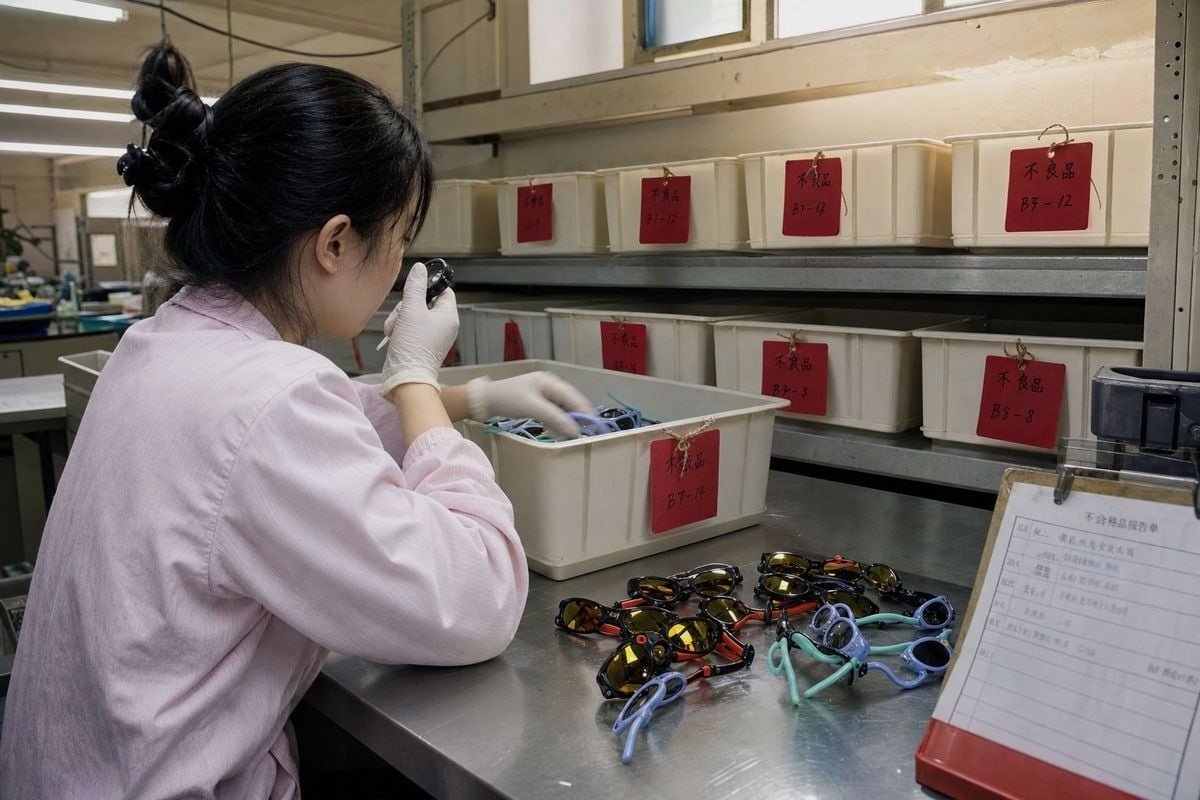
A supplier that never mentions defects is not defect-free. They are hiding their process—or they have none. The honest question to ask is: "Show me what happened the last time an inspection failed." A supplier with genuine process maturity can walk you through a real case, with documents.
The seven stages of a credible CAPA loop
- Identification. The defect is logged in a Non-Conforming Material Report with photos and batch codes.
- Containment. Affected units are physically quarantined and labeled so they cannot slip into children's products.
- Root cause analysis. The team traces the true cause—material, tooling, process, or training—not just the symptom.
- Corrective action plan. Specific fixes, owners, and deadlines are written down.
- Rework or replacement. Defective units are repaired or replaced; ask who pays. It should be the supplier when the fault is theirs.
- Reinspection. The corrected batch is inspected again before release, ideally by the same third party.
- Closure and prevention. QC checklists are revised so the same defect cannot recur.
Evidence that separates paperwork from practice
| Evidence to Request | لماذا هو مهم |
|---|---|
| CAPA log from the last 12 months | Proves defects are tracked, not buried |
| A sample NCMR with quarantine photos | Shows containment actually happens on the floor |
| Revised QC checklist versions | Demonstrates closed-loop improvement |
| Reinspection reports after a failure | Confirms fixes are verified, not assumed |
| Rework/destruction policy for rejects | Ensures failed kids' sunglasses never reach gray markets |
One more caution from our side of the table: good documentation with weak execution is common. Cross-check the paperwork against batch photos, timestamps, and the supplier's willingness to discuss a failure openly. Defensiveness is a red flag; transparency is the signal you want.
Can I request factory audits to check safety and production standards firsthand?
We host buyer audits several times a year in our ورشة عمل مدارة بنظام 5S 4, and video walkthroughs almost weekly. Honestly, the audits that dig deepest are the ones we value most—they push us to stay sharp.
Yes. Any legitimate kids' sunglasses supplier should welcome on-site or remote factory audits. Request a factory audit report covering business registration, production capacity, manufacturing safety standards, quality management systems, worker conditions, and testing capability—or commission SGS or Intertek to audit on your behalf.
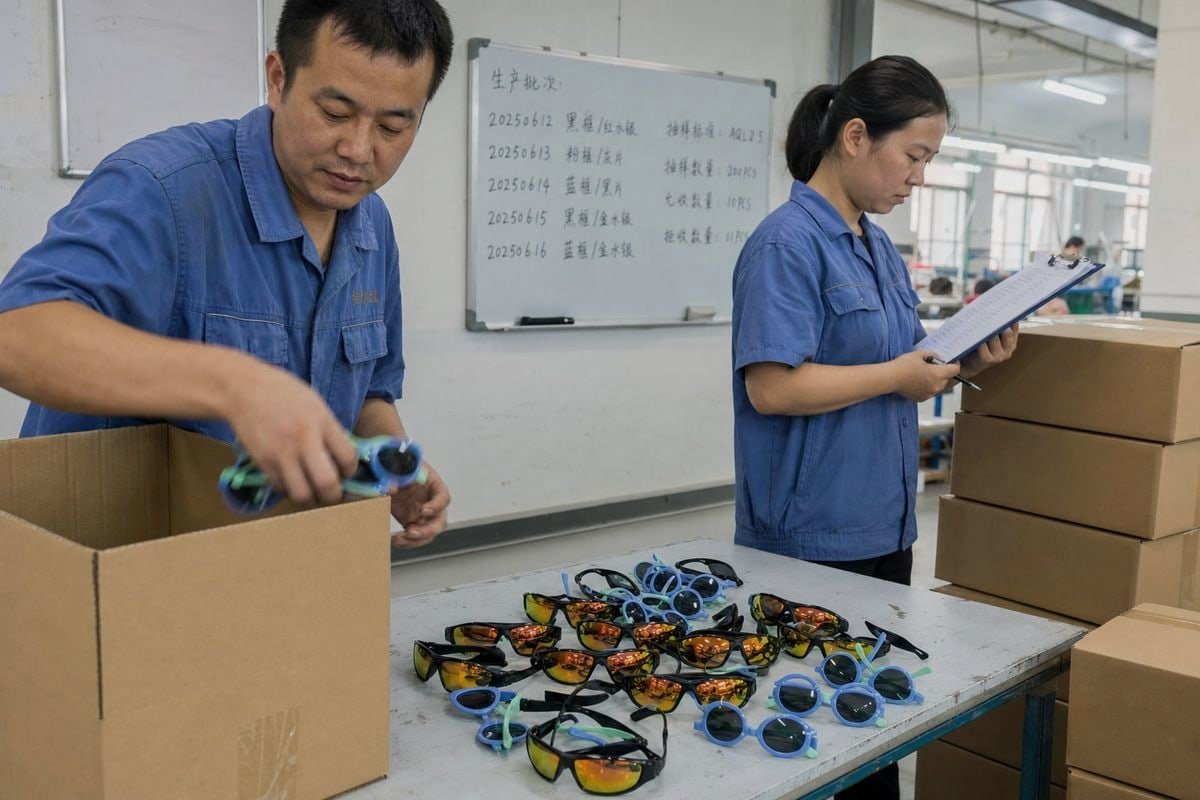
An audit answers the question no document can: does this factory actually exist as described, and does it run the way it claims? Traders posing as factories are common in eyewear sourcing. A firsthand look—physical or virtual—cuts through that quickly.
What to examine during the audit
Verify legitimacy first: business license, registered factory address, and whether your contact person actually works at the site. Then move to capability. Walk the injection molding area, assembly lines, and QC stations. For children's eyewear specifically, check whether the factory can test what it promises. Ask to see impact resistance testing (the drop ball test), UV transmittance checks against UV400 protection certification claims, hinge-cycle testing rigs, and dimensional gauges. On our floor, we run these checks in-line, not just at final inspection, because catching a problem at the molding stage is far cheaper than at packing.
Look at the workshop culture too. A 5S-managed floor—sorted, clean, labeled, standardized—usually signals disciplined quality control inspection habits. Chaotic material storage usually predicts chaotic quality.
Verifying certifications independently
If the supplier holds ISO 9001 5 or similar management certifications, do not accept a PDF at face value. Check the certificate number in the issuing body's online database. The same applies to third-party lab testing reports: confirm the report number with the lab, and confirm the tested SKU matches the exact model you are buying, not a lookalike. If you cannot travel, a hybrid approach works well—commission a third-party audit for the formal factory audit report, then request a live video walkthrough so you can direct the camera yourself.
How do I know my supplier will respond quickly and transparently if a quality issue arises?
The trade-off we weigh constantly is speed versus completeness: buyers want answers within hours, but honest root cause analysis 6 takes days. Our compromise is a fast acknowledgment with evidence, then a full written report.
Test responsiveness before you order: send technical questions and time the replies. Then lock transparency into a supplier quality agreement with defined response times, defect thresholds, reinspection rights, replacement terms, and evidence requirements like batch photos and timestamped reports—so accountability is contractual, not optional.

Trust is easy to claim and hard to fake under pressure. The good news is you can test it cheaply, early, and repeatedly—before a real crisis ever happens.
Pre-order tests of transparency
Ask a hard technical question, such as which standard their lenses are tested against for your market, or how CPSIA compliance applies to the paint and materials on kids' frames, including lead and phthalate limits under a شهادة منتجات الأطفال 7. Watch for three things: speed, directness, and honesty about limits. A supplier who says "we don't test that in-house, but our third-party lab does, here is the report" is more trustworthy than one who claims everything is perfect. When a Japanese buyer once asked us for a test our lab could not run, we said so and arranged external testing. She later told me that answer won the order.
Contract clauses that guarantee a fast, honest response
| Clause | What It Should Specify |
|---|---|
| Response time | Acknowledgment within 24–48 hours of a reported issue |
| Investigation deadline | Written root cause analysis within an agreed number of days |
| Defect thresholds | AQL levels that define pass/fail for the batch |
| Automatic hold | Shipment stops on a failed inspection until resolution |
| Remedy terms | Rework, replacement, or refund at supplier's cost for supplier faults |
| Reinspection rights | Buyer may re-run PSI after corrective action, cost allocation defined |
| Evidence standard | Batch-specific photos, timestamped reports, and document deadlines |
| Market compliance | Destination-specific verification, e.g., Australian eyewear rules or CPSIA documentation |
Finally, watch ongoing behavior. A supplier who volunteers bad news early—a material delay, a color deviation—will also be transparent when a genuine quality issue arises. Silence until pressed is the pattern to avoid.
الخلاصة
Samples can look flawless while bulk production hides risk. Verify inspection acceptance, CAPA maturity, audit openness, and contractual response terms—then your kids' sunglasses supplier is proven, not just promised.
ملاحظات ختامية
1. Official source explaining CPSIA compliance requirements referenced for children’s products. ↩︎
2. Explains the acceptable quality limit sampling method referenced for inspections. ↩︎
3. Background on UV protection standards relevant to sunglasses lens certification claims. ↩︎
4. Explains the 5S workplace organization methodology referenced for factory audits
مقالات أخرى قد تعجبك
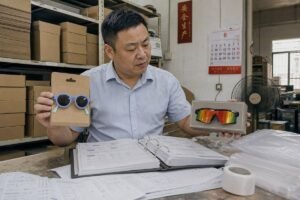
August 1, 2026
هل يجب على المصنع التعامل مع تغليف ووضع ملصقات نظارات الأطفال الشمسية، أم استخدام مورد مخصص؟
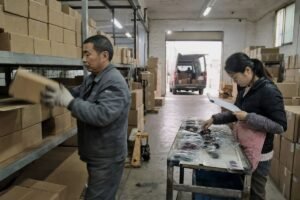
August 1, 2026
مستودع خاص مقابل الوفاء المباشر من المورد: أيهما يقلل تكاليف الإرجاع لعلامات نظارات الأطفال الشمسية؟
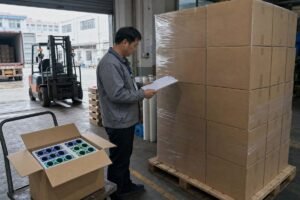
August 1, 2026
مباشر إلى ميناء المستودع أو التخزين الخارجي: أيهما يوفر أكثر على شحن نظارات الأطفال الشمسية؟
هل تبحث عن شريك موثوق به للنظارات للأطفال؟
استكشف أكثر من 800 نمط جاهز ودعم OEM/ODM كامل مصمم خصيصًا لعلامتك التجارية.
اتصل بنا English
  Español de México
  Deutsch
  Français
  日本語
日本語  العربية
  Português do Brasil