子供用サングラスサプライヤーが検査と是正措置をサポートしていることを確認する方法は?
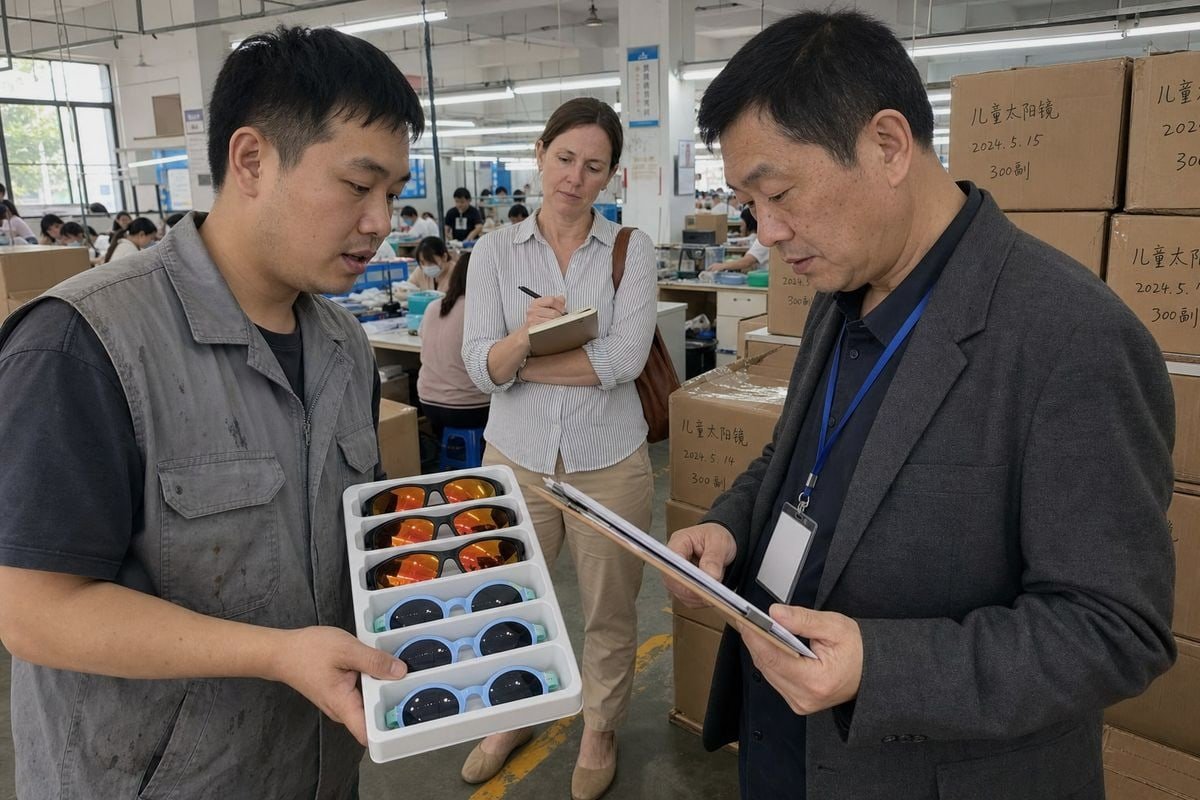
子供用サングラスサプライヤーを選ぶのは、[サンプルは完璧に見えても、バルク注文が不良品で届く](https://okayeyewear.com/how-avoid-poor-quality-oem-kids-sunglasses-importing-to/)場合、リスクが高いと感じます。 CPSIAテストレポート 1. 台州にある当社の生産ラインでは、そのギャップがなぜ発生するのかを正確に把握しています。.
子供用サングラスサプライヤーが検査と是正措置をサポートしていることを確認するには、書面で第三者による出荷前検査を受け入れ、バッチ固有のQC記録とCPSIAテストレポートを保持し、工場監査を歓迎し、根本原因分析、 rework、交換、再検査を網羅する正式なCAPAプロセスを文書化していることを確認してください。.
その答えは簡単そうです。実際には、バイヤーは質問すべきこと、要求すべき書類、注意すべき危険信号を知る必要があります。当社の工場での検査の処理方法に基づいて、各ステップを説明します。.
発送前にサプライヤーが第三者による品質検査を許可していることをどのように確認できますか?
オーストラリアのバイヤーから、交渉の途中で、SGSが予告なしに当社のフロアを歩くことができるかどうか尋ねられたことがあります。彼女が言い終わる前に、私は「はい」と答えました。その答えは、どんなパンフレットよりも多くのことを彼女に伝えました。.
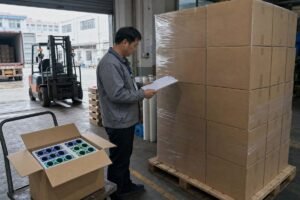
支払いの前に、サプライヤーに書面で確認を依頼してください。独立した出荷前検査(PSI)をSGSやIntertekなどの機関に依頼すること、実際のロットからのランダムサンプリングを許可すること、写真付きのAQLレポートを共有することに同意することを確認してください。この段階での拒否またはあいまいな態度は、深刻な警告の兆候です。.
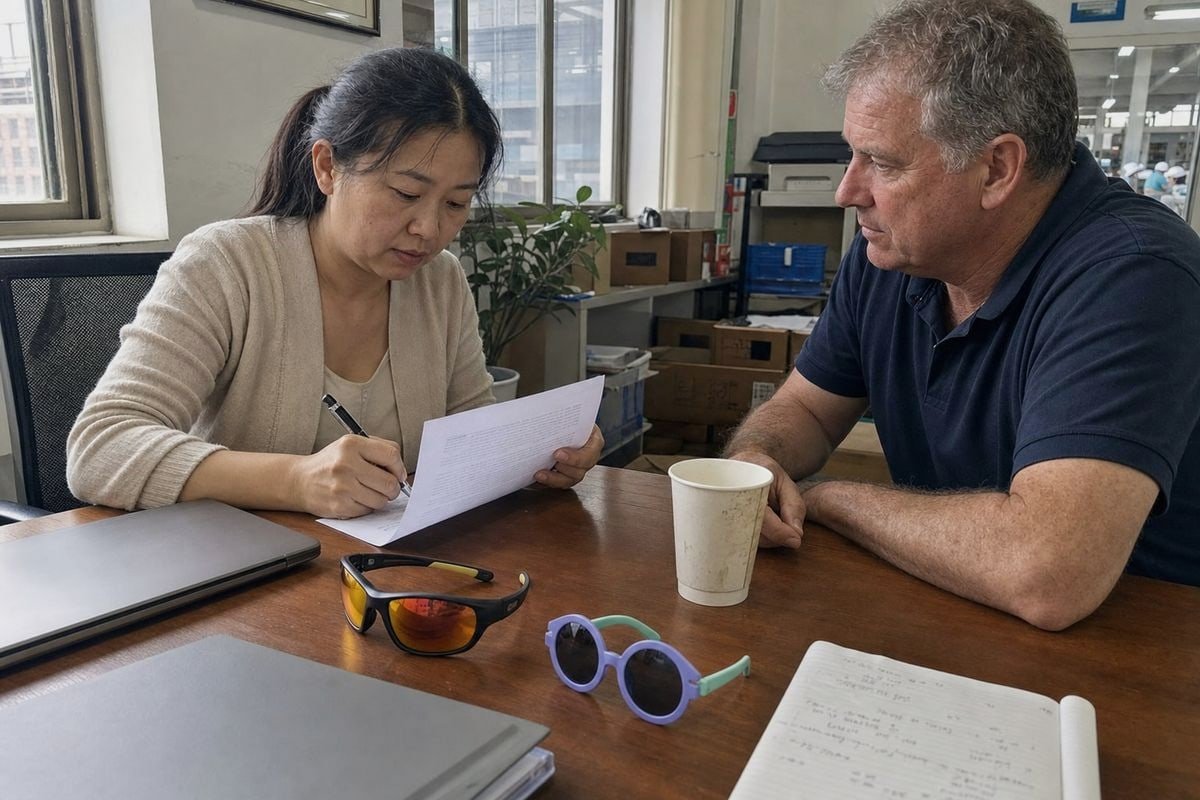
口頭での約束は無料です。欲しいのは、検査権に対する書面による契約上の承諾です。子供用アイウェアを20カ国以上のバイヤーに輸出してきた15年間で、真剣なブランドは常にこの点を早期にテストしていることを学びました。あなたもそうすべきです。.
聞くべき正確な質問
??の直接的な質問から始めます。まず、「私の選択した代理店による、私の費用での第三者による出荷前検査を受け入れますか?」次に、「検査官は、事前に選択されたユニットではなく、実際の出荷バッチからランダムなサンプルを抽出しますか?」第三に、「検査に失敗した場合、次のステップに合意するまで出荷は自動的に一時停止されますか?」成熟した子供用サングラスサプライヤーは、すべてにためらうことなく「はい」と答えます。私たちは、検査が双方を保護することを知っているため、そうします。.
子供用アイウェアの適切なPSIには何が含まれますか?
信頼できる出荷前検査は、カートンをちらっと見るだけではありません。子供用サングラスの場合、注文の約10%〜20%をサンプリングし、 AQL統計 2—通常、主要な欠陥に対してAQL 2.5、軽微な欠陥に対してAQL 4.0です。.
| PSIチェックポイント | 検査官が確認すること |
|---|---|
| レンズの品質 | 明瞭さ、コーティングの一貫性、傷、, UV400保護認証 3 一致 |
| ヒンジとテンプル | スムーズな開閉、ネジの締め具合、ヒンジサイクルの耐久性 |
| フレームの状態 | アライメント、TPEE/TR90部品の柔軟性、鋭利なエッジがないこと |
| 印刷とロゴ | 正しいアートワーク、接着性、色の精度 |
| ラベルとパッケージ | 警告ラベル、バーコード、小売準備のプレゼンテーション |
| 数量と品揃え | カートン数が出荷指示書と一致すること |
レポートの形式も確認してください。合格/不合格の結果、欠陥の写真、測定データ、および使用されたサンプリング計画を受け取るはずです。次に、レポートがバッチ固有であることを確認します。「類似モデル」から再利用された一般的なレポートは、子供向け製品には価値がありません。当社がクライアントのためにPSIを実行する場合、レポート番号、PO番号、およびSKUはすべて一致する必要があります—例外はありません。.
不良が見つかった場合、サプライヤーの是正処置プロセスで何を考慮すべきですか?
何年も前、ヒンジネジのバッチが生産中にサイクルテストに失敗しました。ロットを隔離し、サブサプライヤーの材料変更にまで遡り、入荷チェックリストを再構築しました。その苦痛な週は、真の是正措置がどのようなものかを教えてくれました。.
文書化された是正措置・予防措置(CAPA)ワークフローを探してください:欠陥の特定、即時の封じ込めと隔離、根本原因分析、期限付きの是正措置計画、サプライヤー負担での修正または交換、再検査、およびクローズの書面による証拠。過去のCAPA記録の提示を求めてください。.
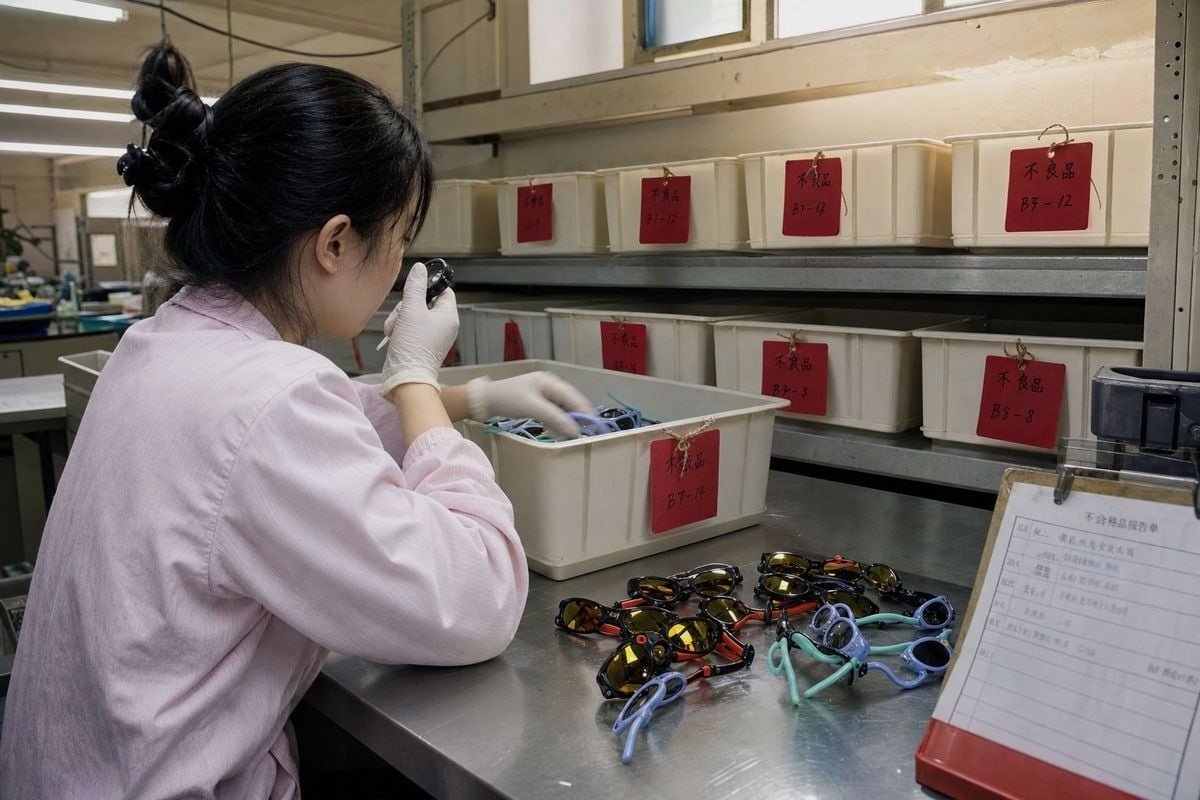
欠陥について決して言及しないサプライヤーは、欠陥がないわけではありません。彼らはプロセスを隠しているか、またはプロセスを持っていないかのどちらかです。「前回の検査が失敗したときに何が起こったか教えてください」というのが正直な質問です。真のプロセス成熟度を持つサプライヤーは、文書とともに実際のケースを説明できます。.
信頼できるCAPAループの7つの段階
- 特定。. 欠陥は、写真とバッチコードとともに、不適合品報告書に記録されます。.
- 封じ込め。. 影響を受けたユニットは物理的に隔離され、ラベルが付けられ、子供向け製品に混入しないようになります。.
- 根本原因分析。. チームは、症状だけでなく、材料、工具、プロセス、またはトレーニングの真の原因を追跡します。.
- 是正措置計画。. 特定の修正、担当者、および締め切りが書き留められます。.
- reworkまたは交換。. 不良ユニットは修理または交換されます。誰が支払うか尋ねてください。それは彼らの過失である場合、サプライヤーであるべきです。.
- 再検査。. The corrected batch is inspected again before release, ideally by the same third party.
- Closure and prevention. QC checklists are revised so the same defect cannot recur.
Evidence that separates paperwork from practice
| Evidence to Request | なぜ重要なのか |
|---|---|
| CAPA log from the last 12 months | Proves defects are tracked, not buried |
| A sample NCMR with quarantine photos | Shows containment actually happens on the floor |
| Revised QC checklist versions | Demonstrates closed-loop improvement |
| Reinspection reports after a failure | Confirms fixes are verified, not assumed |
| Rework/destruction policy for rejects | Ensures failed kids' sunglasses never reach gray markets |
One more caution from our side of the table: good documentation with weak execution is common. Cross-check the paperwork against batch photos, timestamps, and the supplier's willingness to discuss a failure openly. Defensiveness is a red flag; transparency is the signal you want.
工場監査を依頼して、安全基準と生産基準を直接確認することはできますか?
We host buyer audits several times a year in our 5S管理ワークショップ 4, and video walkthroughs almost weekly. Honestly, the audits that dig deepest are the ones we value most—they push us to stay sharp.
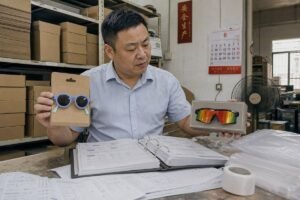
はい。正規の子供用サングラスサプライヤーであれば、オンサイトまたはリモートでの工場監査を歓迎するはずです。事業登録、生産能力、製造安全基準、品質管理システム、労働条件、およびテスト能力を網羅した工場監査レポートをリクエストするか、SGSまたはIntertekに委託して代わりに監査してもらってください。.
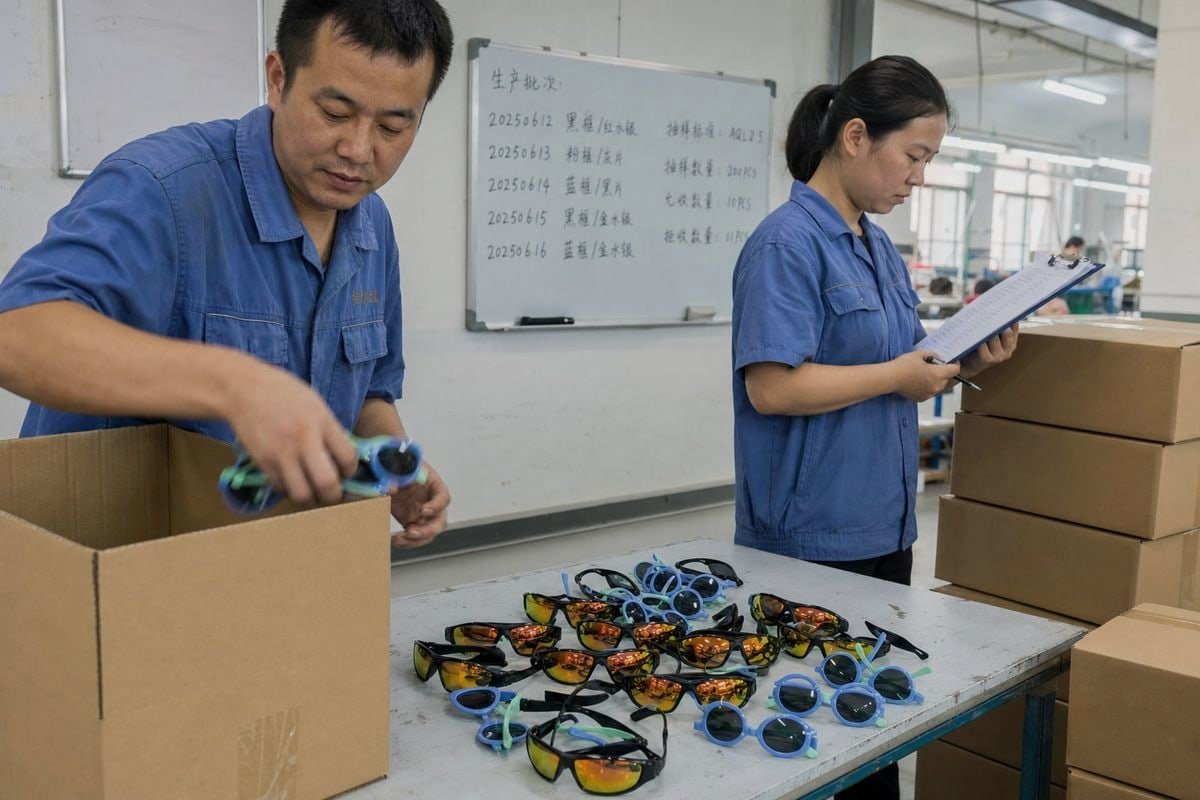
An audit answers the question no document can: does this factory actually exist as described, and does it run the way it claims? Traders posing as factories are common in eyewear sourcing. A firsthand look—physical or virtual—cuts through that quickly.
What to examine during the audit
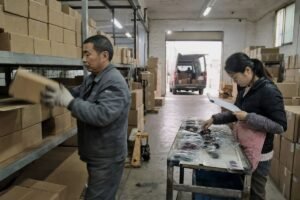
Verify legitimacy first: business license, registered factory address, and whether your contact person actually works at the site. Then move to capability. Walk the injection molding area, assembly lines, and QC stations. For children's eyewear specifically, check whether the factory can test what it promises. Ask to see impact resistance testing (the drop ball test), UV transmittance checks against UV400 protection certification claims, hinge-cycle testing rigs, and dimensional gauges. On our floor, we run these checks in-line, not just at final inspection, because catching a problem at the molding stage is far cheaper than at packing.
Look at the workshop culture too. A 5S-managed floor—sorted, clean, labeled, standardized—usually signals disciplined quality control inspection habits. Chaotic material storage usually predicts chaotic quality.
Verifying certifications independently
If the supplier holds ISO 9001 5 or similar management certifications, do not accept a PDF at face value. Check the certificate number in the issuing body's online database. The same applies to third-party lab testing reports: confirm the report number with the lab, and confirm the tested SKU matches the exact model you are buying, not a lookalike. If you cannot travel, a hybrid approach works well—commission a third-party audit for the formal factory audit report, then request a live video walkthrough so you can direct the camera yourself.
品質問題が発生した場合、サプライヤーが迅速かつ透明性のある対応をしてくれることをどのように知ることができますか?
The trade-off we weigh constantly is speed versus completeness: buyers want answers within hours, but honest root cause analysis 6 takes days. Our compromise is a fast acknowledgment with evidence, then a full written report.
注文前に応答性をテストする:技術的な質問を送信し、返信にかかる時間を測定します。次に、定義された応答時間、欠陥しきい値、再検査権、交換条件、およびバッチ写真やタイムスタンプ付きレポートなどの証拠要件を盛り込んだサプライヤー品質契約に透明性を組み込みます。これにより、説明責任は契約上のものとなり、任意ではなくなります。.

Trust is easy to claim and hard to fake under pressure. The good news is you can test it cheaply, early, and repeatedly—before a real crisis ever happens.
Pre-order tests of transparency
Ask a hard technical question, such as which standard their lenses are tested against for your market, or how CPSIA compliance applies to the paint and materials on kids' frames, including lead and phthalate limits under a 、またはCPCは、中心となる文書です。米国法では、輸入者または国内製造者が発行する必要がありますが、CPSC認定検査機関からの合格テスト結果に基づいている必要があります。サプライヤーの自己申告に基づいて有効なCPCを発行することはできません。 7. Watch for three things: speed, directness, and honesty about limits. A supplier who says "we don't test that in-house, but our third-party lab does, here is the report" is more trustworthy than one who claims everything is perfect. When a Japanese buyer once asked us for a test our lab could not run, we said so and arranged external testing. She later told me that answer won the order.
Contract clauses that guarantee a fast, honest response
| 条項 | What It Should Specify |
|---|---|
| Response time | Acknowledgment within 24–48 hours of a reported issue |
| Investigation deadline | Written root cause analysis within an agreed number of days |
| Defect thresholds | AQL levels that define pass/fail for the batch |
| Automatic hold | Shipment stops on a failed inspection until resolution |
| Remedy terms | Rework, replacement, or refund at supplier's cost for supplier faults |
| Reinspection rights | Buyer may re-run PSI after corrective action, cost allocation defined |
| Evidence standard | Batch-specific photos, timestamped reports, and document deadlines |
| Market compliance | Destination-specific verification, e.g., Australian eyewear rules or CPSIA documentation |
Finally, watch ongoing behavior. A supplier who volunteers bad news early—a material delay, a color deviation—will also be transparent when a genuine quality issue arises. Silence until pressed is the pattern to avoid.
結論
Samples can look flawless while bulk production hides risk. Verify inspection acceptance, CAPA maturity, audit openness, and contractual response terms—then your kids' sunglasses supplier is proven, not just promised.
脚注
1. Official source explaining CPSIA compliance requirements referenced for children’s products. ↩︎
2. Explains the acceptable quality limit sampling method referenced for inspections. ↩︎
3. Background on UV protection standards relevant to sunglasses lens certification claims. ↩︎
4. Explains the 5S workplace organization methodology referenced for factory audits
 English
  Español de México
  Deutsch
  Français
  日本語
日本語  العربية
  Português do Brasil