كيف تختار تصميم جسر الأنف لنظارات الأطفال الشمسية لأسكال وجوه سوقك؟
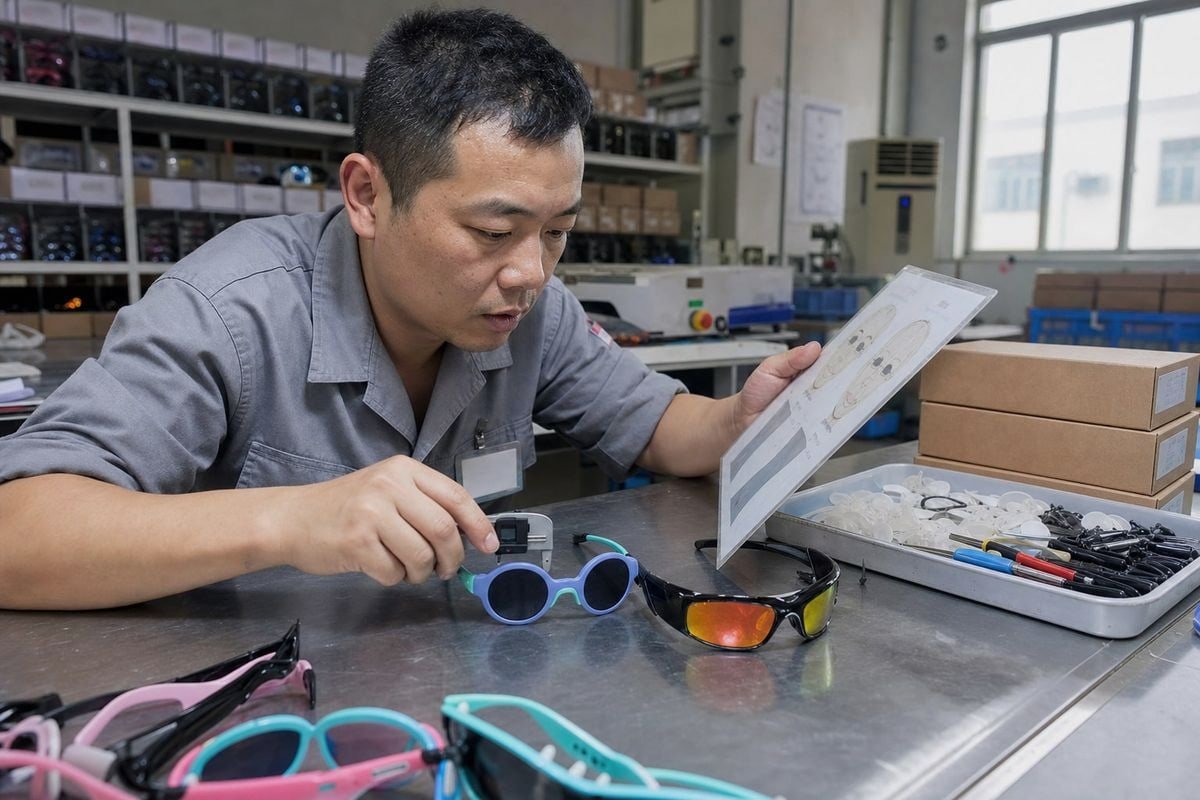
اختيار تصميم جسر الأنف المناسب لنظارات الأطفال الشمسية يحدد ما إذا كانت الإطارات ستبقى على وجه الطفل أم سيتم إرجاعها. في خط الإنتاج لدينا، نرى هذه المشكلة كل أسبوع: يختار المشترون الأنماط حسب اللون والشكل، ويشحنونها إلى سوقهم، ثم يكتشفون أن الإطارات تنزلق على جسور الأنف المسطحة أو تغرز في الجسور الضيقة. تتراكم المرتجعات، وتشير المراجعات إلى “تنزلق باستمرار”، وتتحمل العلامة التجارية اللوم - وليس المصنع. الحل أبسط مما يتوقع معظم المشترين: قم بمطابقة هندسة الجسر مع تشريح الوجه لسوقك المستهدف قبل الطلب، وليس بعد وصول الشكاوى.
اختر تصميم جسر الأنف لنظارات الأطفال الشمسية عن طريق مطابقة ارتفاع الجسر وعرض الجسر وبروز عظم الوجنة مع تشريح وجه سوقك. استخدم مقاس الجسر المنخفض مع وسادات أكبر للملامح الأكثر تسطحًا، وجسور السرج للأطفال النشطين، ووسادات أنف قابلة للتعديل حيث تختلف أشكال الوجوه بشكل كبير.
هذه هي الإجابة المختصرة. بقية هذا الدليل يقسمها خطوة بخطوة. سأغطي ملامح الوجه العرقية، واختبار الملاءمة قبل الإنتاج، والمواد التي توقف الانزلاق، وكيفية تخصيص الجسور دون دفع تكاليف قوالب جديدة.
ما هي أشكال جسر الأنف التي تعمل بشكل أفضل لملامح الوجه العرقية المختلفة في السوق المستهدف؟
أعاد موزع من جنوب شرق آسيا ذات مرة مجموعة عينات إلى مصنعنا في تايتشو مع ملاحظة واحدة: "إطارات جميلة، لكنها تستقر على الخدين." هذه الجملة الواحدة علّمت فريق التصميم لدينا أكثر من أي ورقة مواصفات. تم بناء الإطارات لجذر أنفي أعلى مما يمتلكه أطفال سوقه بالفعل. أول شيء يجب فهمه هو أن ثلاثة قياسات مختلفة يتم الخلط بينها طوال الوقت: ارتفاع الجسر، وعرض الجسر، وارتفاع عظم الوجنة. إنها مشاكل ملاءمة منفصلة. ارتفاع الجسر هو مدى ارتفاع جذر الأنف بالنسبة للبؤبؤ. عرض الجسر هو الفجوة التي يجب أن يغطيها الإطار، وغالبًا ما يتم إدراجه كـ المسافة بين العدسات (DBL) في أوراق المواصفات. يحدد ارتفاع عظم الوجنة ما إذا كان الجزء السفلي من العدسة يلامس الوجه. يؤدي الخلط بين هذه يؤدي إلى اختيار منتج سيء، لأن الإطار يمكن أن يكون له العرض الصحيح ولكن الارتفاع الخاطئ، وسيظل ينزلق. 1 يضيف الأطفال طبقة أخرى. لدى الأطفال جسور أنف أقل نموًا، وخدودًا أكثر امتلاءً، وآذانًا أصغر من البالغين. هذا هو السبب في أن إطارات البالغين المصغرة تفشل دائمًا على الأطفال الصغار.
الأسواق ذات الملامح الأنفية المسطحة والوجنتين البارزتين تحتاج إلى تصميمات تناسب الجسر المنخفض مع وسادات أنف أطول وأكبر. الأسواق ذات الجسور الأعلى والأضيق تناسب هندسة الجسر ذي الثقب المفتاحي أو الجسر السرج القياسي. قسّم حسب تشريح الوجه - ارتفاع الجسر وعرضه وبروز عظم الوجنة - وليس حسب البلد وحده.
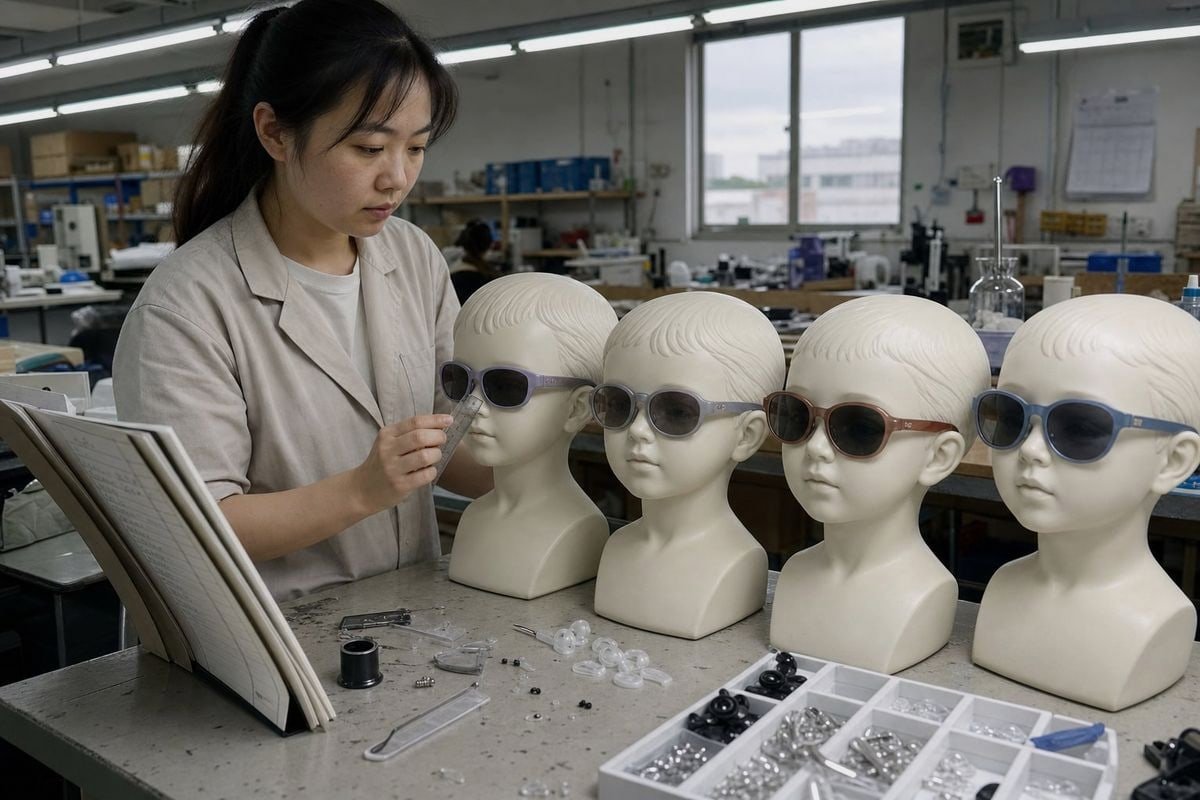
يجب أن يبدأ مقاس نظارات الأطفال من تشريح وجه الطفل، وليس من قالب بالغ مصغر. مطابقة هندسة الجسر مع الملامح الإقليمية 2. تستخدم بعض العلامات التجارية المتقدمة الآن رسم خرائط مجموعات الجمجمة والوجه - بيانات قياسات الجسم الإقليمية التي تميز بين ملامح الأنف "منخفضة وعريضة" و "منخفضة وضيقة". لا تحتاج إلى مختبر أبحاث لتطبيق نفس المنطق. إليك مصفوفة بداية عملية نشاركها مع المشترين من أكثر من 20 دولة: ملف السوق 3 التشريح النموذجي.
تصميم الجسر الموصى به. أسواق شرق / جنوب شرق آسيا 4 جسر أنف منخفض، عظام وجنتين أعلى، قاعدة أنف أوسع.
مقاس الجسر المنخفض: وسادات مرتفعة، إمالة عدسة معدلة، أذرع منحنية
أسواق شمال أوروبا جسر أنف أعلى وأضيق 5 جسر مفتاحي
| أو جسر سرج أضيق مع DBL أصغر | أسواق البحر الأبيض المتوسط / الشرق الأوسط | جسر أنف متوسط الارتفاع، جذر بارز |
|---|---|---|
| جسر سرج قياسي، DBL متوسط | أسواق مختلطة / متعددة الثقافات (الولايات المتحدة، أستراليا، المملكة المتحدة) | تنوع واسع داخل السوق الواحد |
| وسادات أنف قابلة للتعديل أو استراتيجية SKU مزدوجة المقاس | أسواق أفريقيا | غالبًا قاعدة أنف منخفضة وعريضة 6 هندسة جسر أنف منخفض وعريض مع تلامس واسع وناعم للوسادة |
| يستحق جسر المفتاح ملاحظة خاصة. شكله يمسك أعلى جذر الأنف، لذا فهو يعمل بشكل جيد للجسور الضيقة أو غير المتطورة حيث سينزلق جسر السرج المسطح. بالنسبة للملامح الأكثر تسطحًا، ومع ذلك، فإن جسر المفتاح يطفو فوق الأنف - وهذا هو المكان الذي تثبت فيه وسادات الجسر المنخفض المرتفعة قيمتها عن طريق منع الإطار من الاستقرار على الخدين وتضبيب العدسات. | يمتلك الأطفال بشكل عام جسور أنف أقل وخدودًا أكثر امتلاءً من البالغين، مما يجعل الإطارات ذات الطراز البالغ غير مستقرة على وجوههم | لا يزال جذر أنف الطفل قيد التطور، لذا فإن الإطارات المصممة حول ارتفاع جسر البالغين تفقد نقطة ارتكازها الرئيسية وتنزلق نحو الخدين. |
| سيناسب تصميم جسر أنف عالمي واحد جميع الأطفال من نفس العمر في جميع أنحاء العالم | يختلف ارتفاع الجسر وعرضه وبروز عظم الوجنة بشكل كبير حسب السكان، لذا فإن تحديد المقاسات حسب العمر وحده ينتج عنه معدلات مرتجعات عالية في الأسواق التي يختلف فيها تشريح الوجه عن خط الأساس للتصميم. | قبل أن يؤكد أي من مشتريننا طلب حاوية، ندفعهم عبر حلقة عينات - حتى أولئك الذين في عجلة من أمرهم. تخطت إحدى العلامات التجارية الأسترالية اختبارات الارتداء المحلية في طلبها الأول قبل سنوات، وقد كلفتهم هذه الدرس موسمًا من المراجعات. لم يتخطوها مرة أخرى أبدًا. |
| لا يتطلب اختبار الملاءمة معدات باهظة الثمن. يتطلب انضباطًا وأطفالًا حقيقيين من سوقك الحقيقي. إليك العملية التي نوصي بها لمديري المشتريات، والتي تم تحسينها على مدار خمسة عشر عامًا من تشغيل العينات عبر ورشة العمل لدينا: | بروتوكول ملاءمة من خمس خطوات قبل الإنتاج | اطلب عينات مادية بمواصفات الجسر المستهدفة. |
اطلب من المصنع الخاص بك تحديد DBL وارتفاع الوسادة وإمالة العدسة بالضبط التي تخطط لطلبها. تخفي الصور وملفات CAD مشاكل الملاءمة التي يكشفها الوجه الحقيقي في ثوانٍ.
كيف أختبر ملاءمة وراحة جسر الأنف قبل الالتزام بطلب إنتاج كامل؟
قبل أن يؤكد أي من مشترينا طلب حاوية، ندفعهم عبر حلقة عينات - حتى أولئك الذين في عجلة من أمرهم. تخطت علامة تجارية أسترالية اختبار الارتداء المحلي في طلبها الأول قبل سنوات، وقد كلفتهم هذه التجربة موسمًا من المراجعات. لم يتخطوها مرة أخرى.
اختبر الملاءمة قبل الإنتاج الضخم عن طريق طلب عينات، وإجراء تجارب ارتداء قصيرة على 10-20 طفلاً في سوقك الفعلي، والتحقق من ثلاث إشارات: انزلاق في غضون خمس دقائق، وعلامات ضغط حمراء في غضون ثلاثين دقيقة، وفجوات بين الجسر والأنف. اضبط المواصفات قبل تشكيل الدفعة الكاملة.
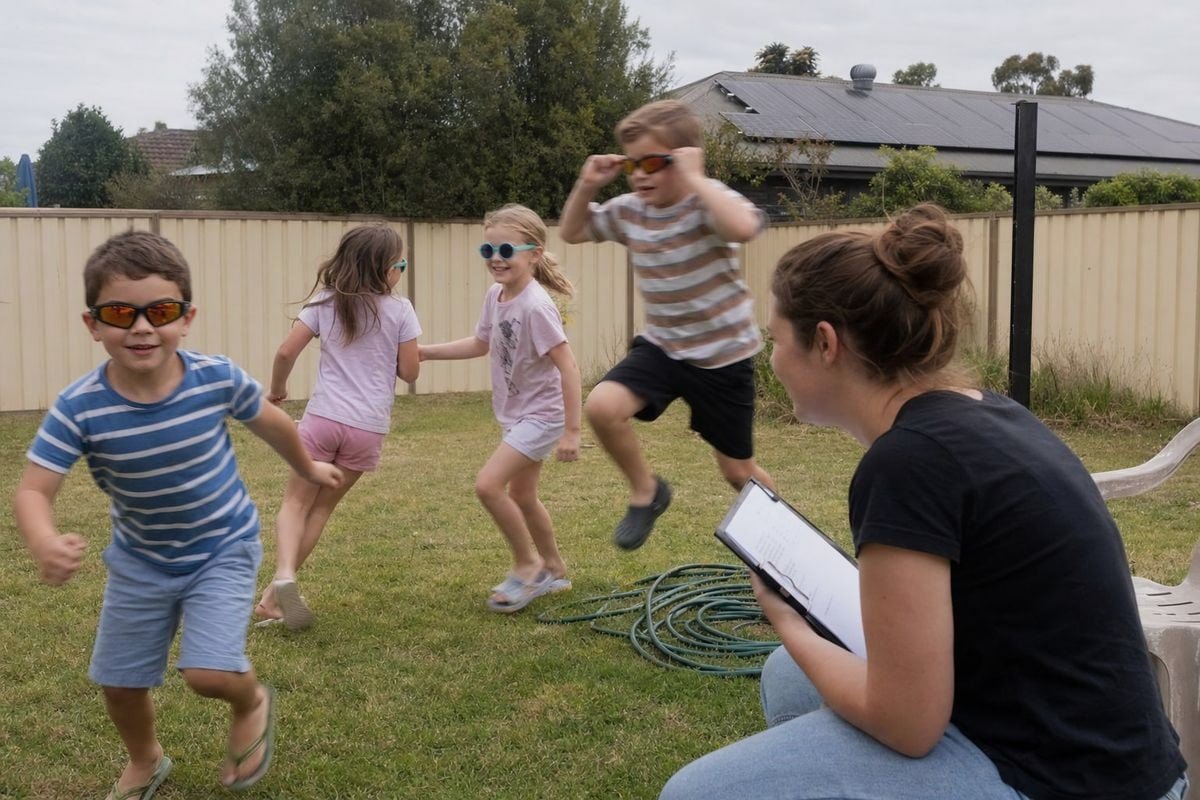
لا يتطلب اختبار الملاءمة معدات باهظة الثمن. يتطلب الأمر انضباطًا وأطفالًا حقيقيين من سوقك الحقيقي. إليك العملية التي نوصي بها لمديري المشتريات، والتي تم صقلها على مدار خمسة عشر عامًا من تشغيل العينات عبر ورشة العمل الخاصة بنا:
بروتوكول ملاءمة ما قبل الإنتاج بخمس خطوات
- اطلب عينات مادية بمواصفات جسر الأنف المستهدفة. اطلب من مصنعك تحديد الـ DBL وارتفاع الوسادة وميل العدسة بالضبط التي تخطط لطلبها. تخفي الصور وملفات CAD مشاكل الملاءمة التي يكشفها الوجه الحقيقي في ثوانٍ.
- قم بتجنيد لجنة محلية صغيرة. عشرة إلى عشرين طفلاً ضمن نطاق العمر المستهدف كافٍ لتحديد الأنماط. قم بتضمين أصغر عمر تخطط للبيع له، لأن الأطفال الصغار يكشفون عن عيوب الجسر بشكل أسرع.
- قم بإجراء فحص ثابت أولاً. ابحث عن الفجوات. الملاءمة الجيدة تترك مساحة قليلة أو معدومة بين الجسر والأنف. تعني الفجوة المرئية أن الهندسة خاطئة لهذا الوجه، بغض النظر عن شكل الإطار.
- قم بإجراء تجربة ارتداء نشطة. اجعل الأطفال يركضون ويقفزون وينظرون إلى جهاز لوحي لمدة خمسة عشر إلى ثلاثين دقيقة. وضعية الرأس للأسفل مهمة - تصميم الجسر الحديث يأخذ في الاعتبار بشكل متزايد الميل الأمامي بحيث يبقى العدسة في وضعها الصحيح أثناء استخدام الشاشة.
- اقرأ إشارتي الفشل. الانزلاق المستمر يعني أن الجسر واسع جدًا أو أن الارتفاع غير متطابق. العلامات الحمراء السريعة تعني أن الجسر ضيق جدًا أو أن الضغط مركز جدًا.
تفسير ورقة المواصفات
عند مراجعة العينات، تحقق من هذه الأرقام مقابل ما لاحظته:
| المواصفات | نطاق الأطفال النموذجي | ما تخبرك به |
|---|---|---|
| عرض الجسر / DBL | 12-19 ملم | ما إذا كان المركز البصري يتوافق مع بؤبؤ الطفل |
| ارتفاع الجسر | منخفض / مرتفع | ما إذا كان الإطار يبتعد عن الخدين في الأشكال المسطحة |
| ميل العدسة (أمامي) | ميل طفيف للأمام | ما إذا كانت العدسة تظل محاذية عندما ينظر الطفل للأسفل |
| انحناء الذراع | التفاف لطيف | ما إذا كان ثبات الإطار يأتي من الأذنين، وليس فقط الأنف |
عرض الجسر أهم من حجم العدسة هنا. إذا كان DBL خاطئًا، فإن المركز البصري يقع خارج البؤبؤ، وحتى الإطار المريح يوفر رؤية ضعيفة وحماية من الوهج. نشير إلى هذا في كل ورقة عينة نرسلها، لأنه الرقم الذي يتجاهله المشترون في أغلب الأحيان.
ما هي مواد جسر الأنف التي تمنع الانزلاق والتهيج على وجوه الأطفال النشطين؟
اختيار المواد هو مقايضة نزنها في كل نمط جديد. بوليمر أكثر صلابة يحافظ على شكله وبصرياته، ولكنه يعاقب قاعدة أنف أوسع. واحد أكثر ليونة يمسك وينثني، ولكنه لا يزال بحاجة إلى الحفاظ على استقرار العدسة. إجابتنا، بعد سنوات من التكرار في TPEE و TR90، هي عادةً مزيج بدلاً من مادة واحدة.
إطارات TR90 المرنة مع مناطق تلامس جسر الأنف من TPEE أو السيليكون تمنع الانزلاق والتهيج بشكل أفضل. يوفر TR90 هيكلًا ثابتًا وخفيف الوزن، بينما تعمل حشوات وسادة الأنف الناعمة من TPEE أو السيليكون على الإمساك بالجلد بلطف، وتتثنى مع الحركة، وتتجنب علامات الضغط أثناء اللعب النشط.
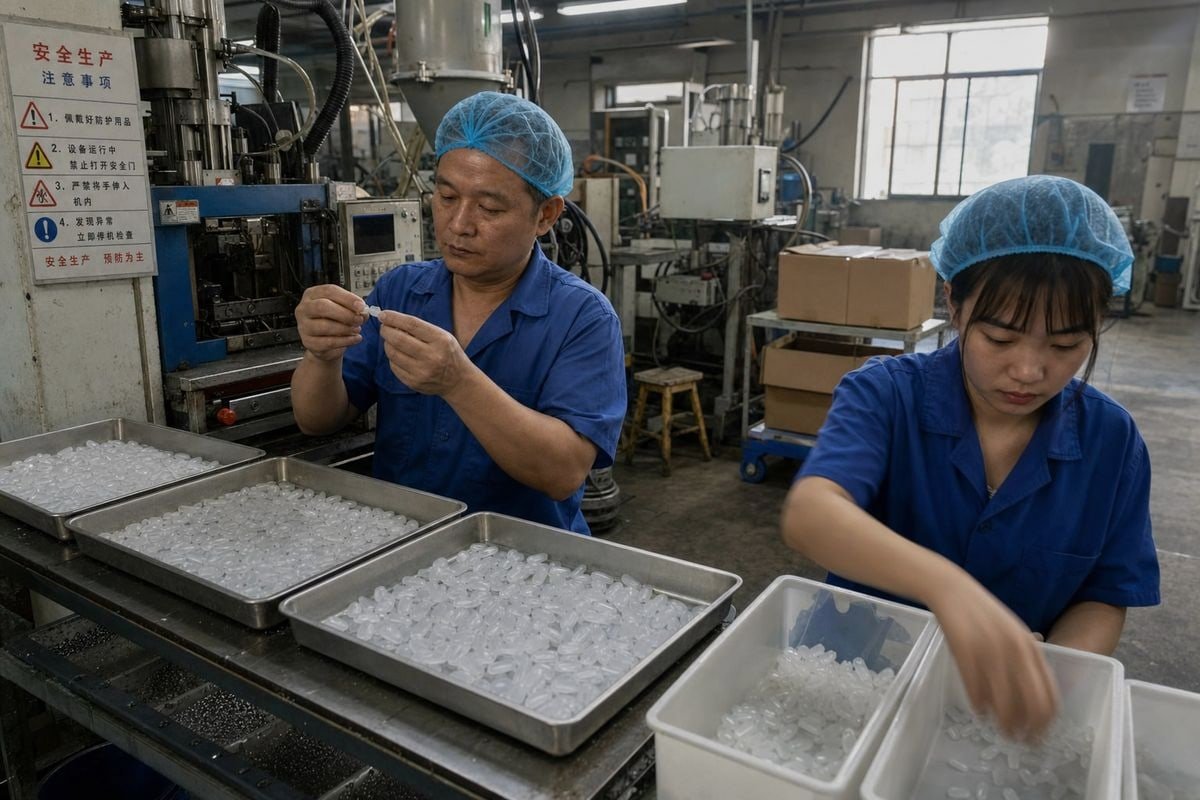
ثبات الإطار على طفل يركض ويتعرق يعتمد على شيئين: الإمساك عند نقاط الاتصال والانثناء عبر الهيكل. تنقل الأطر الصلبة كل صدمة وكل هزة رأس مباشرة إلى الأنف. تمتص المواد المرنة هذه الحركة بدلاً من ذلك.
لماذا المرونة ميزة ملاءمة، وليست مجرد ميزة أمان
TR90 هو بلاستيك حراري بذاكرة 7. ينثني ويعود إلى شكله، مما يسمح للإطار بالانفراج قليلاً للتكيف مع قاعدة أنف أوسع دون قرص. هذا الانفراج هو آلية ملاءمة حقيقية - فهو يوزع ضغط الاتصال عبر منطقة أوسع من الجسر بدلاً من تثبيت نقطتين صغيرتين. TPEE يذهب أبعد من ذلك. إنه أكثر ليونة، ومطاطي الملمس، وقبضة حتى عندما يتعرق الطفل. في العديد من أنماط الأطفال الأكثر أداءً لدينا، نقوم بإقران مقدمة TR90 مع معابد TPEE 8, ، ونستخدم TPEE أو السيليكون في منطقة اتصال الجسر. كلا المادتين هما أيضًا خيارات صديقة للبيئة أكثر من العديد من المواد البلاستيكية القديمة، وهو أمر مهم للعلامات التجارية الأوروبية والأسترالية التي نوفر لها.
أنماط درع الرياضة في مجموعتنا - التصاميم ذات العدسة الواحدة التي تحيط بالوجه والمصممة لركوب الدراجات واللعب في الهواء الطلق - تظهر هذا بوضوح. فتحة جسر الأنف المقولبة الخاصة بهم تعمل فقط لأن المادة المحيطة تنثني؛ درع صلب بنفس الفتحة سيرتد على كل خطوة.
| نهج مادة الجسر | قبضة عند التعرق | راحة الضغط | متانة للعب النشط | أفضل حالة استخدام |
|---|---|---|---|---|
| سرج بلاستيكي صلب مصبوب | منخفض | متوسط | مرتفع | كاجوال، ارتداء قصير فقط |
| جسر مصبوب TR90 | متوسط | عالي (ينثني) | عالي جداً | إطارات أطفال يومية |
| منطقة اتصال TPEE / مطاطية | مرتفع | عالي جداً | مرتفع | الأطفال الصغار، الأنماط الرياضية |
| حشوات وسادة أنف سيليكون 9 | عالي جداً | عالي جداً | متوسط (قابل للاستبدال) | الرياضة، منتجات ذات جسر منخفض |
| وسادات معدنية قابلة للتعديل بأطراف سيليكون | مرتفع | مرتفع (قابل للضبط) | متوسط | الأطفال الأكبر سنًا، إطارات بصرية |
أحد الخيارات الناشئة التي تستحق المراقبة: بوليمرات متكيفة حرارياً تتلين قليلاً عند درجة حرارة الجسم، مما يسمح للجسر بتشكيل نفسه ذاتيًا ليناسب منحنيات الطفل خلال دقائق من الارتداء. إنه واعد لتوفير راحة مخصصة، على الرغم من أنه بالنسبة لمعظم الطلبات بكميات كبيرة اليوم، فإن منطقة اتصال TPEE المصممة جيدًا توفر تسعين بالمائة من الفائدة بتكلفة مثبتة.
يبقى جسر السرج المصنوع من مادة ناعمة هو الأداة الرئيسية للأطفال النشطين. فهو يوزع وزن الإطار بالتساوي عبر جسر الأنف، مما يقلل من نقاط الضغط والعلامات الحمراء التي يشتكي منها الآباء في المراجعات.
هل يمكنني تخصيص تصميم جسر الأنف عبر أنماط إطاراتي الحالية دون تكاليف قوالب جديدة؟
سؤال أسمعه من كل مشترٍ جديد تقريبًا في المعارض التجارية هو بصيغة ما: "أنا أحب هذا الإطار، لكن سوقي يحتاج إلى جسر مختلف - هل يجب أن أدفع مقابل قالب جديد؟" الإجابة الصادقة عادة ما تكون لا، وهذا أحد الأسباب التي تجعلنا نحتفظ بحوالي 800 تصميم موجود في مخزوننا لتستند إليه العلامات التجارية.
نعم. يمكنك تخصيص ملاءمة الجسر بدون قوالب جديدة عن طريق إضافة حشوات وسادات أنف سيليكون، أو التبديل إلى وسادات أنف قابلة للتعديل، أو استخدام حشوات جسر قابلة للتثبيت معيارية، أو اختيار شكل إطار موجود بتركيبة هندسية مختلفة للجسر. إعادة التجهيز الكاملة مطلوبة فقط للأشكال الجديدة تمامًا للإطار.
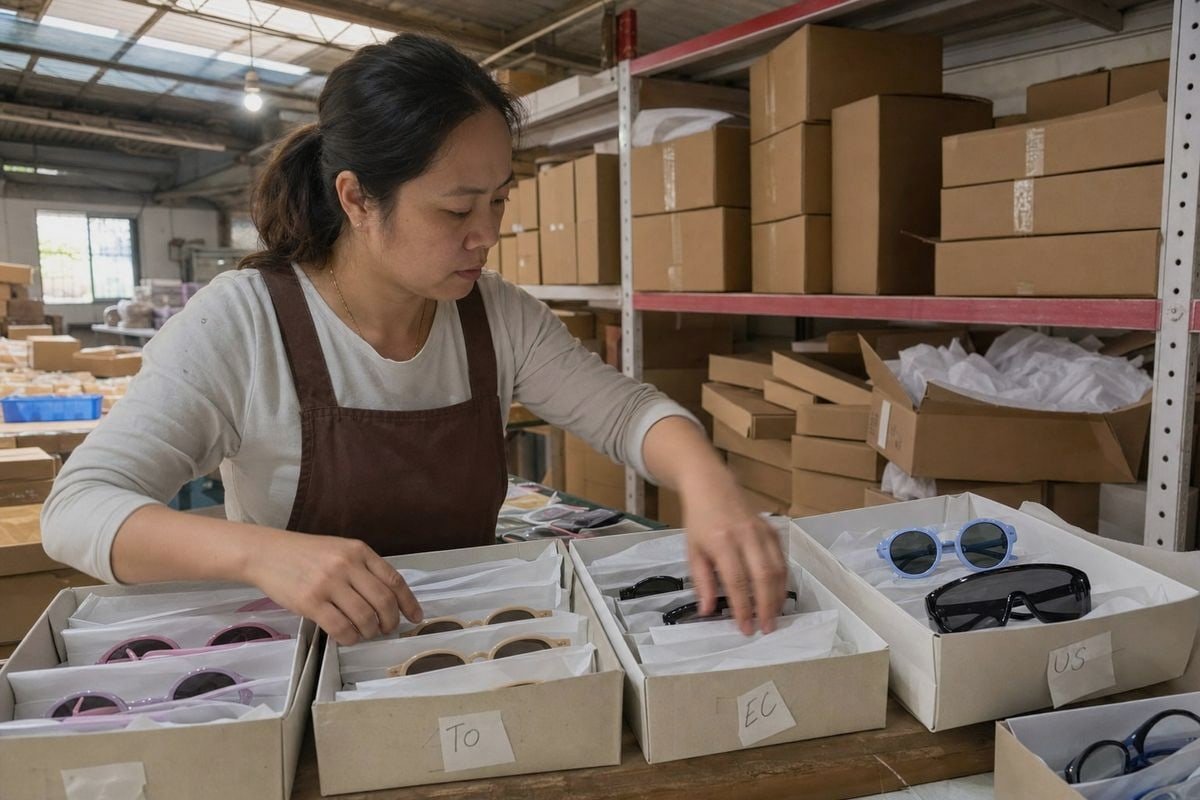
القوالب هي أكبر تكلفة ثابتة في تطوير النظارات، لذا فإن المشترين الأذكياء يستنفدون الخيارات التي لا تتطلب قوالب أولاً. في عملنا في مجال تصنيع المعدات الأصلية/تصنيع التصميم الأصلي، نوجه العلامات التجارية عبر أربعة مستويات متصاعدة من تخصيص الجسر.
أربعة مستويات لتخصيص الجسر، من الأرخص إلى الأكثر تعقيدًا
- وسادات وإضافات إضافية. يمكن لوسادات الأنف المصنوعة من السيليكون الملحومة أو المناطق الناعمة المصبوبة أن تزيد من ارتفاع الوسادة الفعال على إطار موجود. هذا غالبًا ما يكون كافيًا لتحويل تصميم قياسي إلى نسخة تناسب الجسر المنخفض للأسواق الآسيوية أو غيرها من الأسواق ذات الجسر المسطح.
- وسادات أنف قابلة للتعديل. يسمح استبدال الجسر المصبوب بأذرع وسادات قابلة للتعديل لكل عائلة بضبط الارتفاع والعرض بدقة في المنزل. هذا يناسب الوجوه غير المتماثلة والأطفال سريعي النمو، ويطيل عمر الإطار القابل للاستخدام - وهي نقطة بيع حقيقية في صفحات المنتجات.
- أنظمة جسر معيارية. تسمح إضافات الجسر القابلة للتبديل ذات الأعماق المختلفة لمنصة إطار واحدة بخدمة أسواق متعددة. تطلب نفس الواجهة والمعابد، ثم تحدد إضافات ضحلة لمنطقة واحدة وإضافات مرتفعة لمنطقة أخرى. تقدم بعض كتالوجات إطارات الأطفال بالفعل خيارات جسر متعددة ضمن عائلة إطارات واحدة لهذا السبب بالضبط.
- اختيار التصميم الحالي. في بعض الأحيان يكون أرخص تخصيص هو اختيار قاعدة مختلفة. مع مكتبة تصميمات كبيرة بما فيه الكفاية، يوجد عادةً إطار بالفعل بالـ DBL وارتفاع الوسادة والميل الذي يحتاجه سوقك - لا يتطلب هندسة. هذا هو السبب بالضبط في أننا بنينا كتالوجنا إلى 800 تصميم: يمكن للعلامات التجارية الجديدة اختبار سوق بإصدارات تناسب الجسر المنخفض والإصدار القياسي جنبًا إلى جنب، دون أي استثمار في القوالب على الإطلاق.
هناك نقاش حقيقي هنا يستحق المعالجة بشكل مباشر. يصر بعض المشترين على أن وسادات الأنف القابلة للتعديل هي دائمًا الحل، لأنها تعوض النمو وأشكال الجسر المتنوعة. يفضل آخرون جسور السرج المصبوبة البسيطة - أخف وزنًا، ولا شيء يمكن للطفل ثنيه أو كسره، ولا شيء يمكن للوالد العبث به. كلا الرأيين صحيحان جزئيًا. موقفنا بعد خمسة عشر عامًا: الجسور الناعمة المصبوبة تفوز للأطفال الصغار والتصاميم الرياضية، والوسادات القابلة للتعديل تفوز للإطارات البصرية المدرسية والأسواق متعددة الثقافات، واستراتيجية المخزون متعددة الملاءمة تتفوق على فرض أي من الخيارين عندما يمتد سوقك عبر عدة ملامح وجه. تبدو إطارات "الملاءمة العالمية" فعالة على الورق، ولكن في الممارسة العملية، فإن استراتيجية ملاءمة مكونة من وحدتي SKU - ملاءمة قياسية بالإضافة إلى ملاءمة بديلة - تقلل عادةً من المرتجعات أكثر من أي هندسة "عالمية" واحدة يمكنها ذلك. قم بتسمية الملاءمات بوضوح على صفحات منتجاتك حتى يتمكن الآباء من الاختيار الذاتي بشكل صحيح؛ لغة الملاءمة القائمة على التشريح تتفوق الآن على الكلمات العامة "مقاس الأطفال".
الخلاصة
تقتل ملاءمة الجسر السيئة بصمت علامات النظارات التجارية للأطفال من خلال المرتجعات والمراجعات السيئة. الحل متعمد: قم برسم تشريح وجه سوقك، واختبر العينات على أطفال حقيقيين، واختر مواد مرنة، وقم بتخصيص هندسة الجسر باستخدام الأدوات الحالية. في مصنعنا في تايتشو، نساعد العلامات التجارية على اتخاذ هذه القرارات بالضبط عبر مجموعات الأطفال المصنوعة من TPEE و TR90 - لأن الإطار الذي يبقى بشكل مريح على وجه الطفل هو أرخص تسويق يمكن أن تشتريه علامة تجارية على الإطلاق.
ملاحظات ختامية
الخلفية حول تشريح الأنف تشرح سبب اختلاف ارتفاع الجسر عبر السكان. ↩︎
دليل NIH StatPearls الموثوق به حول تشريح عظم الوجنة وبروز الوجه. ↩︎
معيار ISO 12312-1 للنظارات الشمسية يحدد رسميًا مواصفات قياس الإطار مثل DBL. ↩︎
إرشادات المستهلك من إدارة الغذاء والدواء حول اختيار النظارات الشمسية المناسبة للأطفال. ↩︎
يحدد علم قياس السكان وراء طرق تجميع الوجه الإقليمية. ↩︎
تدعم إرشادات طب العيون حول ملاءمة النظارات الشمسية مناقشة خيارات هندسة الجسر. ↩︎
الخلفية حول المواد البلاستيكية الحرارية تشرح خصائص TR90 المرنة والمحافظة على الشكل. ↩︎
مدخل ويكيبيديا شامل يغطي اللدائن الحرارية المرنة بما في ذلك TPEE. ↩︎
تفصيل مفصل لمكونات النظارات ووظيفة وسادة الأنف. ↩︎
مقالات أخرى قد تعجبك

هل تبحث عن شريك موثوق به للنظارات للأطفال؟
استكشف أكثر من 800 نمط جاهز ودعم OEM/ODM كامل مصمم خصيصًا لعلامتك التجارية.
اتصل بنا English
  Español de México
  Deutsch
  Français
  日本語
日本語  العربية
  Português do Brasil